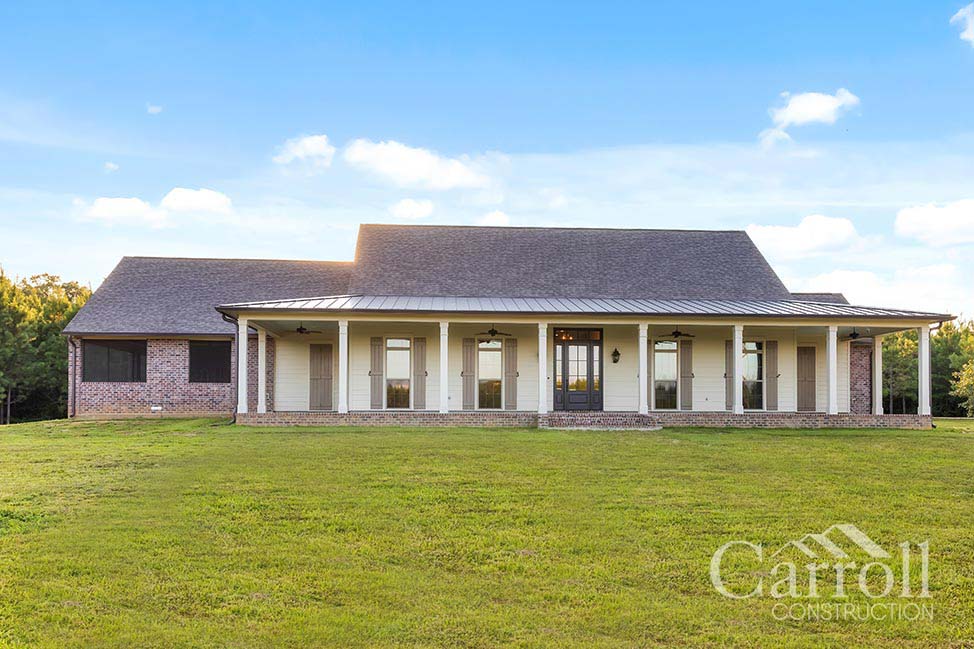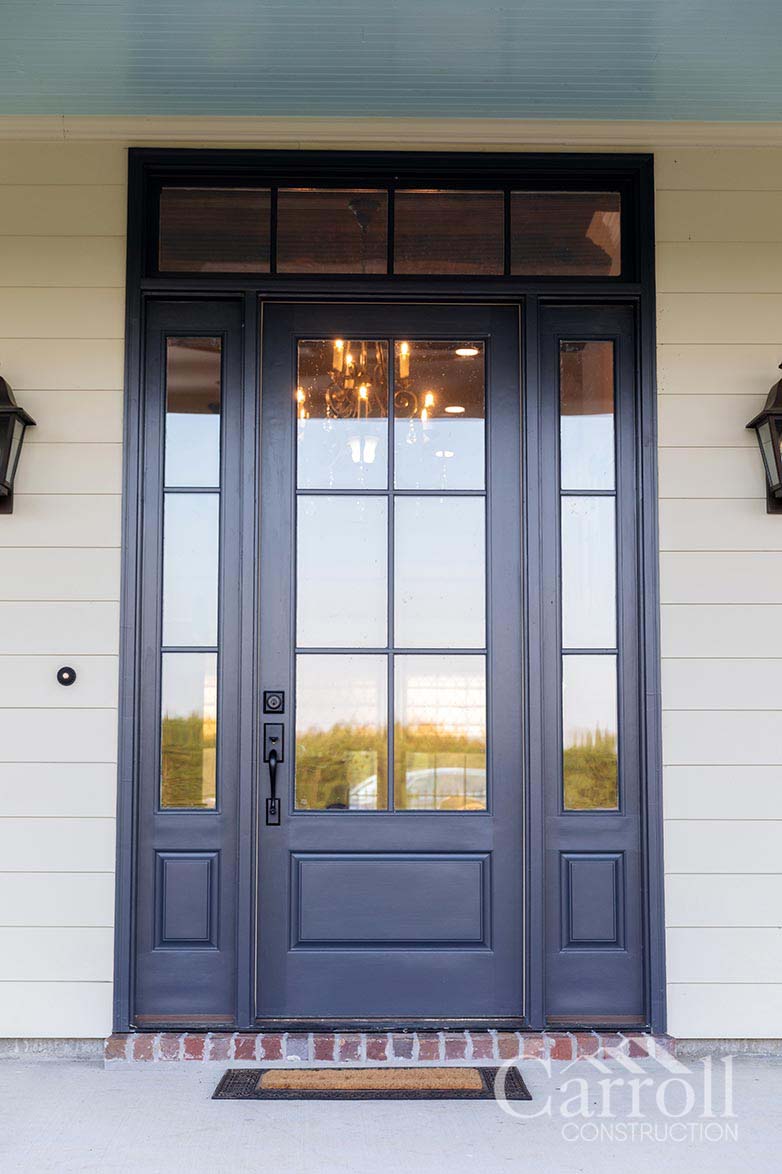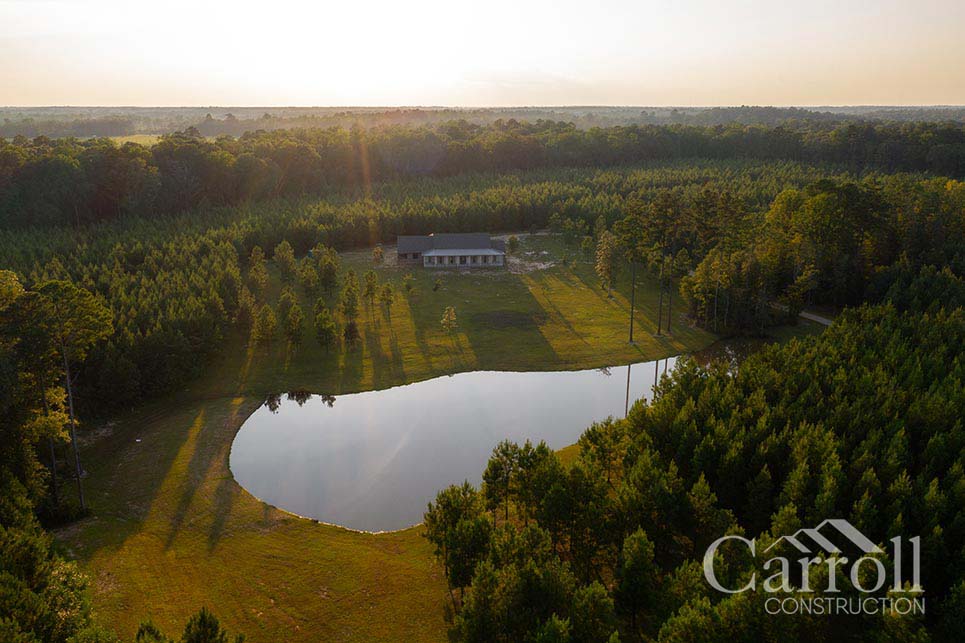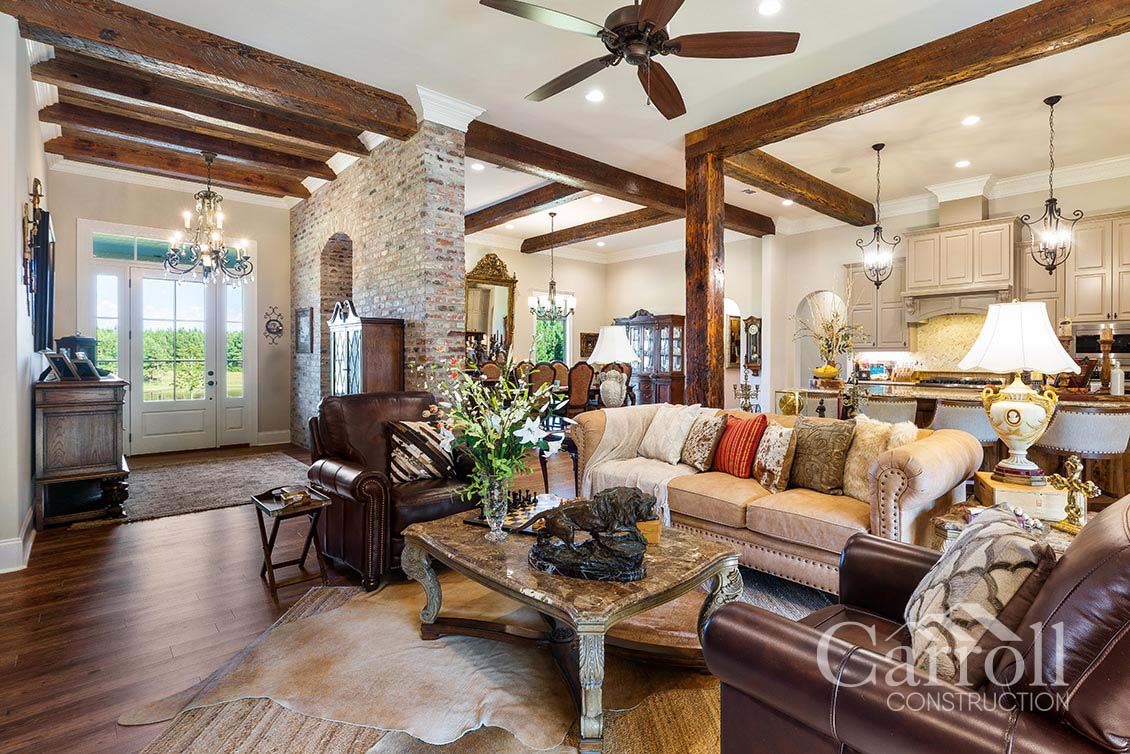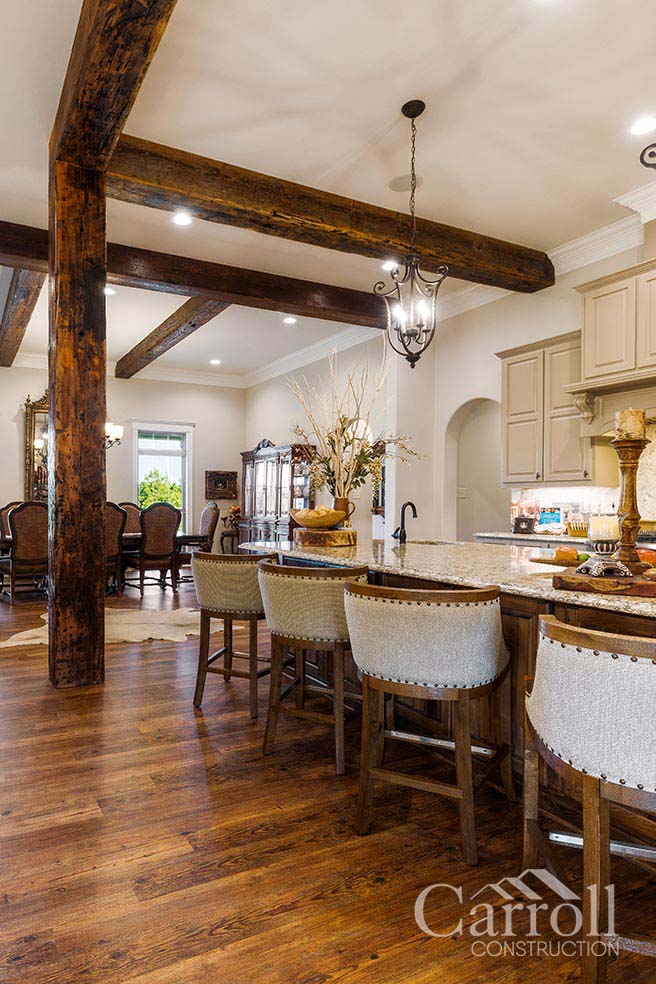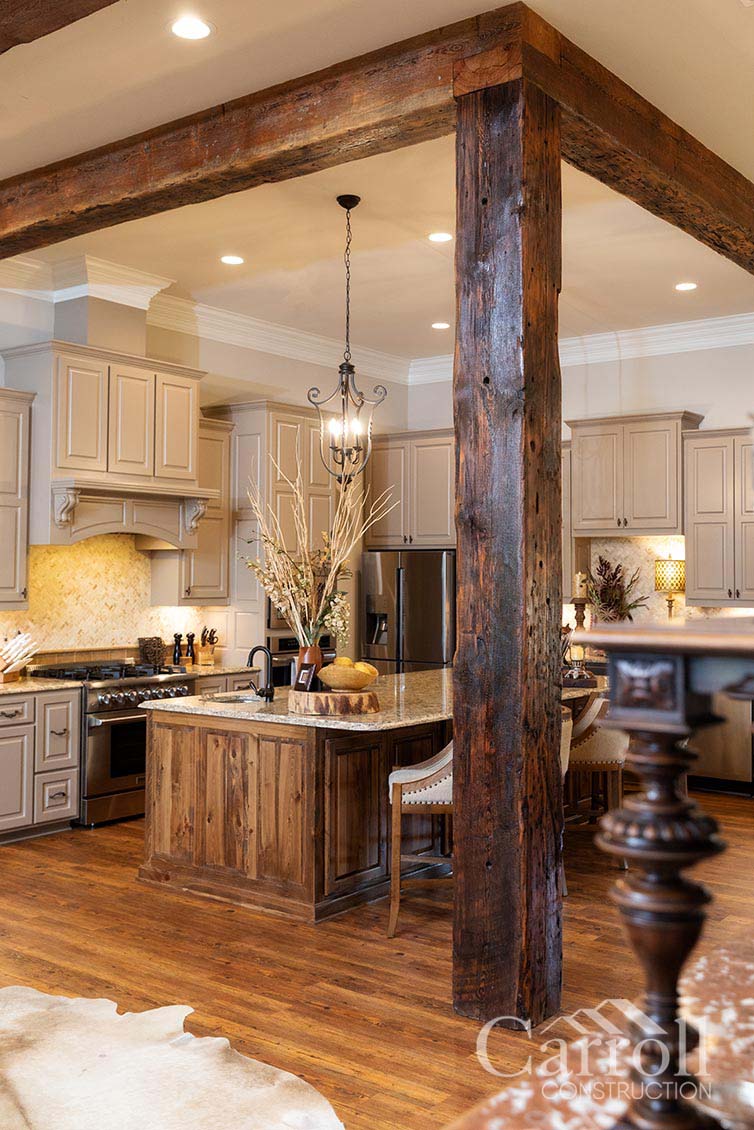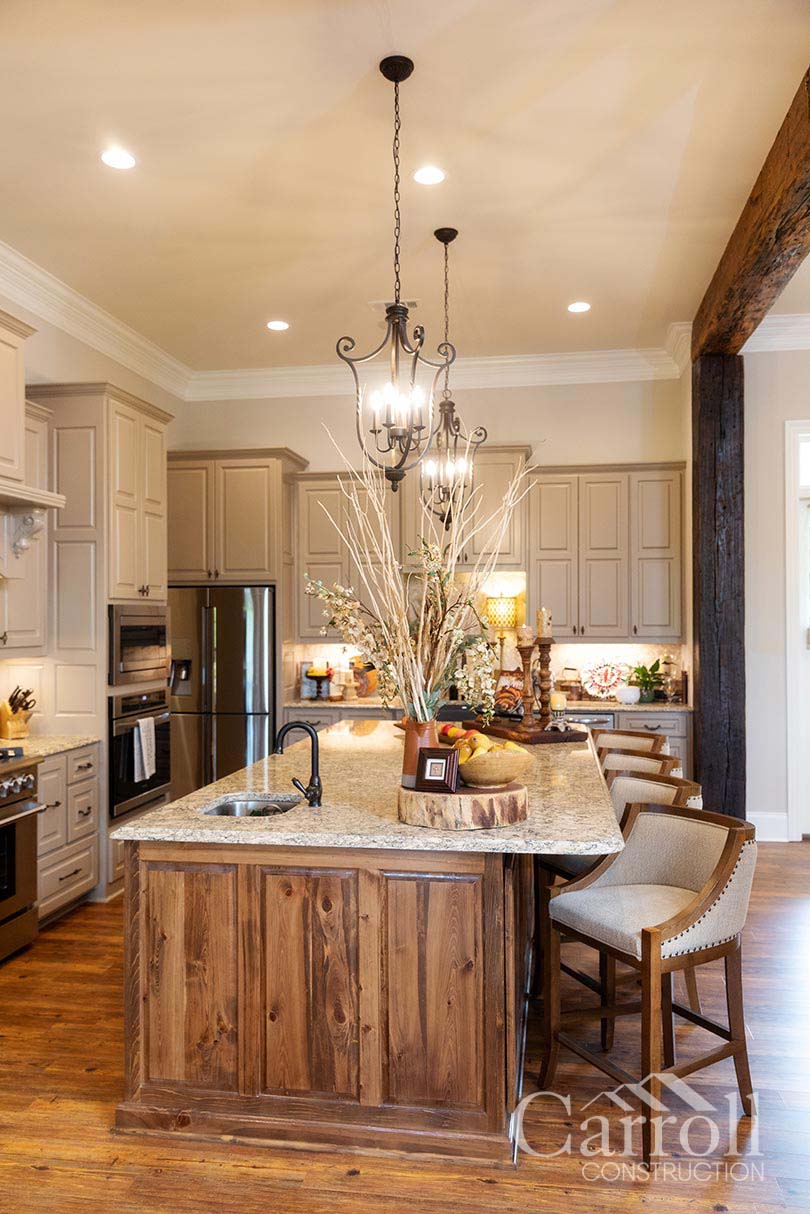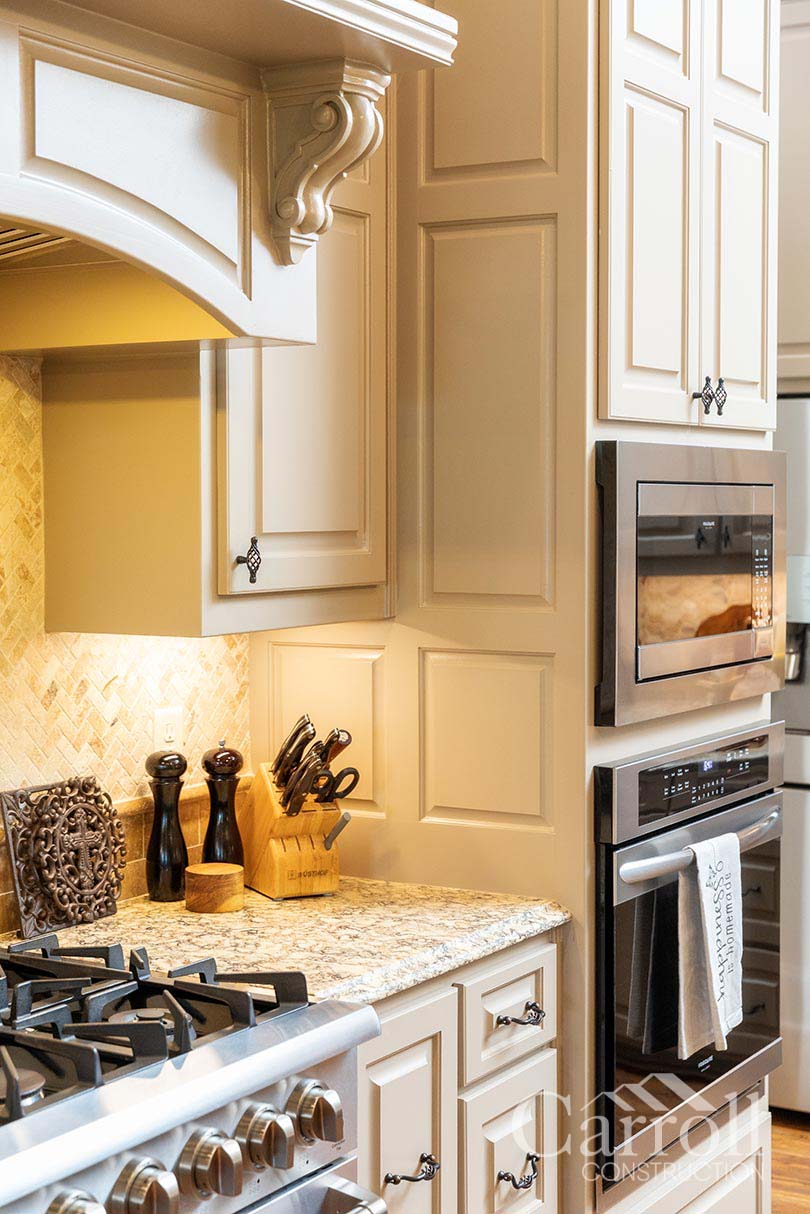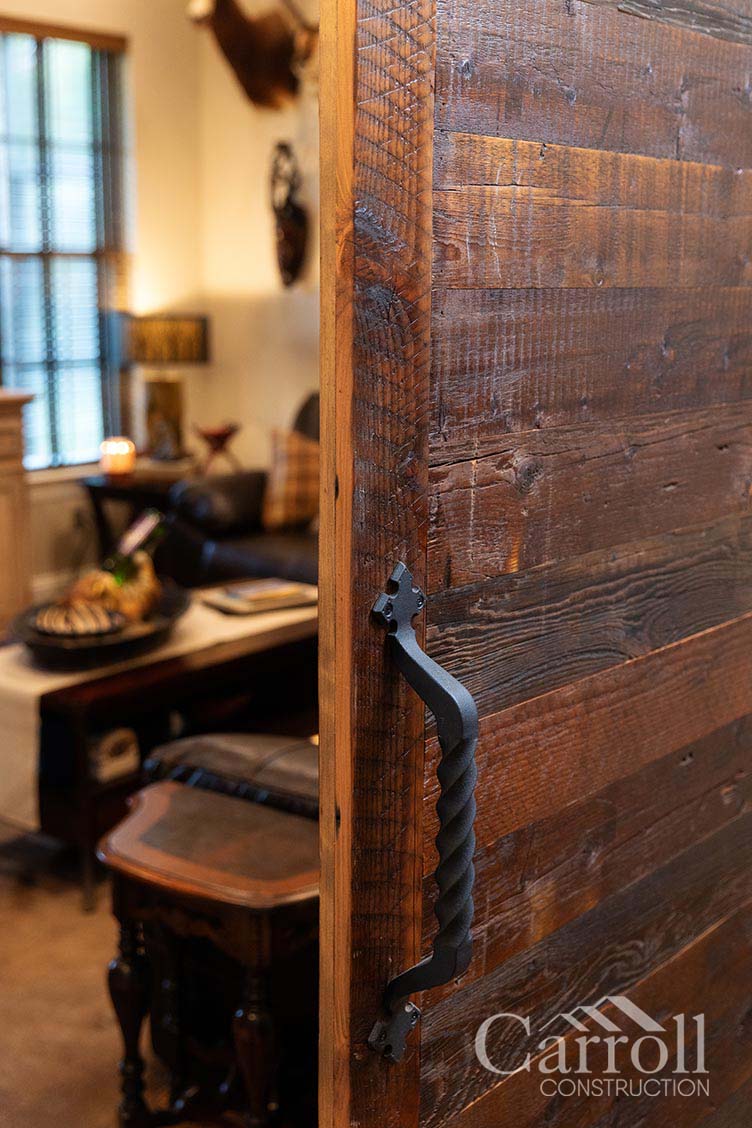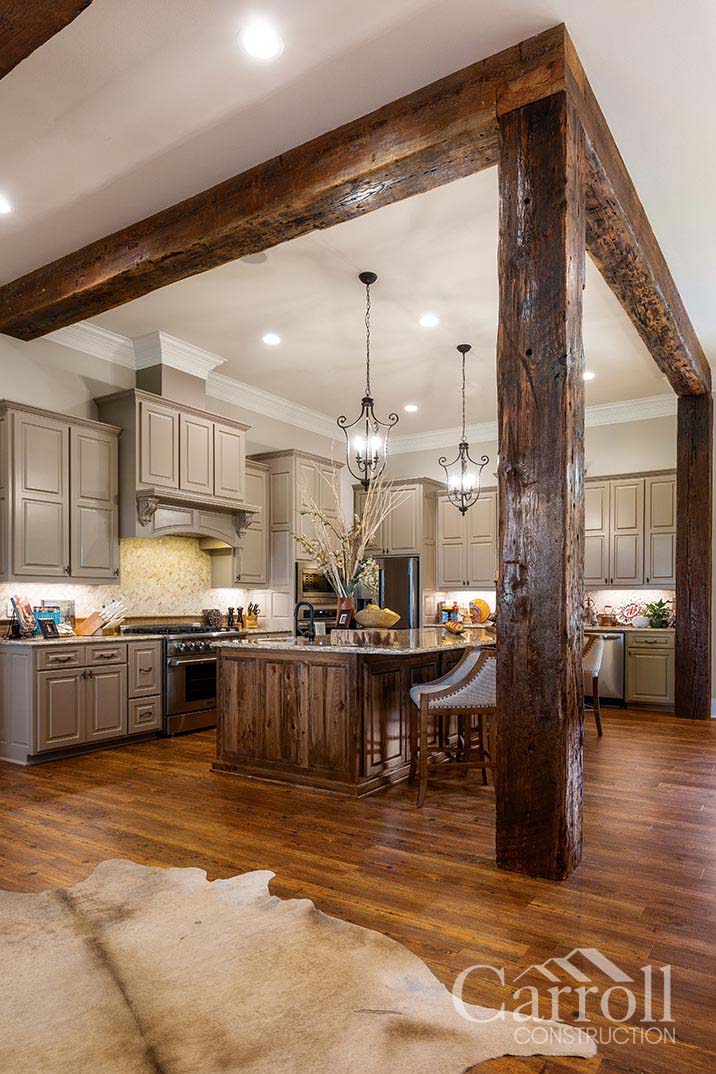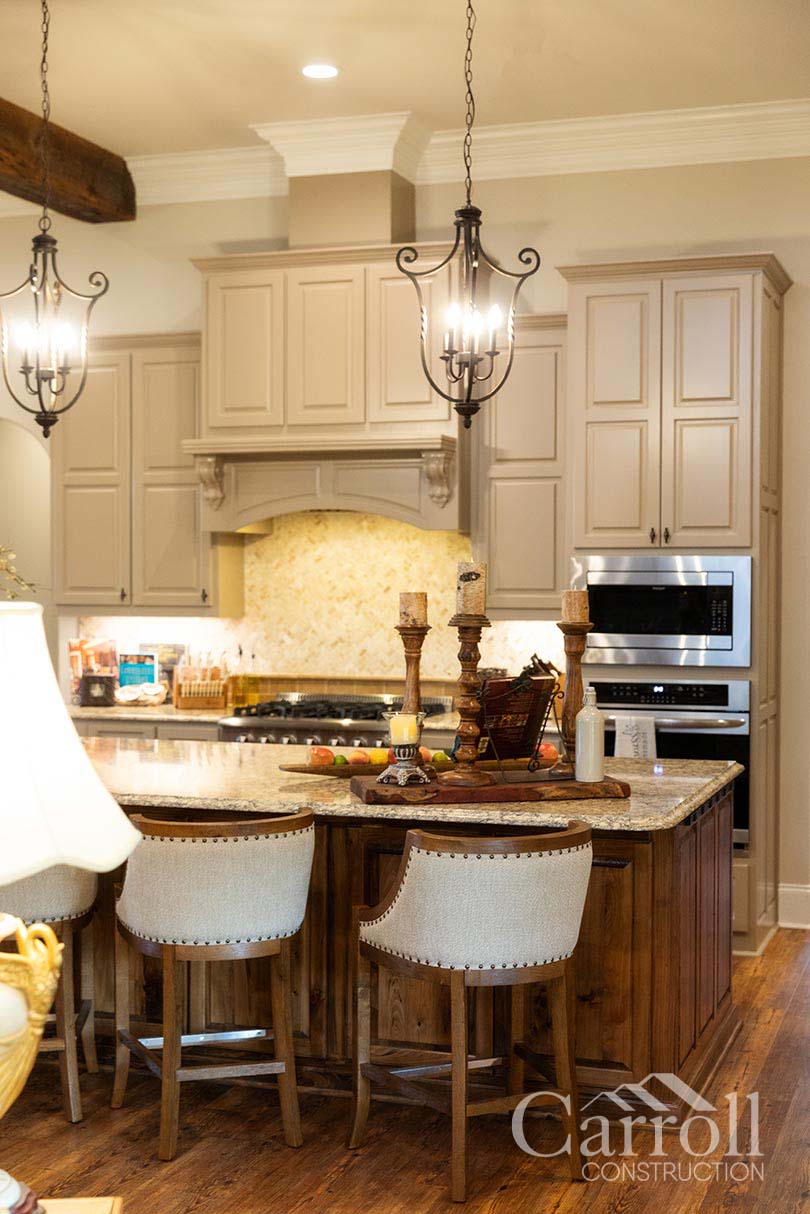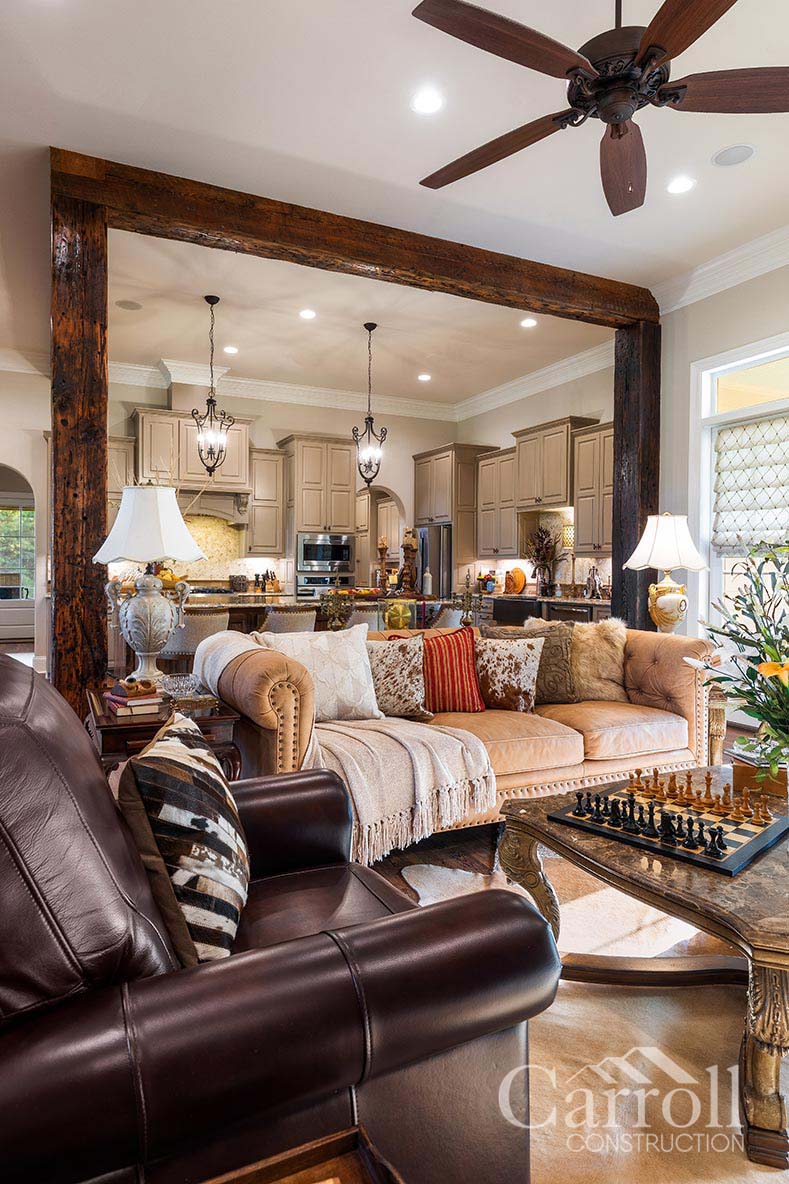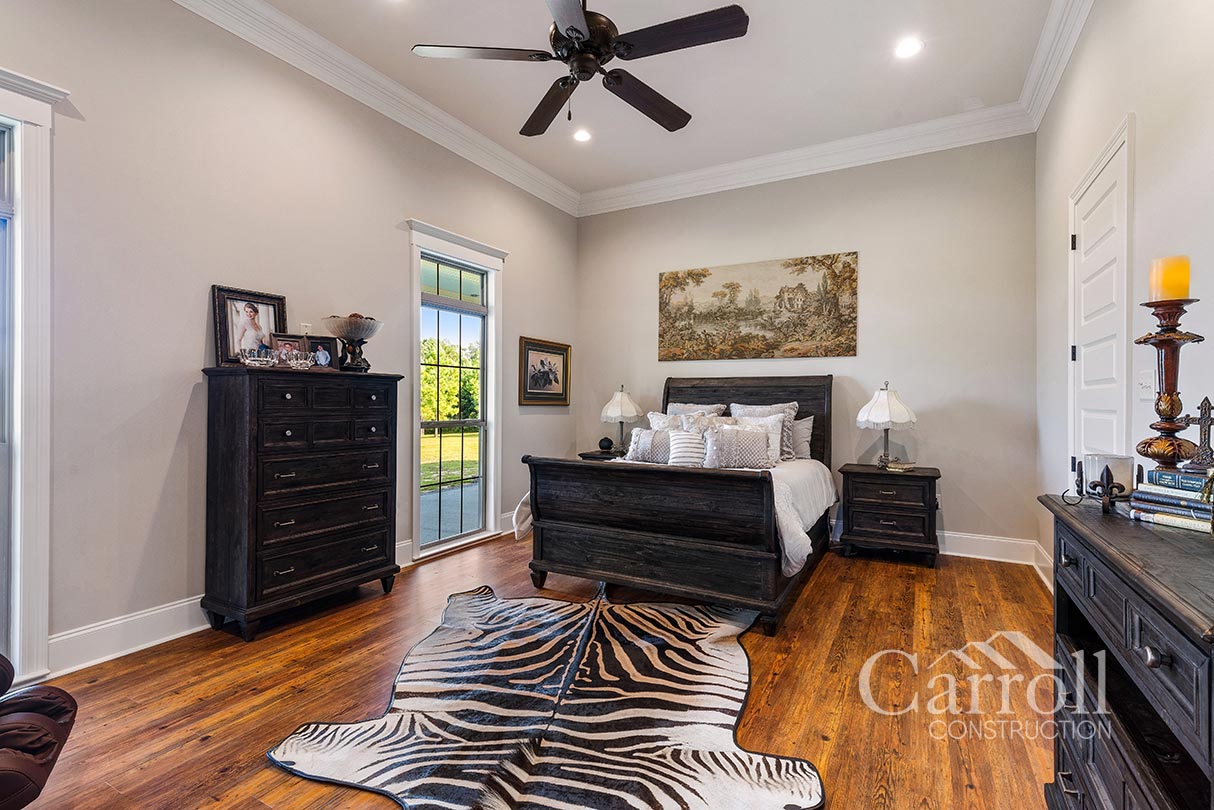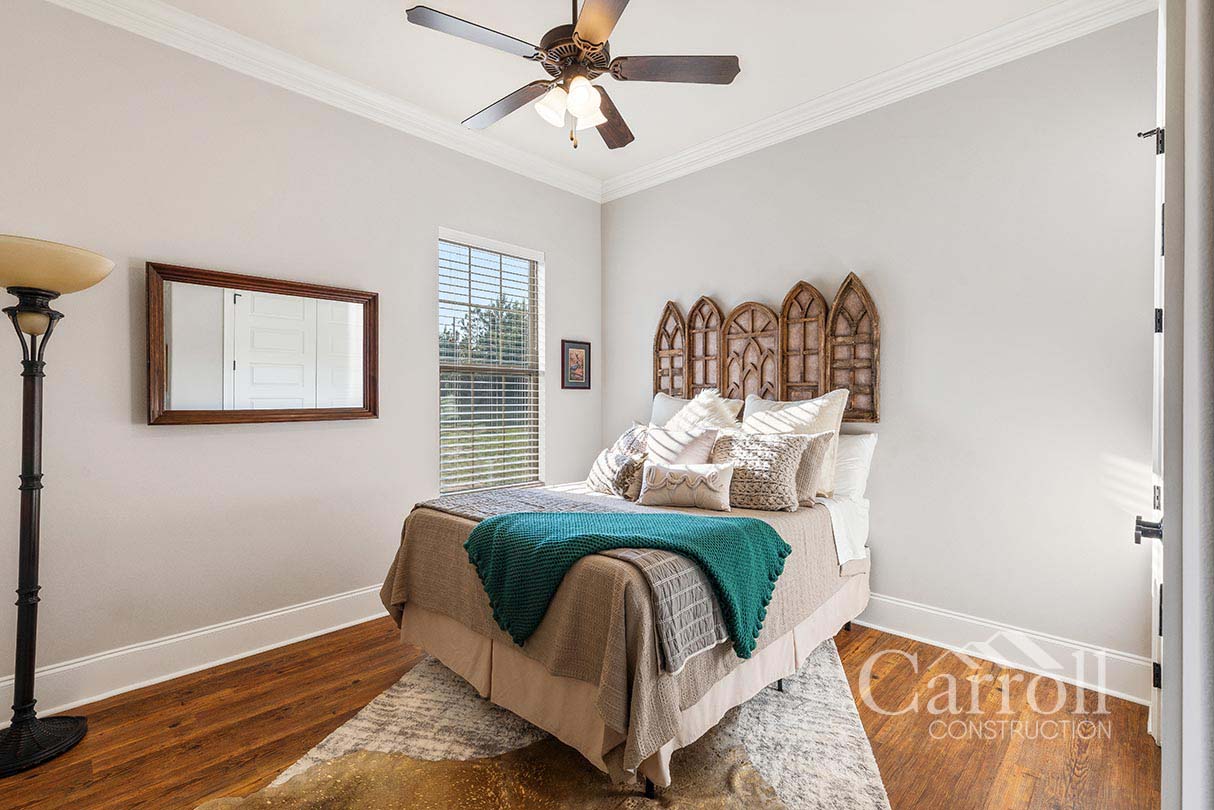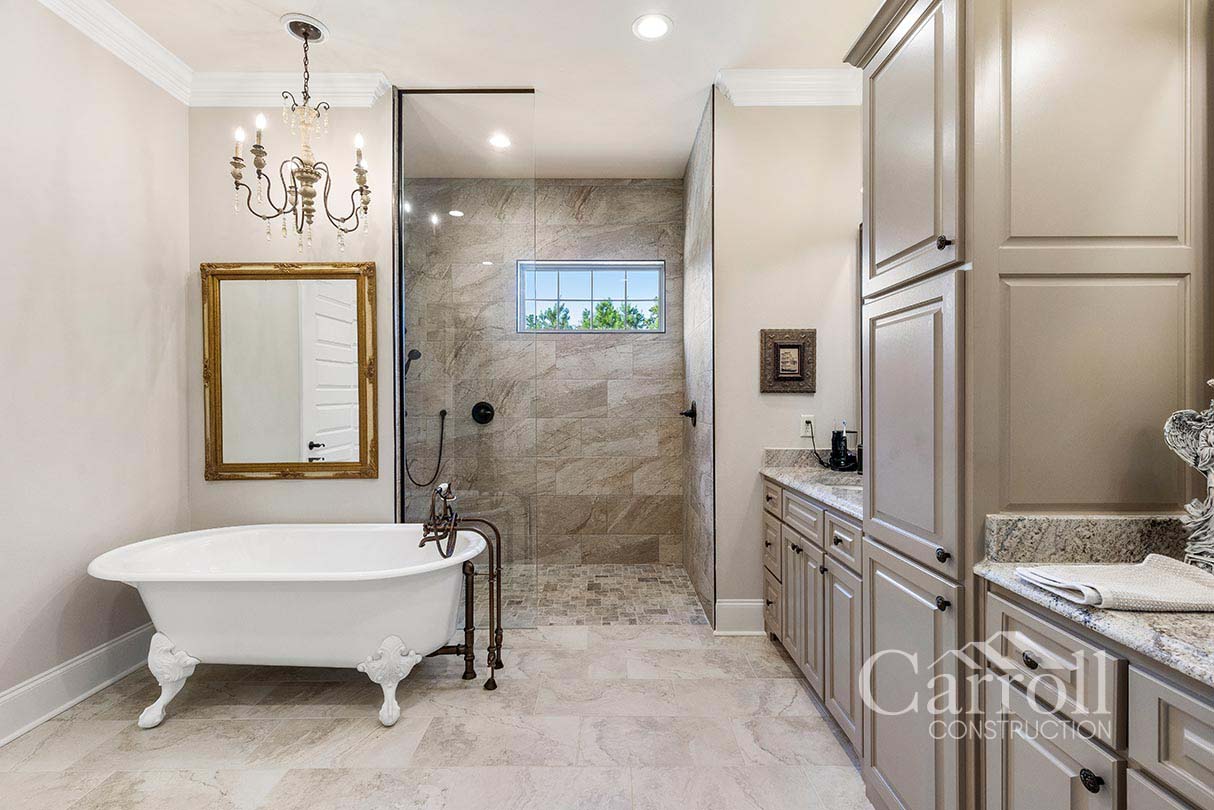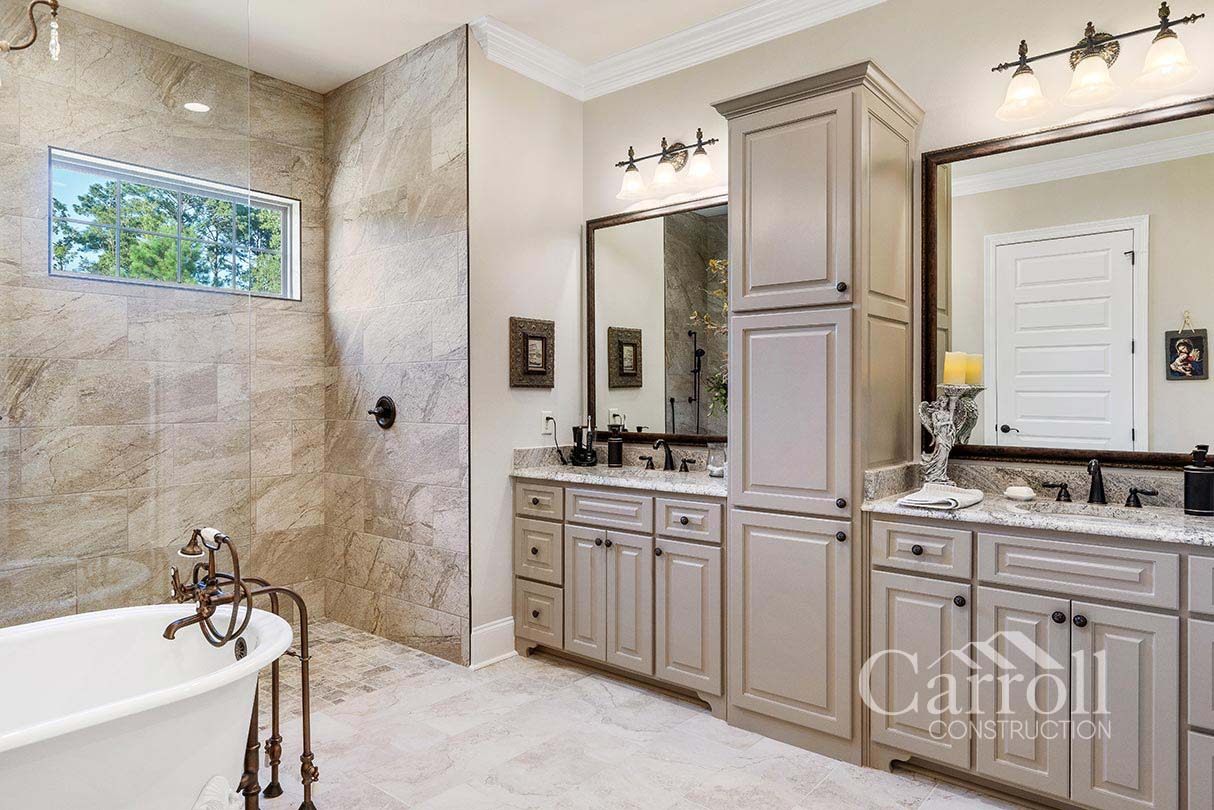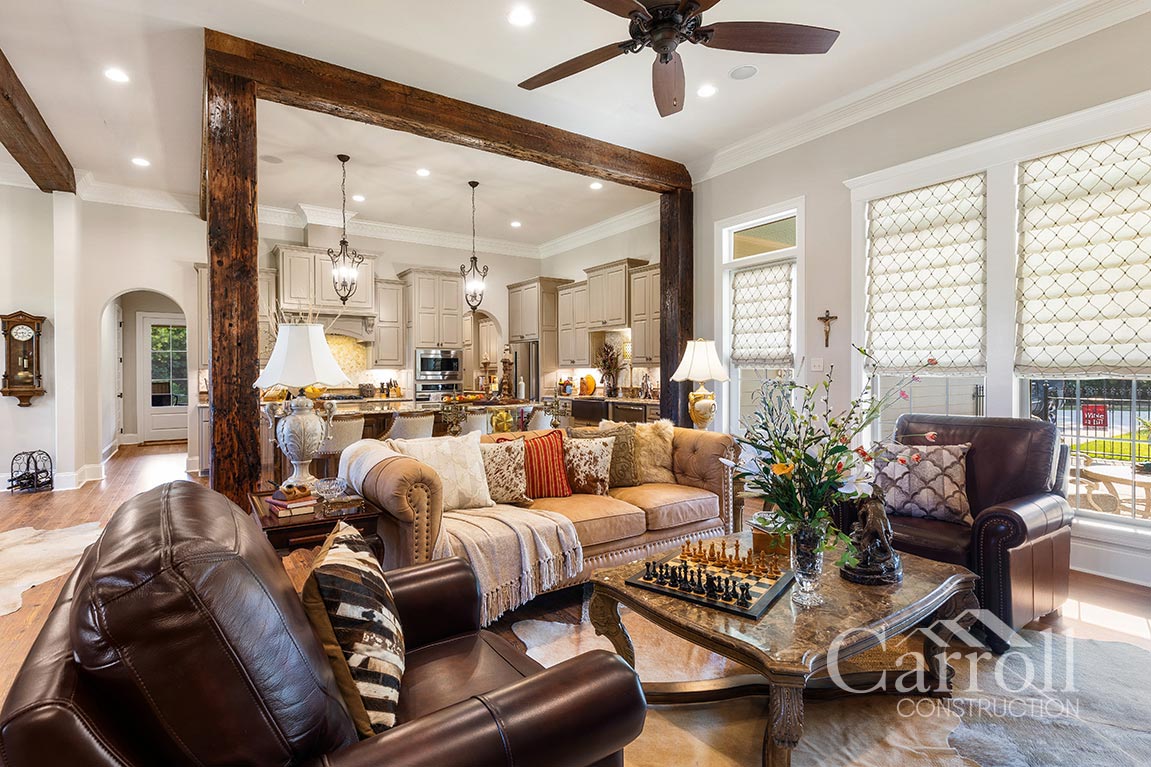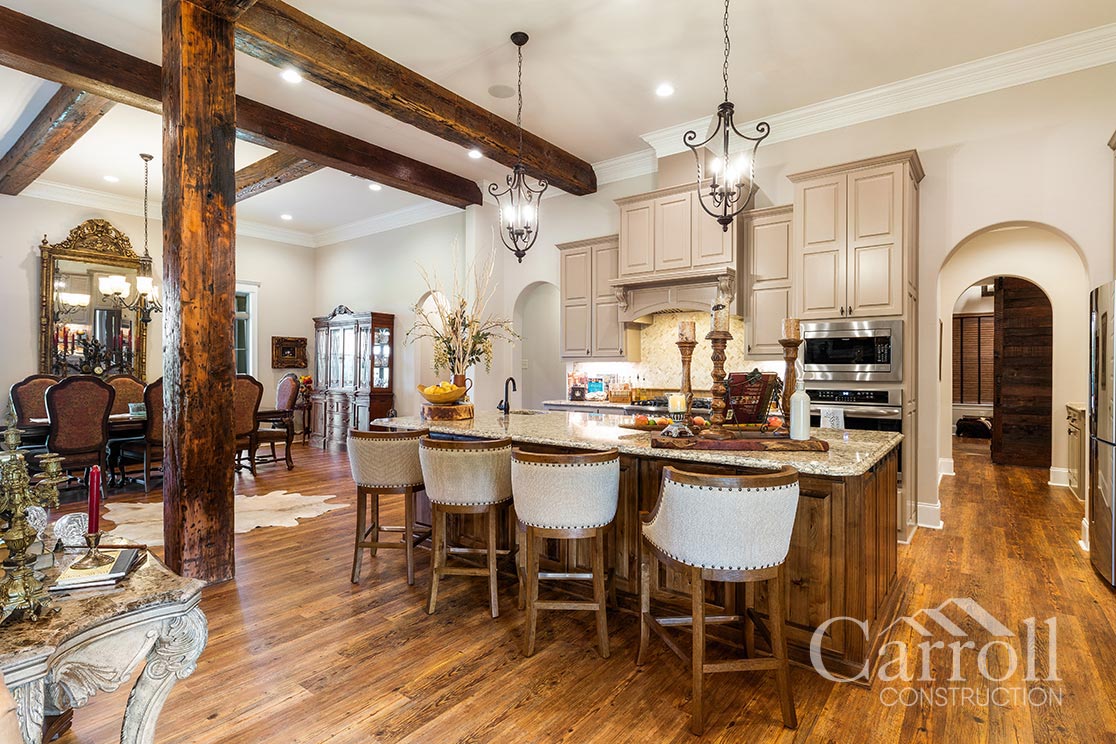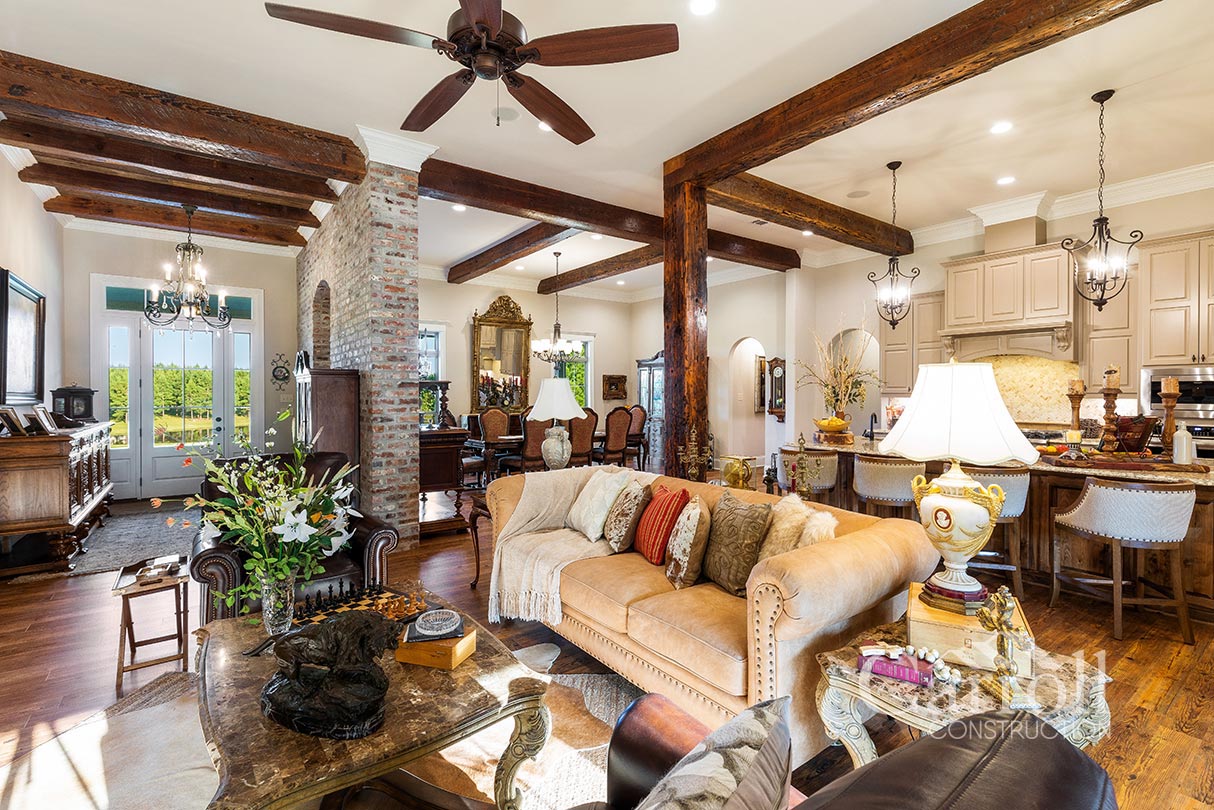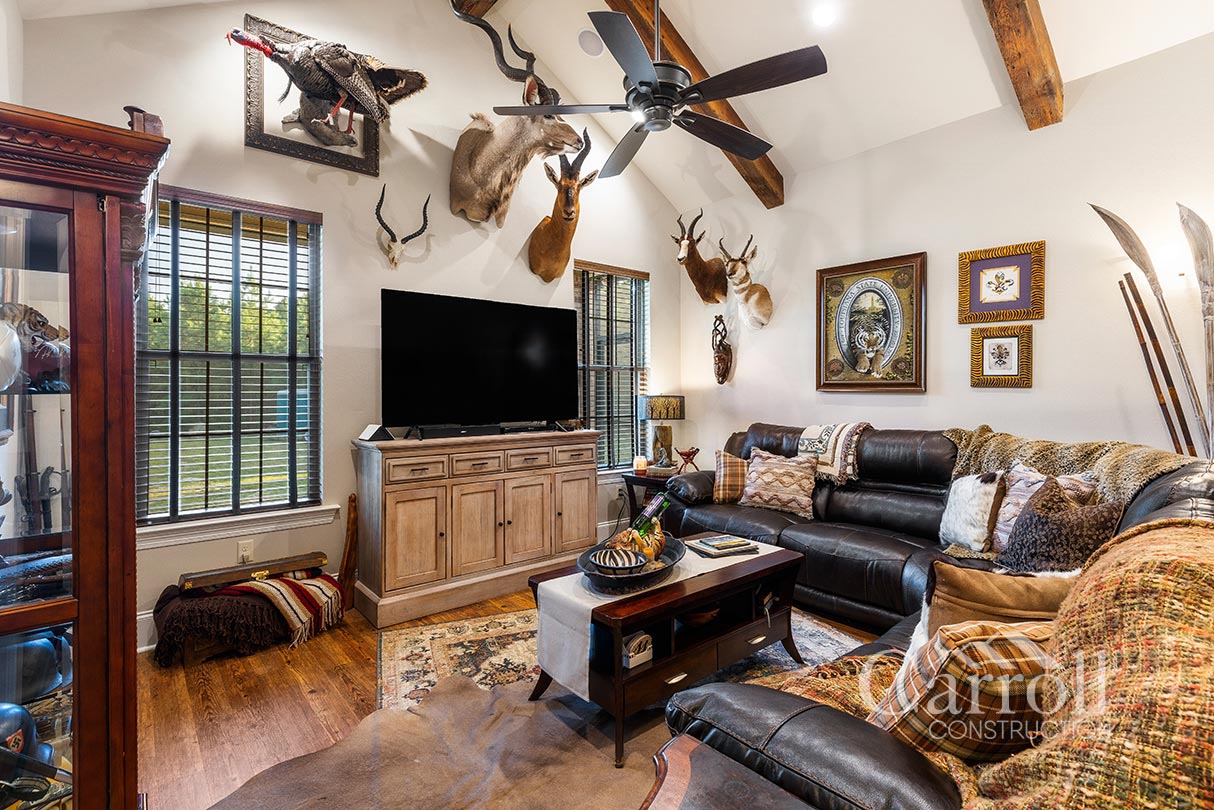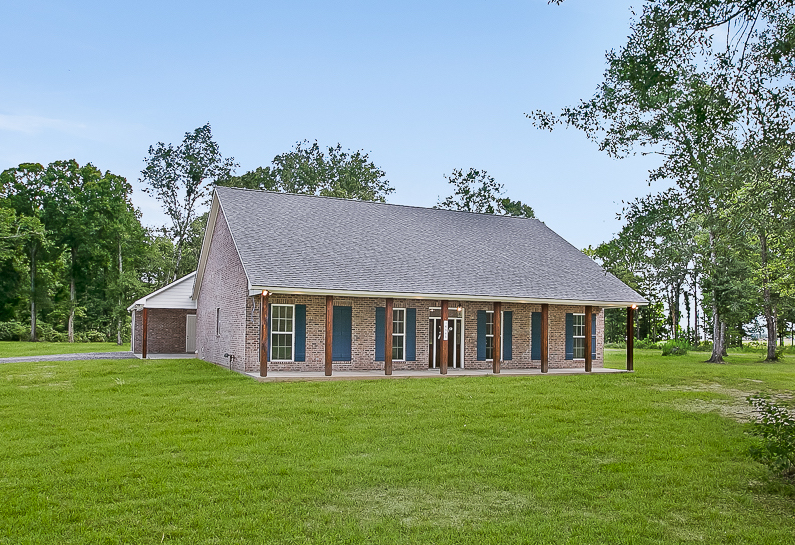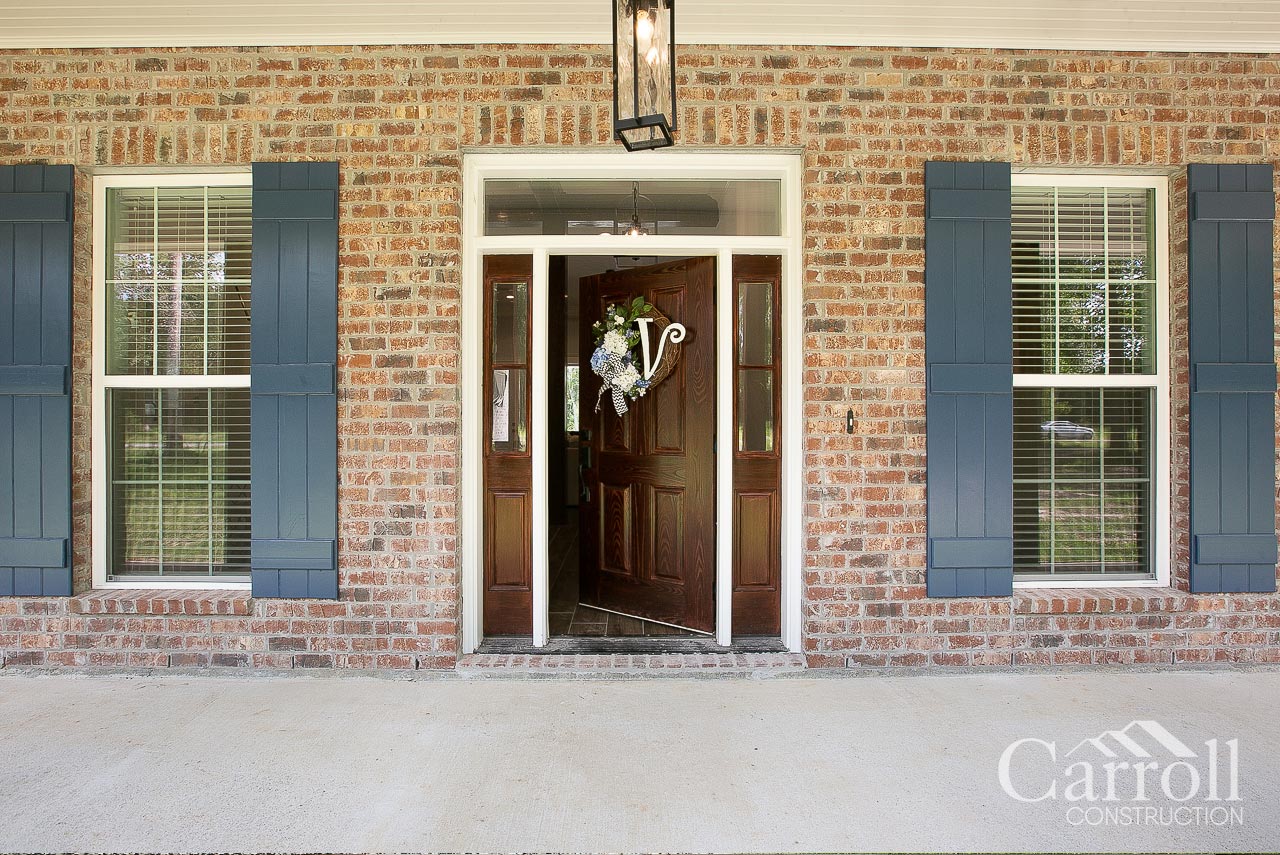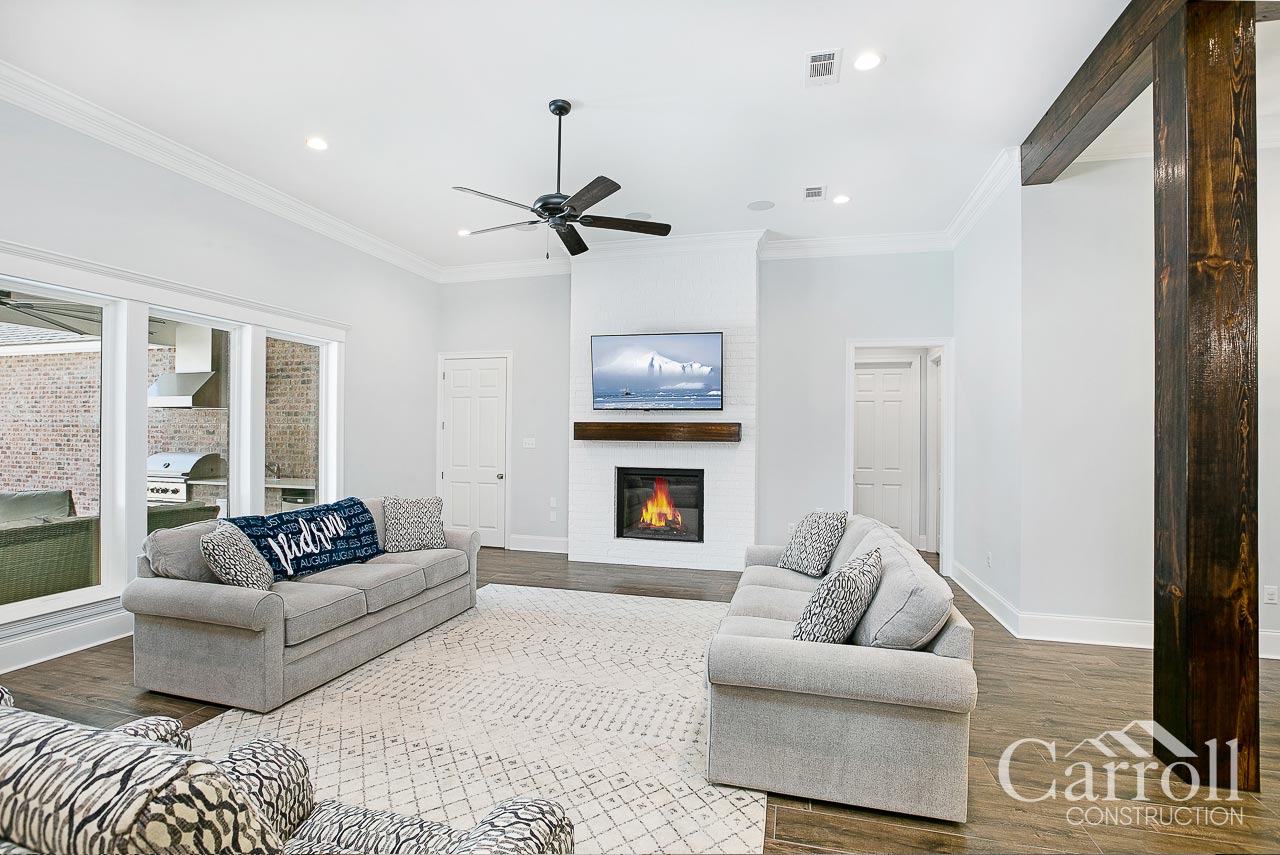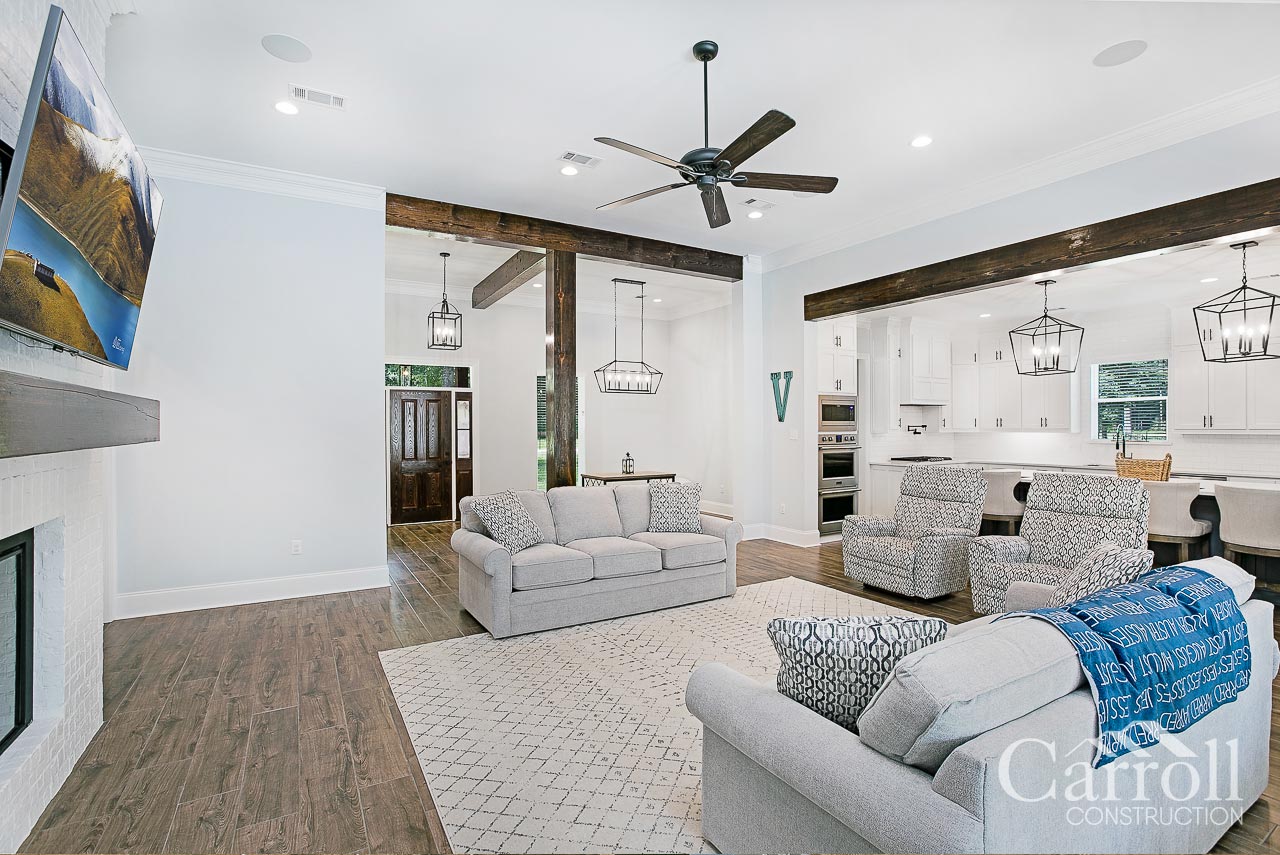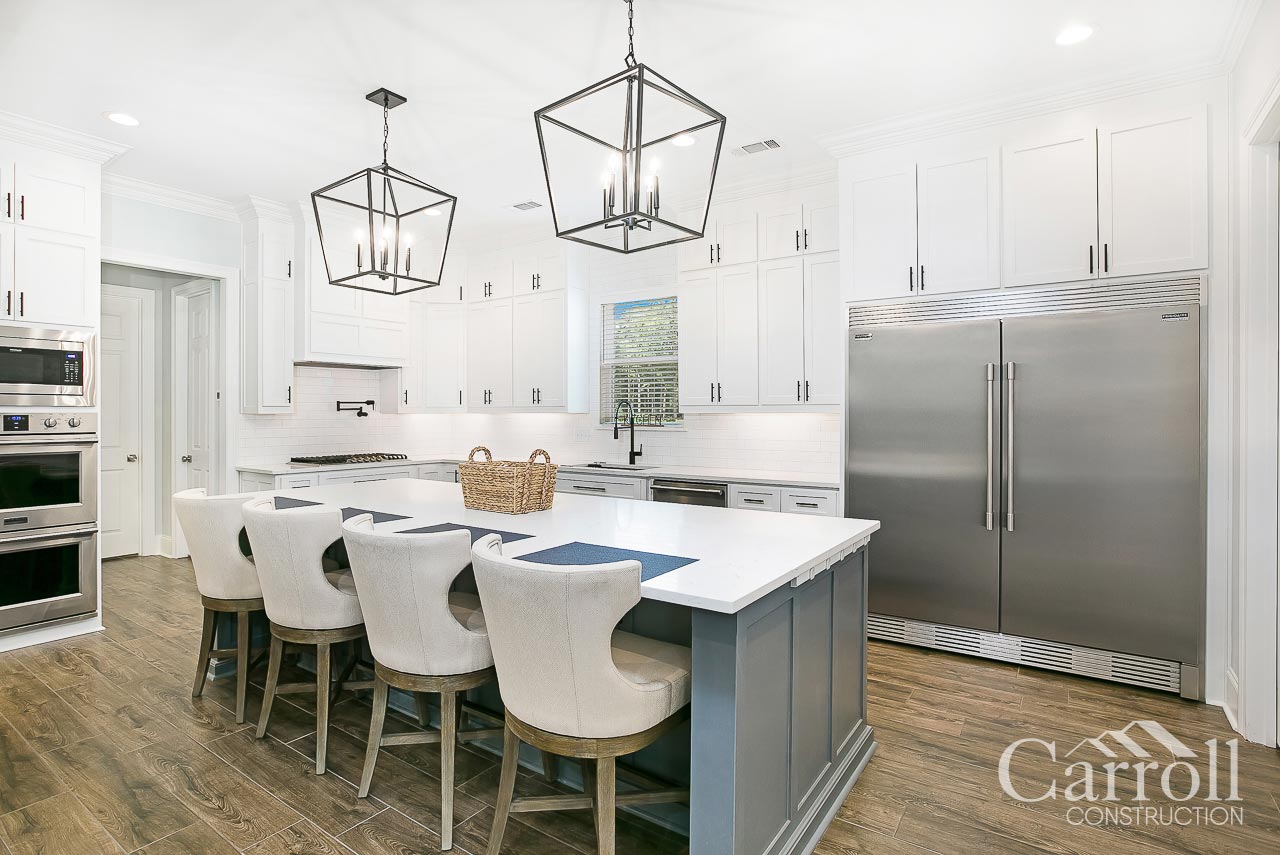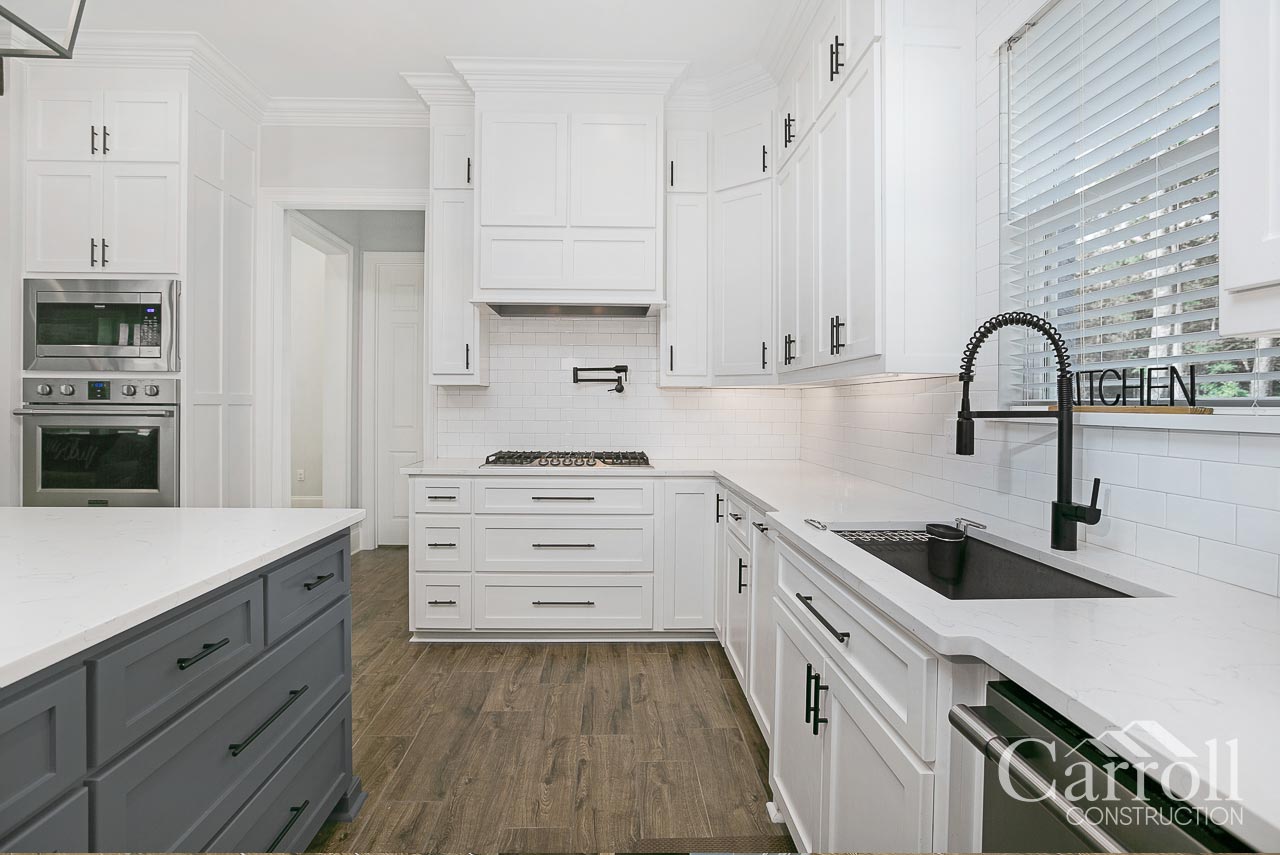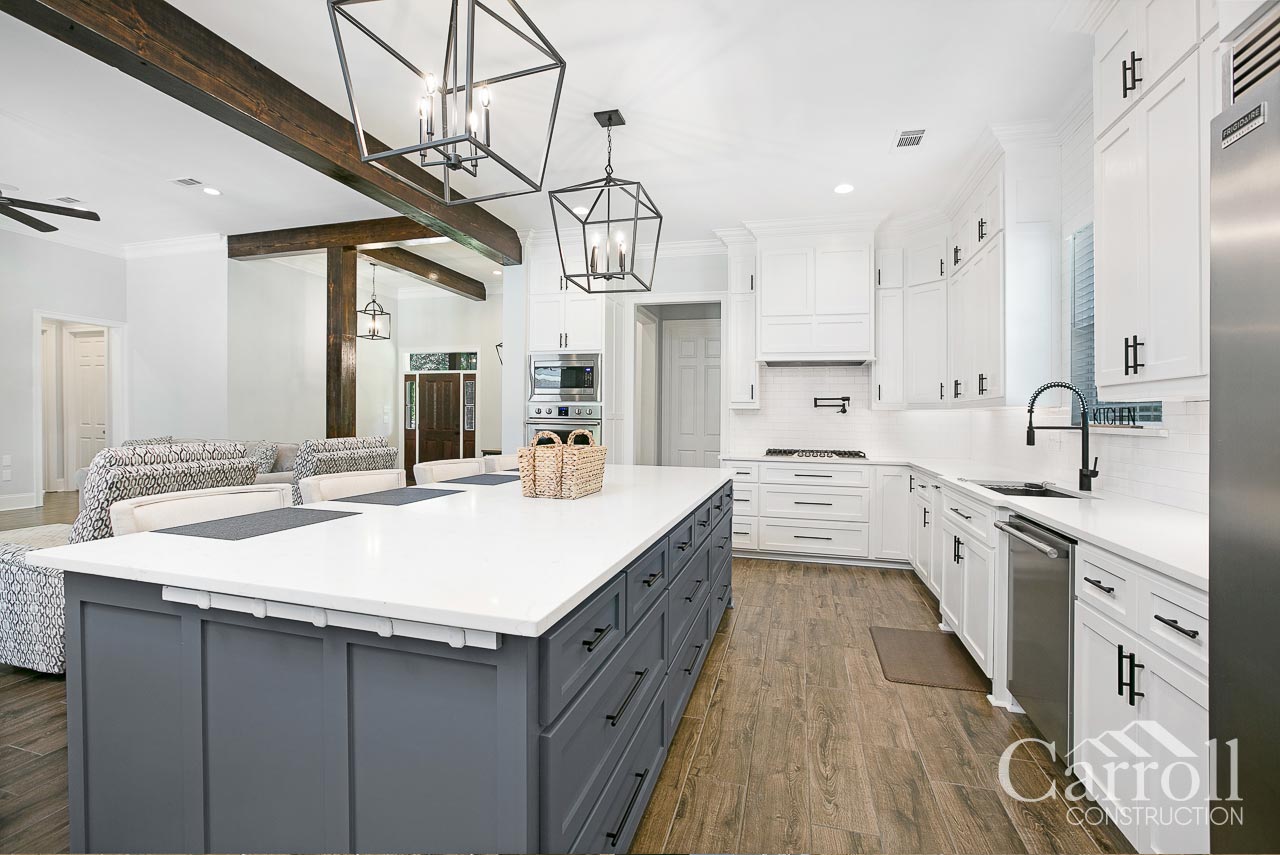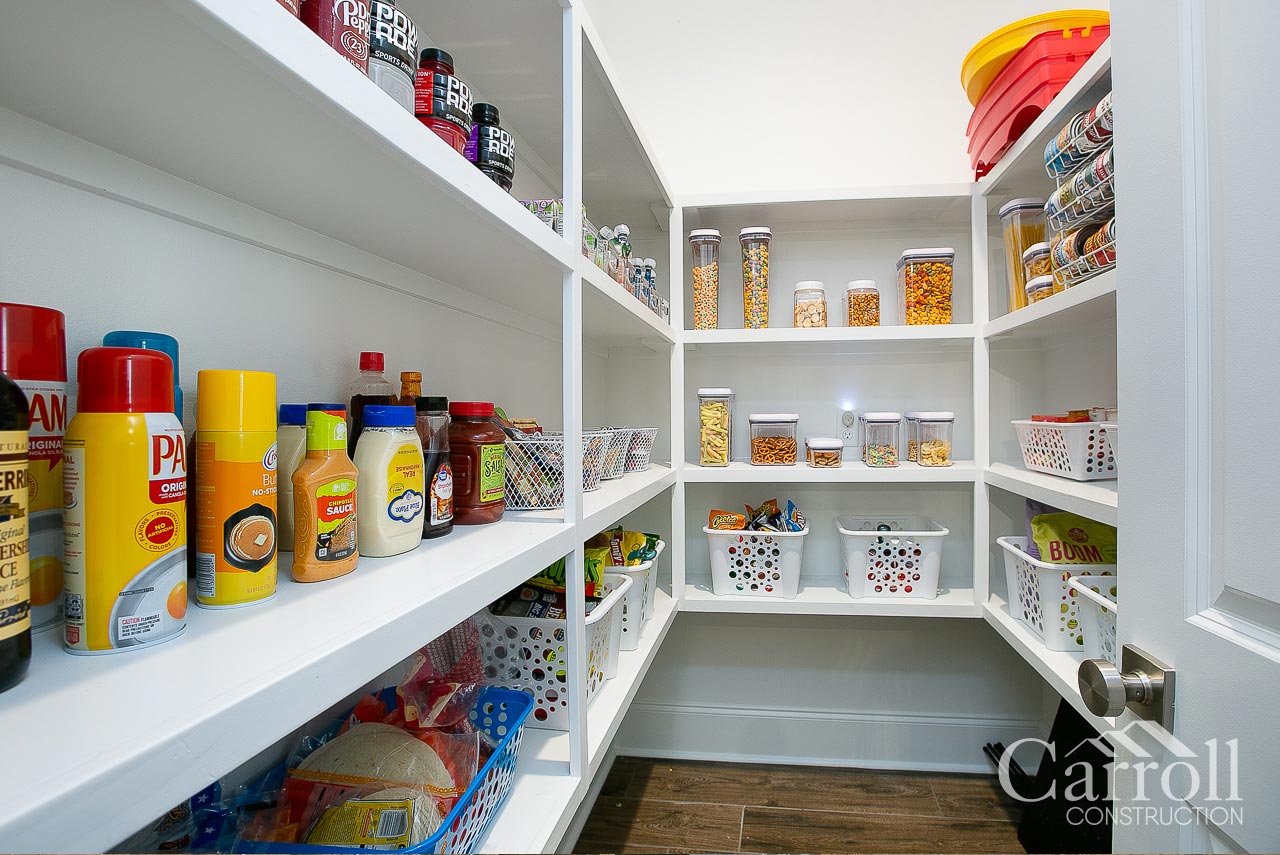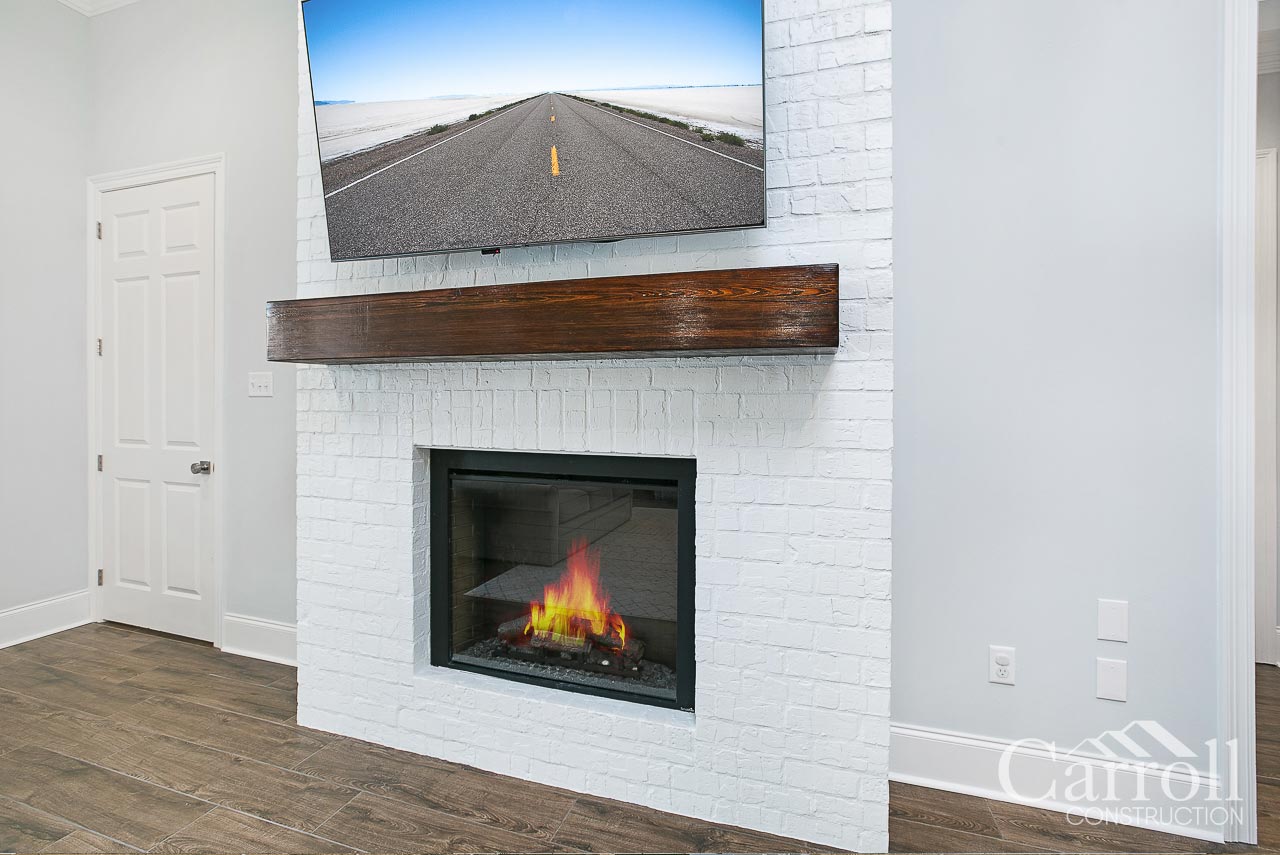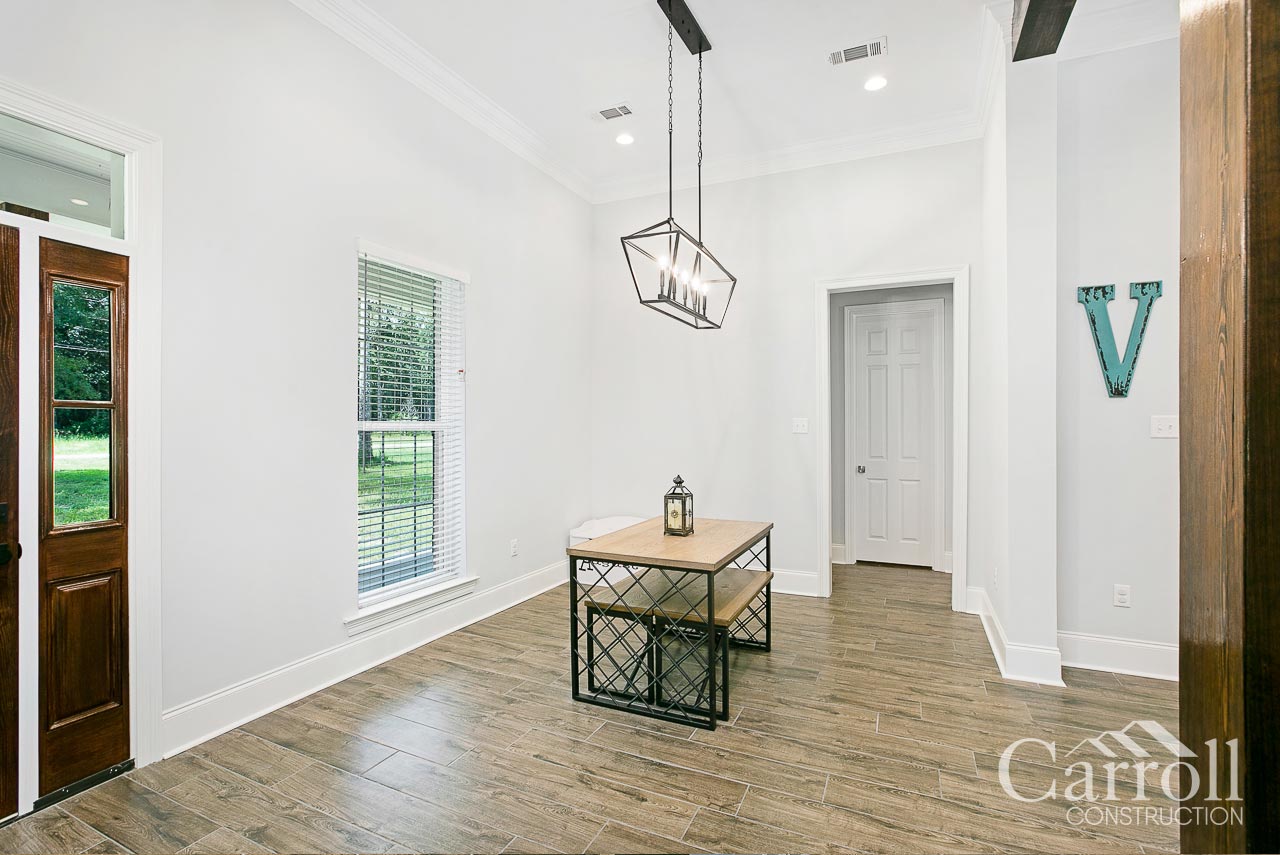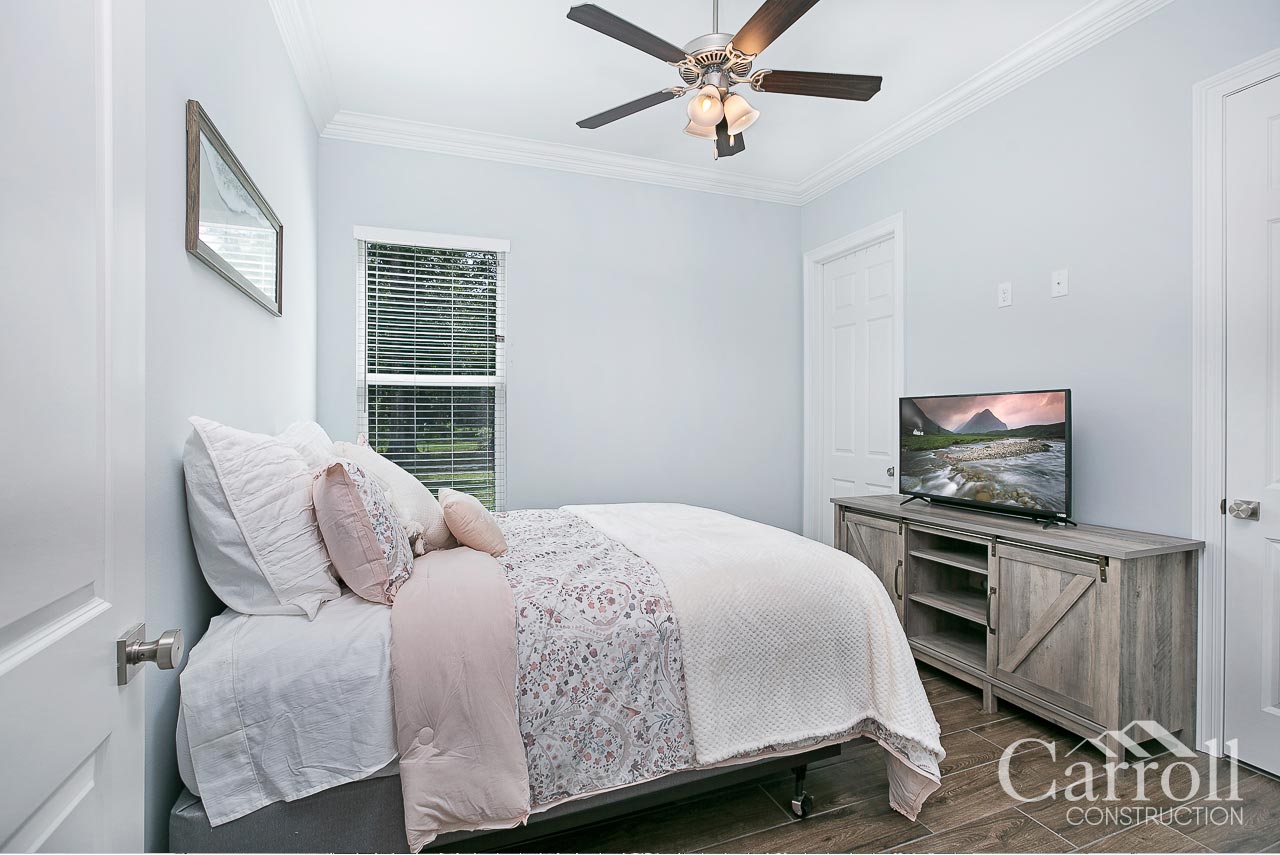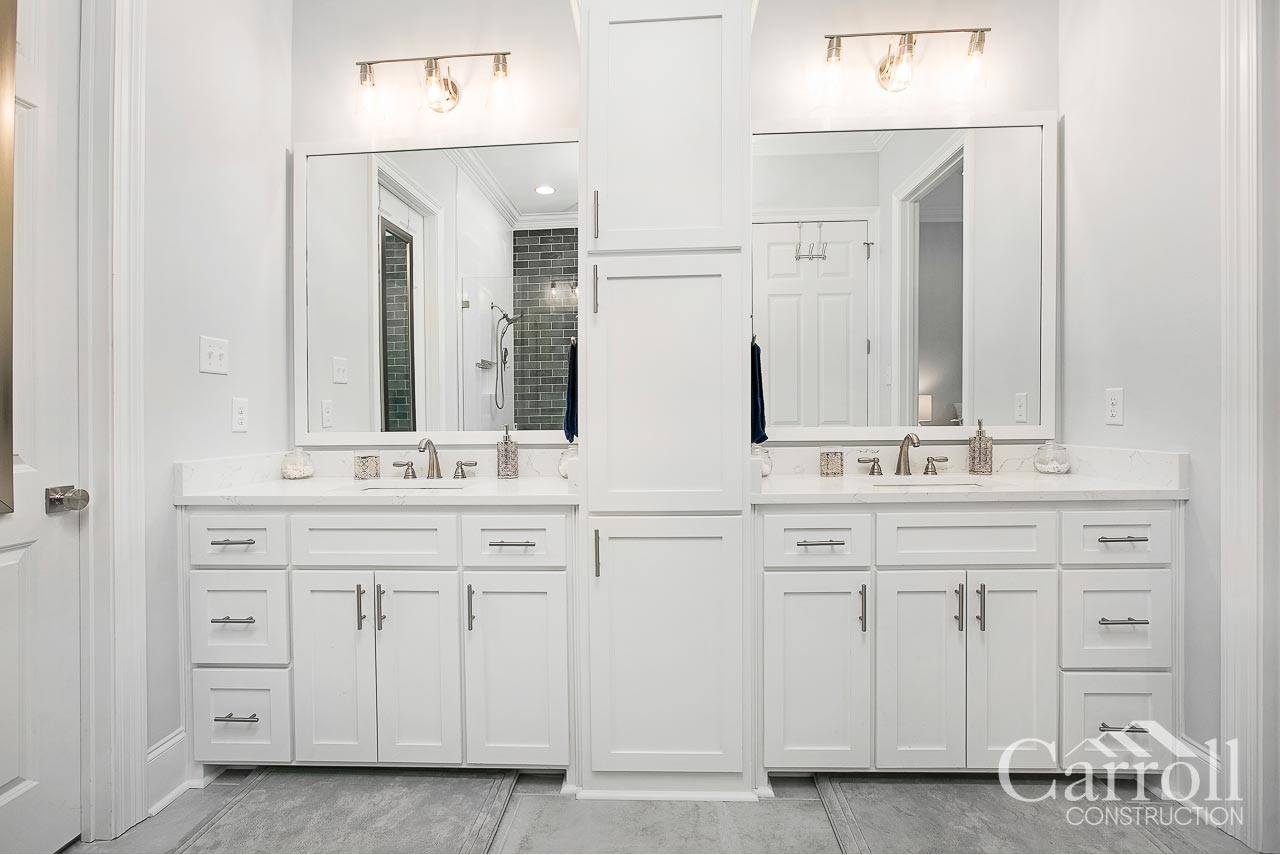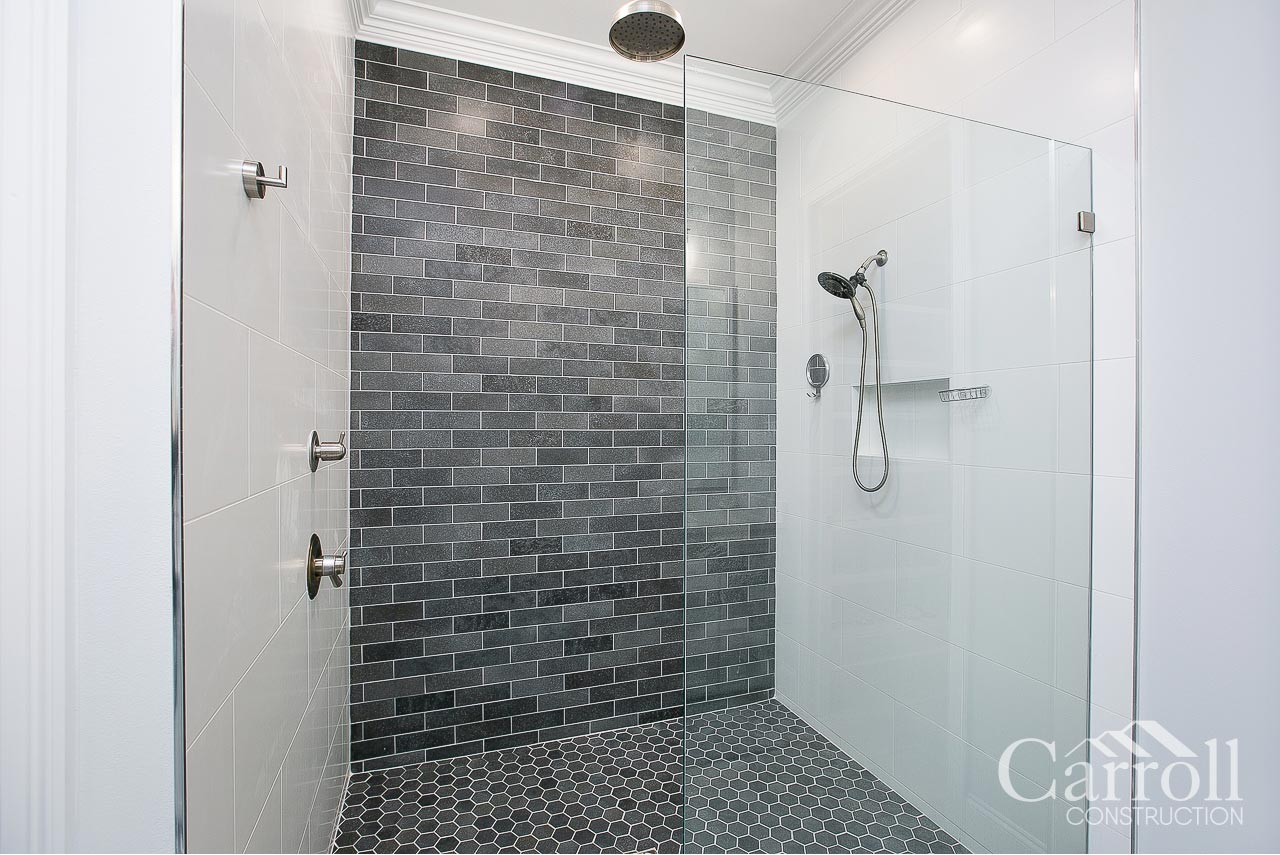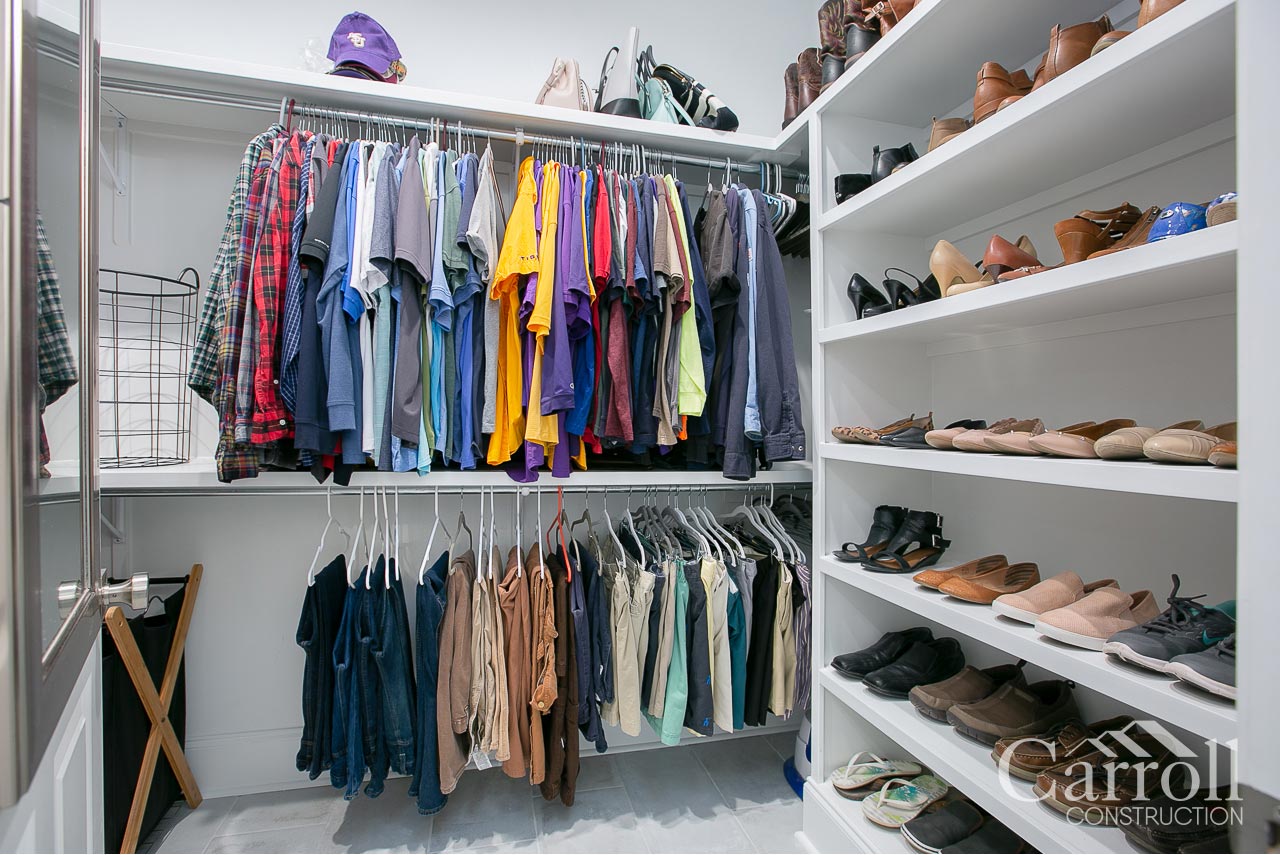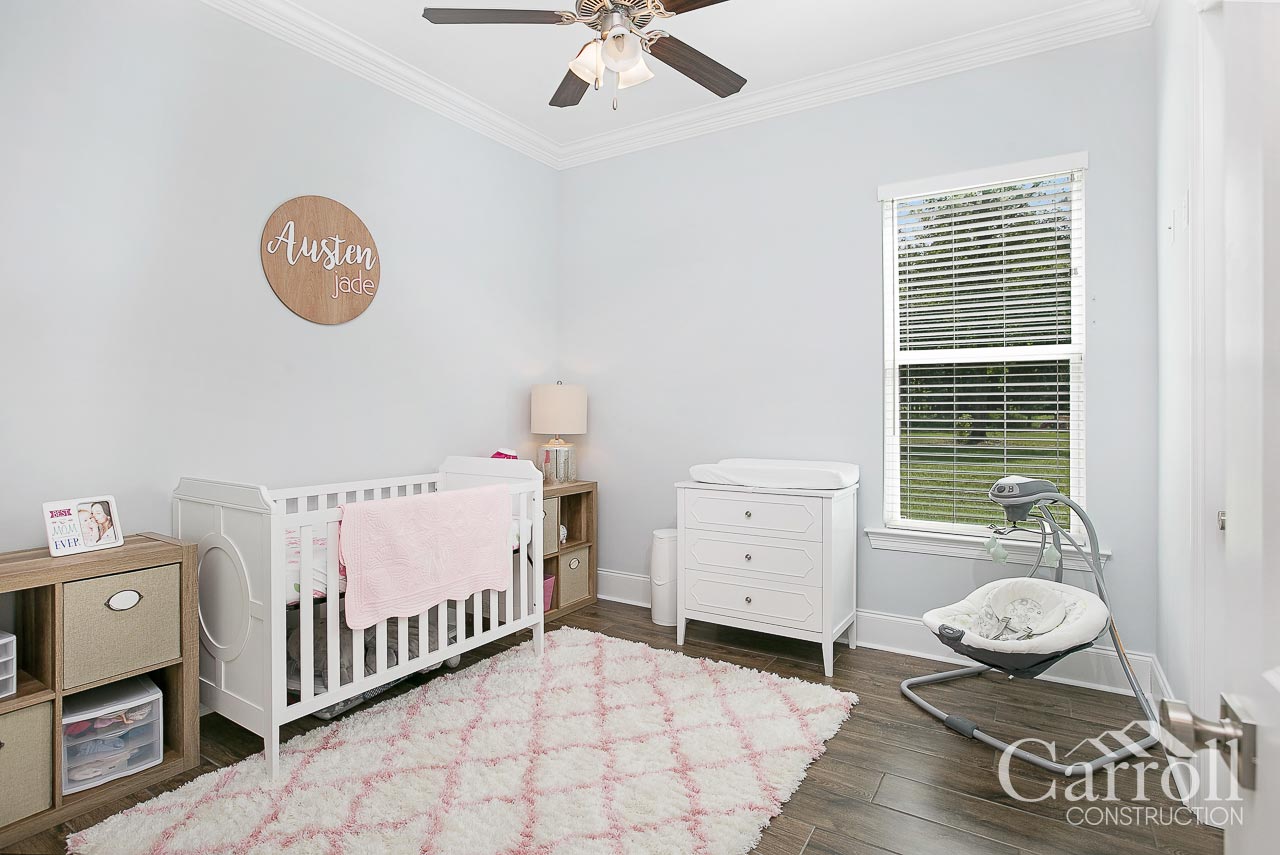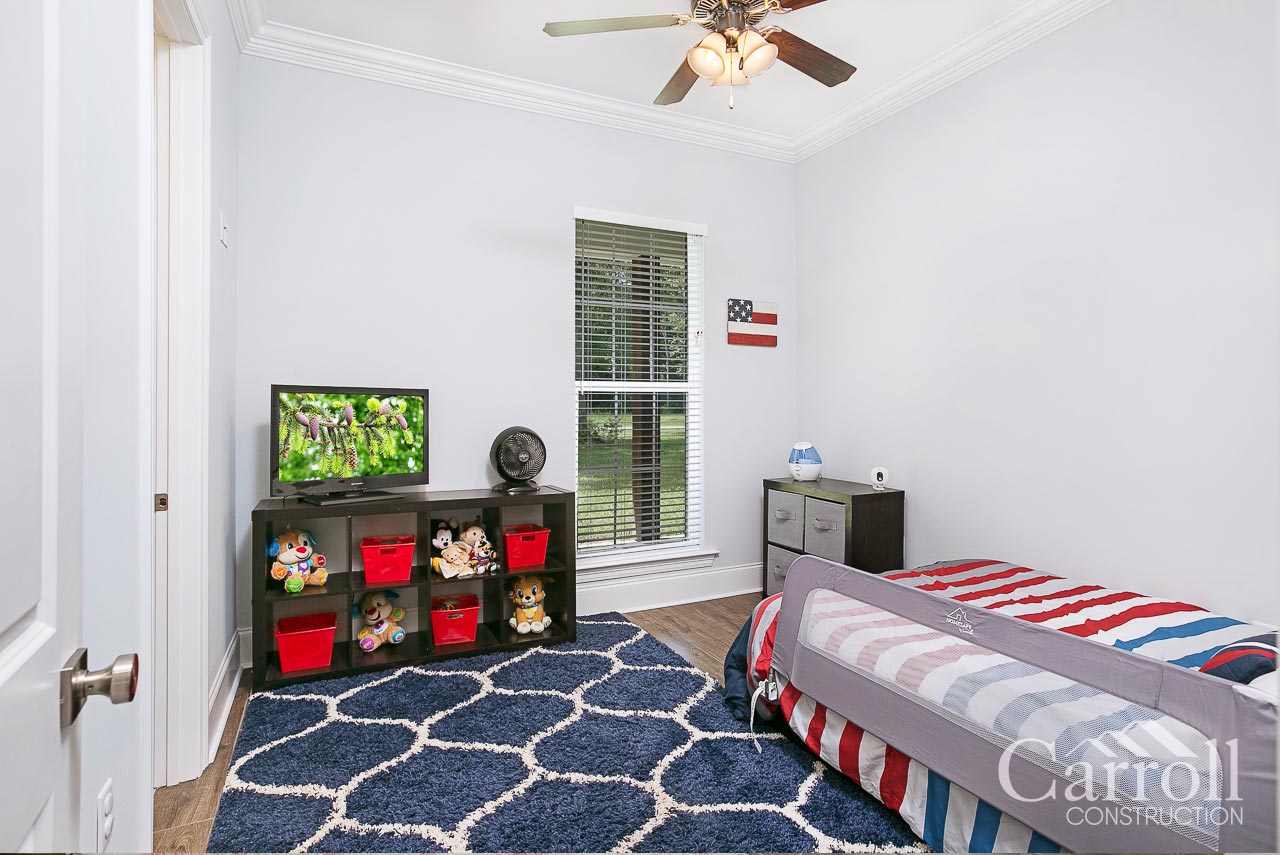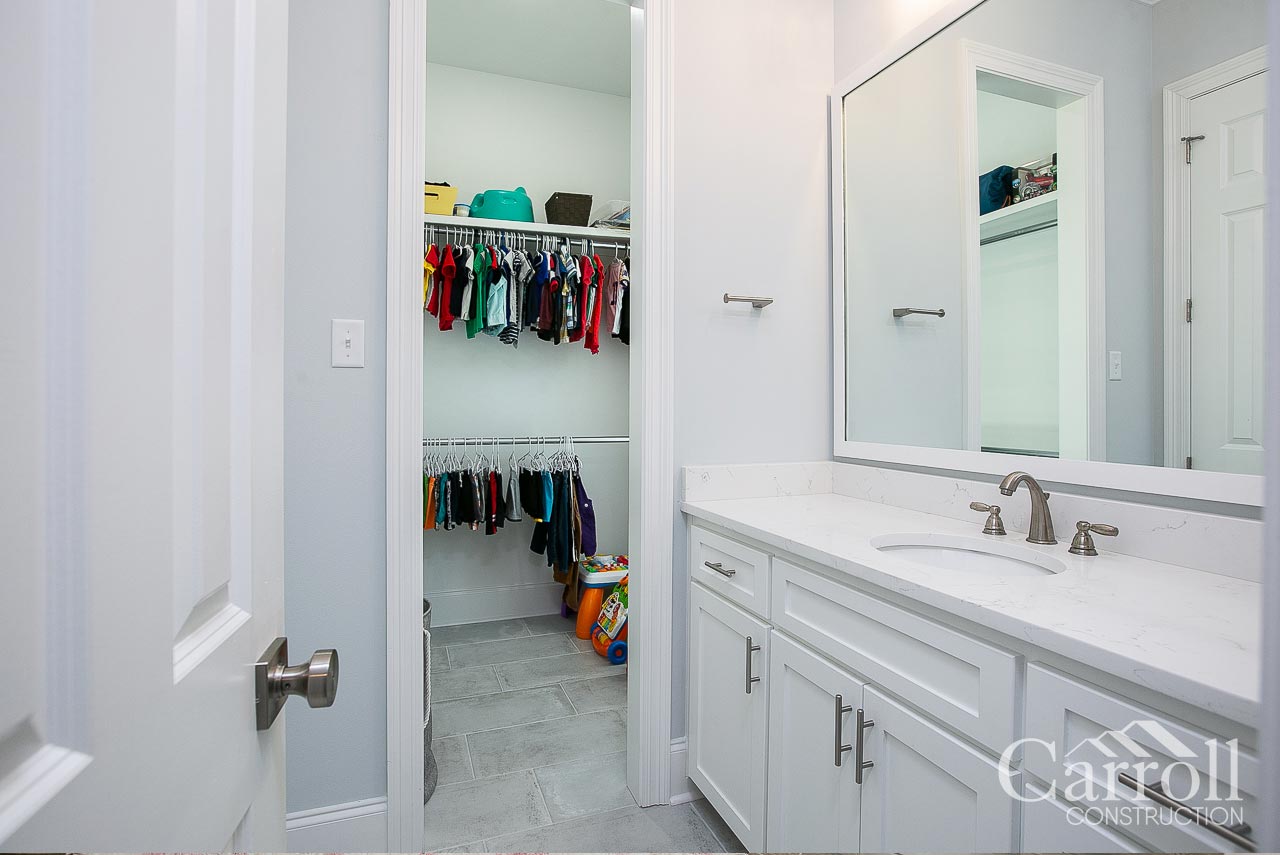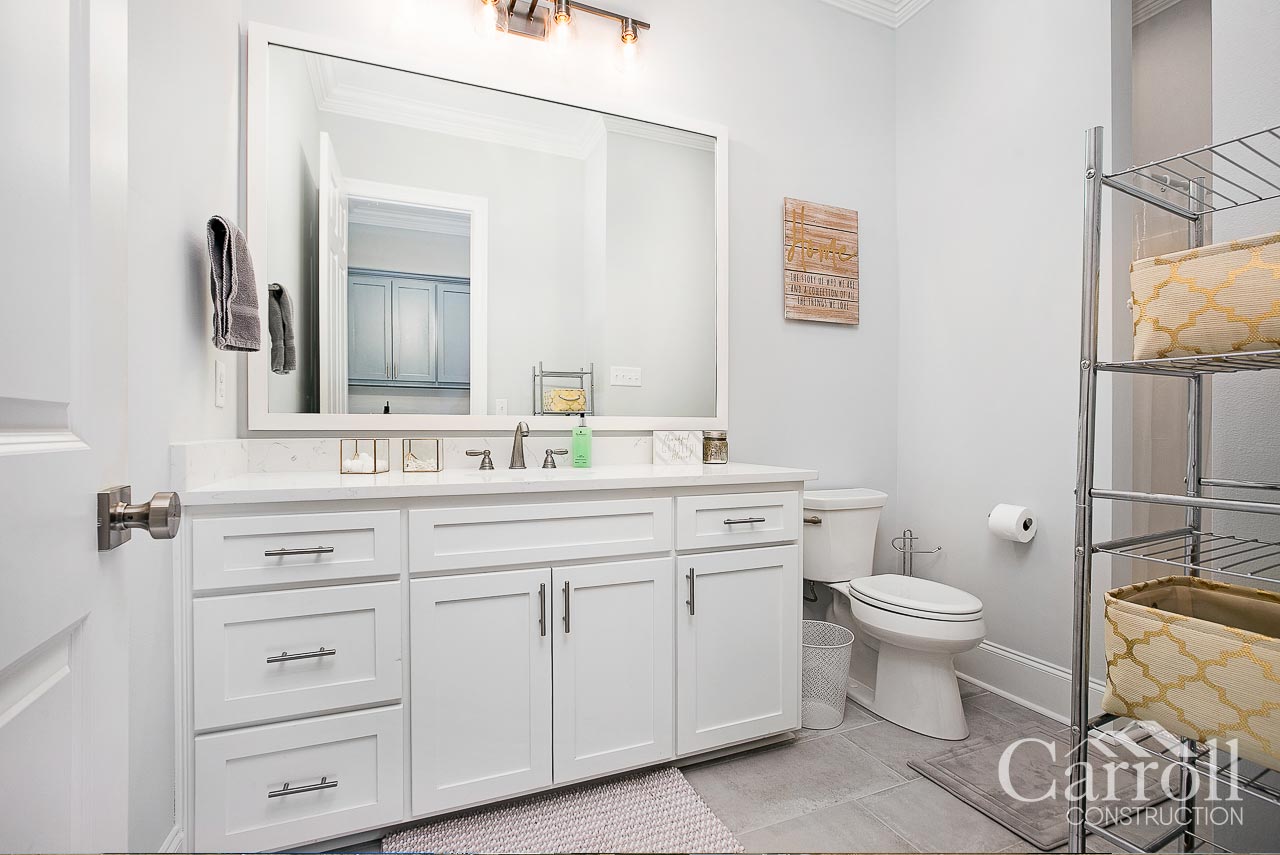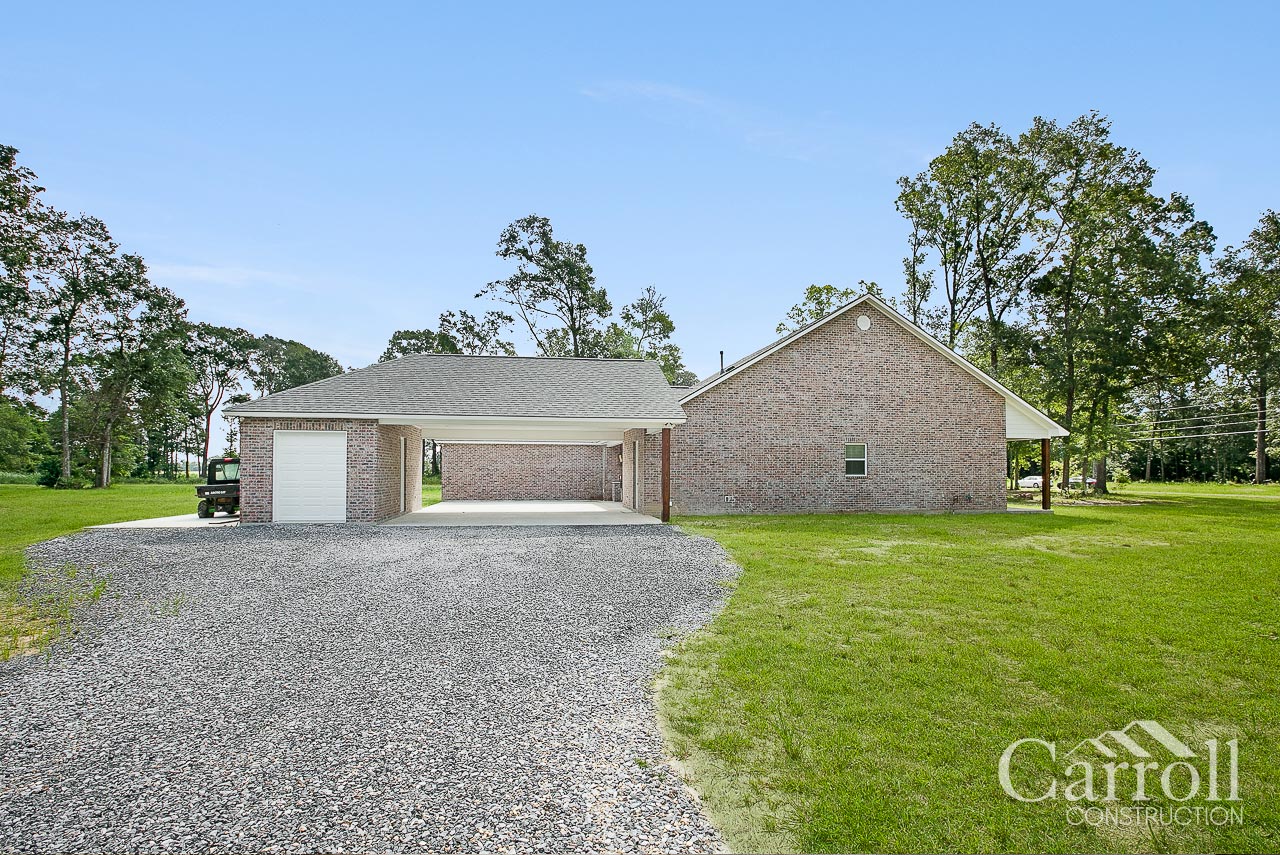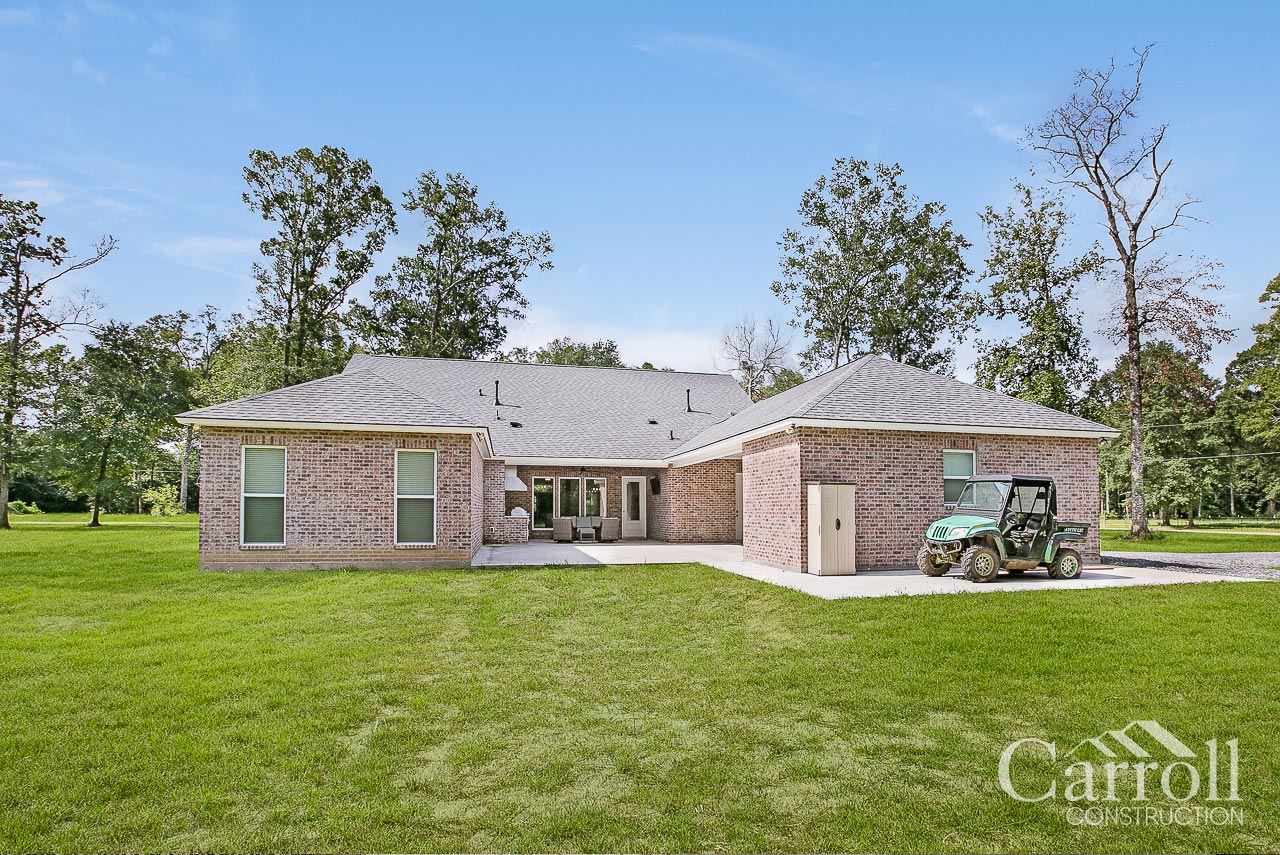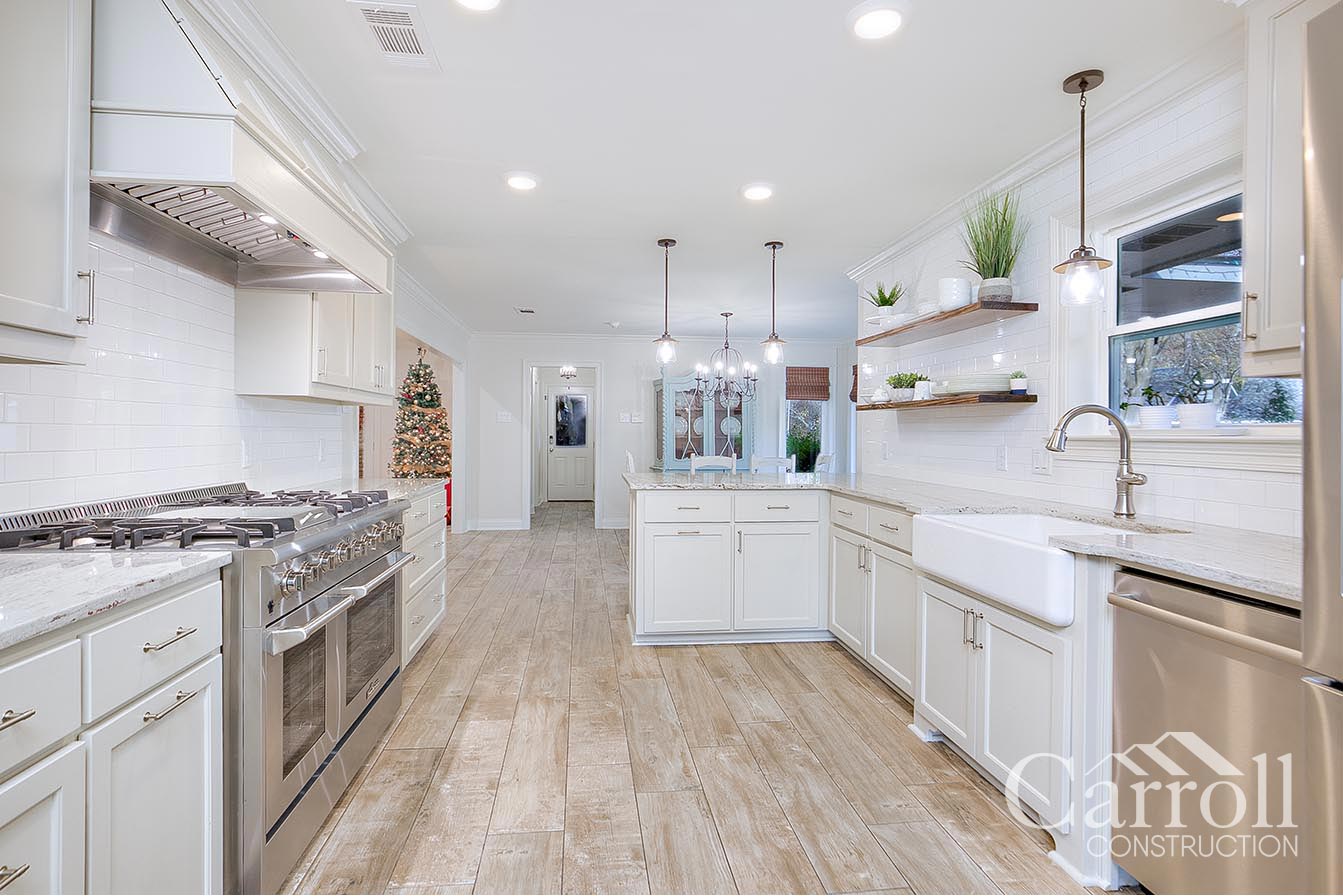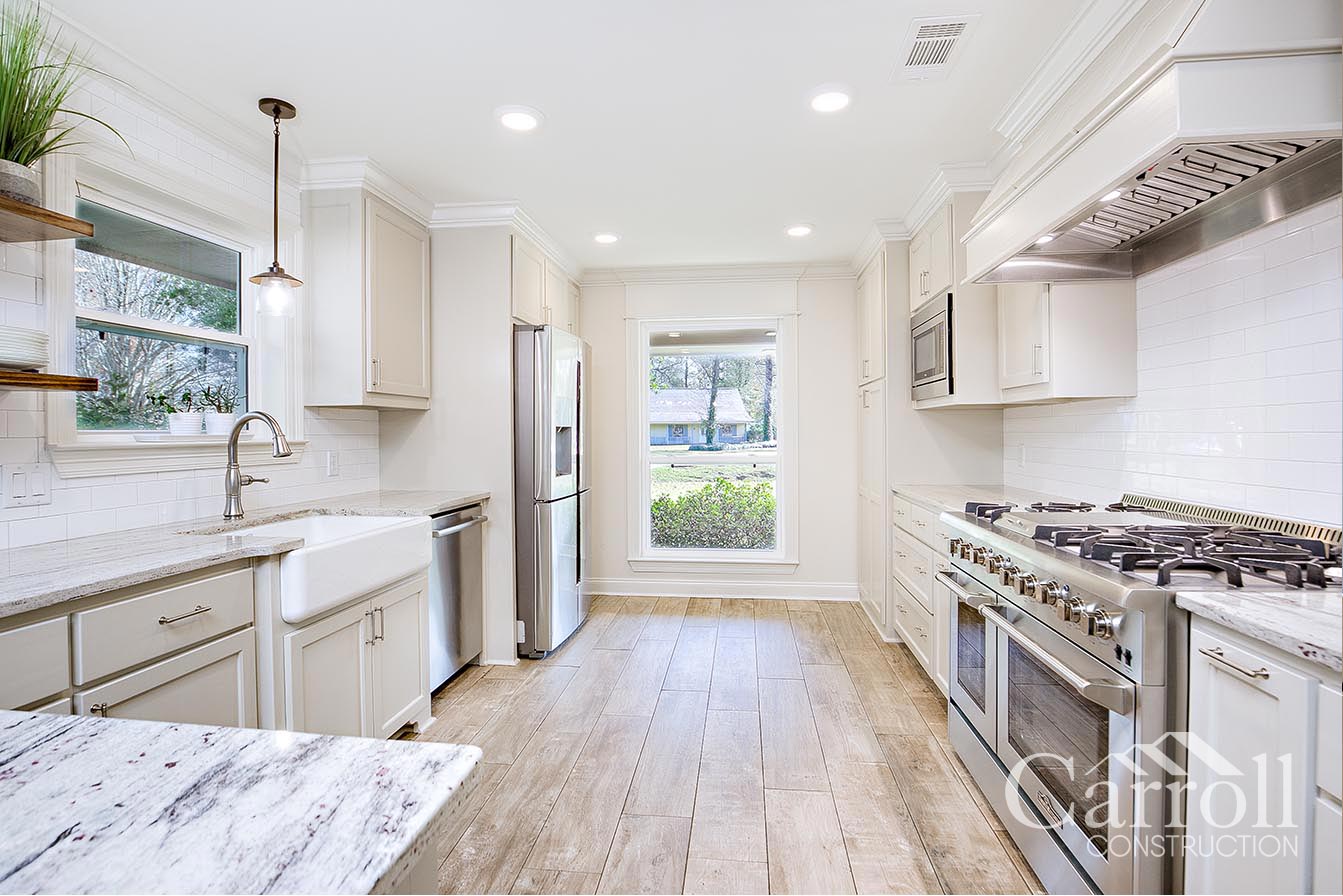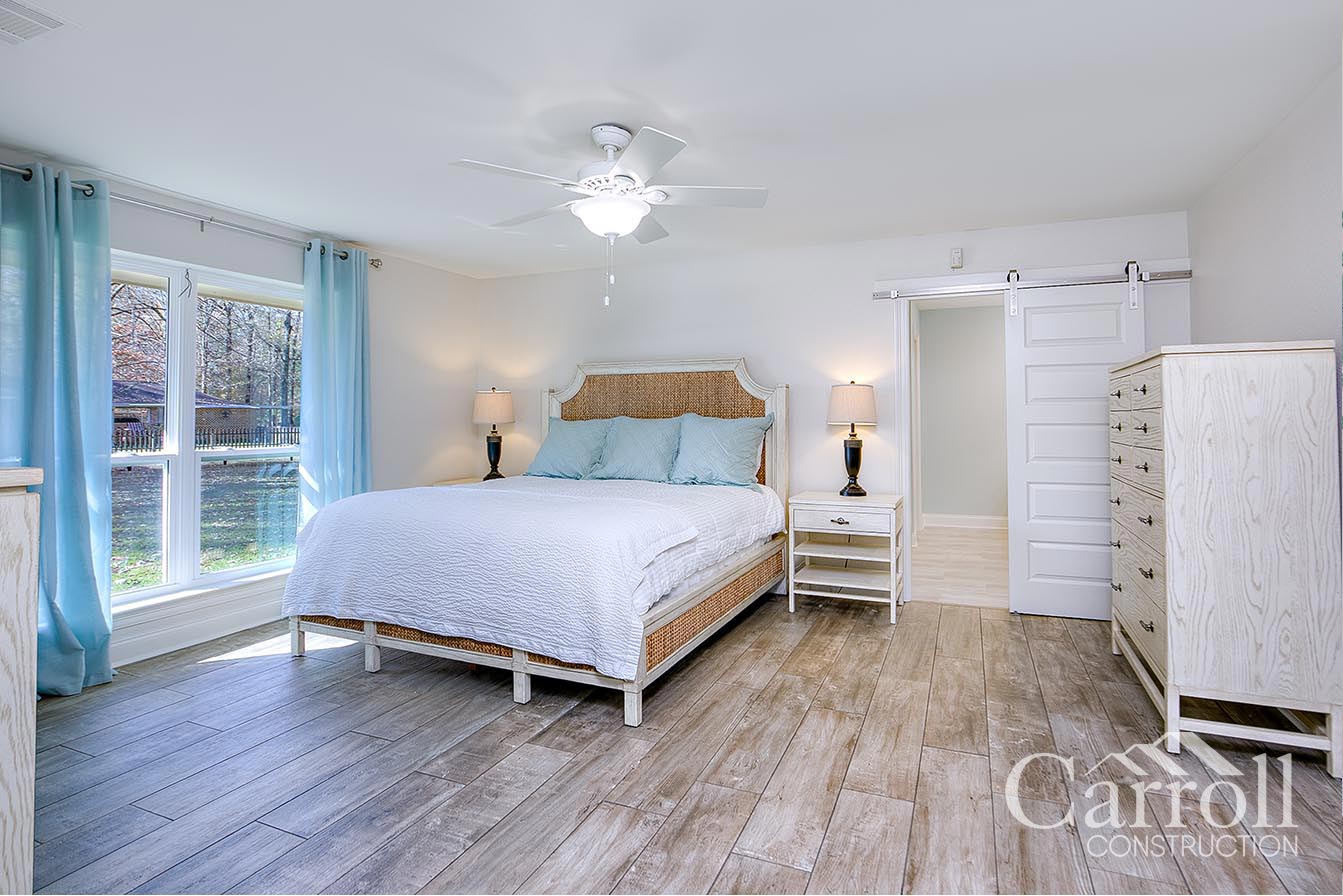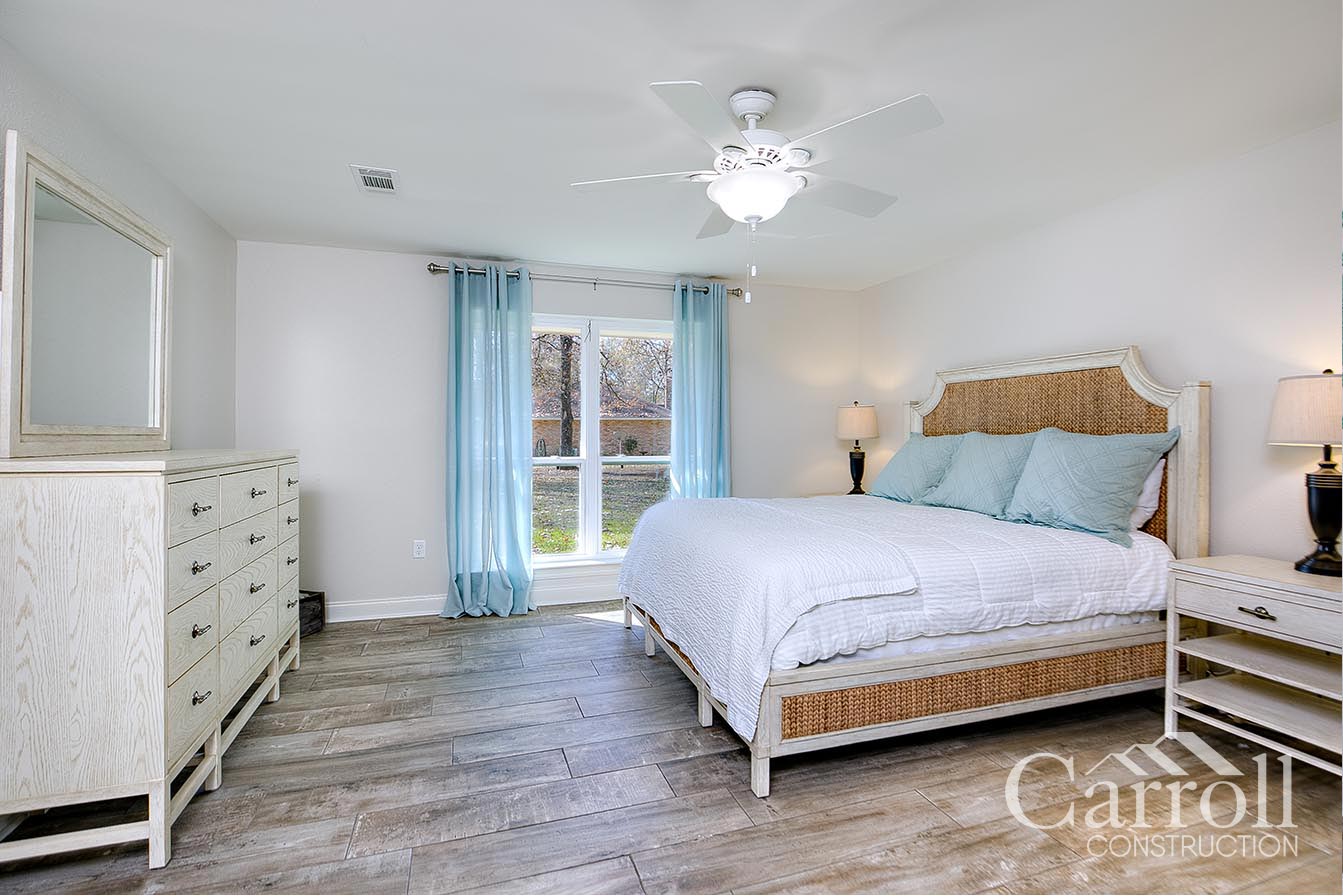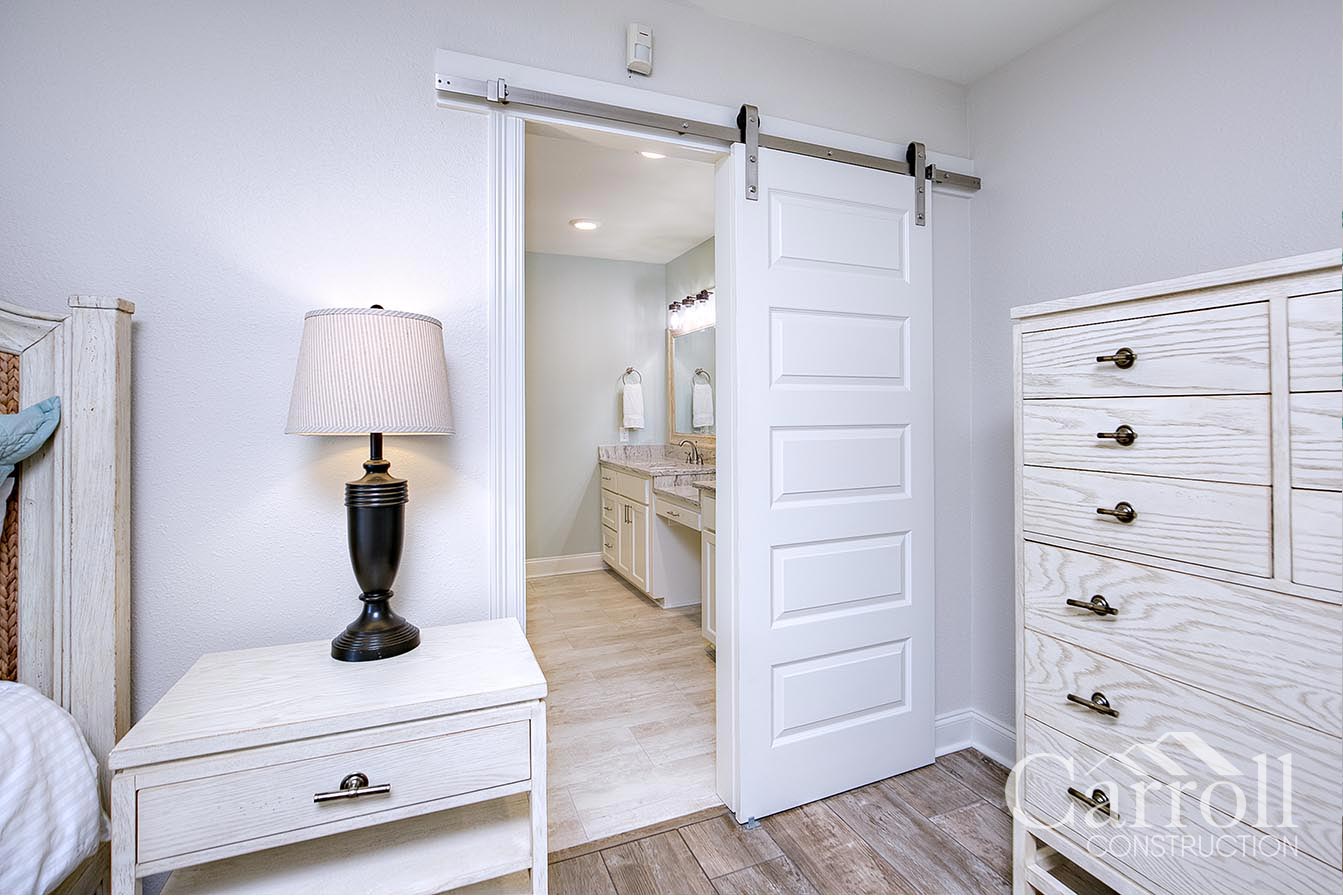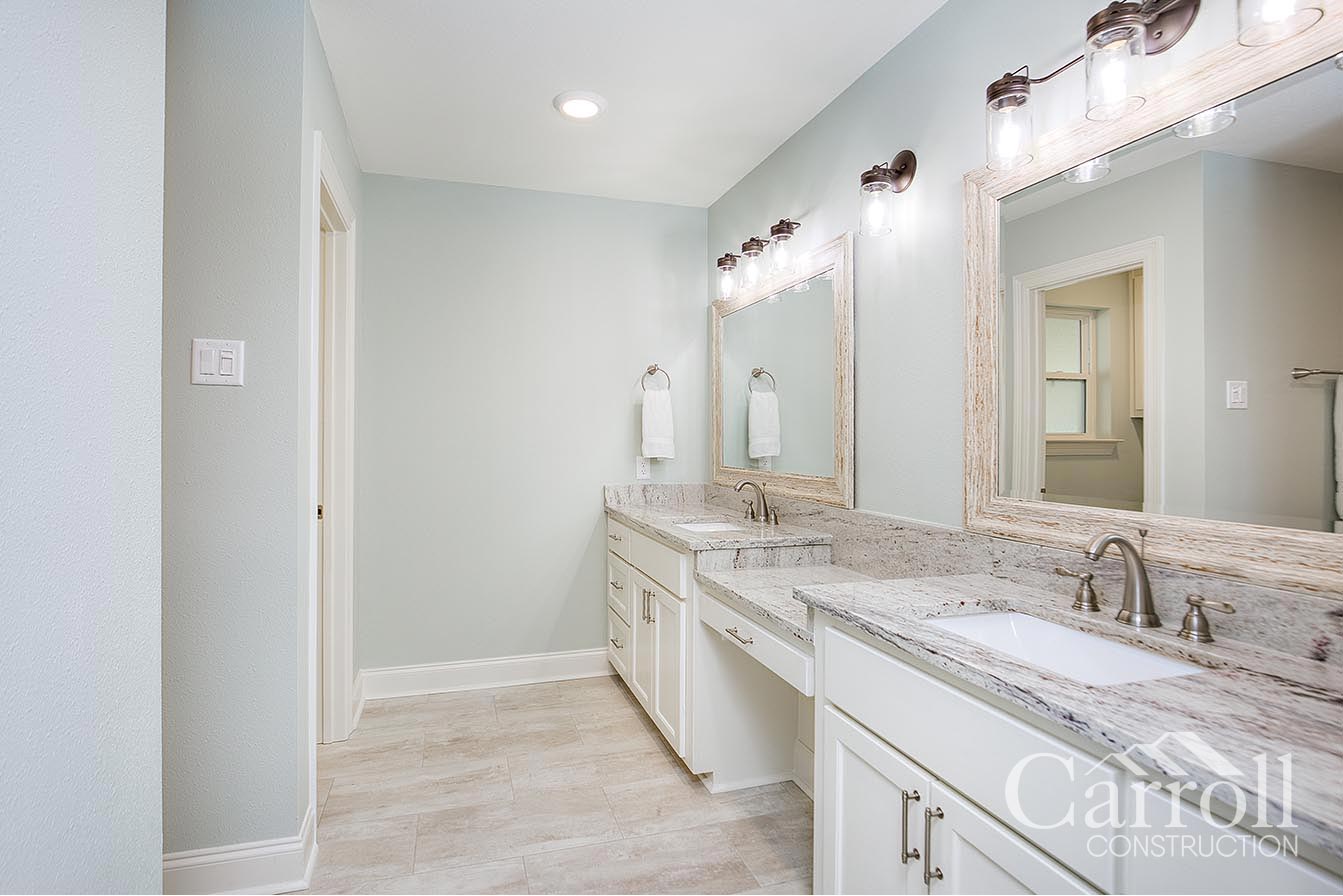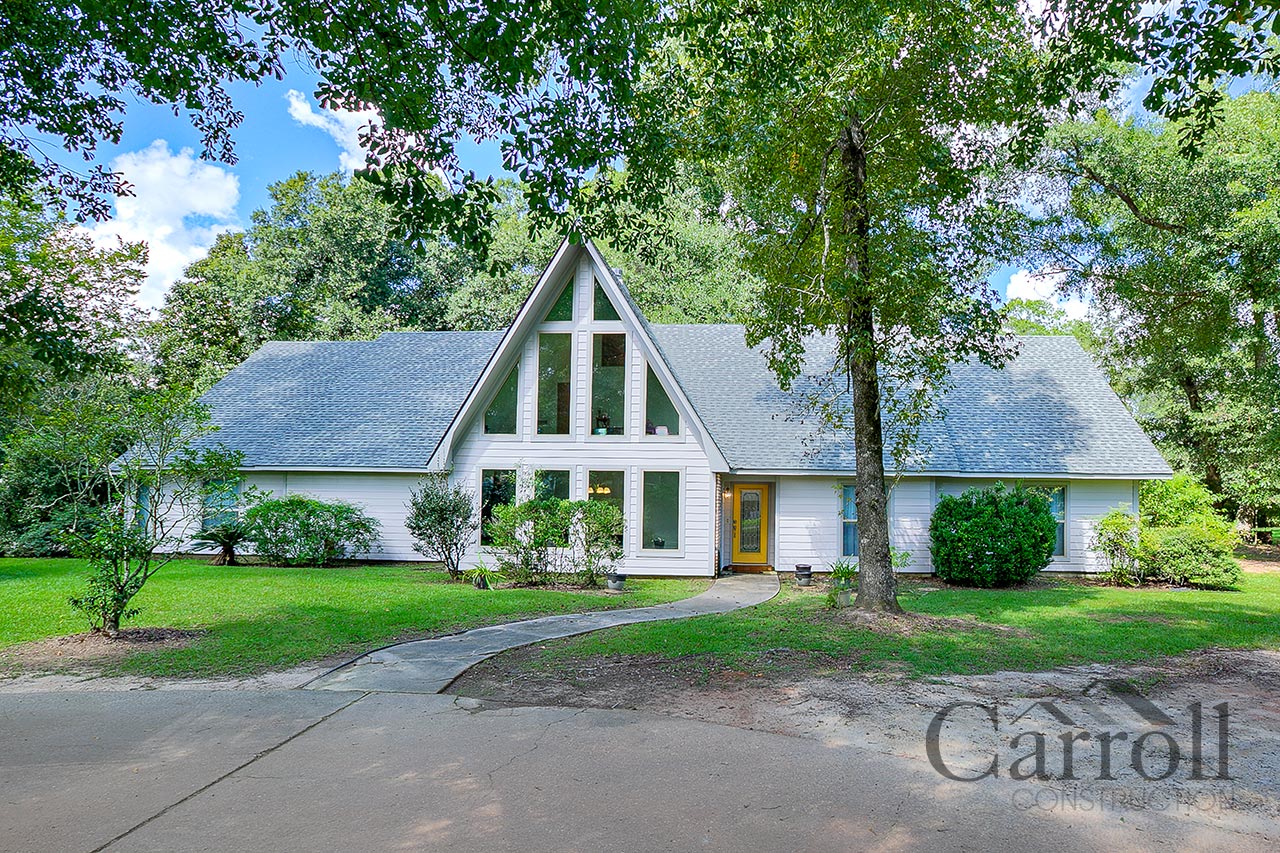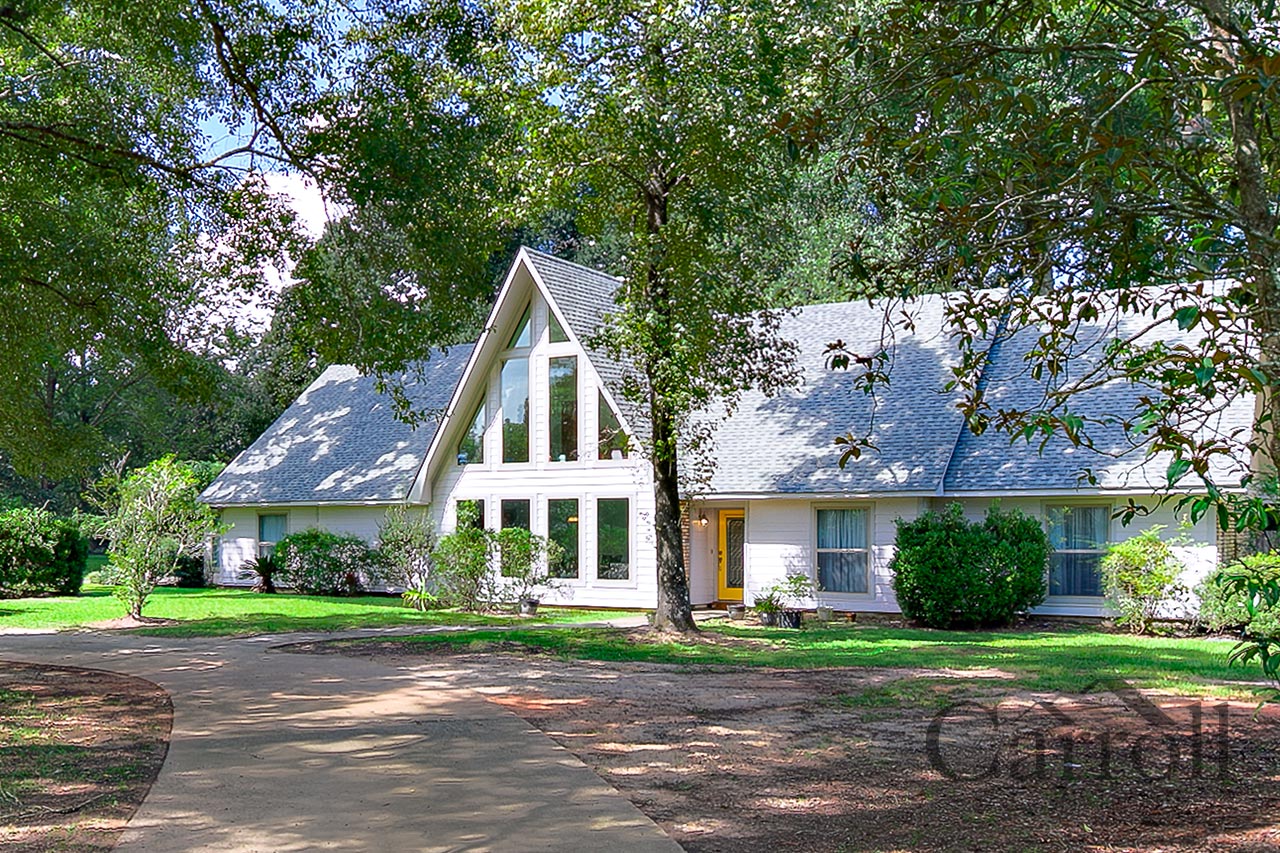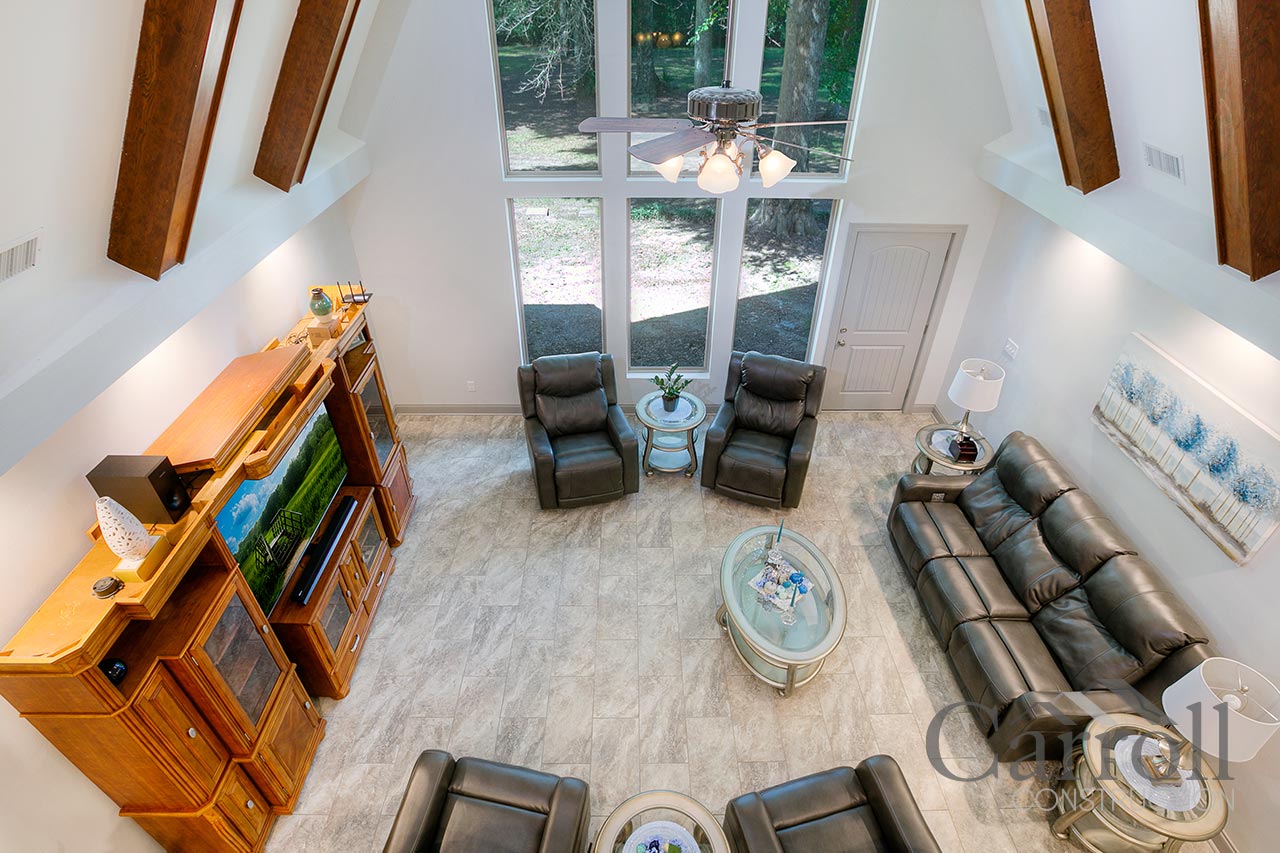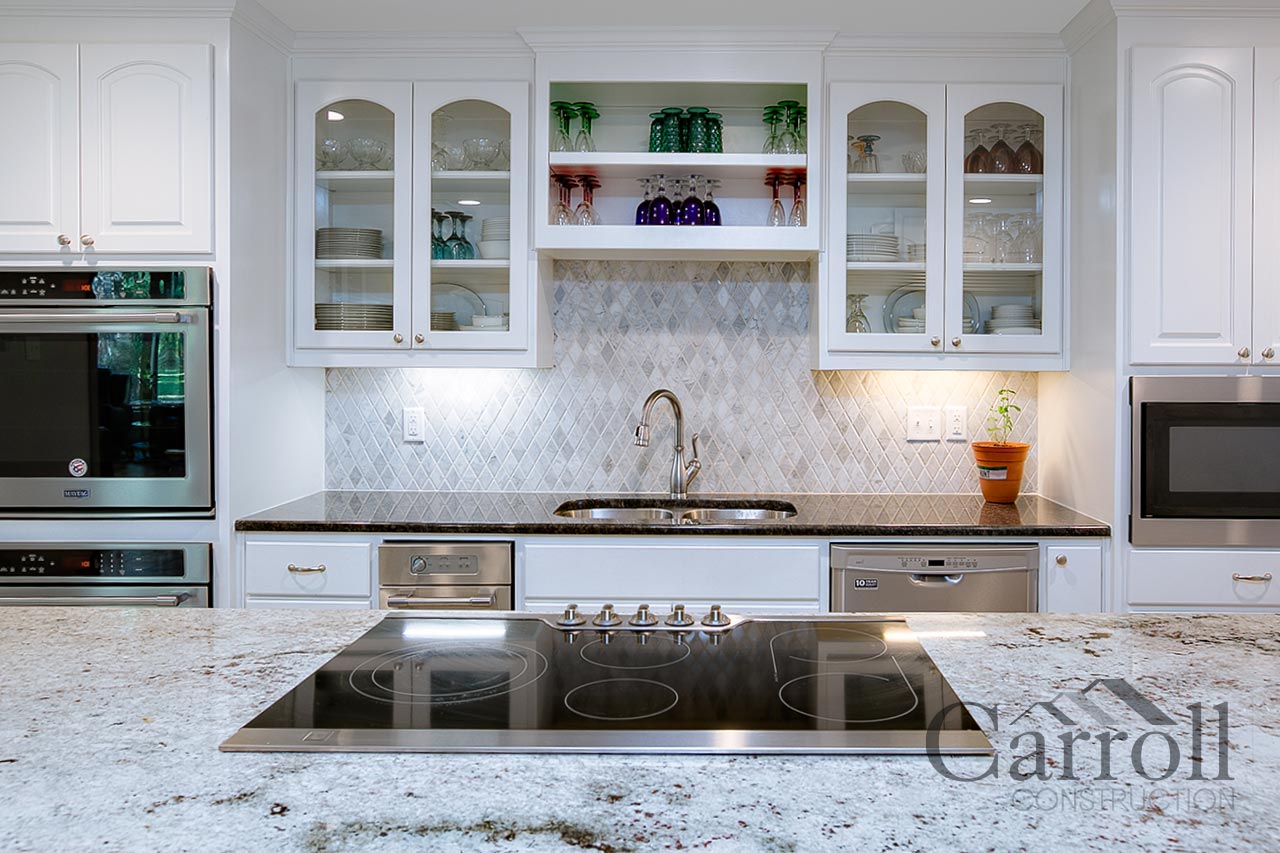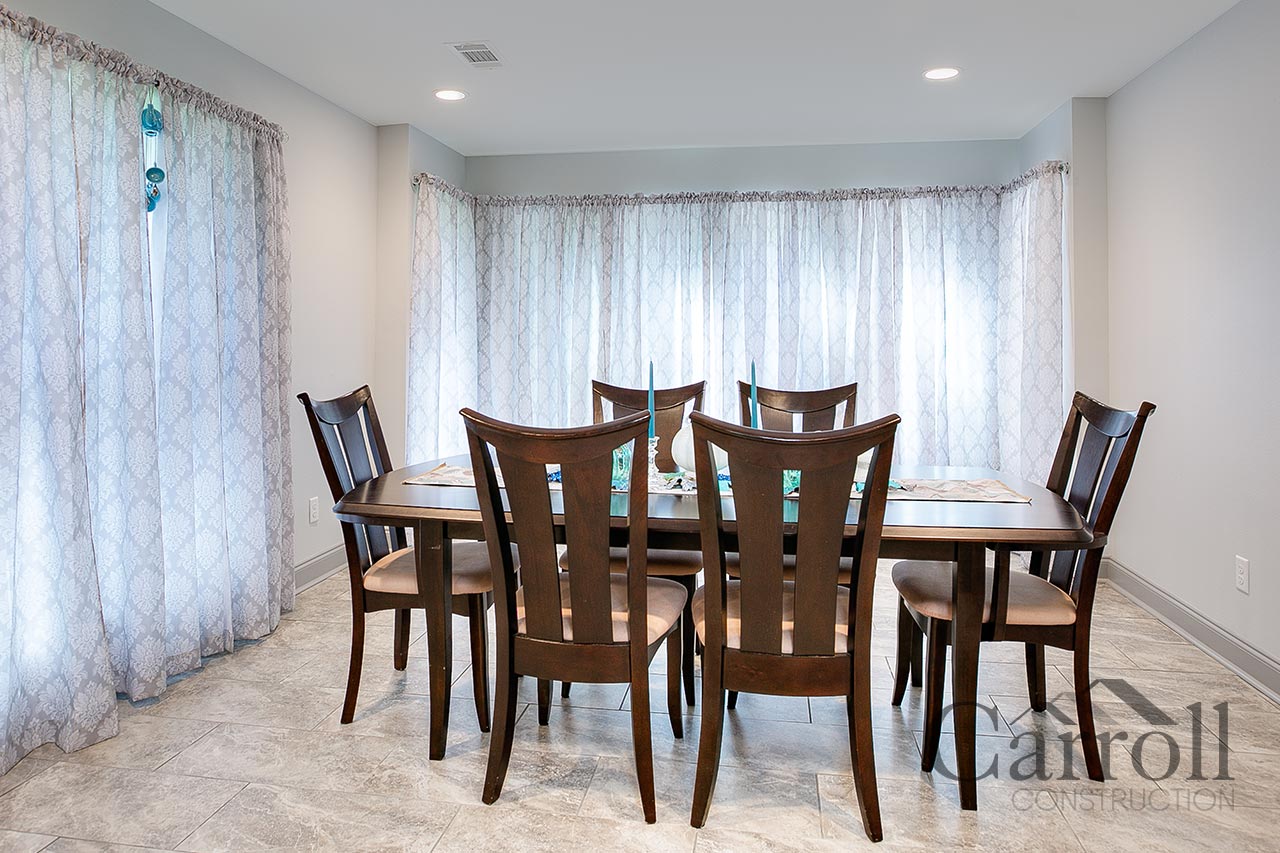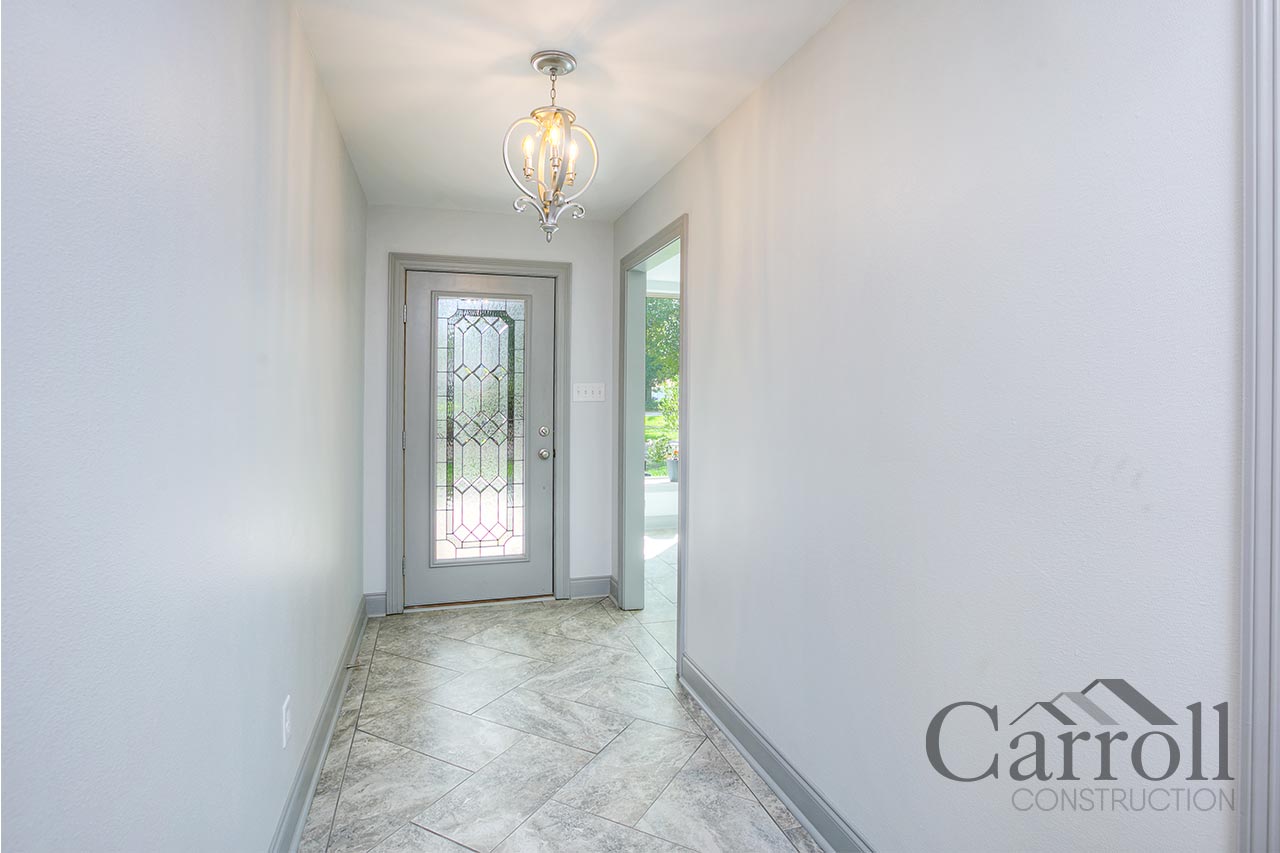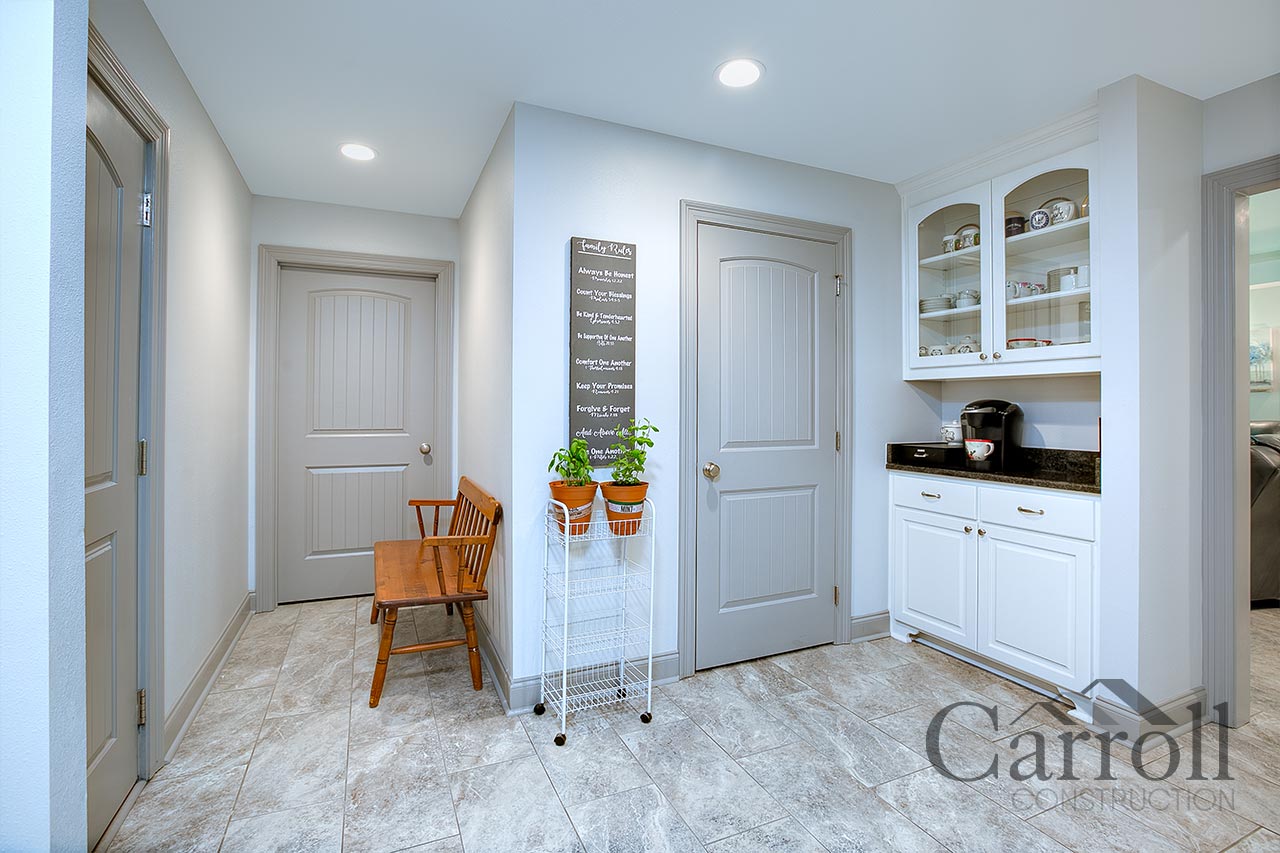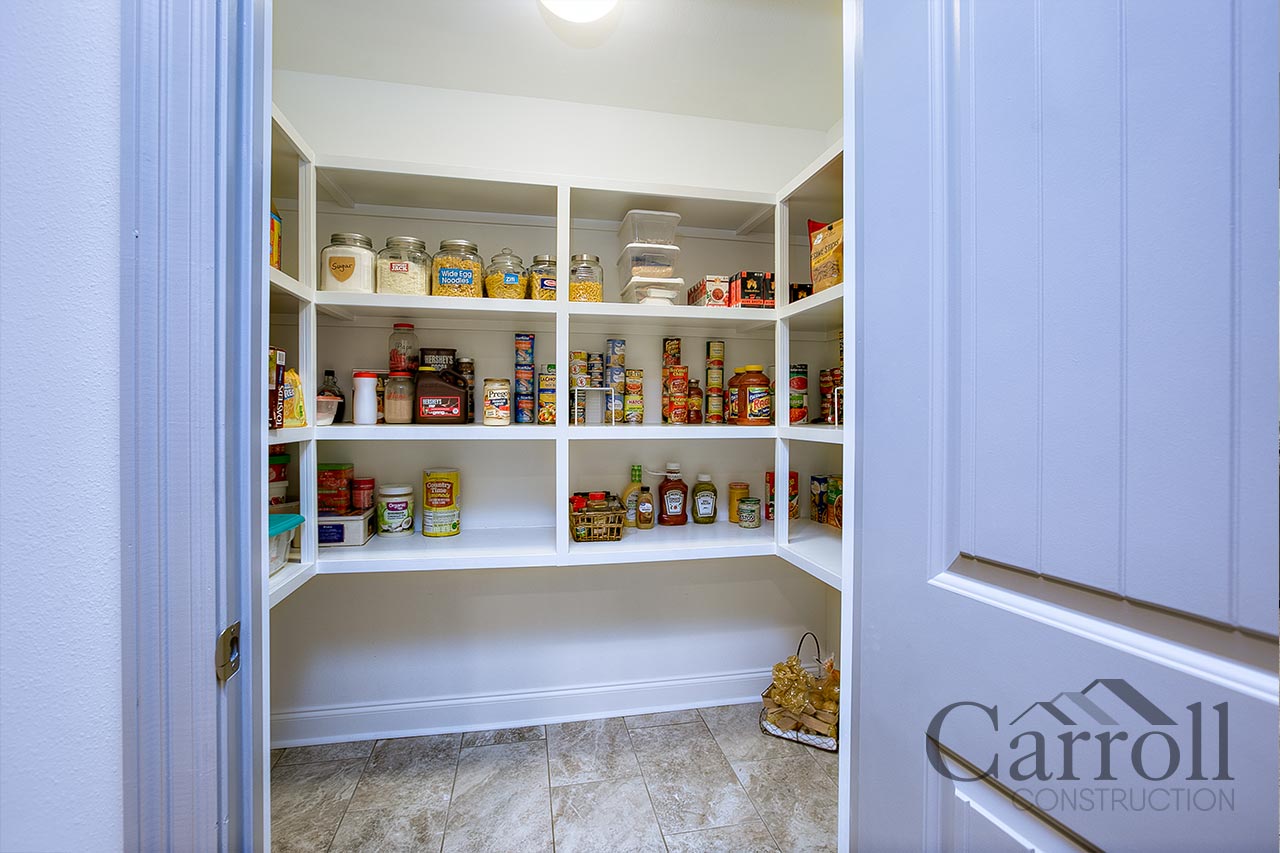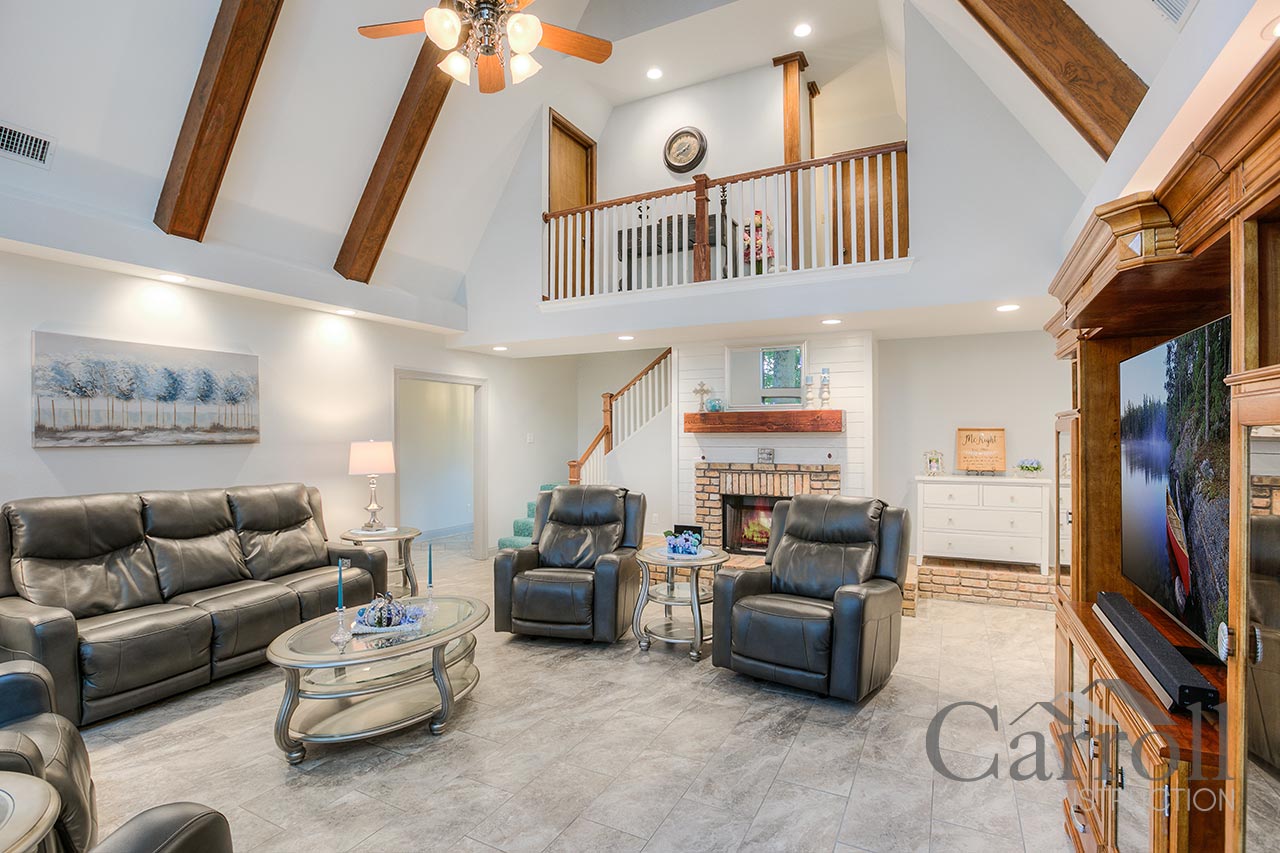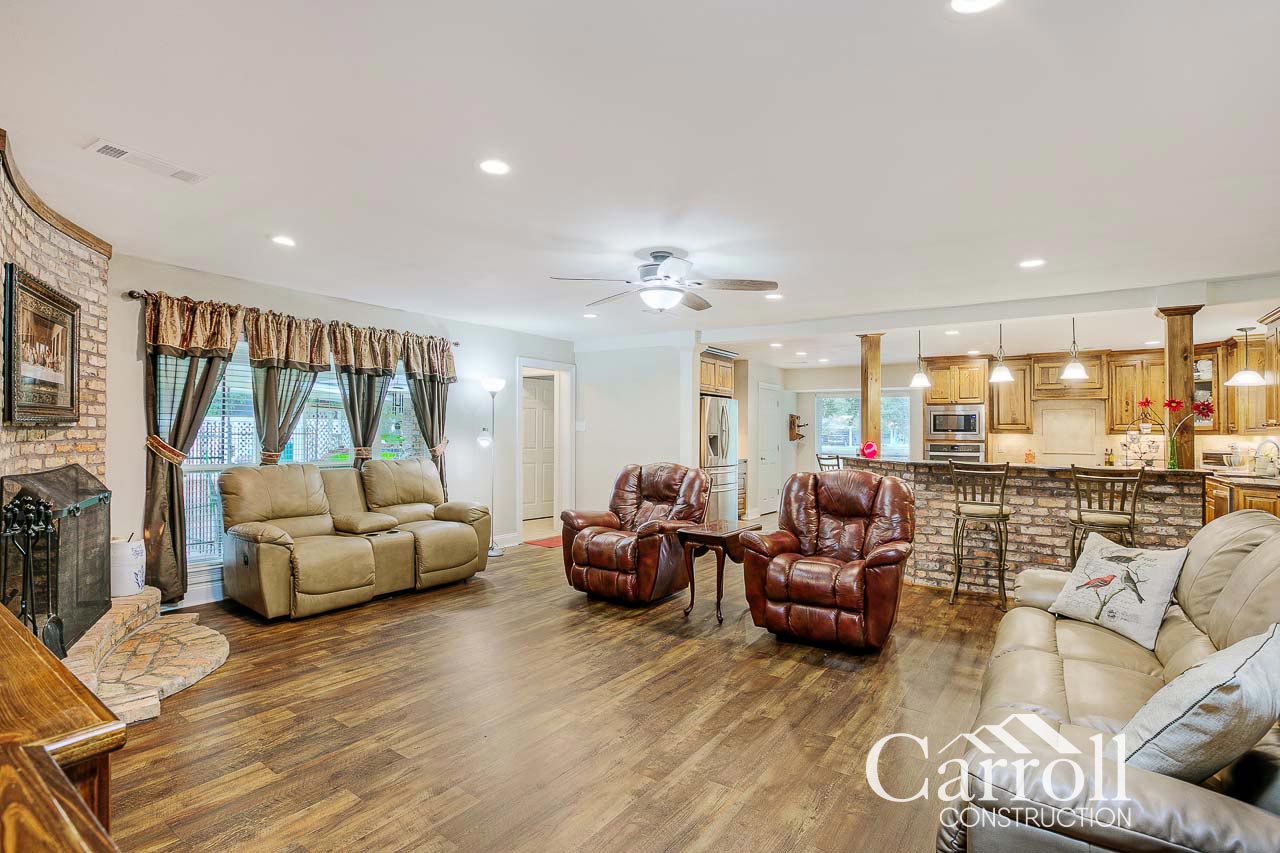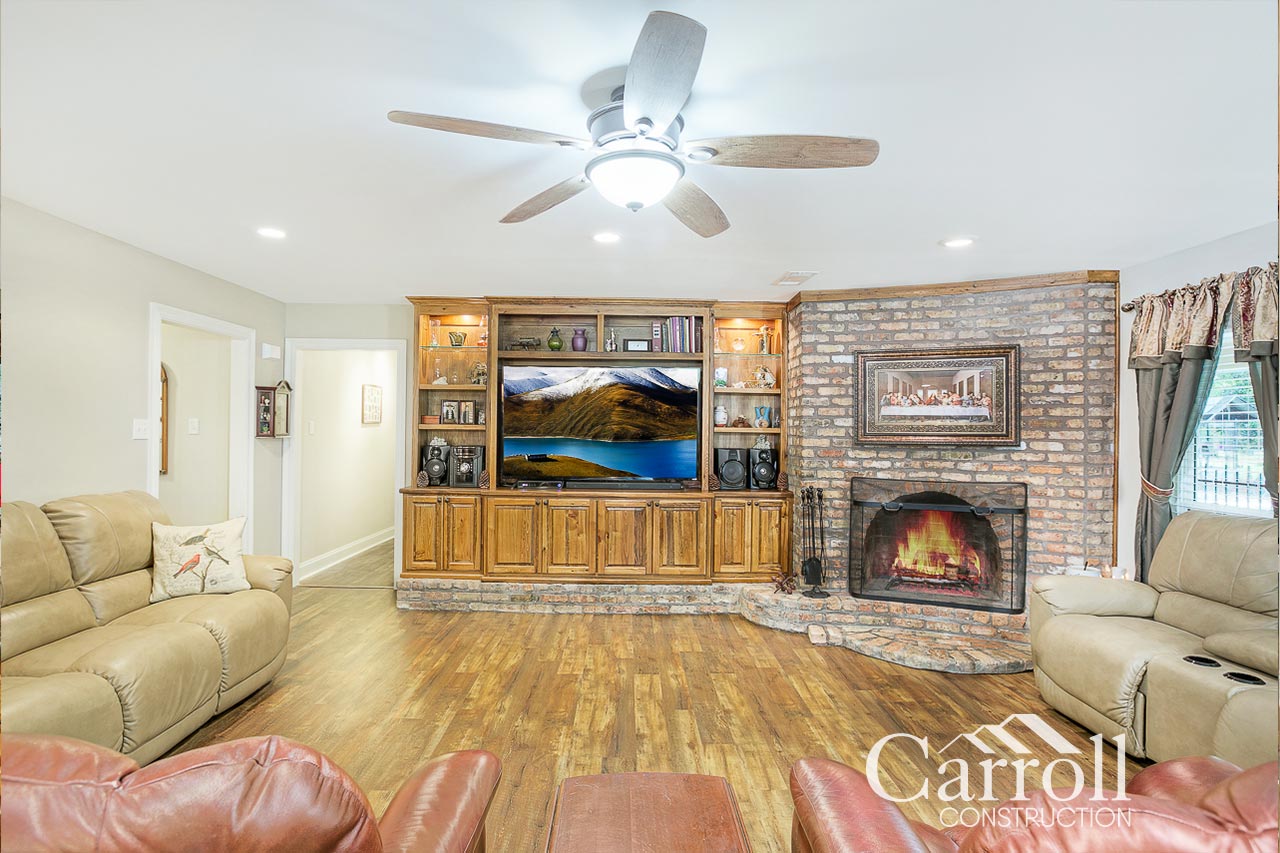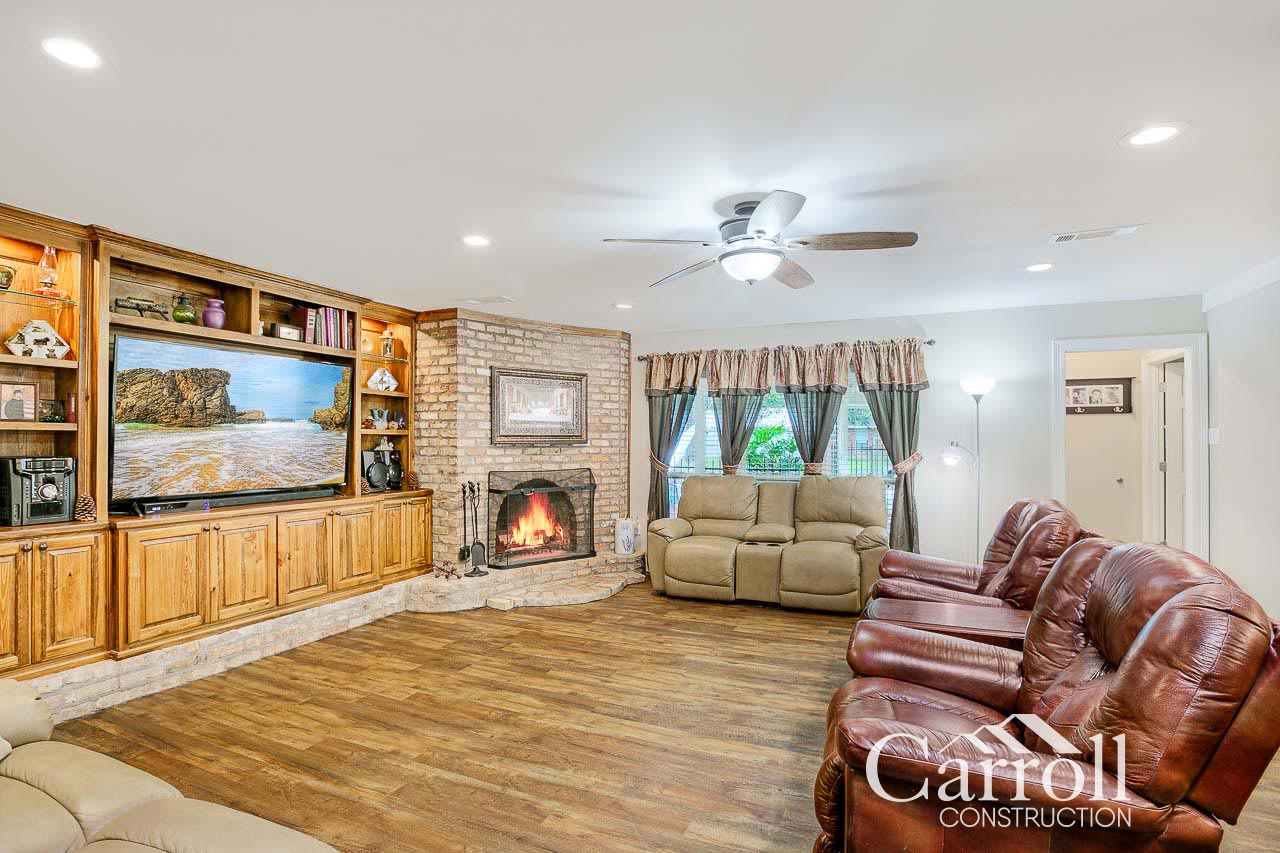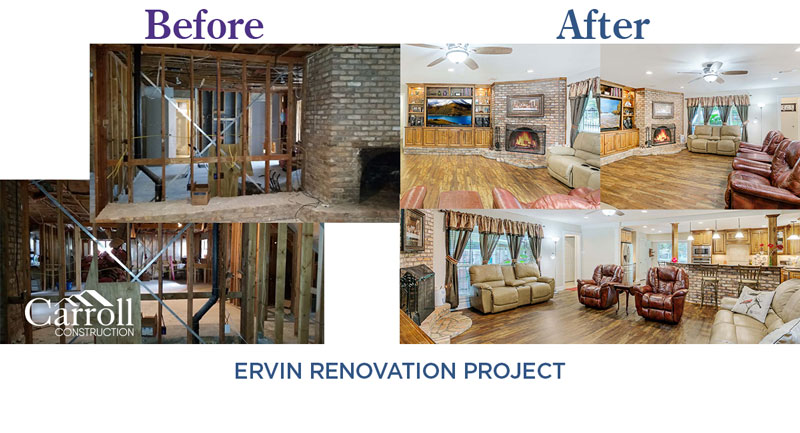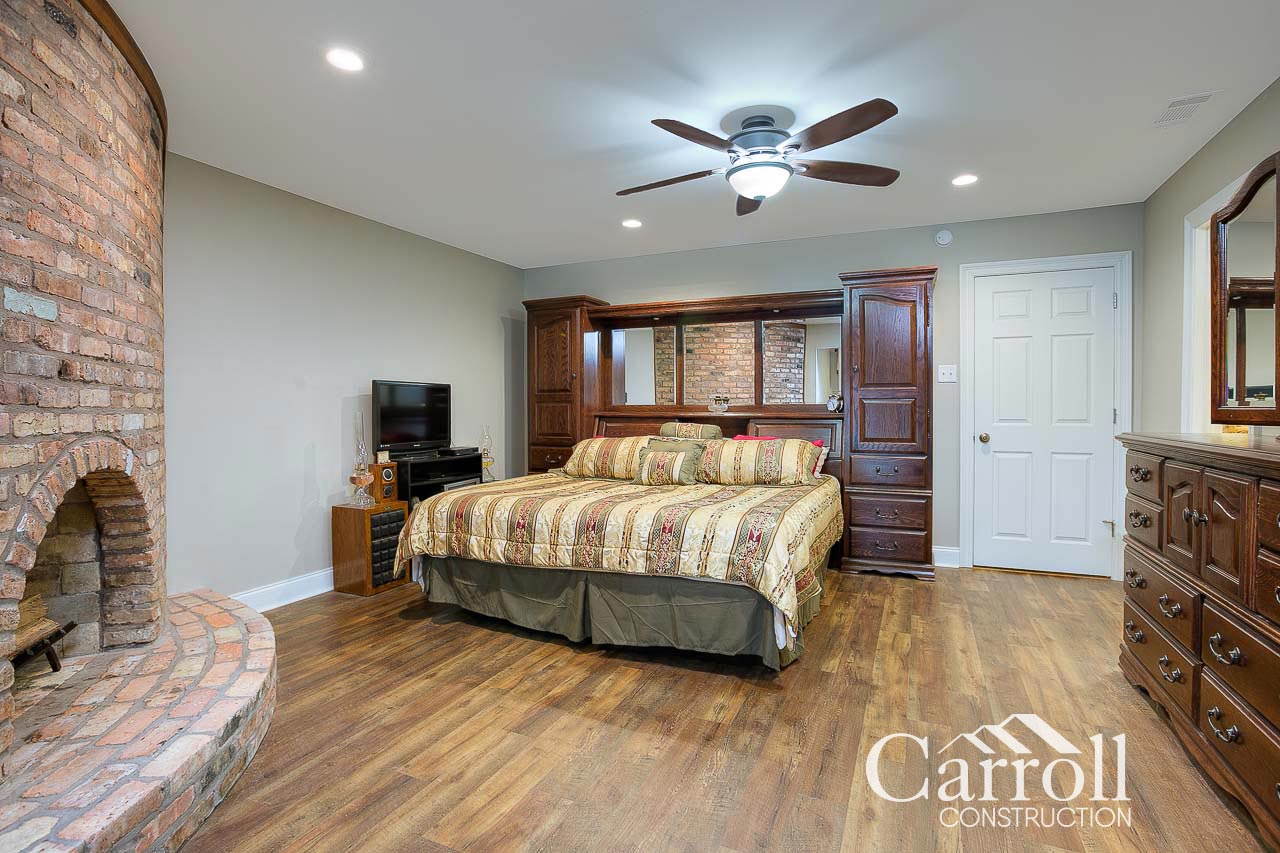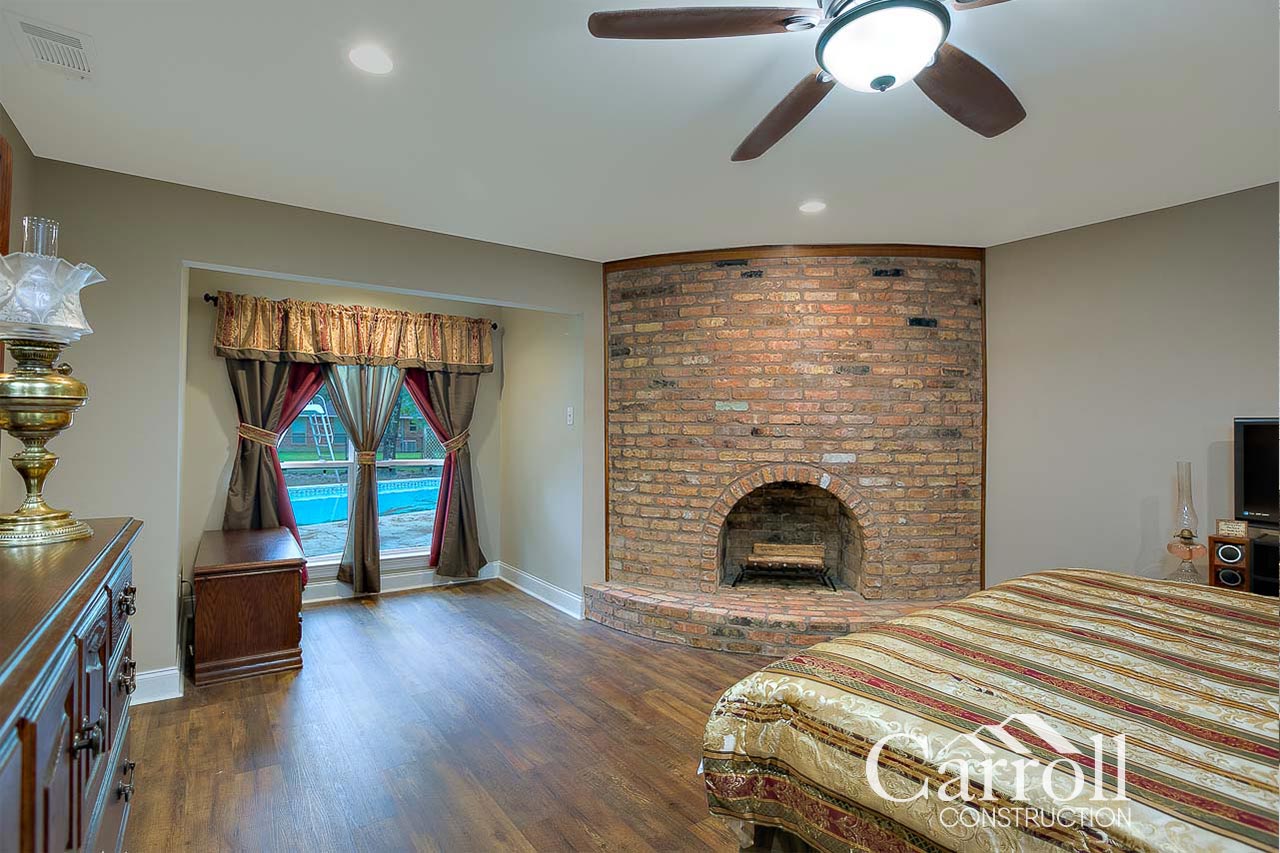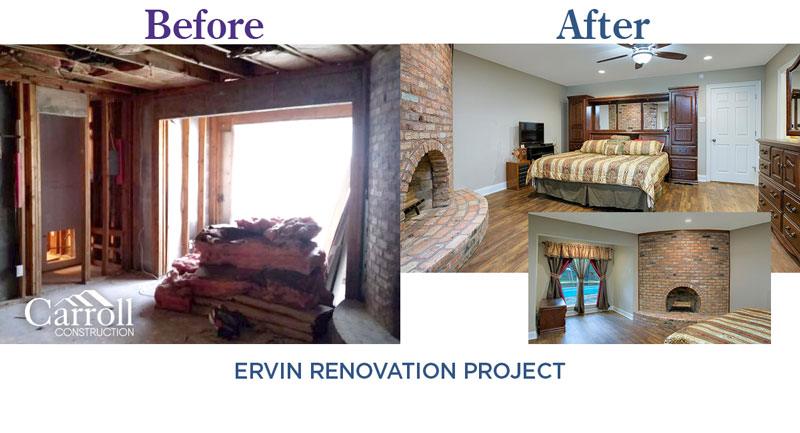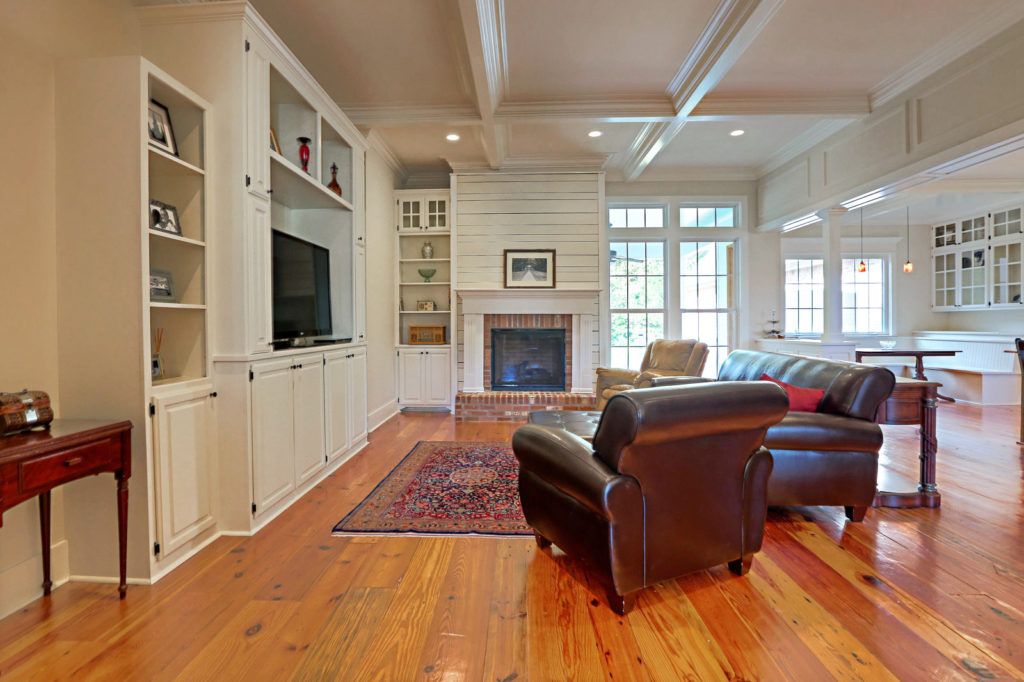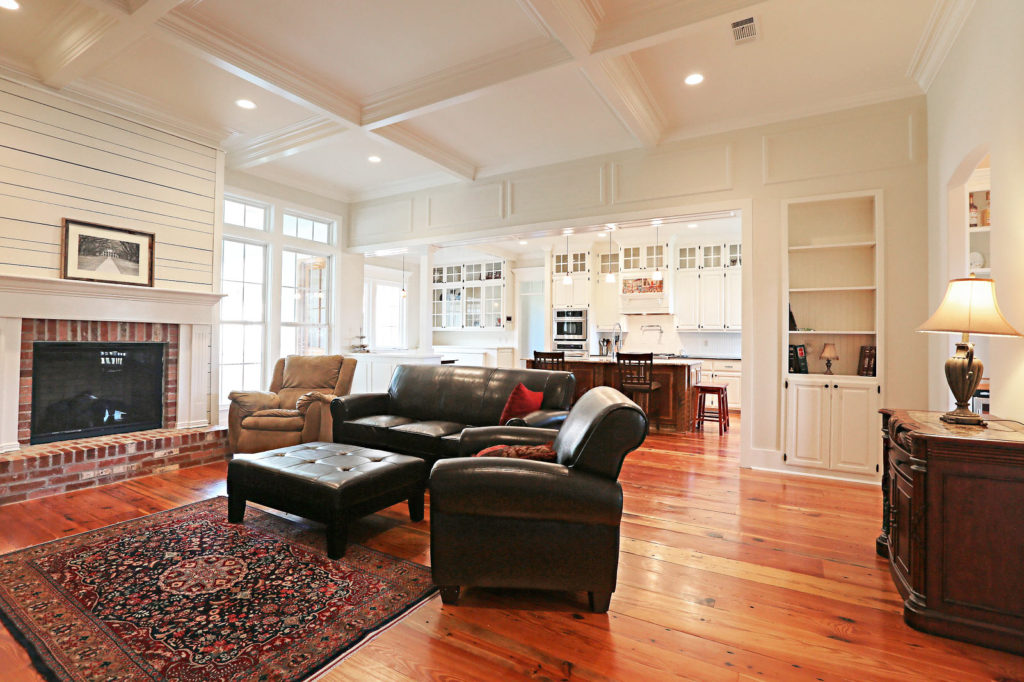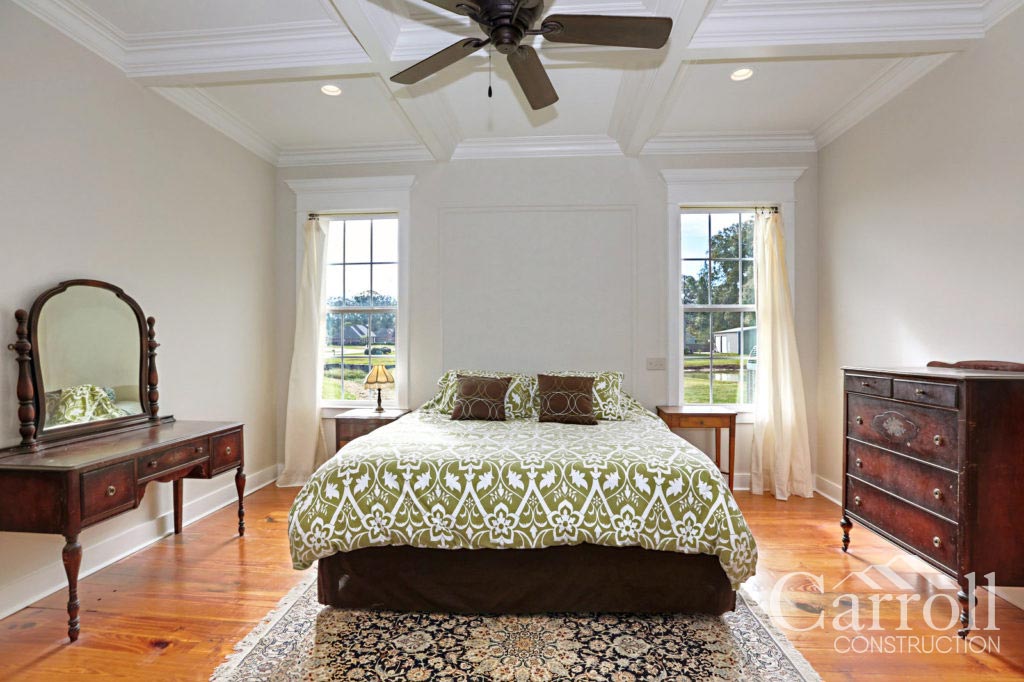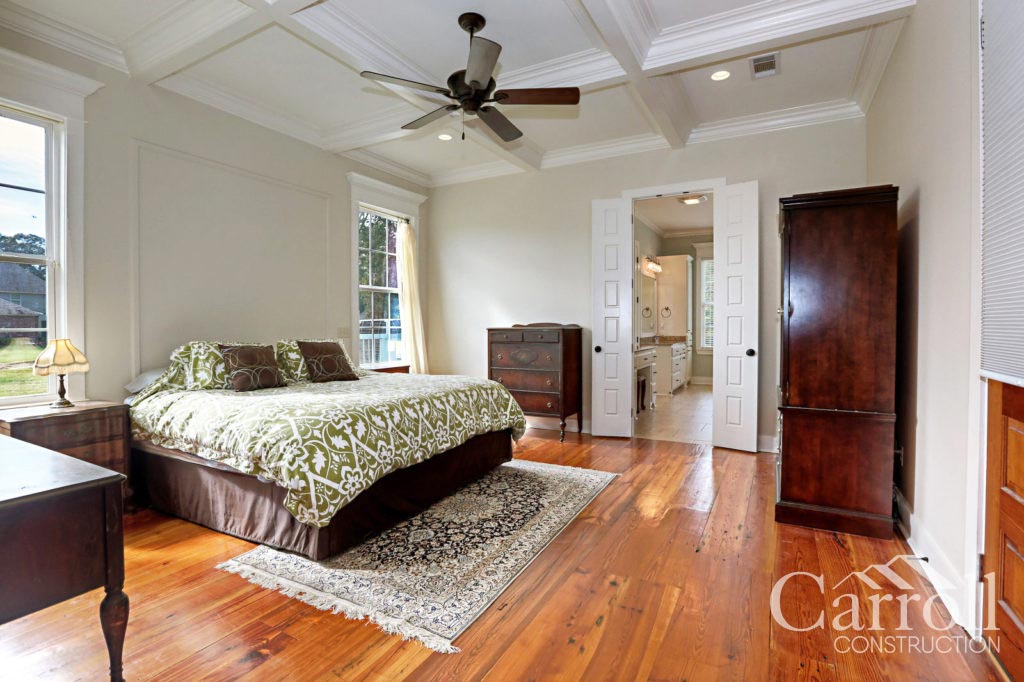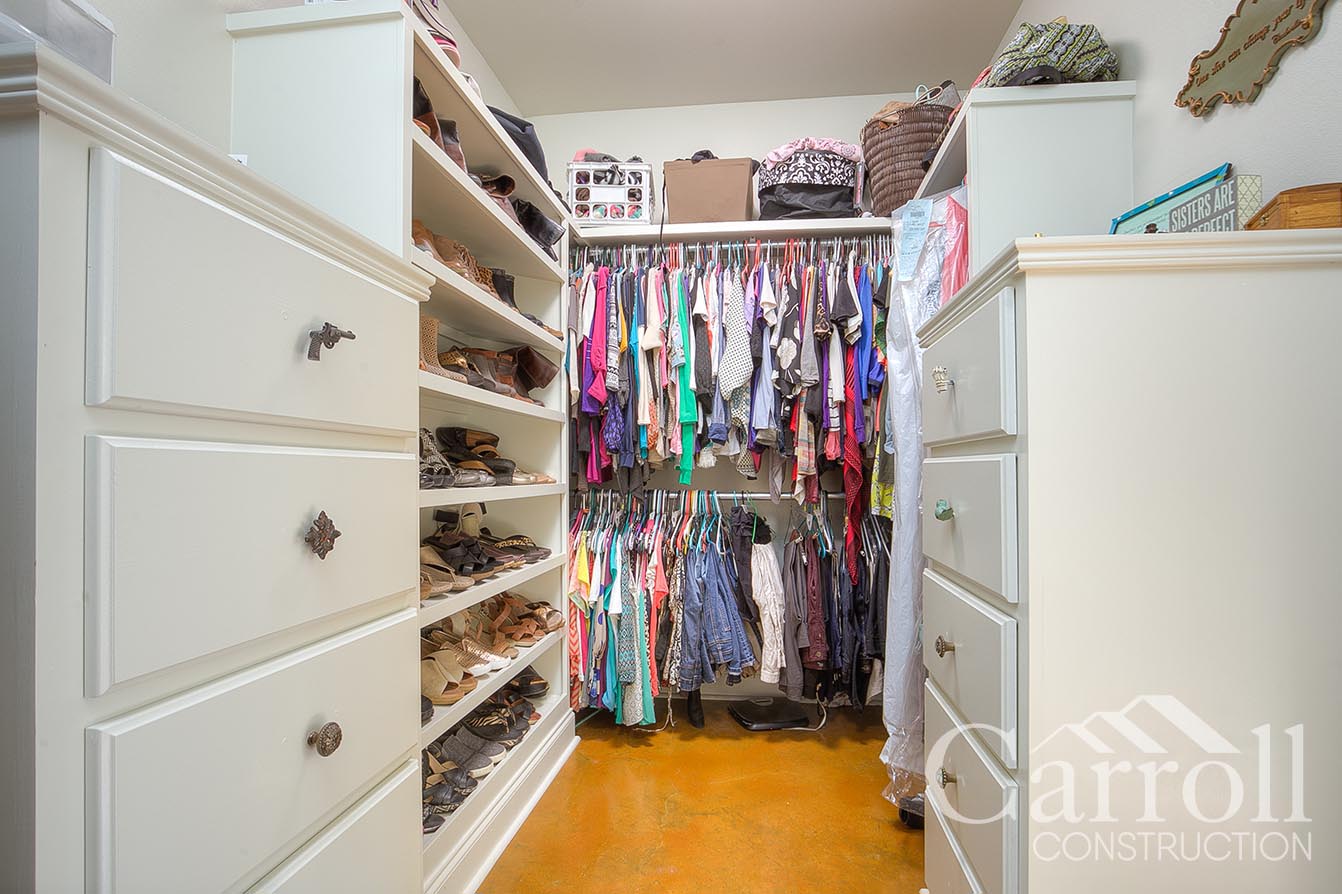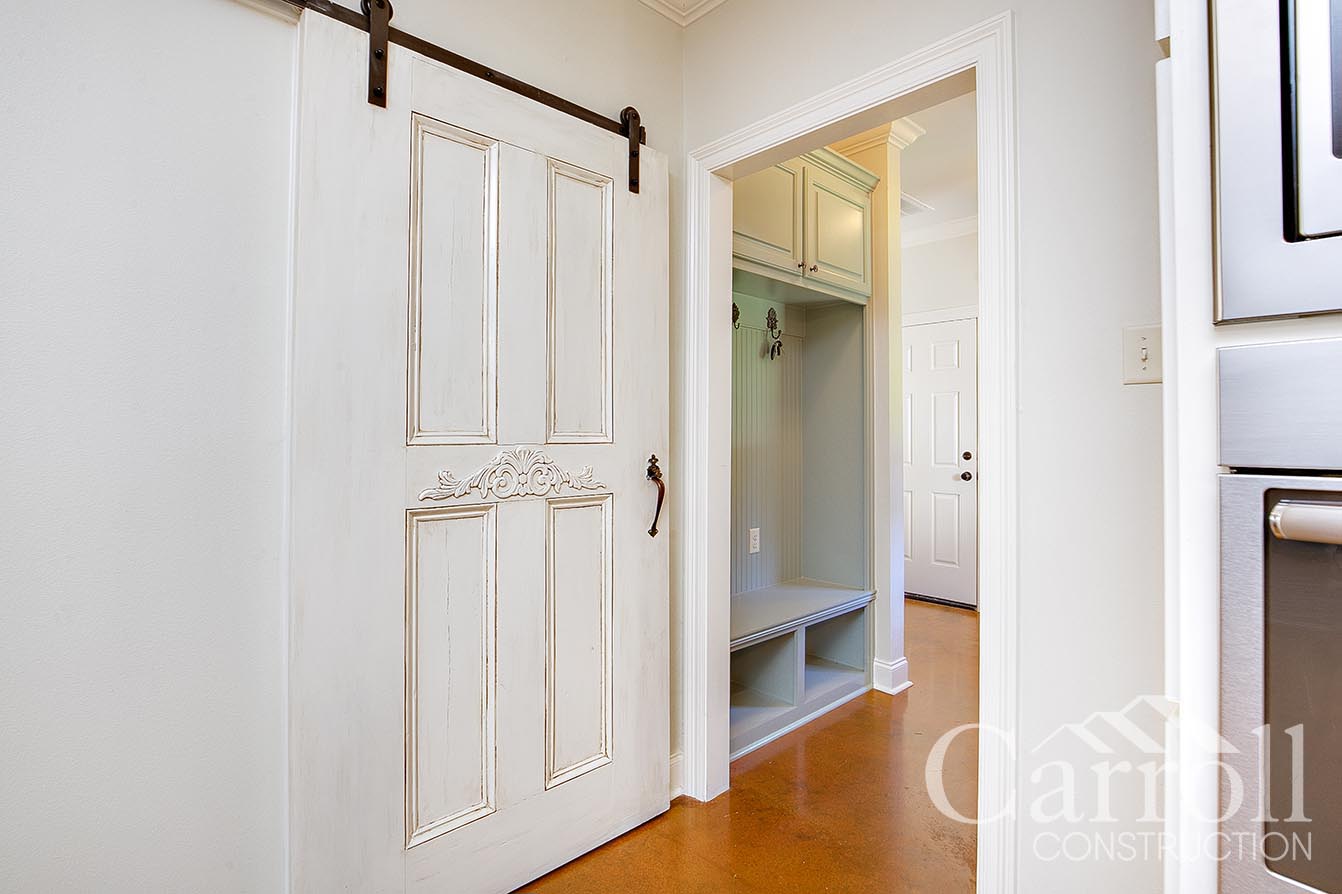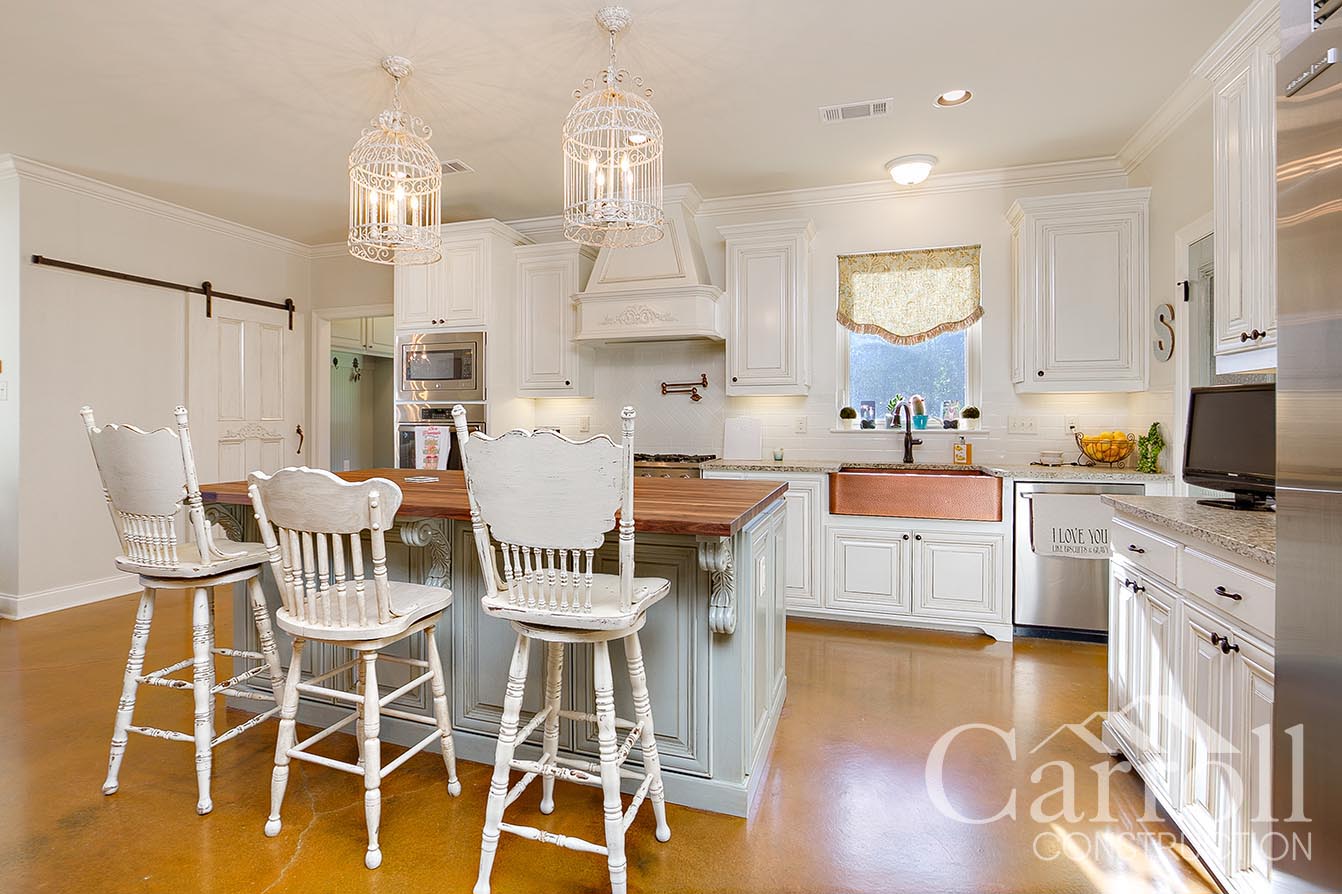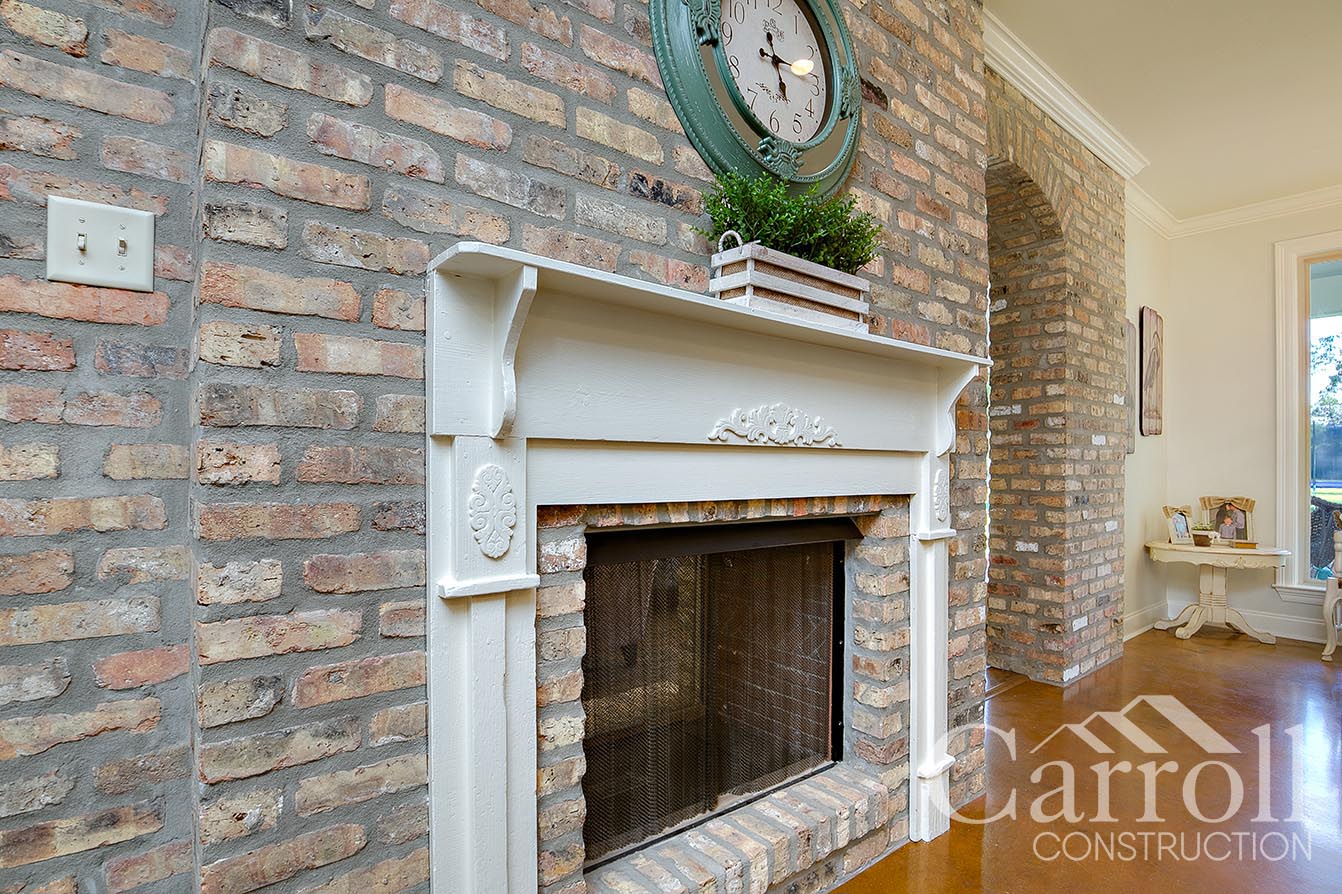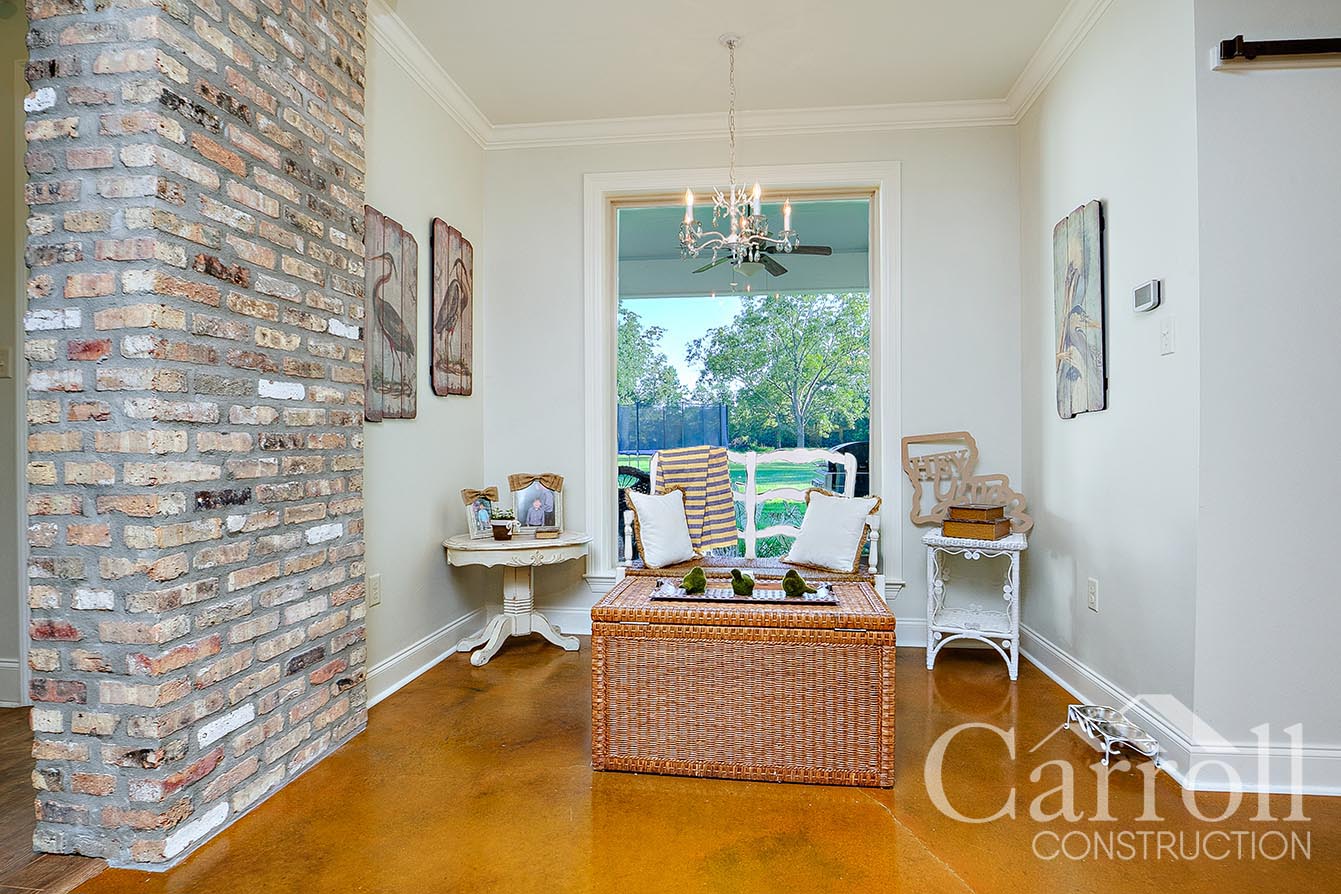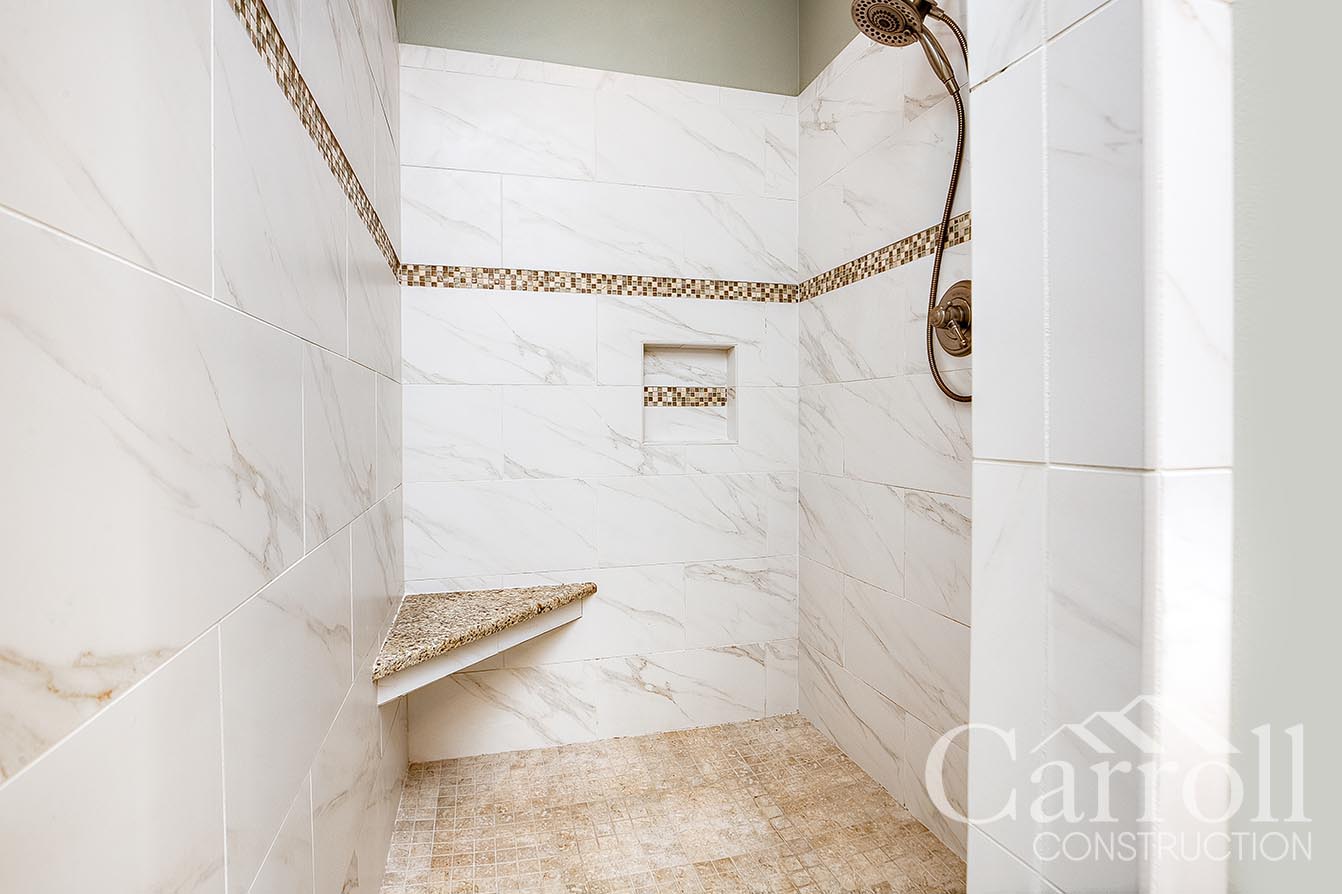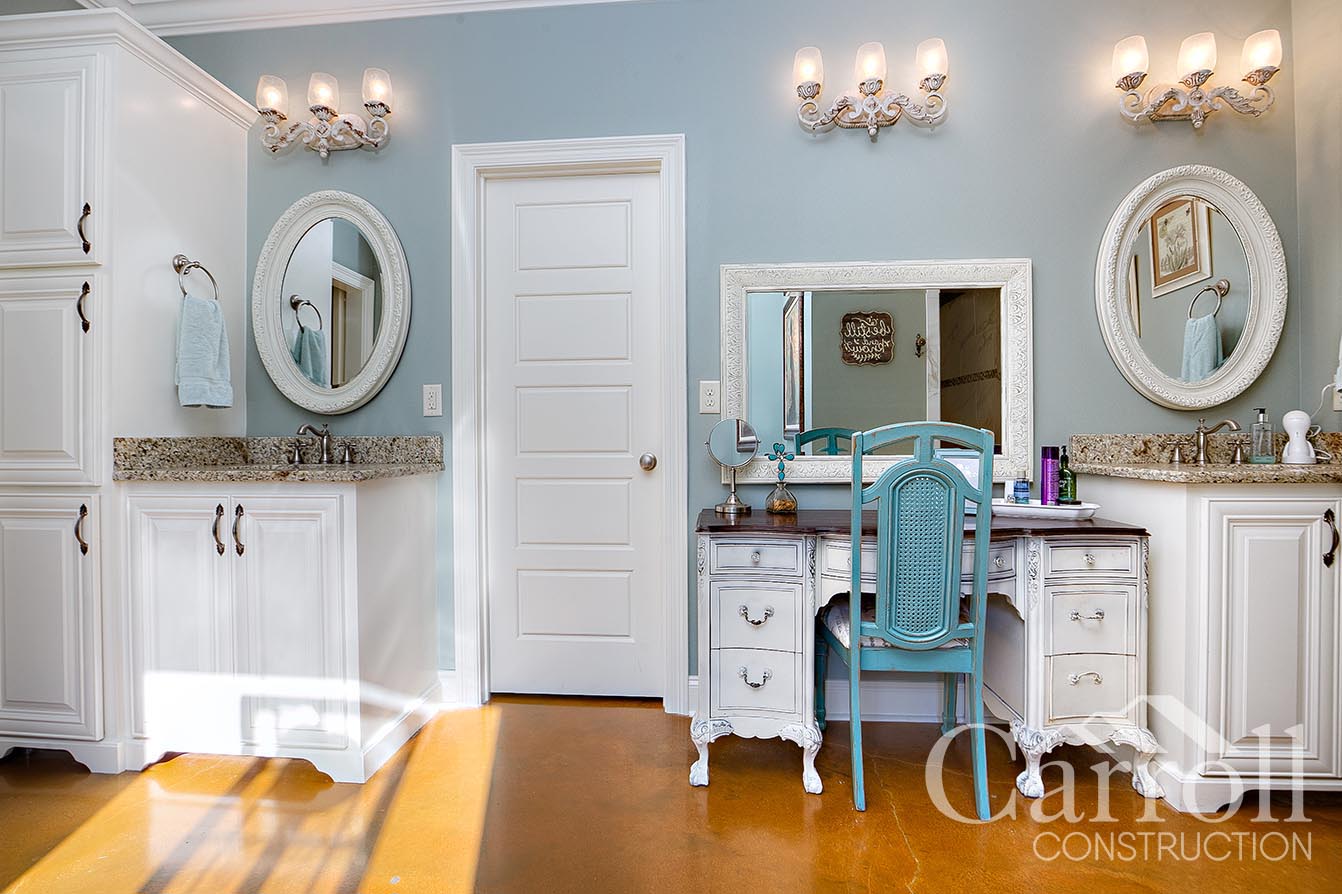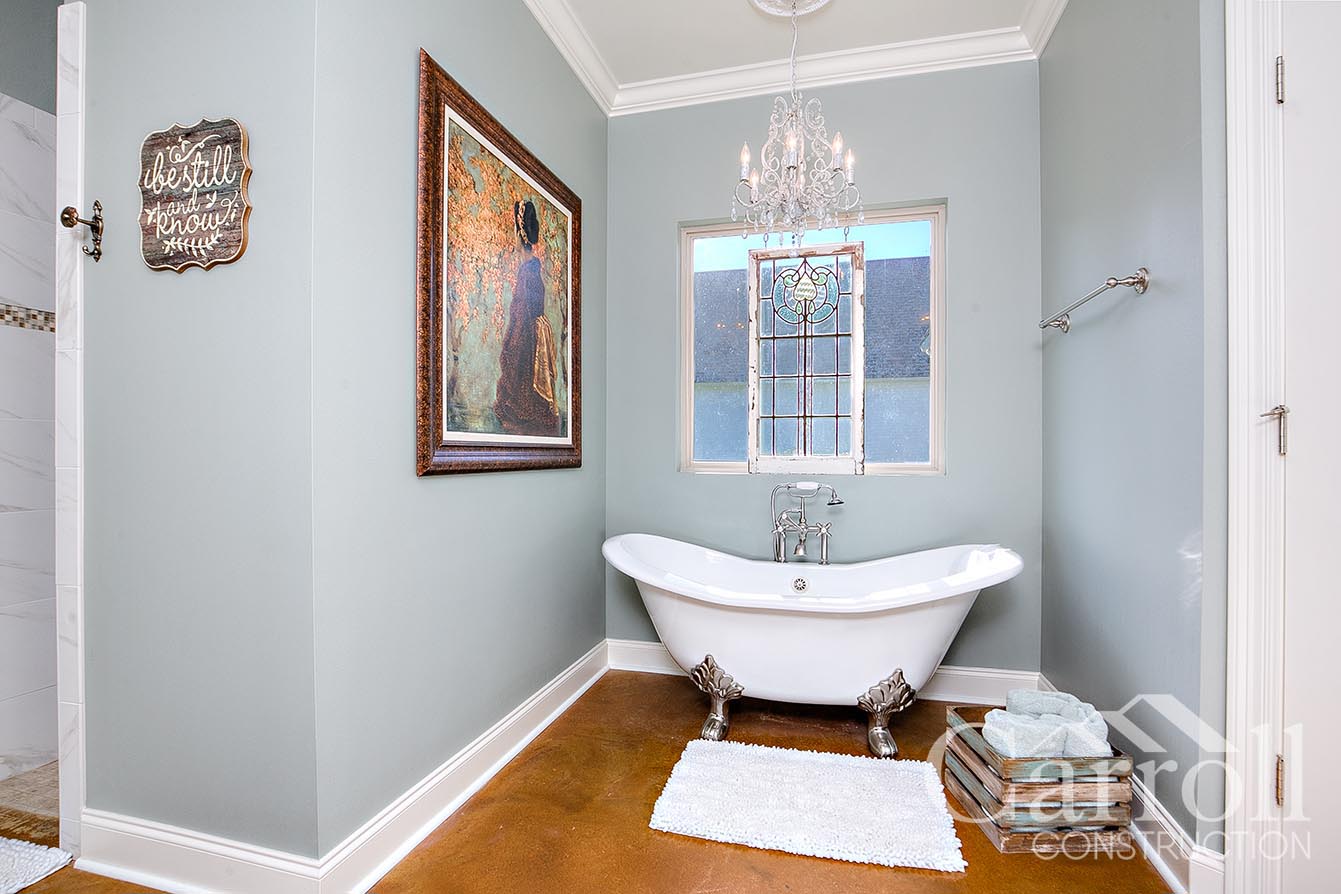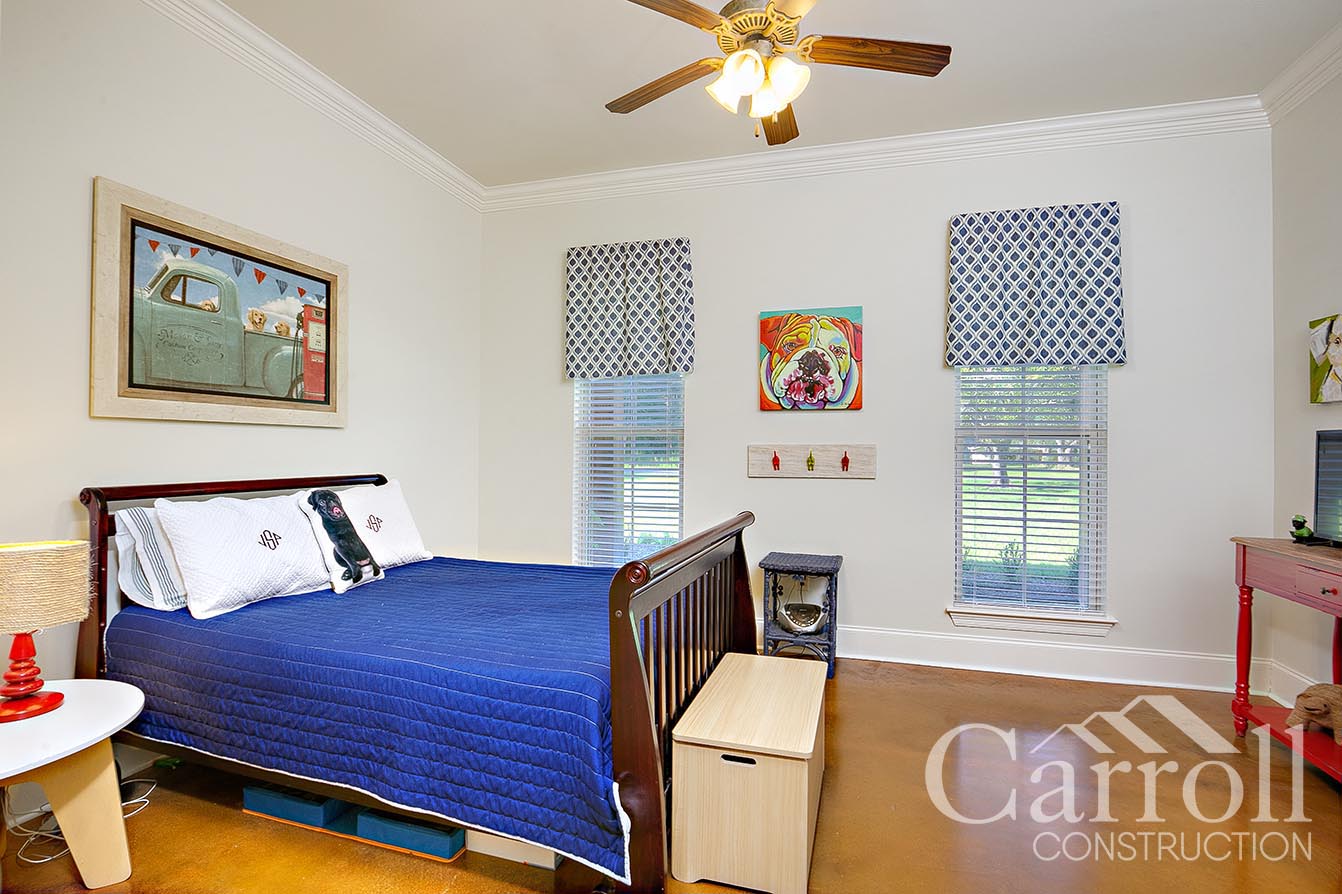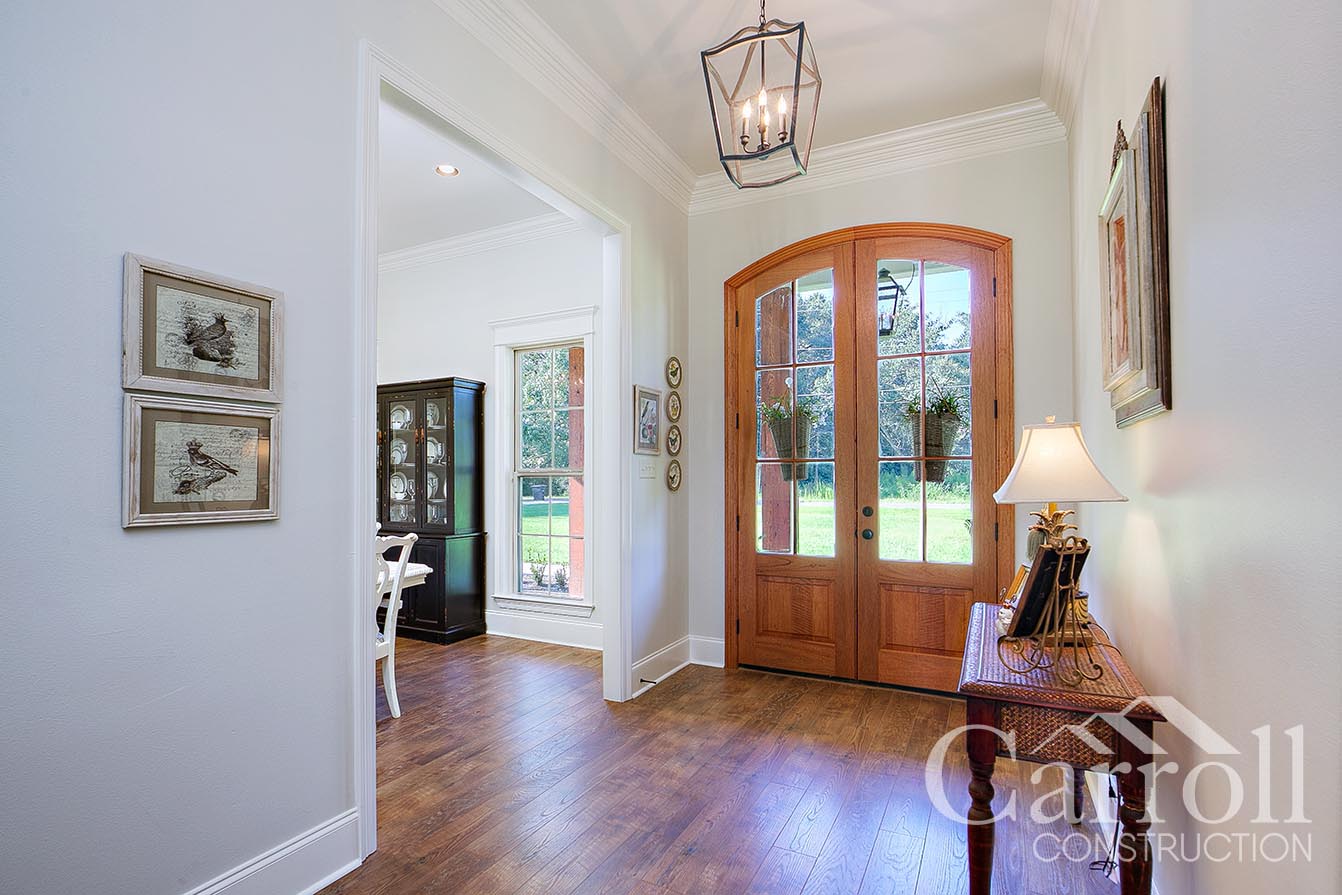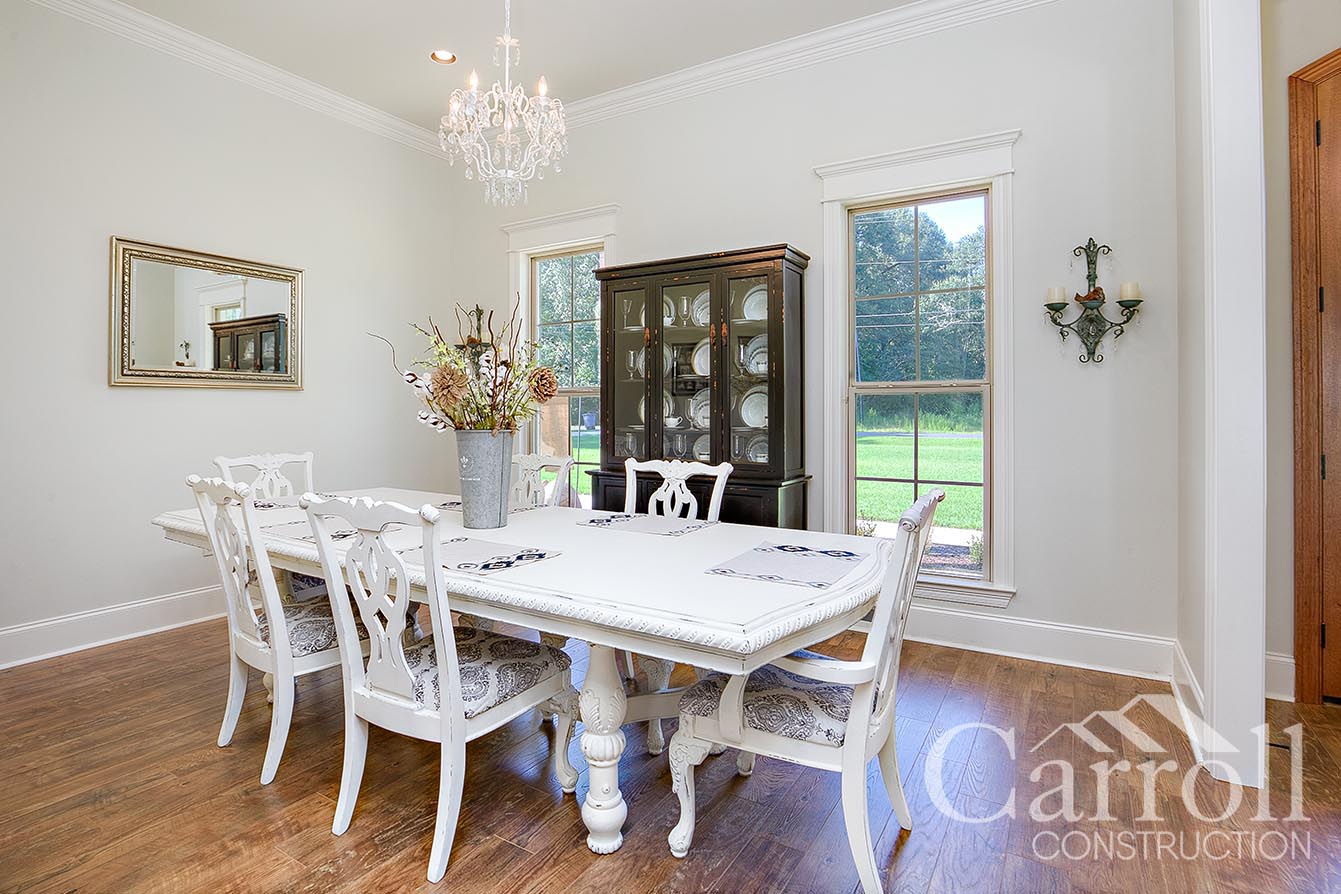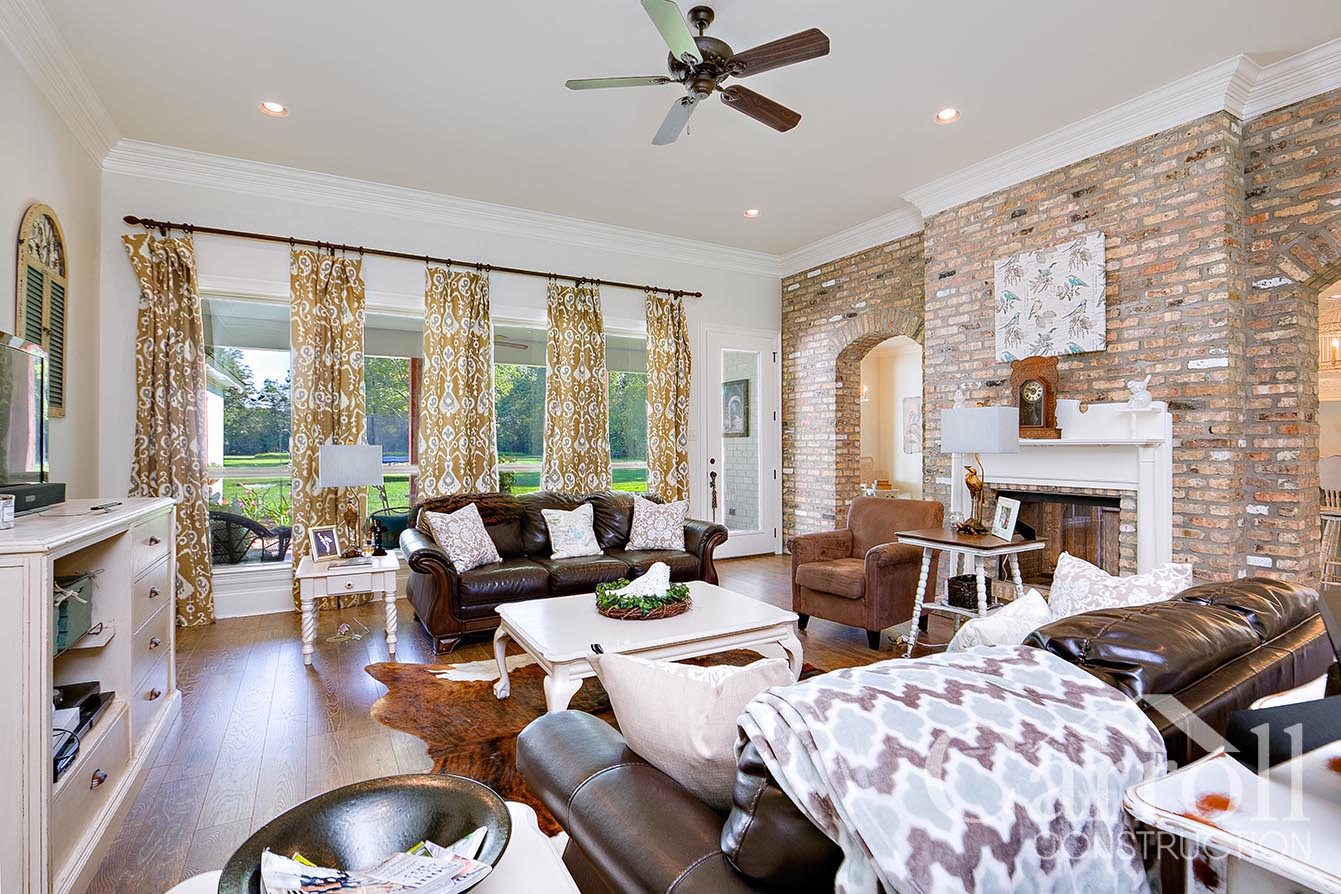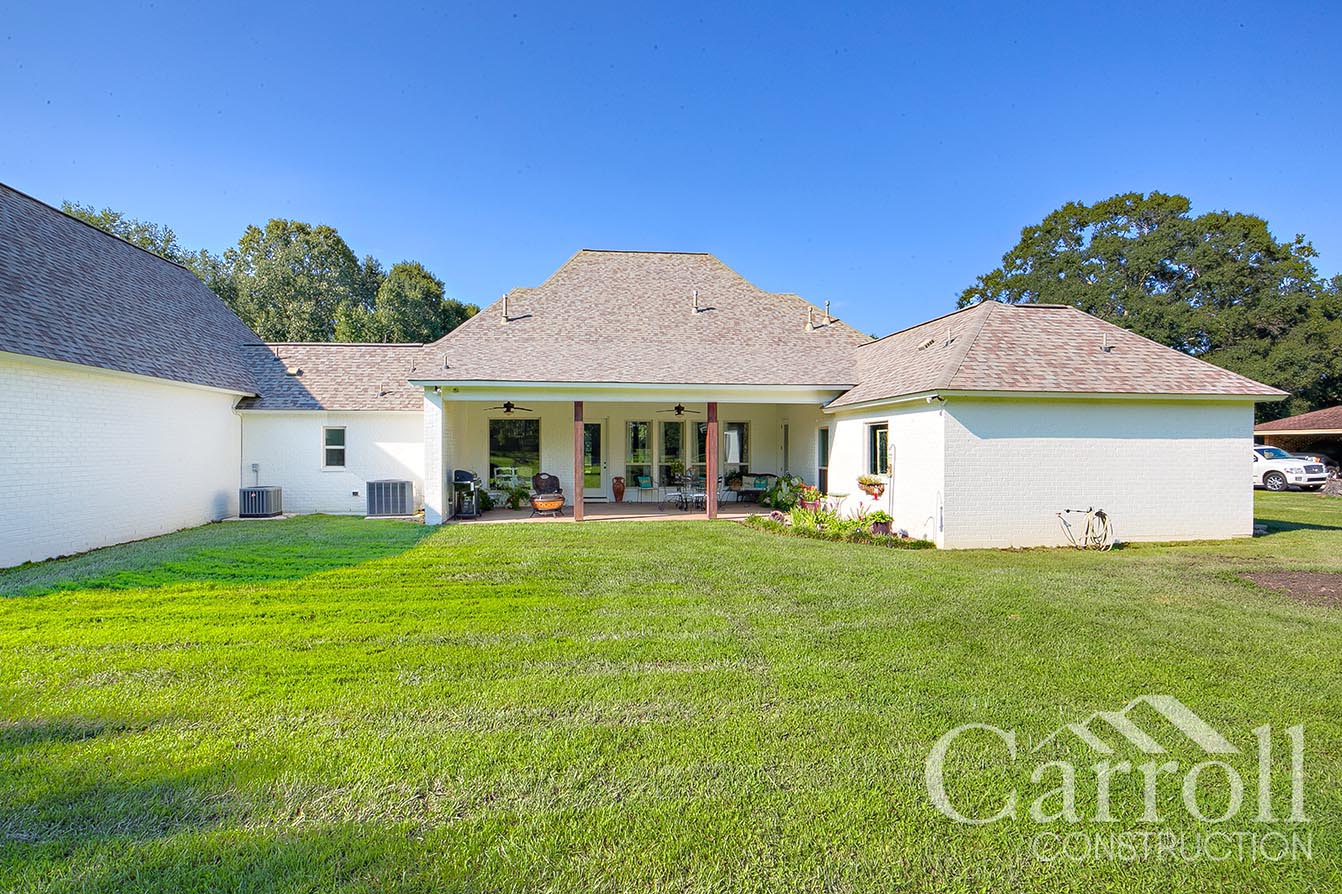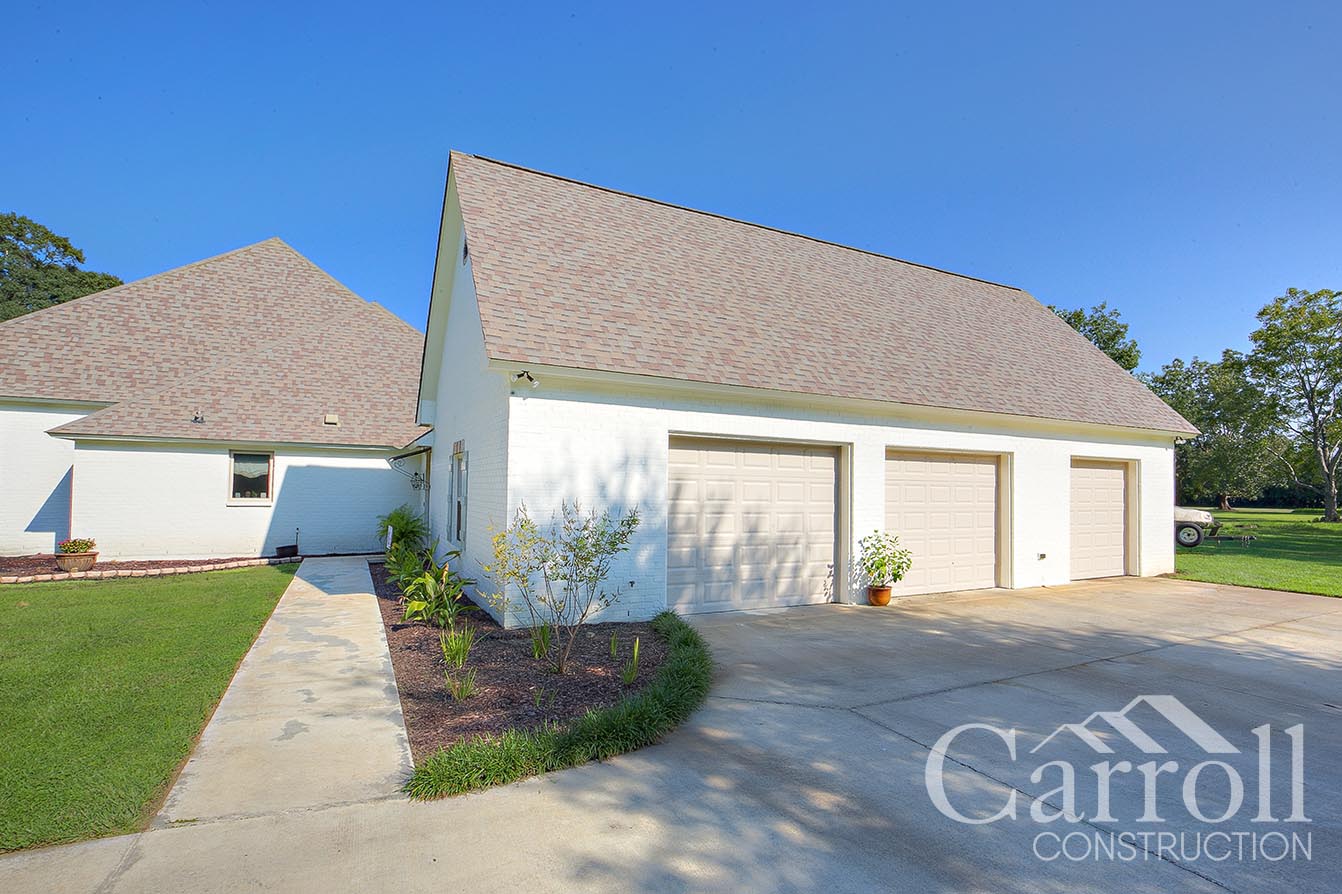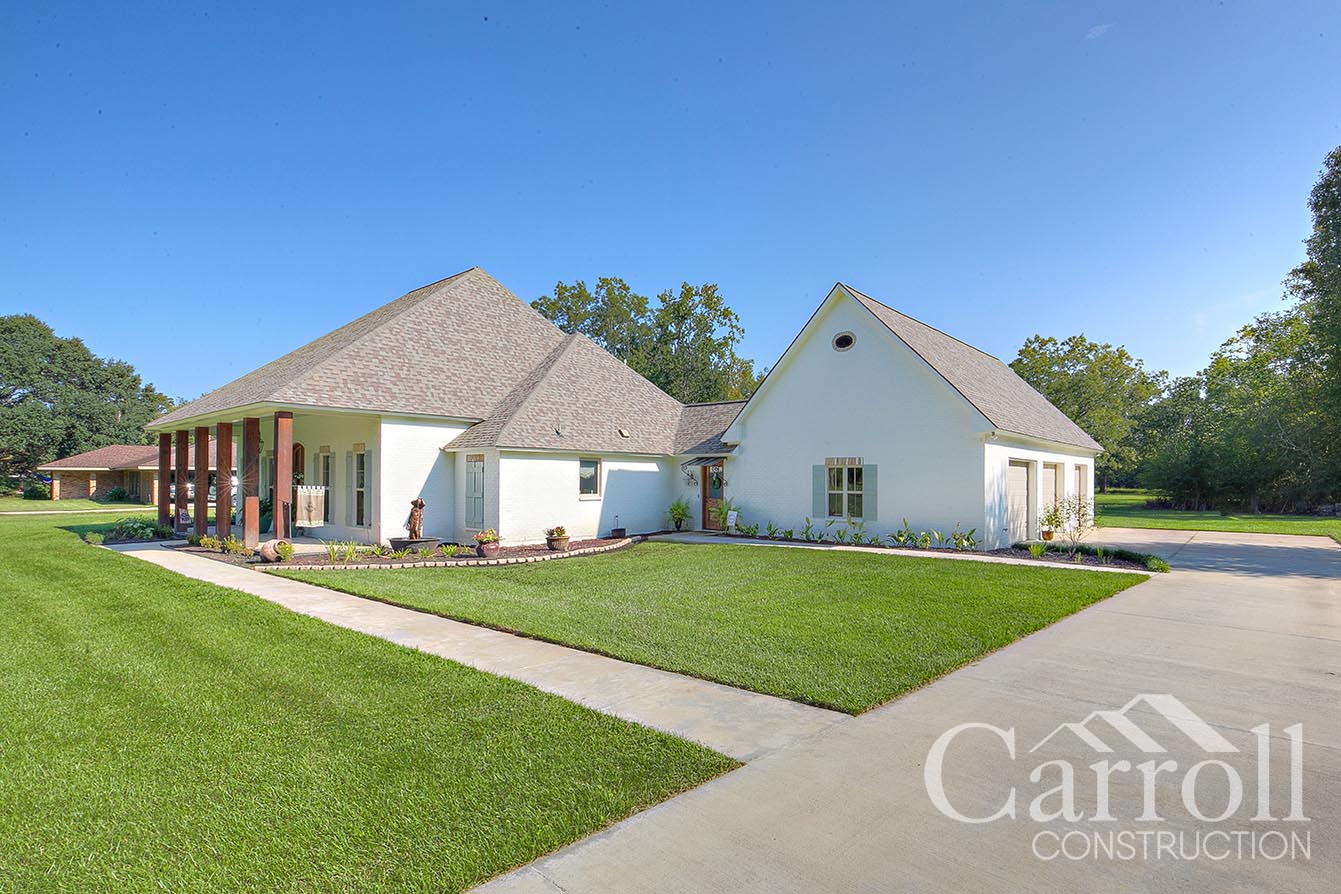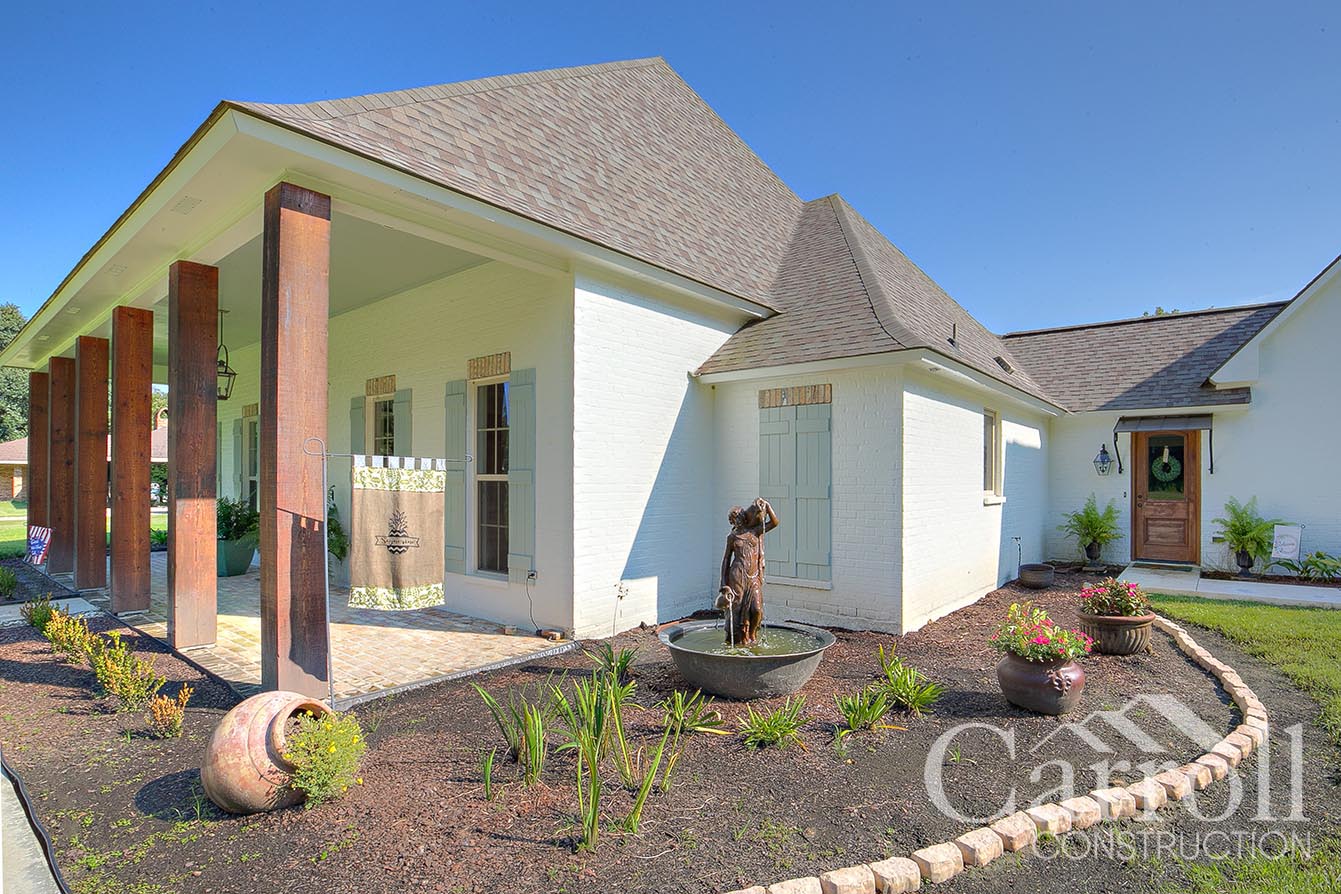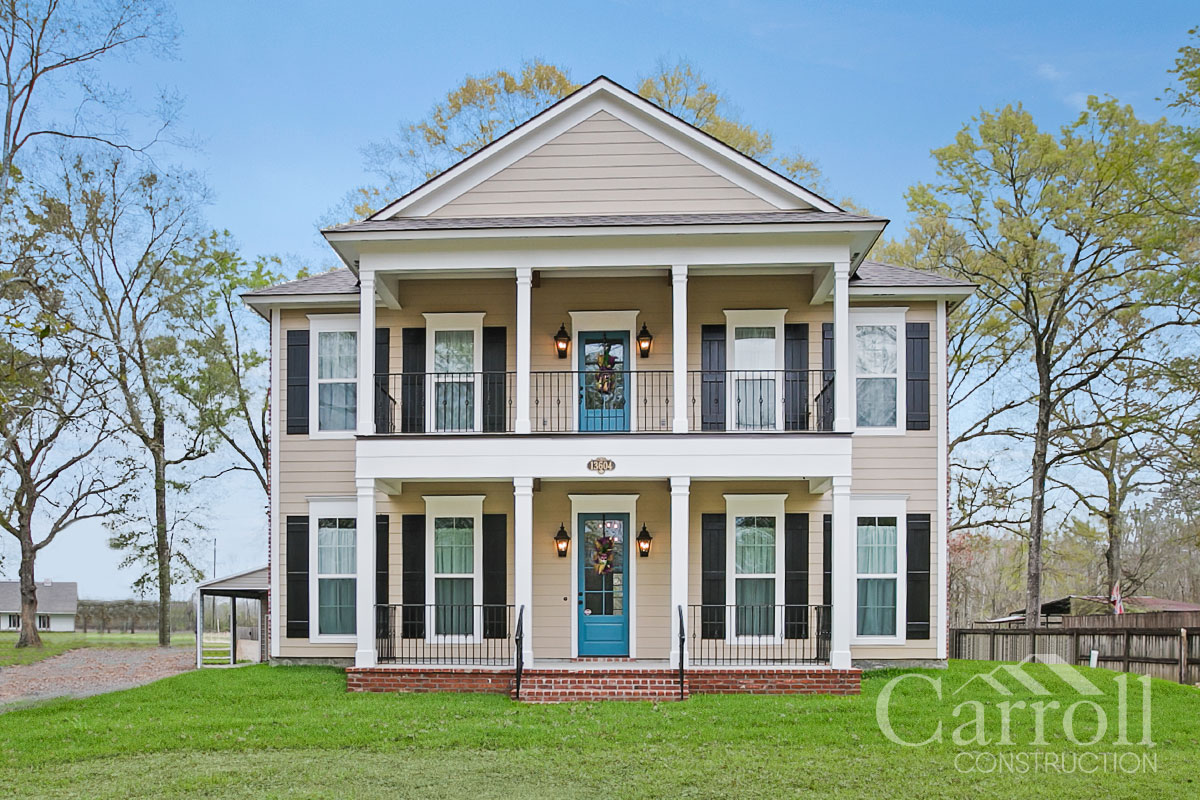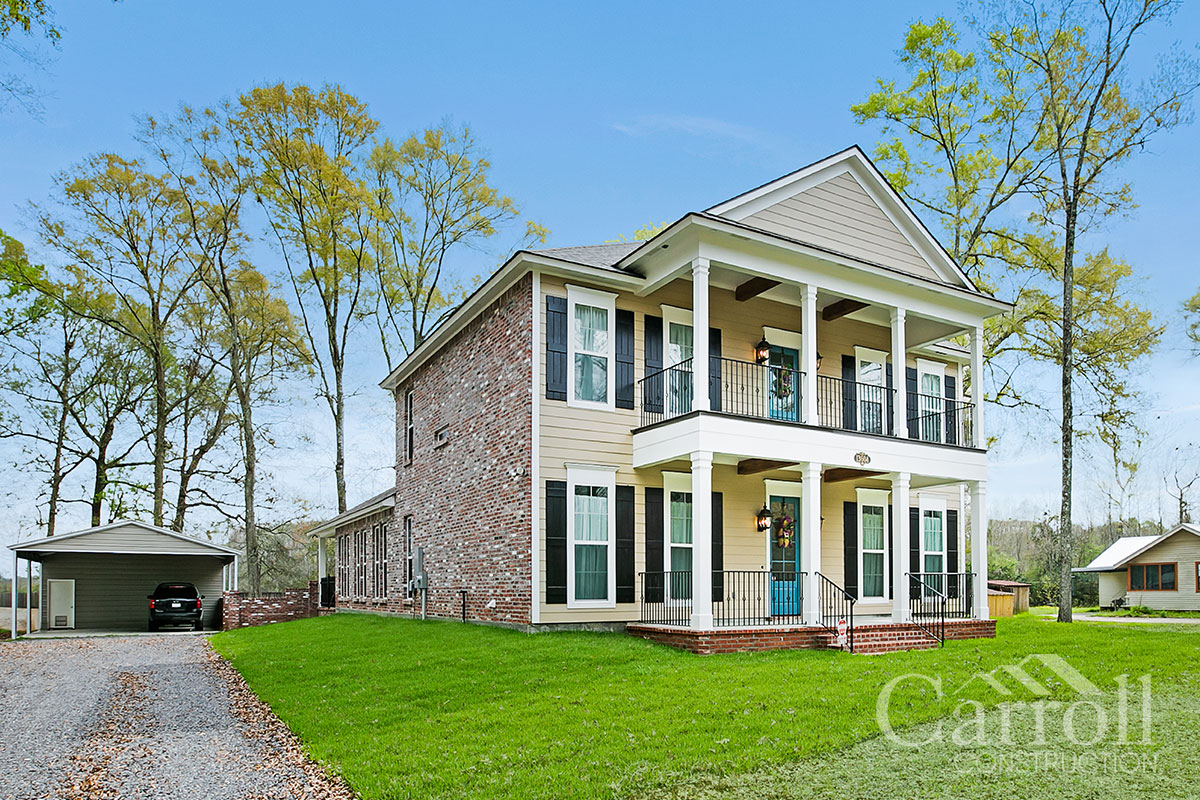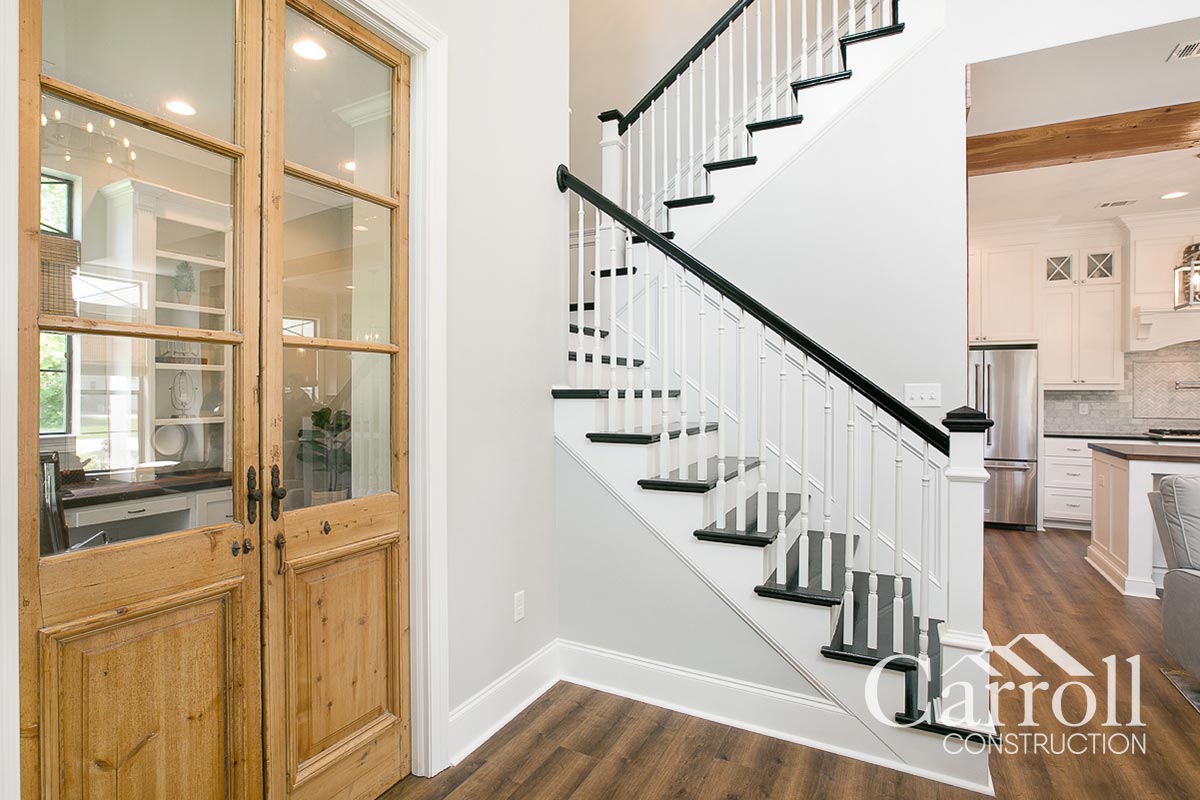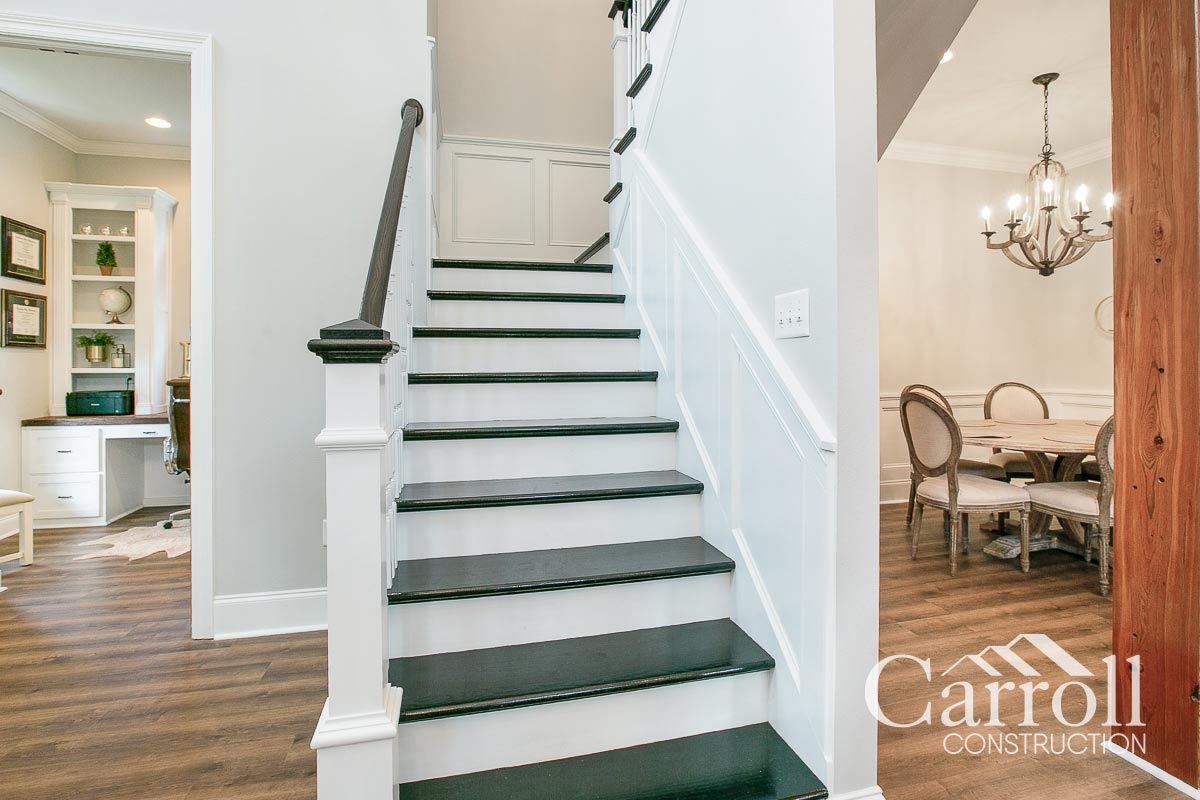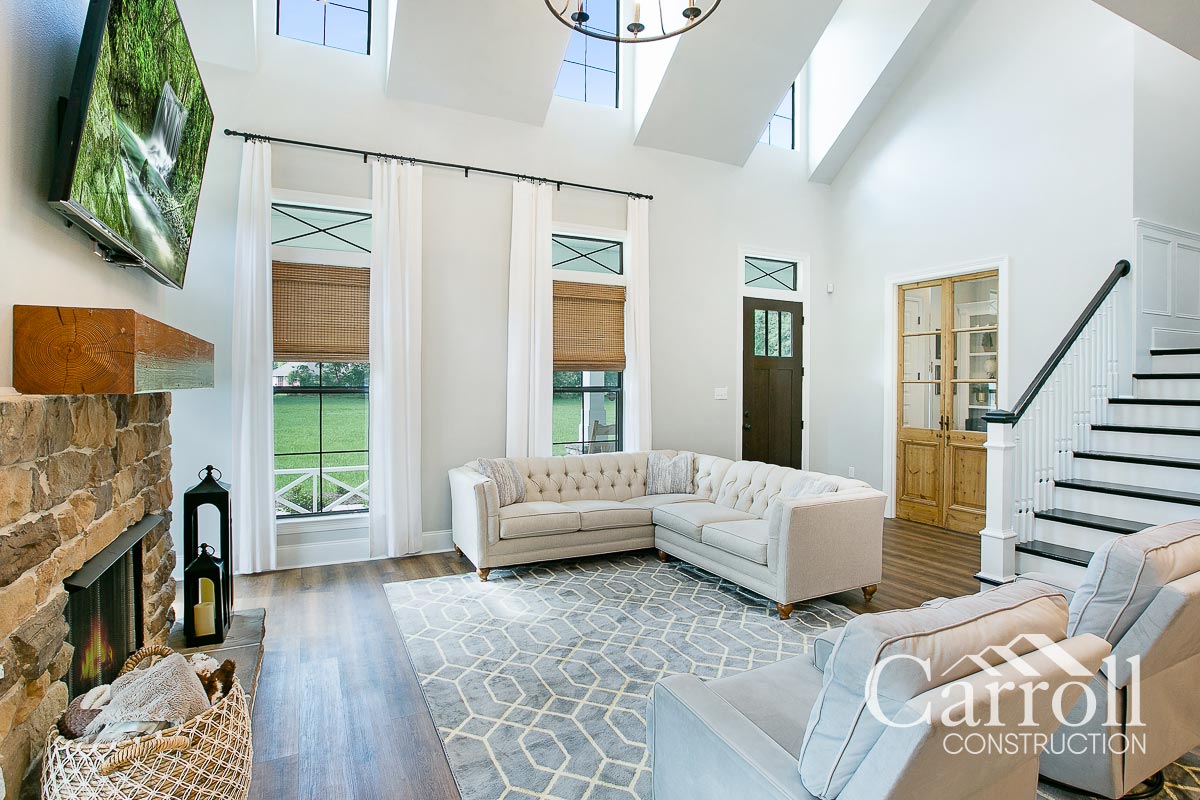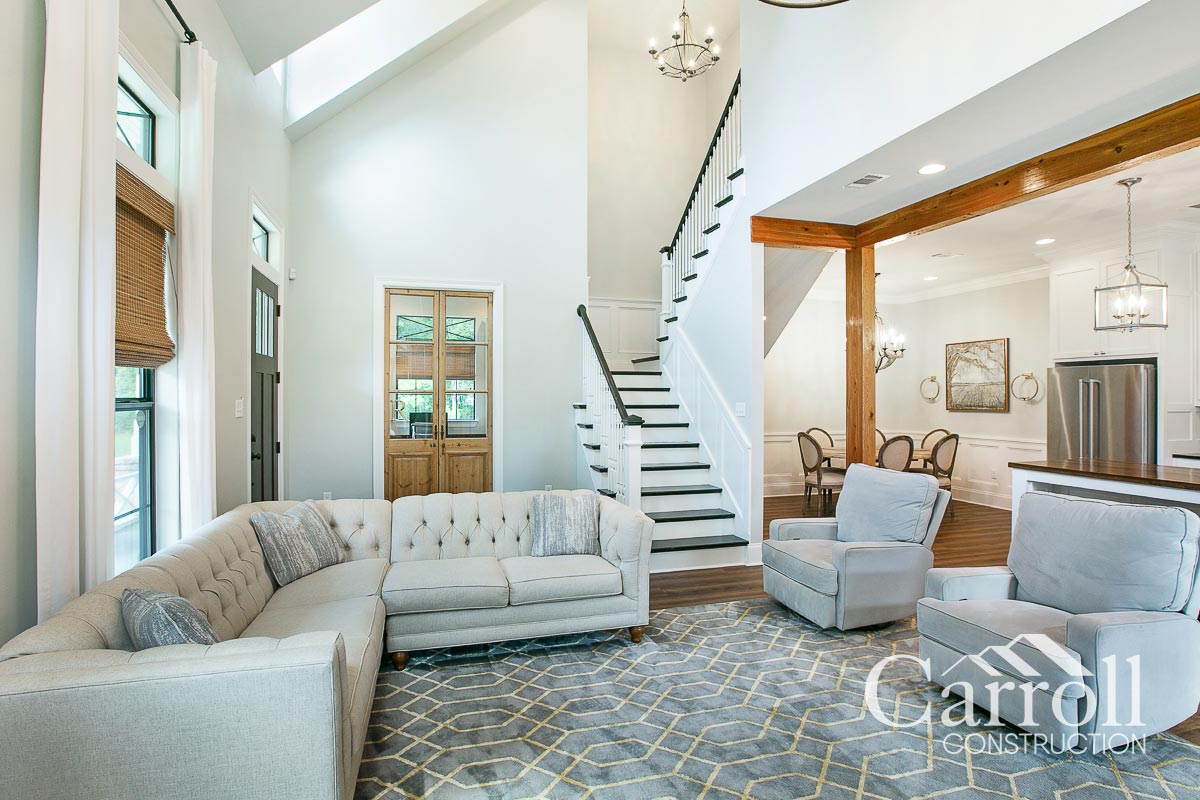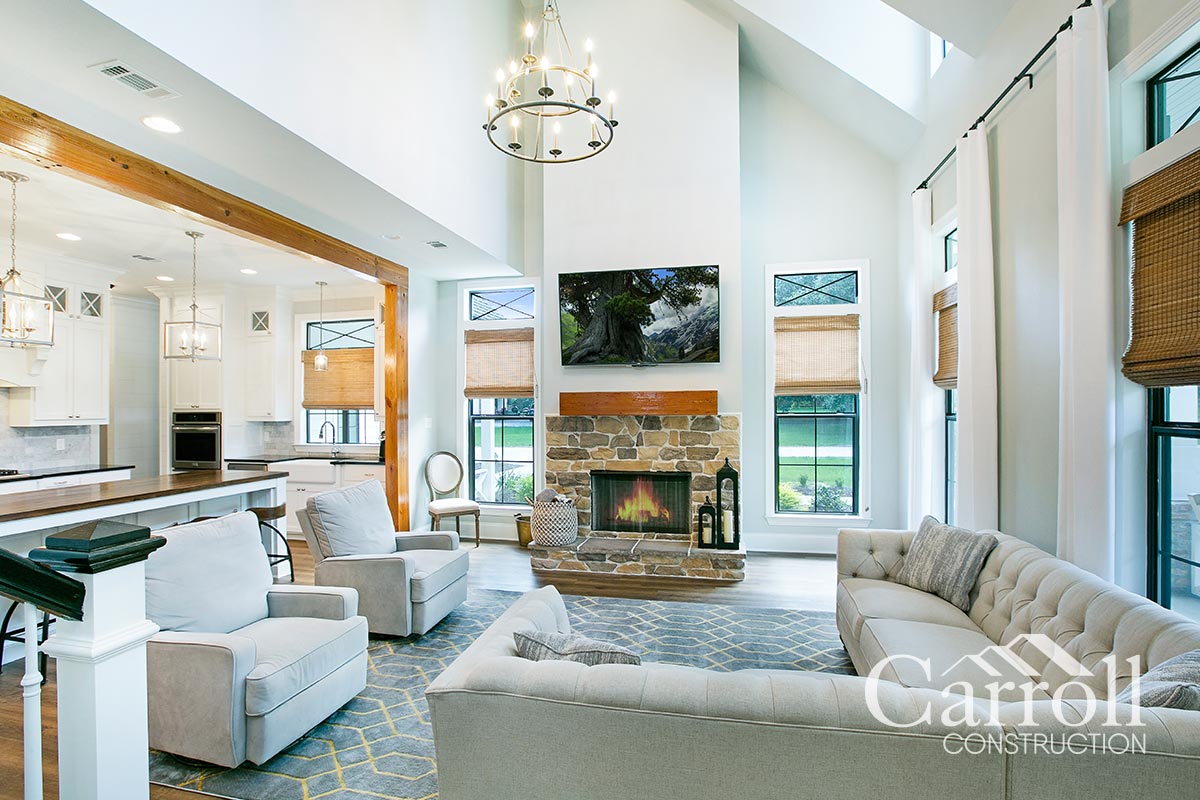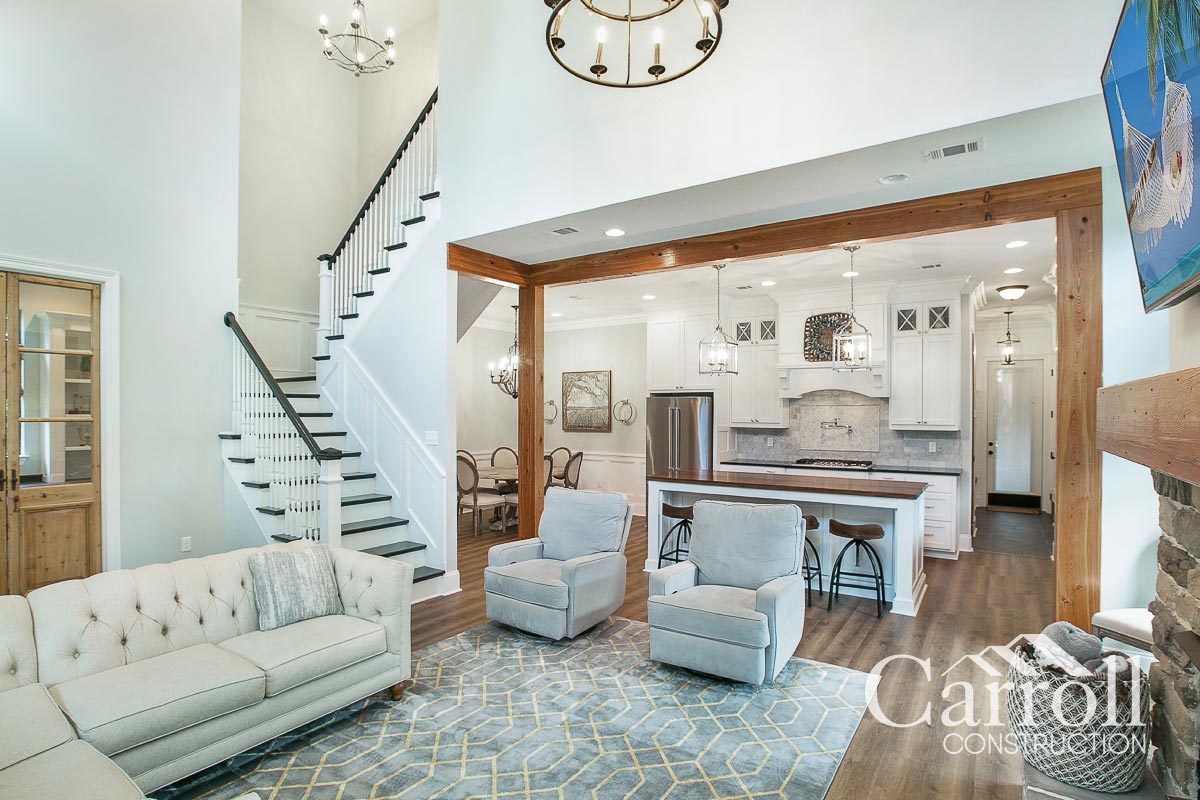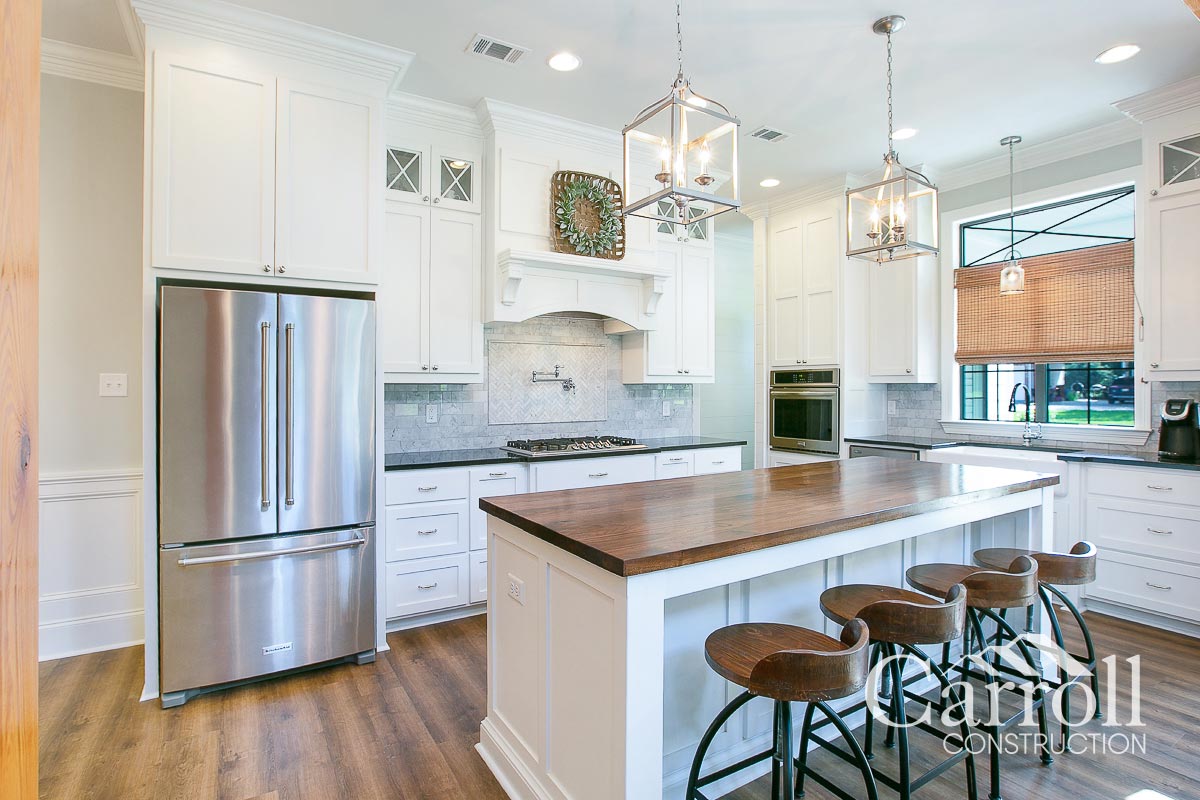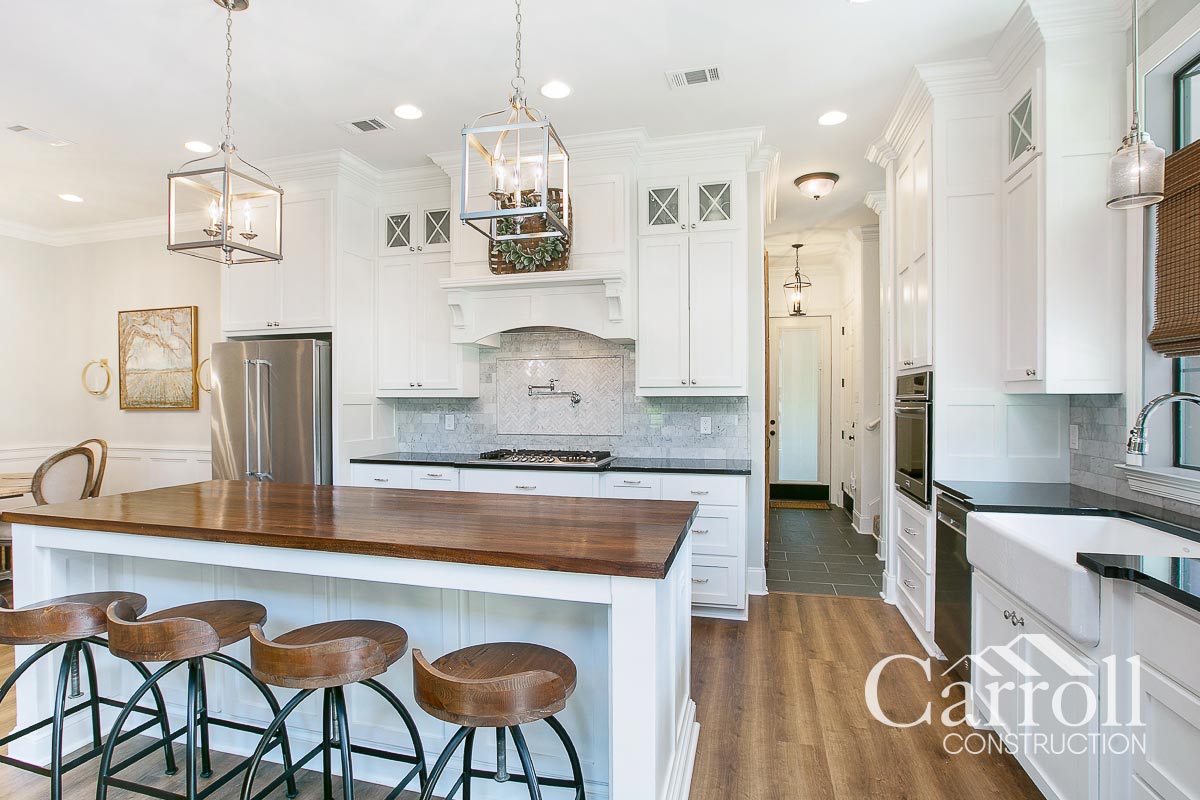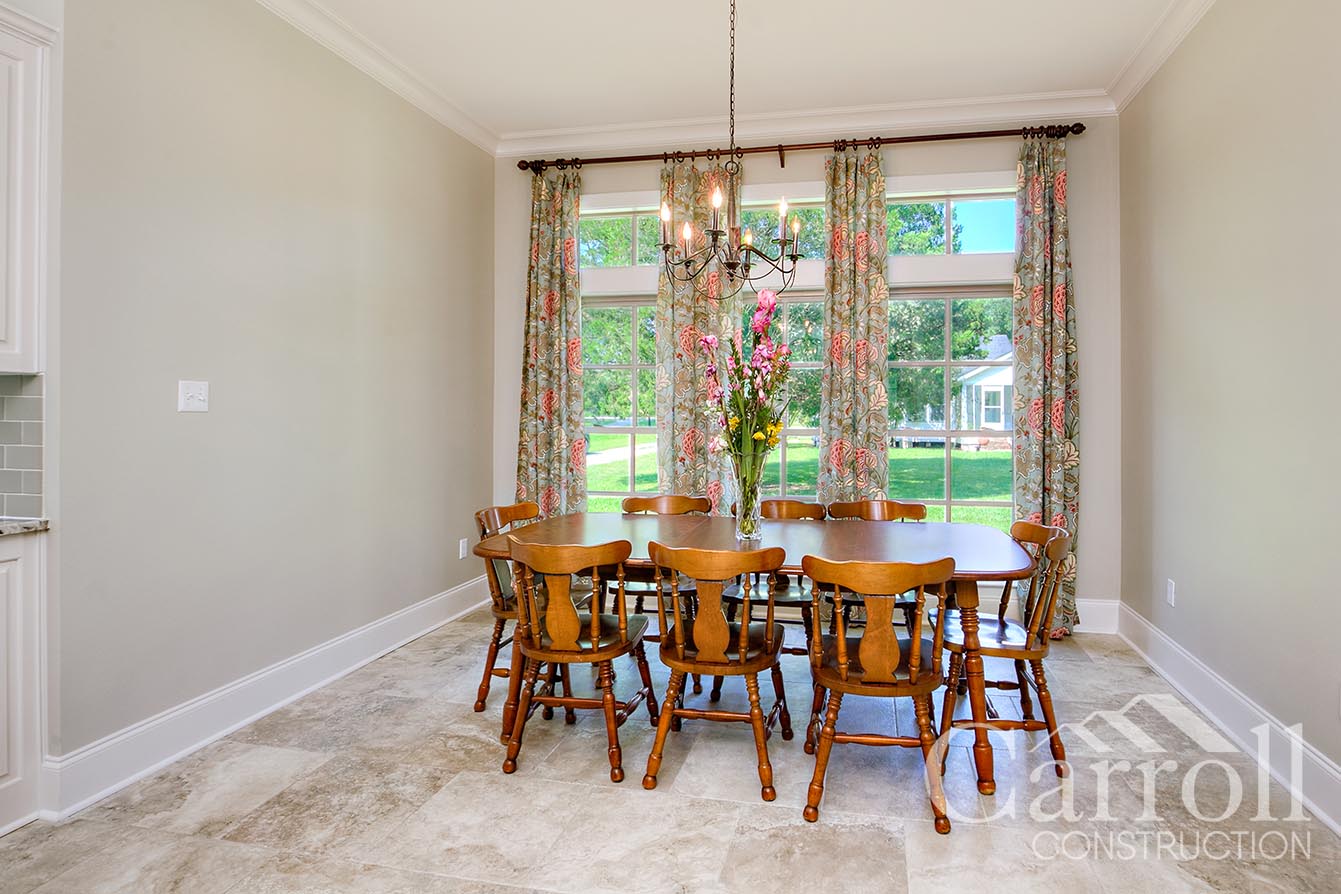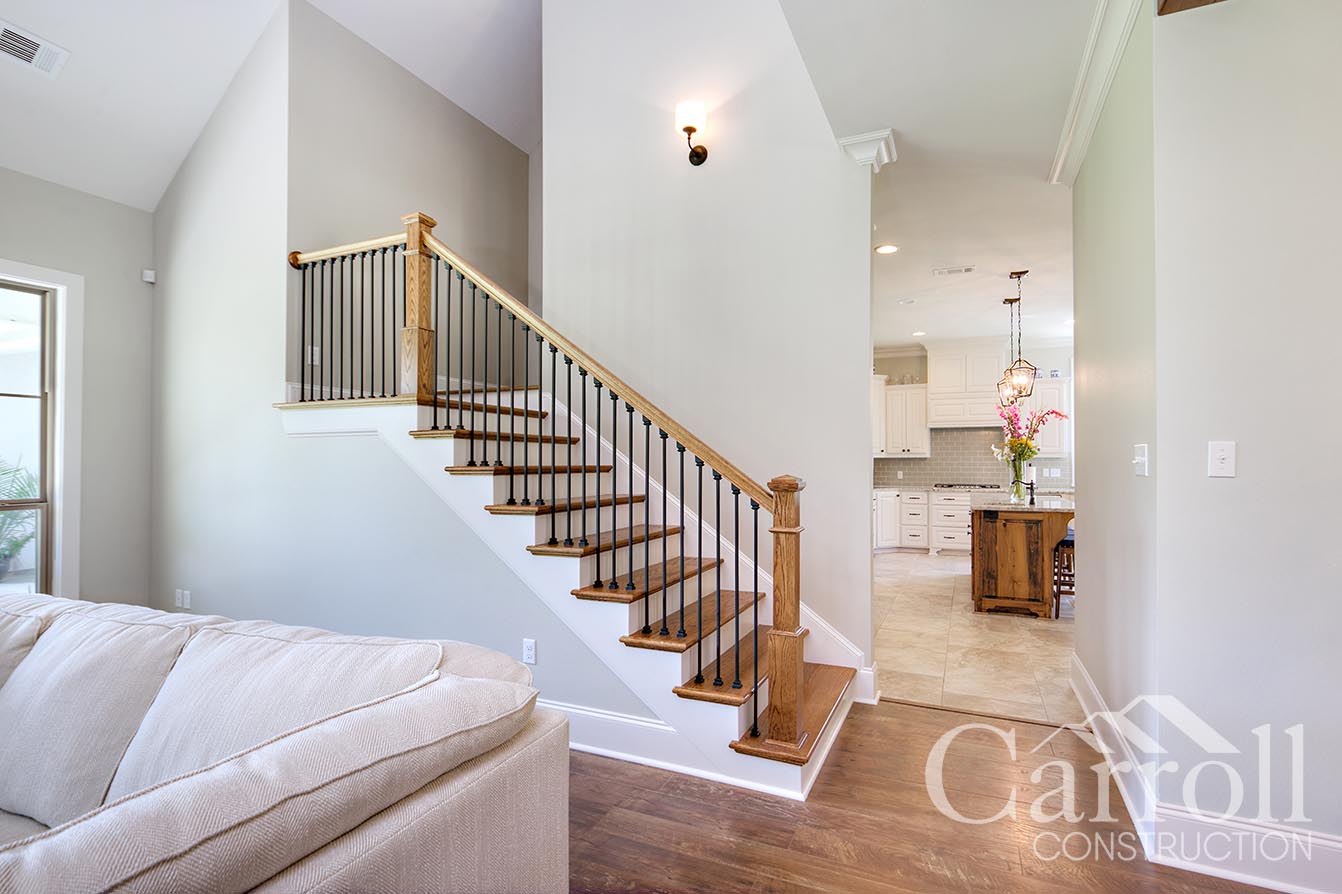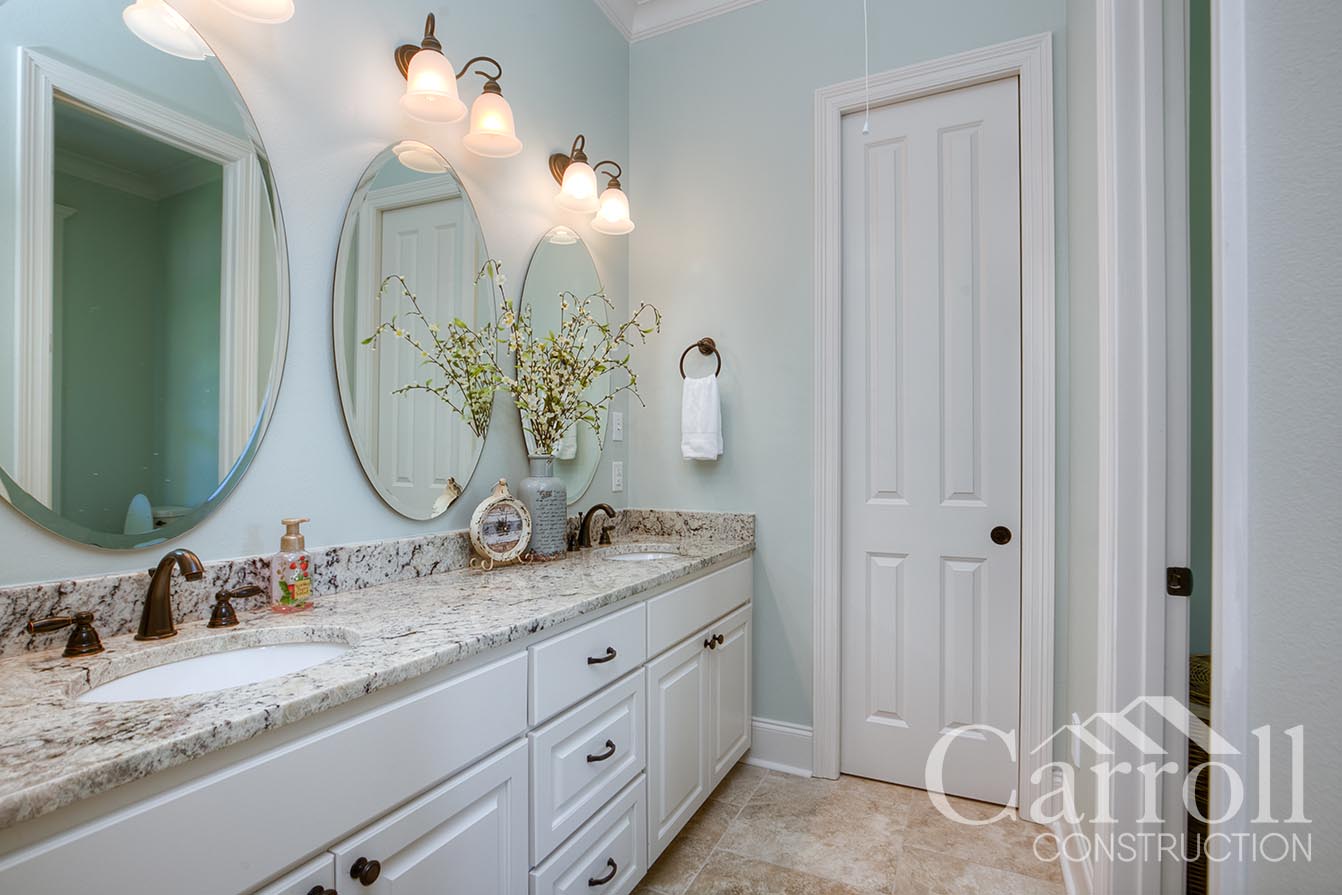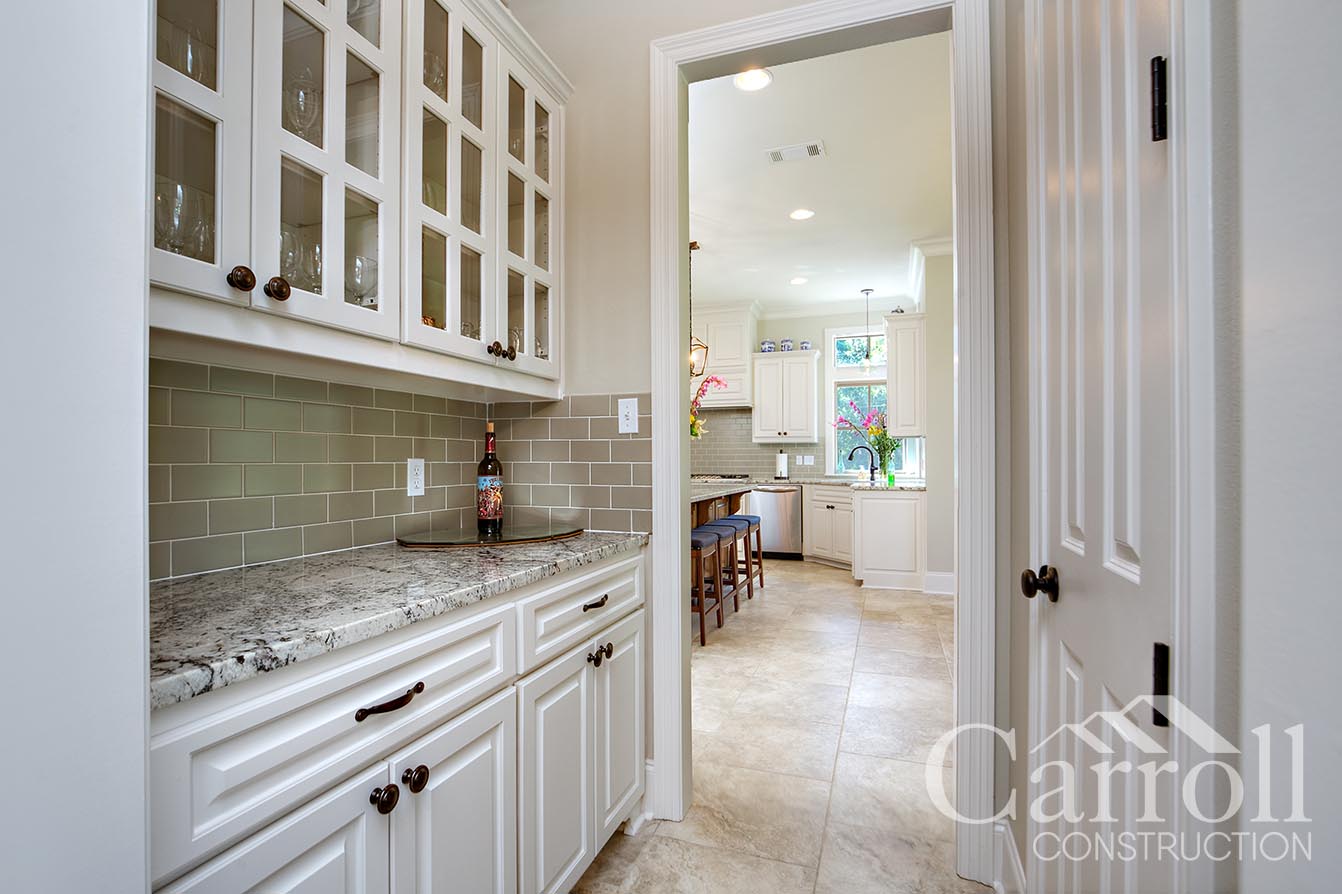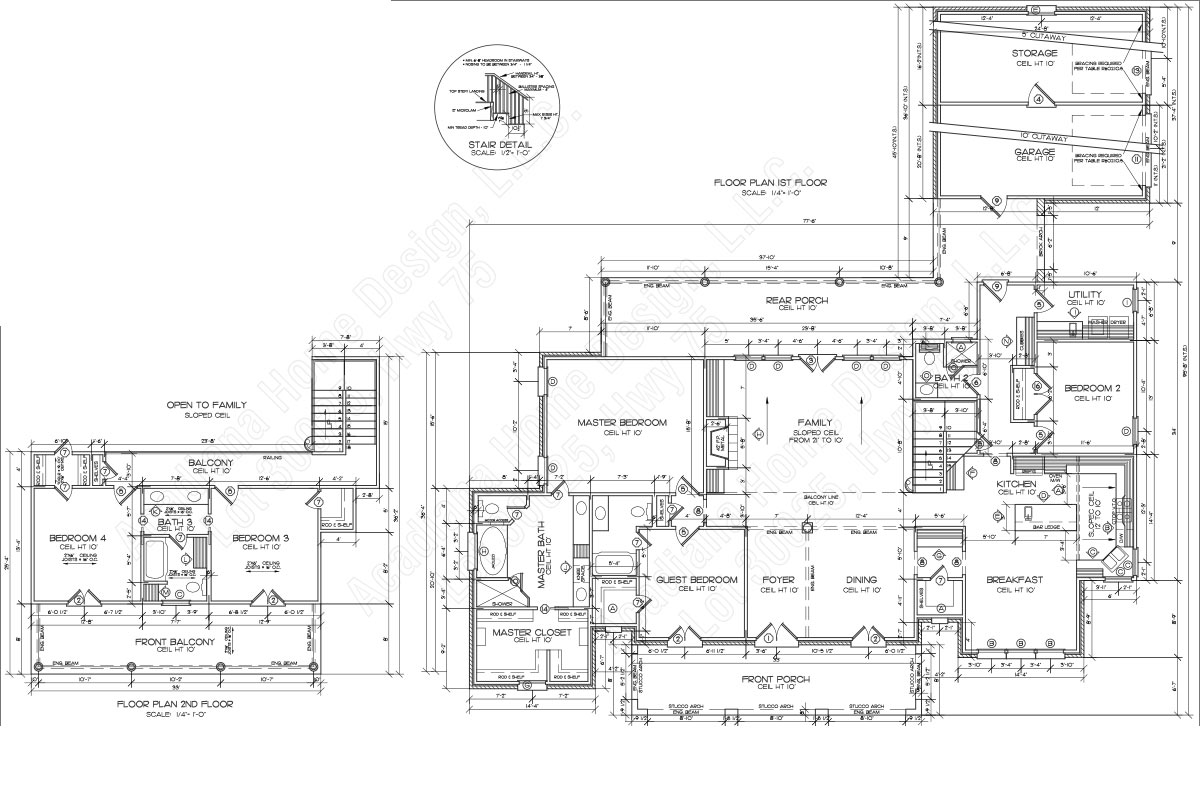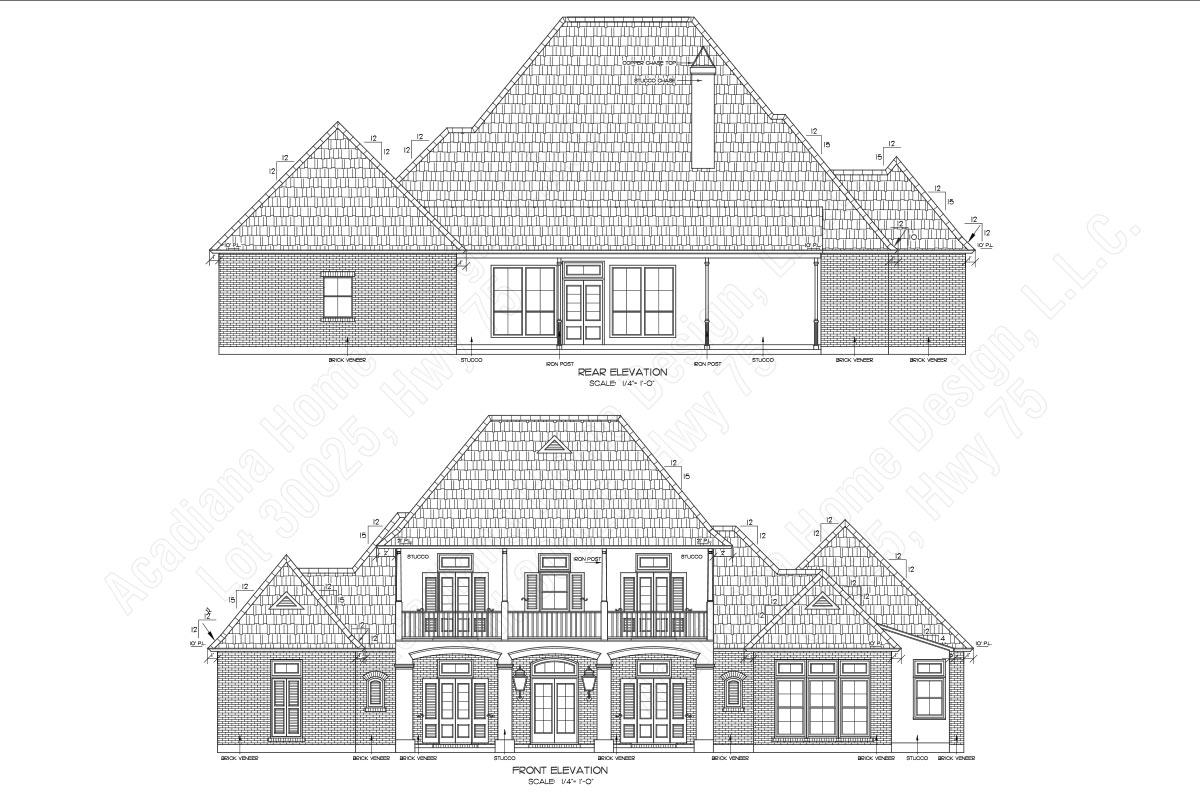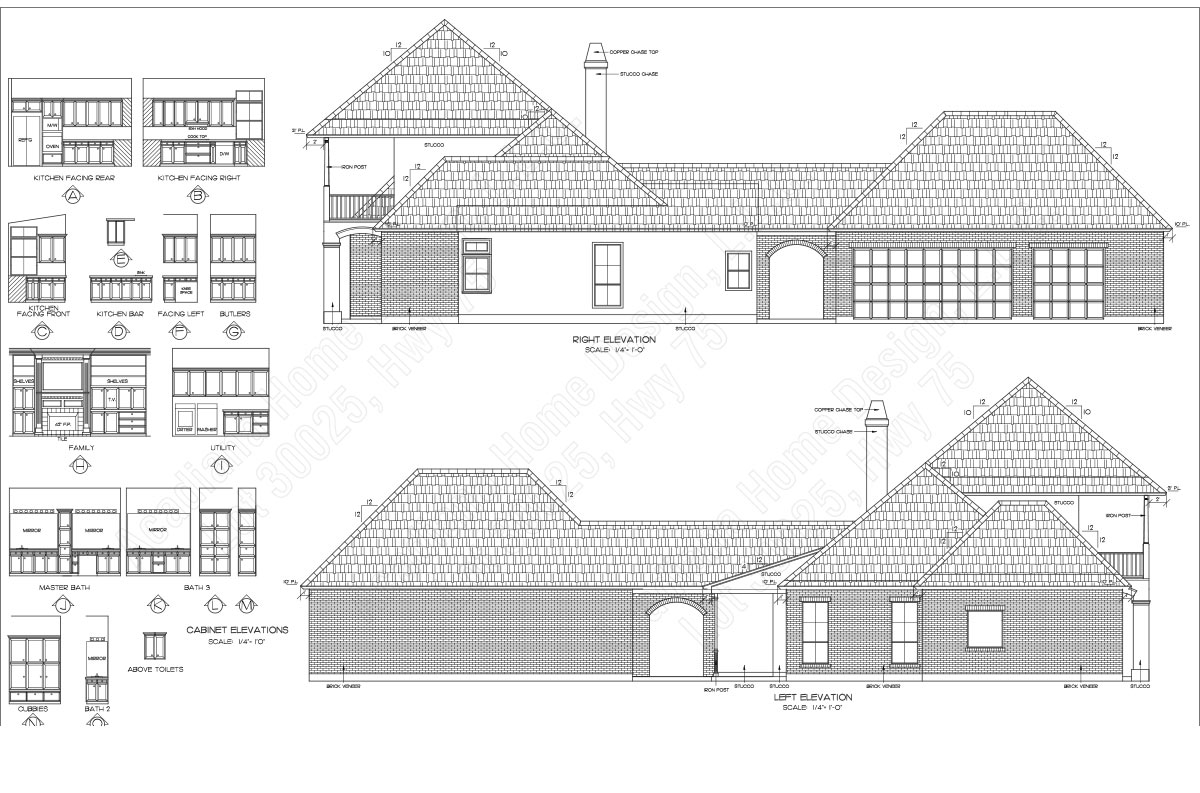
Once you narrow down the architectural style, it’s time to consider the general features and amenities for your home.
Below is a short-list of the elements of a house that typically affect the overall investment.
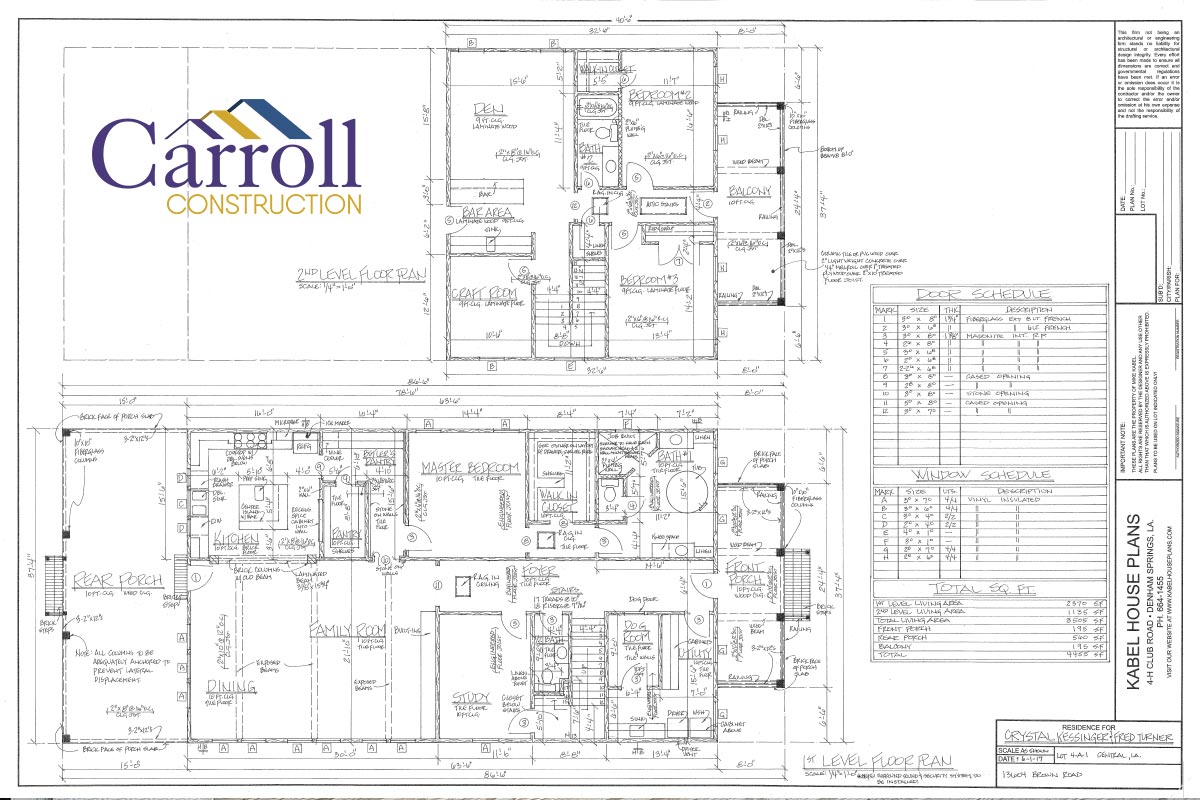
Square Footage of Living Area
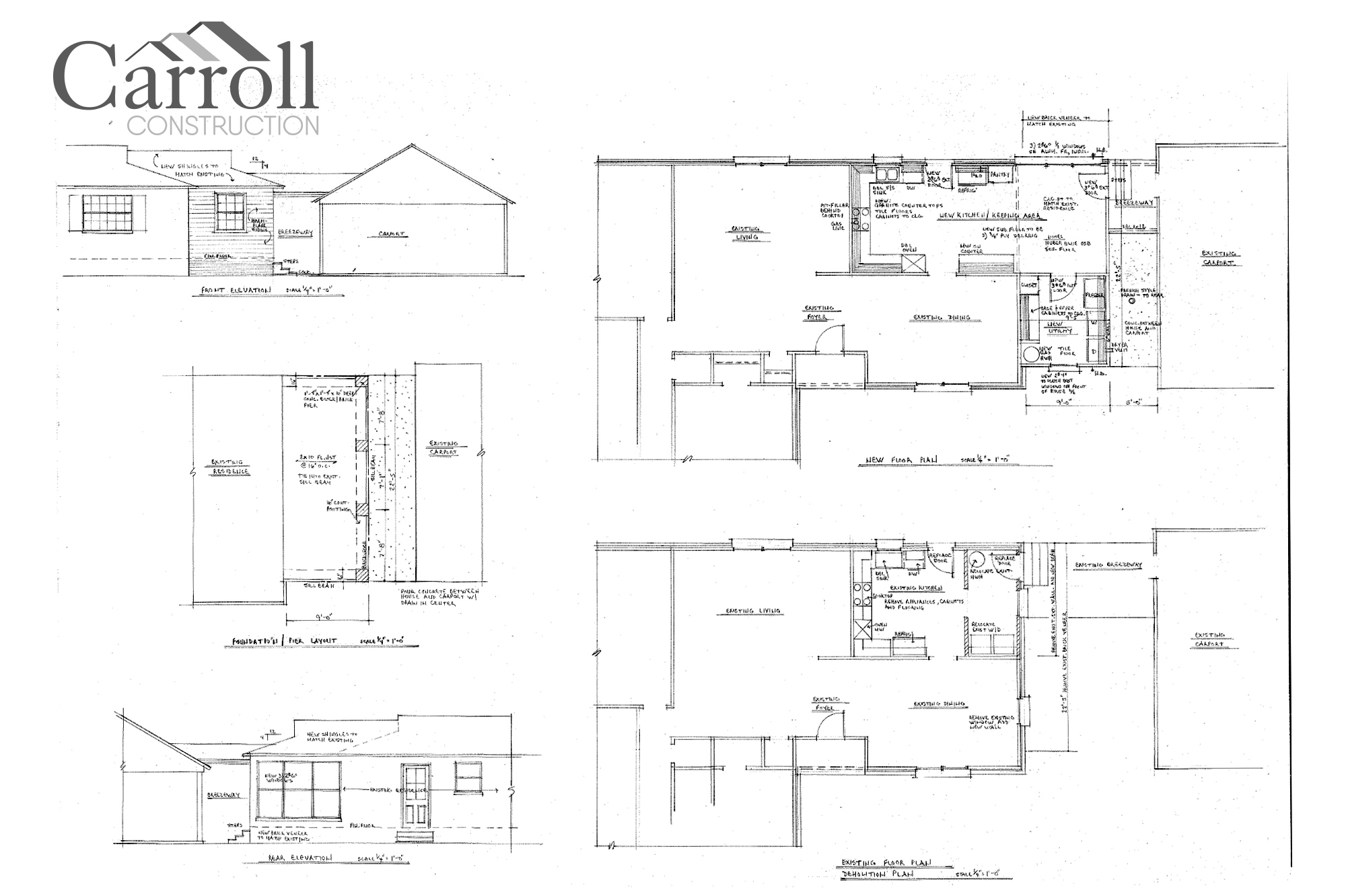
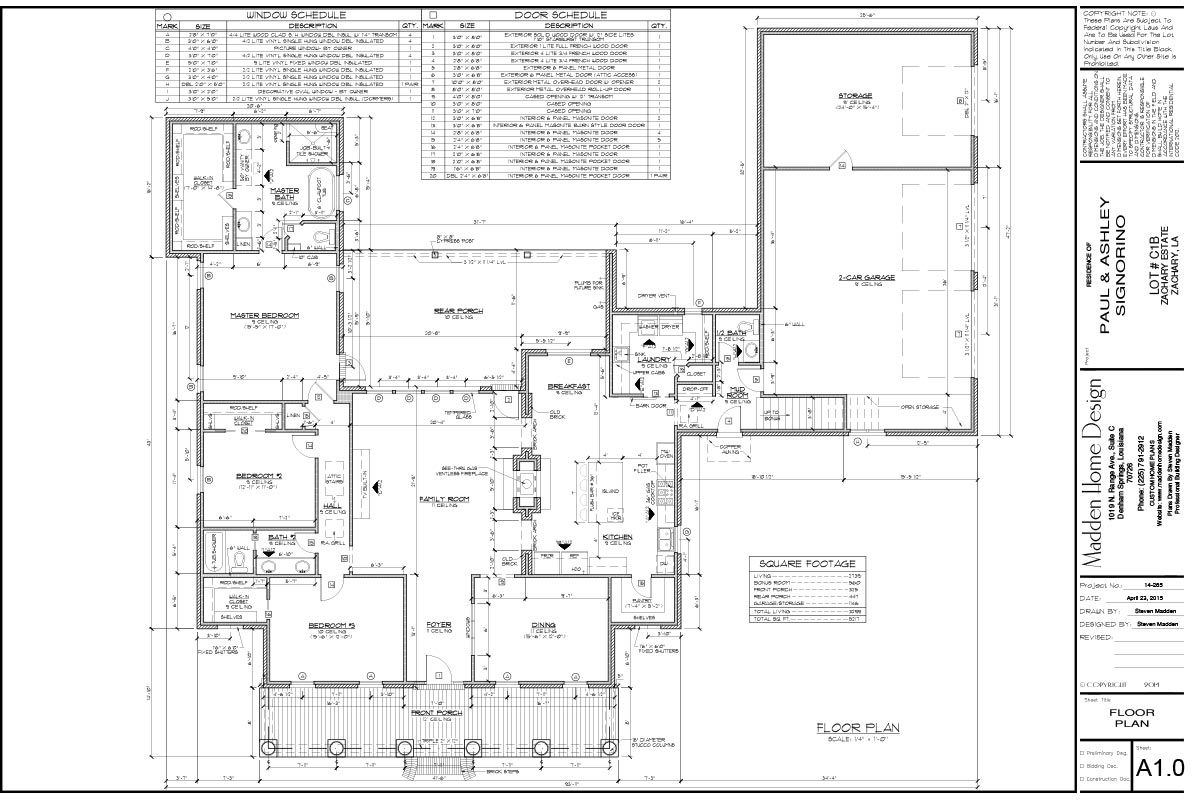
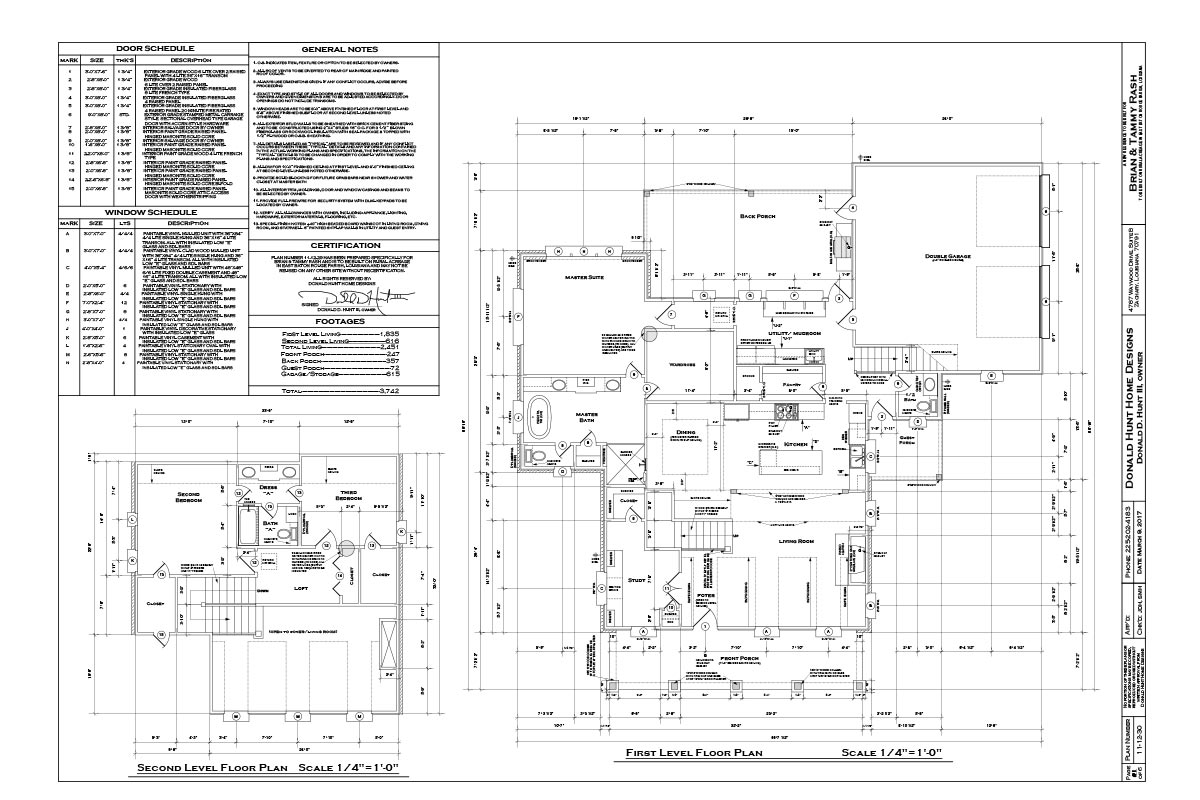
Consider this the area that will be heated and cooled. Essentially, you will want to give a potential builder a range of square footage you require.
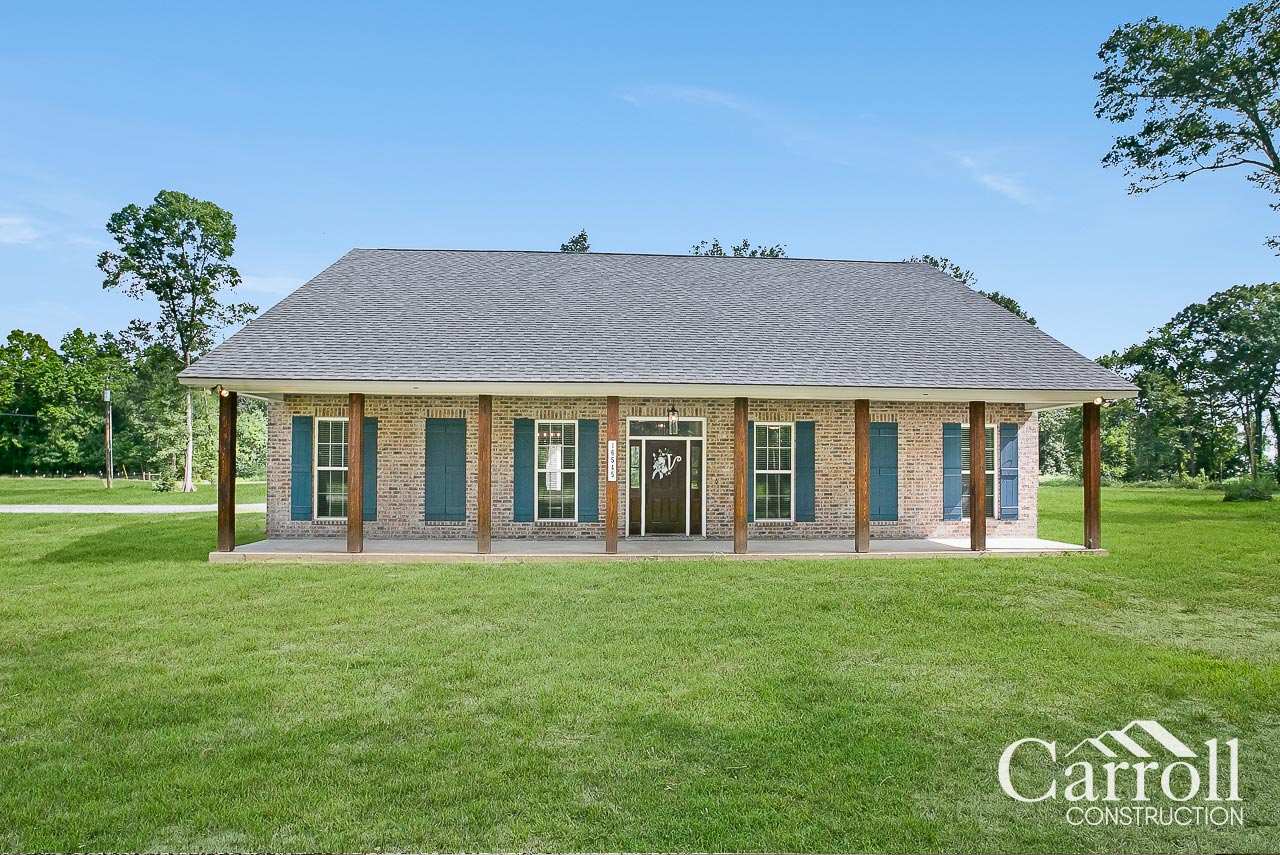
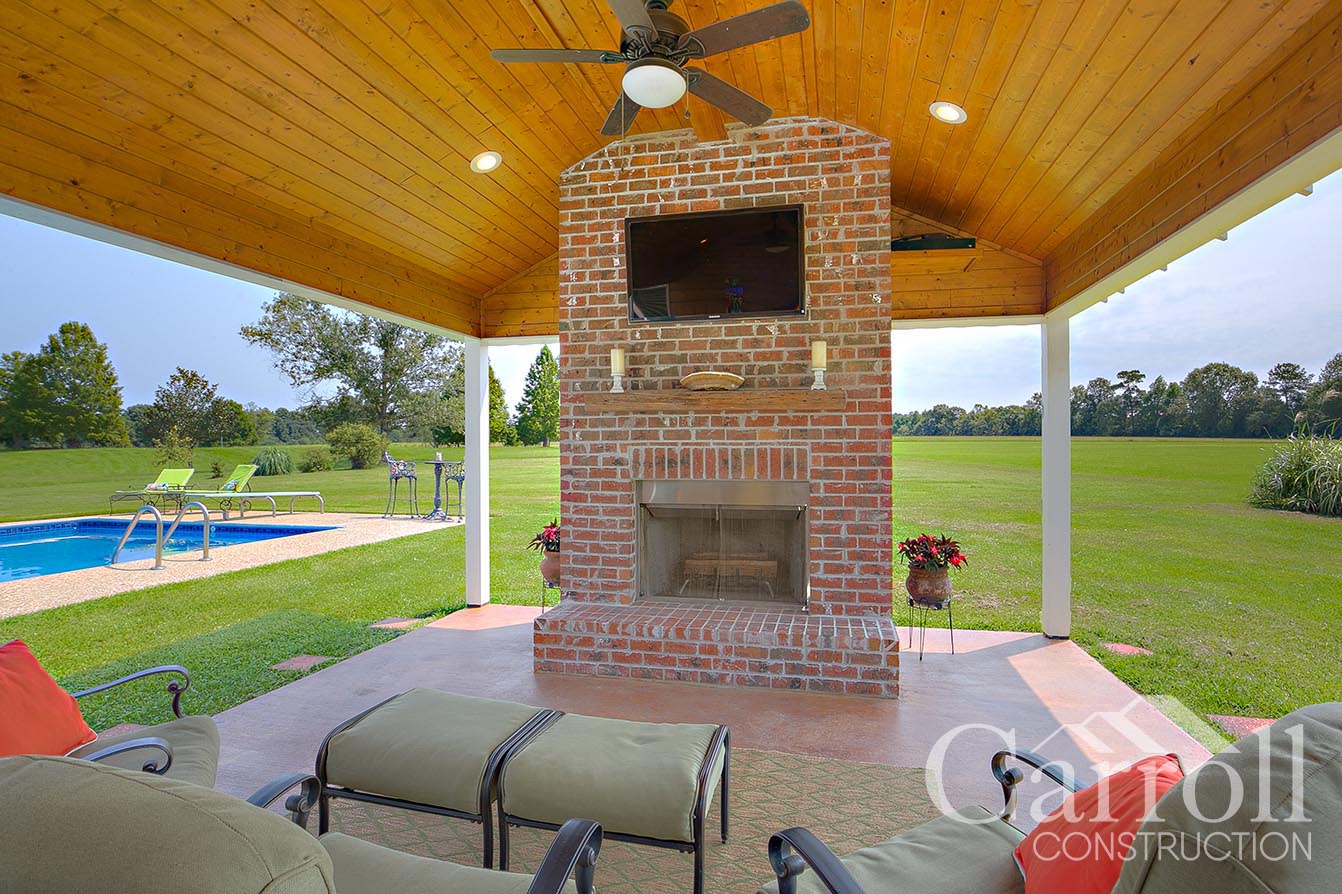
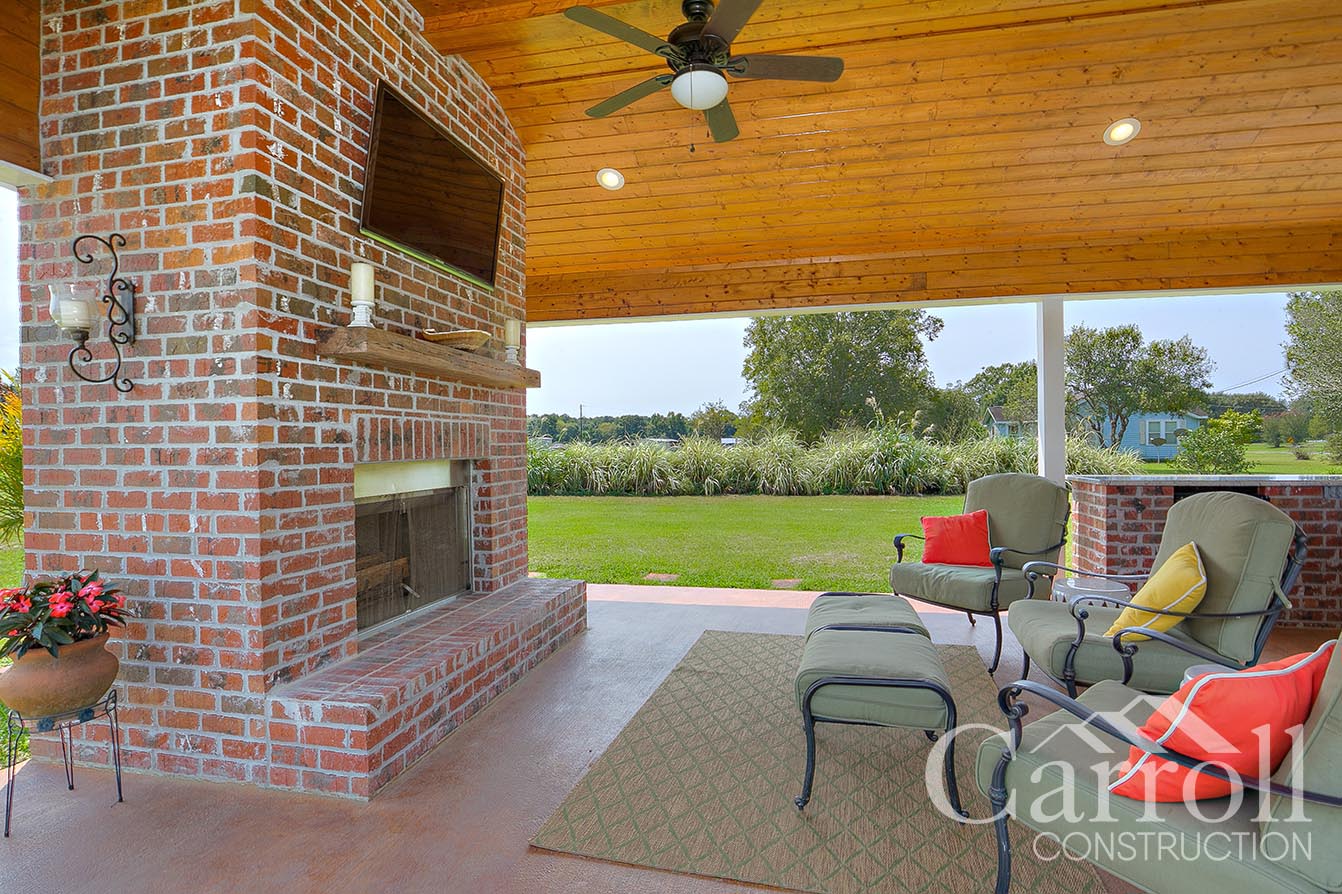
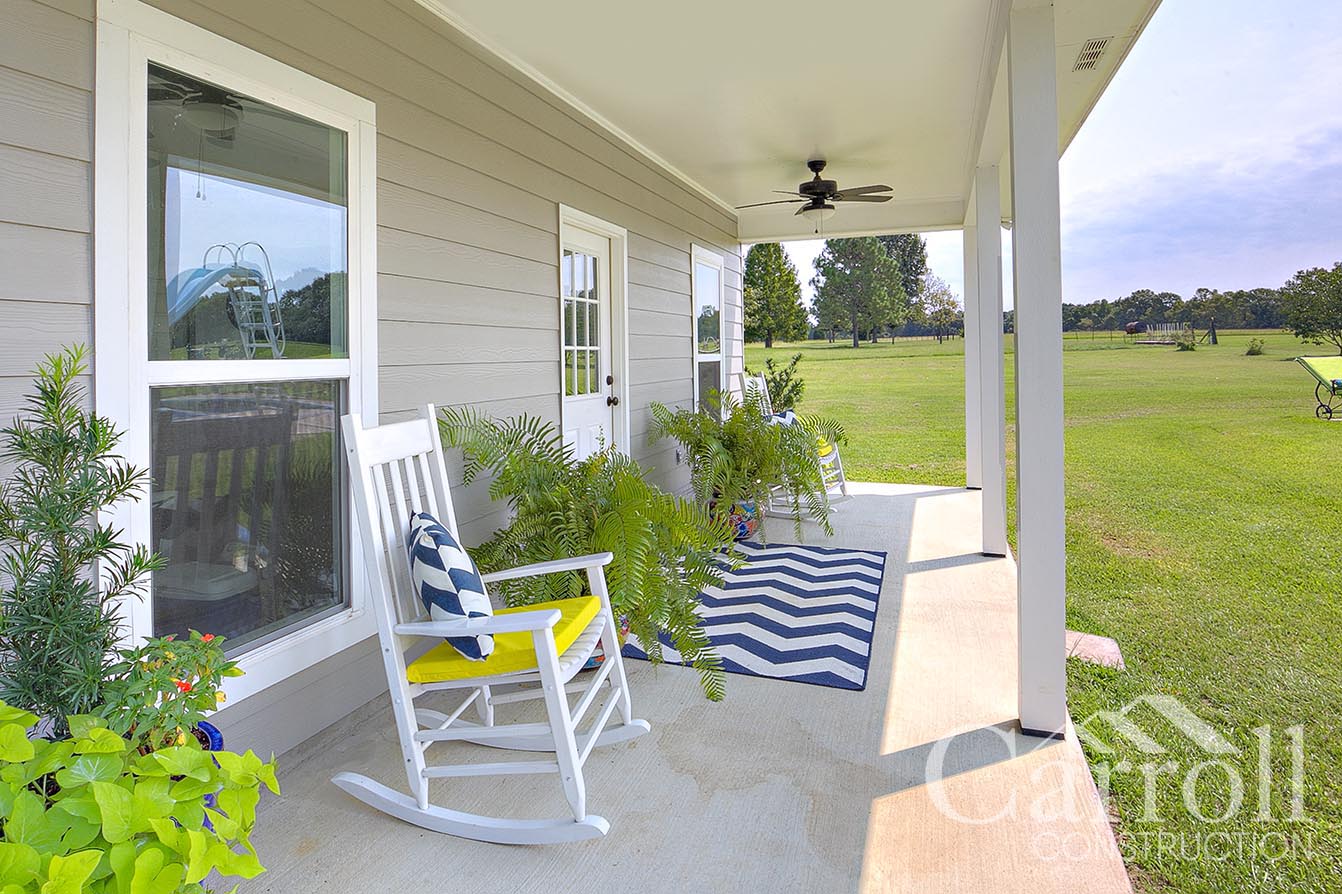
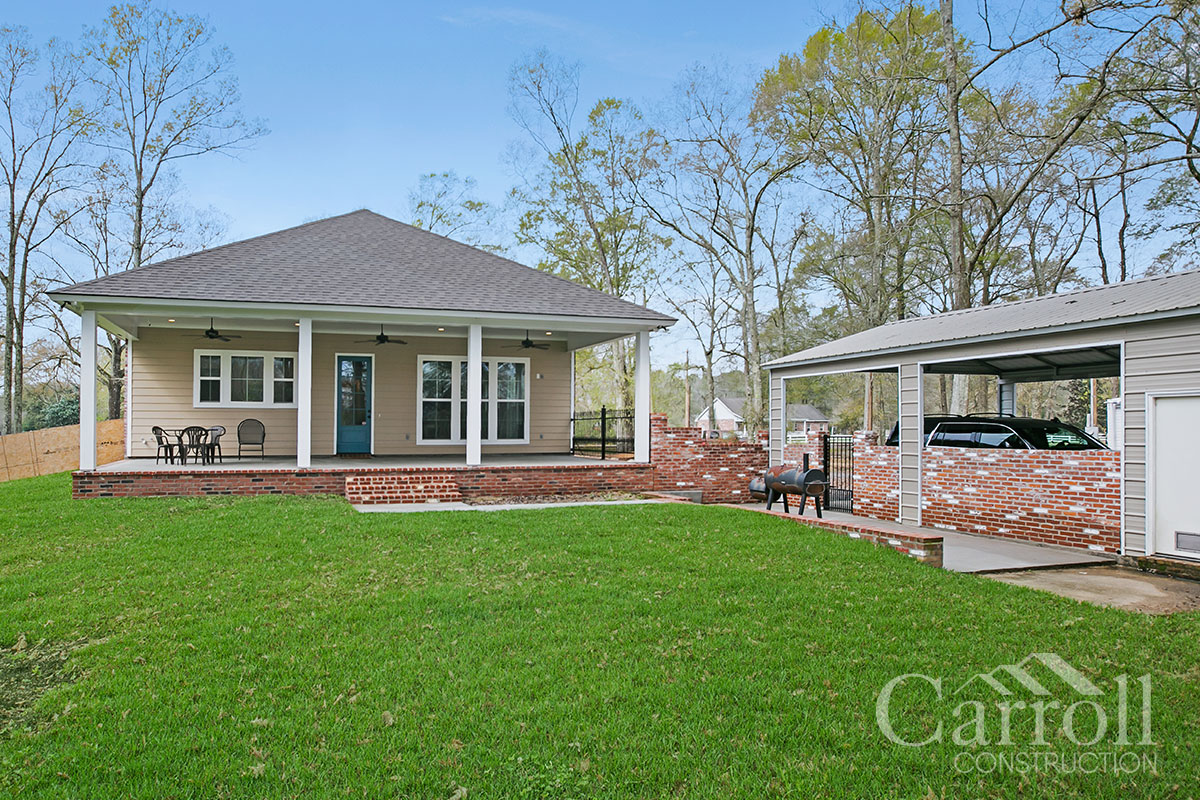
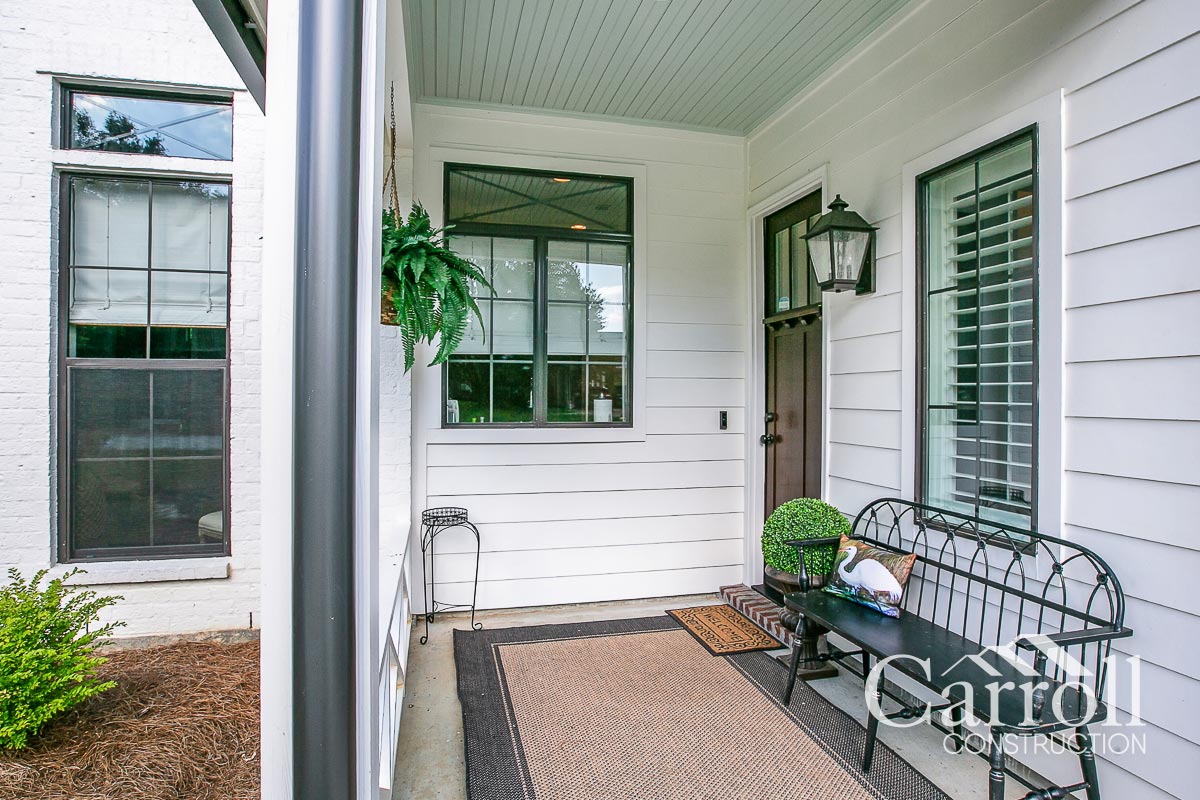
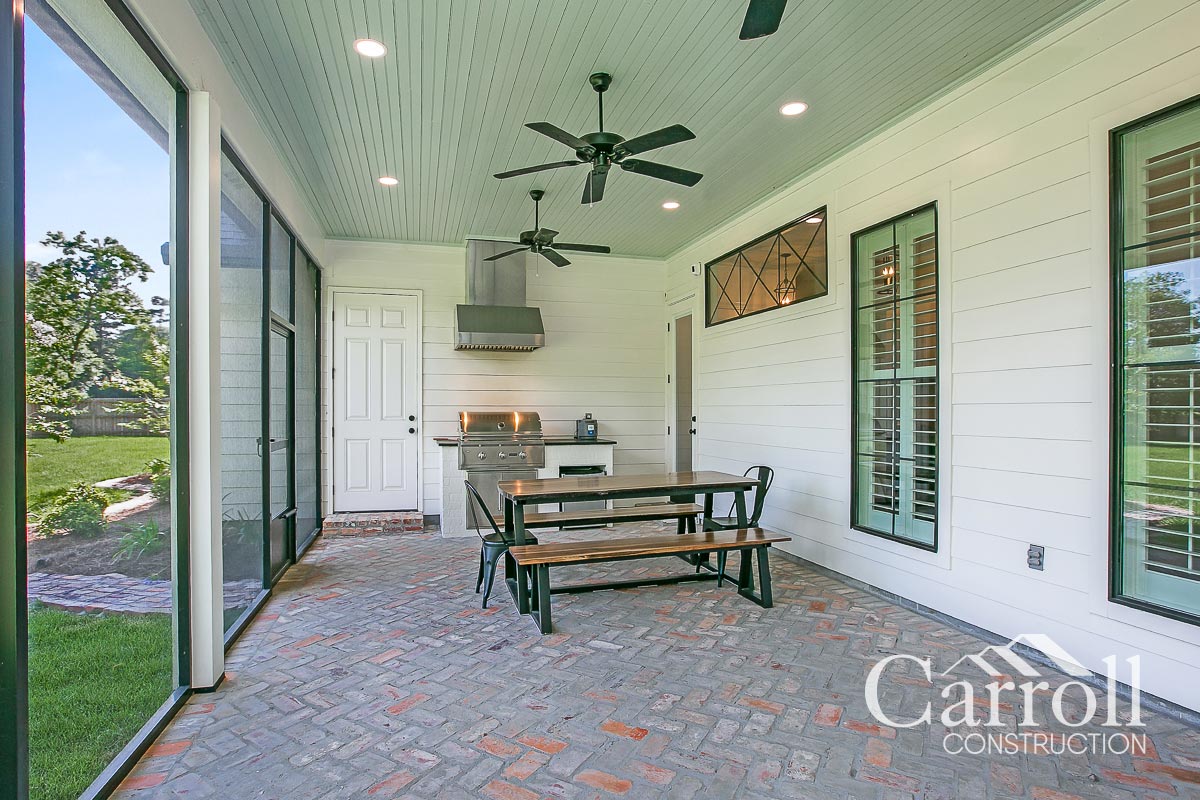
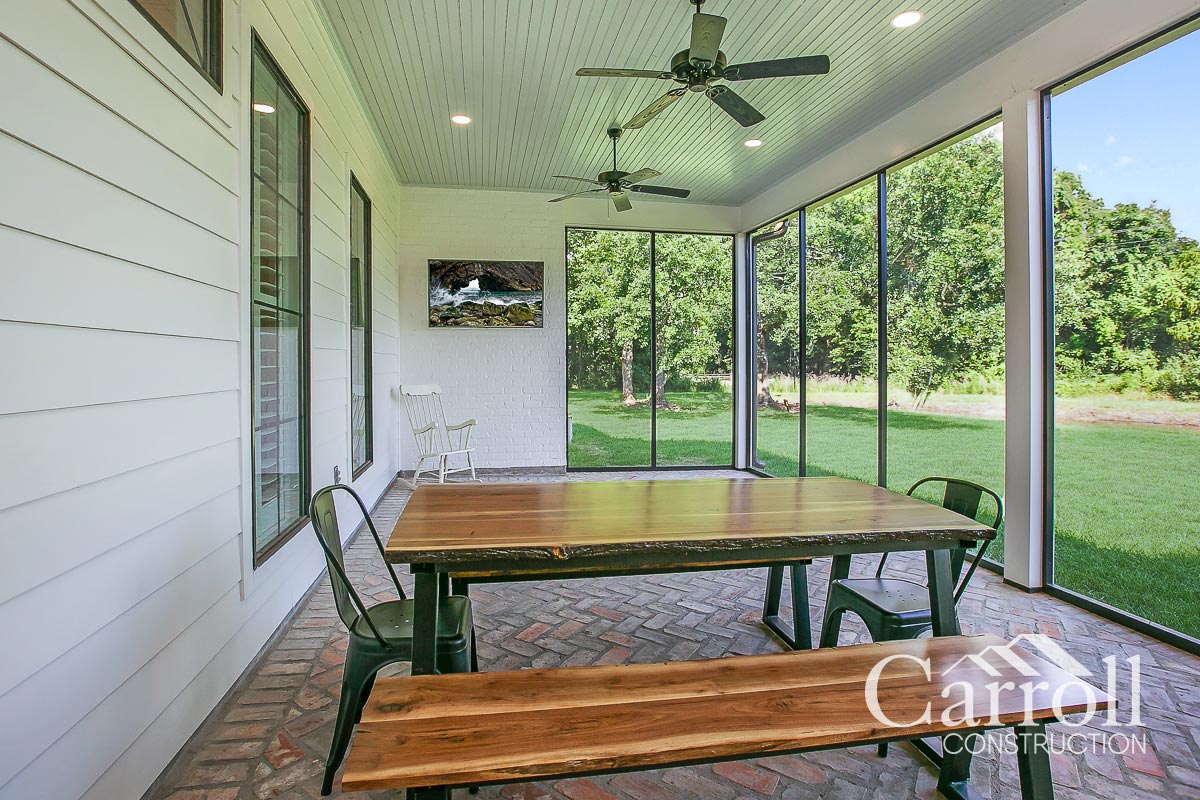
Porches and Patios
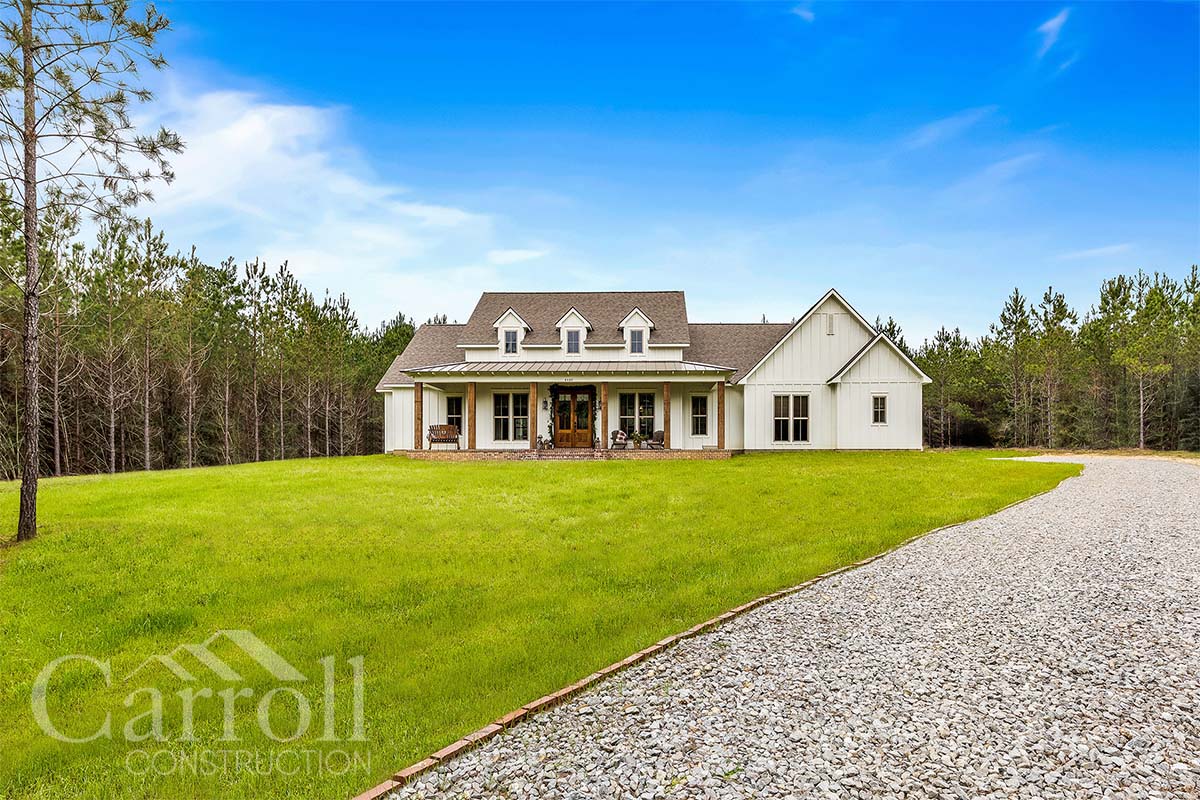
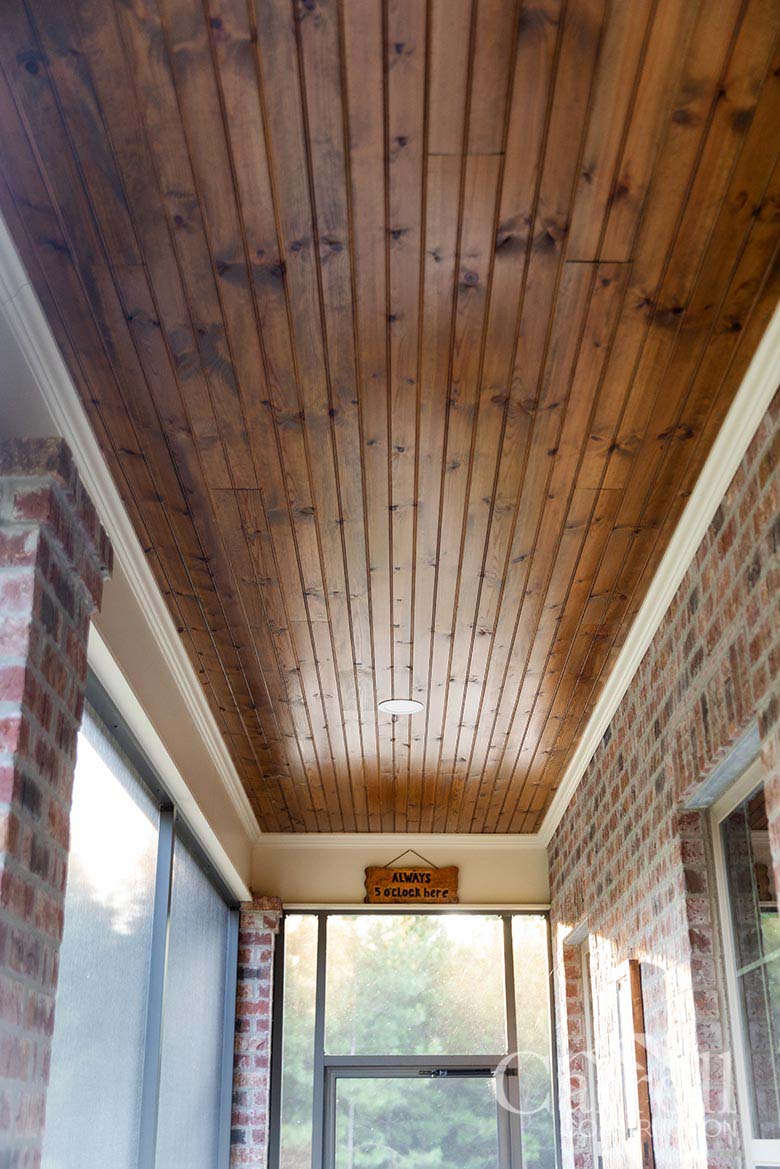
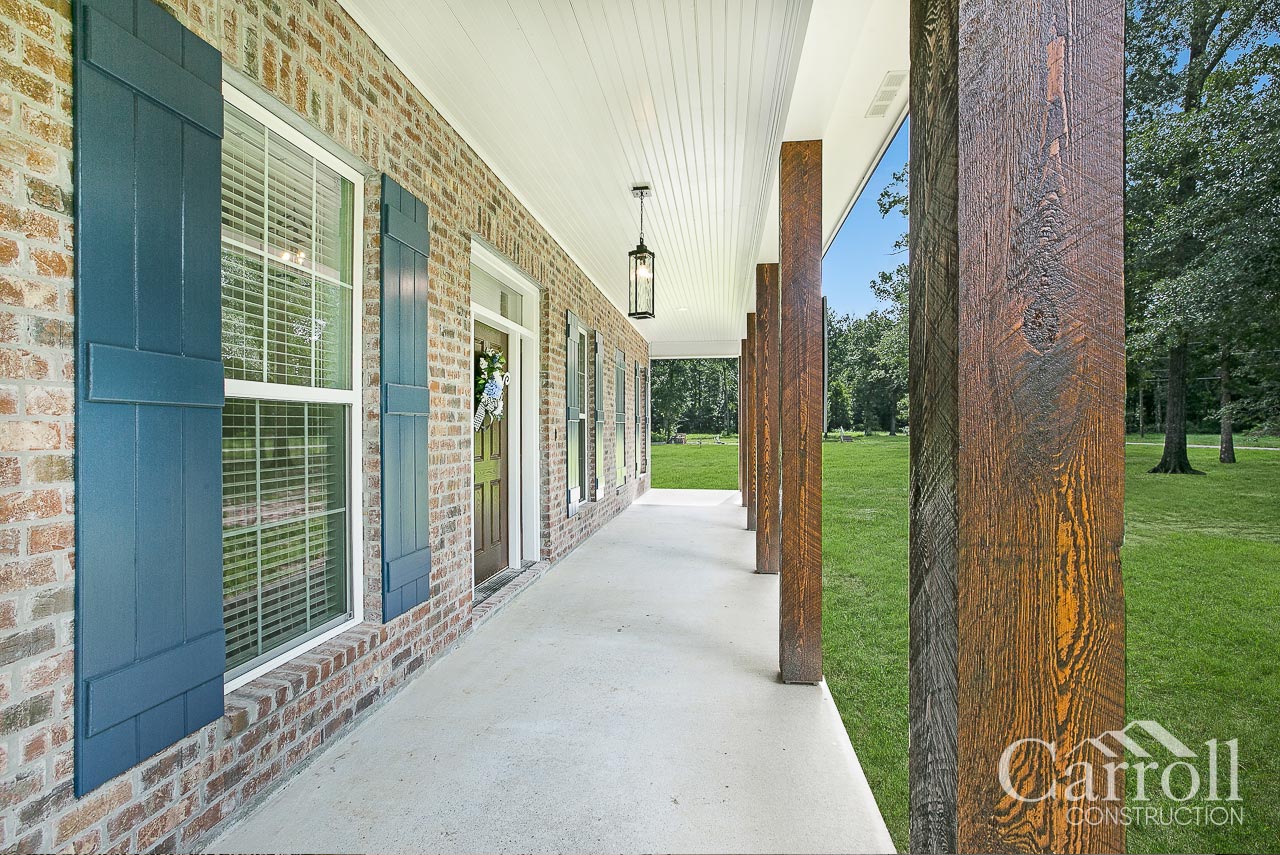
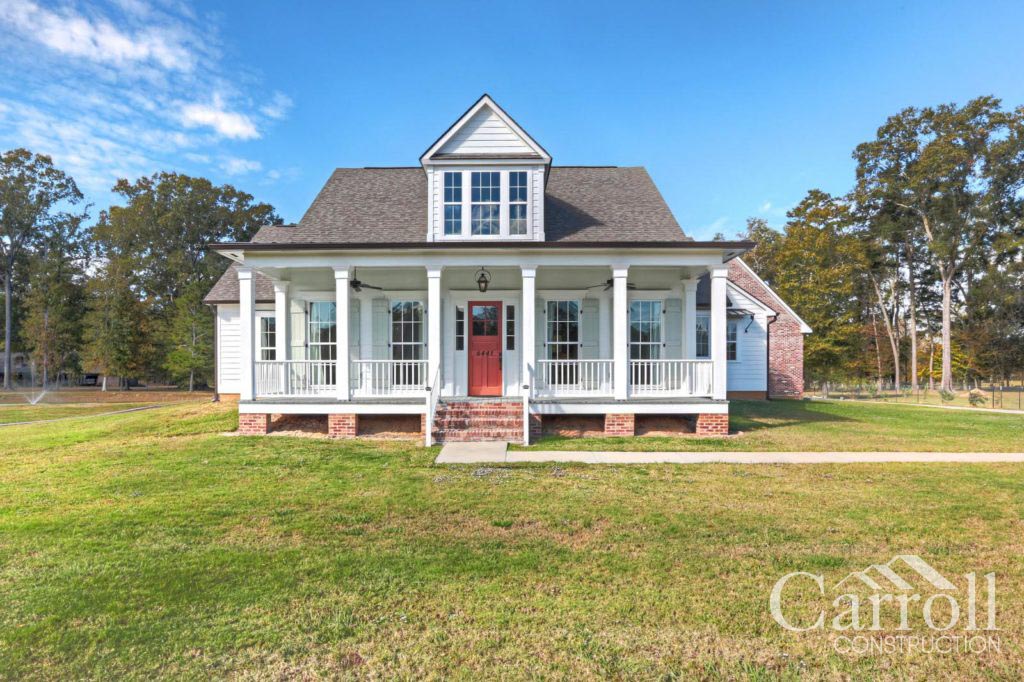
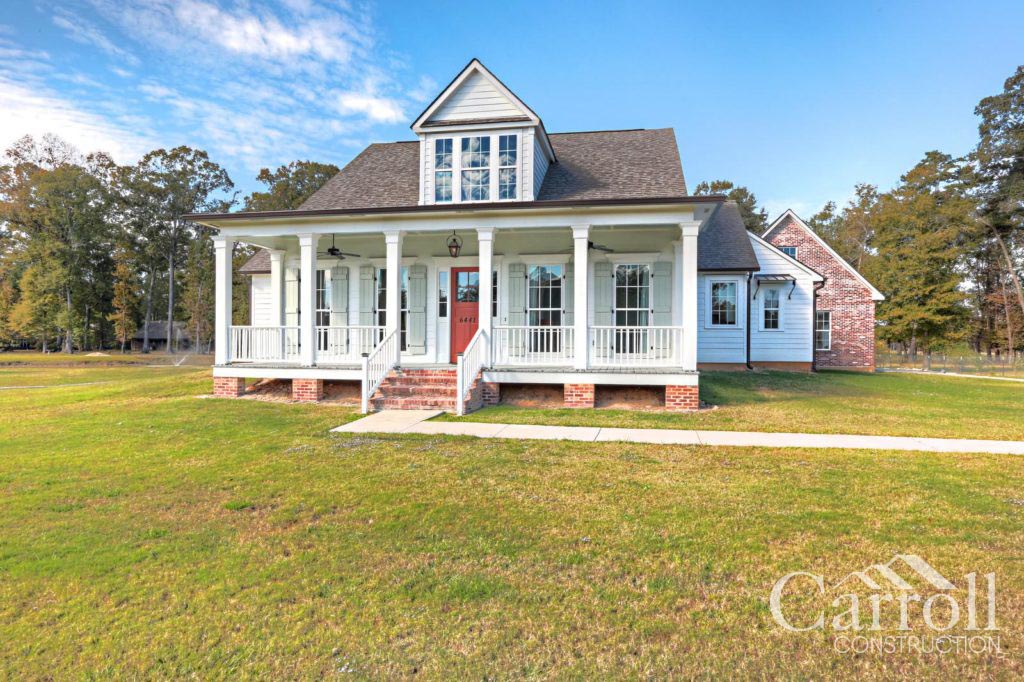
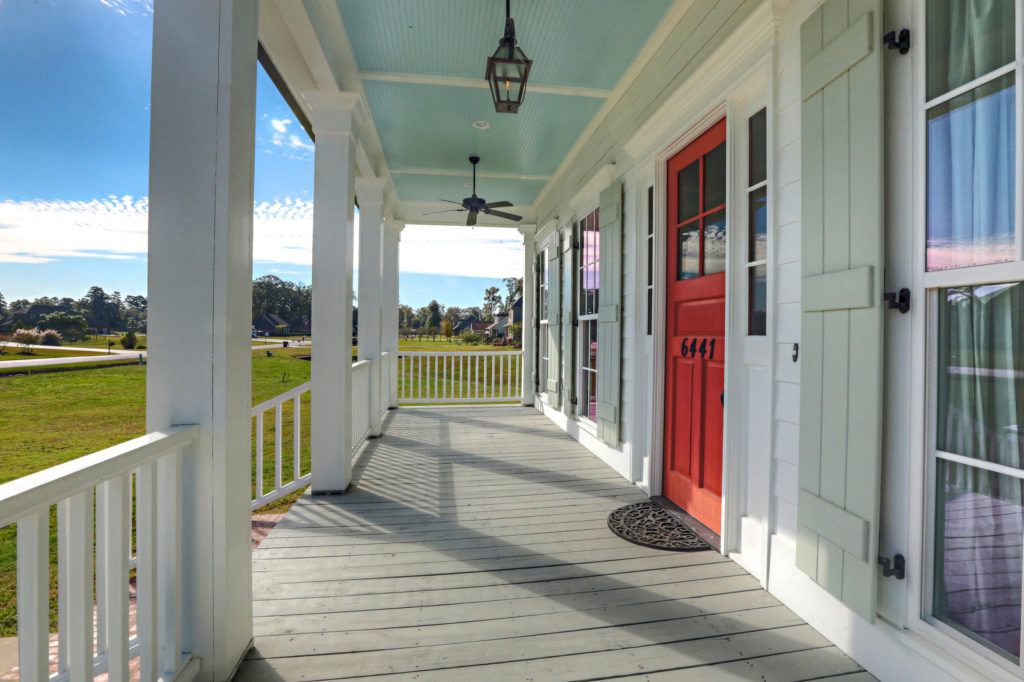
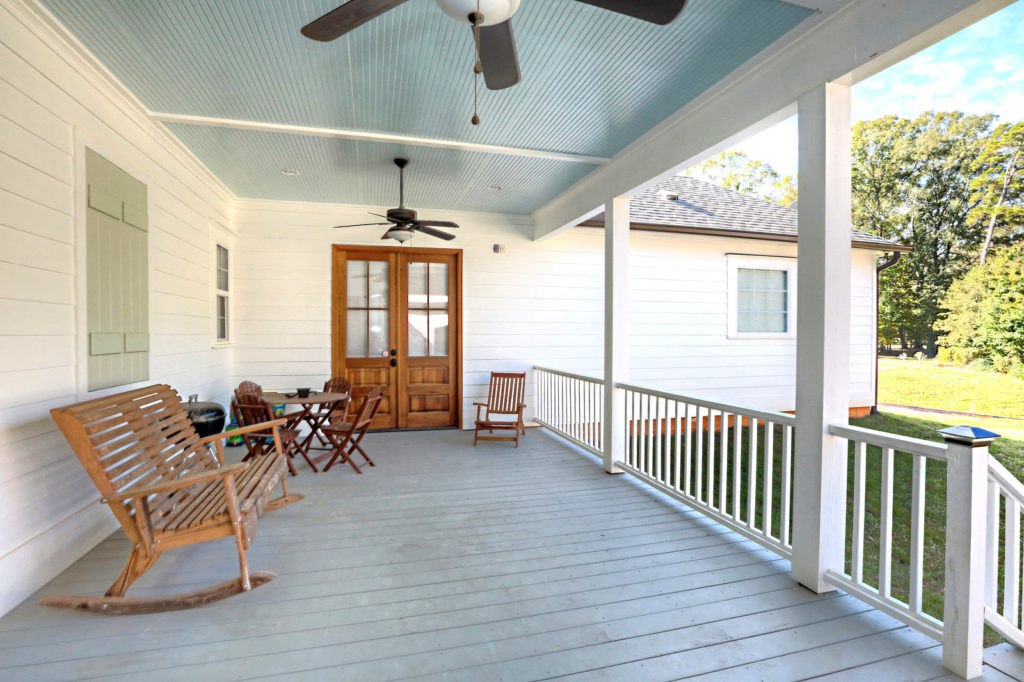
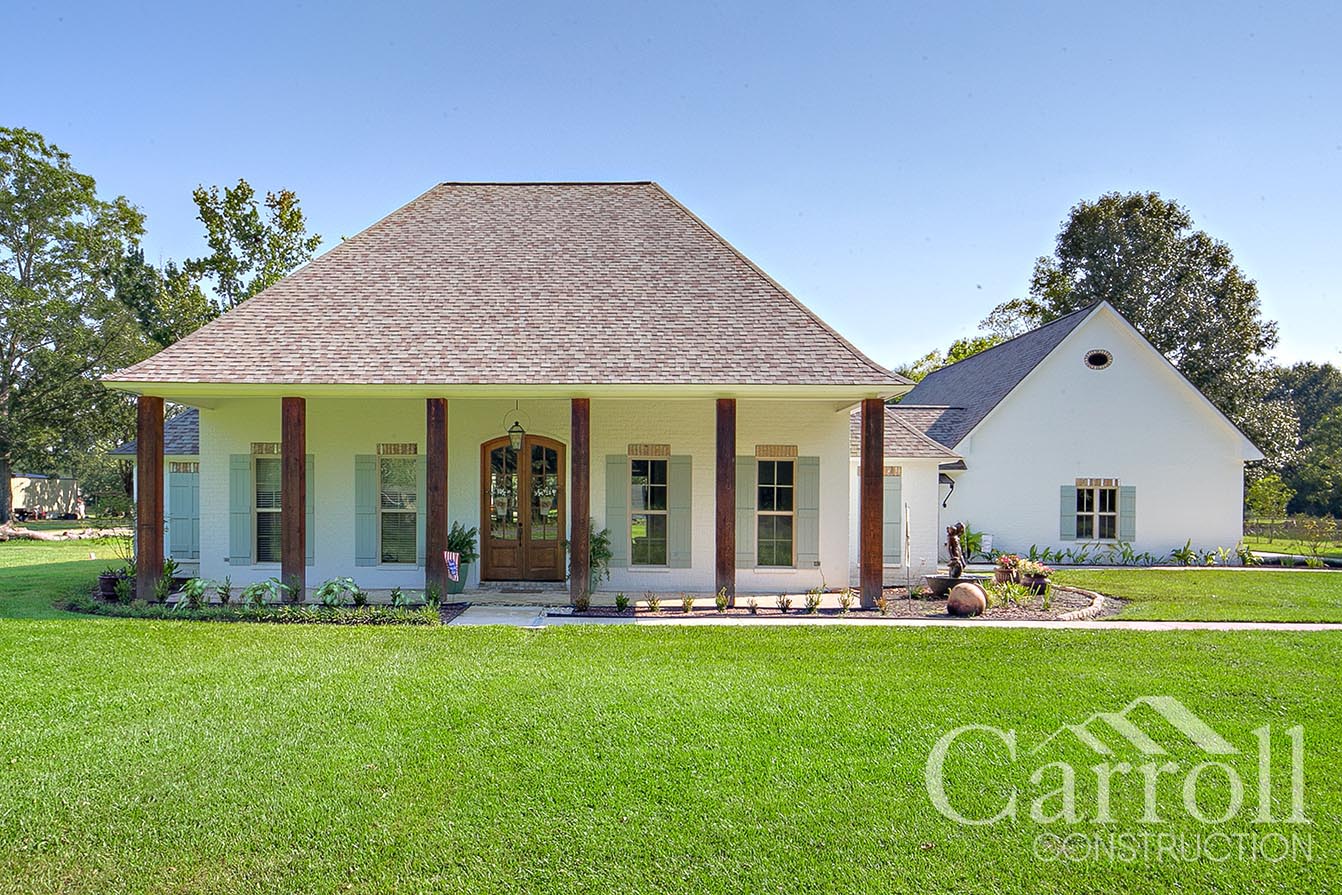
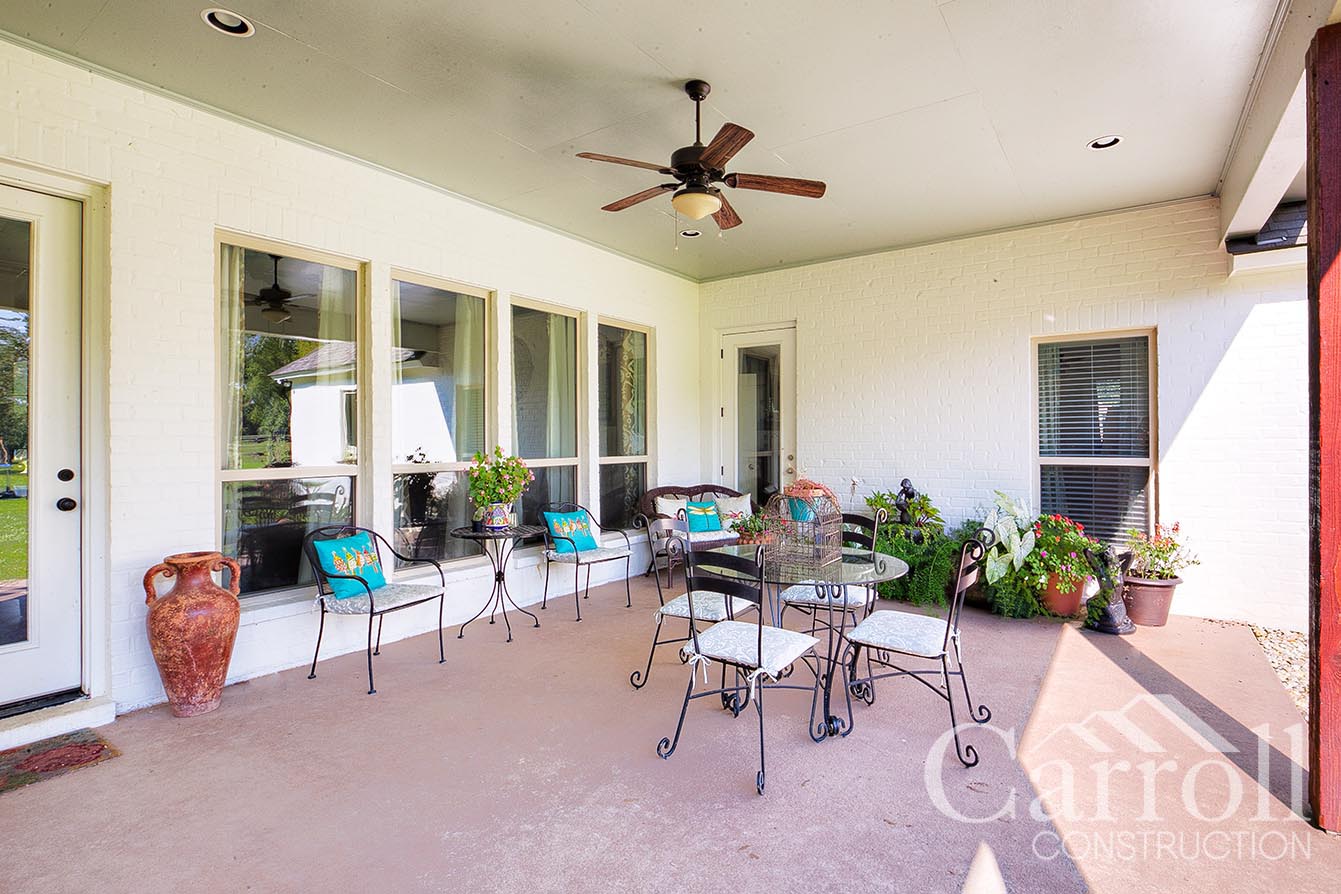
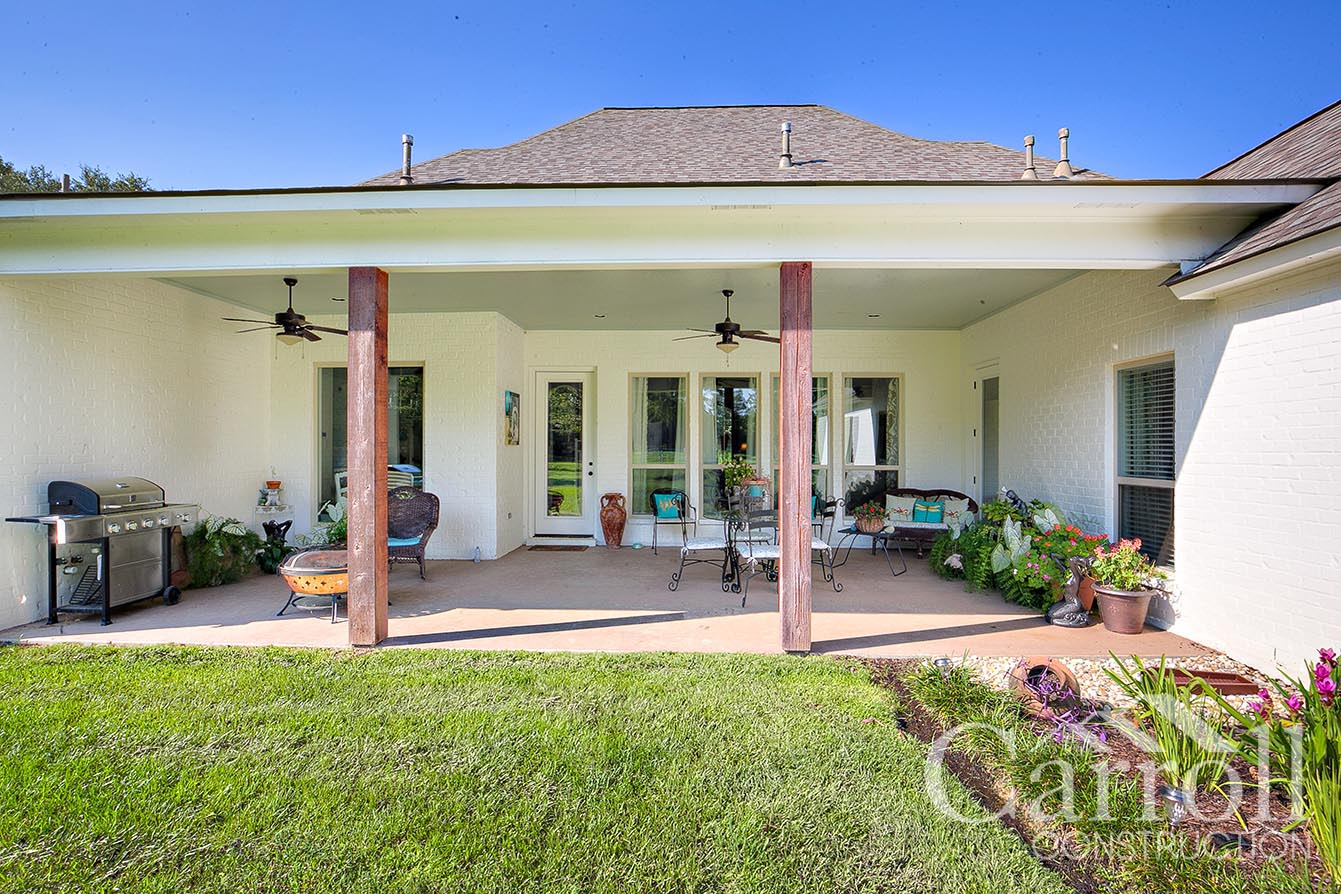
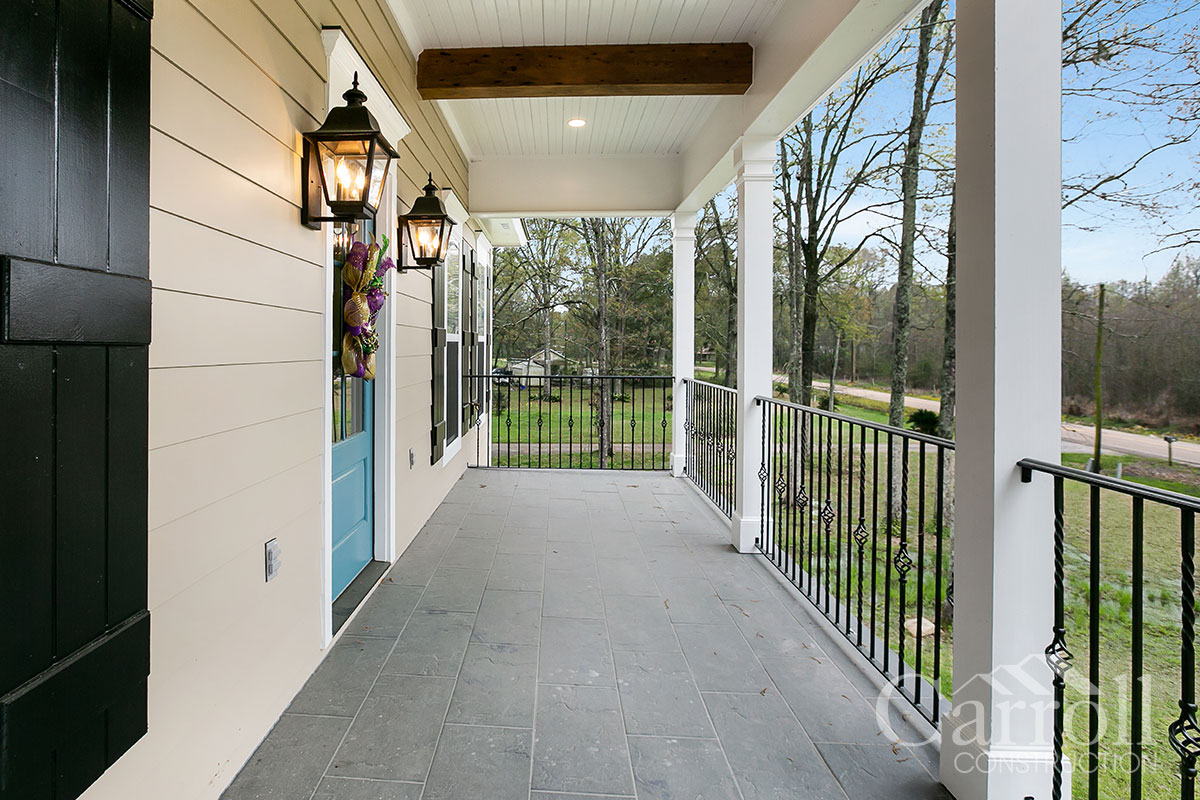
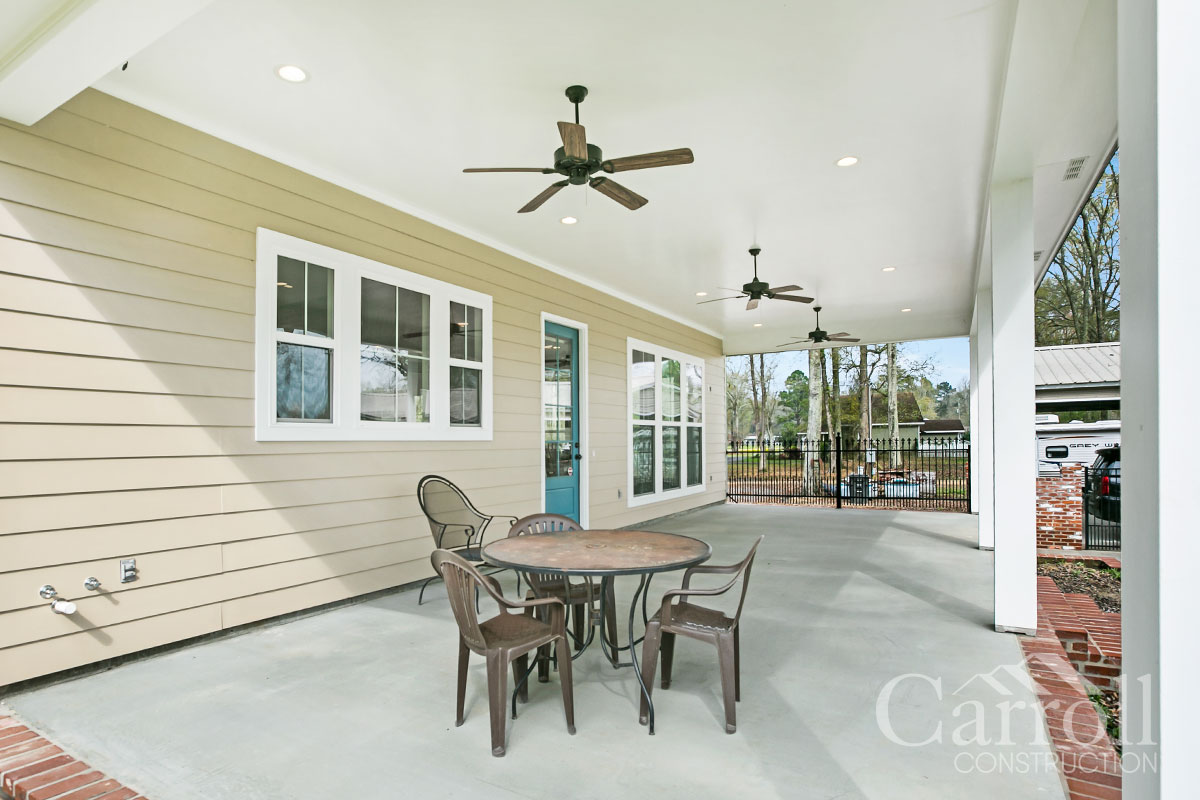
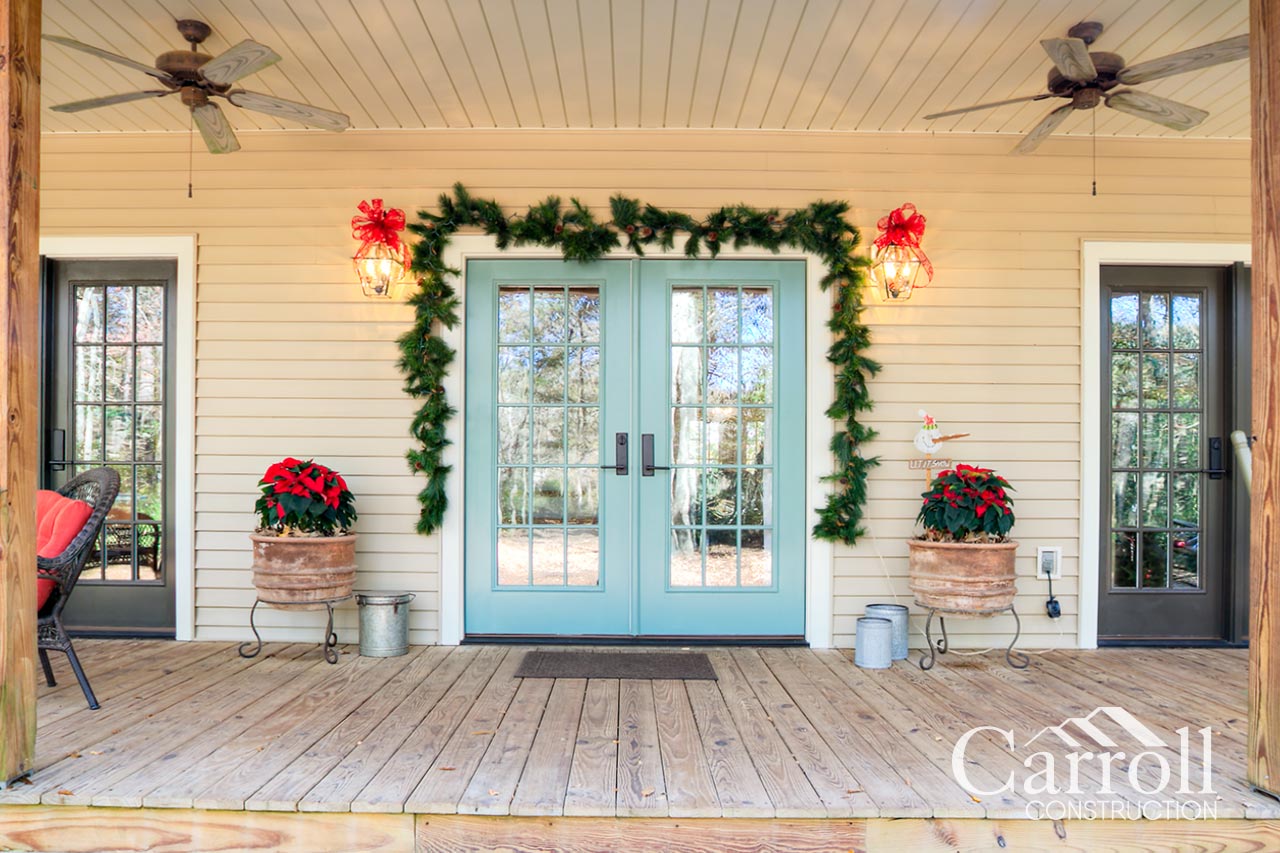
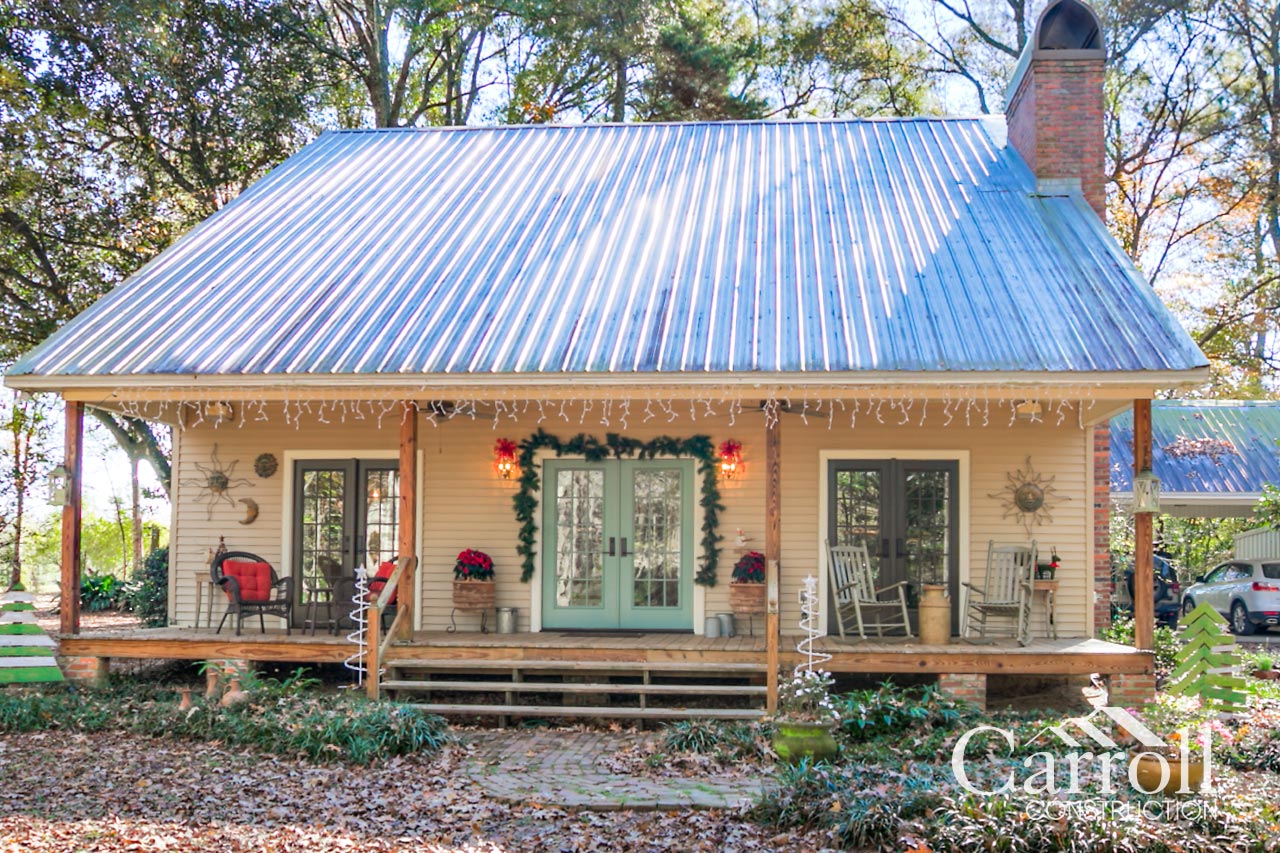
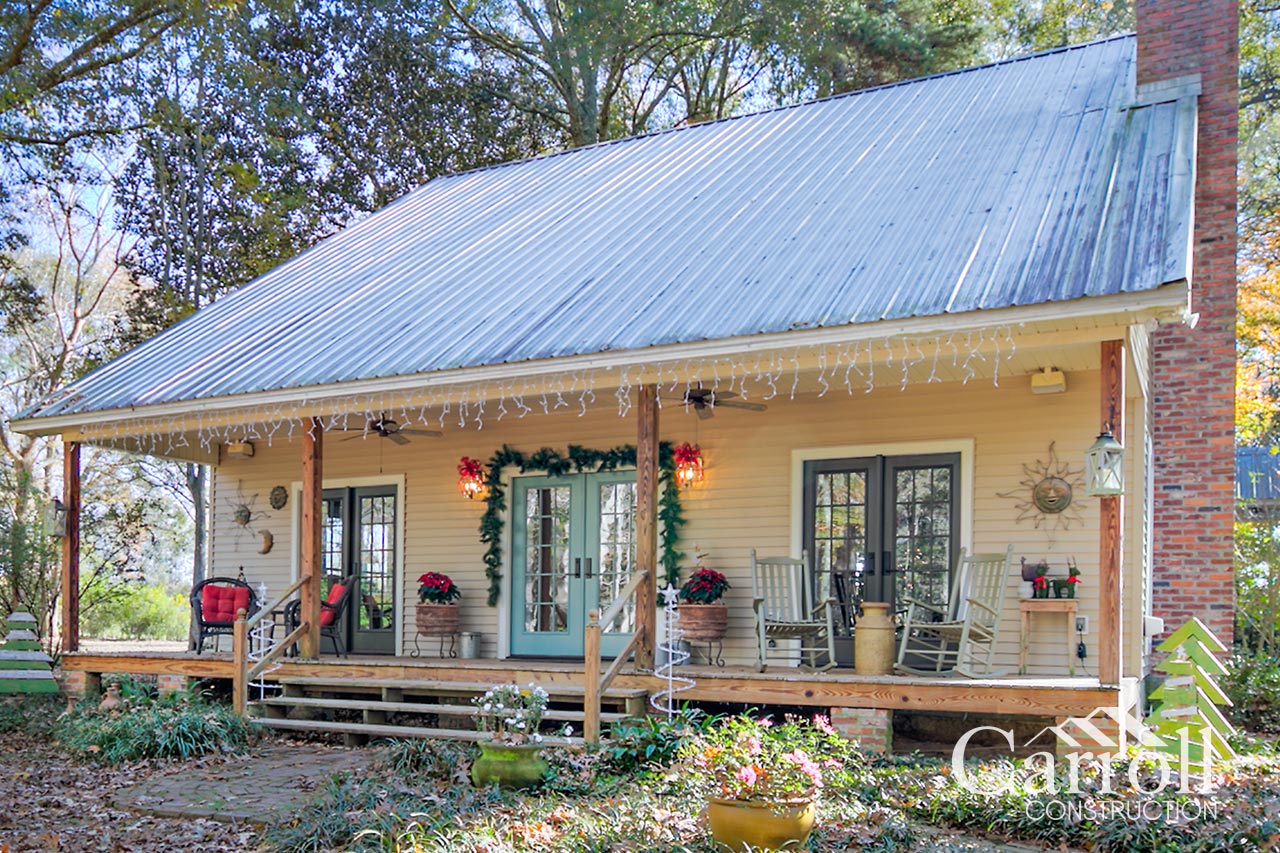
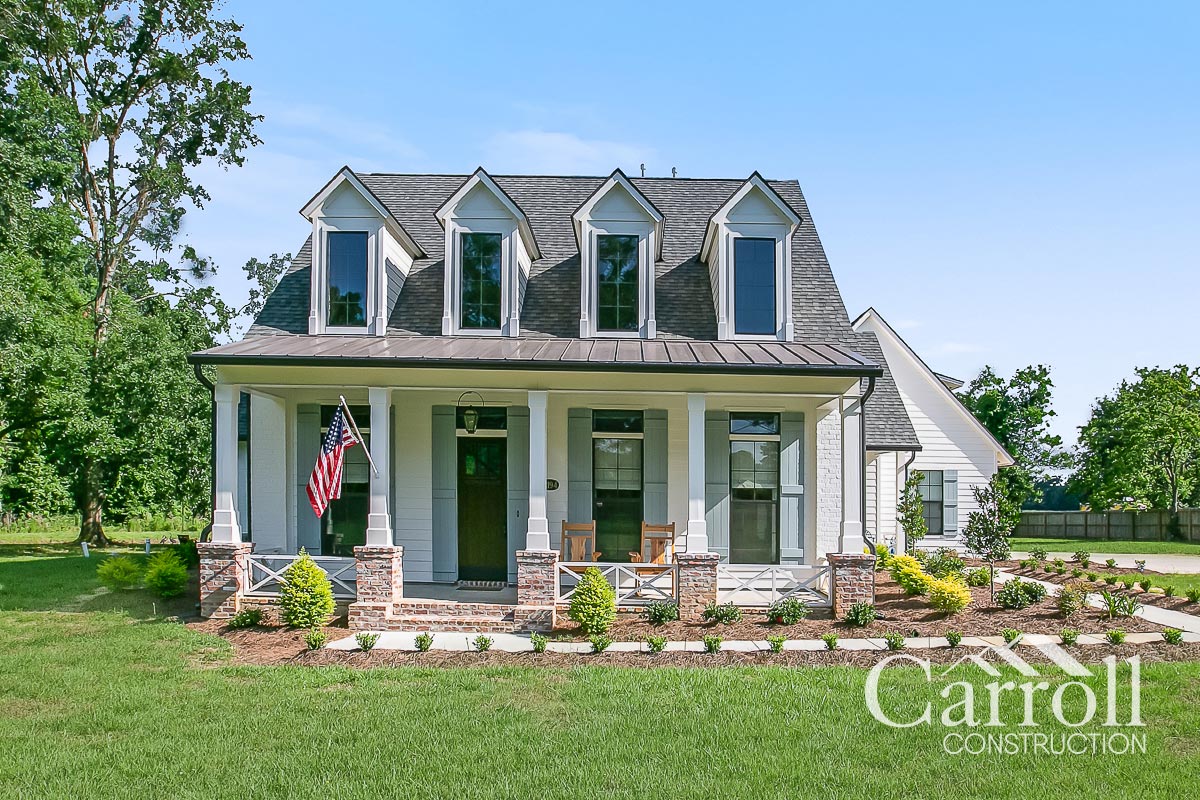
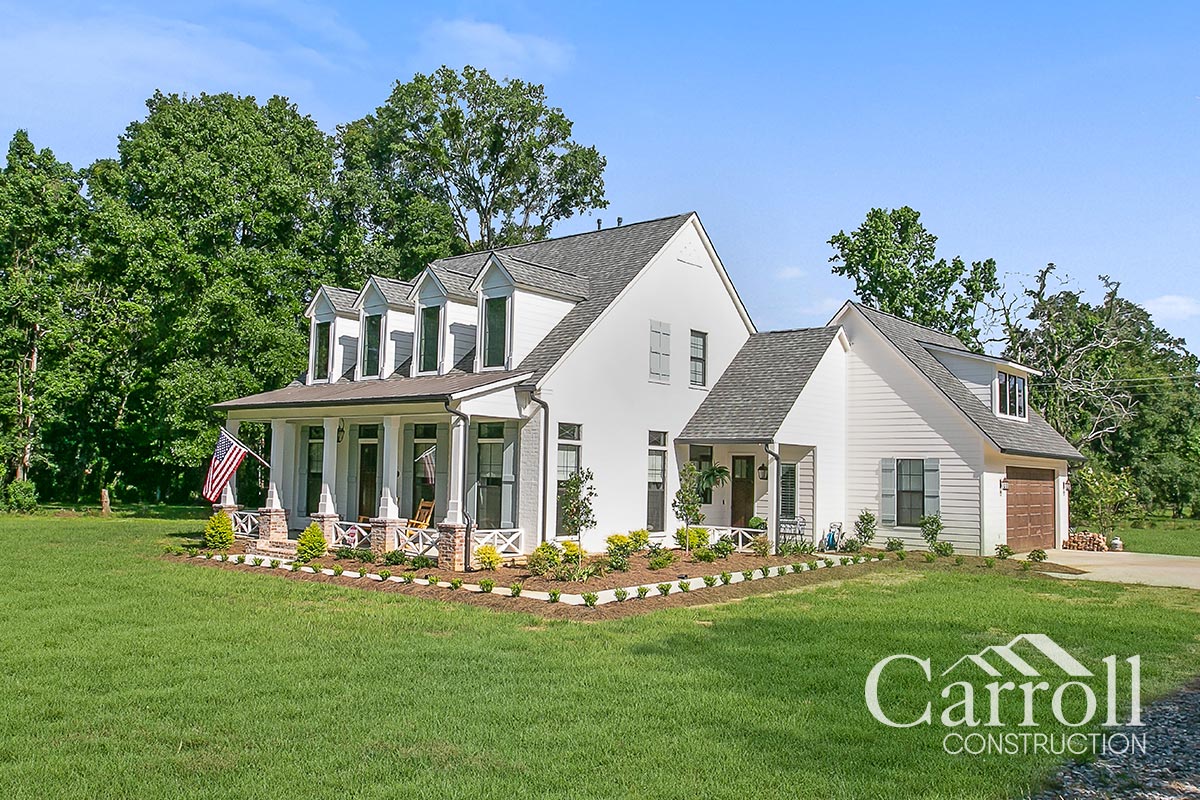
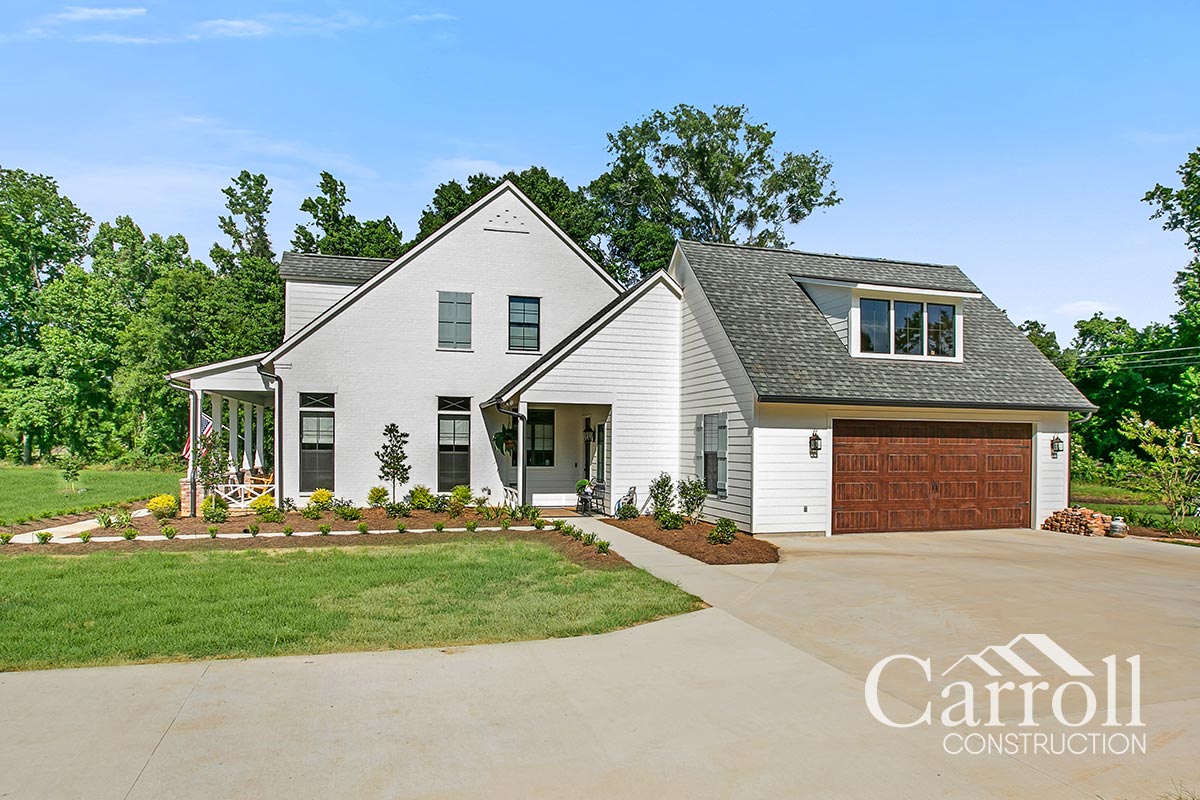
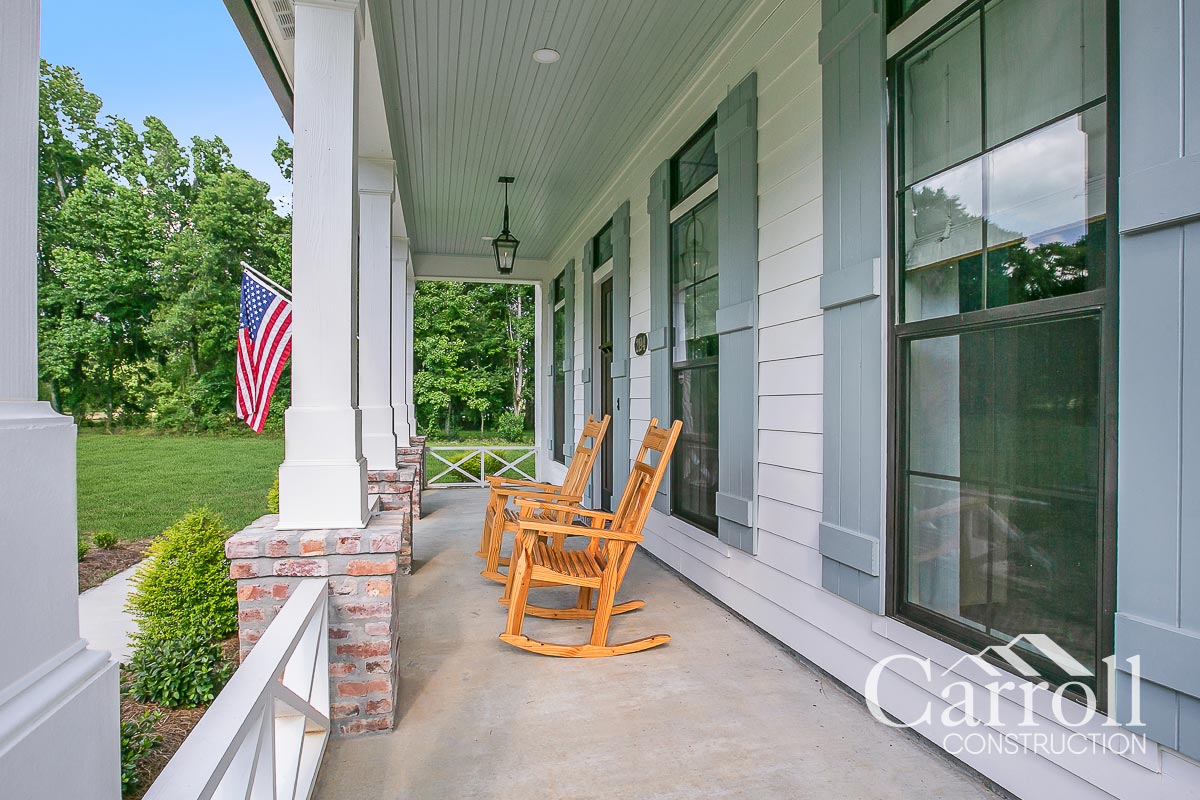
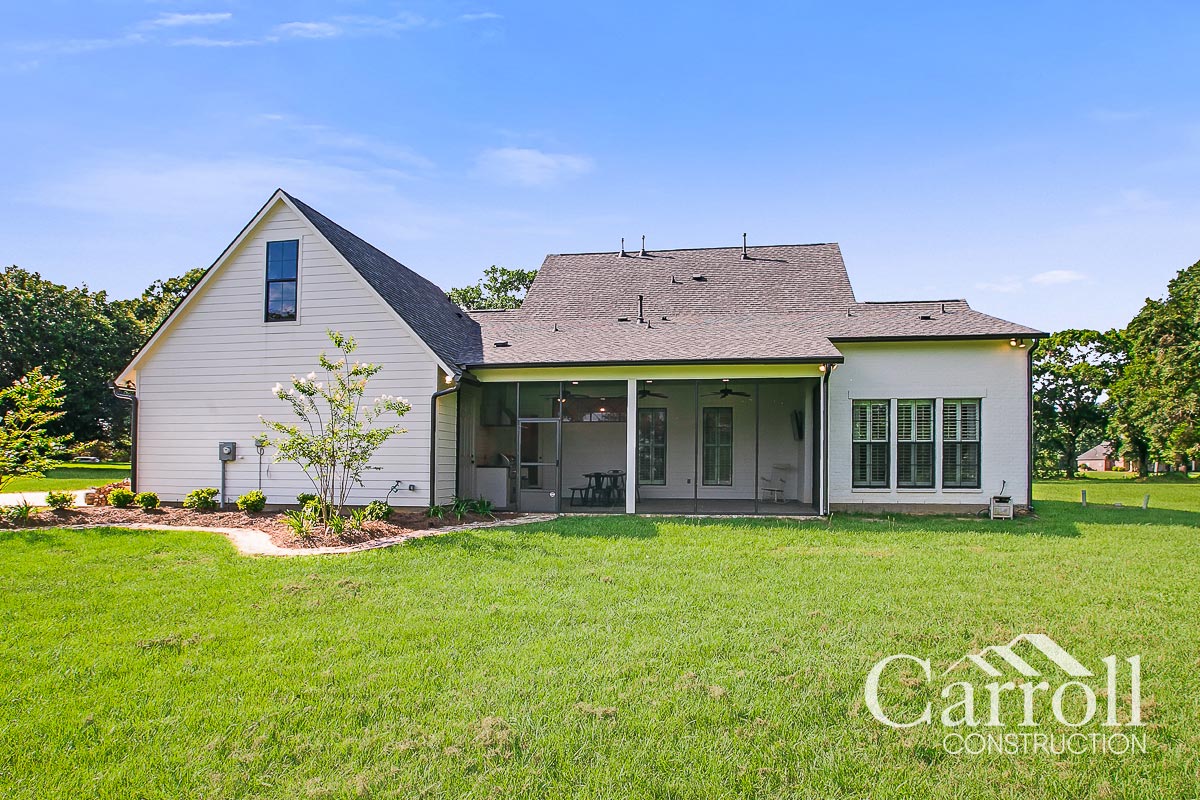
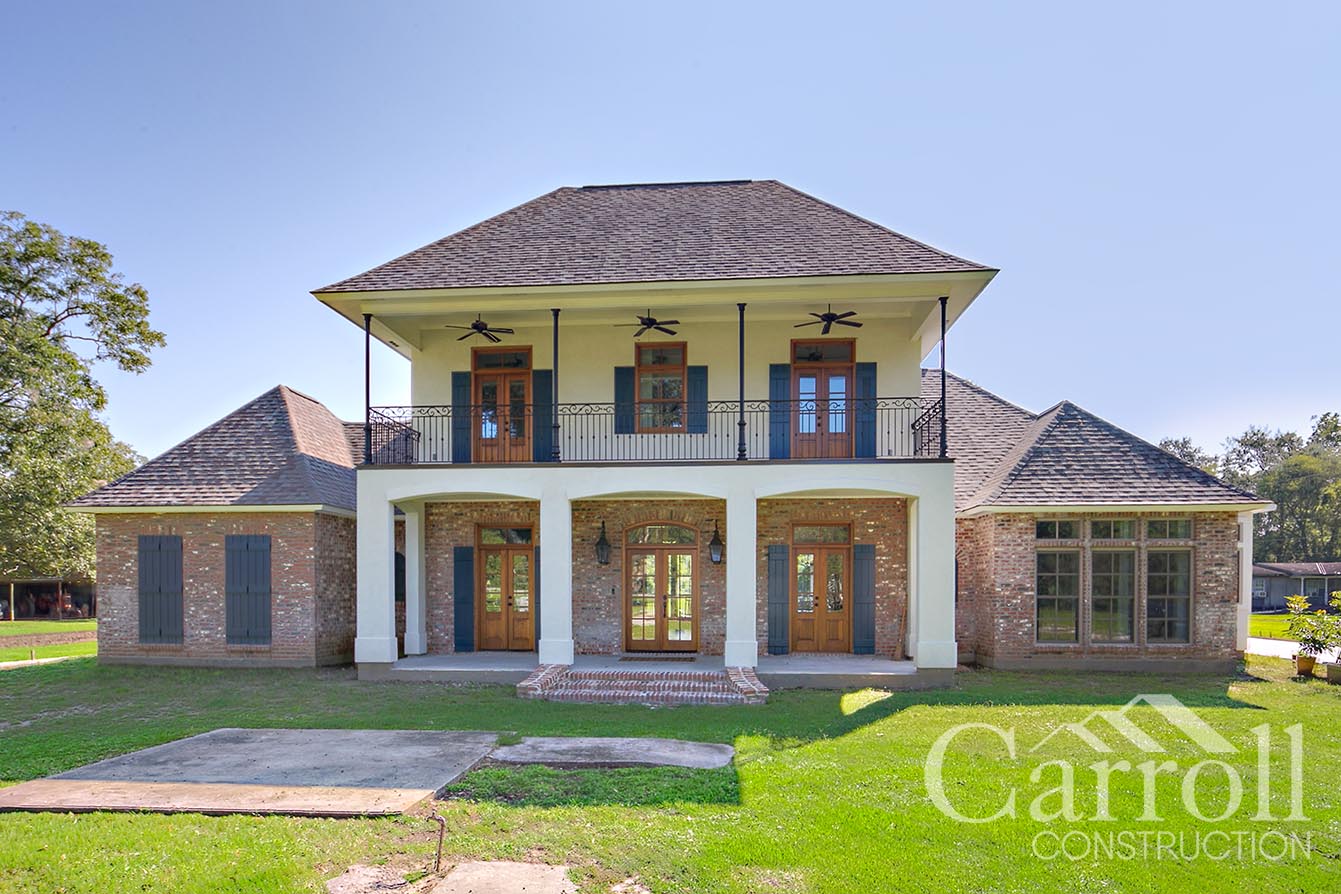
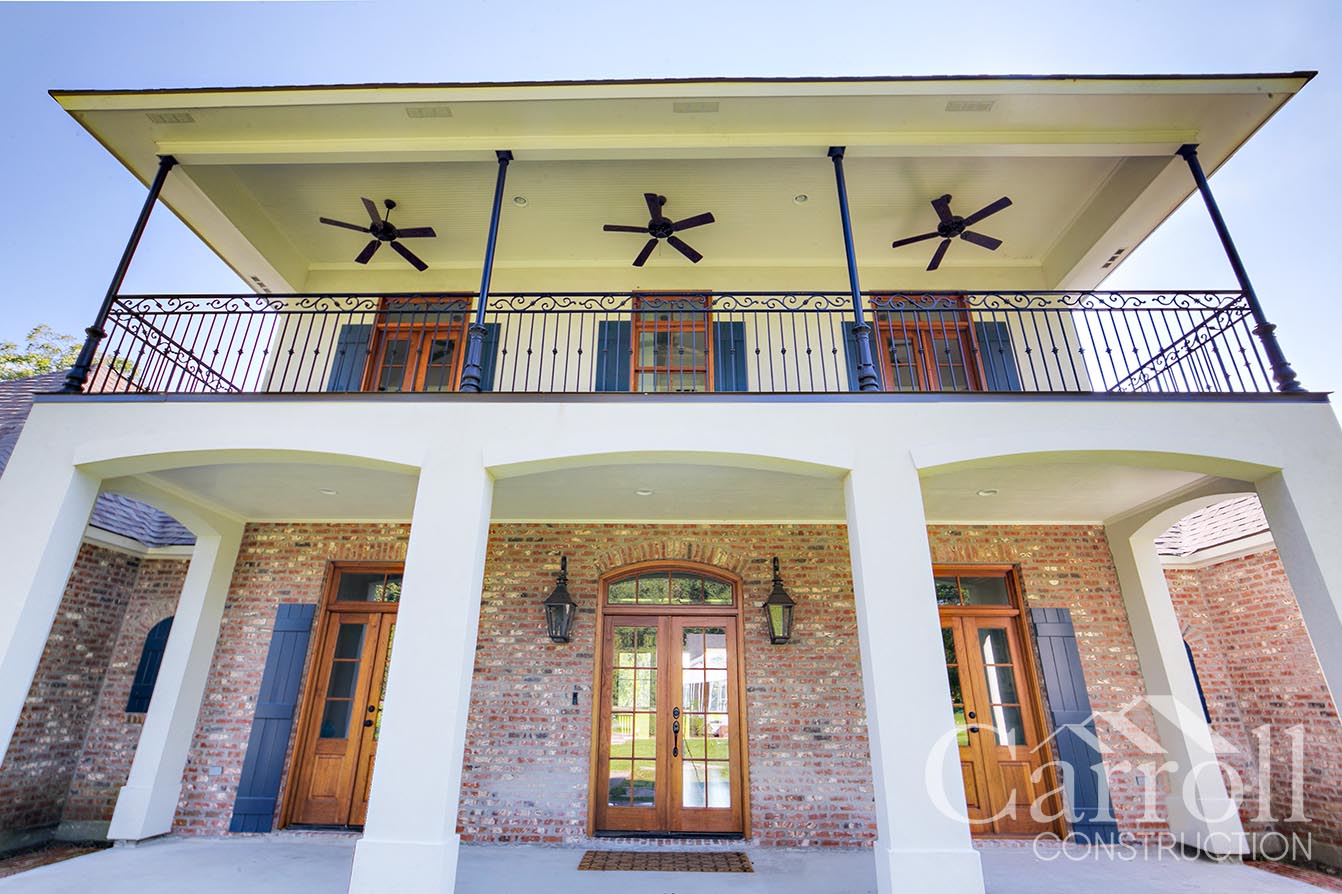
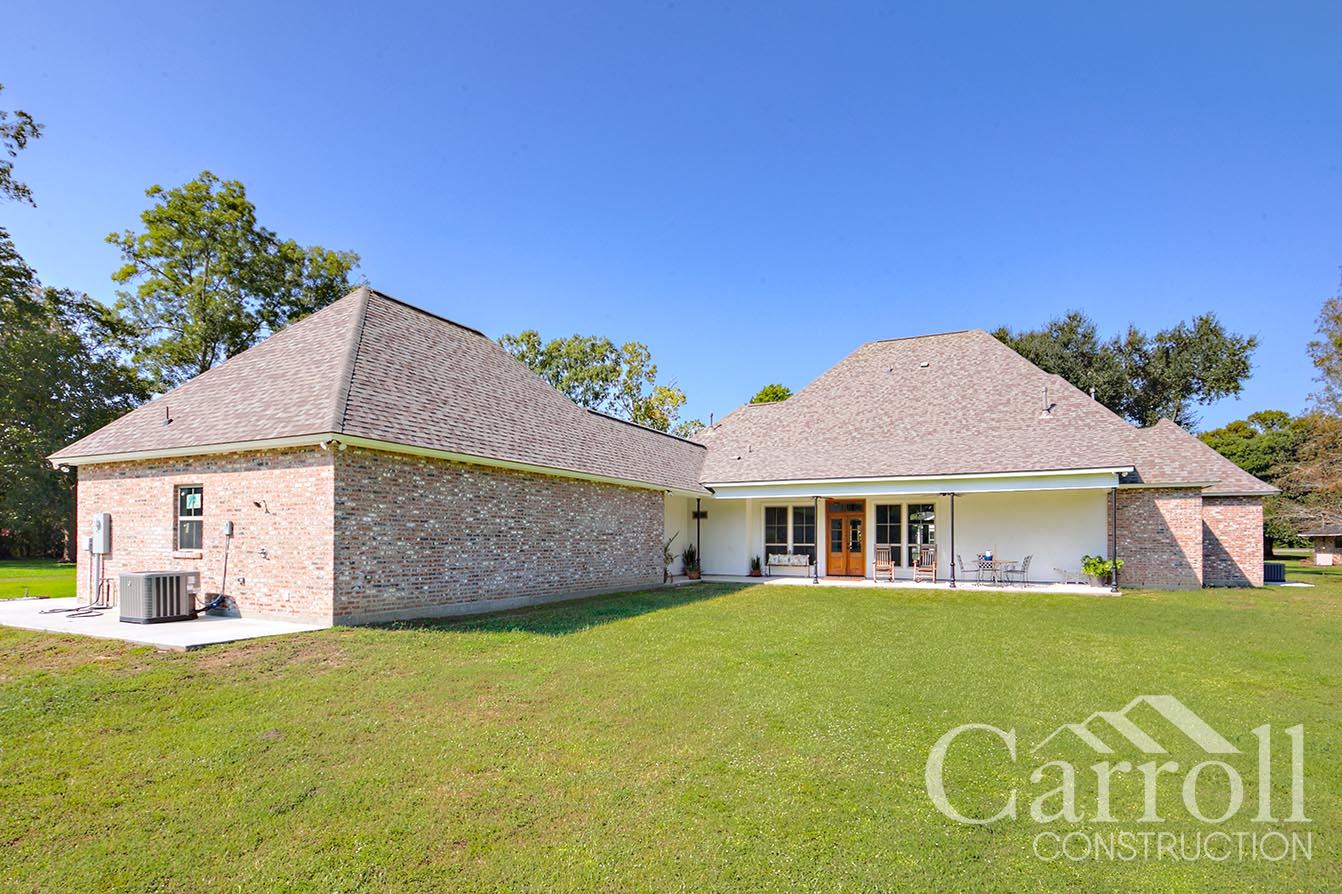
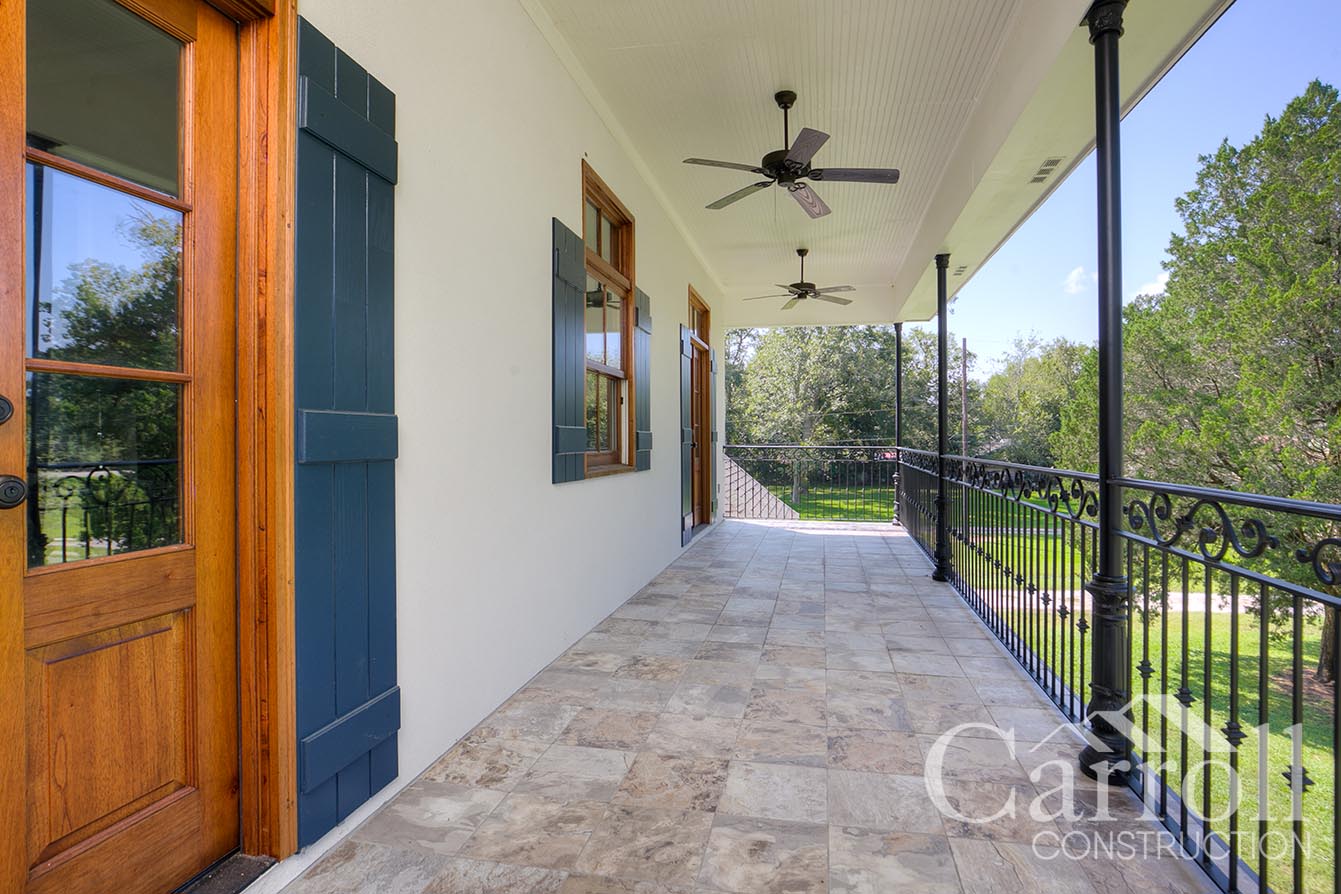
These typically increase the price per square foot of living area - though the extra expense is not usually recognized during the appraisal process - and could affect the size of your down payment. This is important to consider if a large southern-style porch or a wrap-around porch is on your wish list.
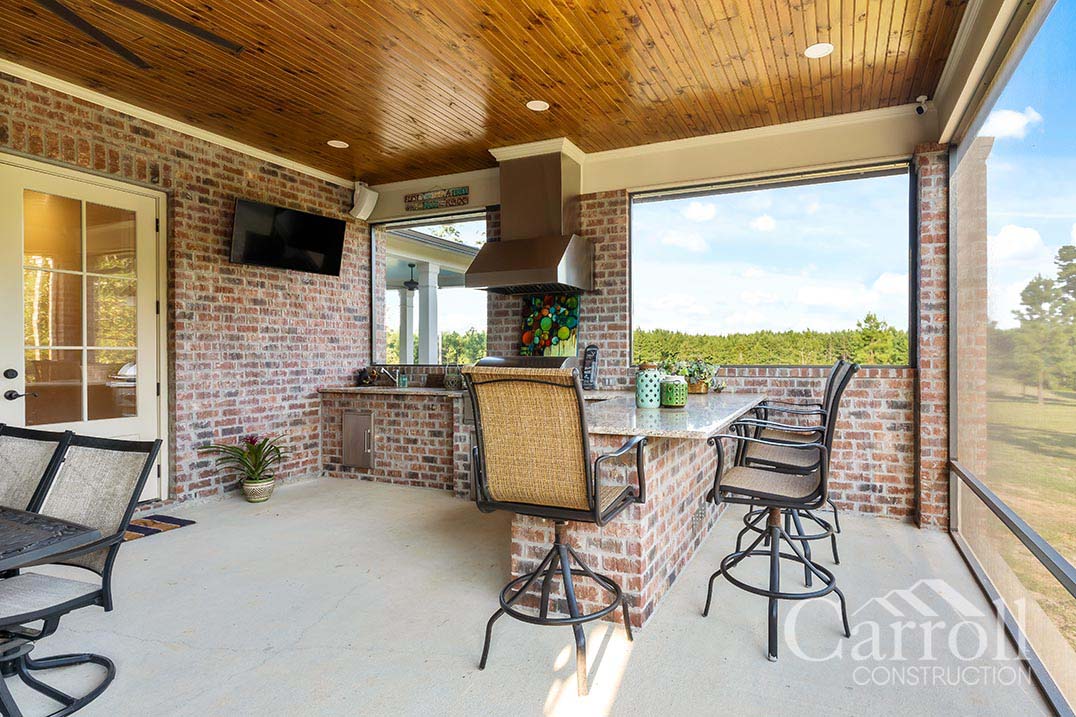
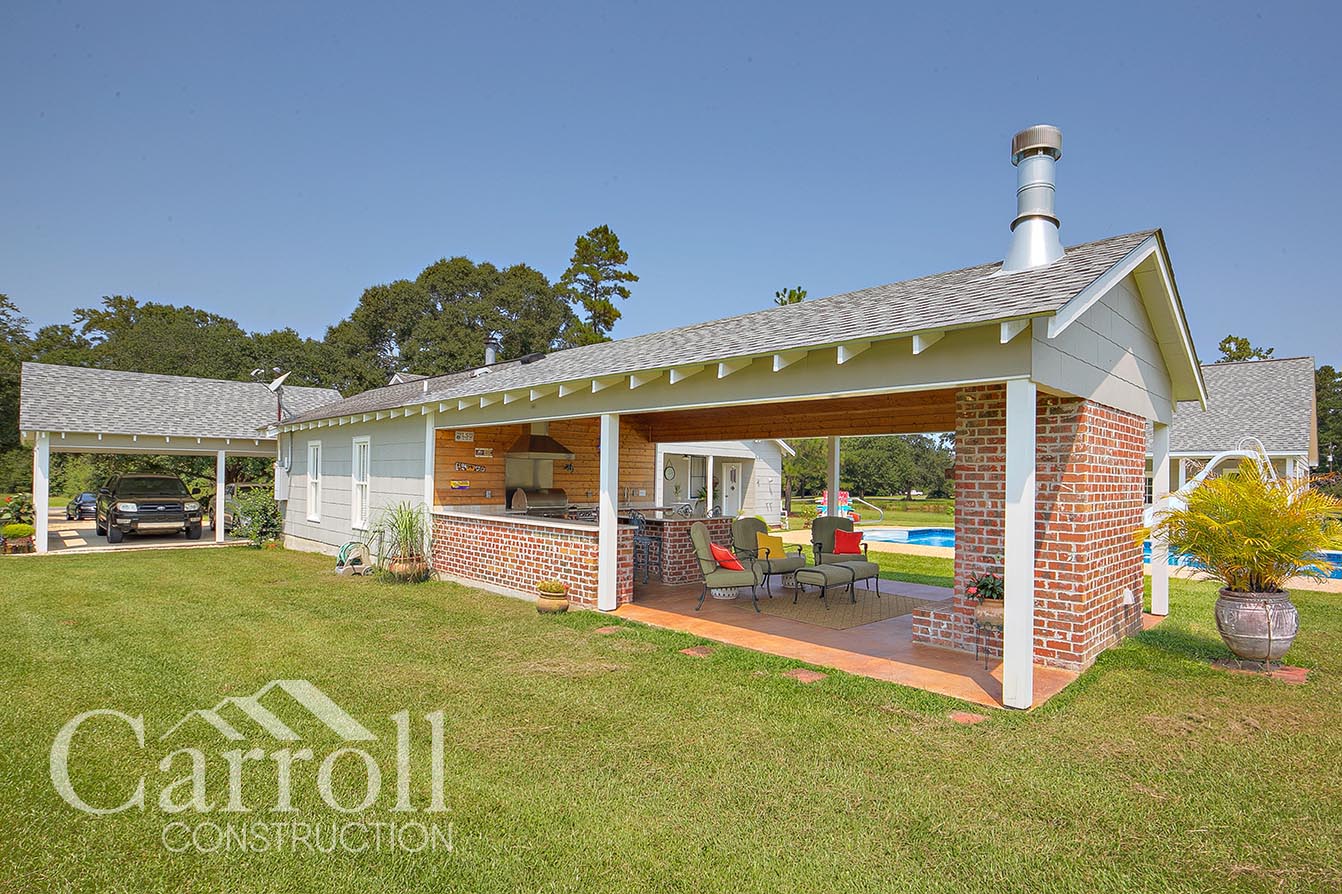
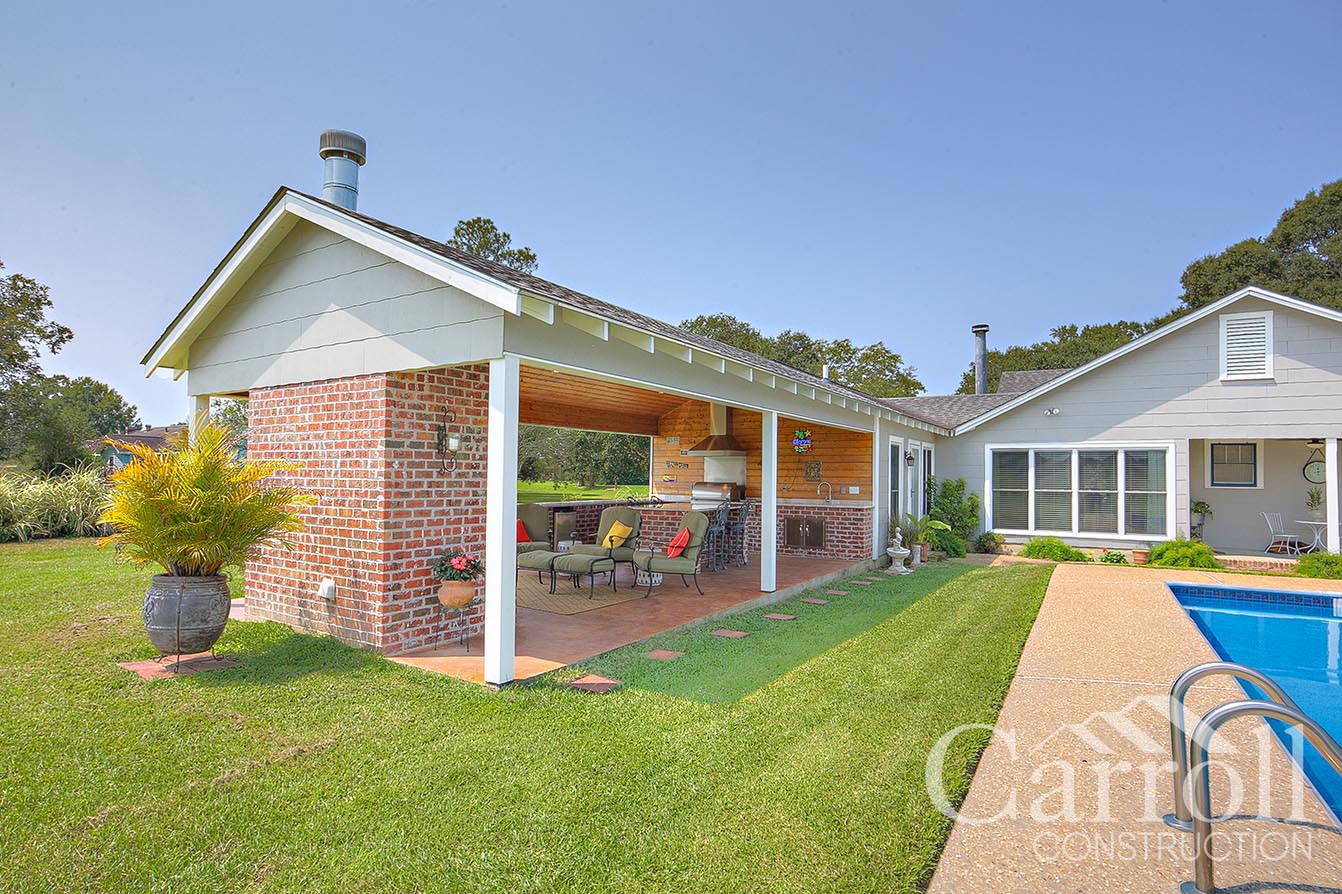
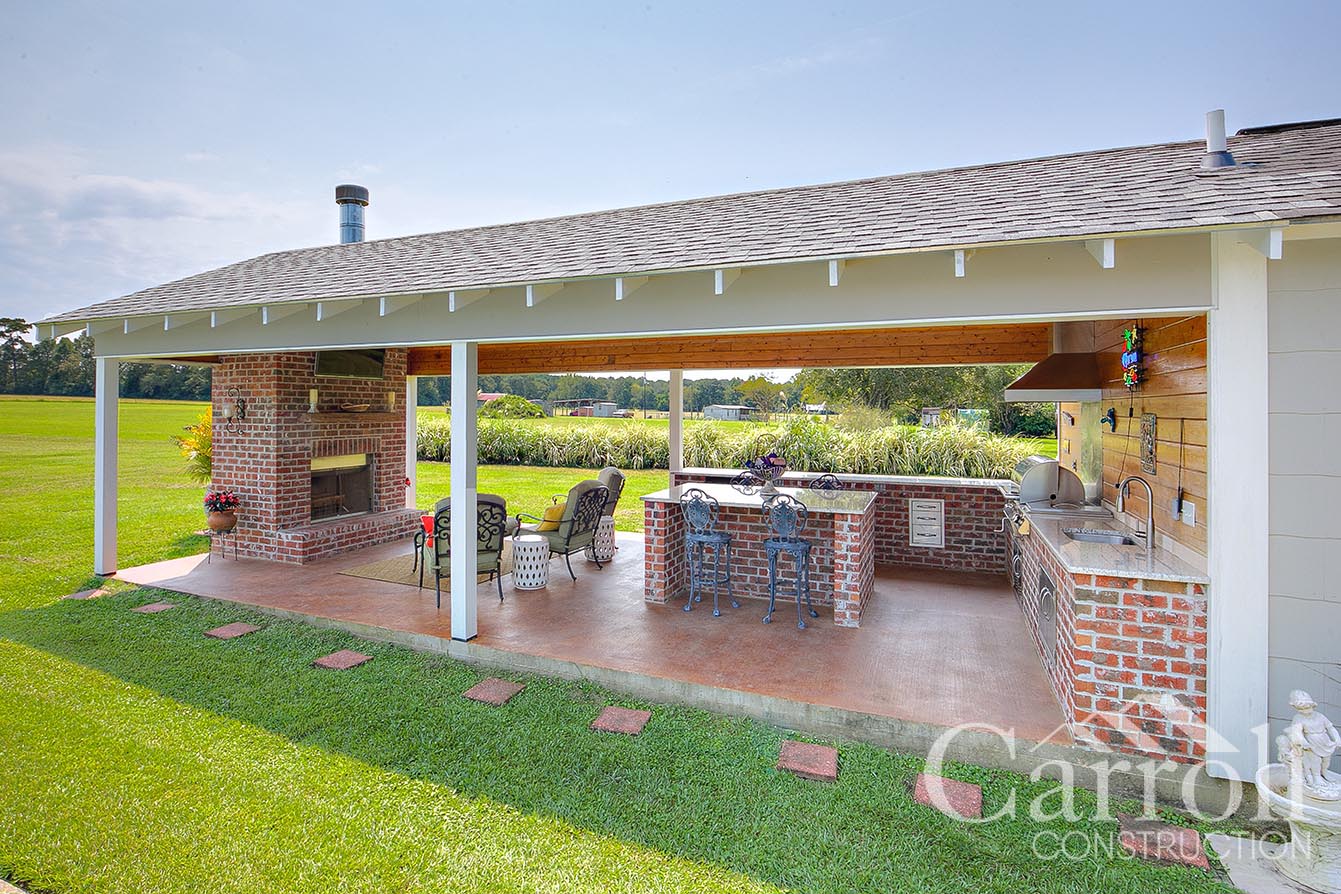
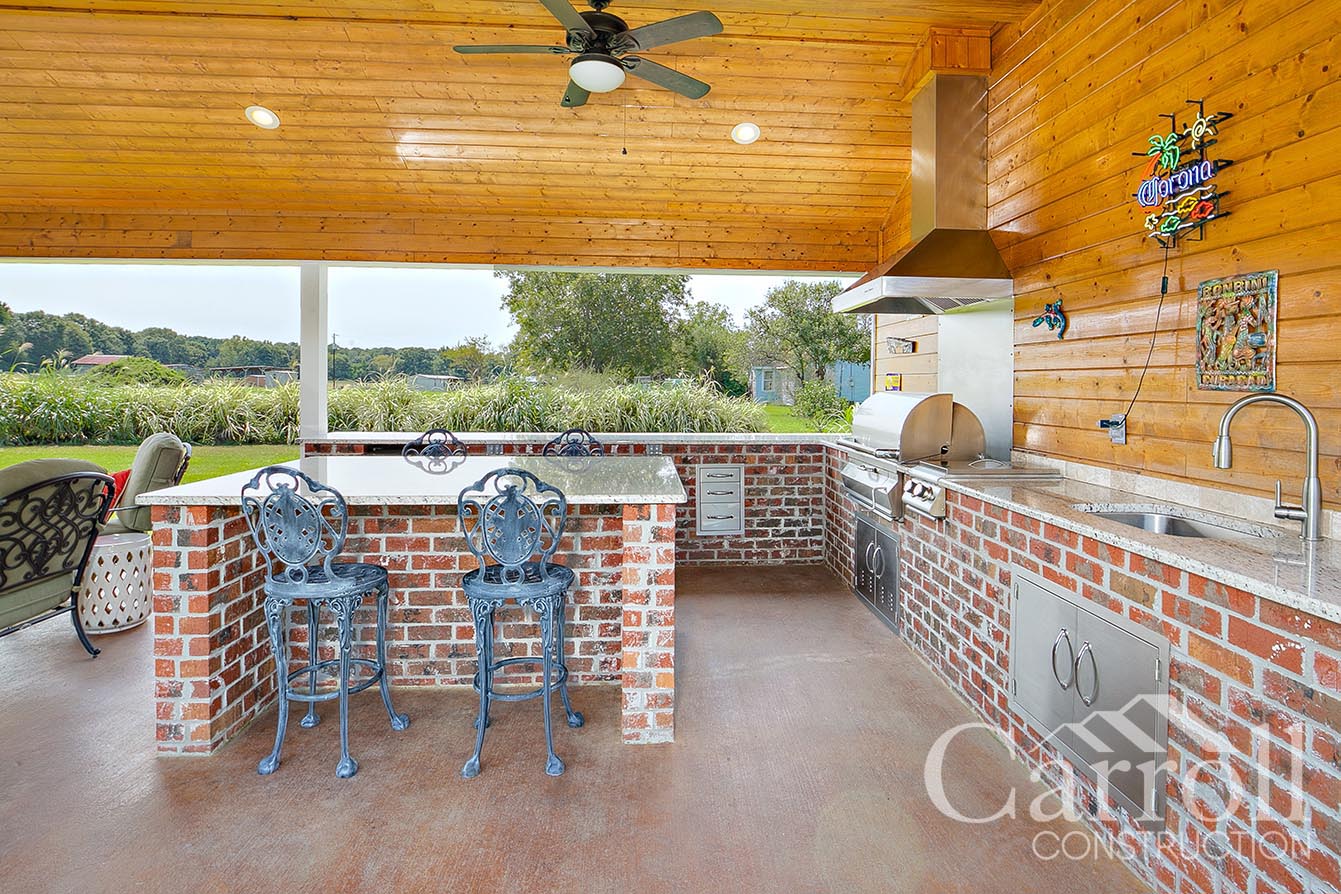
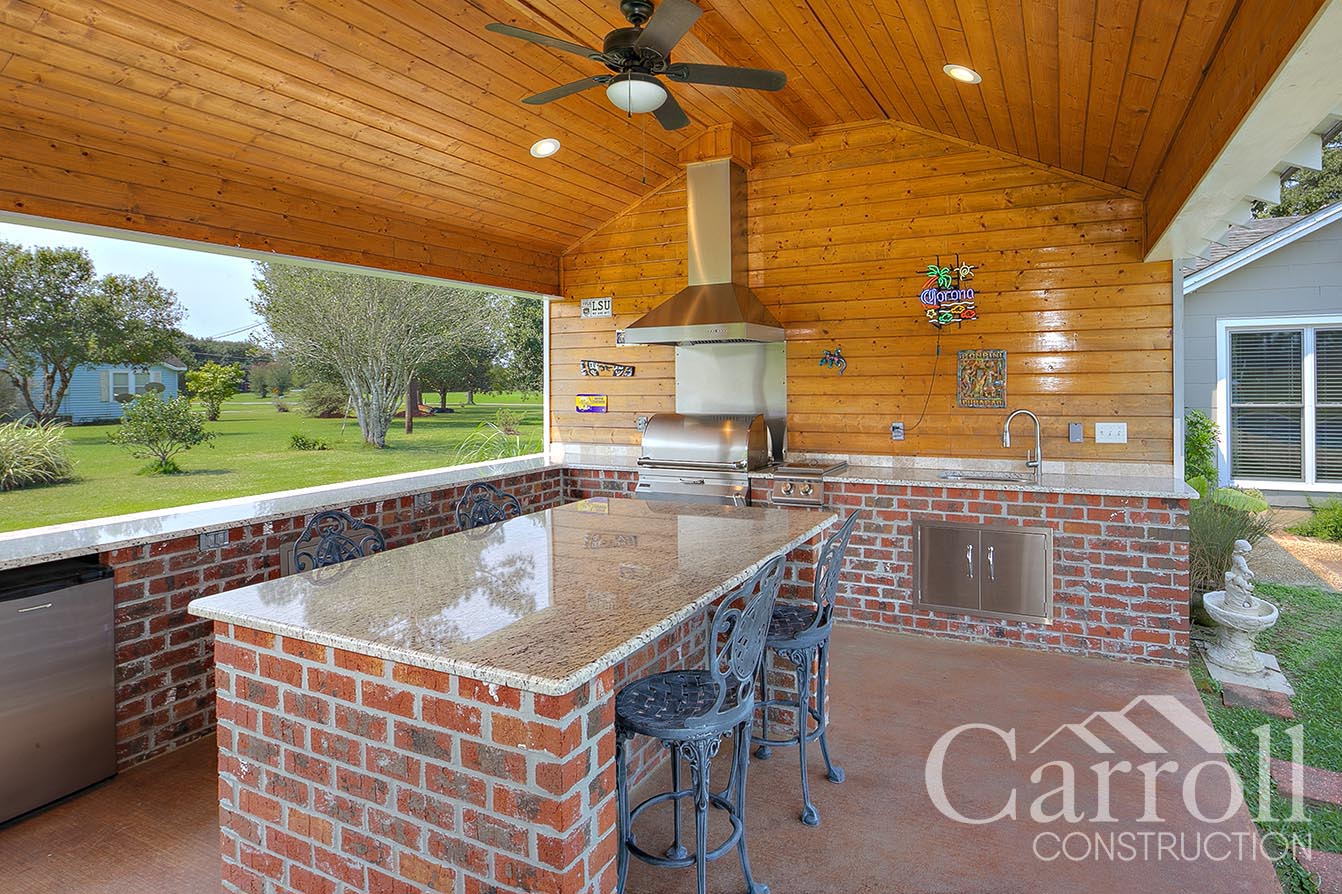
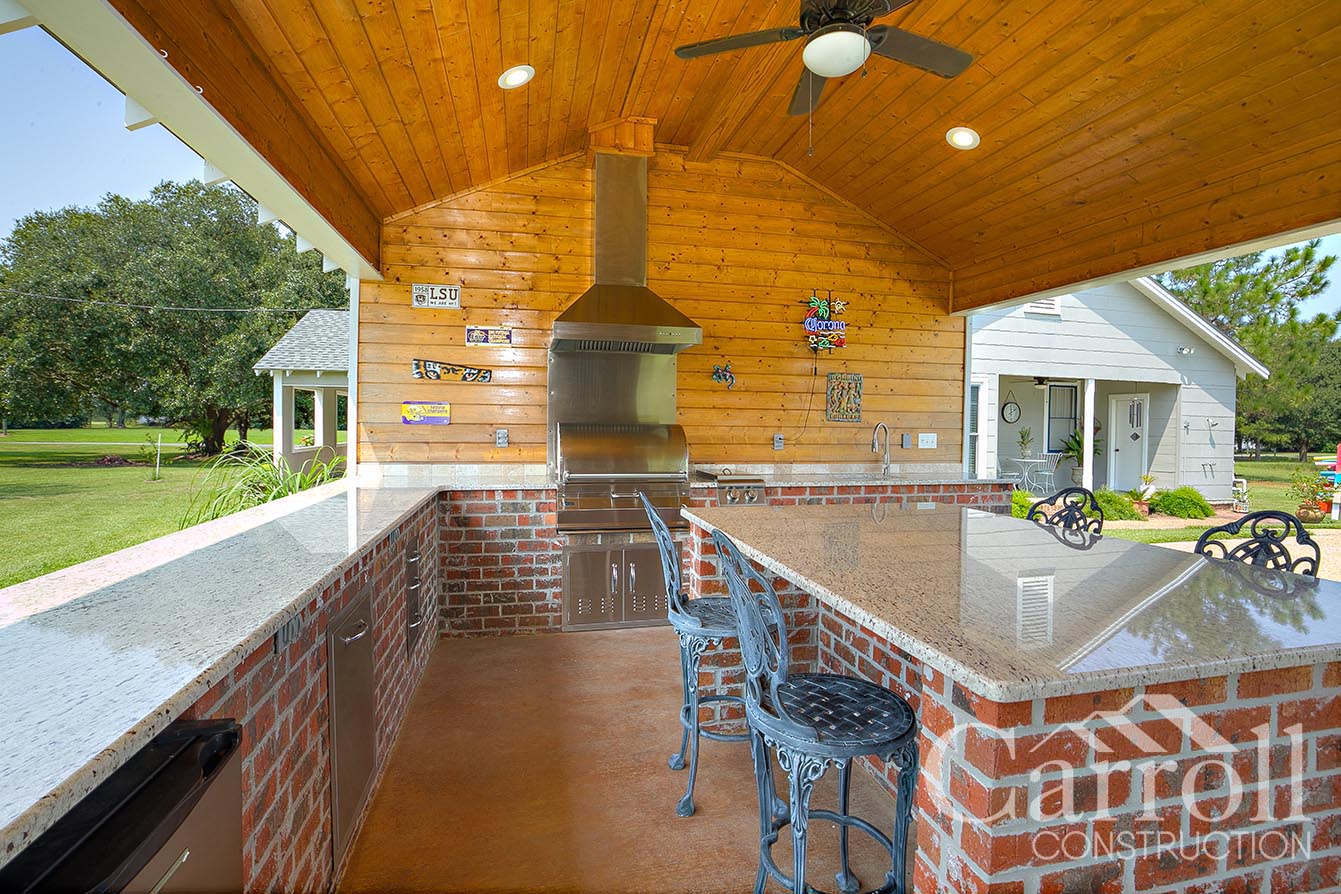
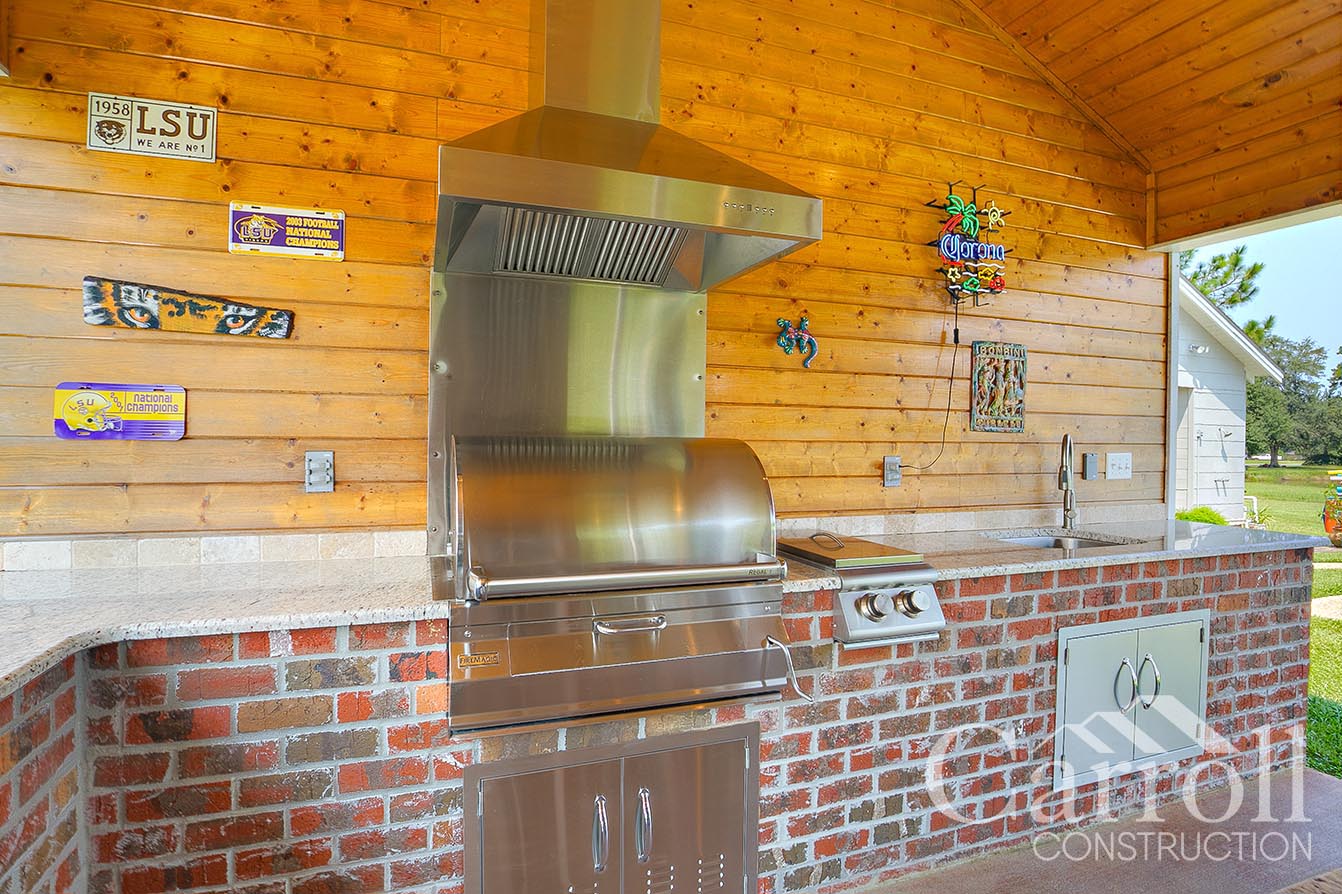
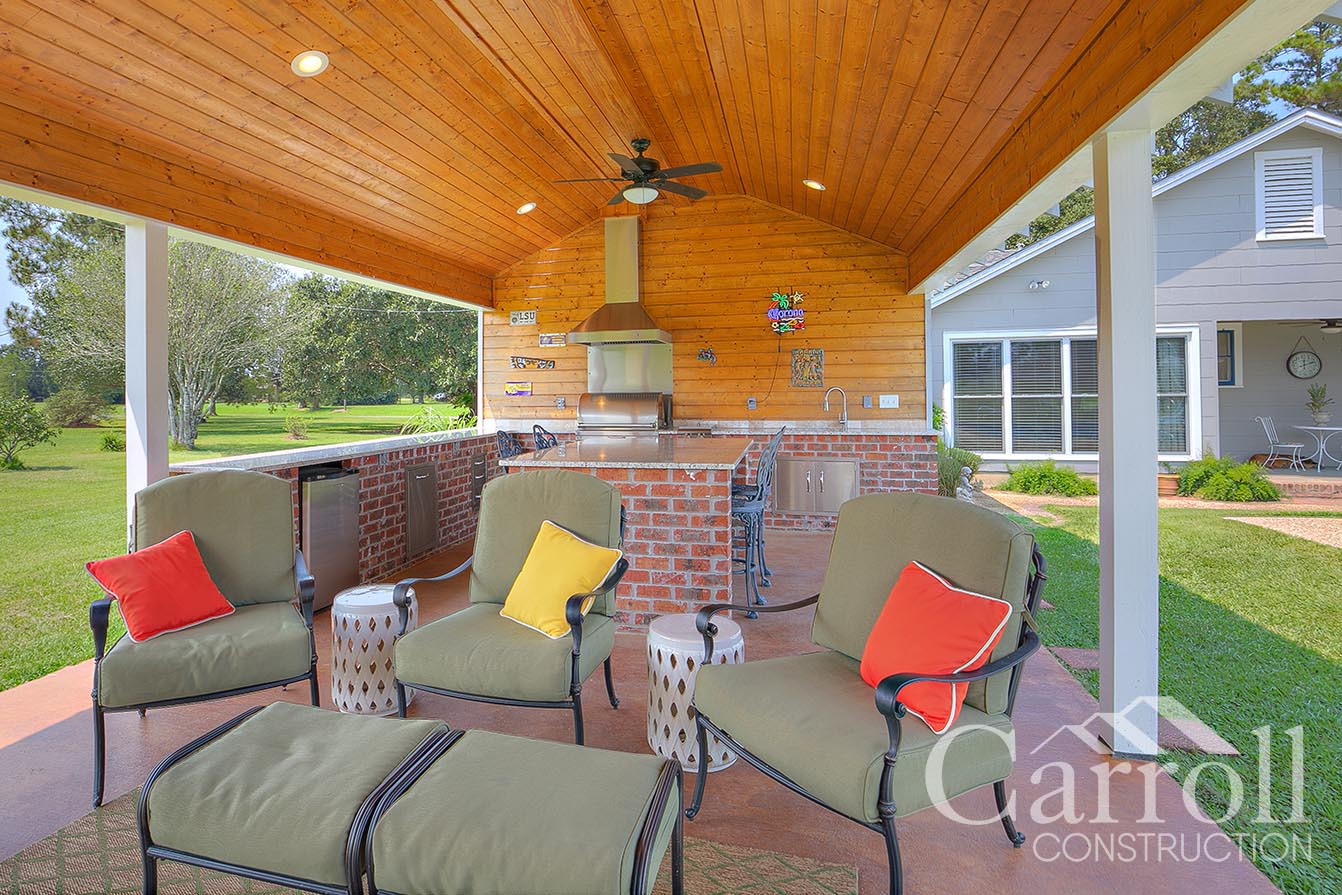
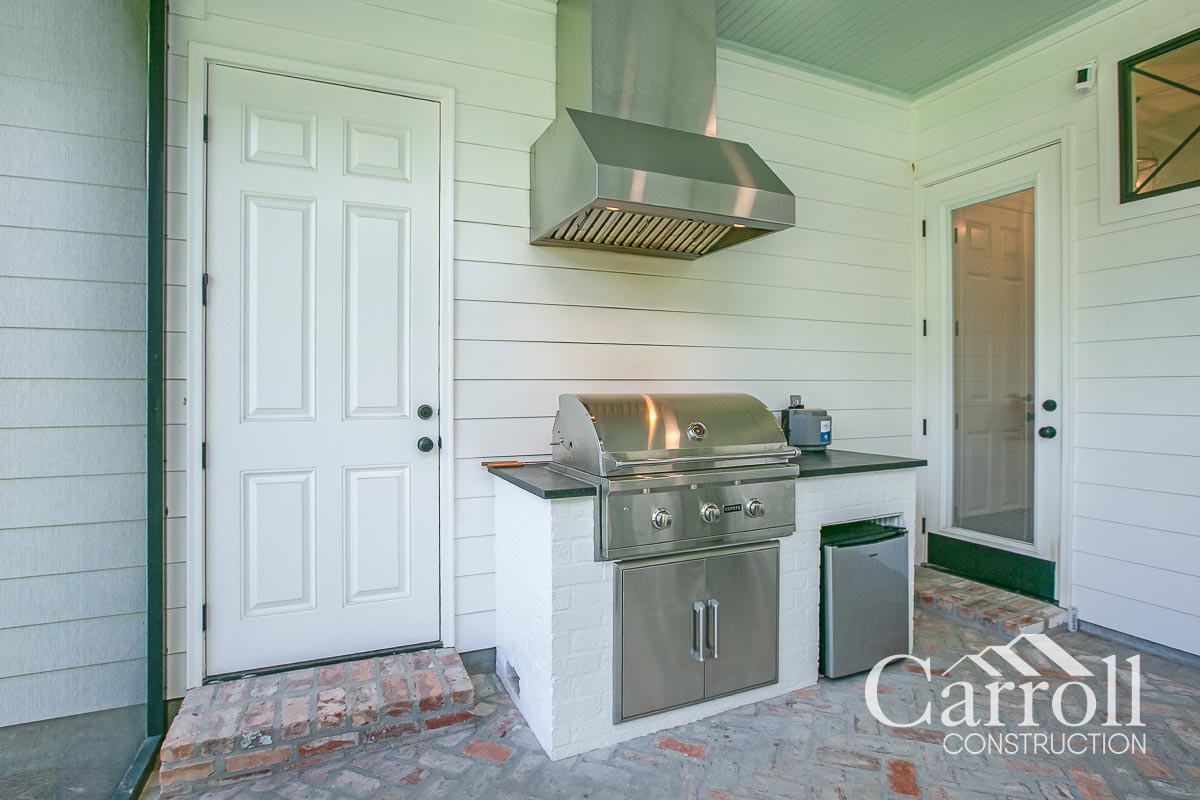
Outdoor Kitchens
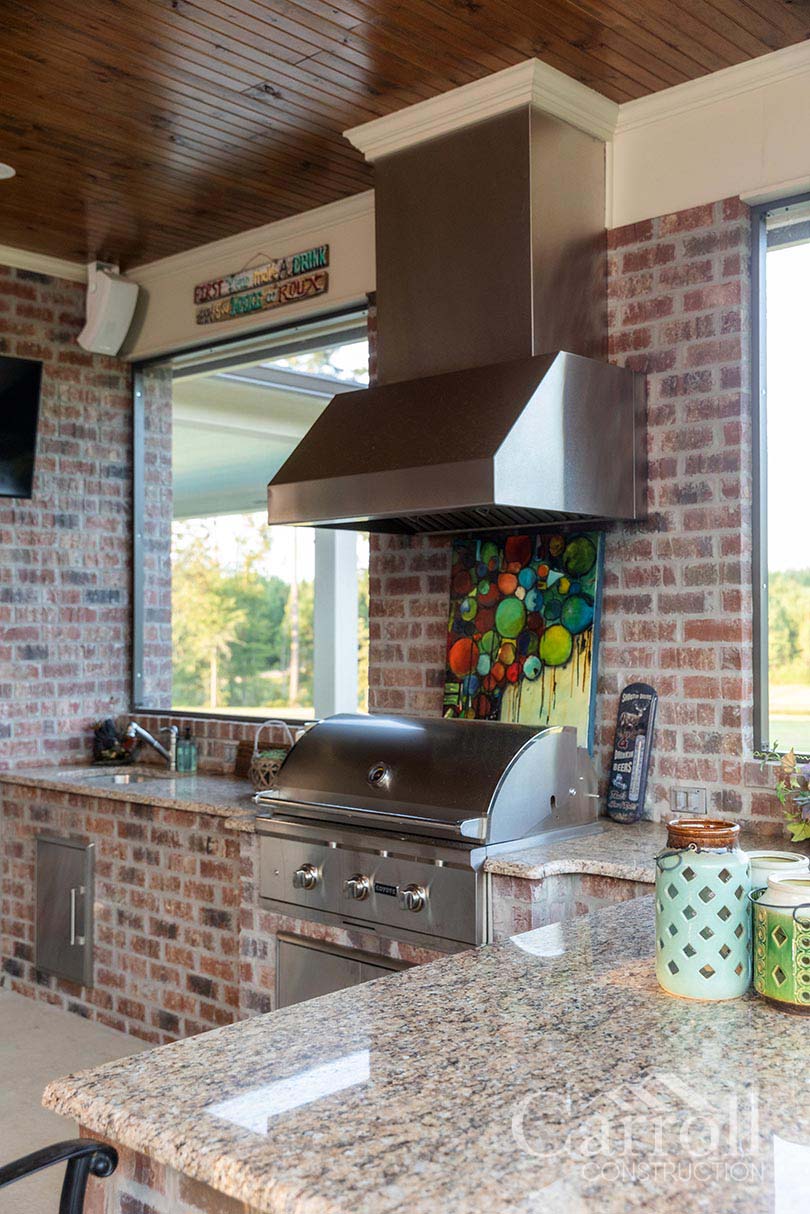
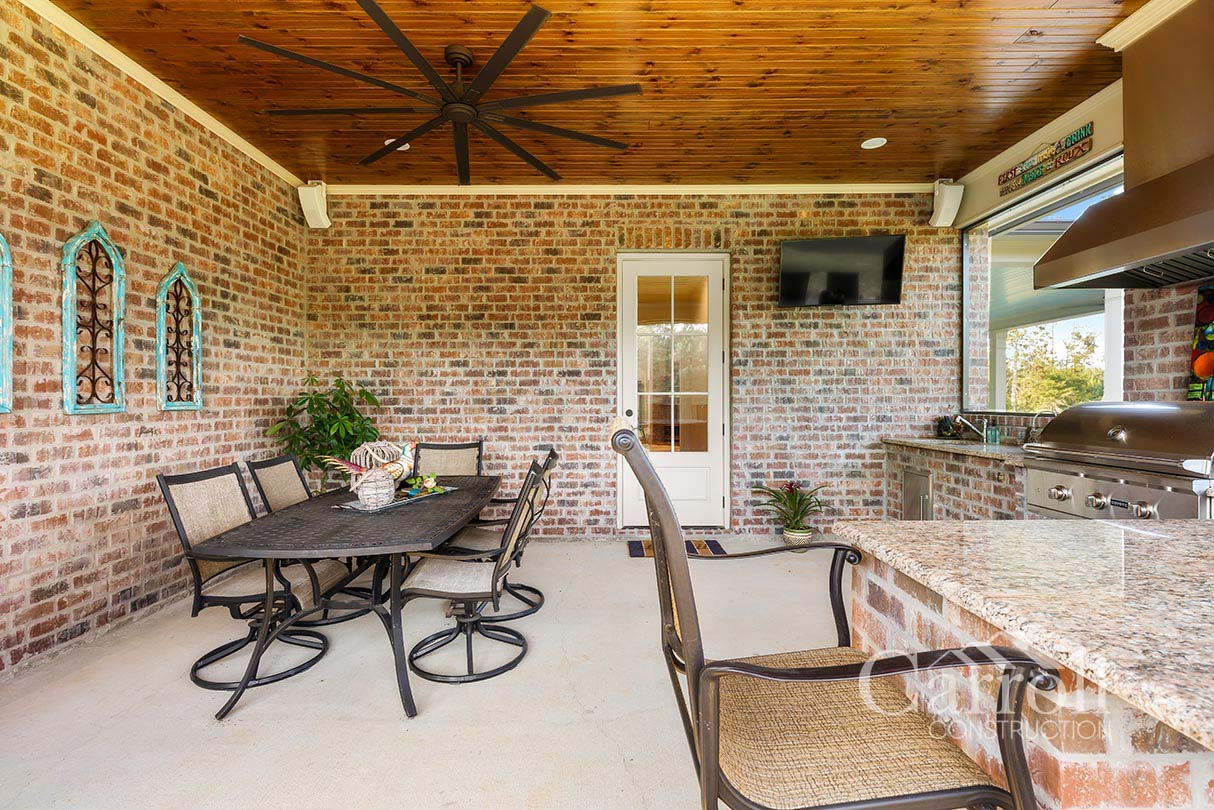
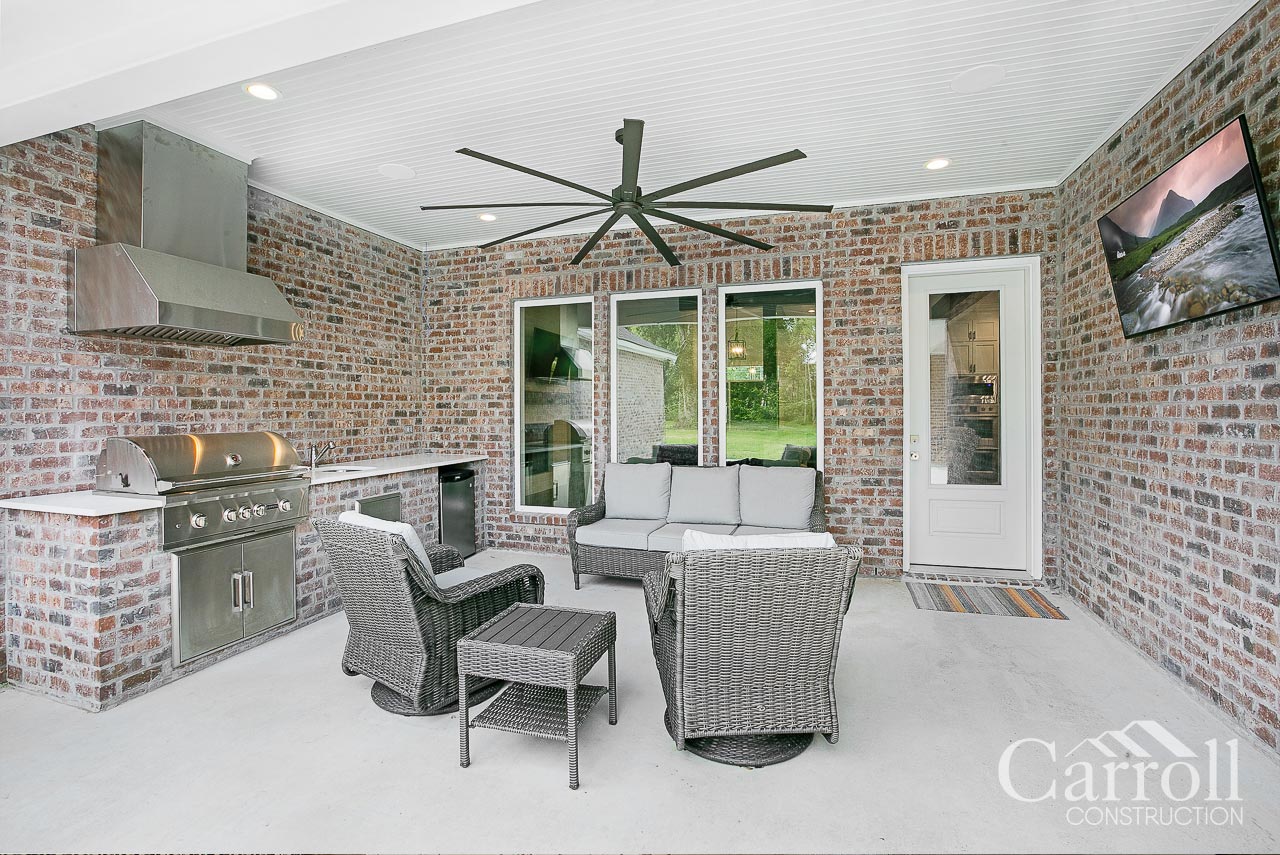
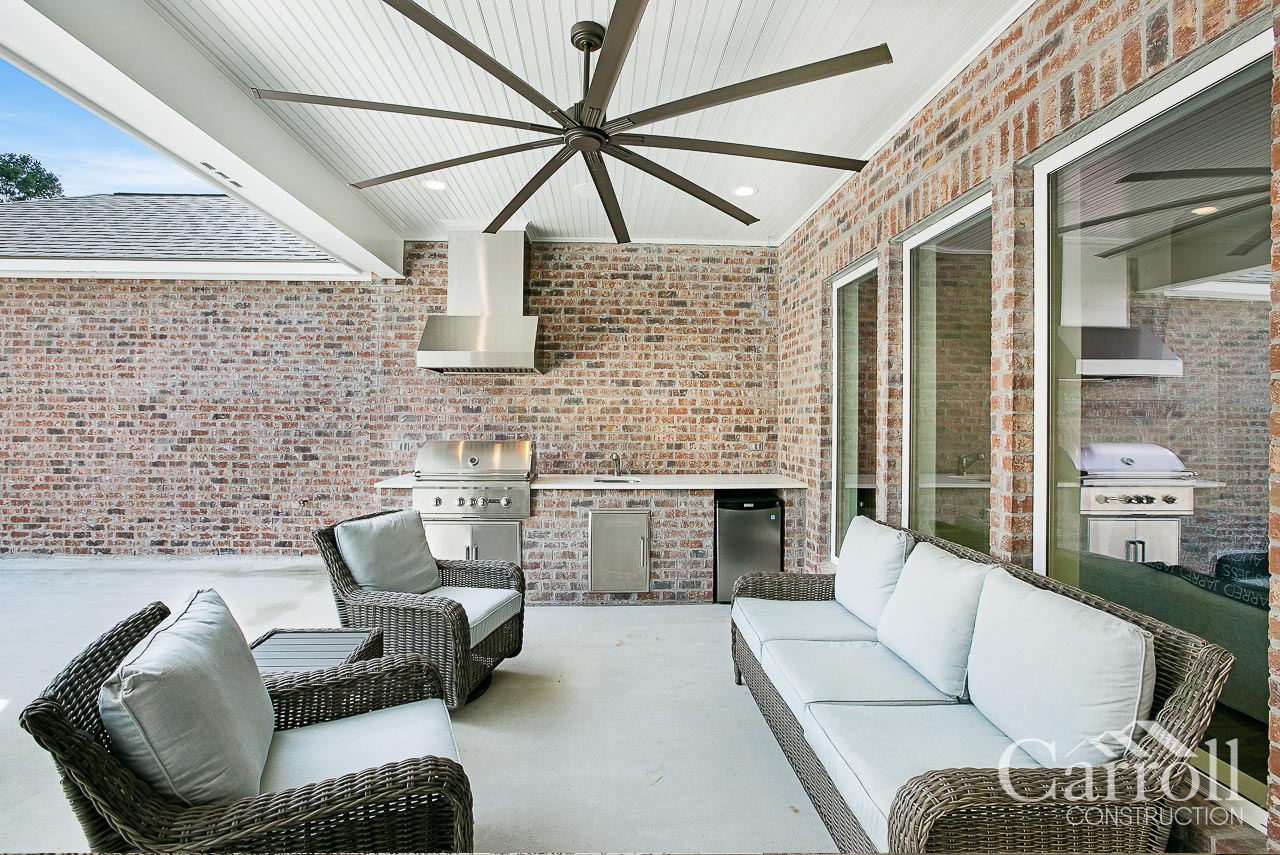
Although an outdoor cooking and entertaining area can significantly affect the overall price of construction, an outdoor kitchen adds character and increases the resale value to the home. If this is on your wish list, make sure you hire a contractor with experience in designing, building and furnishing an outdoor kitchen area!
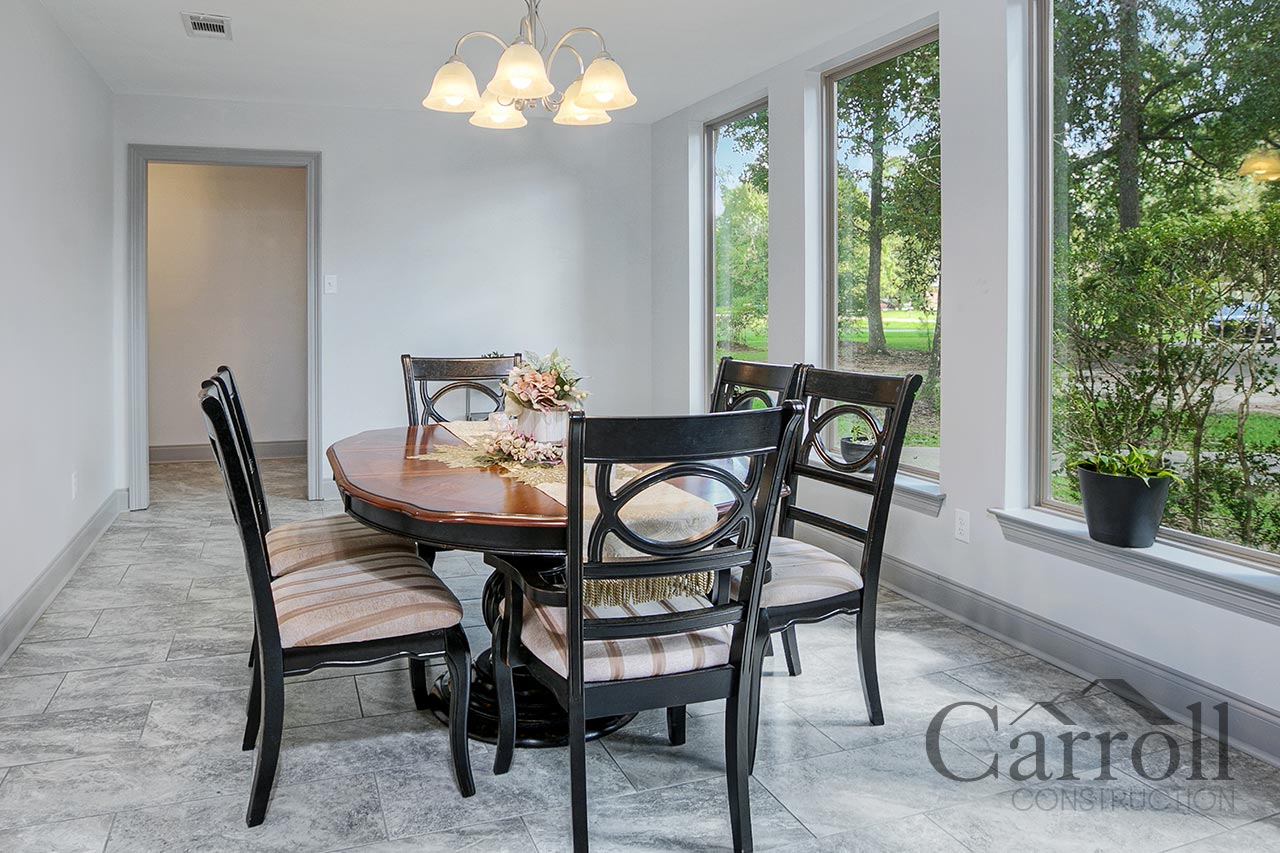
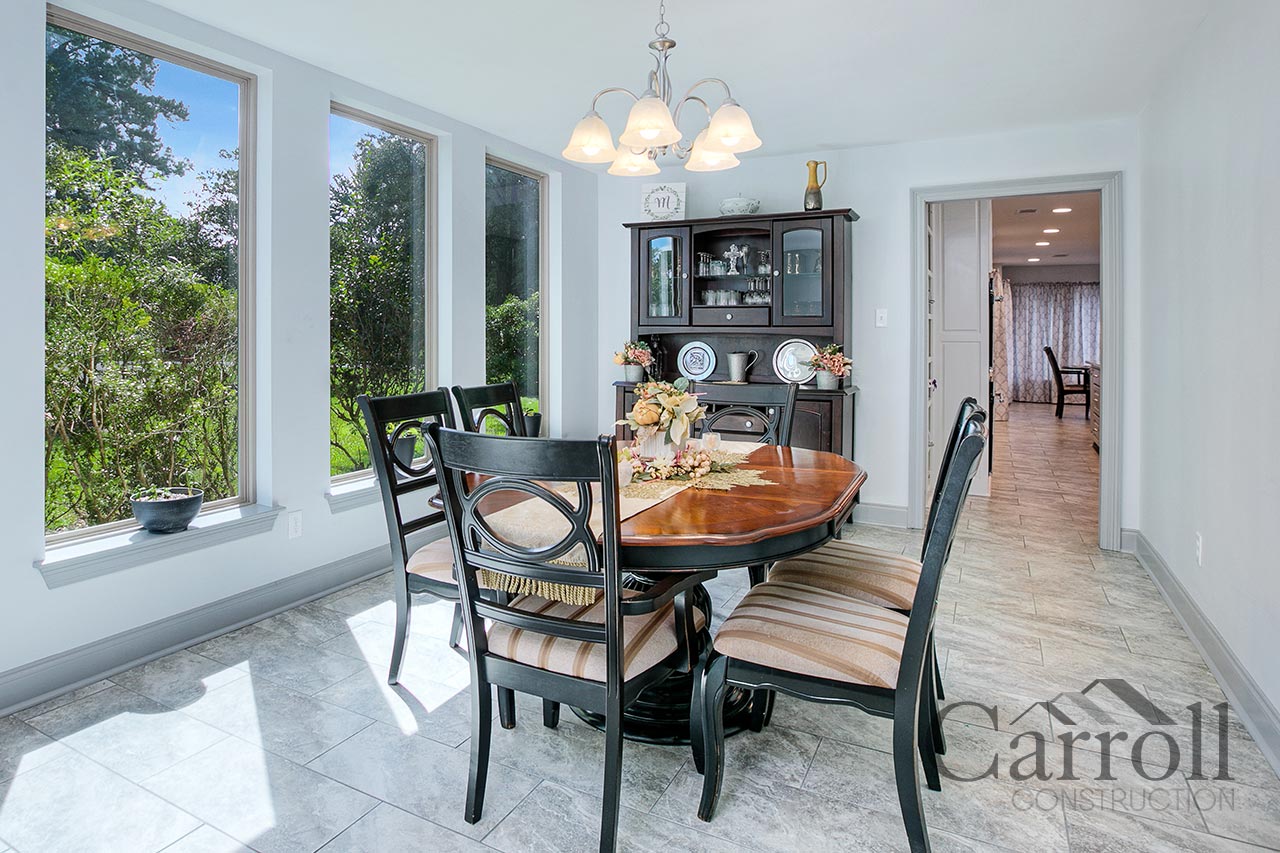
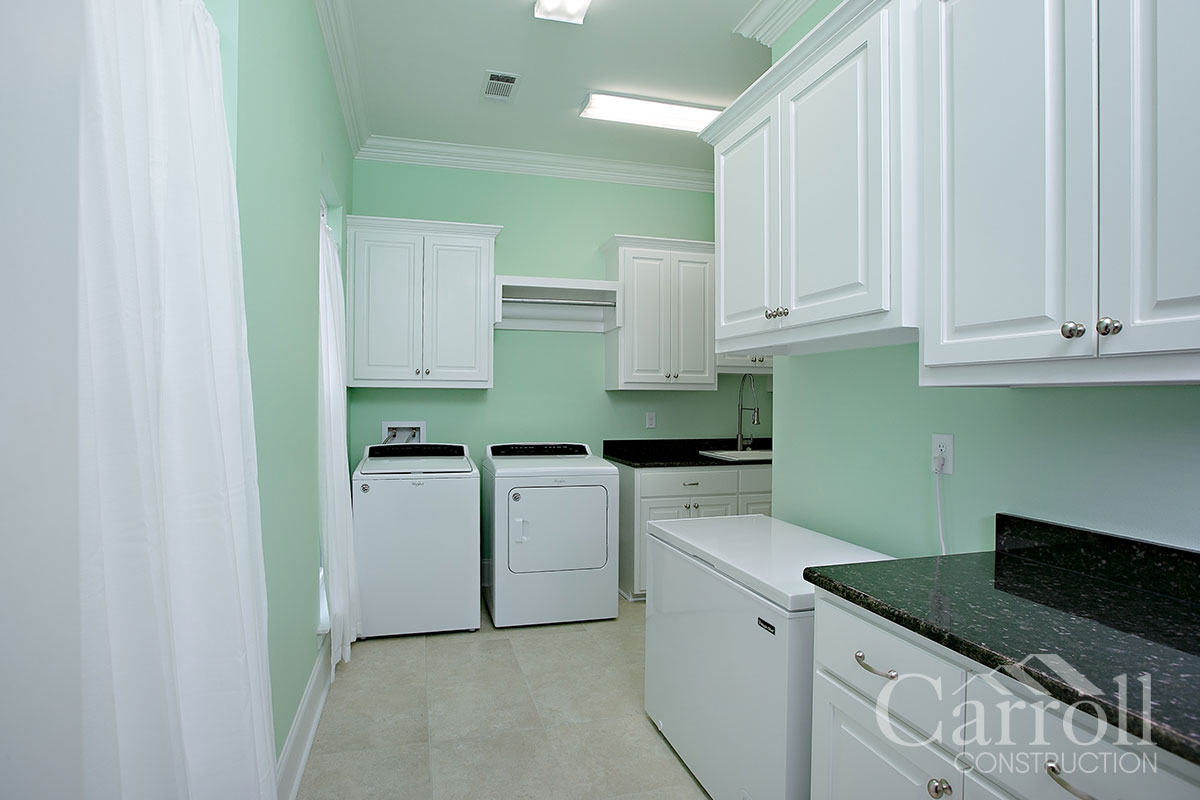
Flooring
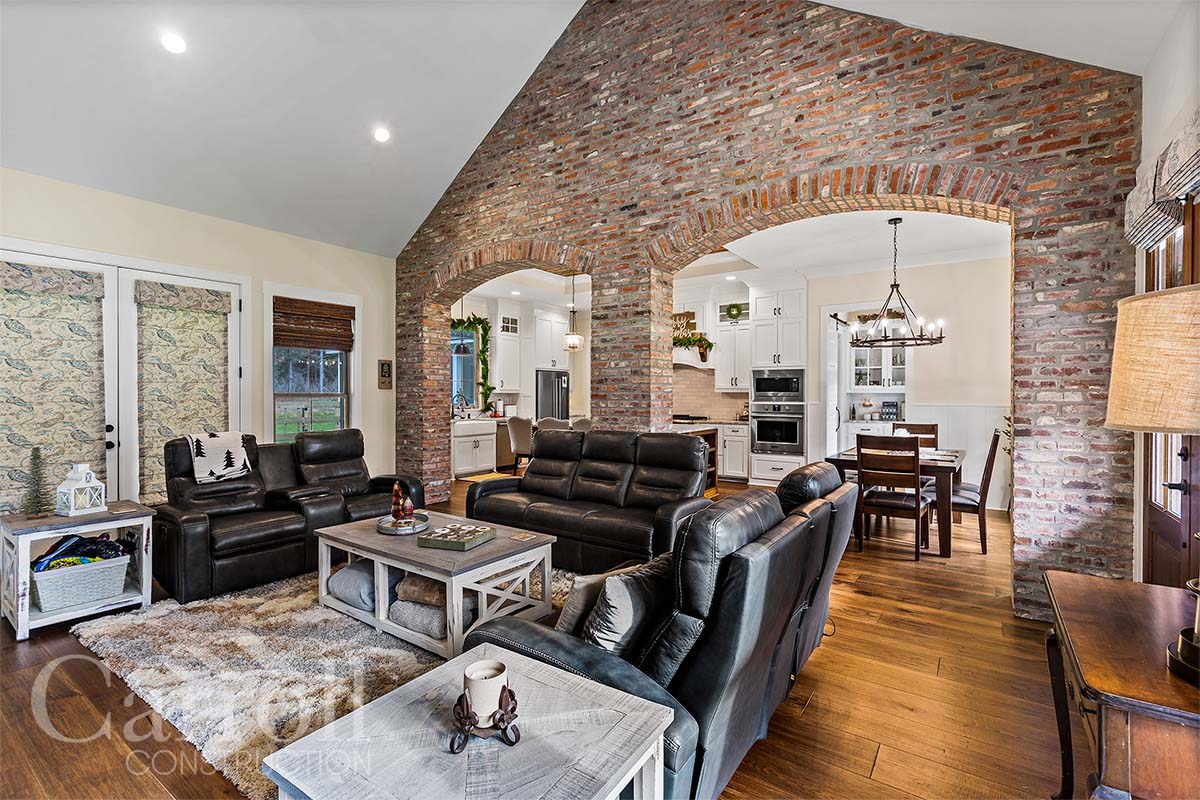
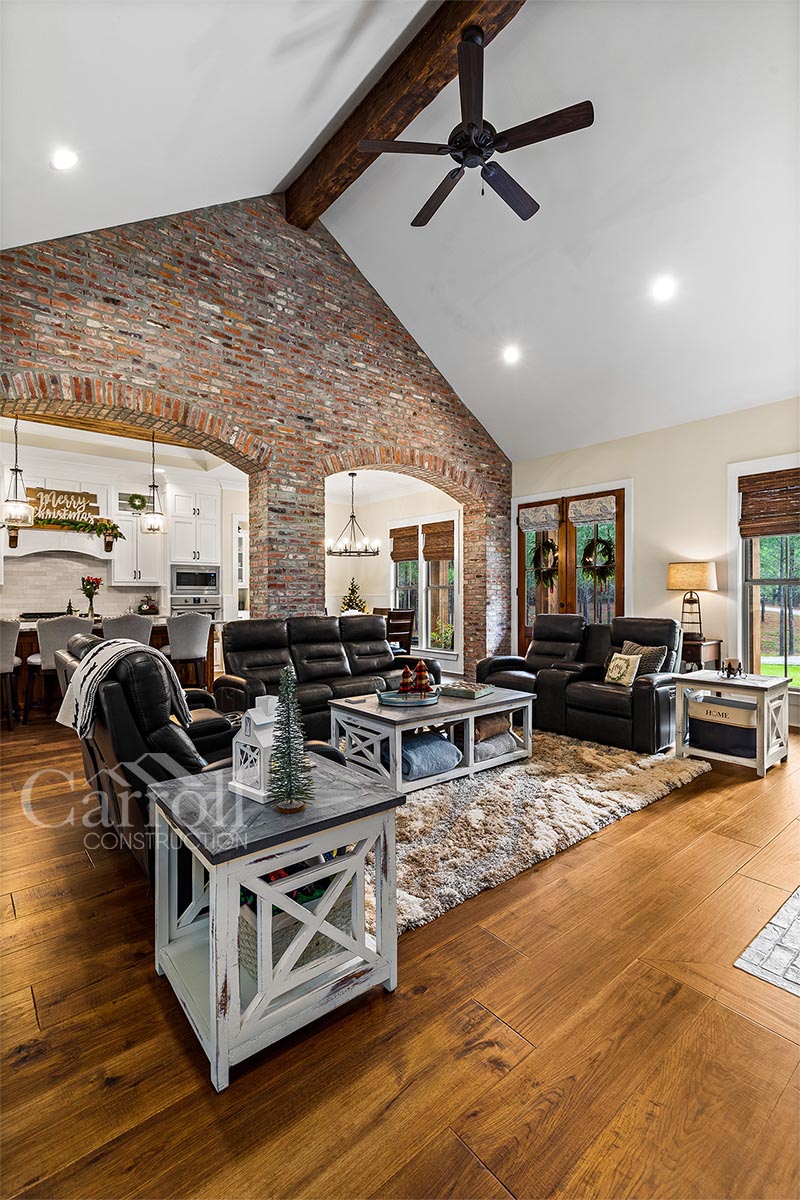
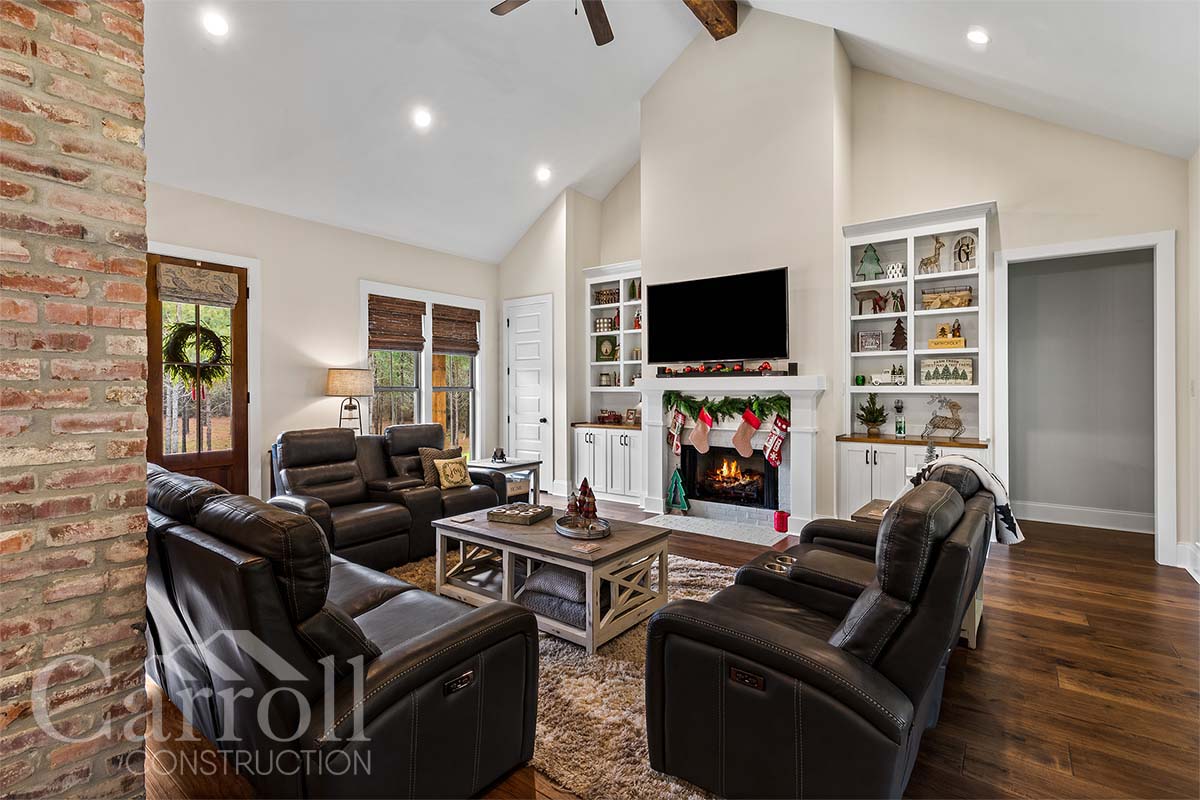
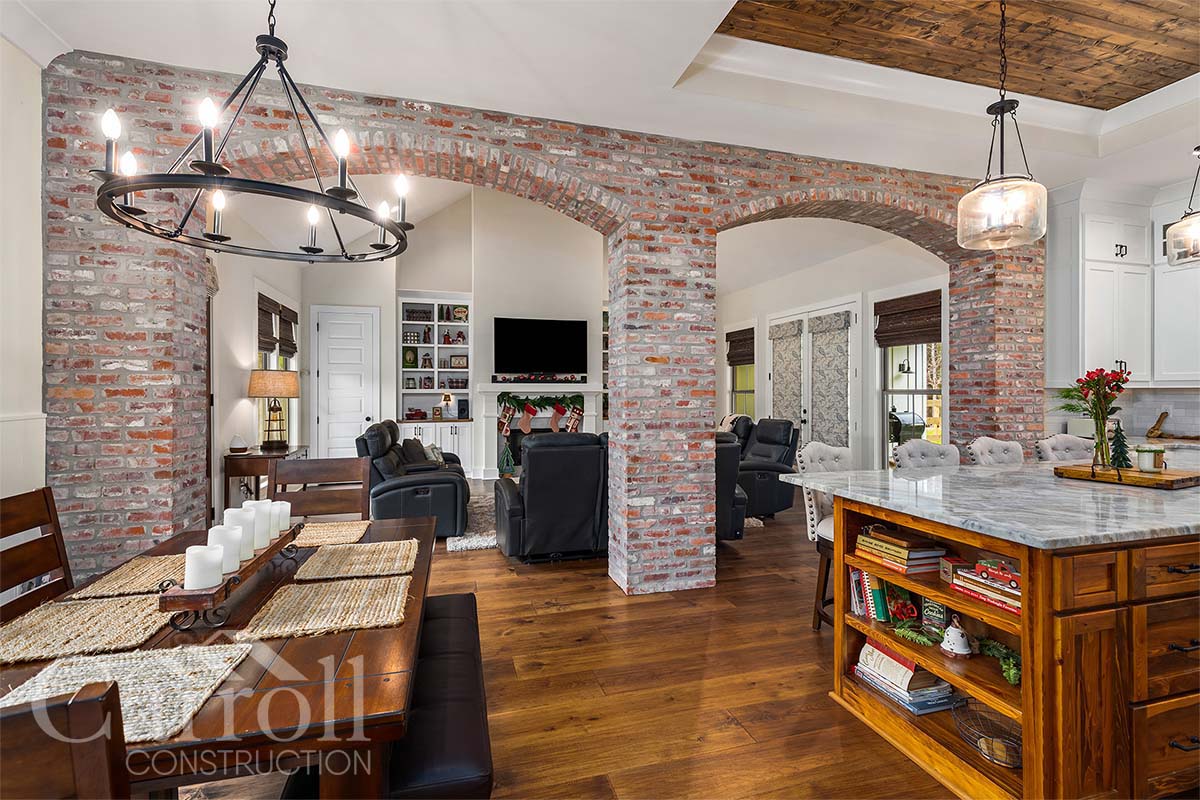
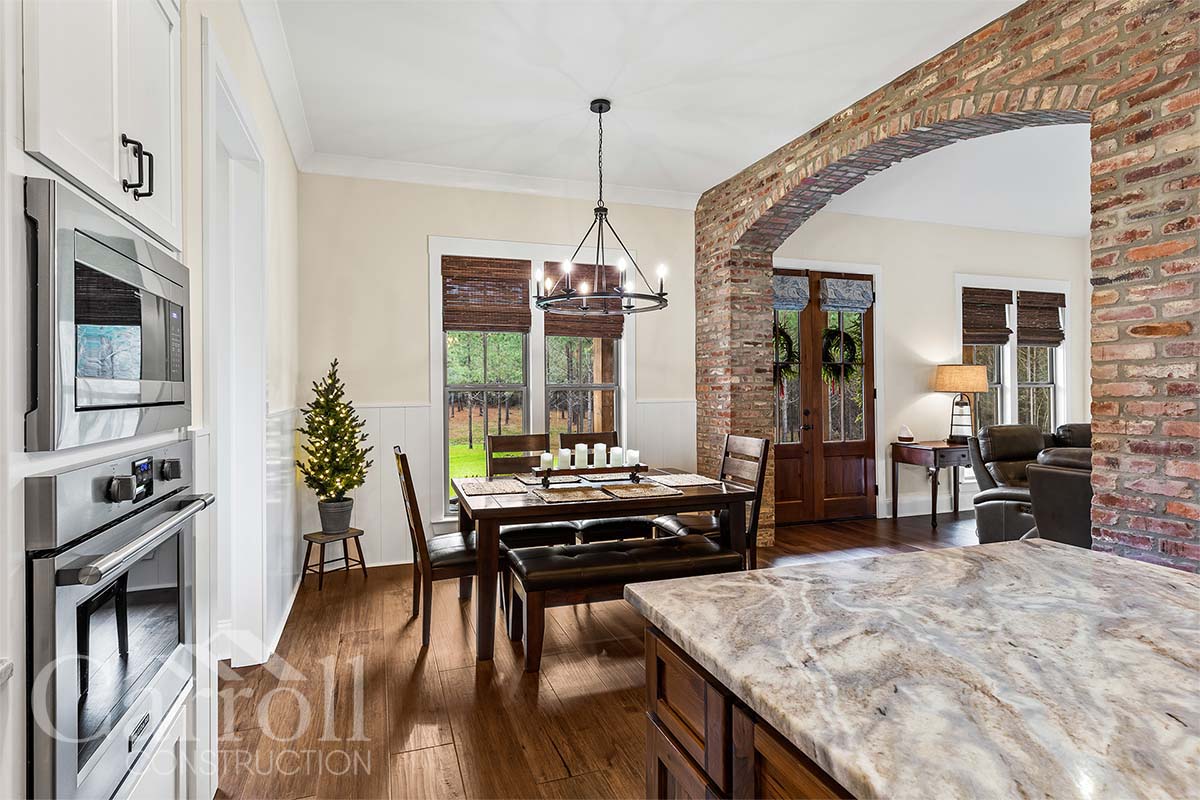
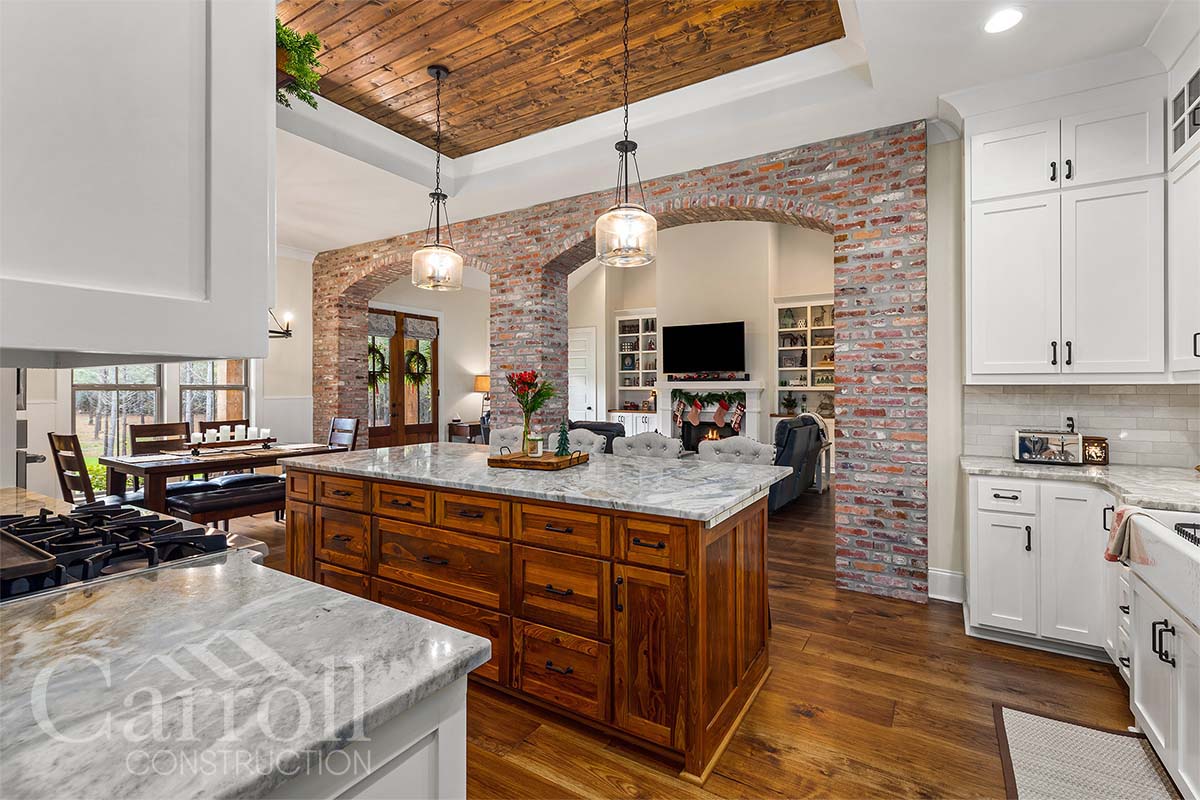
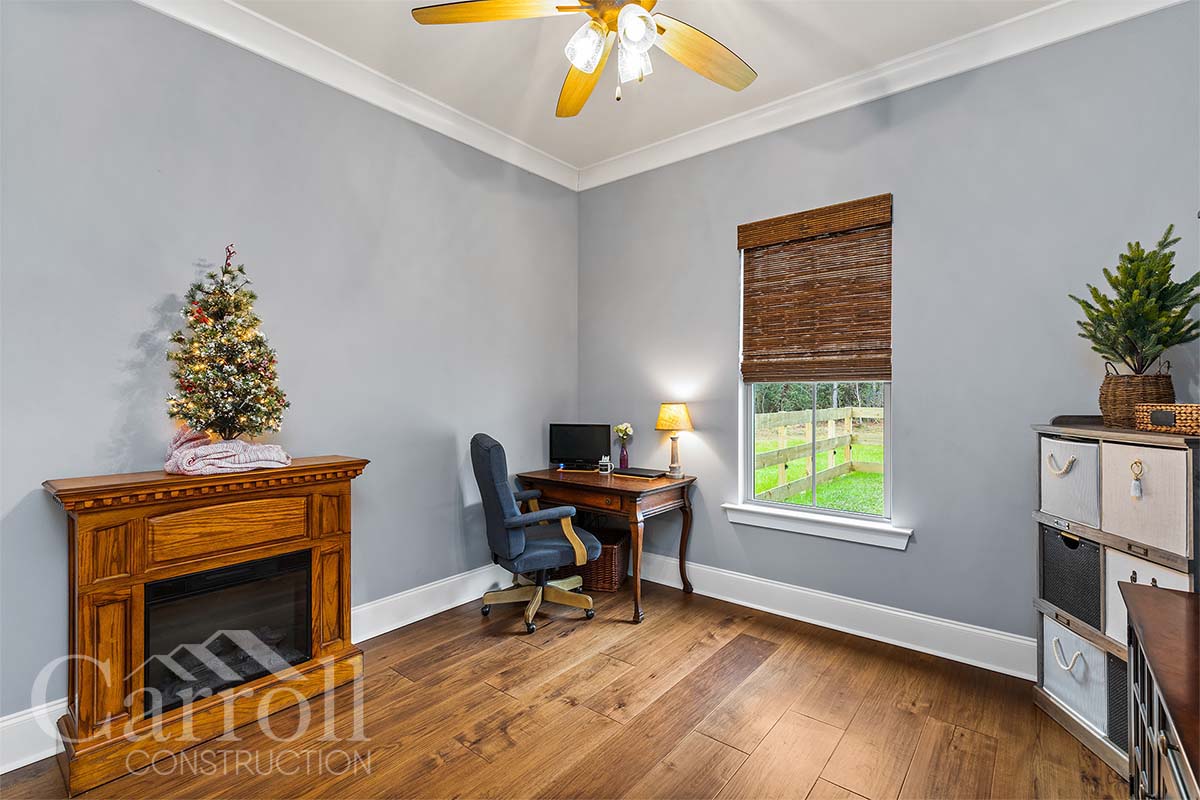
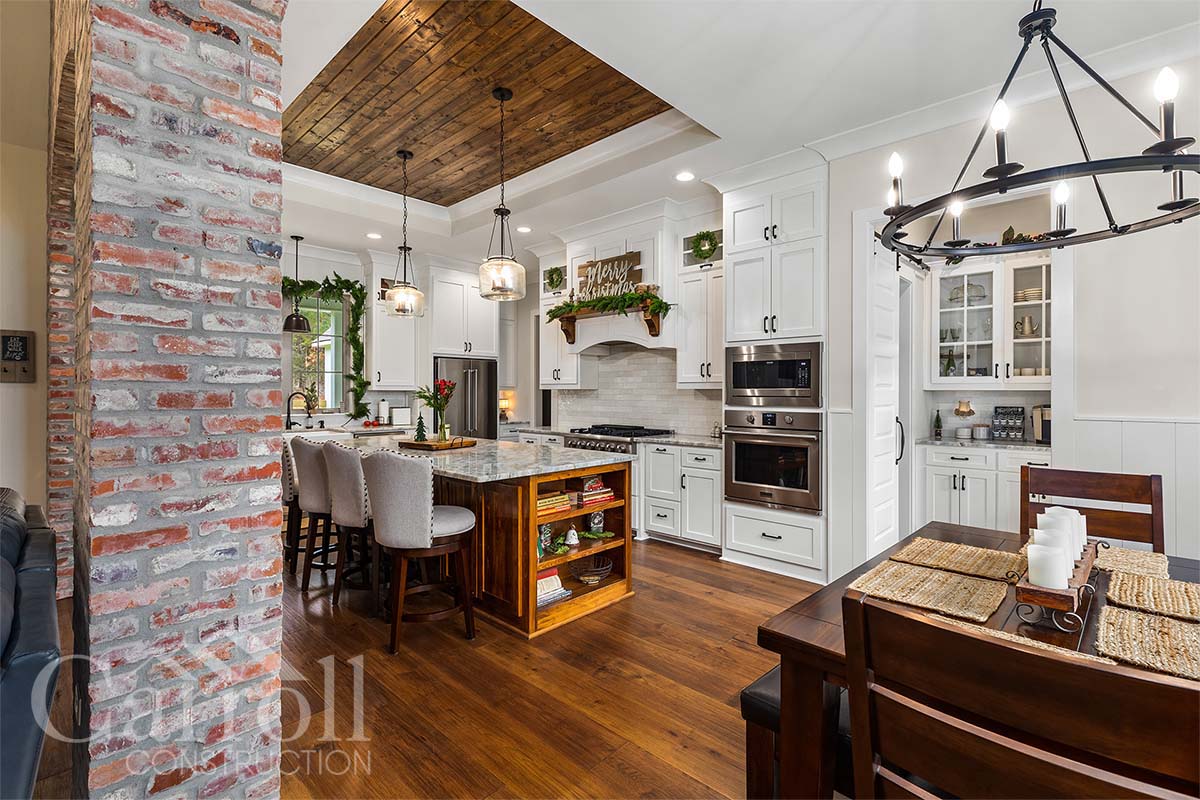
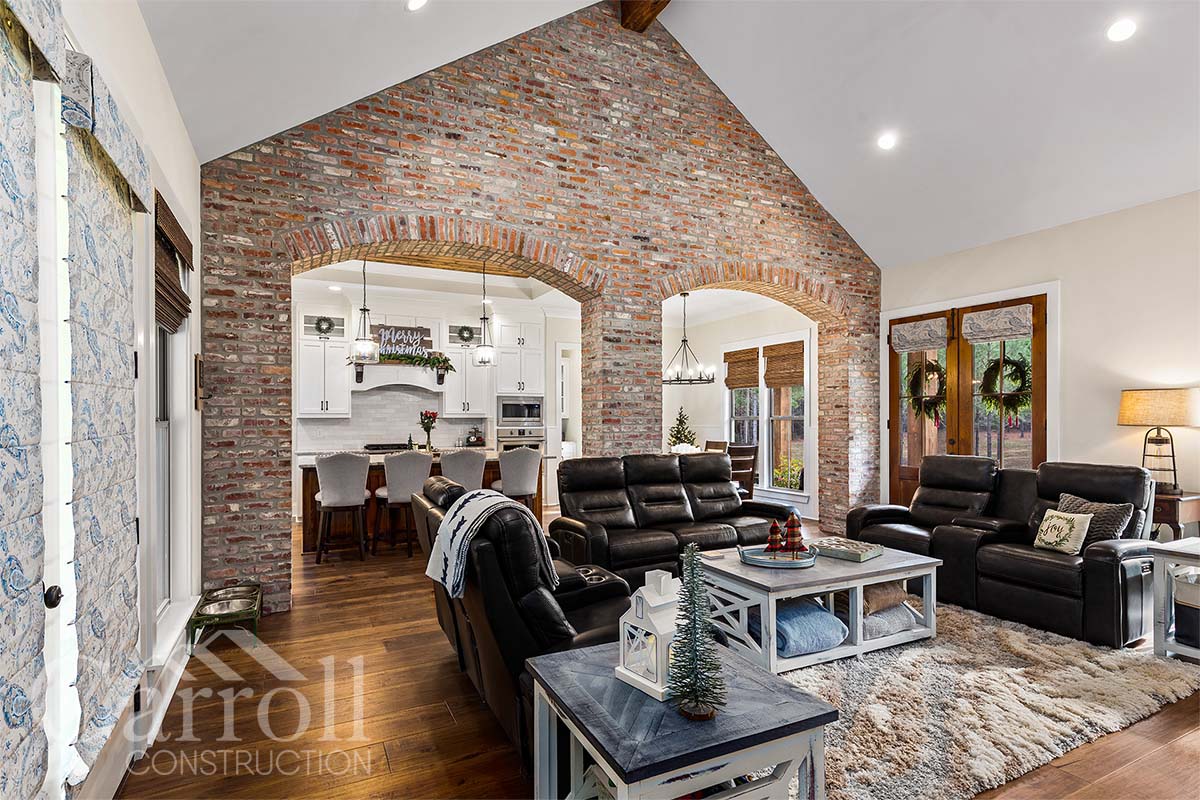
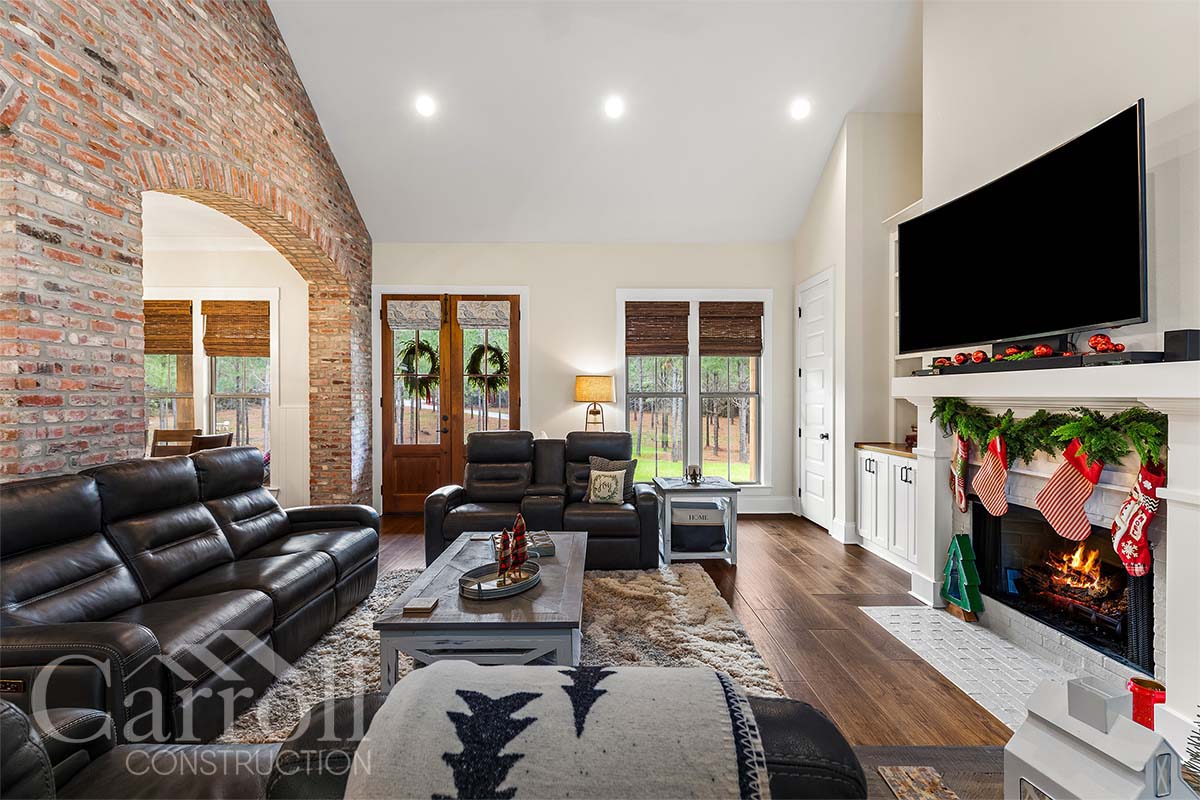
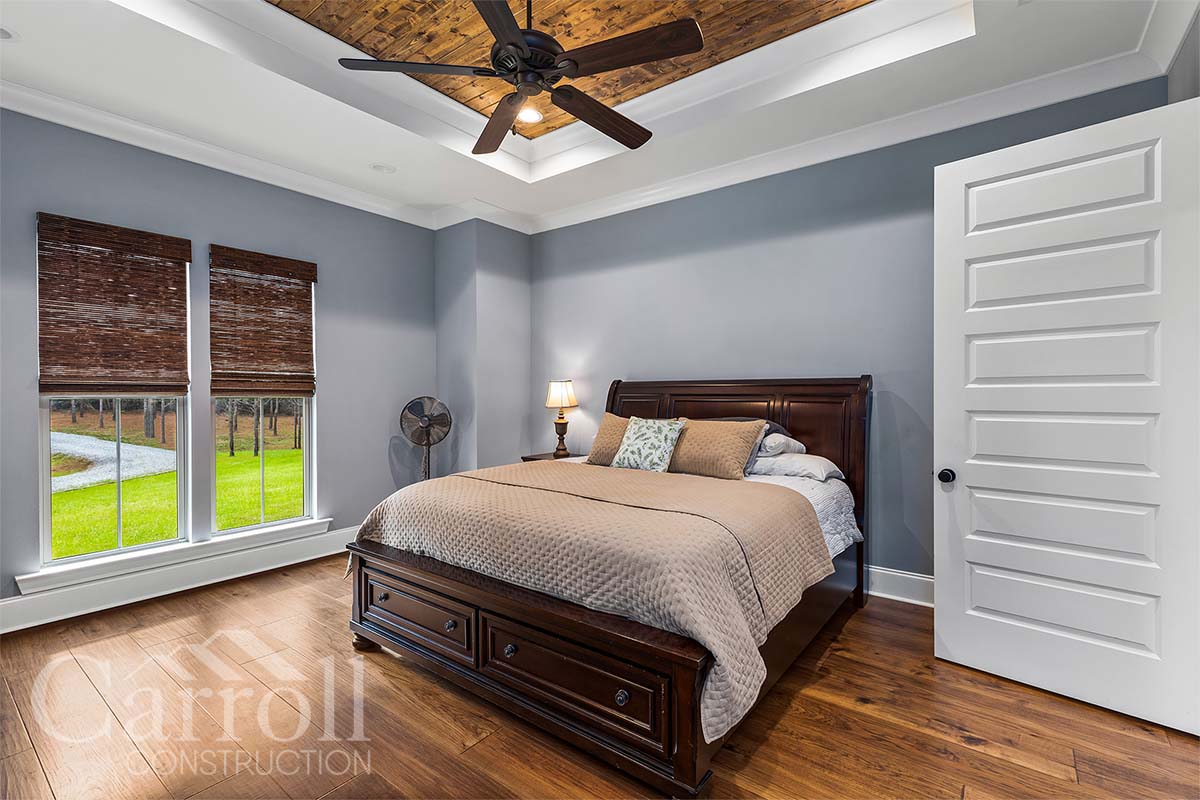
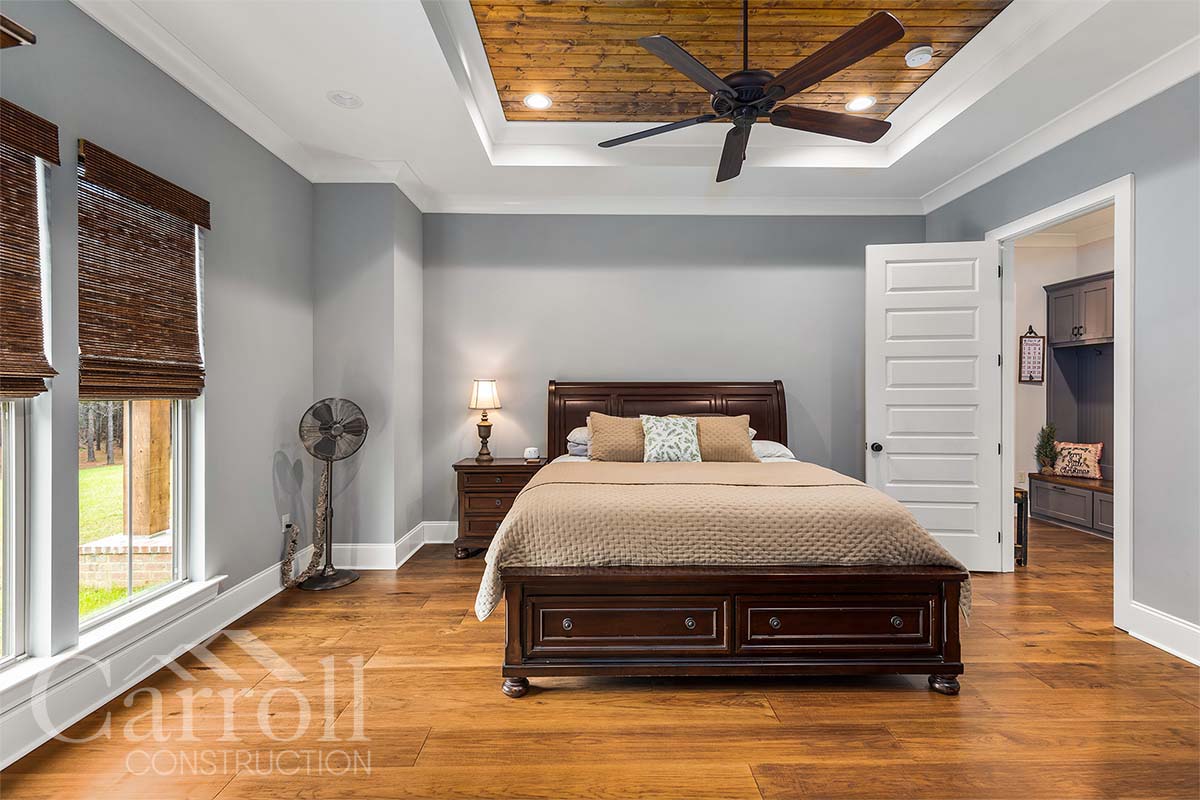
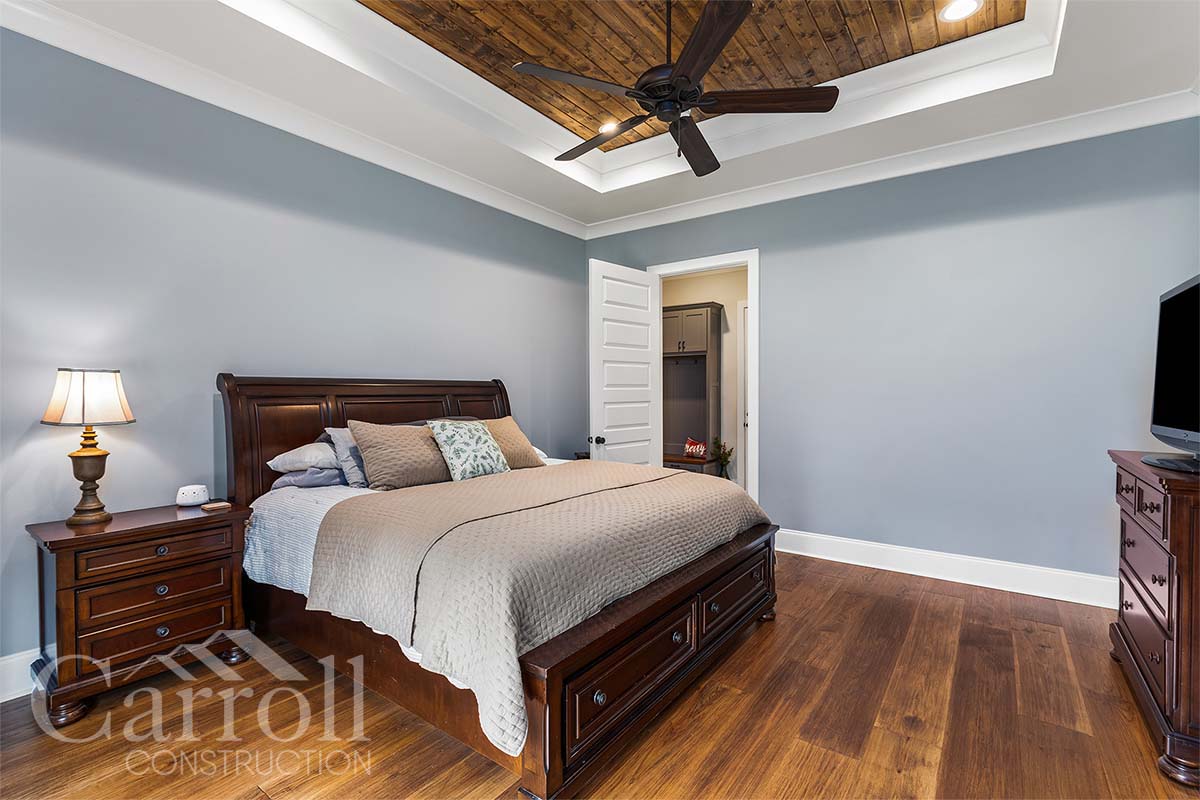
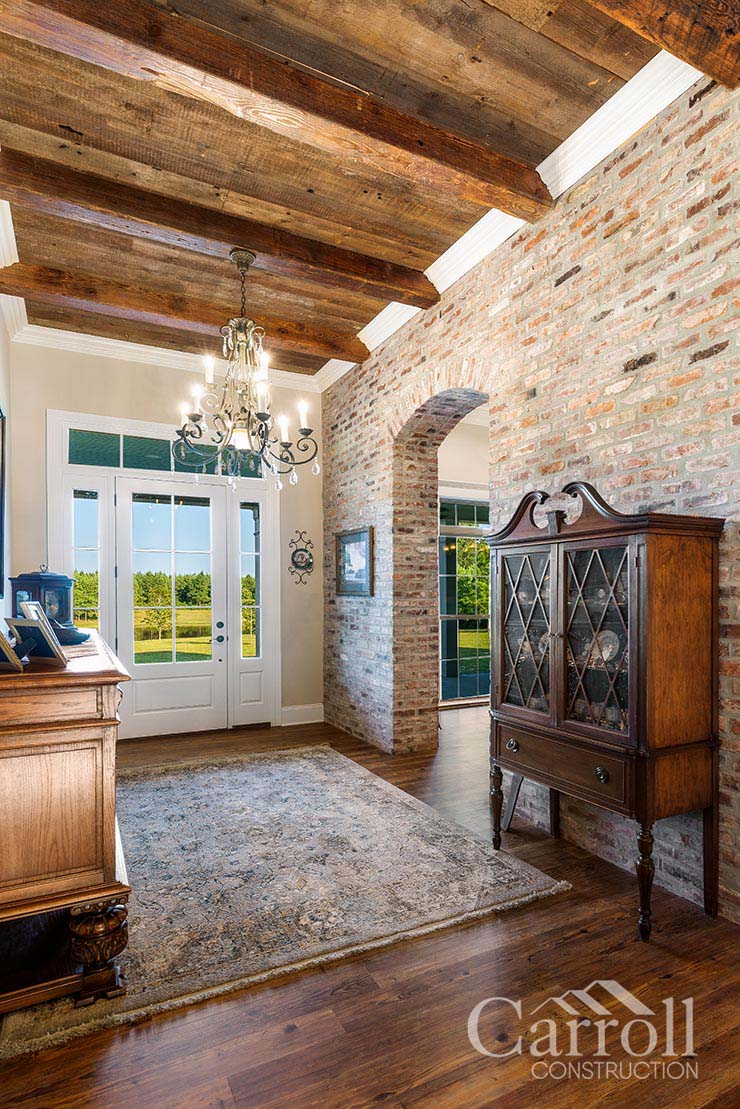
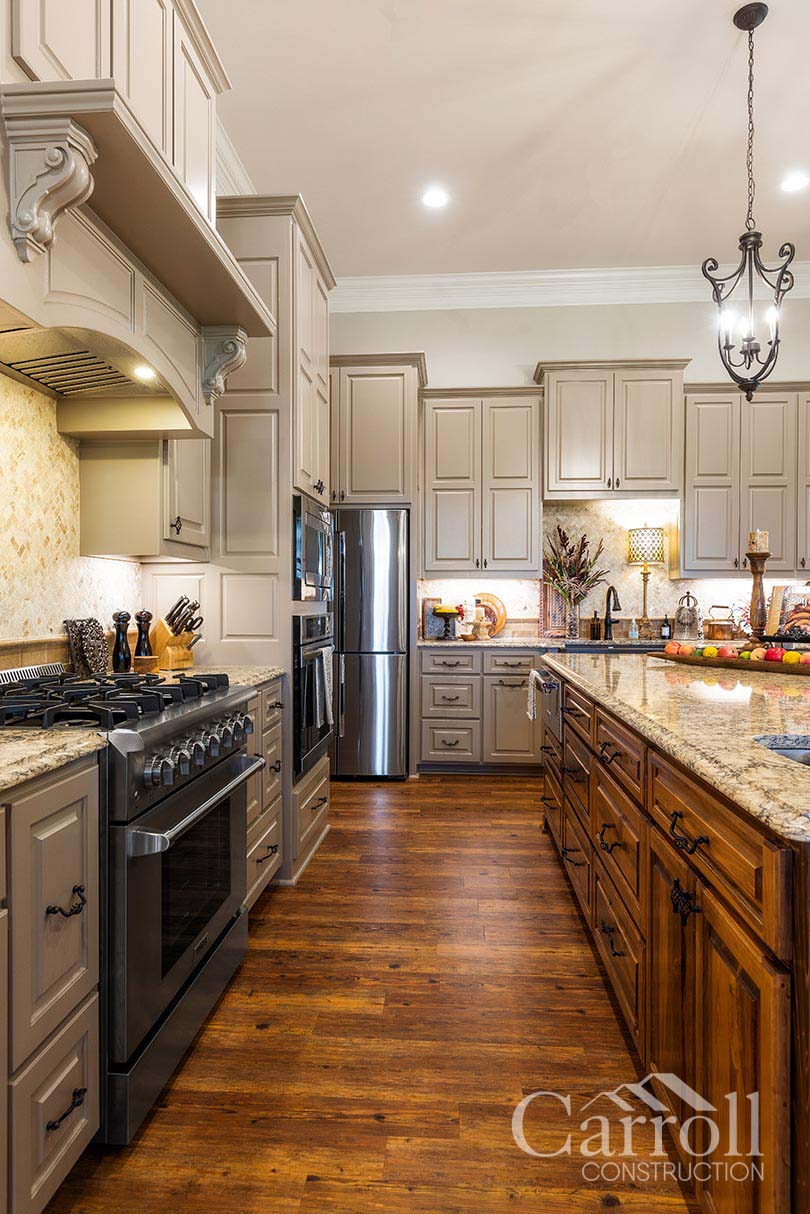
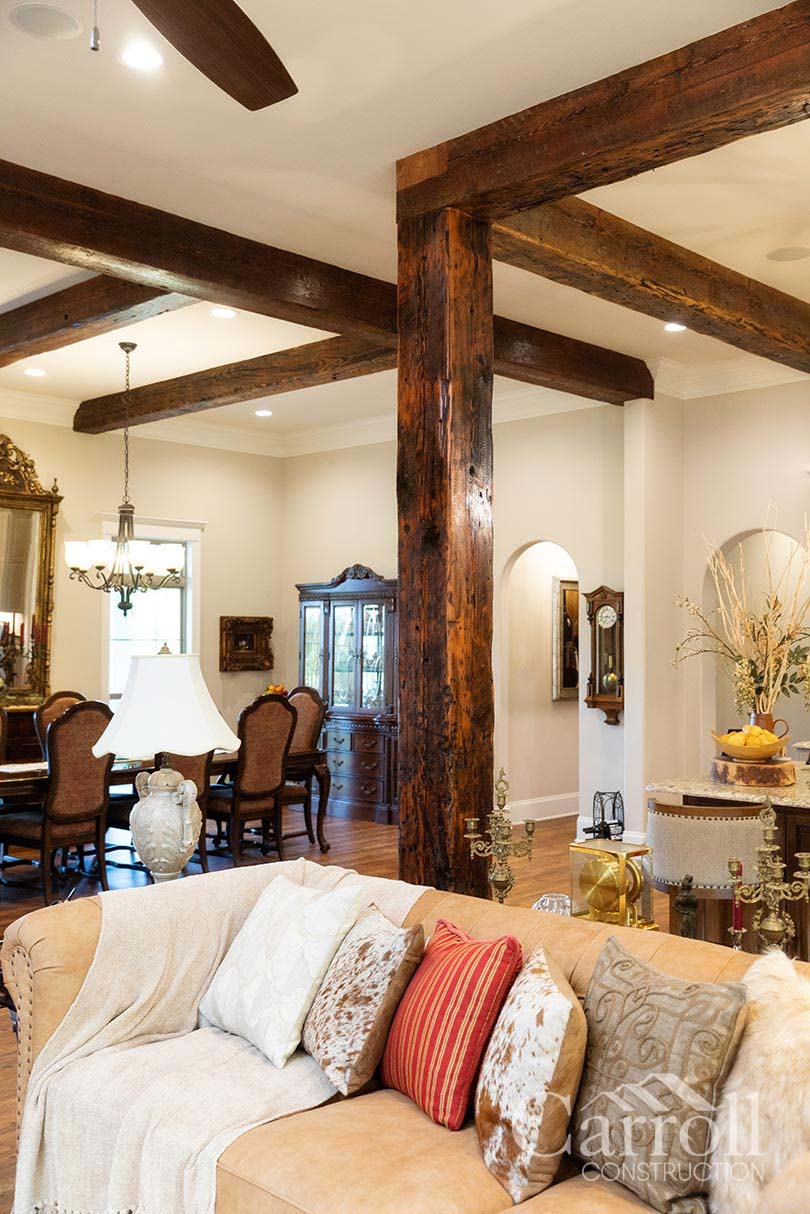
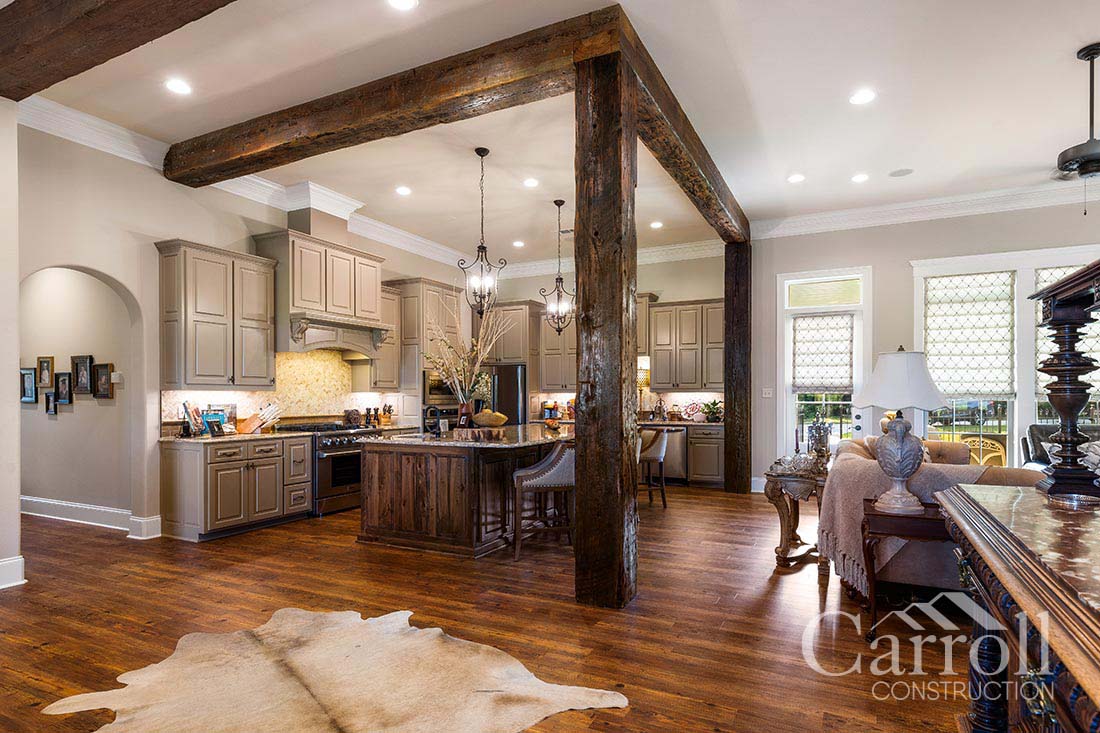
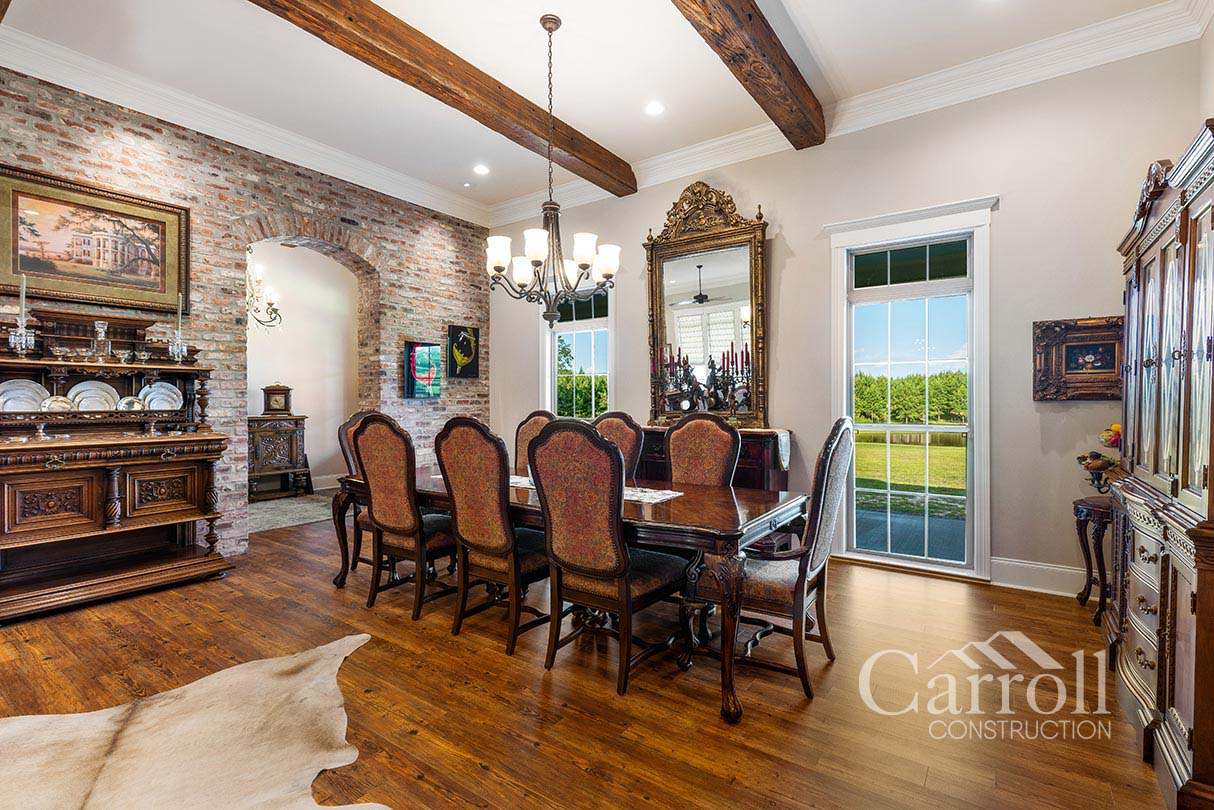
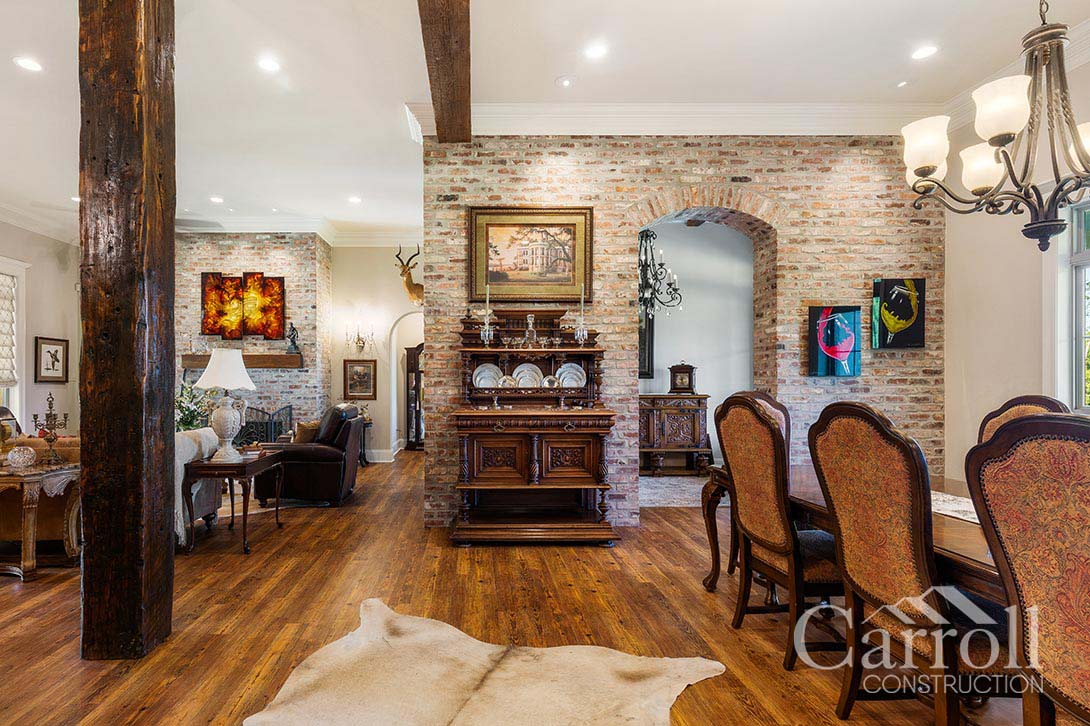
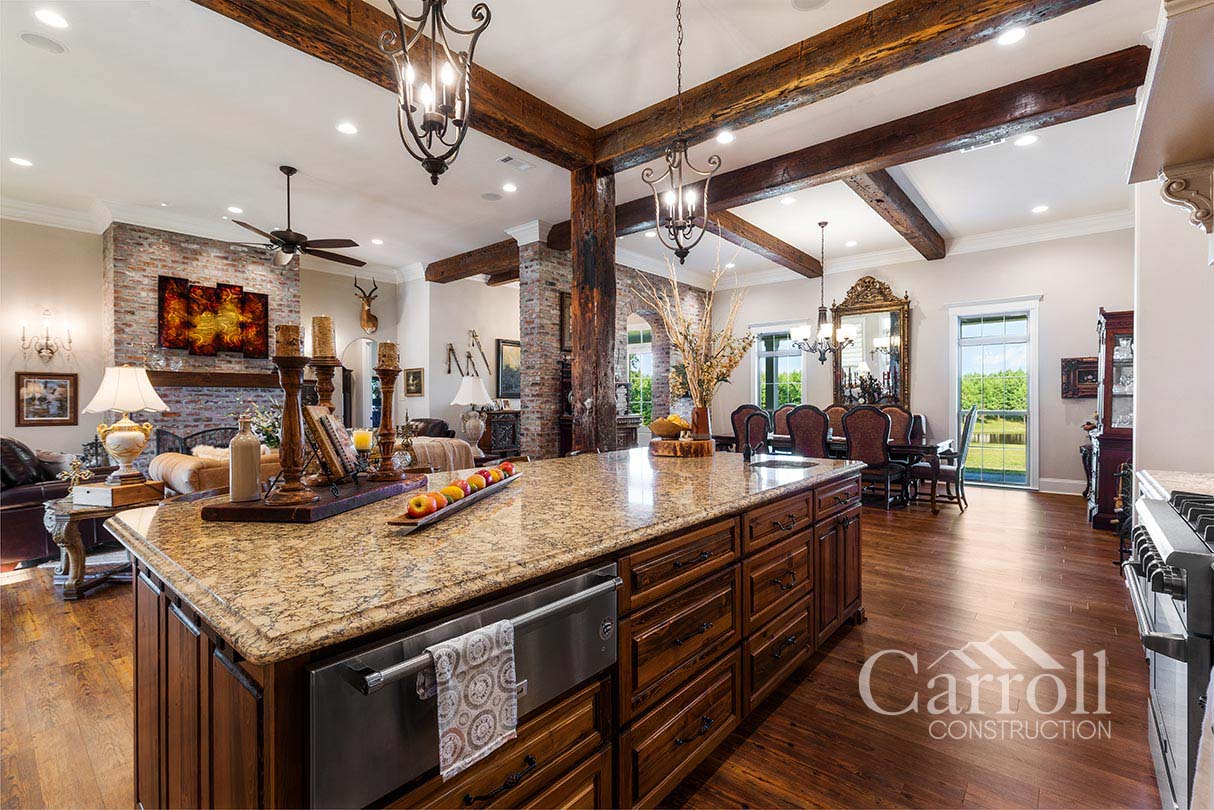
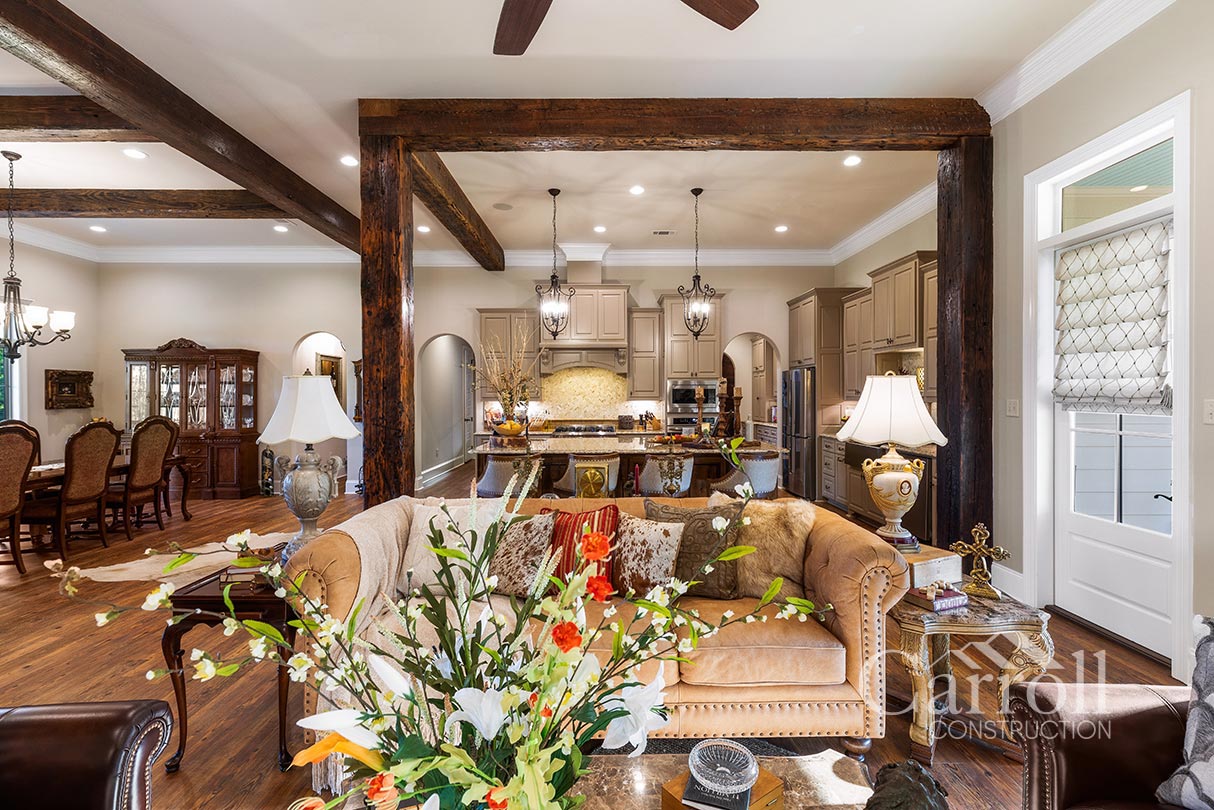
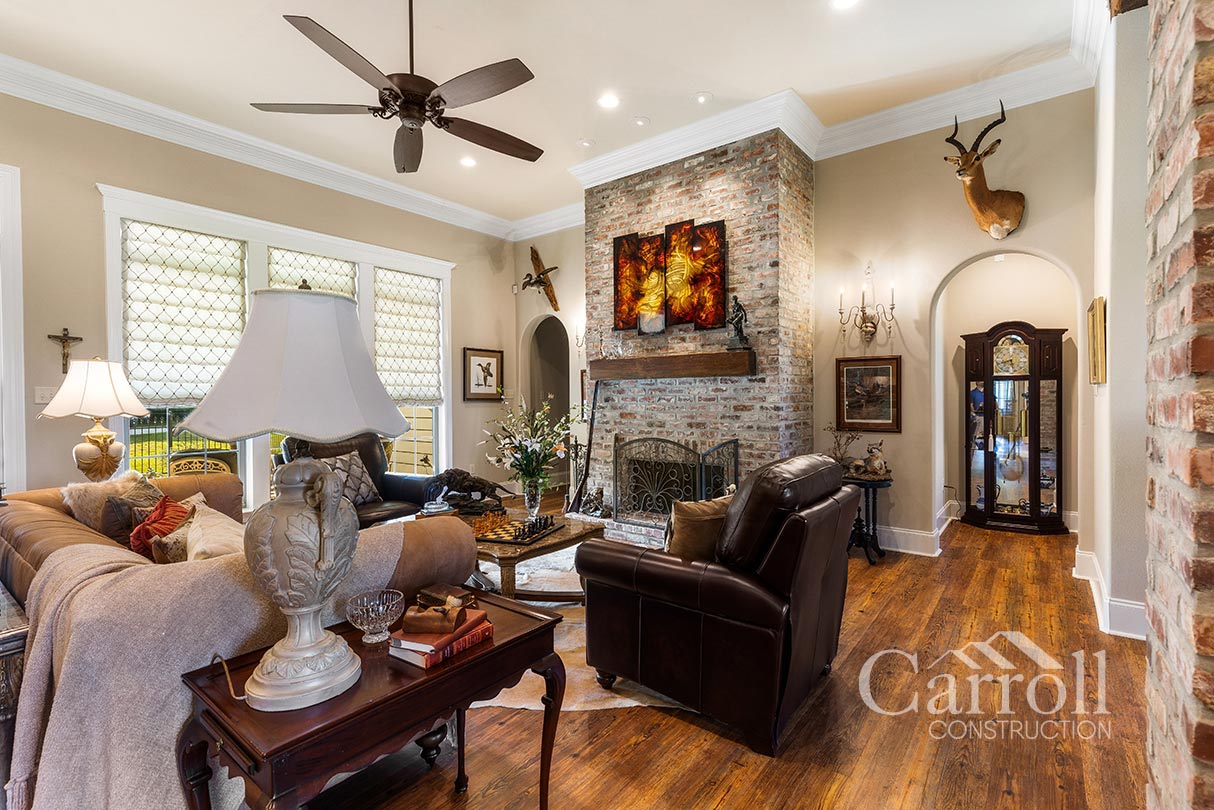
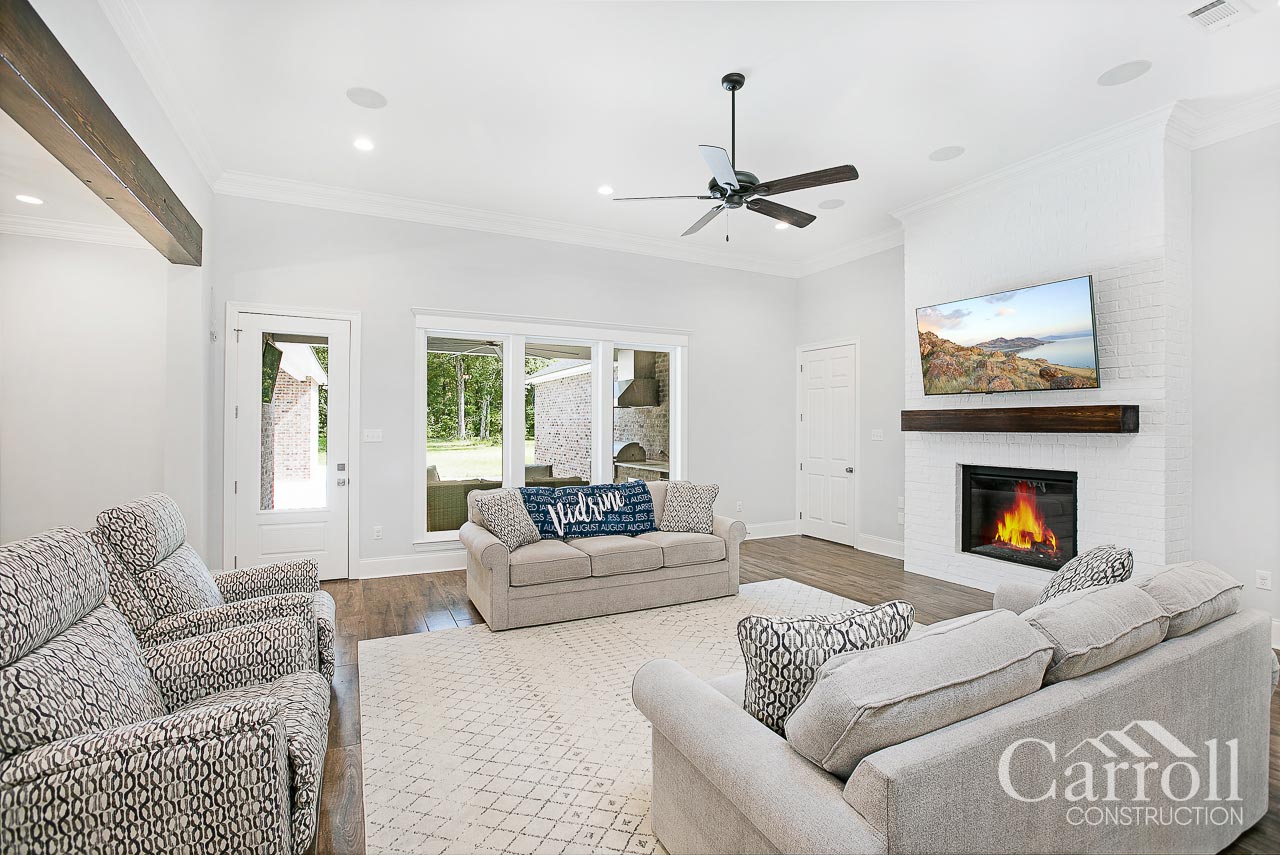
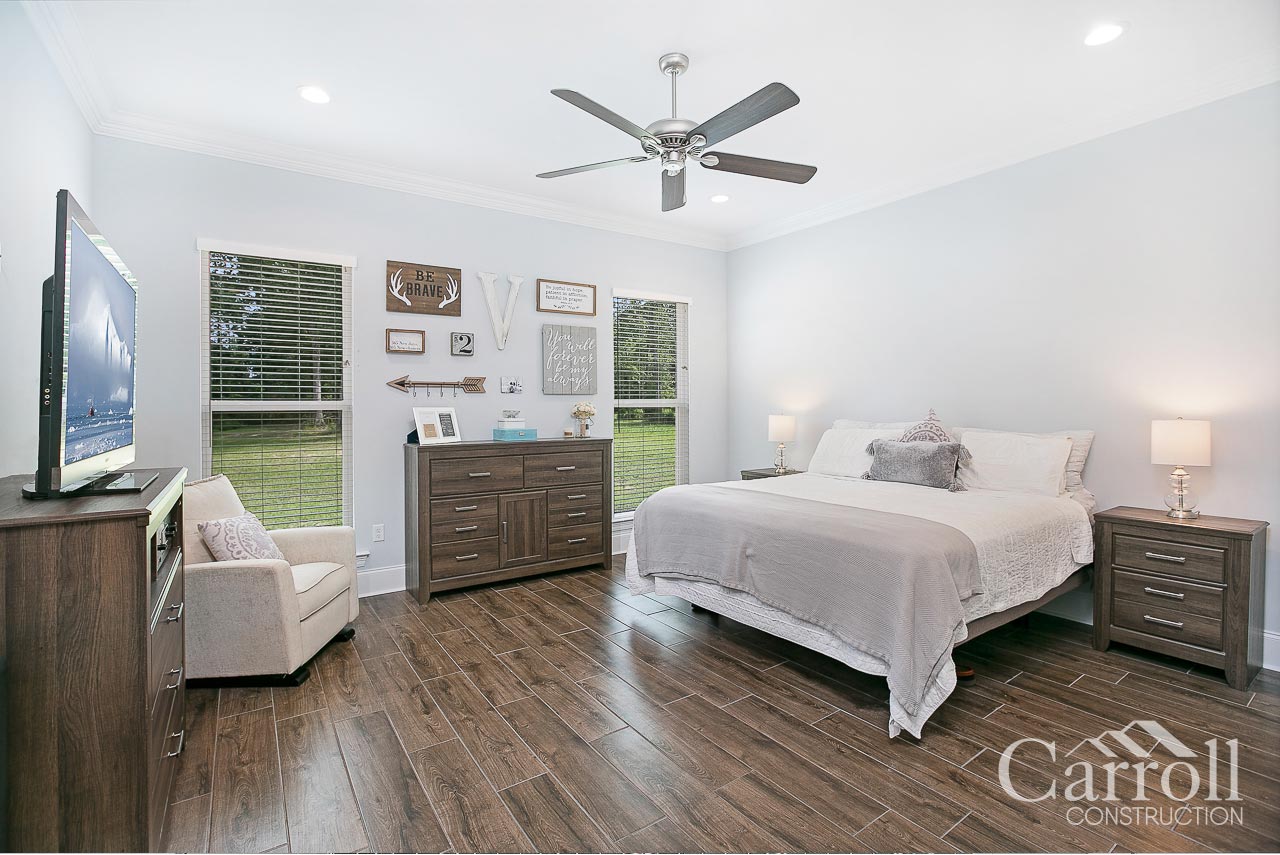
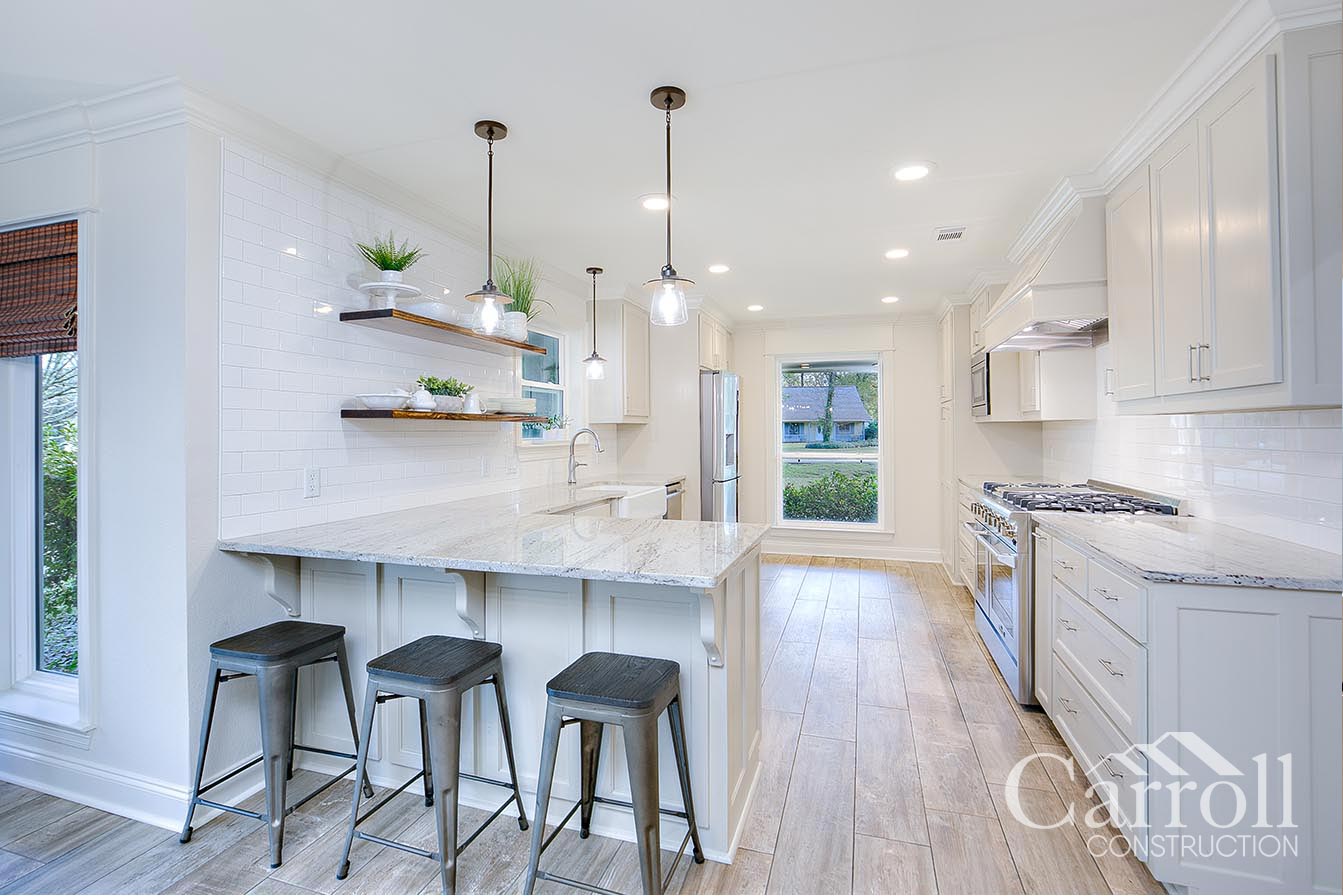
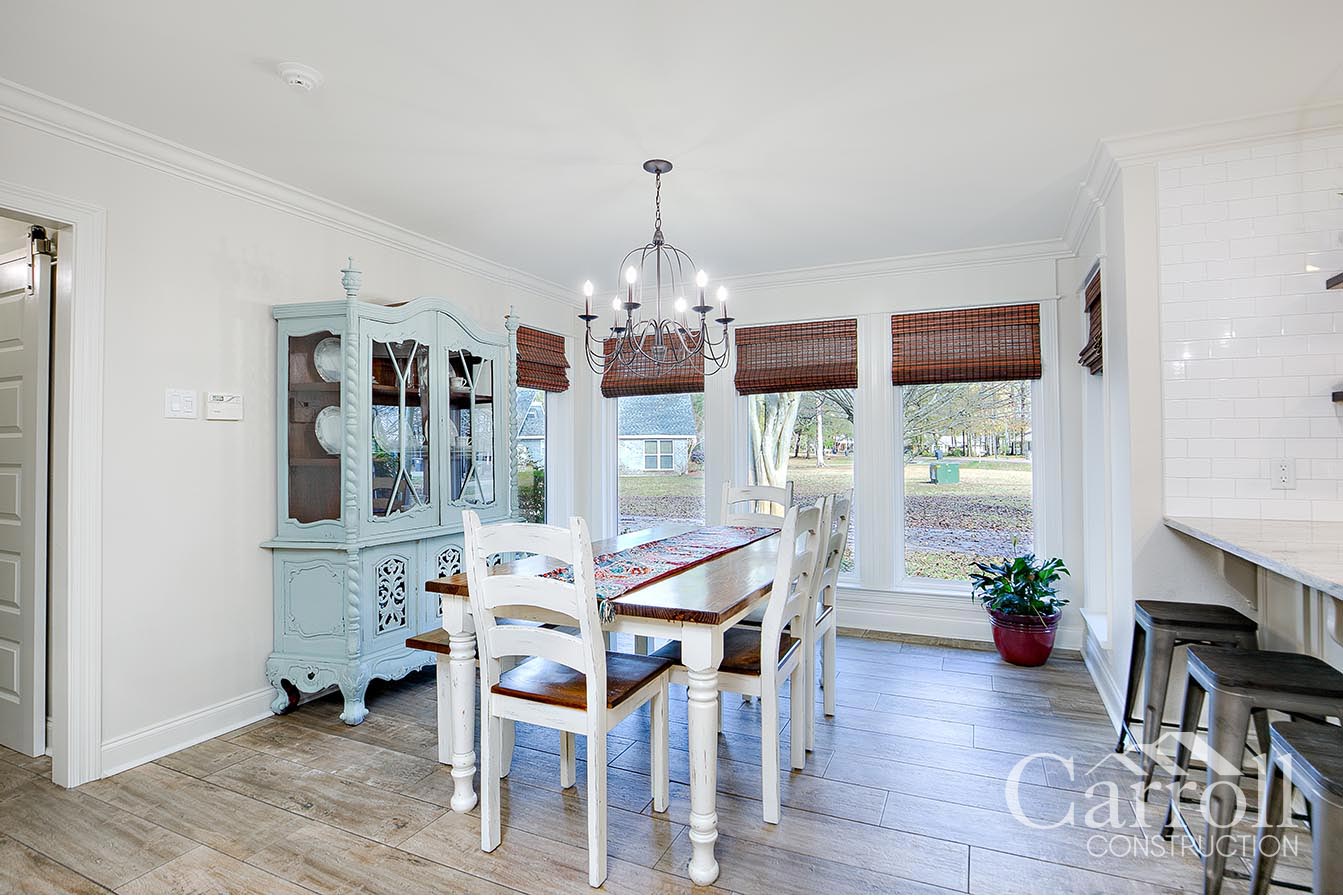
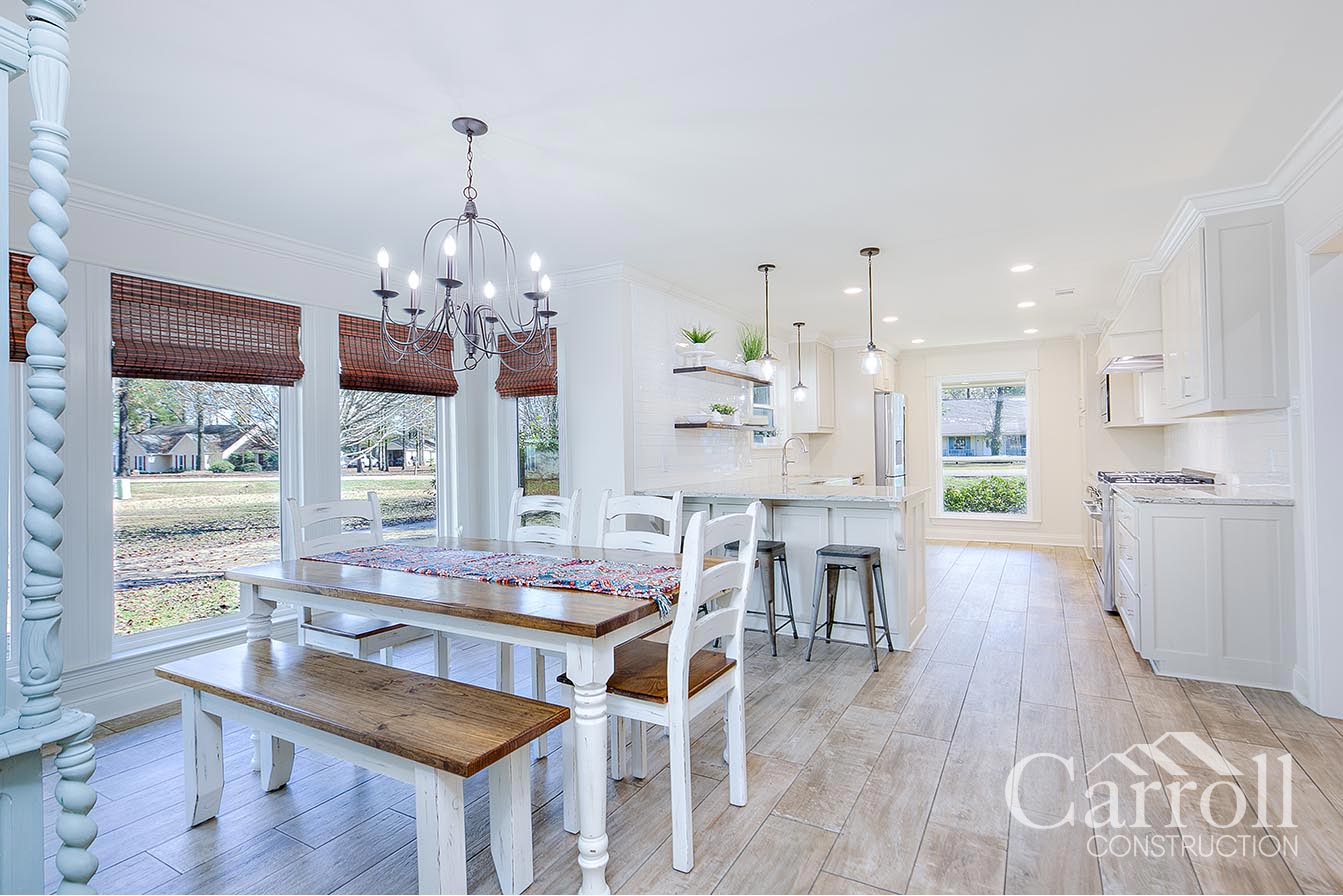
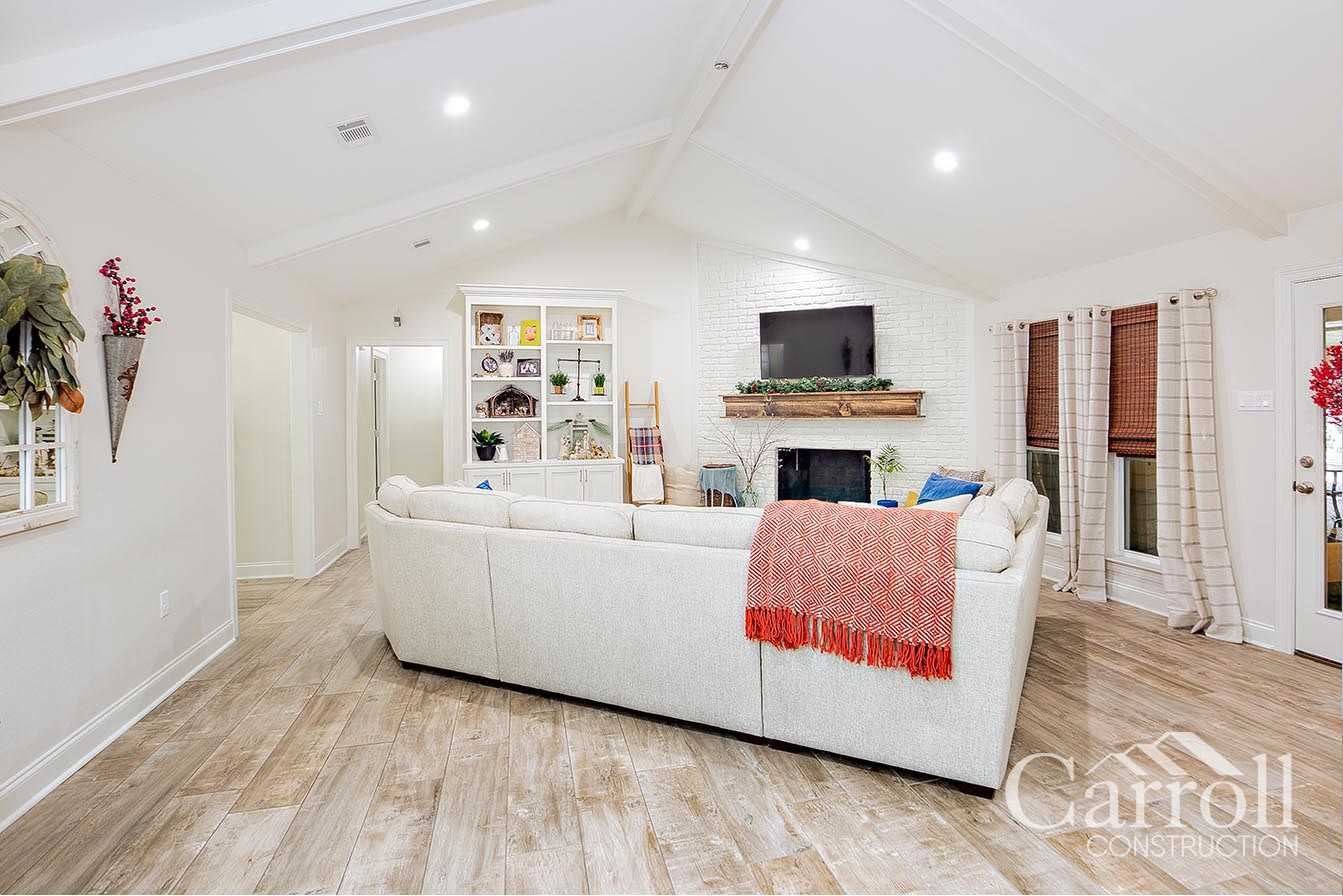
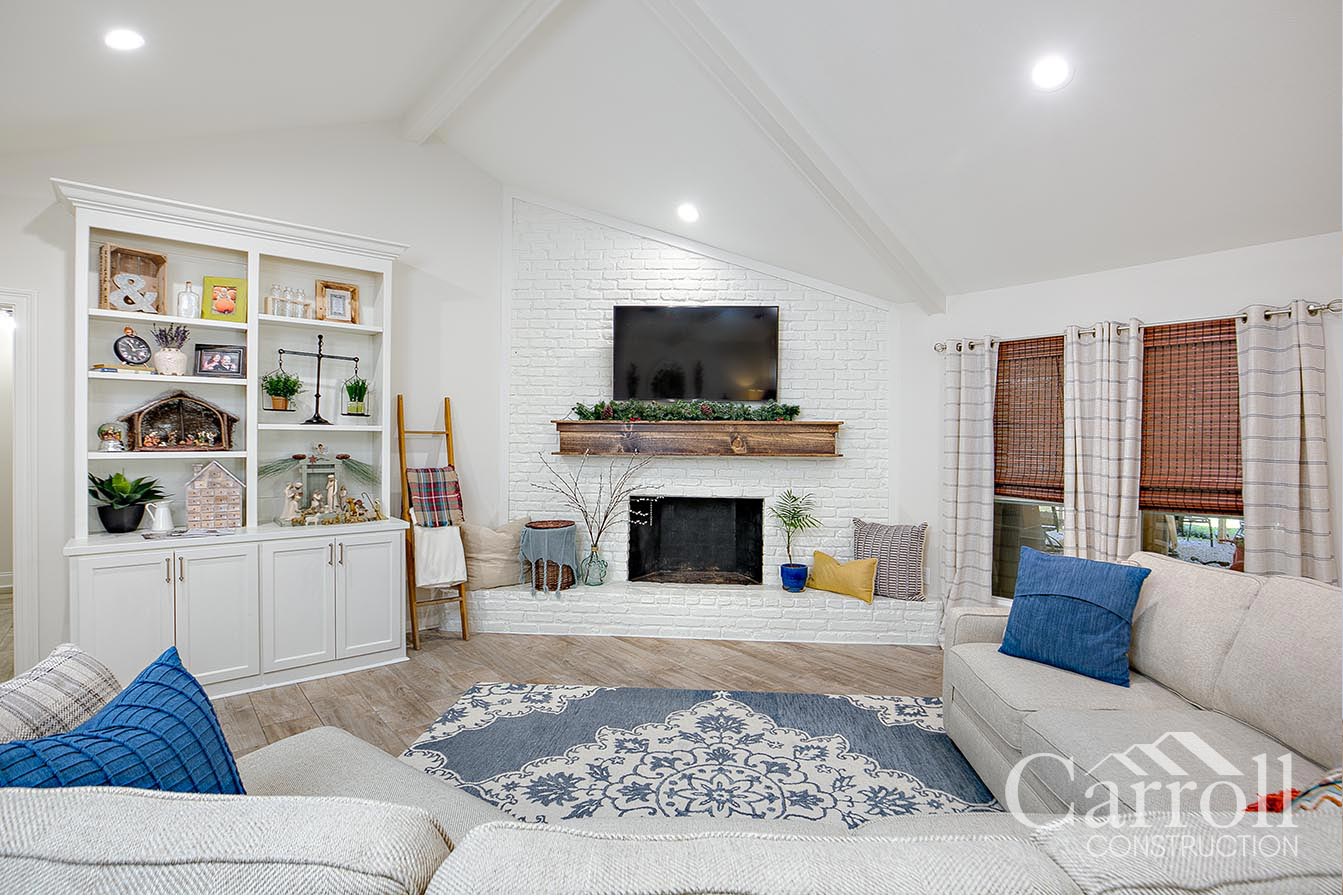
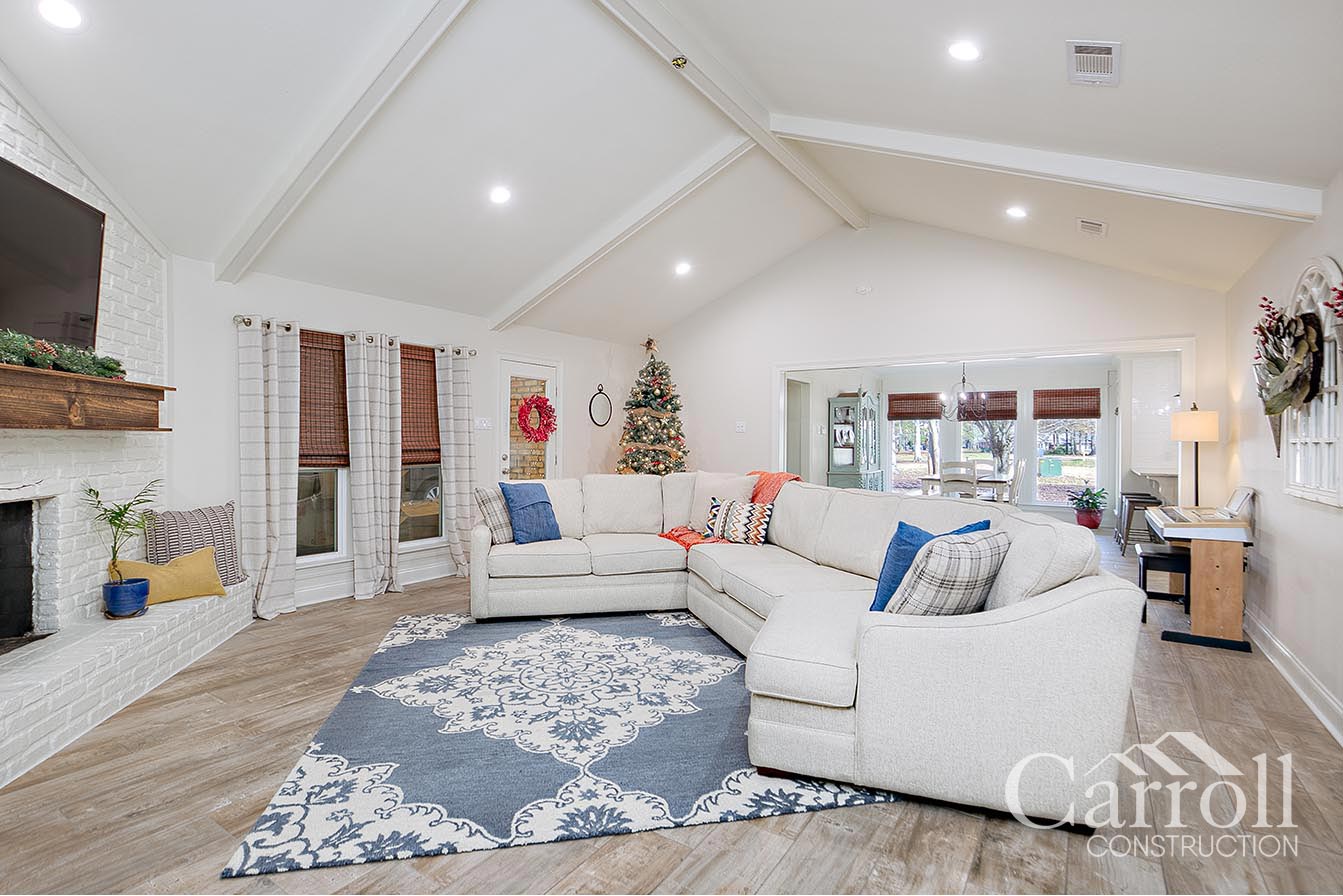
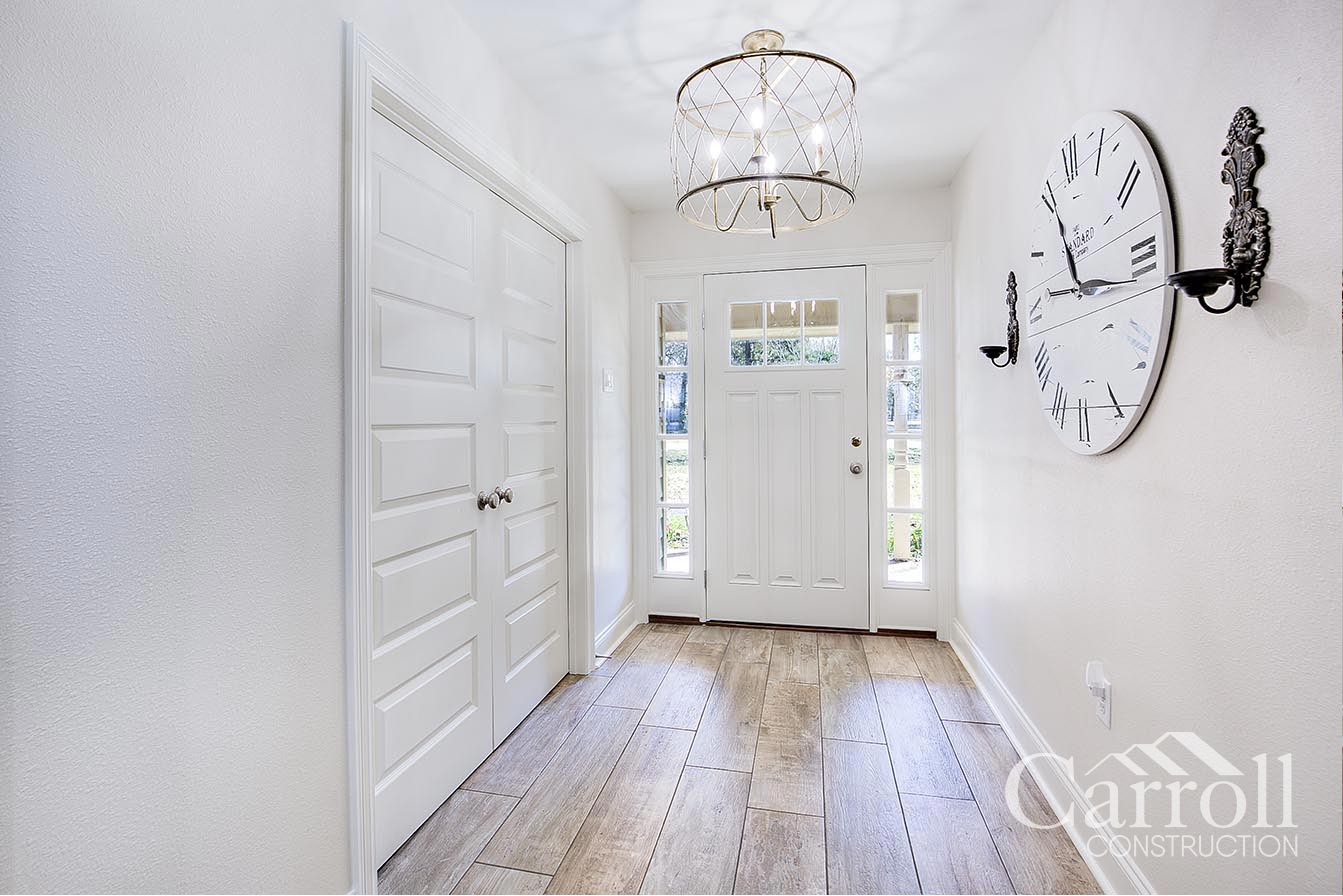
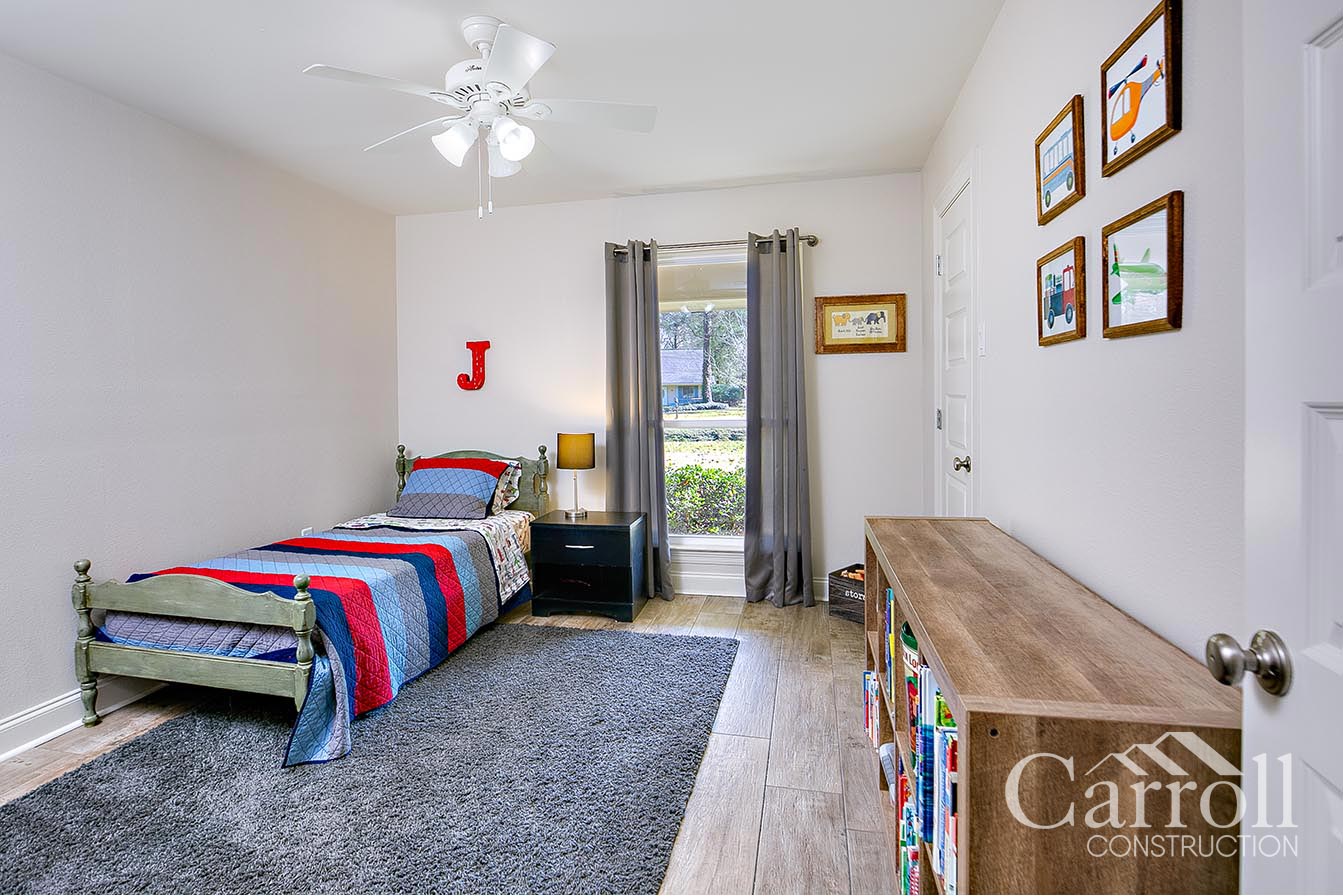
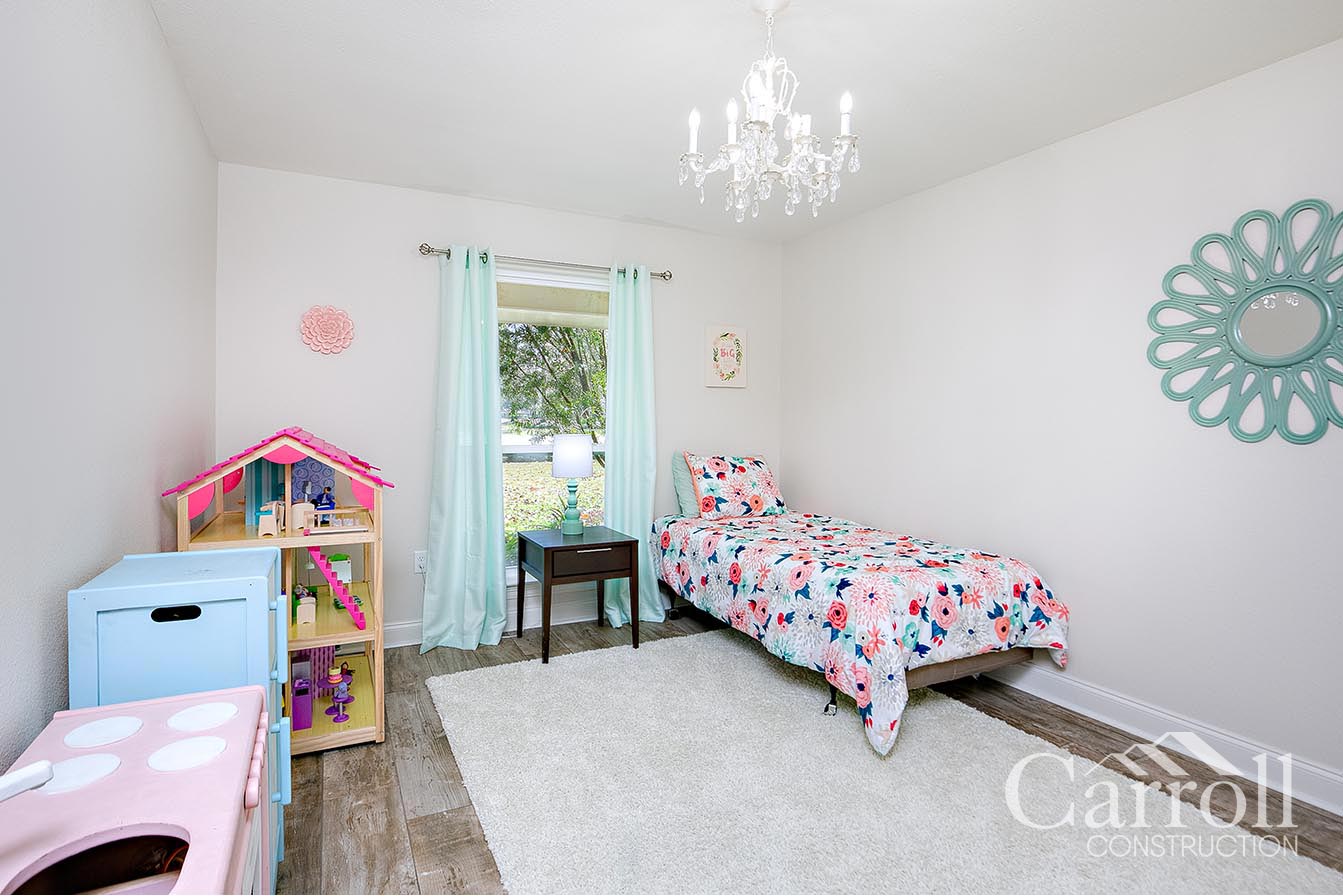
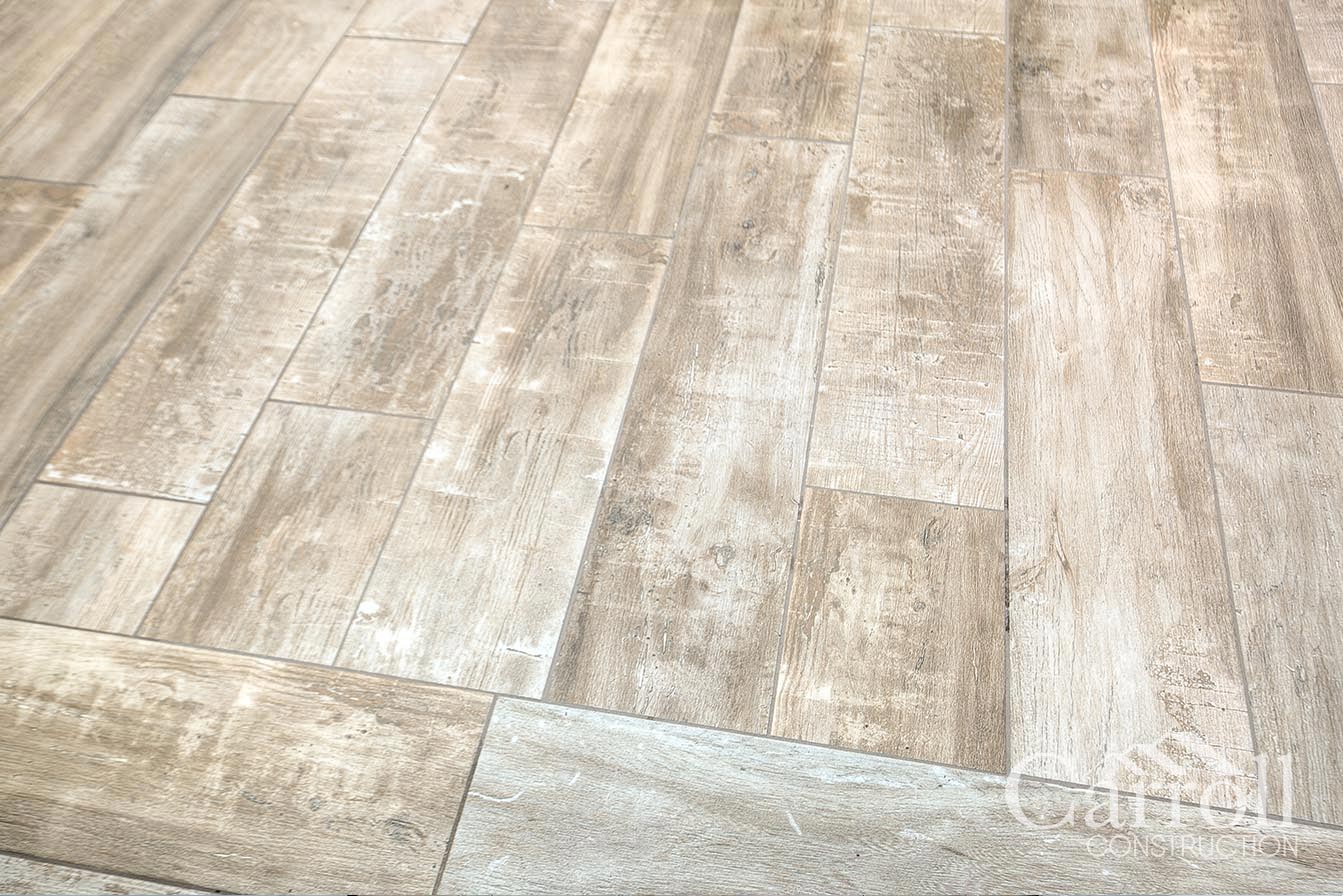
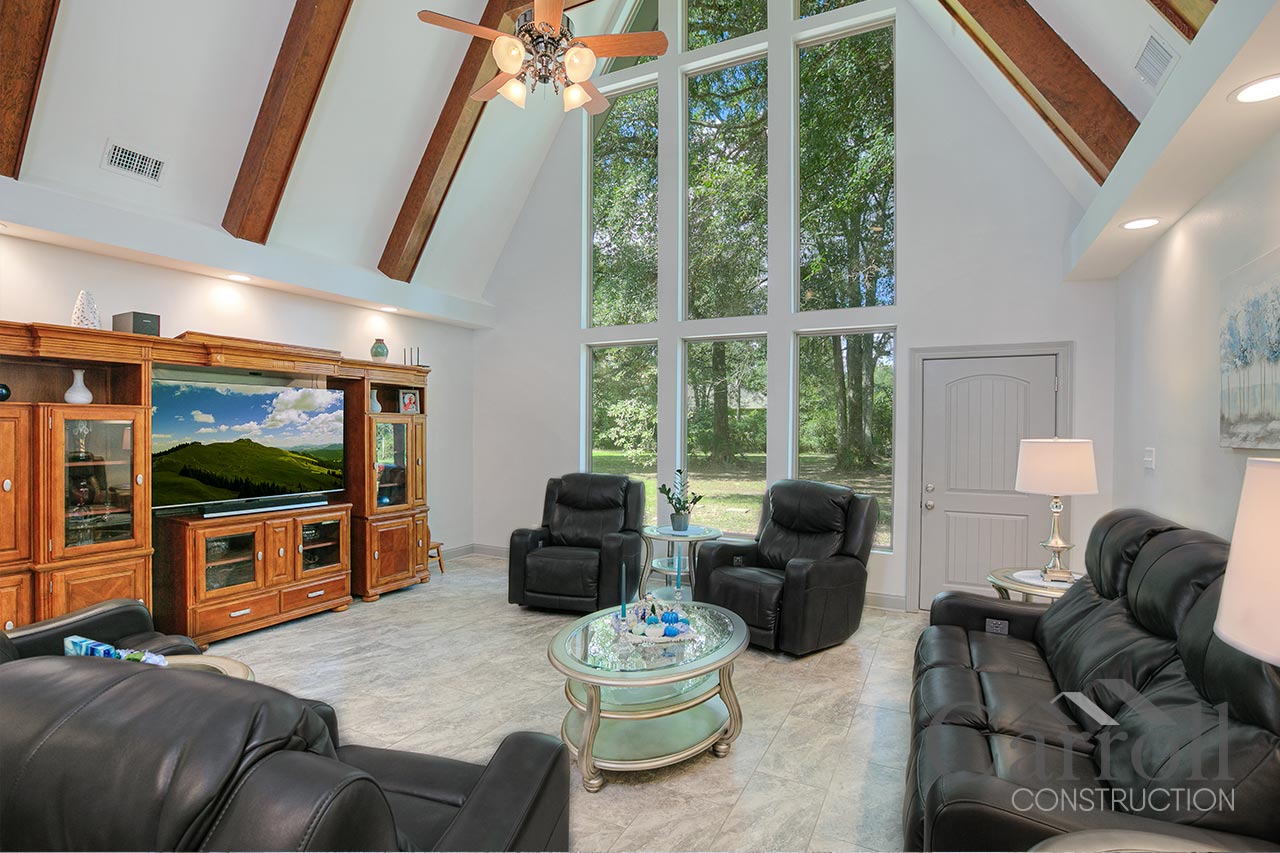
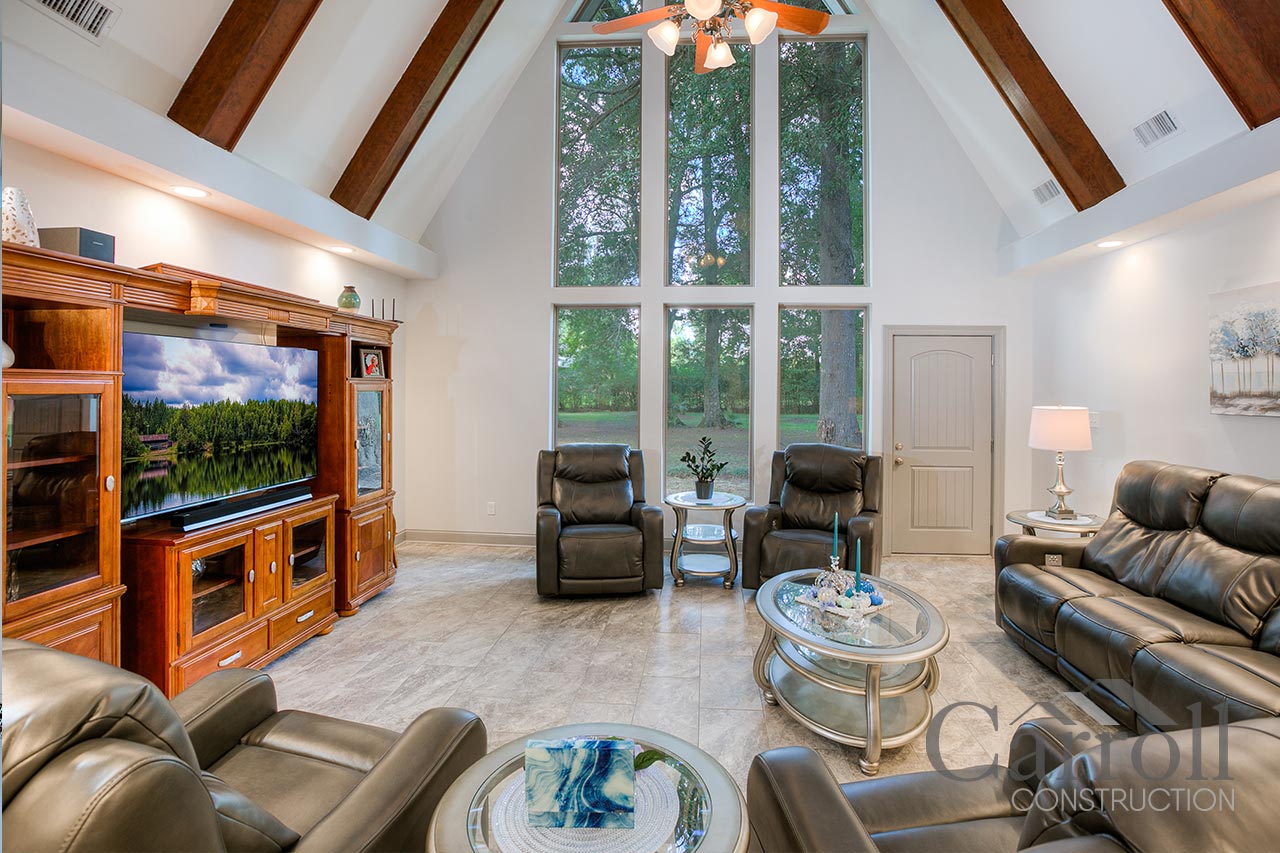
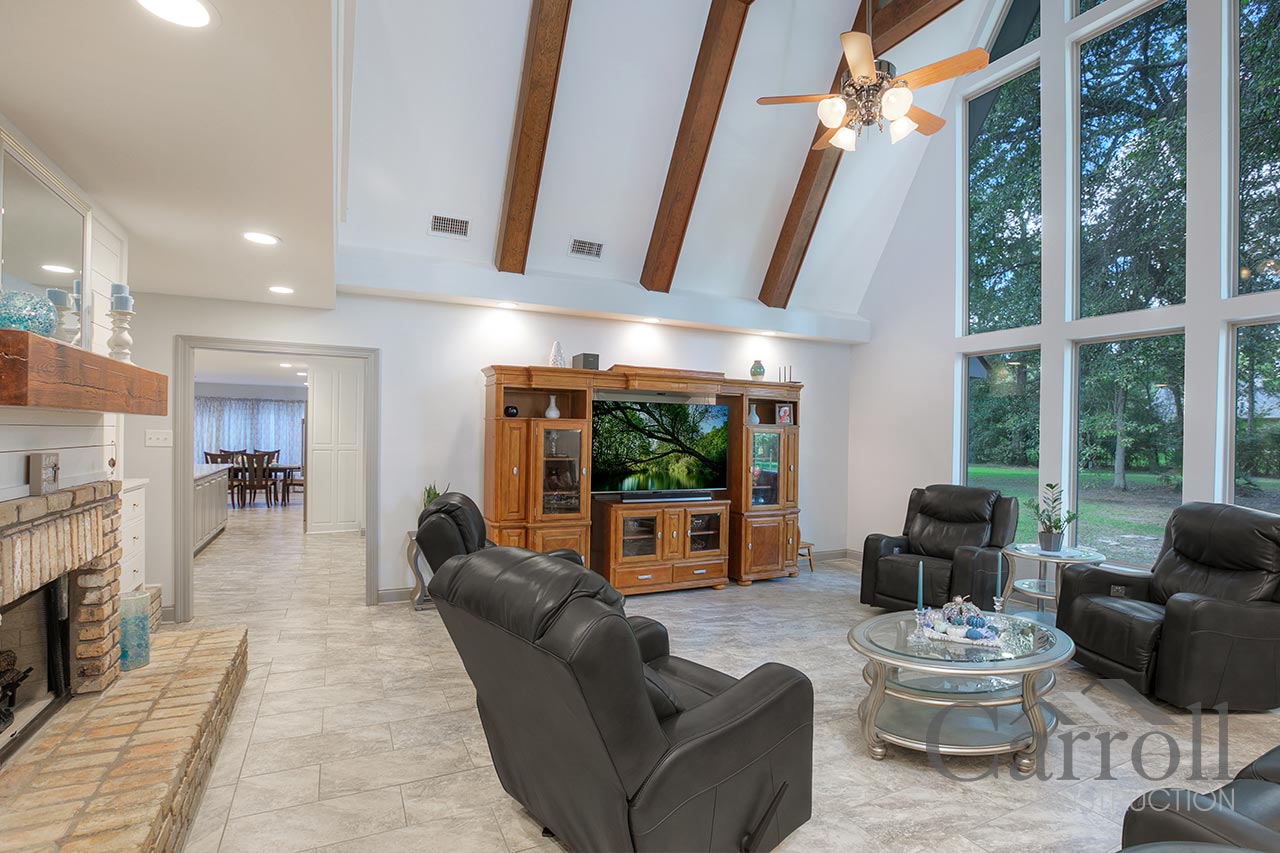
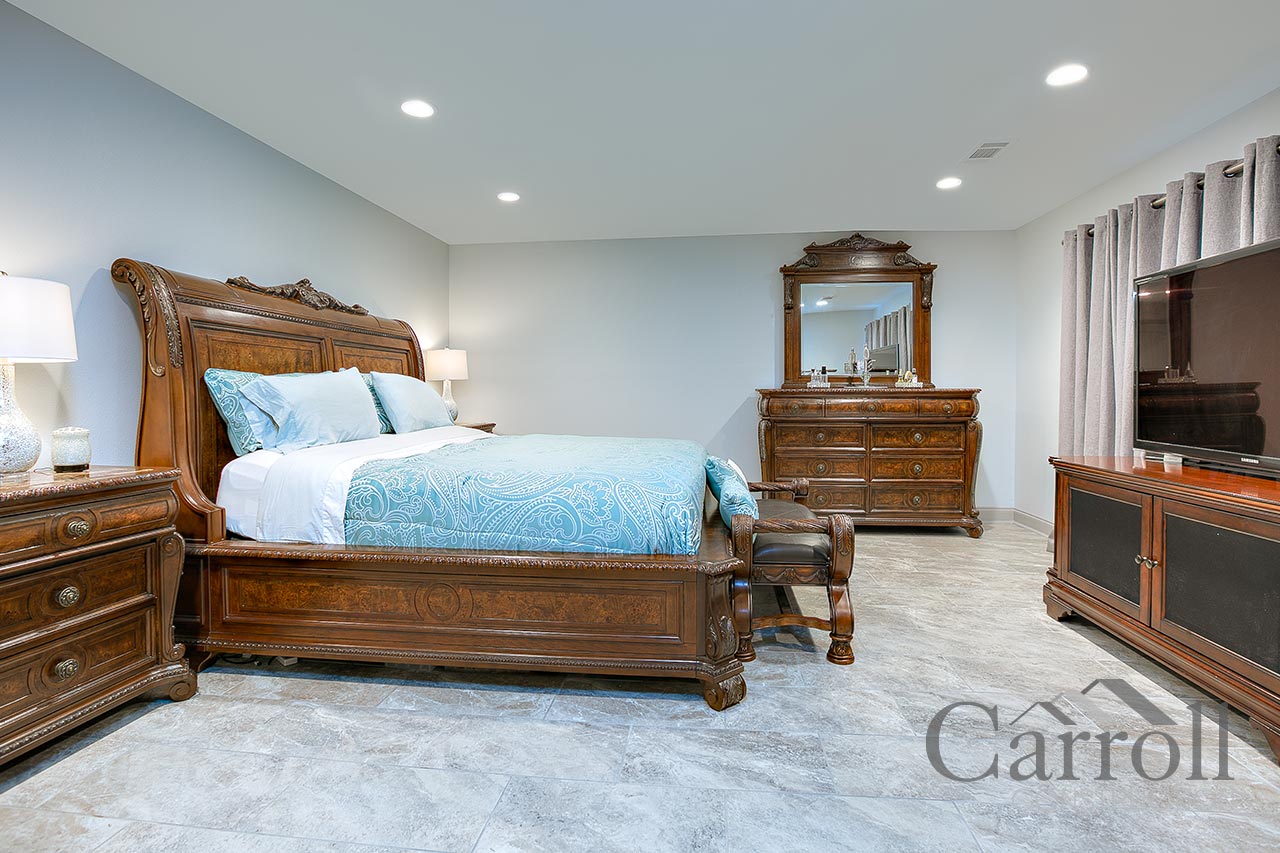
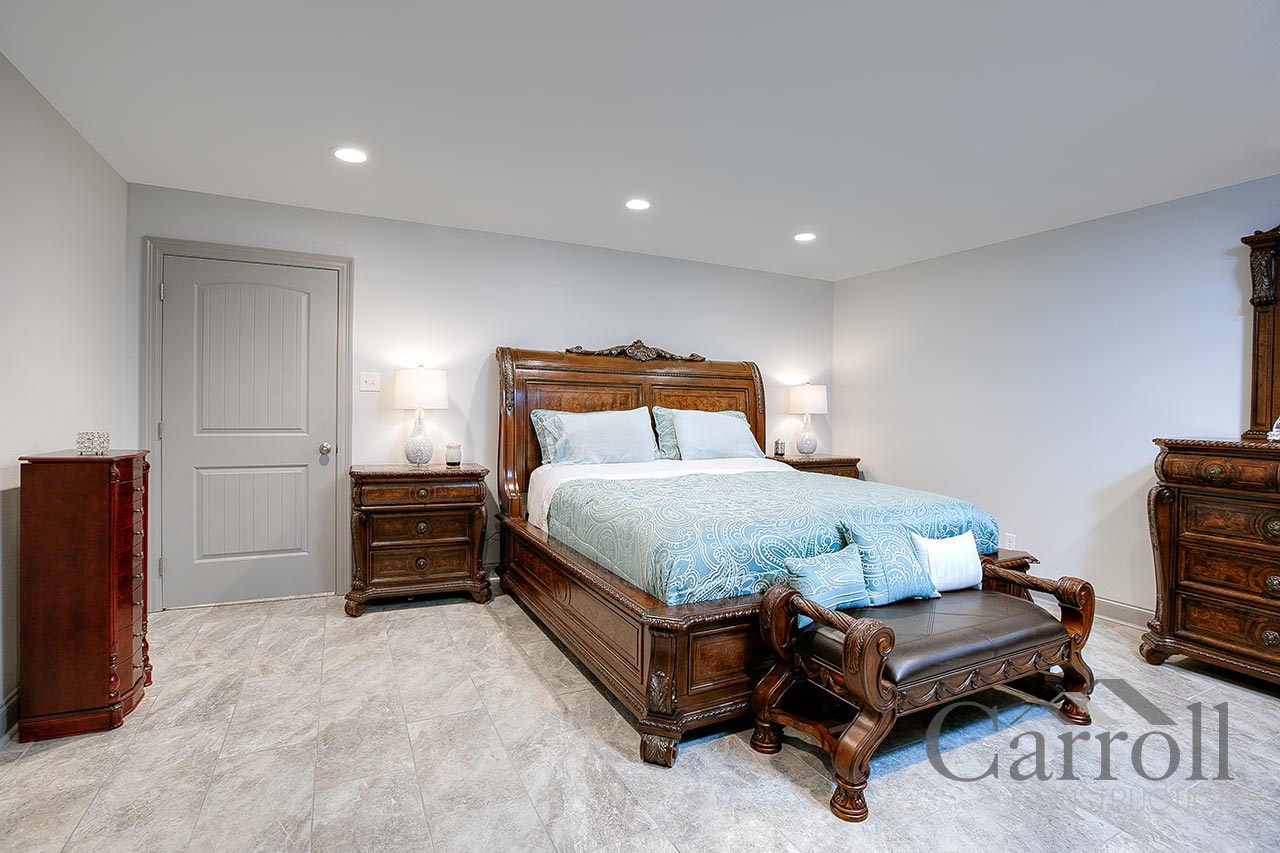
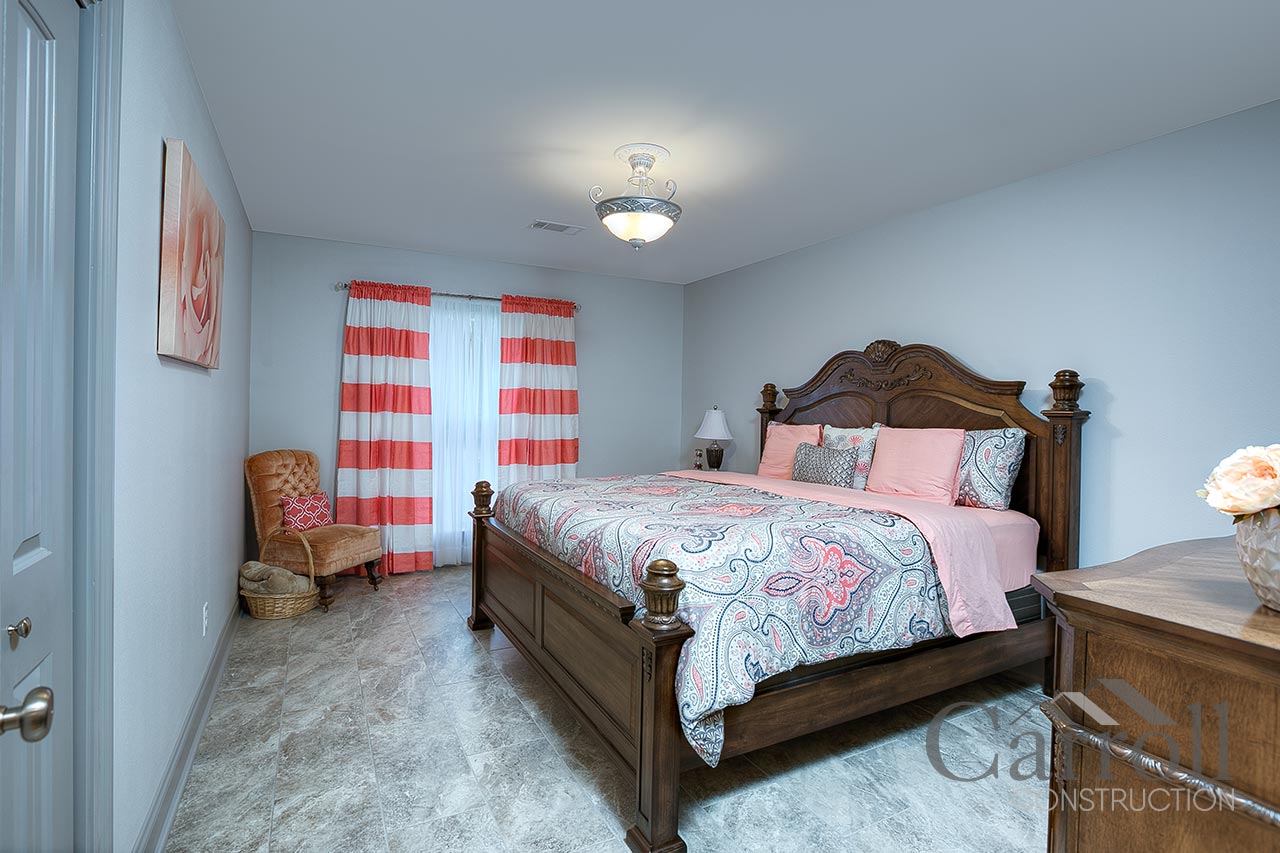
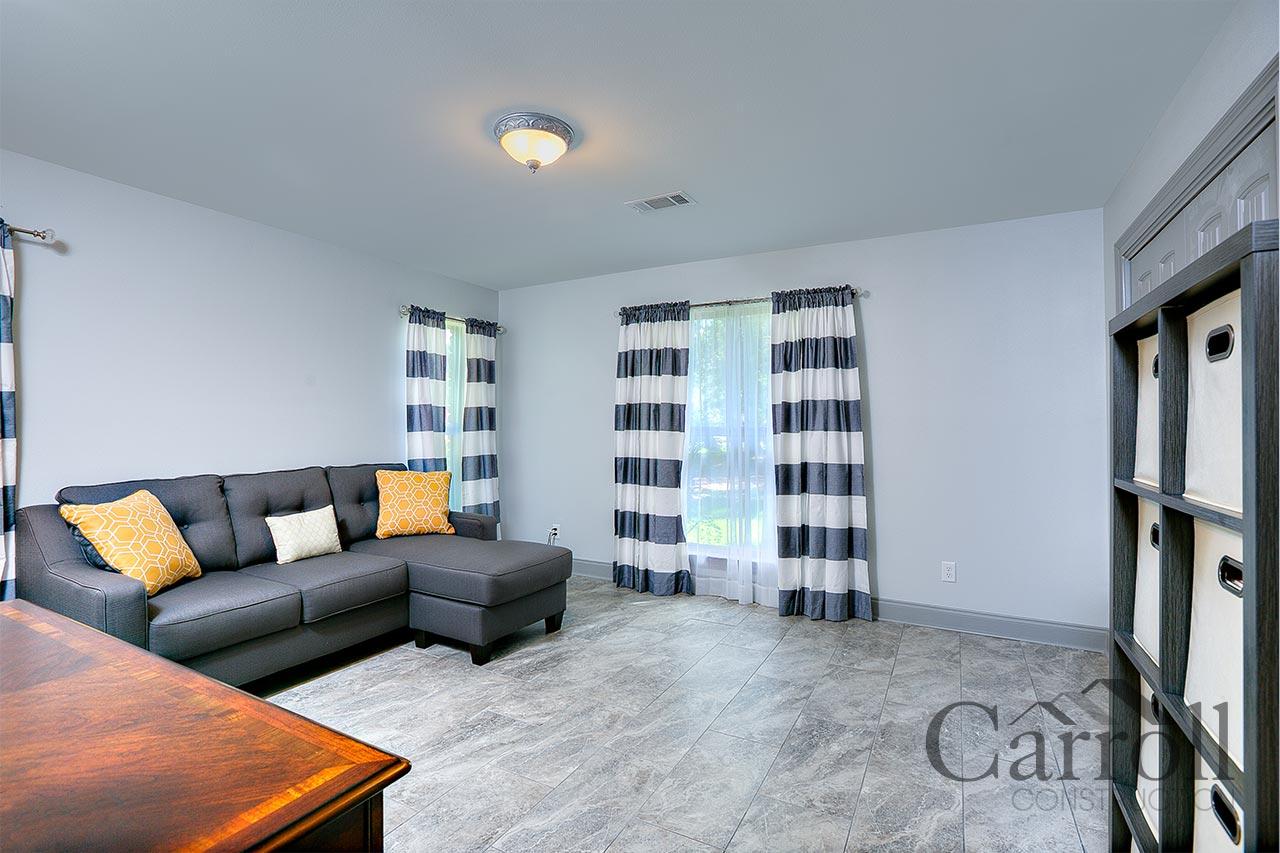
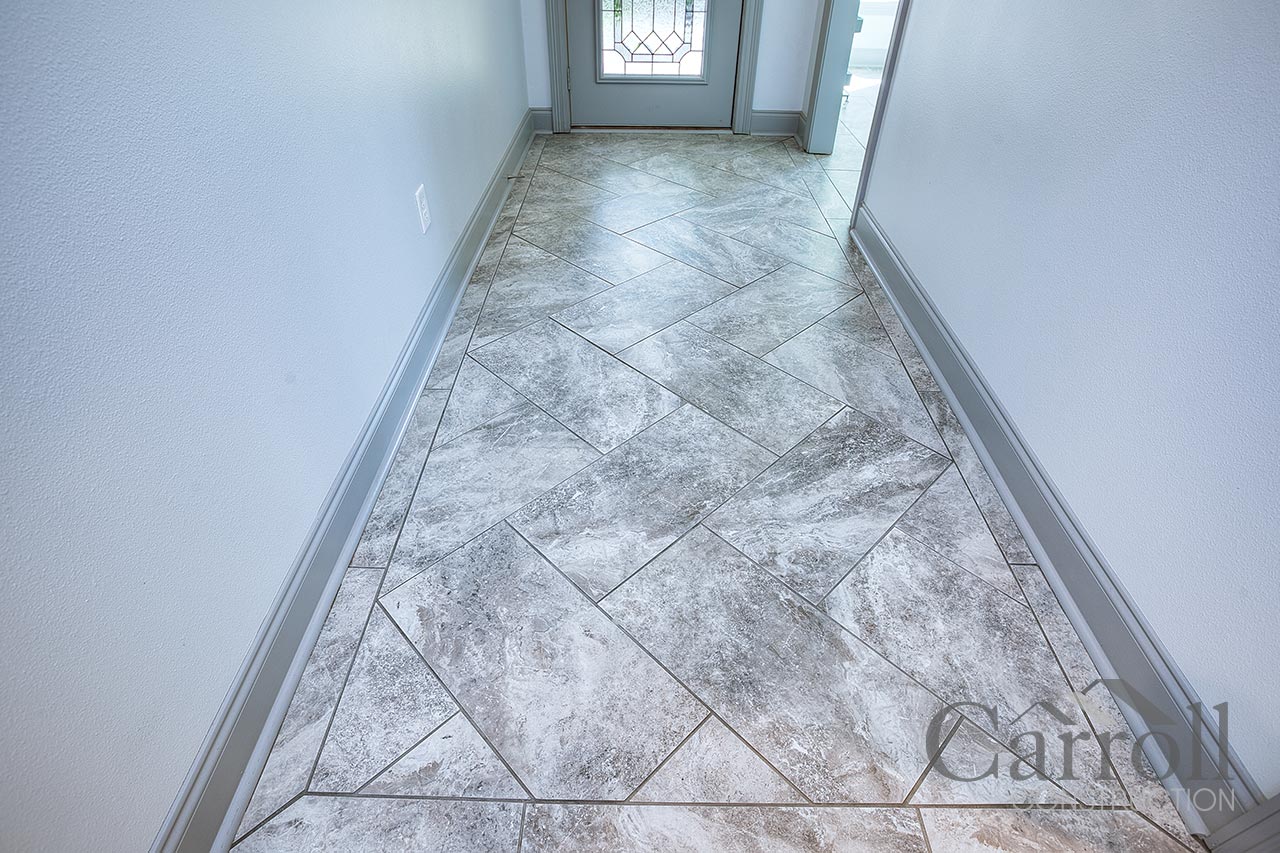
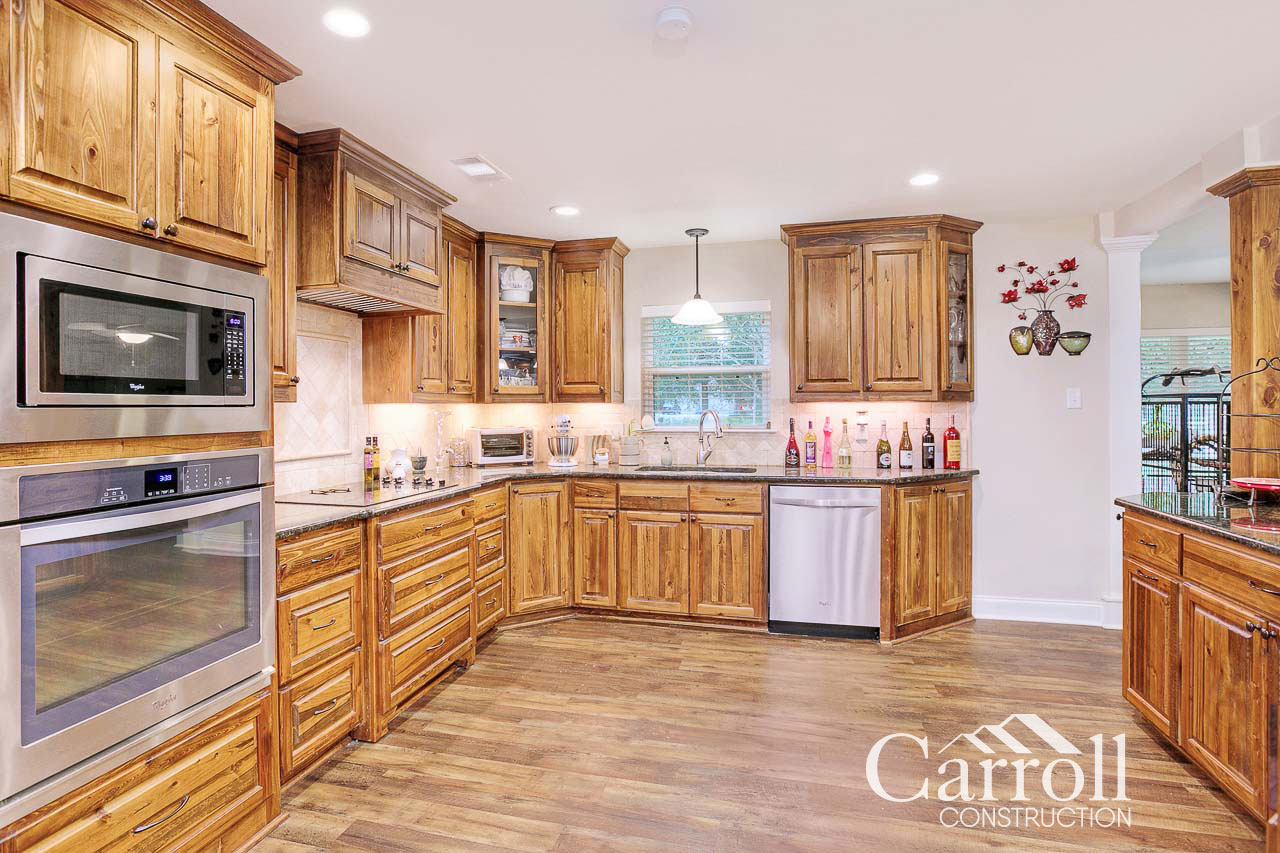
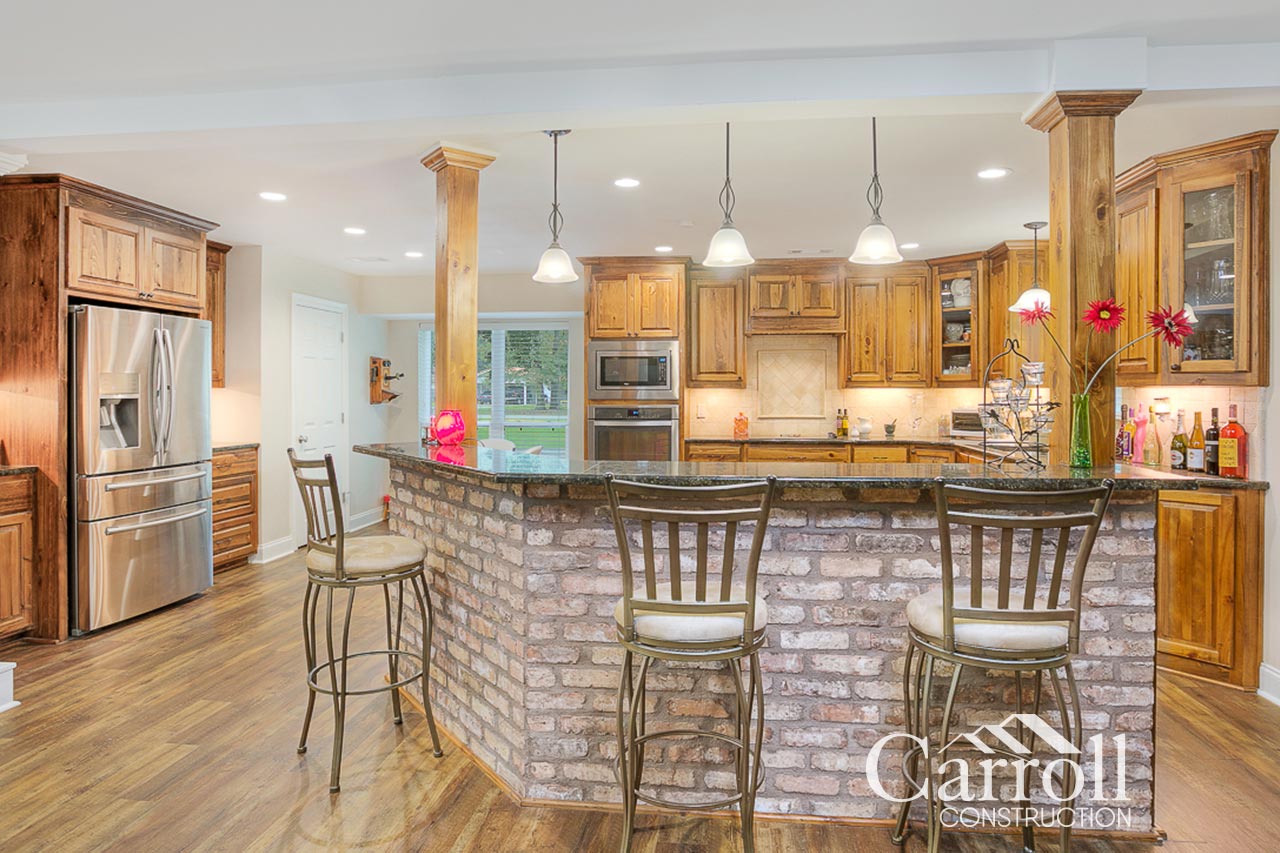
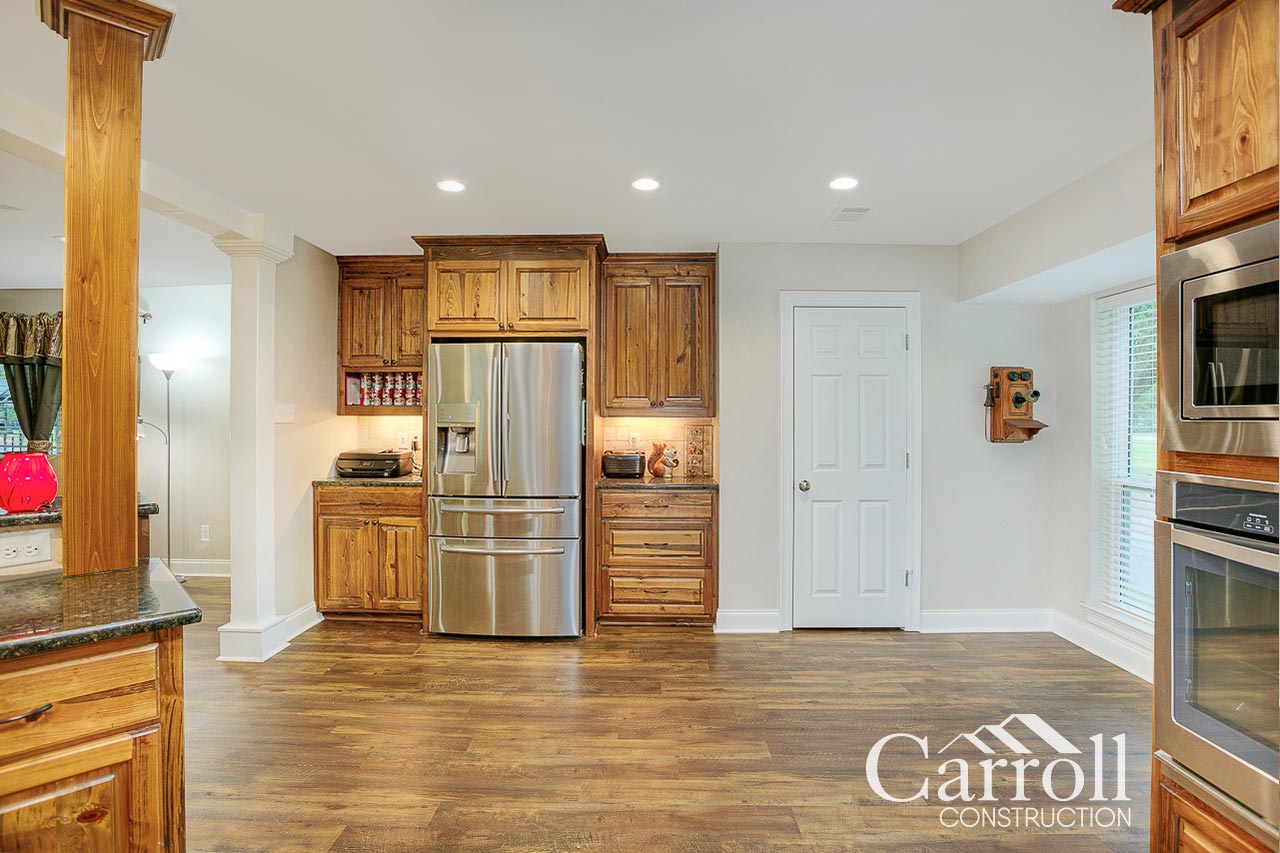
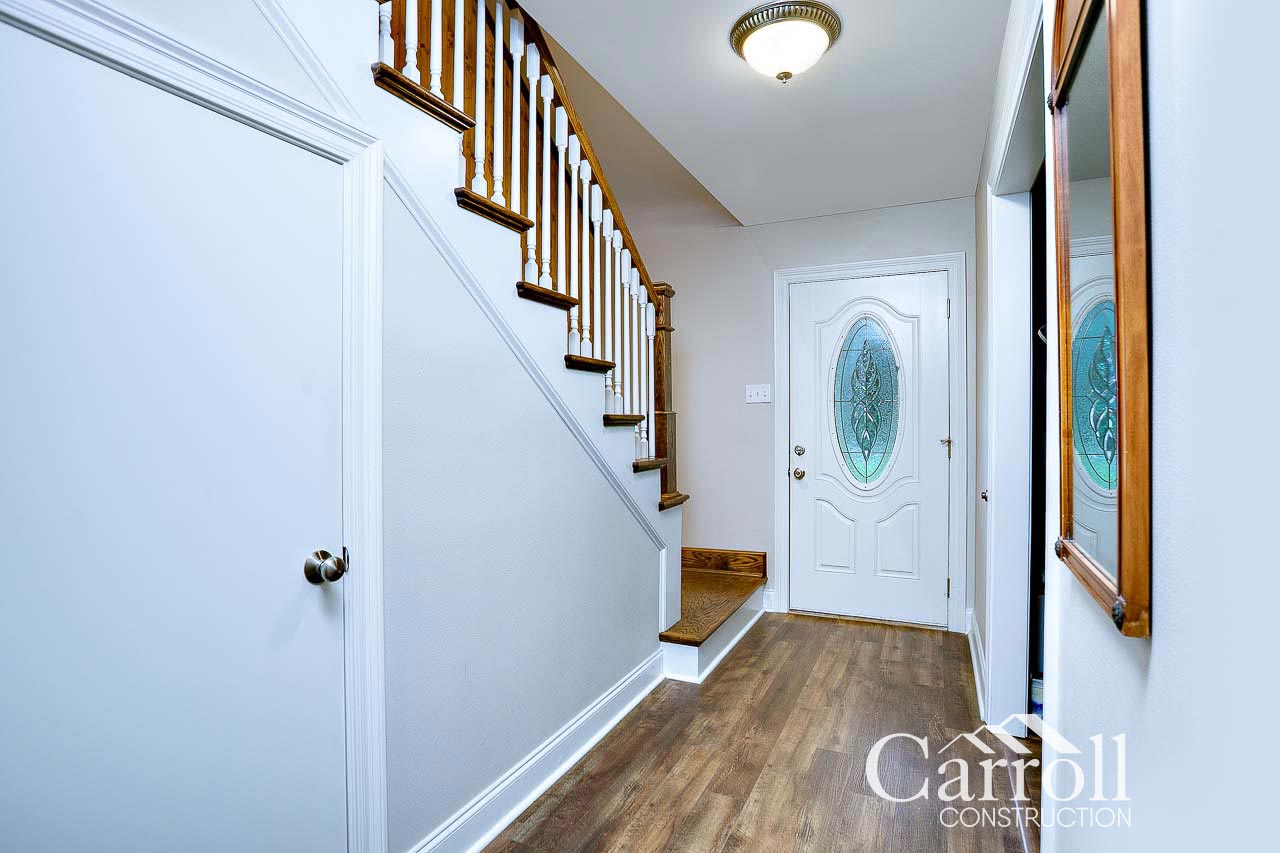
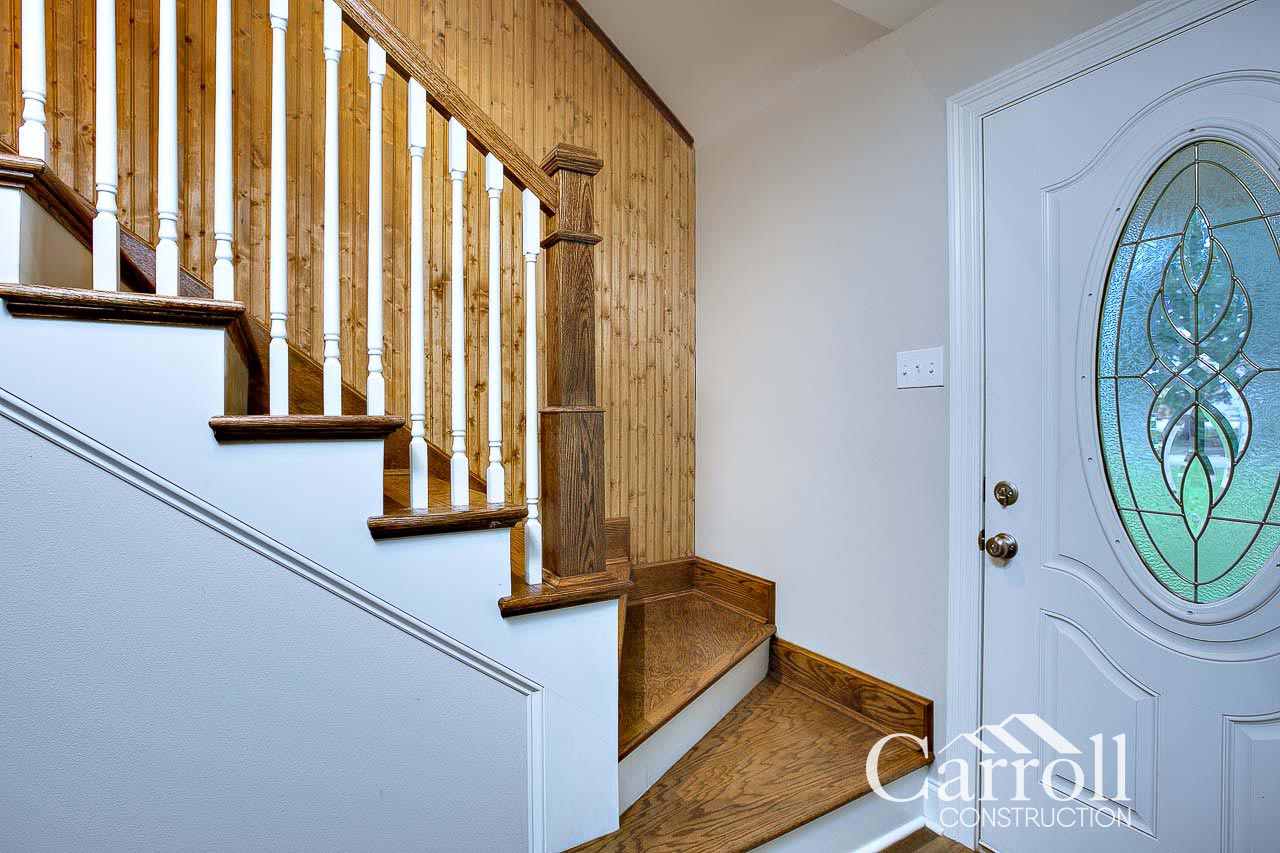
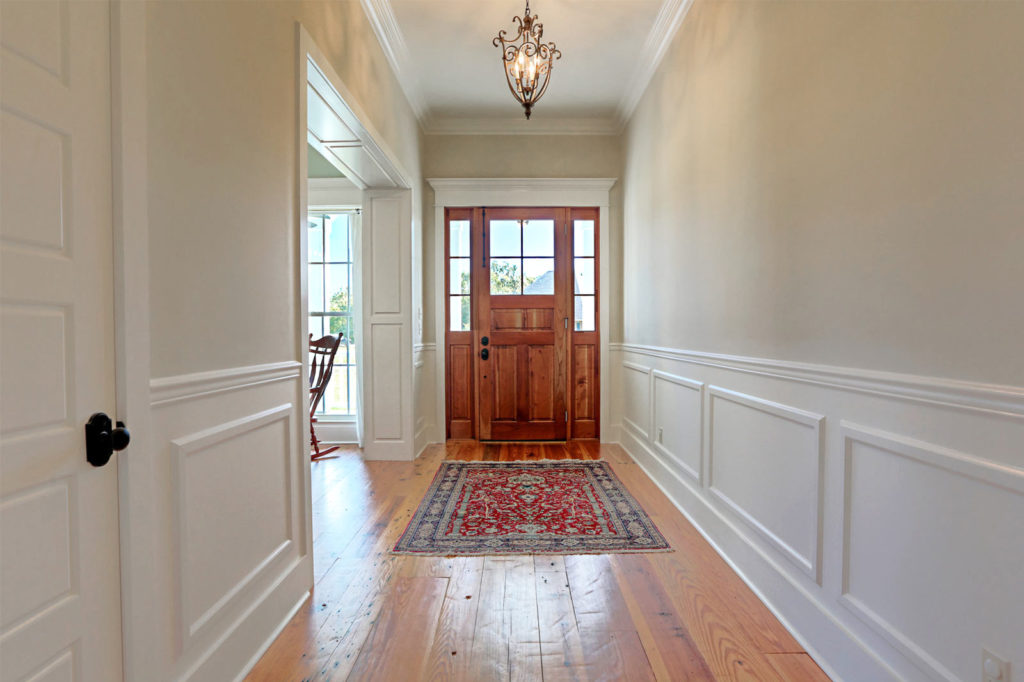
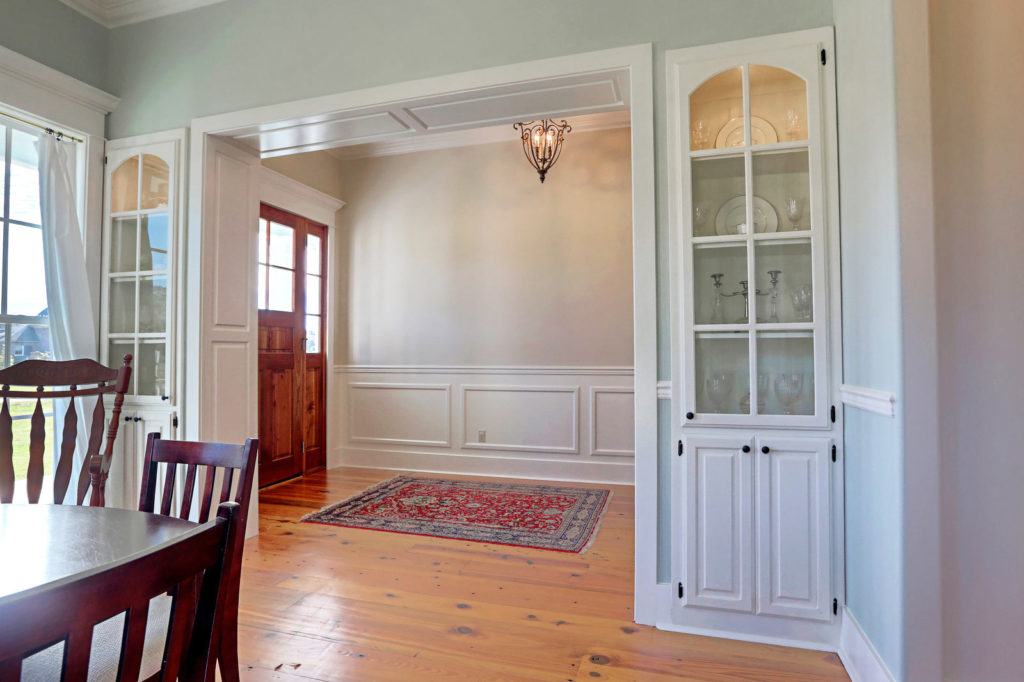
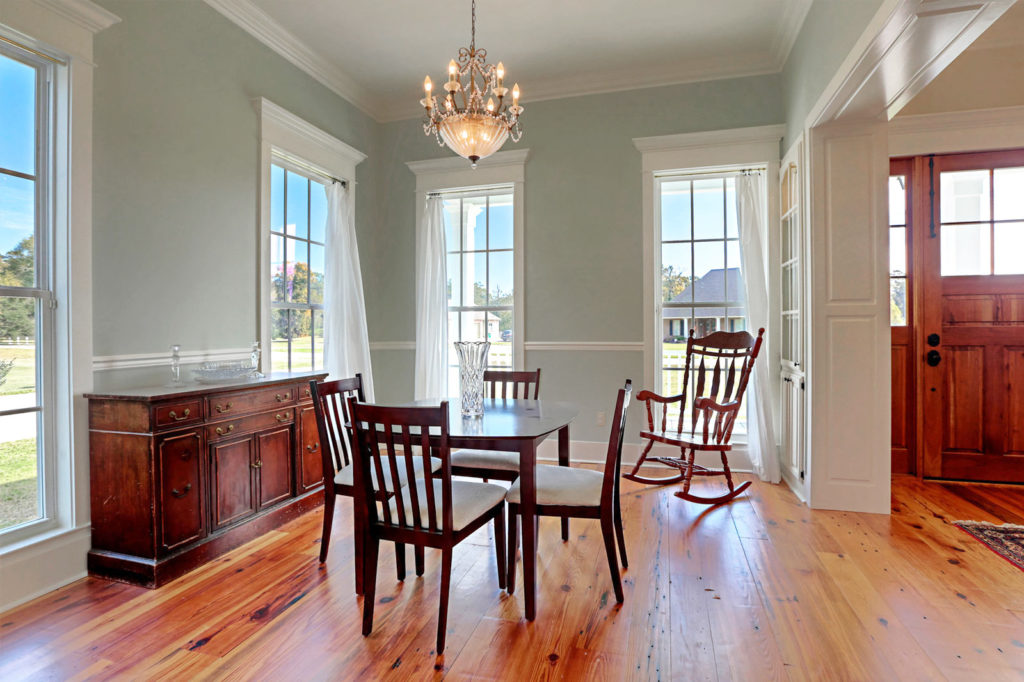
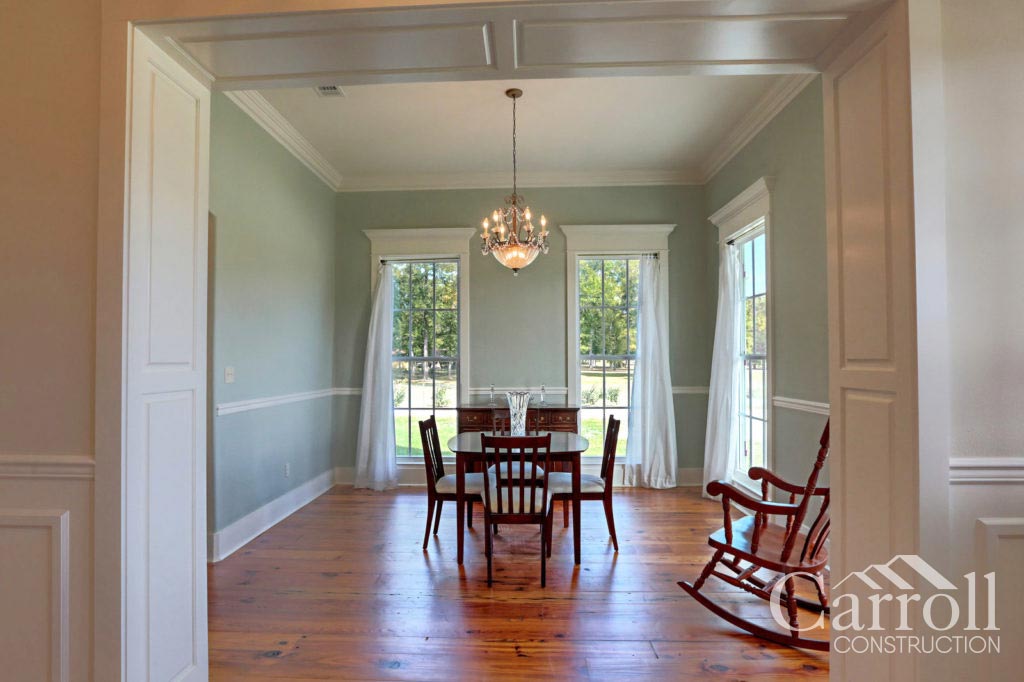
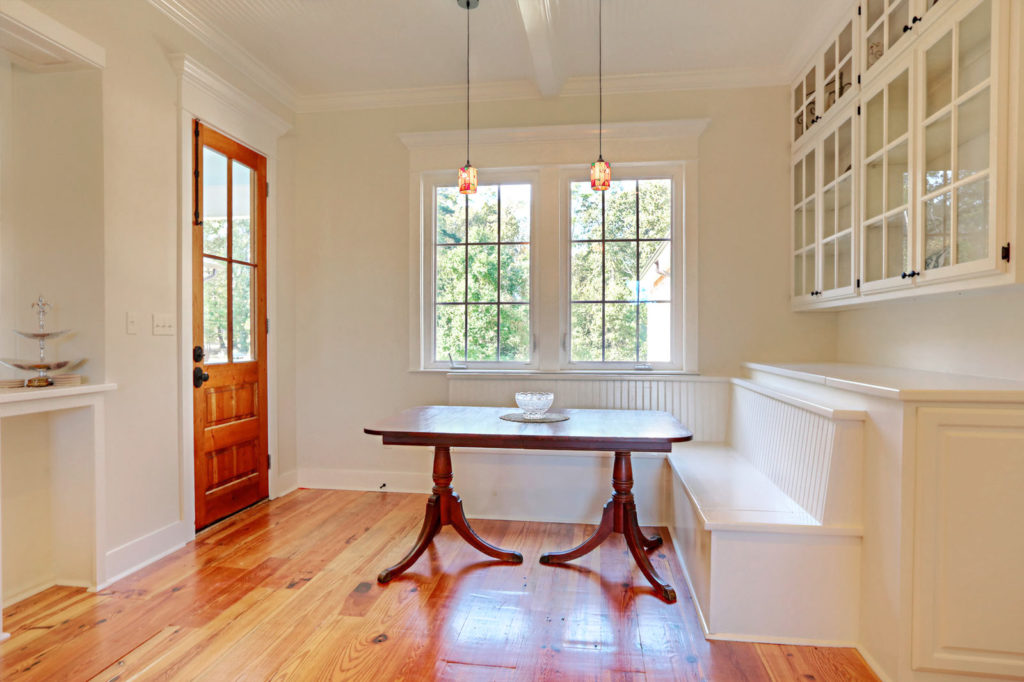
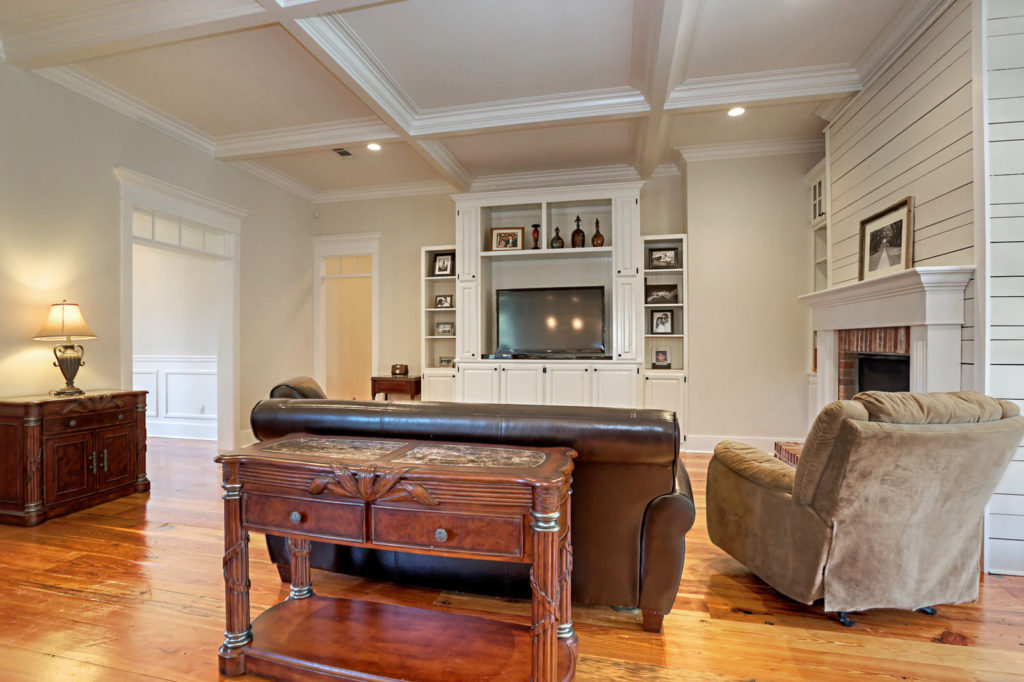
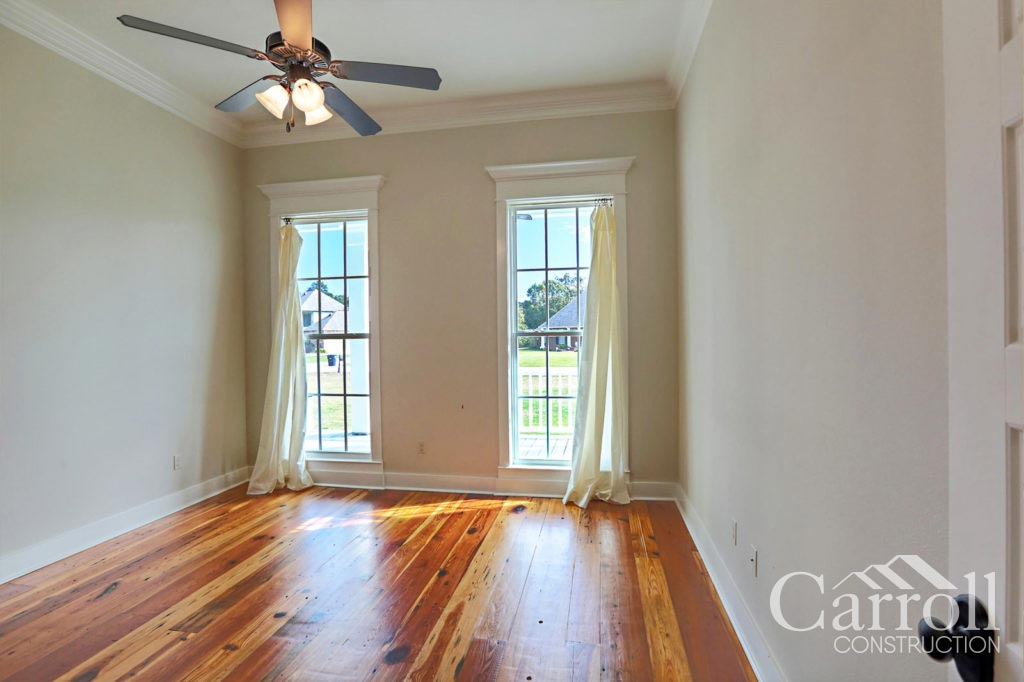
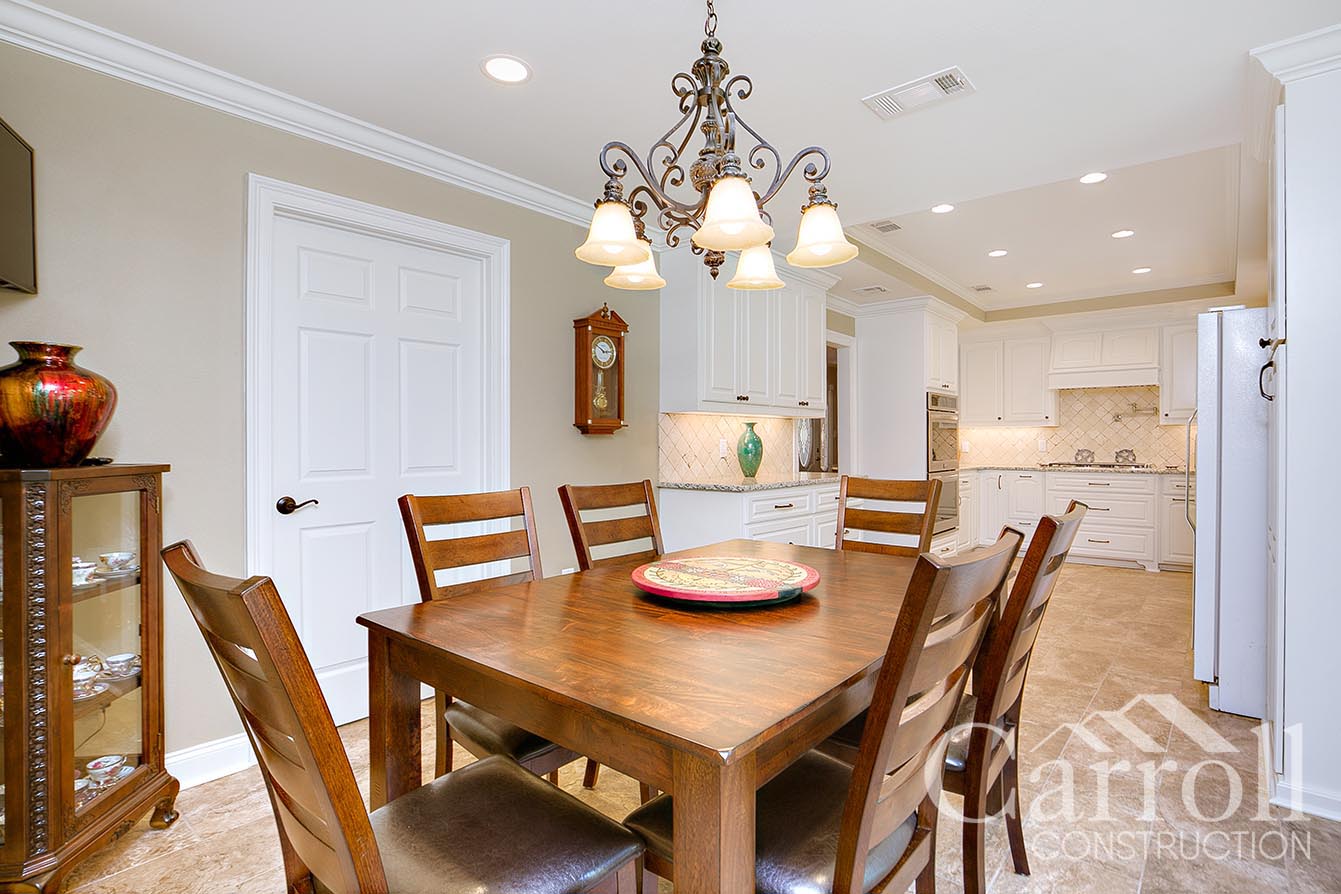
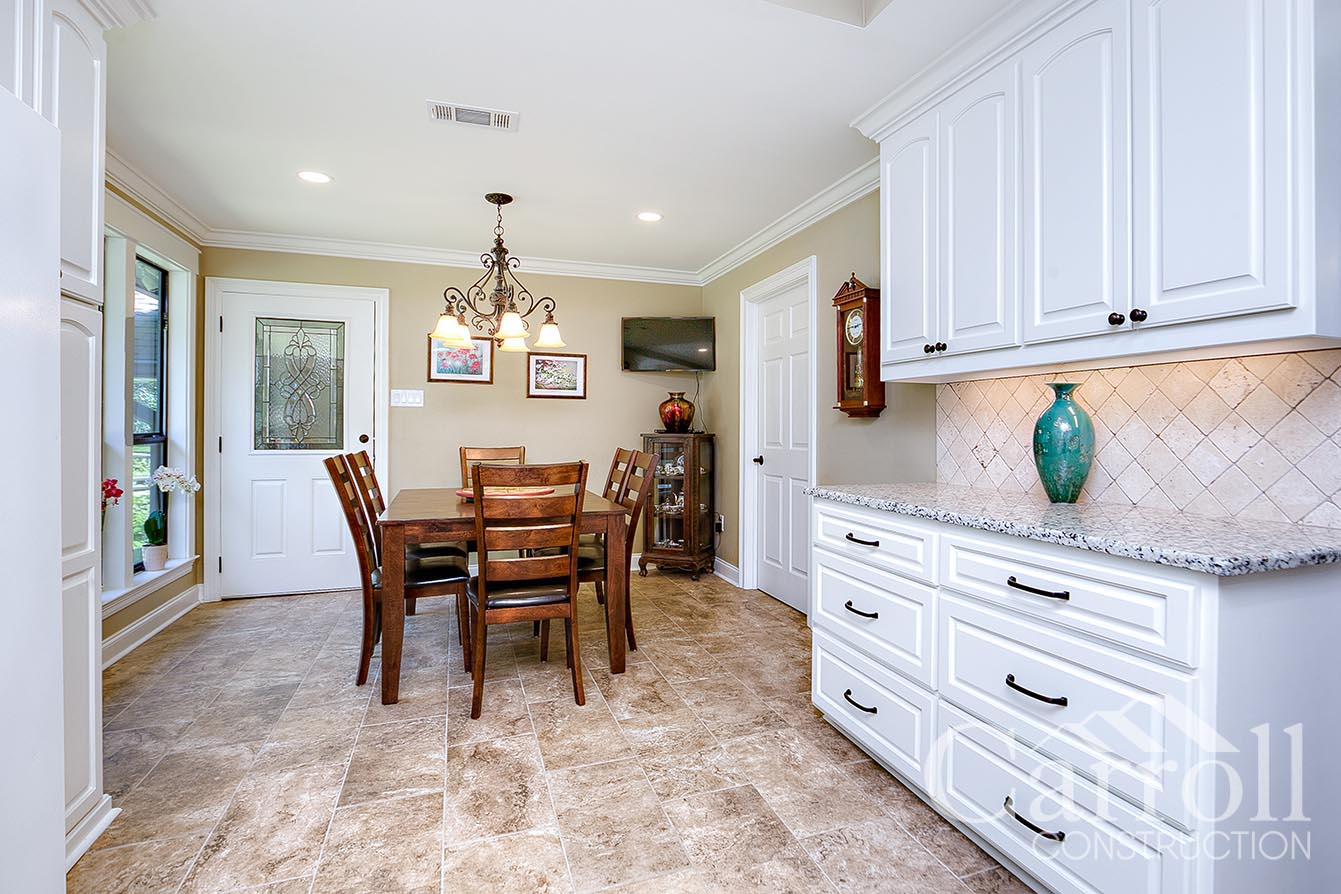
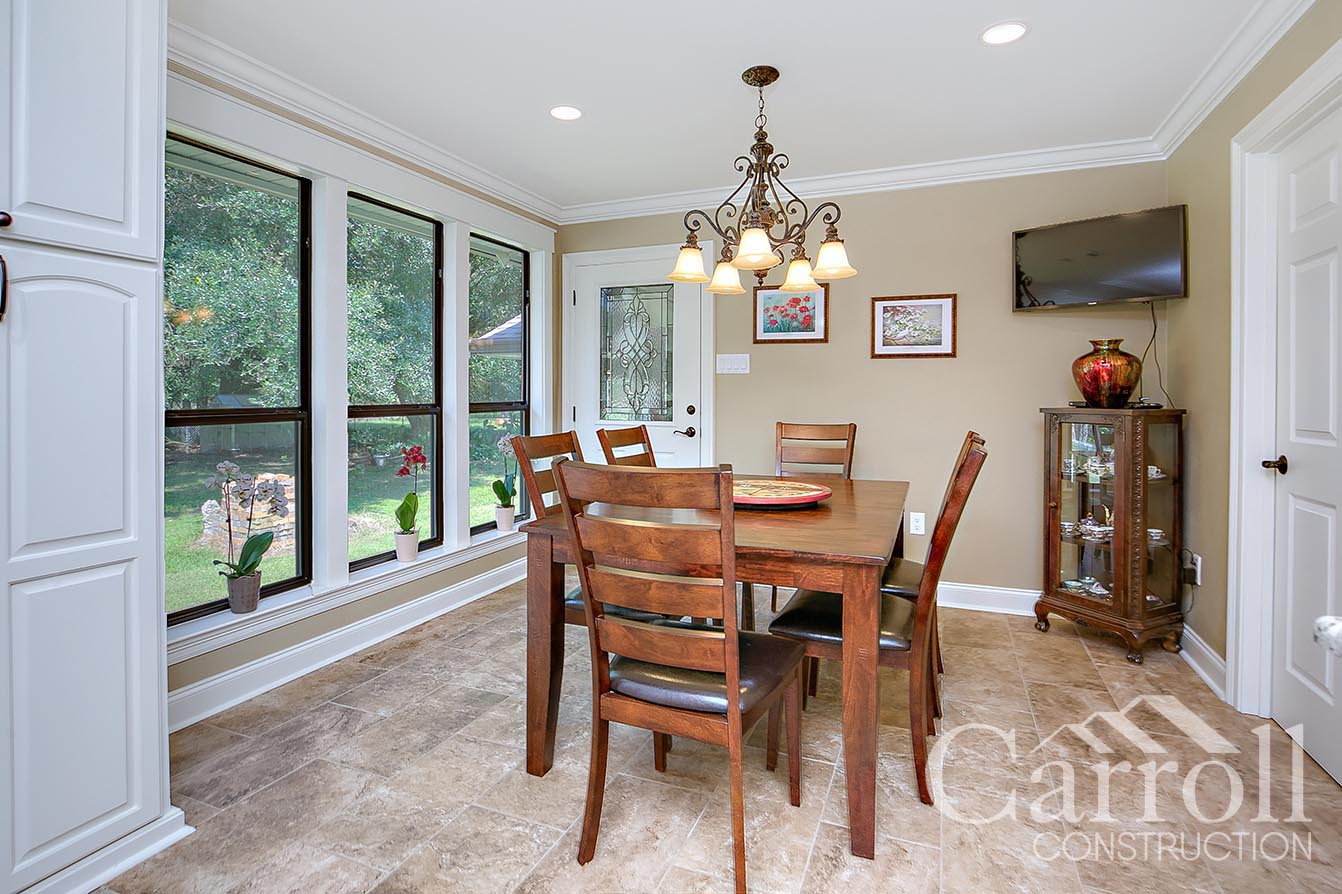
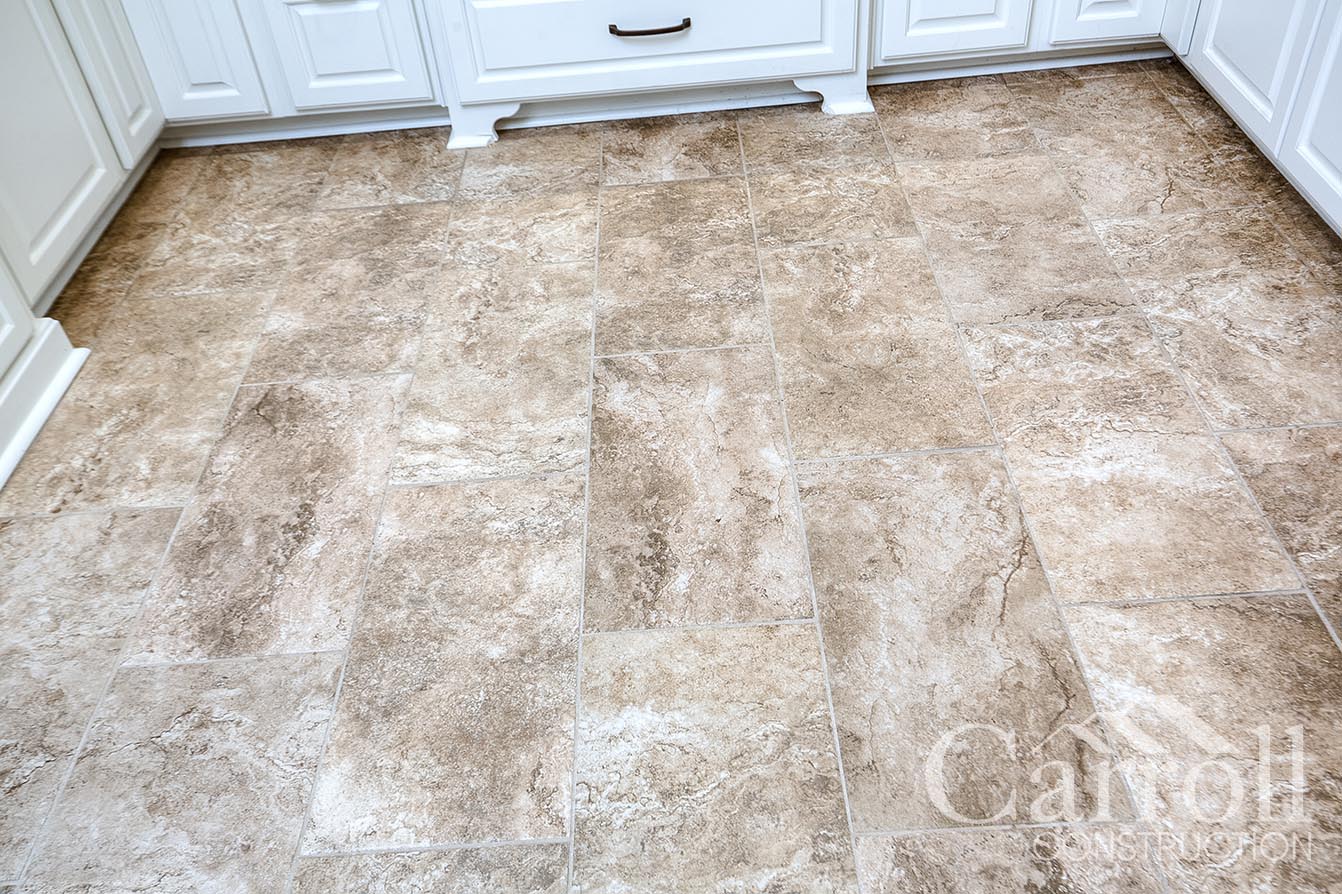
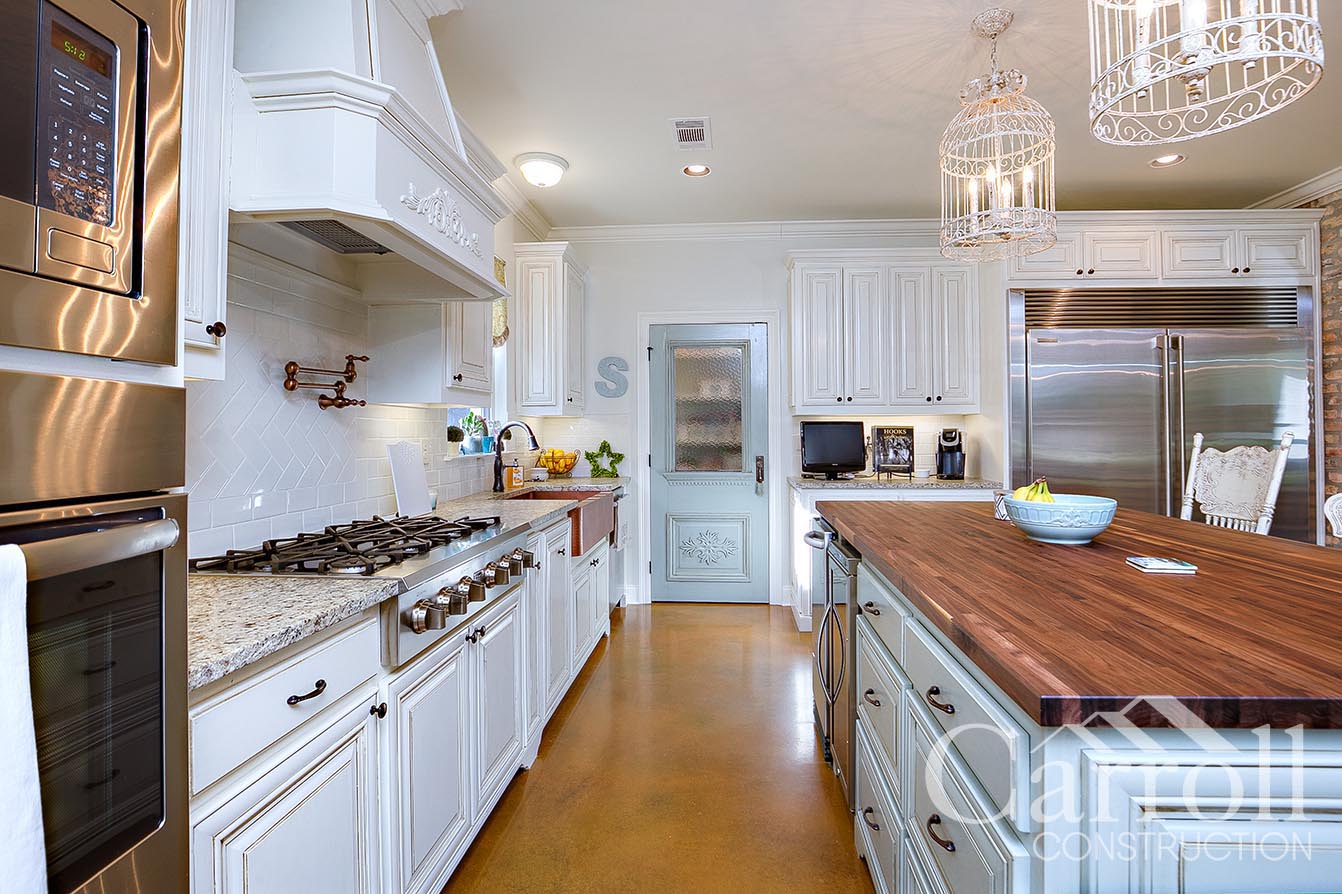
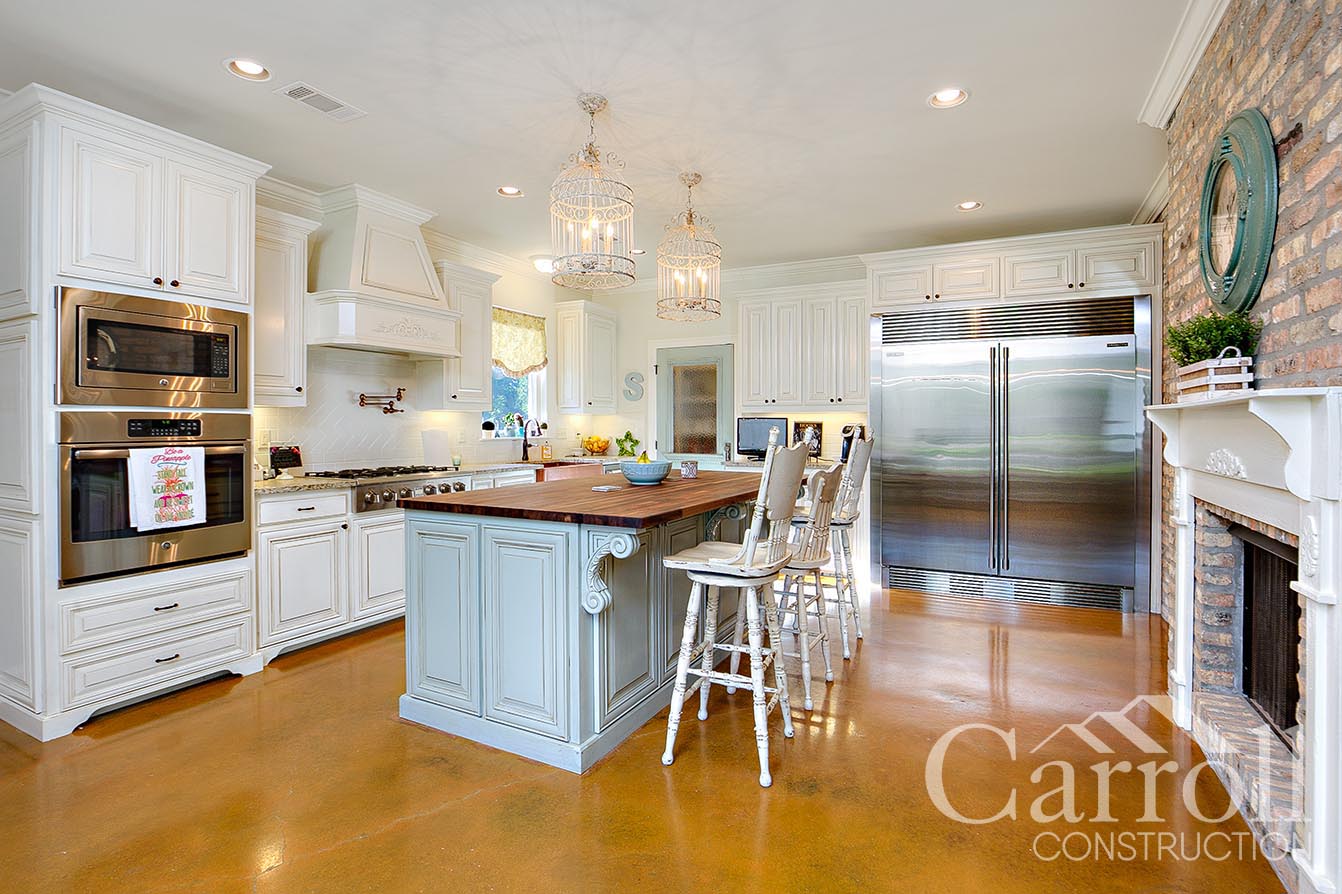
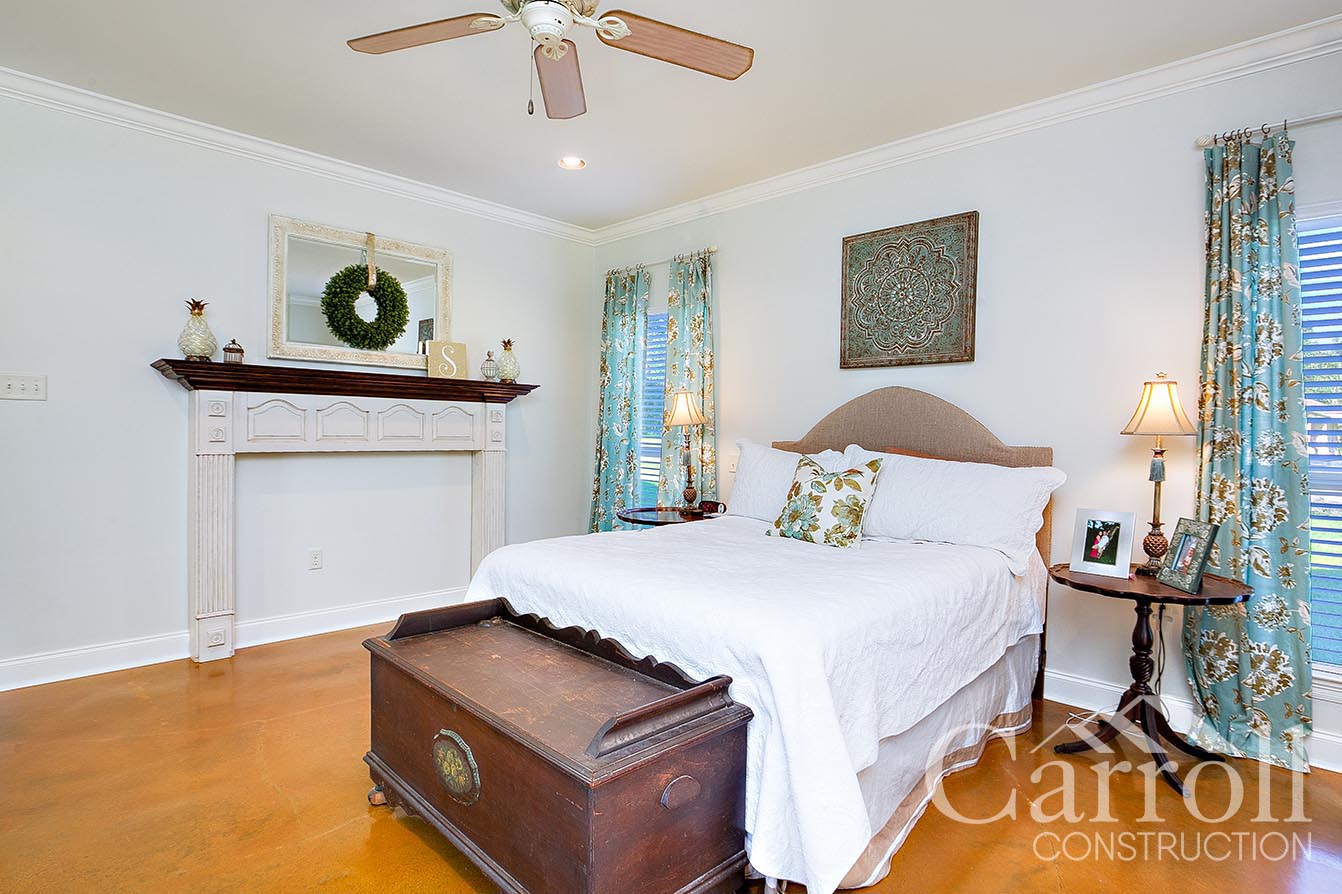
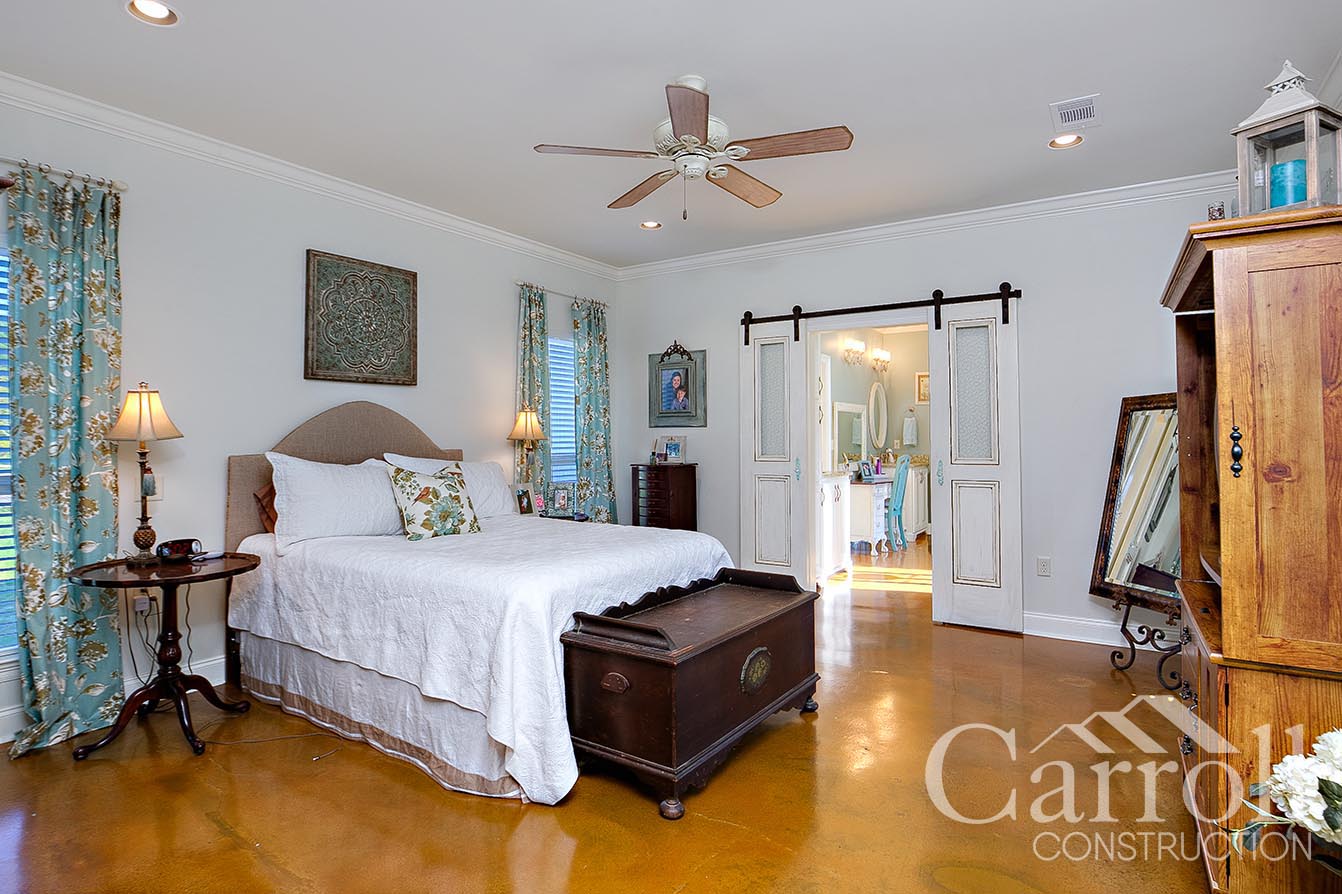
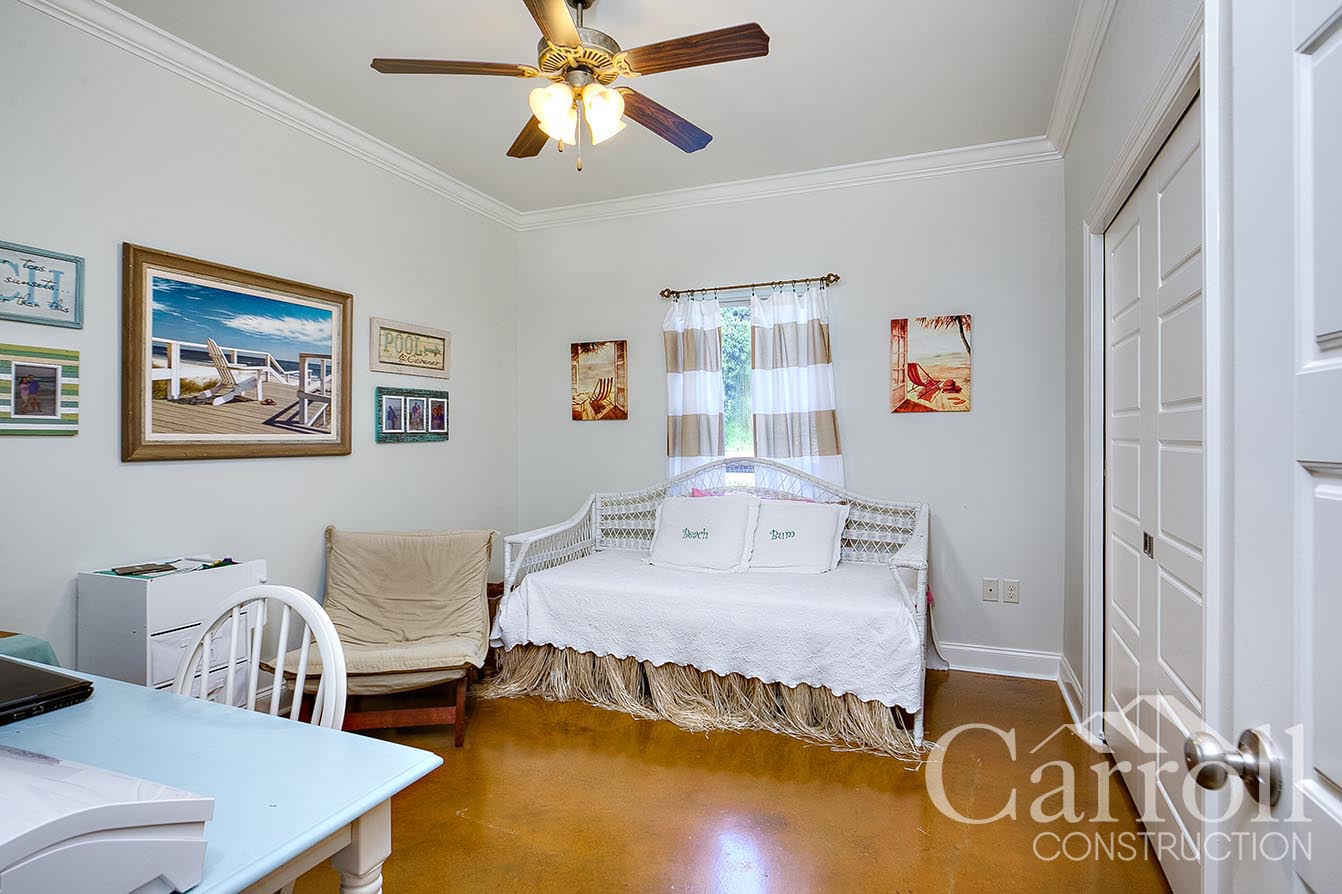
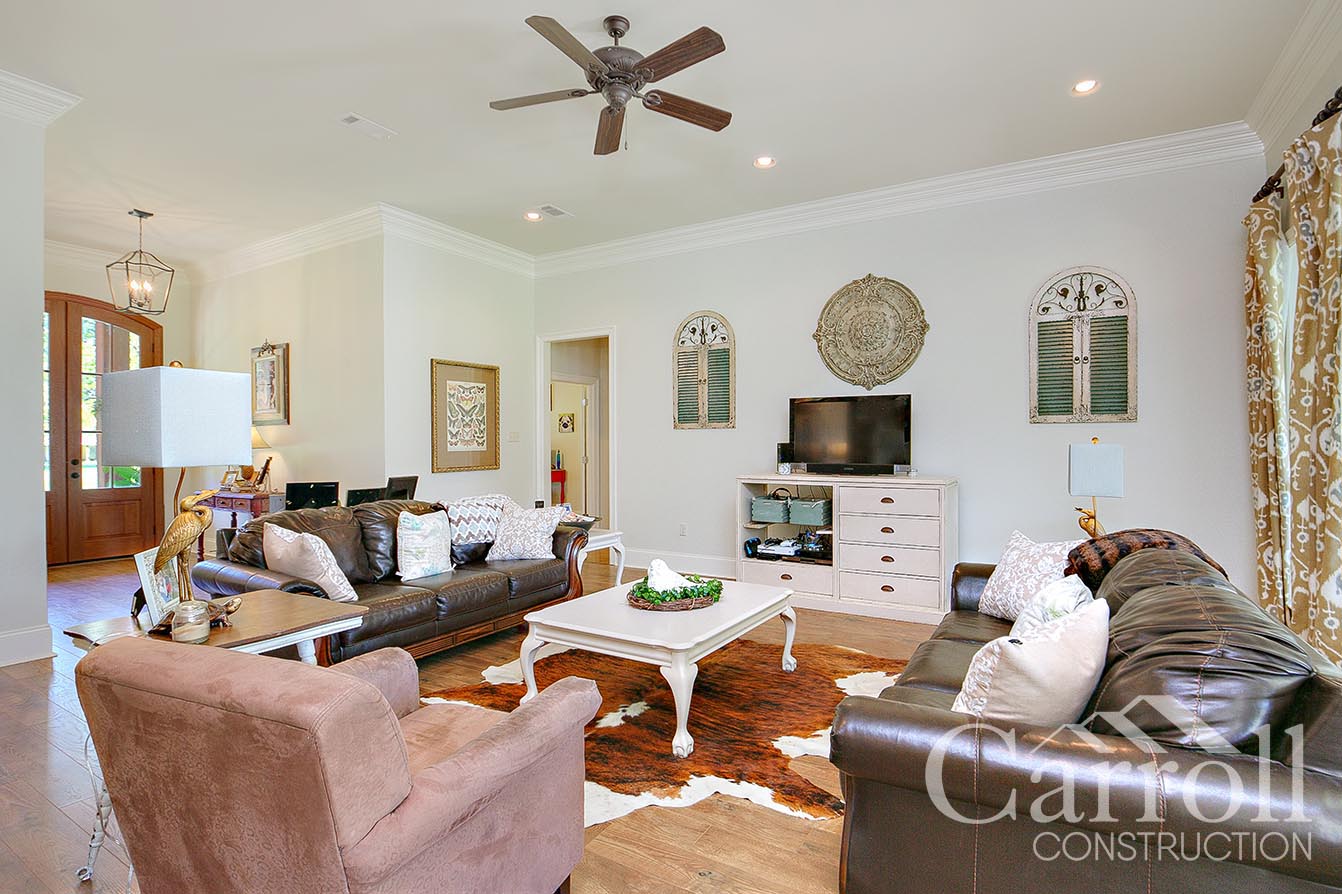
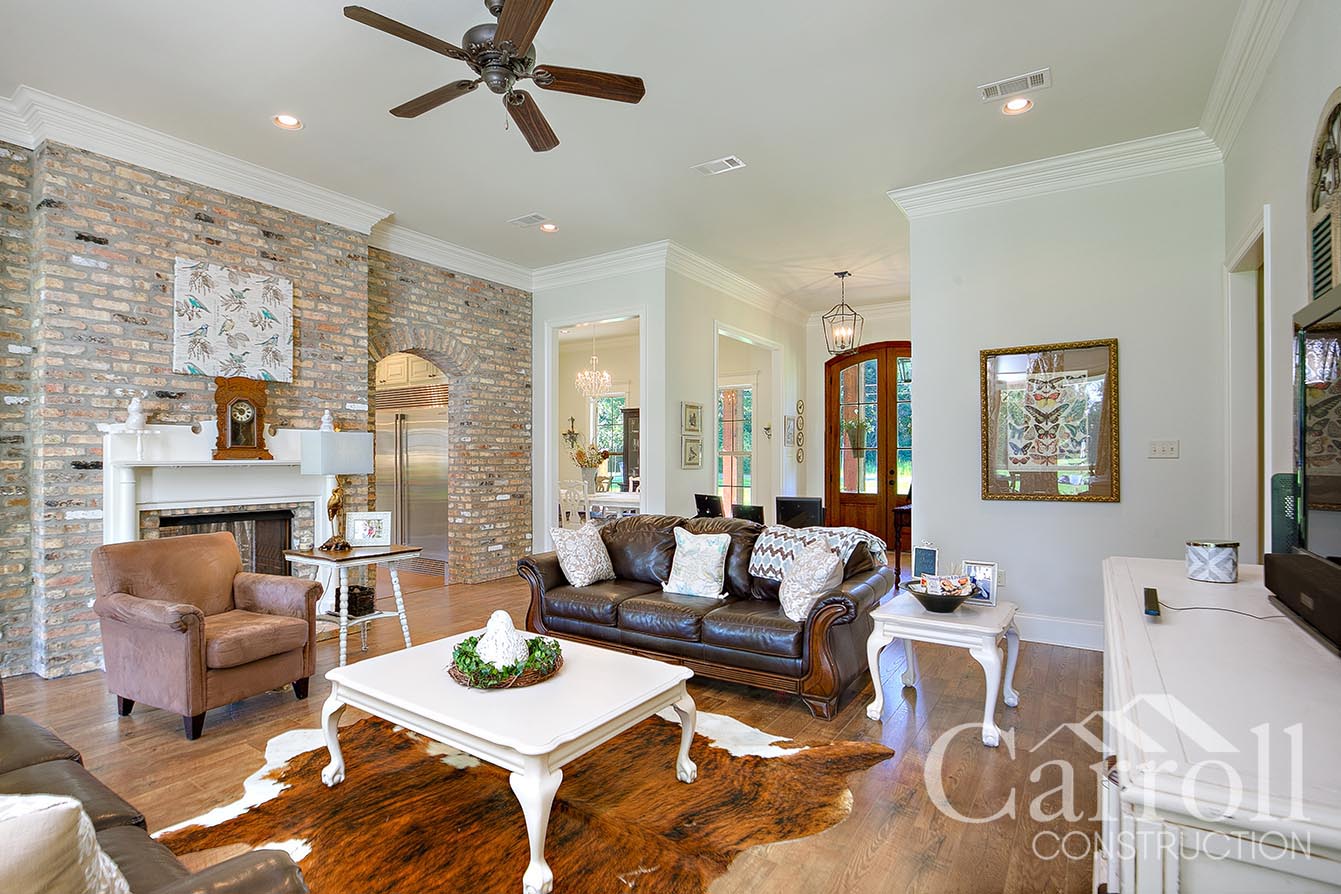
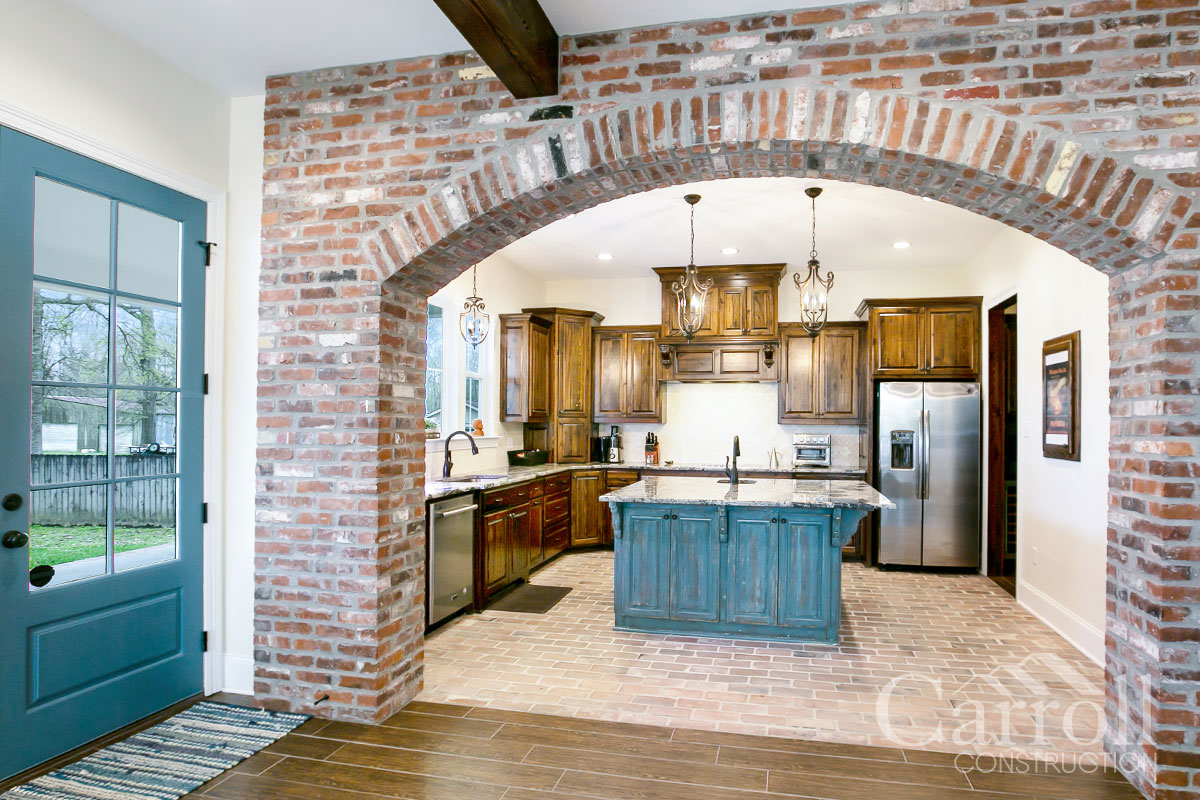
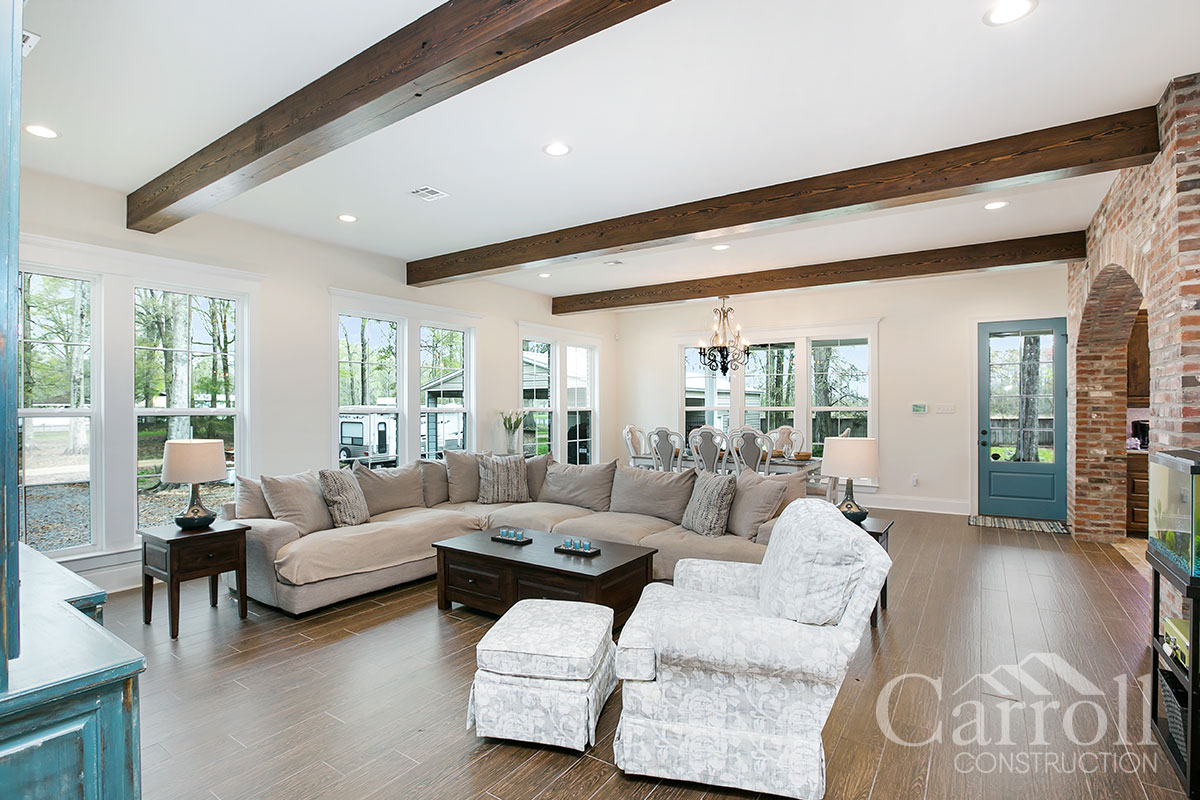
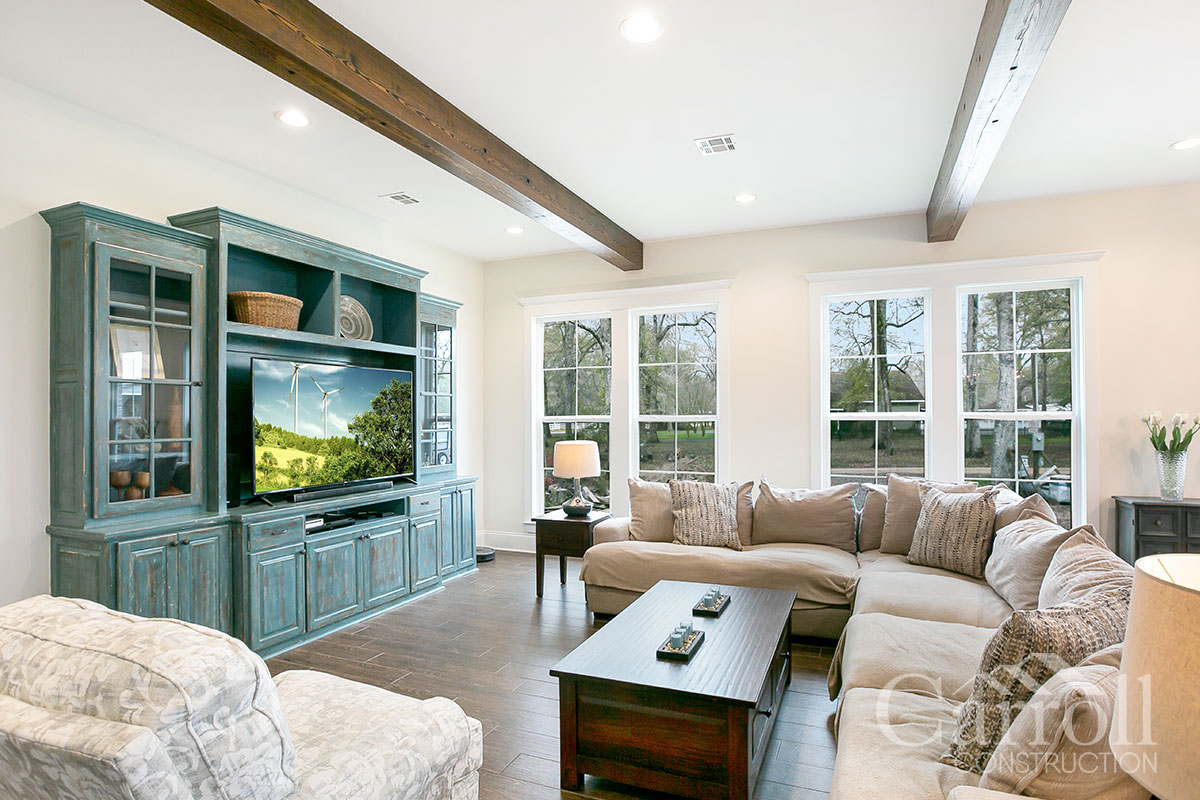
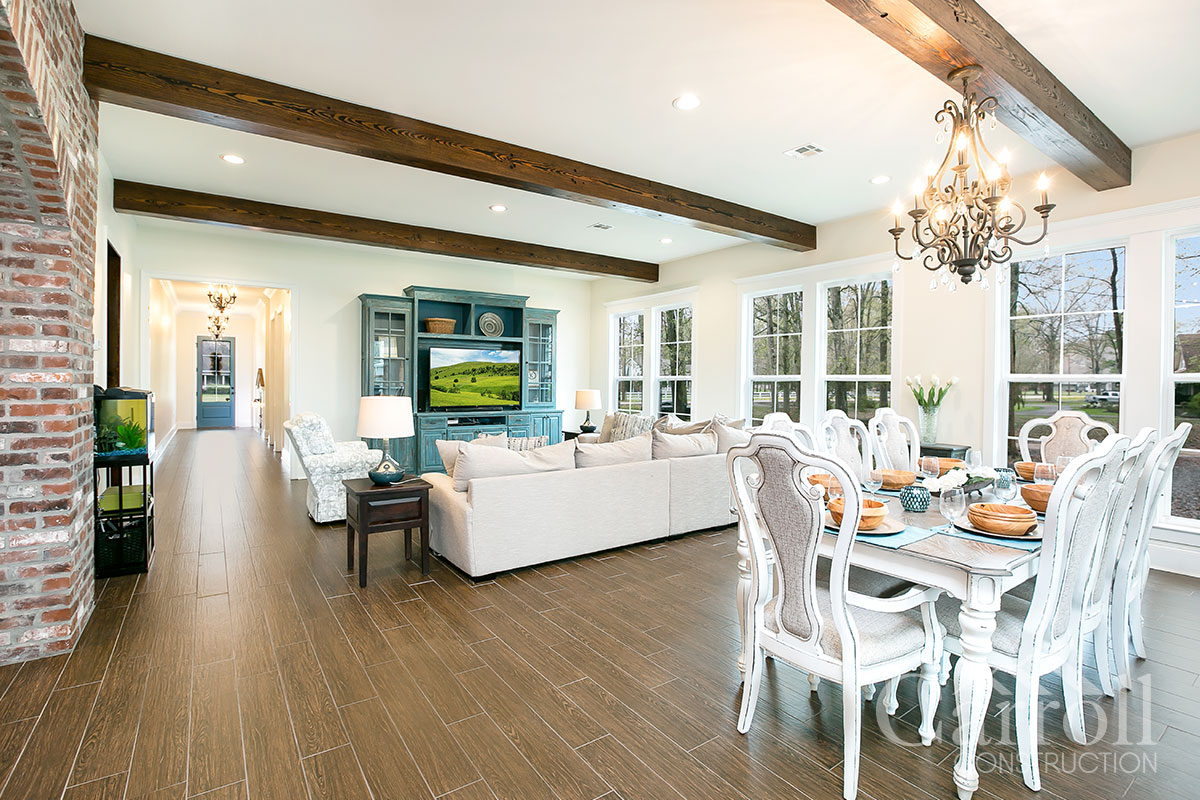
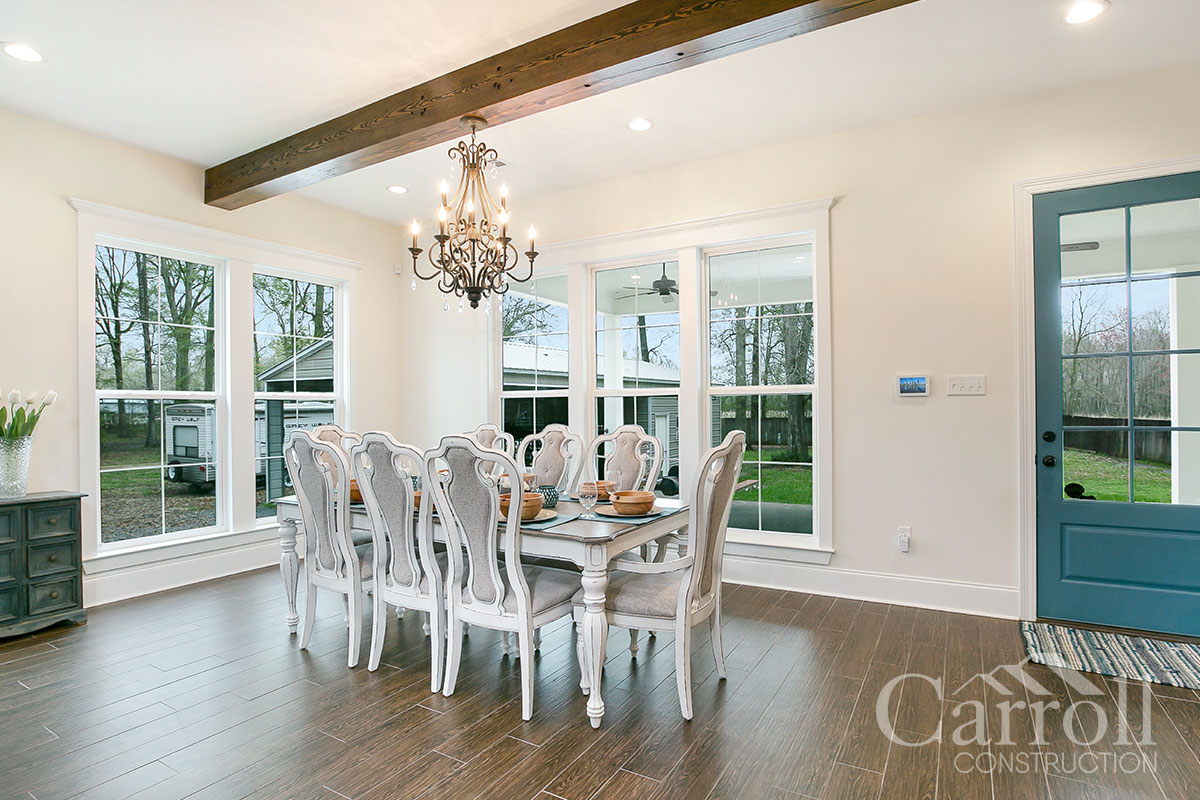
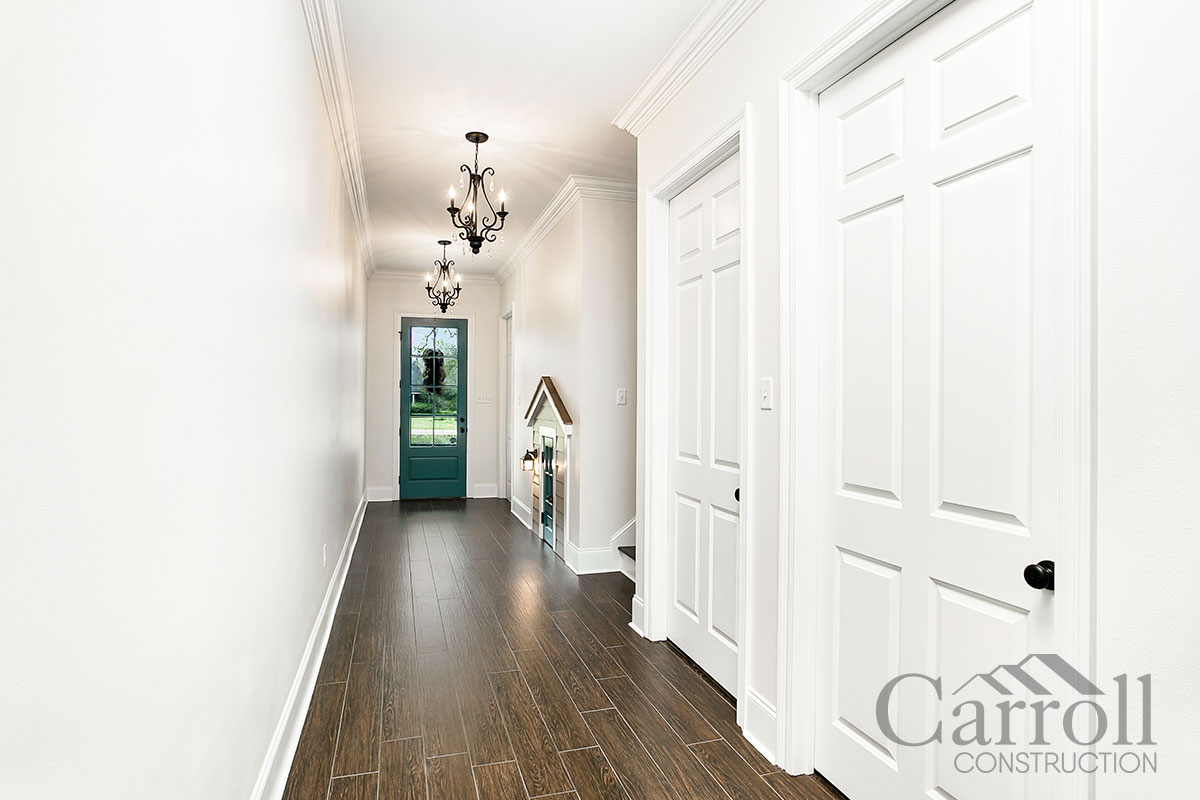
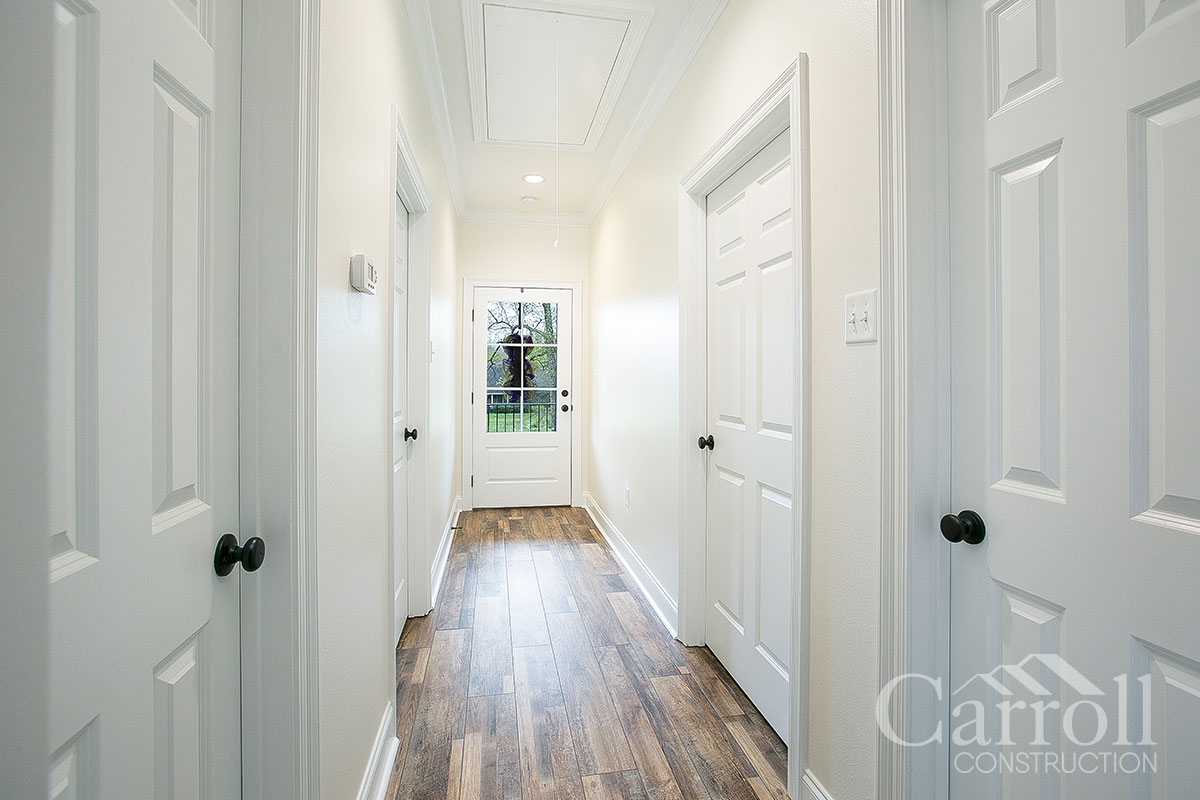
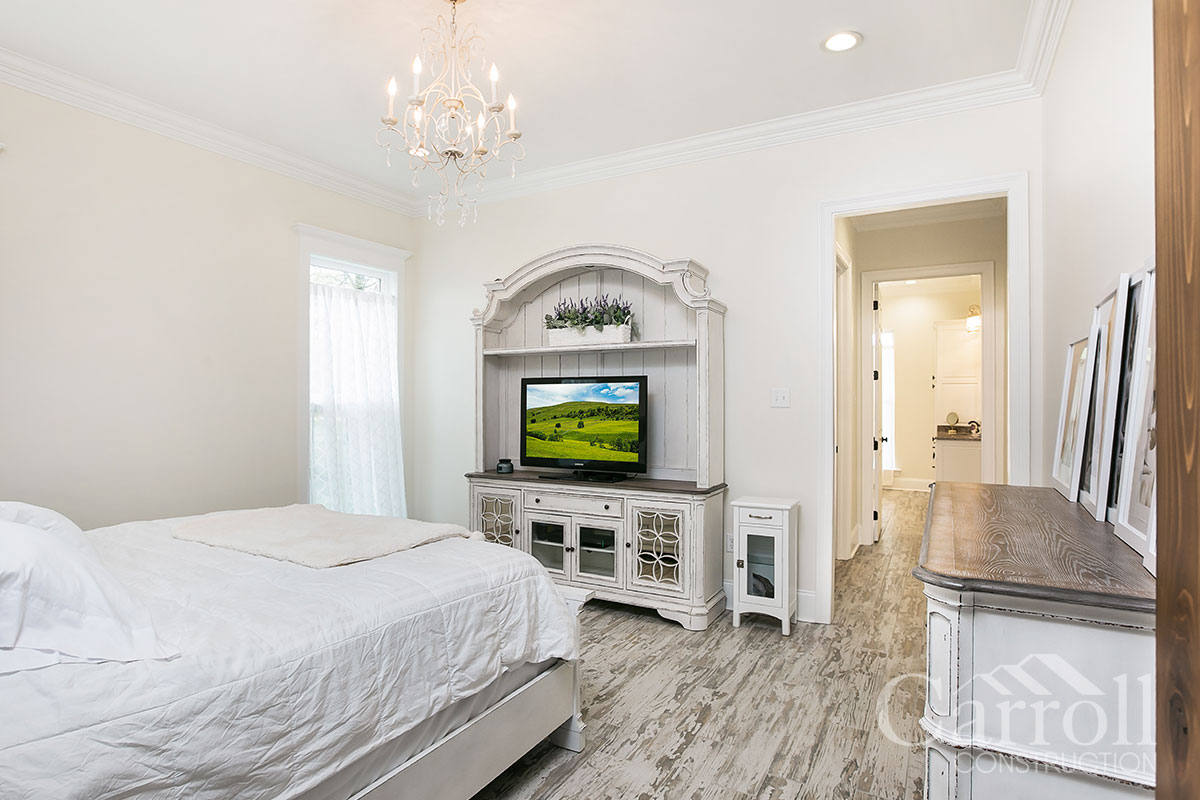
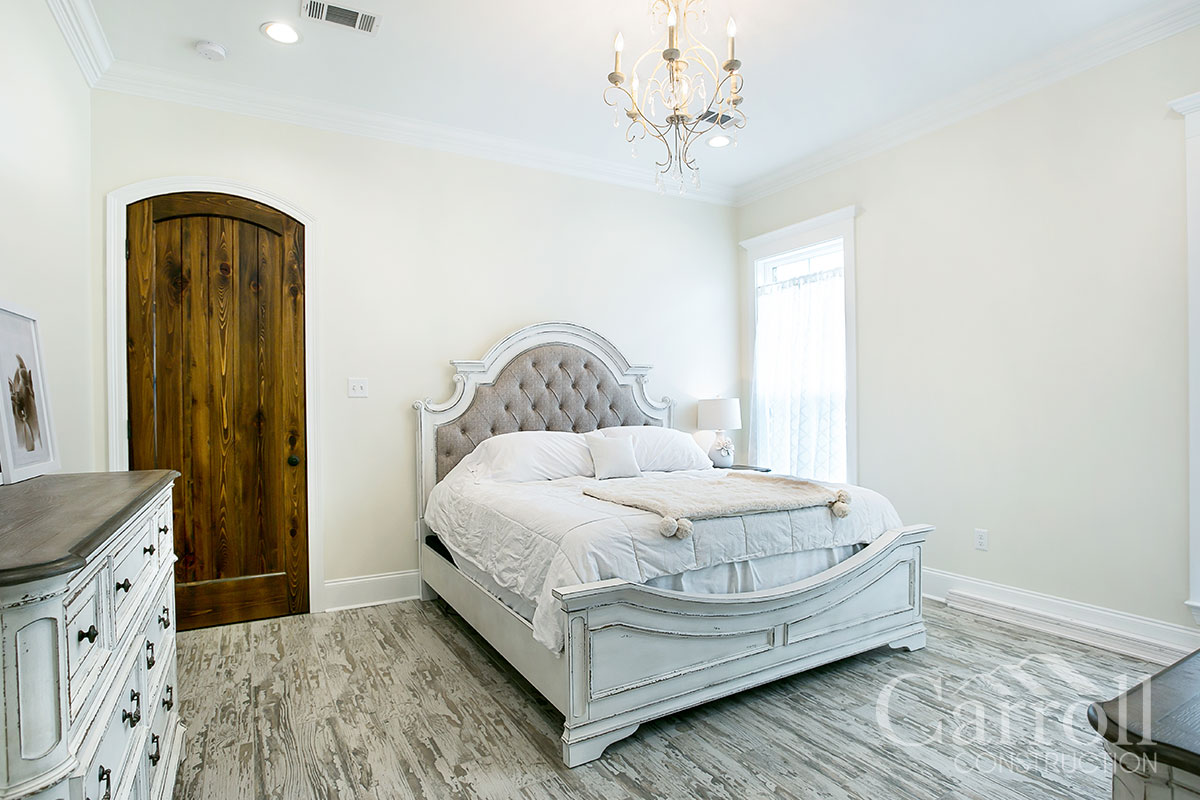
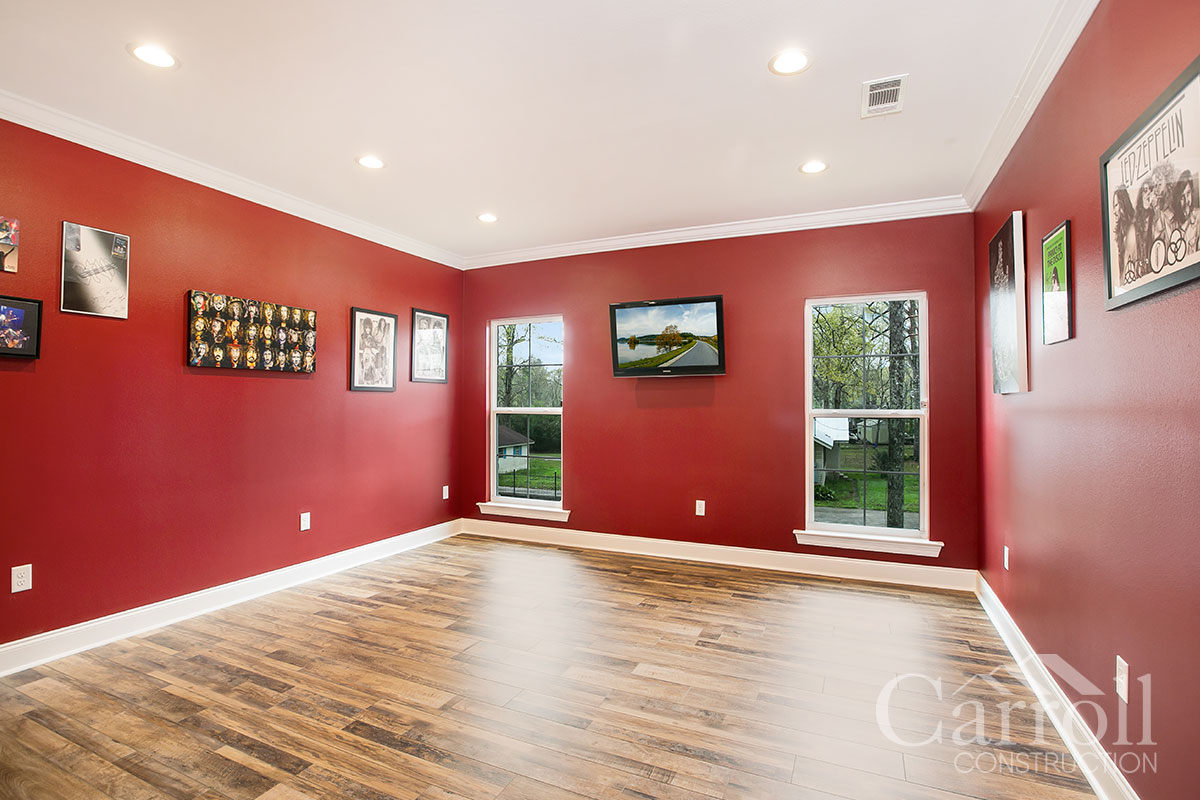
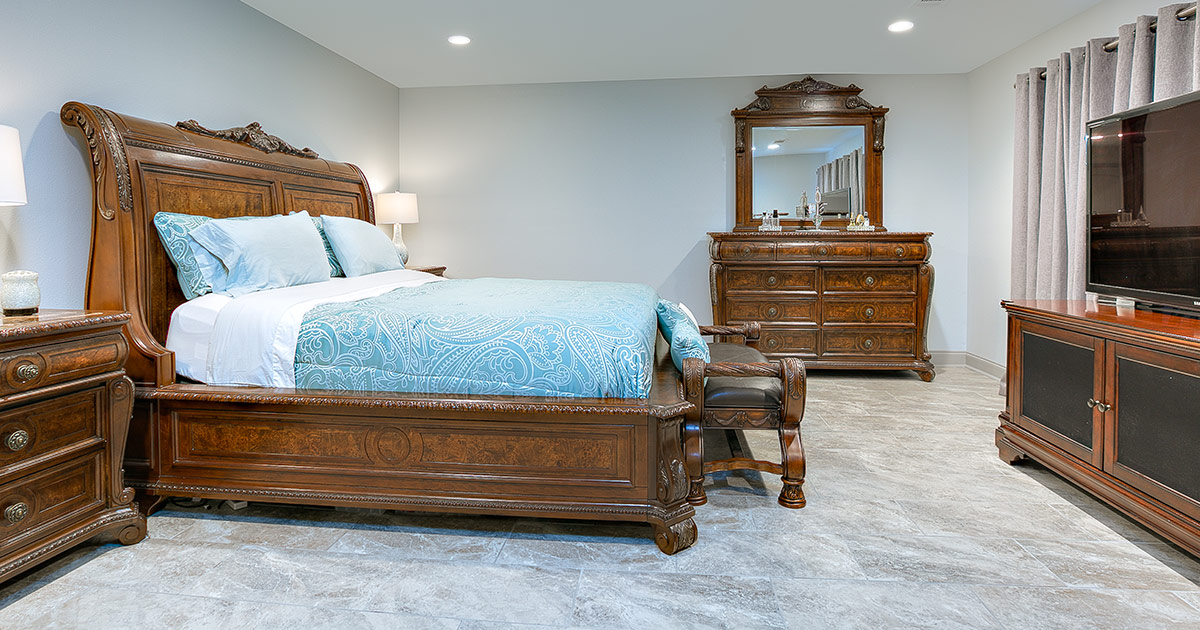
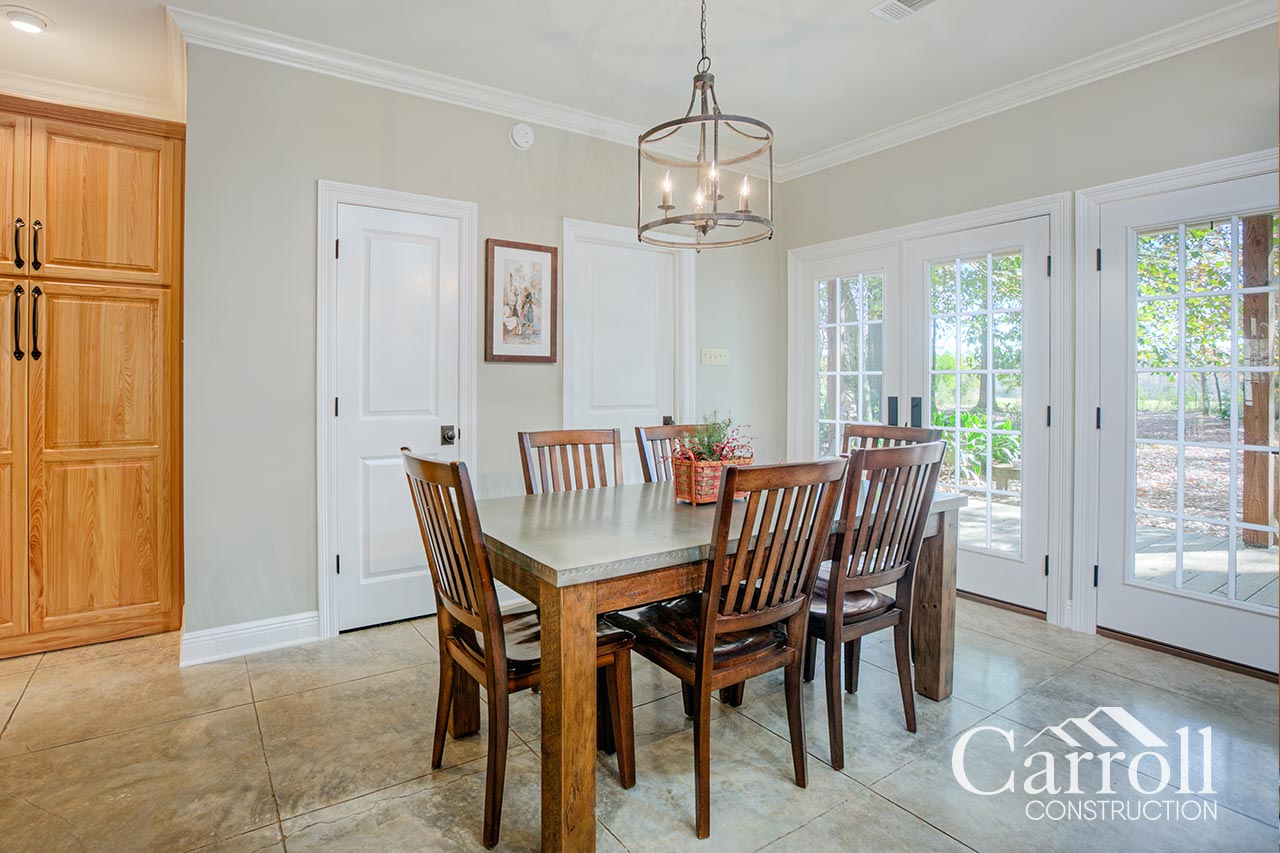
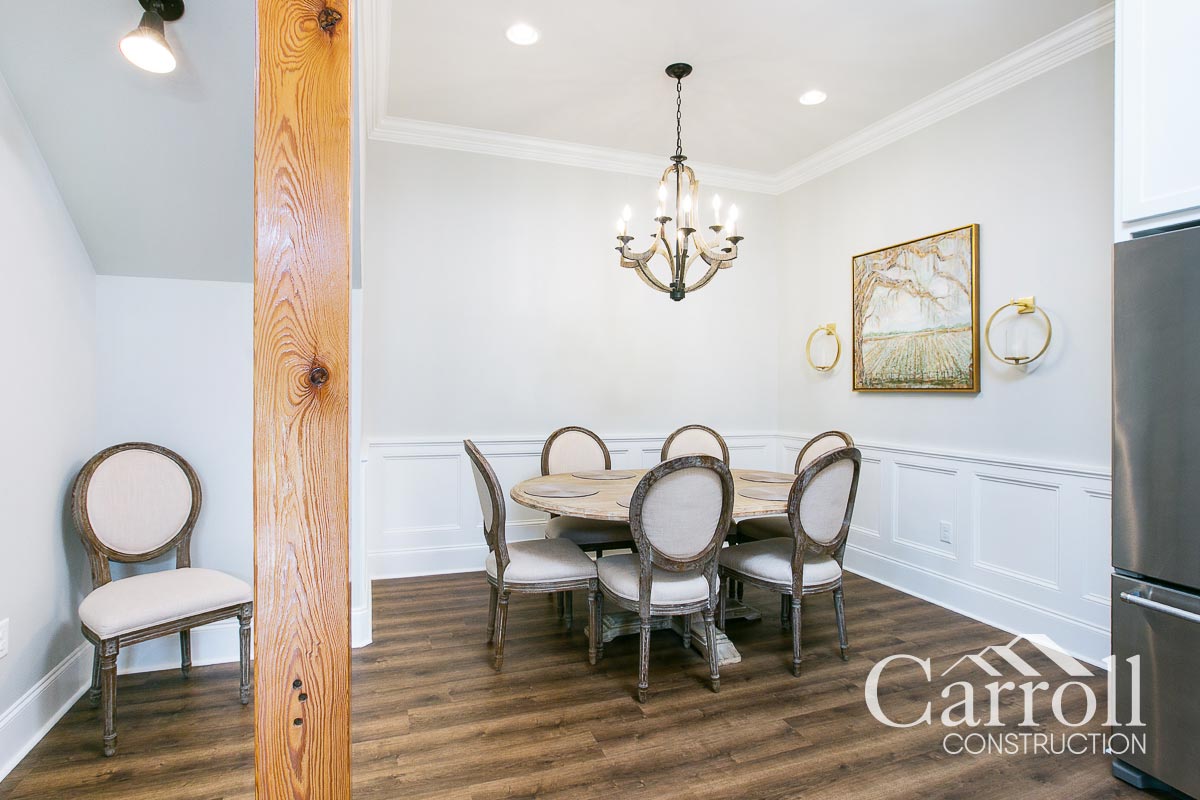
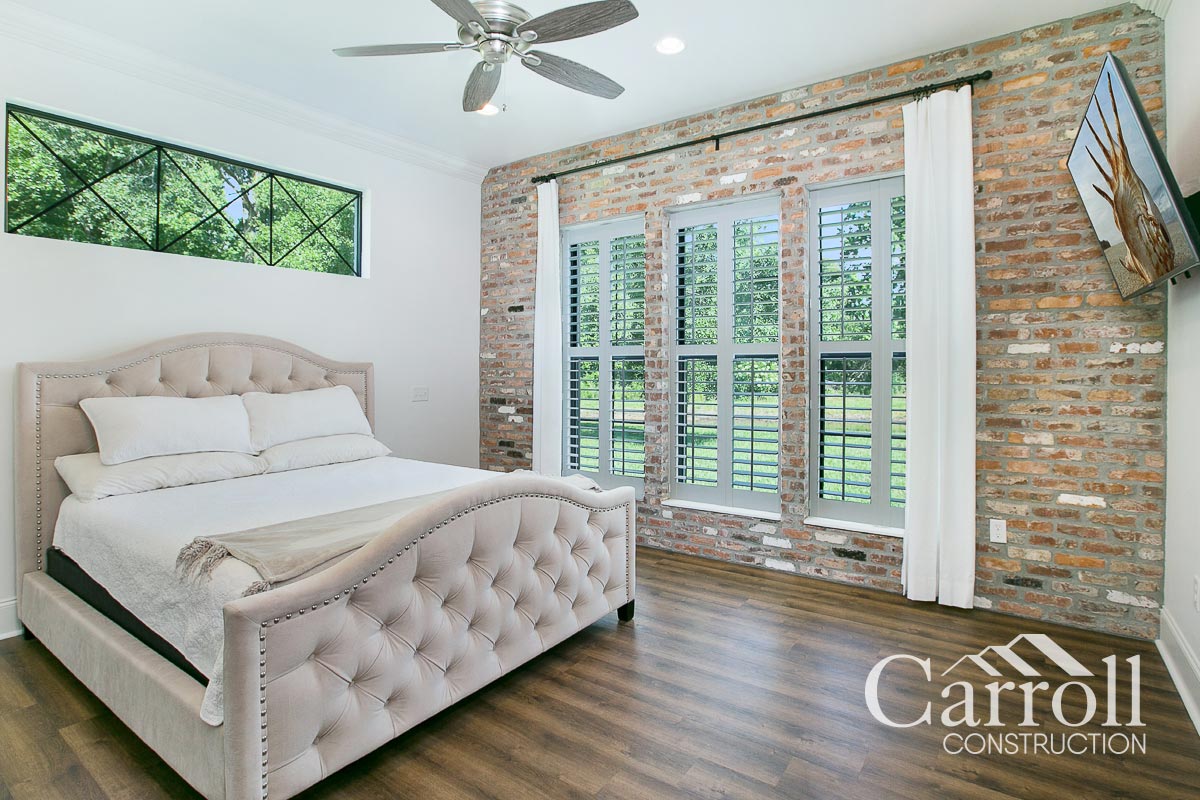
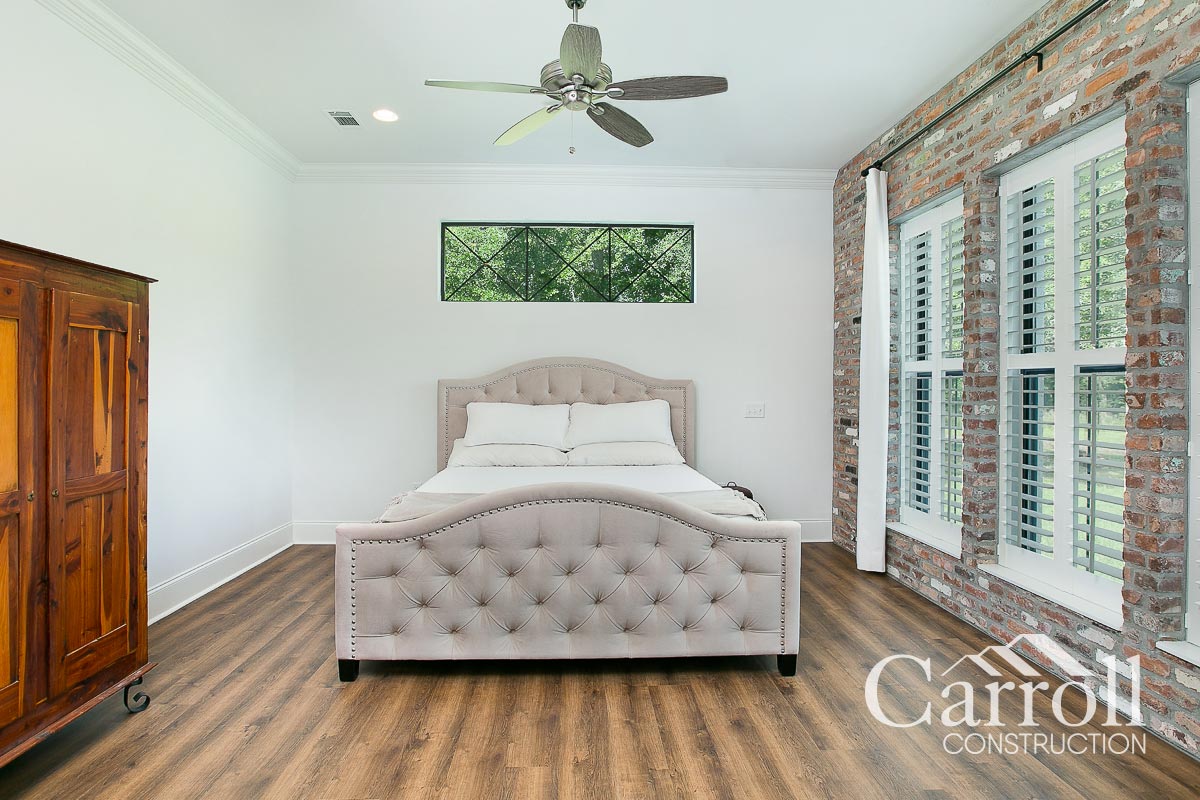
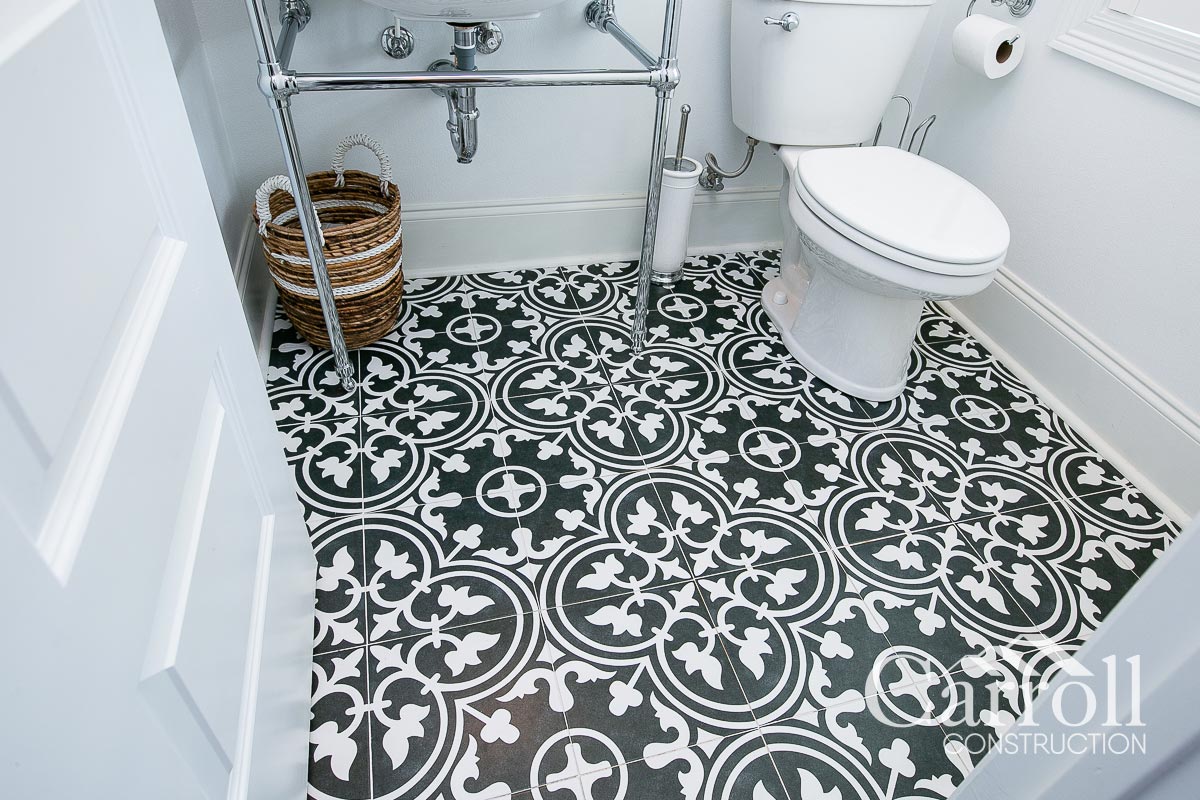
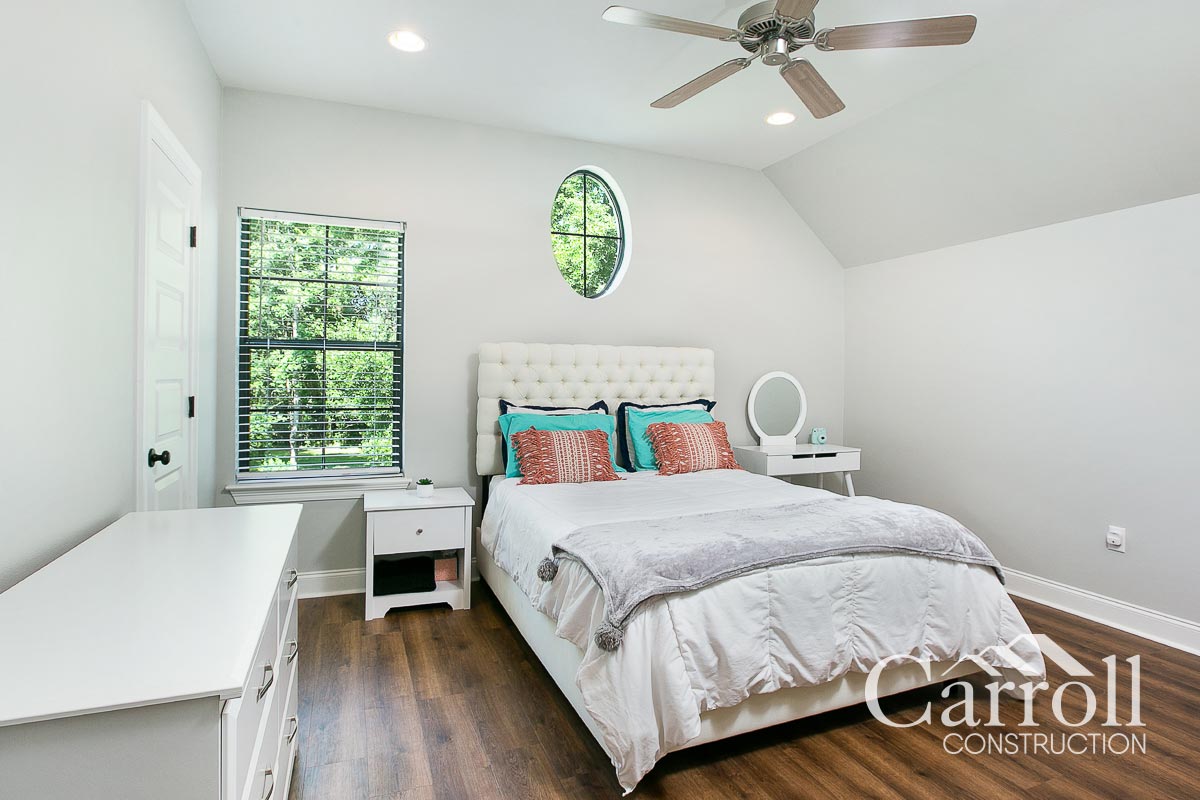
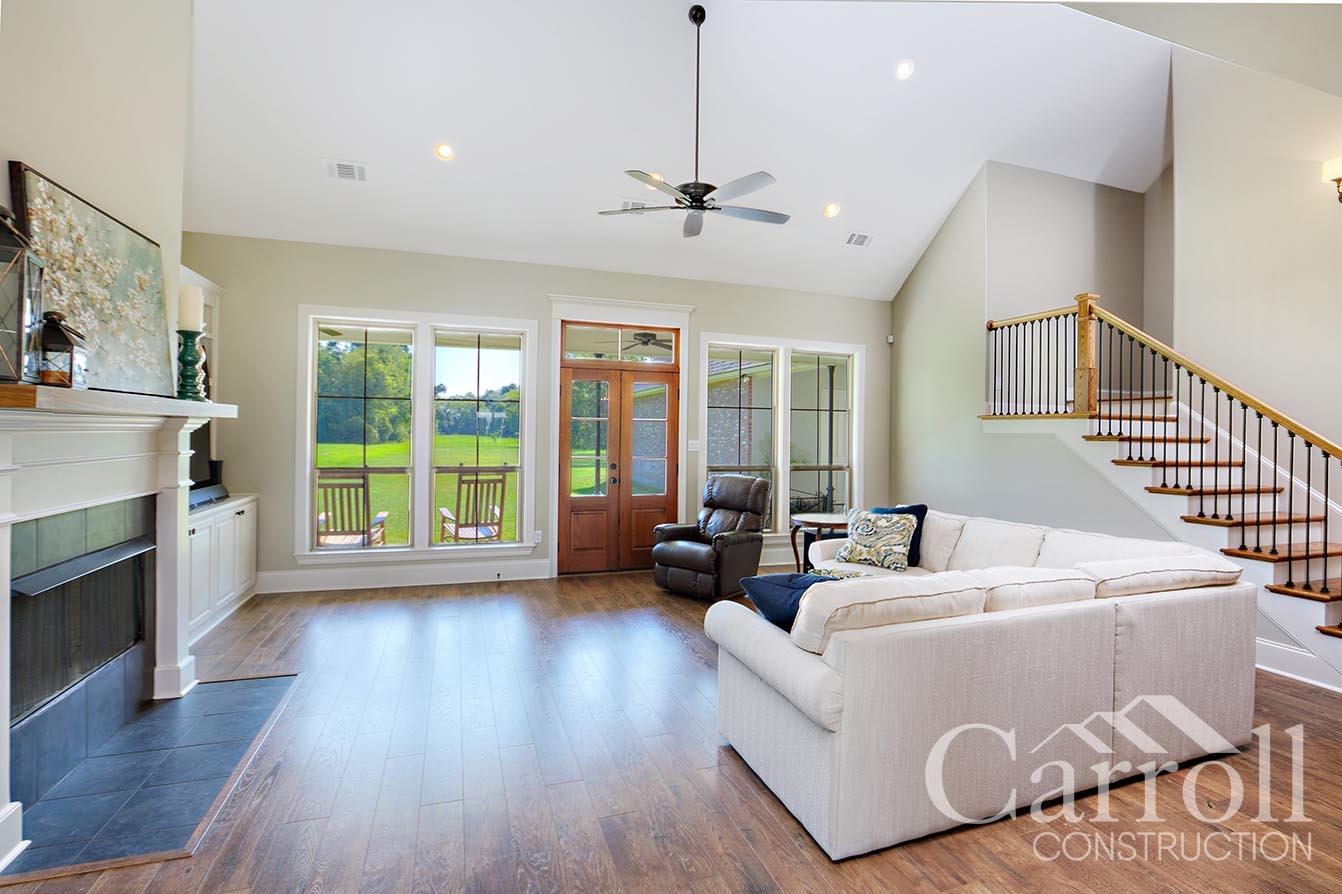
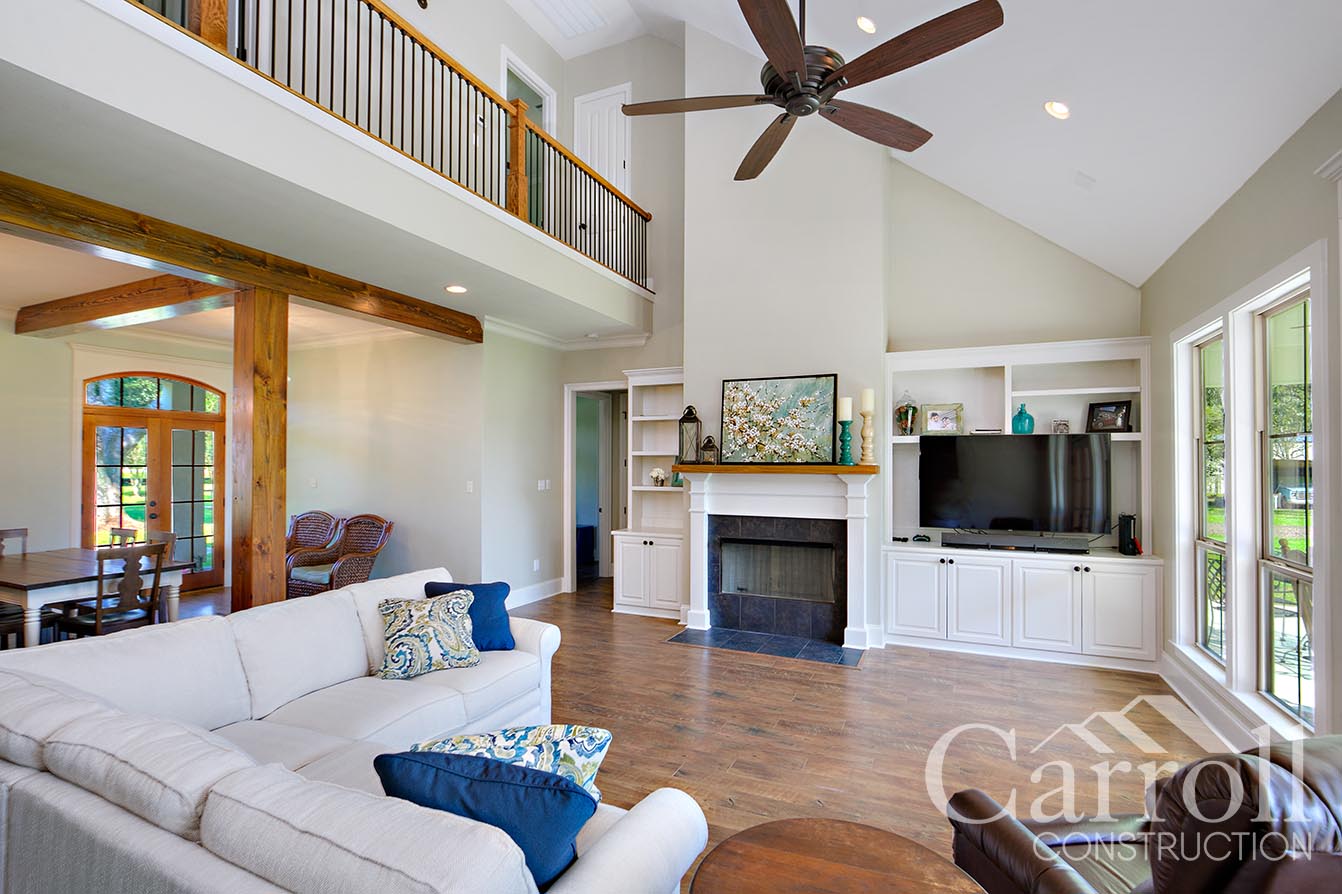
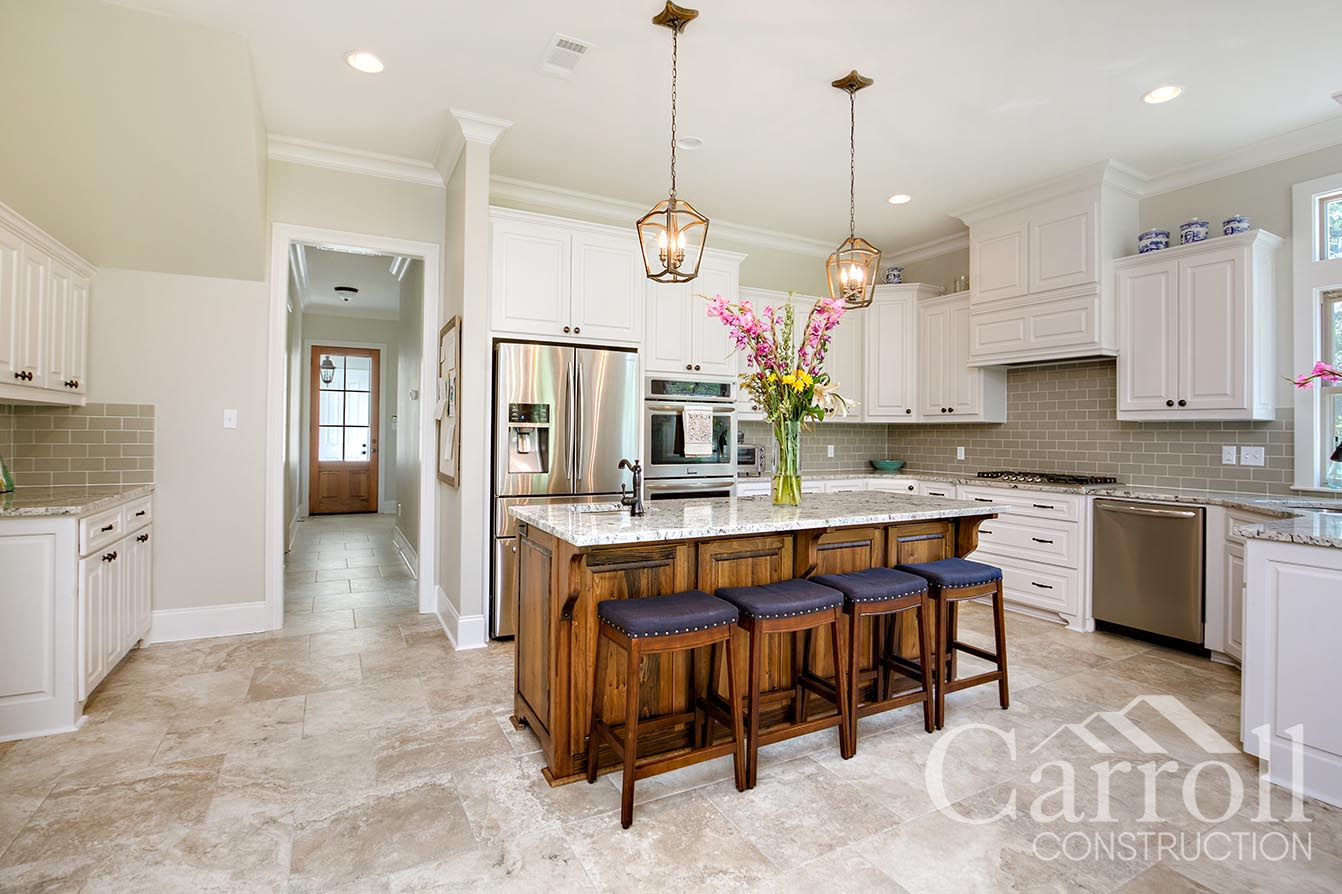
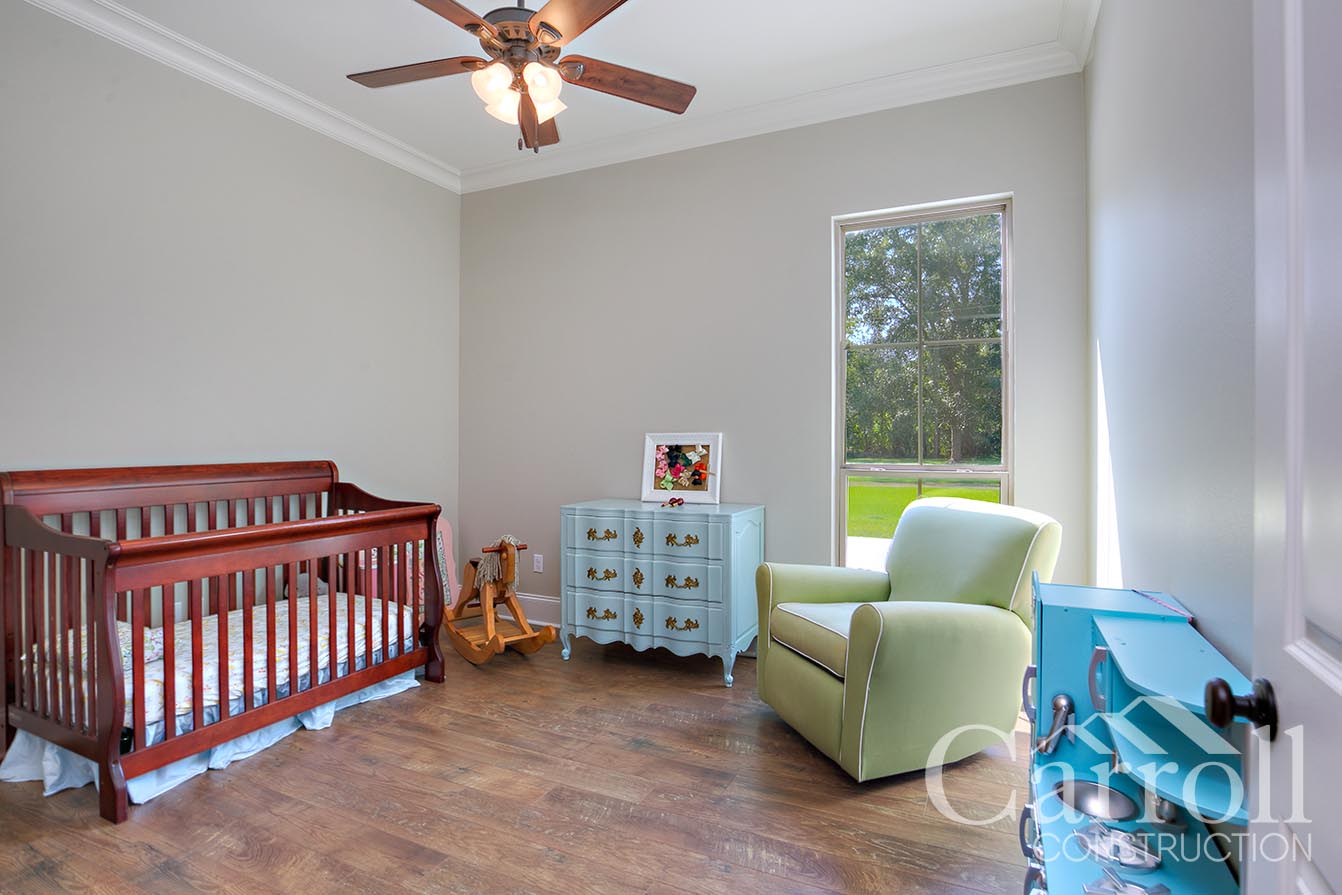
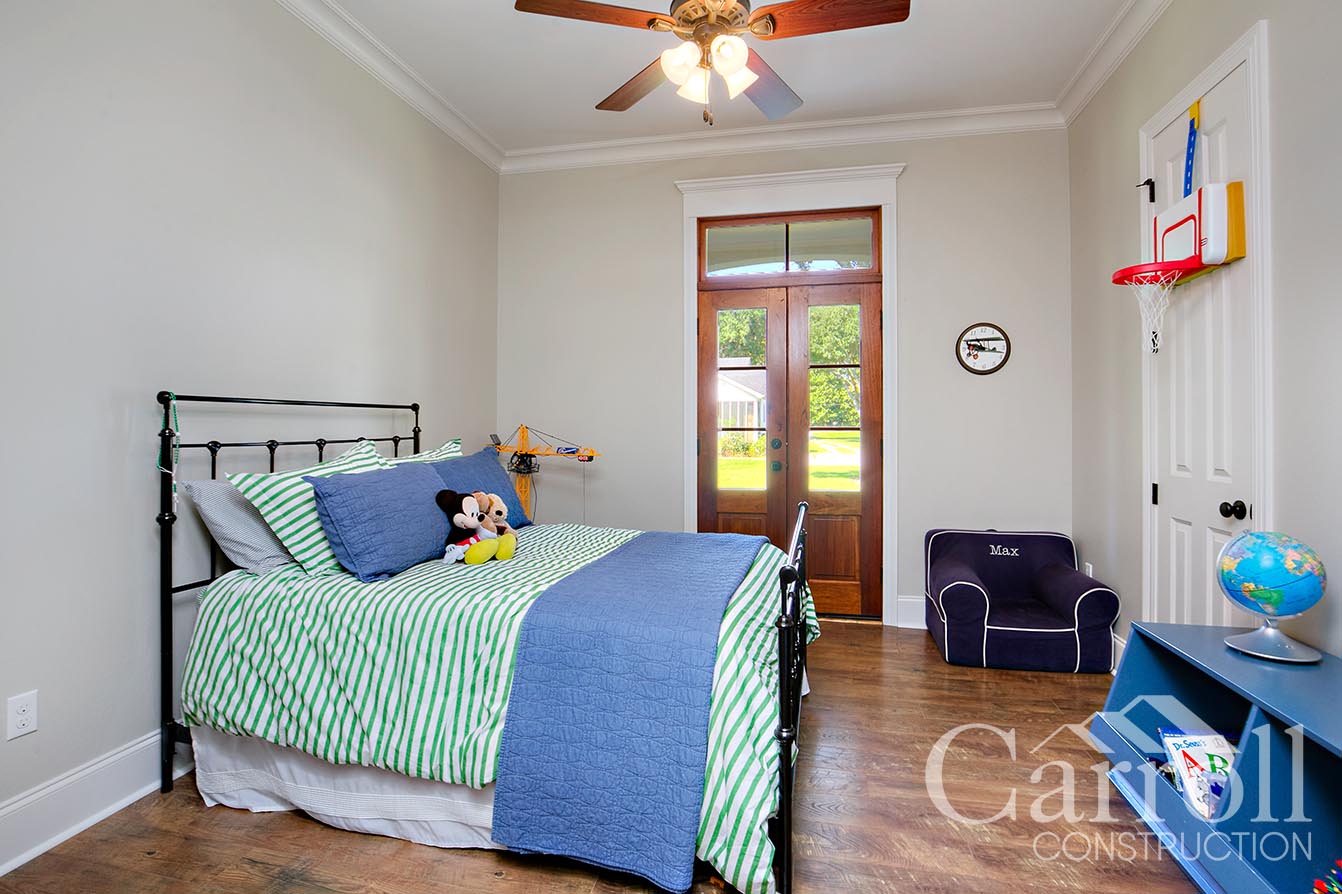
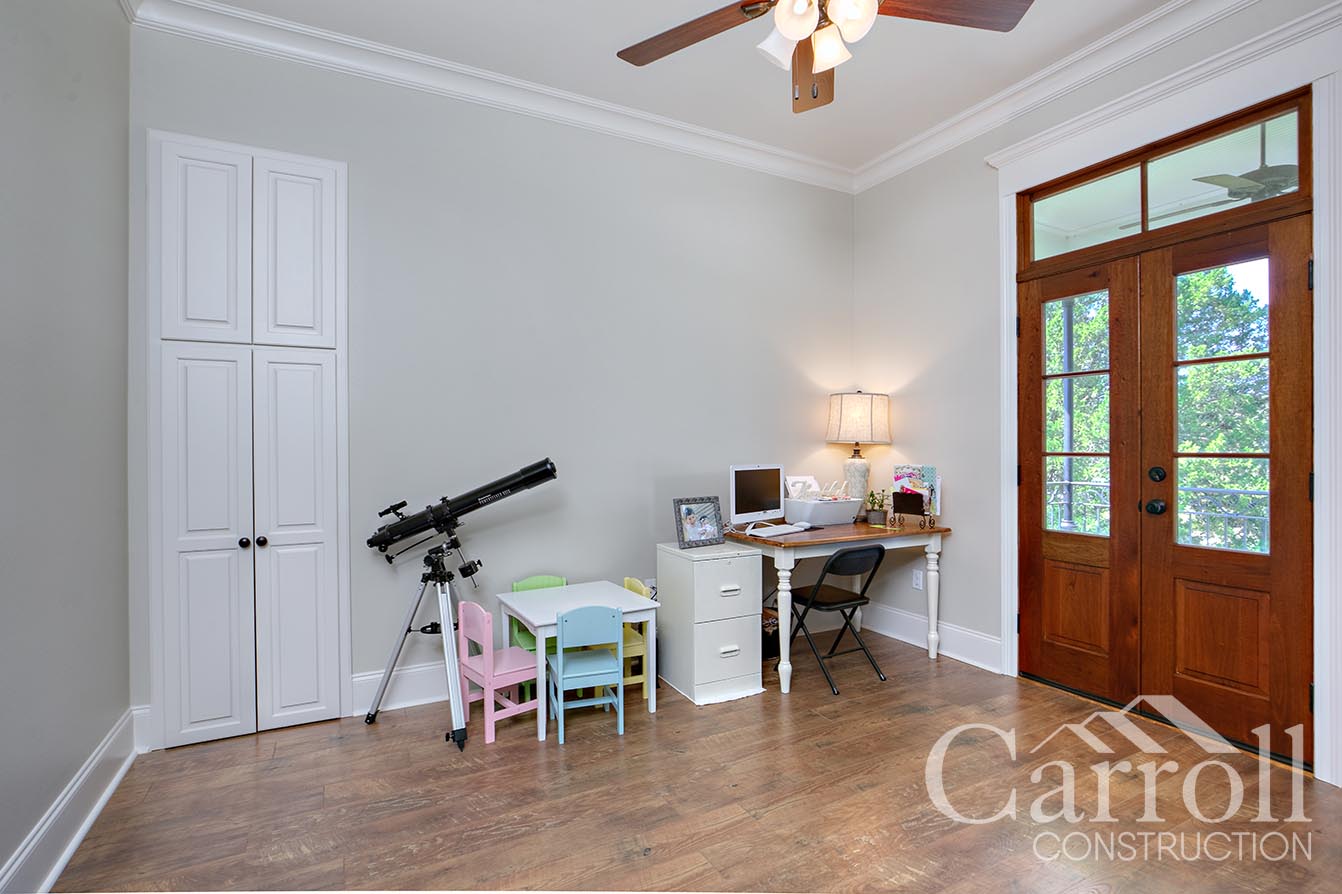
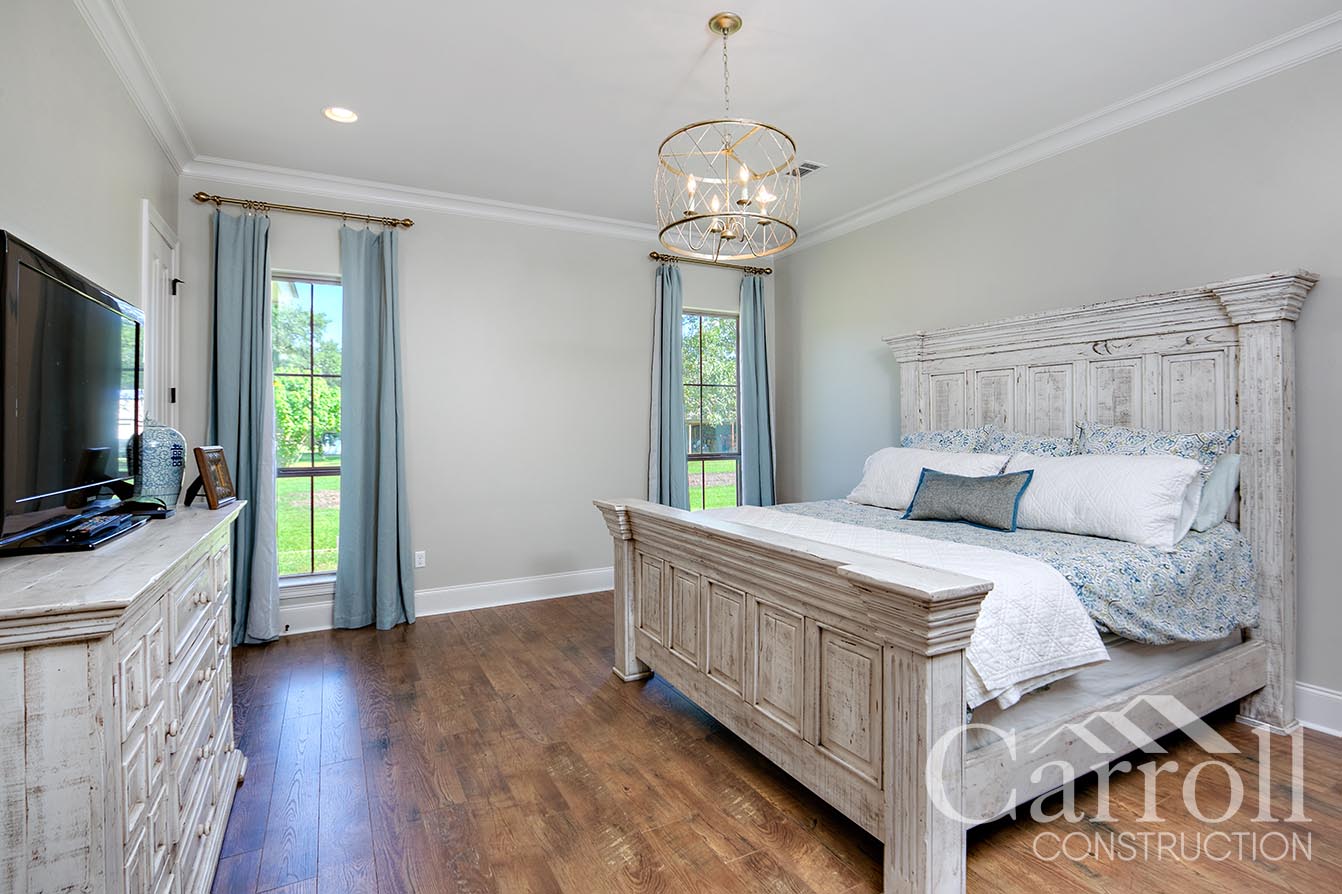
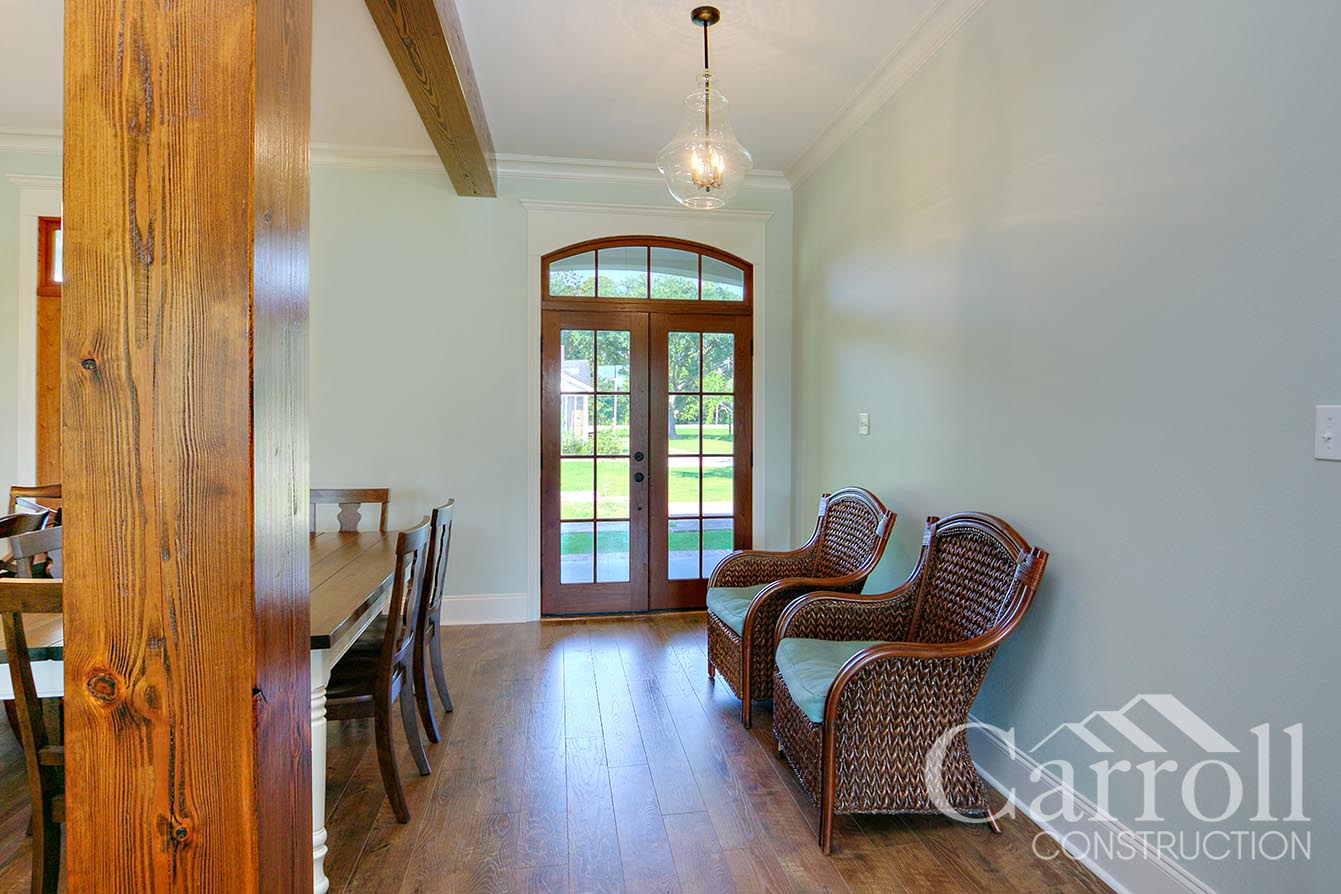
Although your choices may change later, it is necessary to start thinking about floor coverings for various rooms. This is especially important if you have your heart set on a certain type of flooring flowing across multiple rooms. For instance, engineered hardwood floors that span throughout the main living area and kitchen/dining rooms should be an expense to consider on its own. And also break down related rooms, like tile in all wet areas, carpet in upstairs bedrooms, brick flooring on the porches, etc.
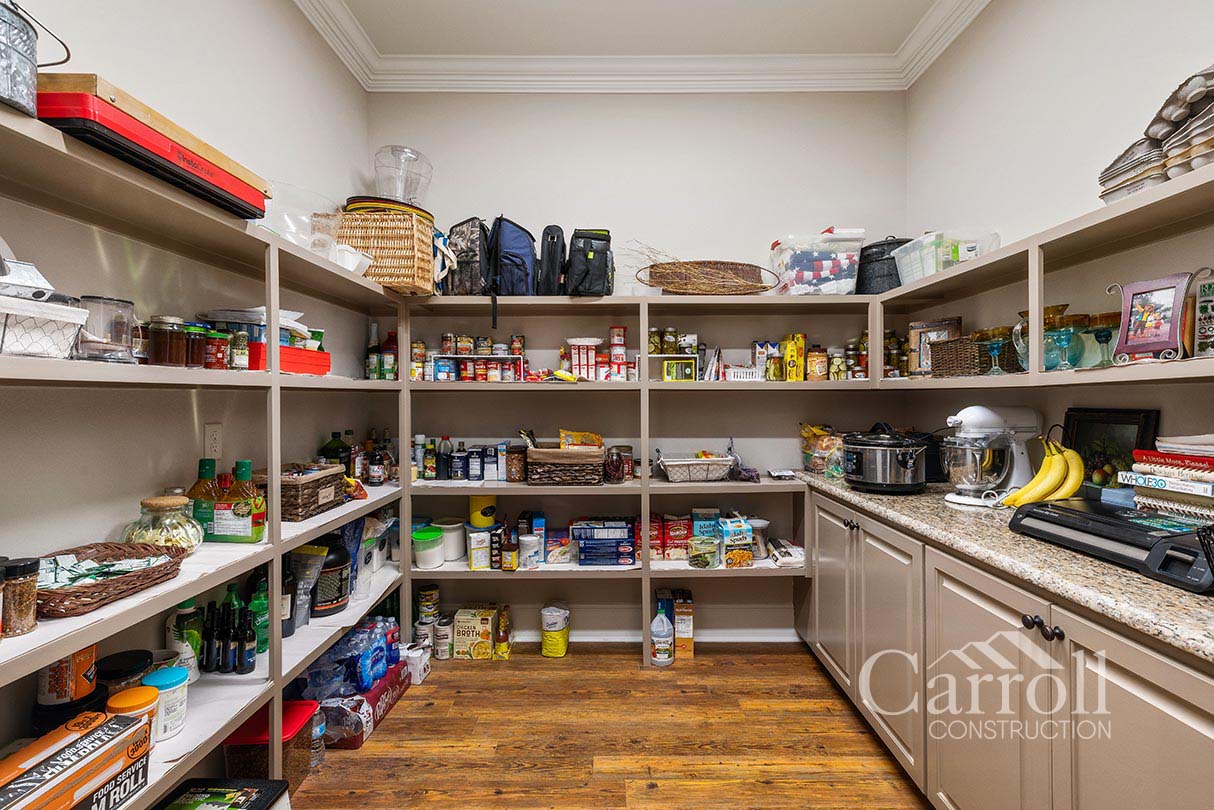
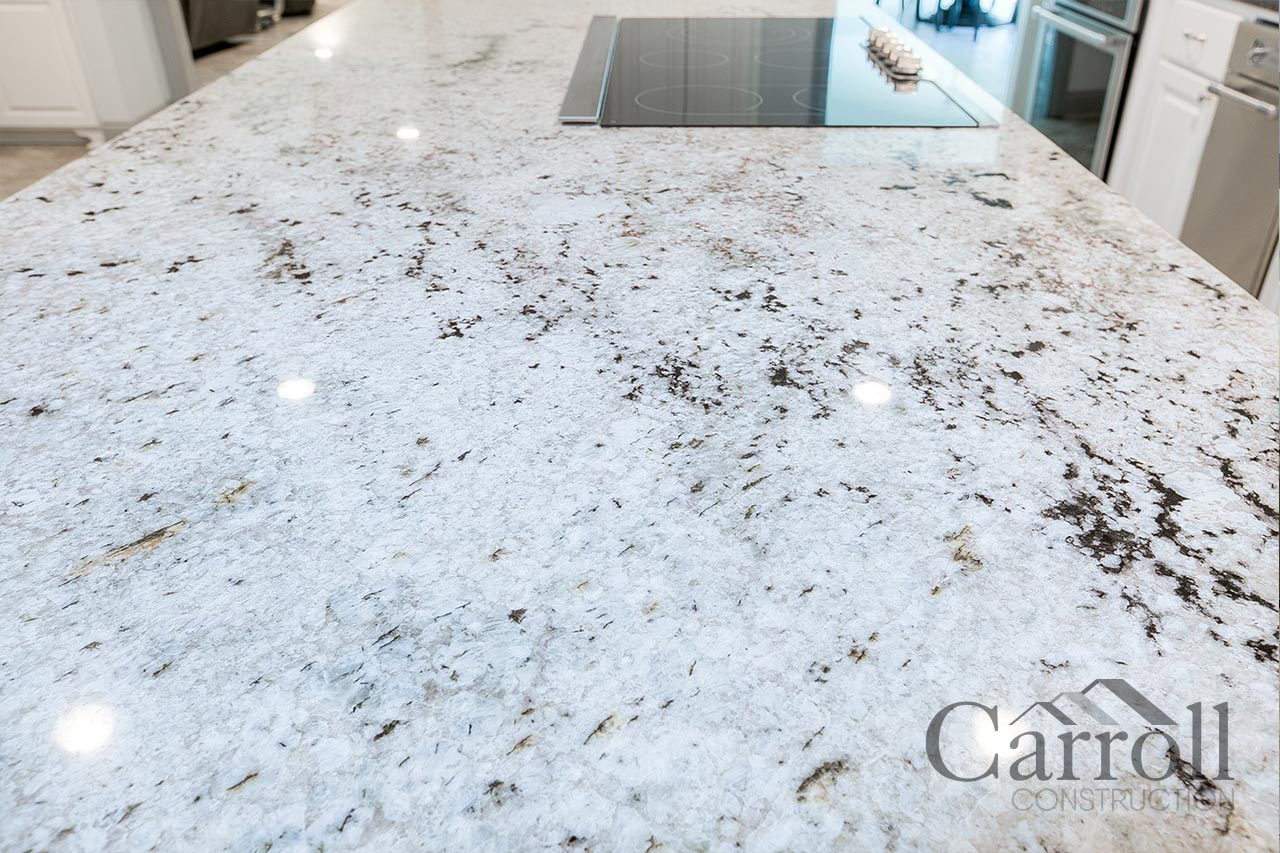
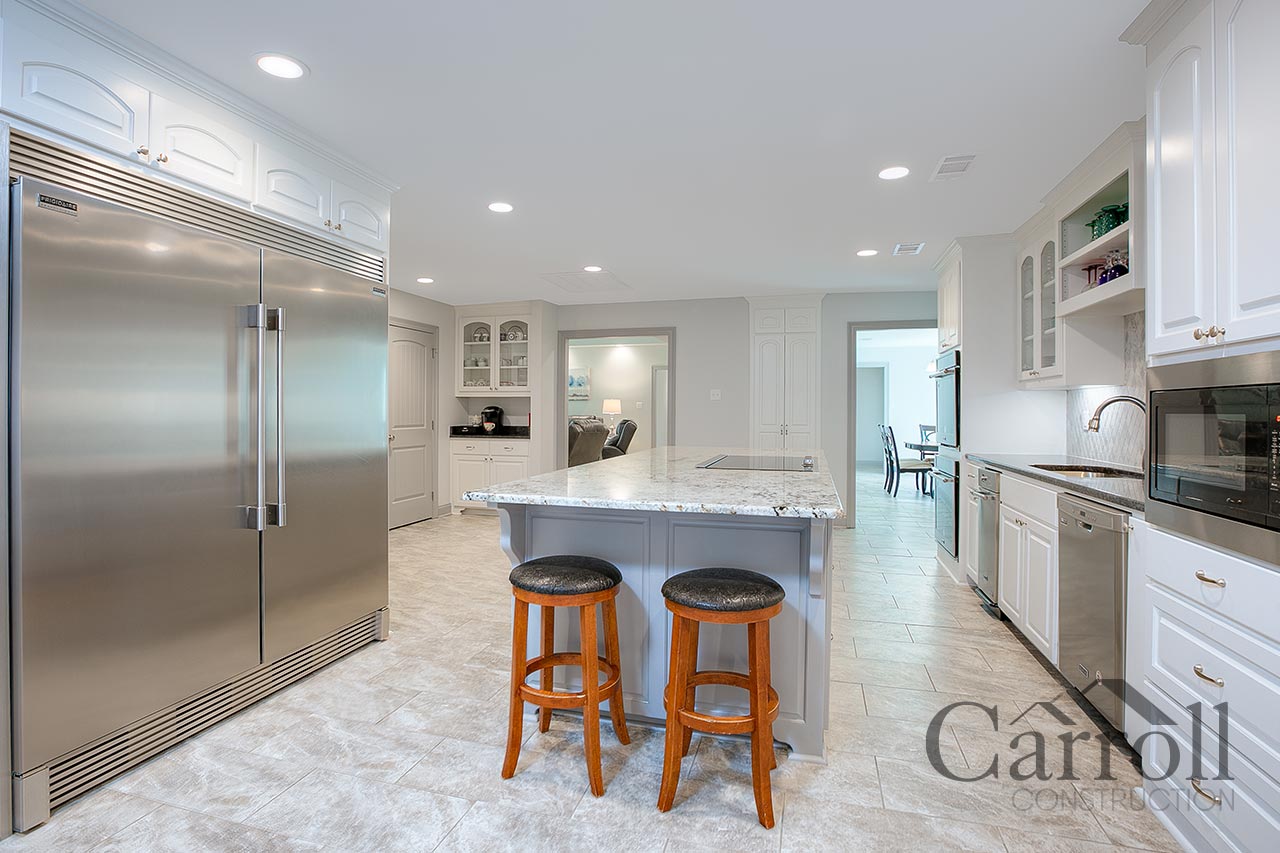
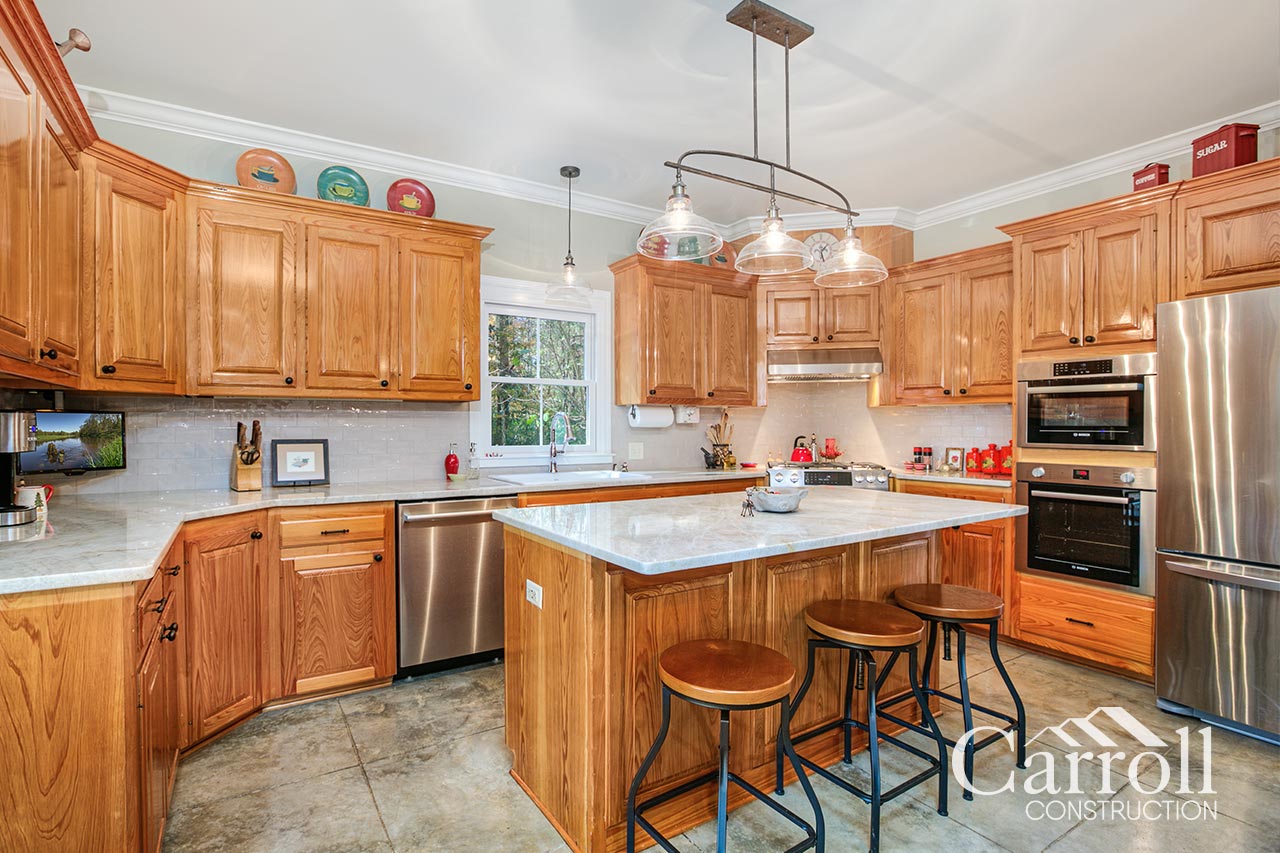
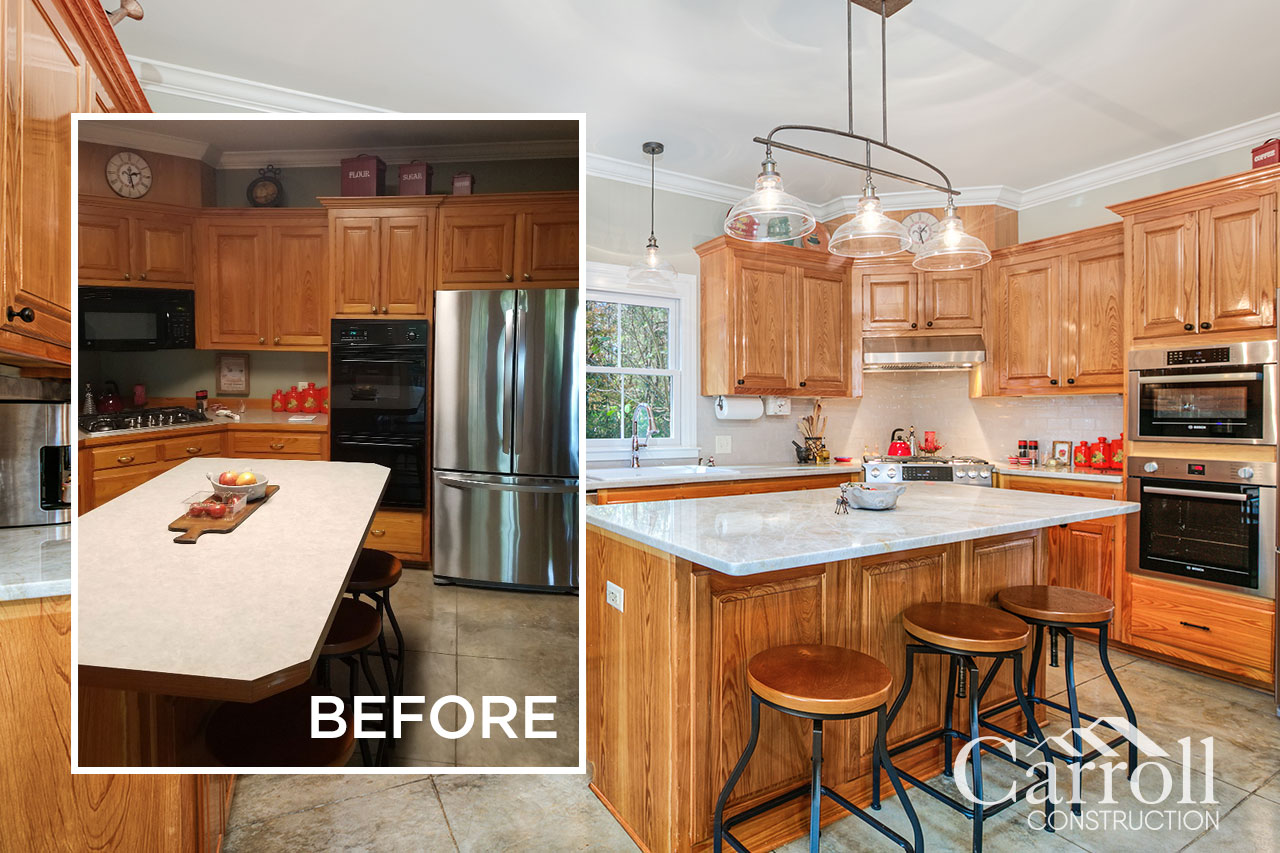
Countertop Material
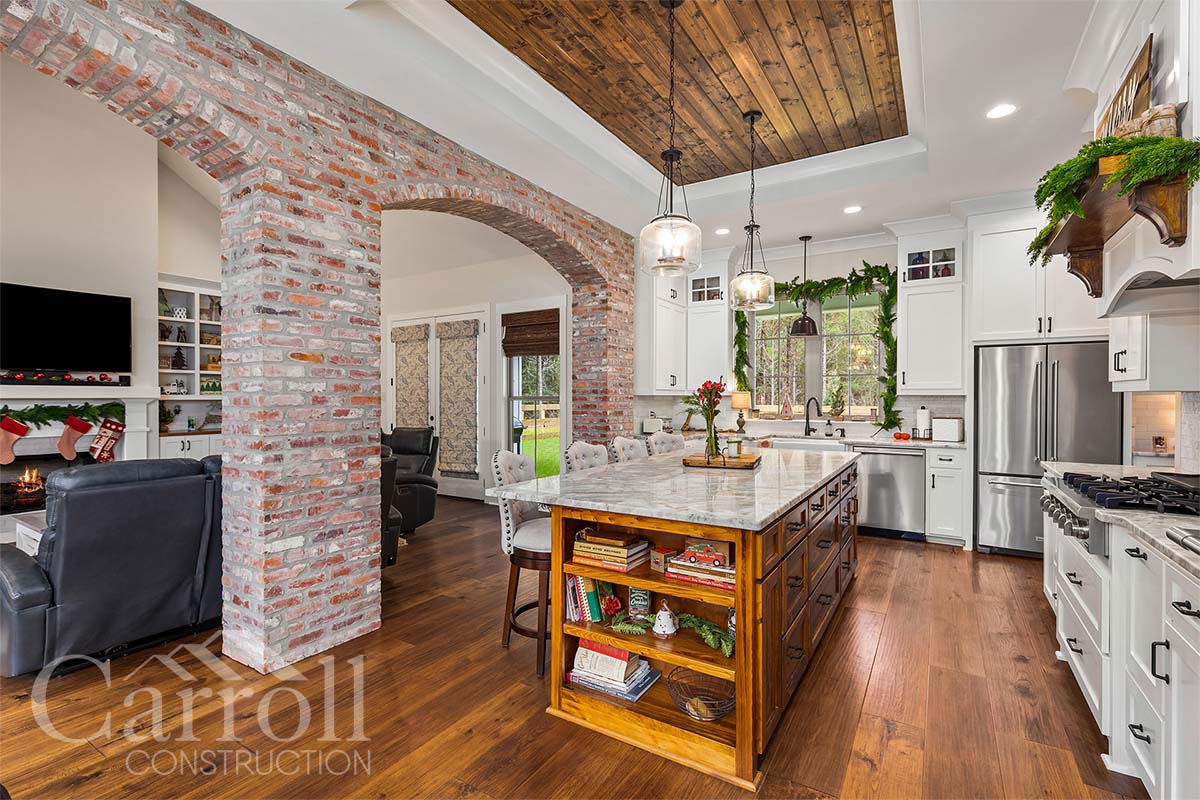
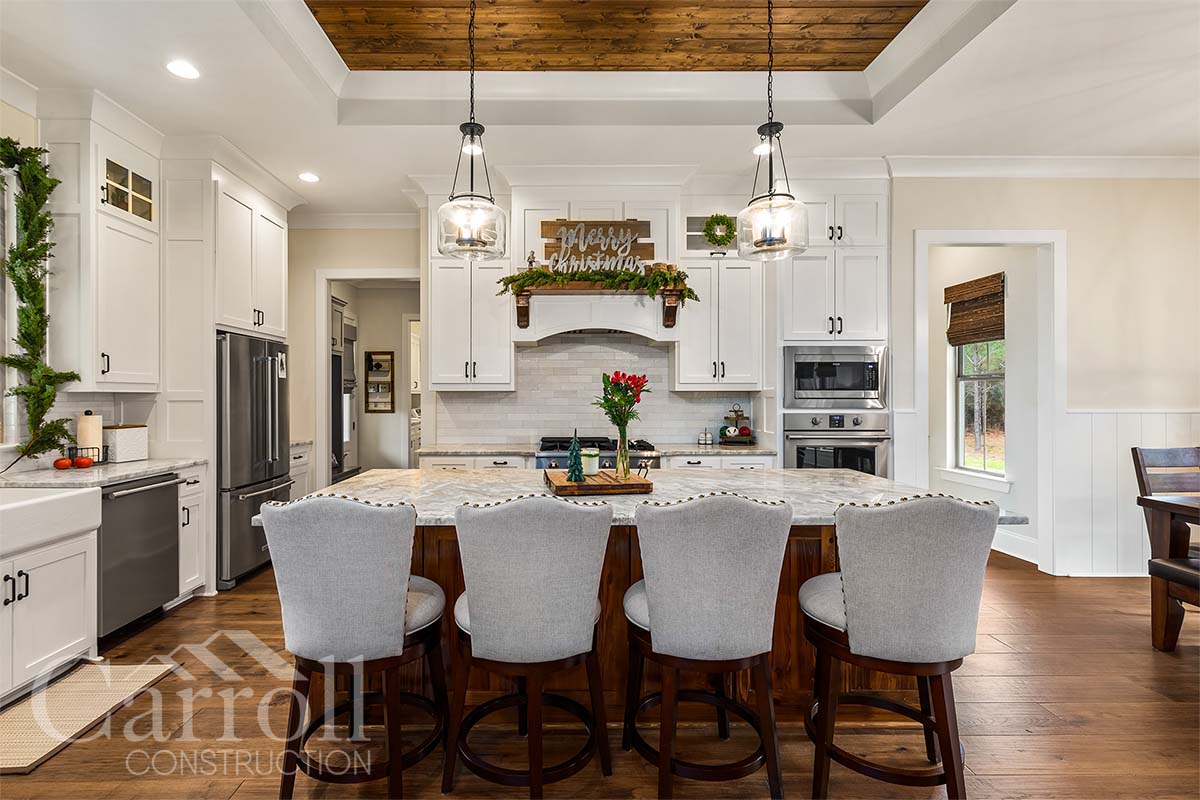
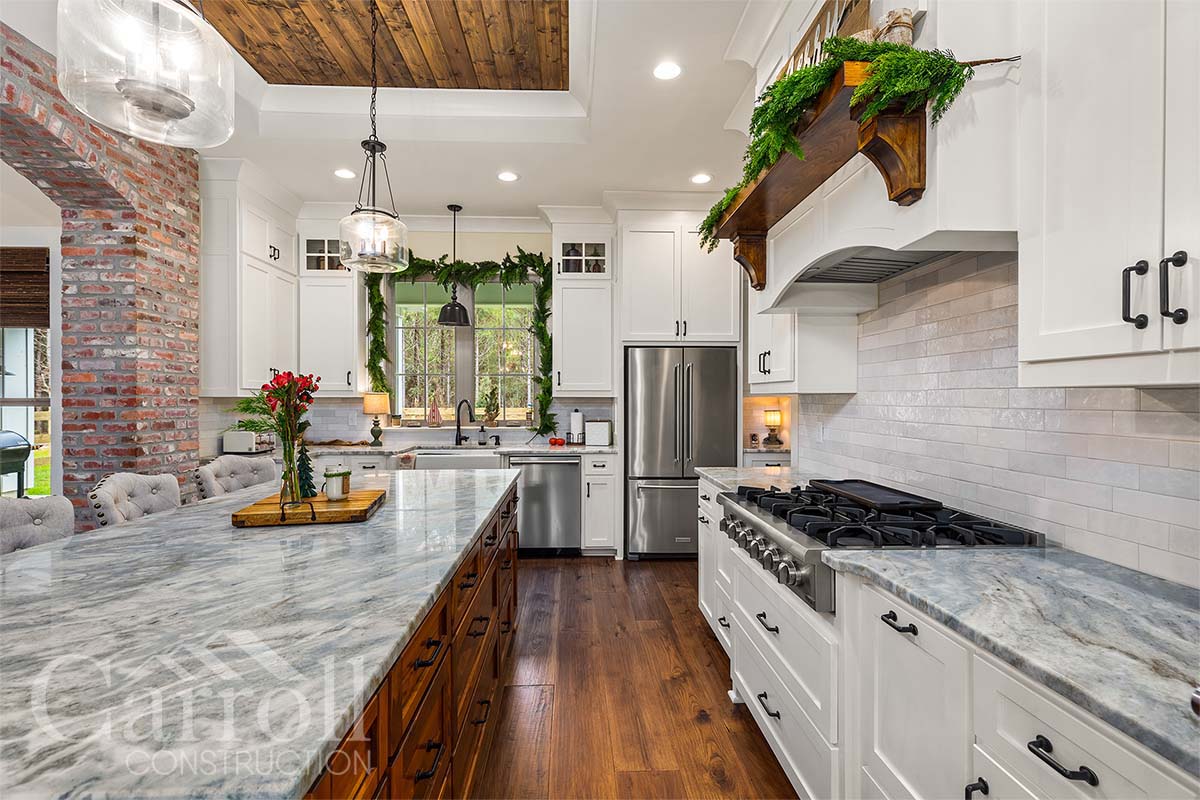
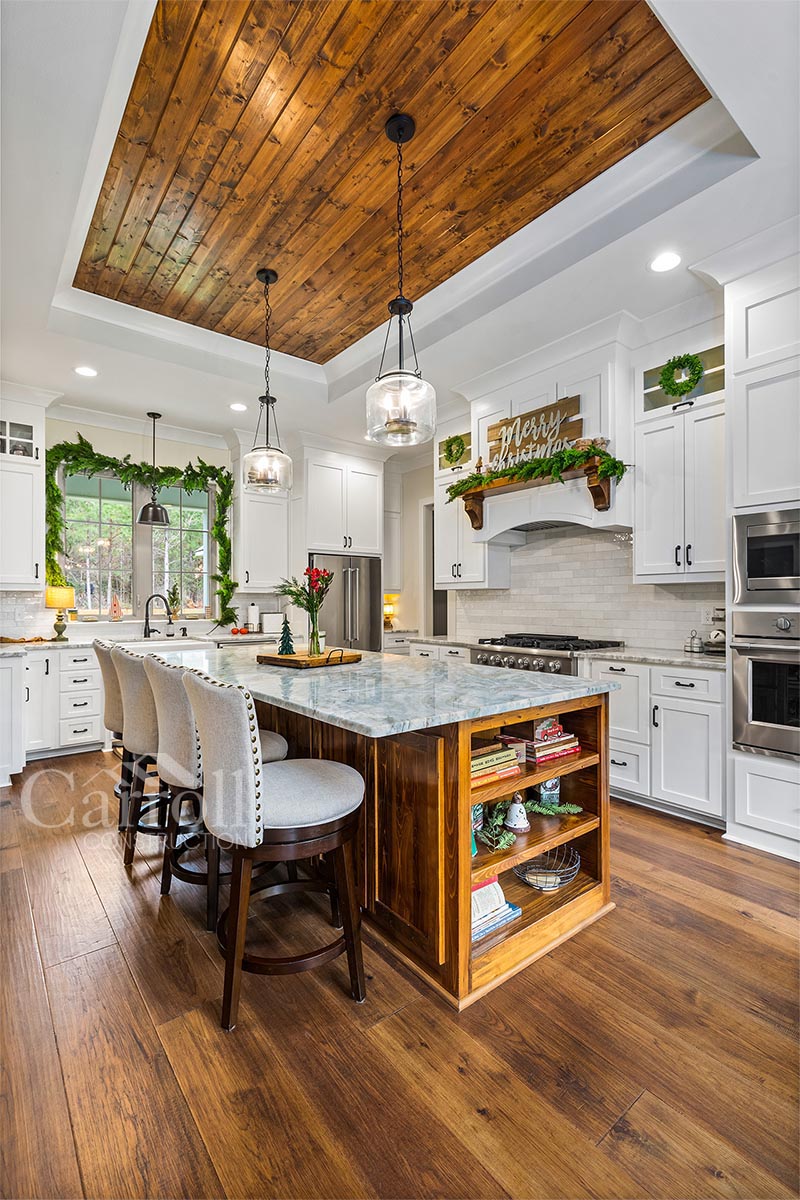
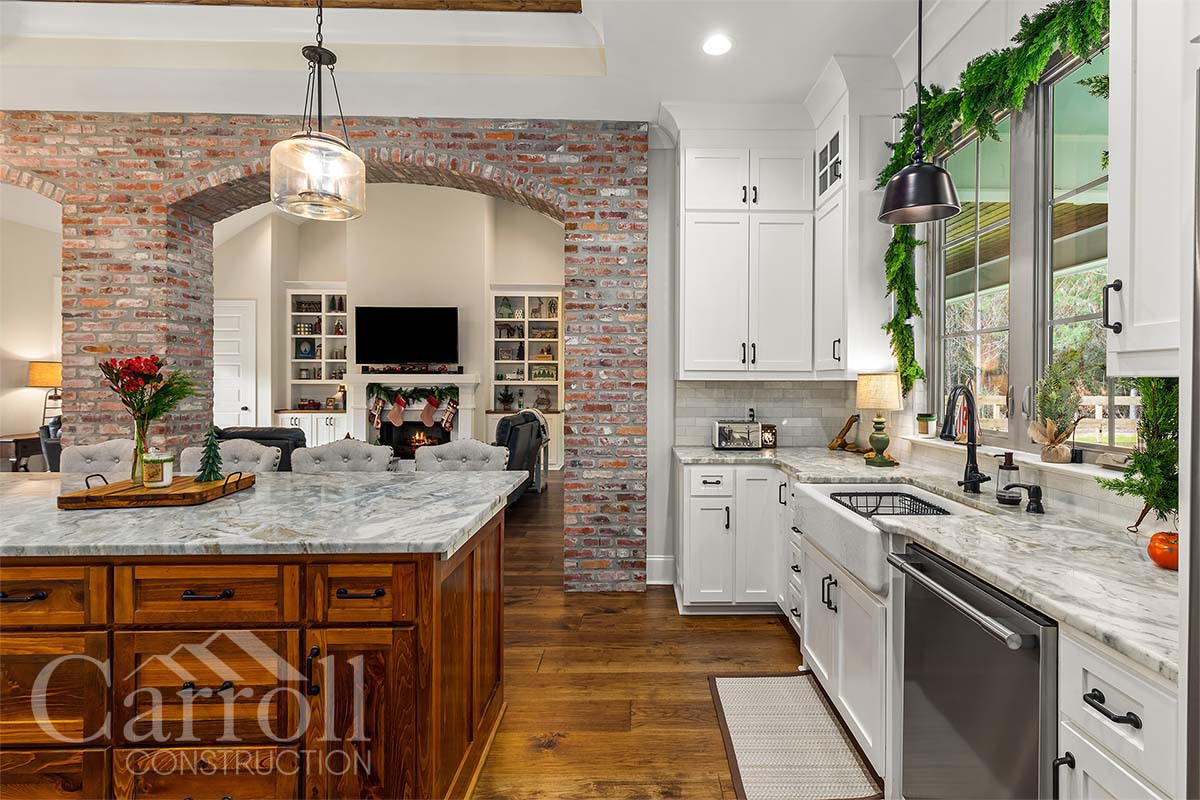
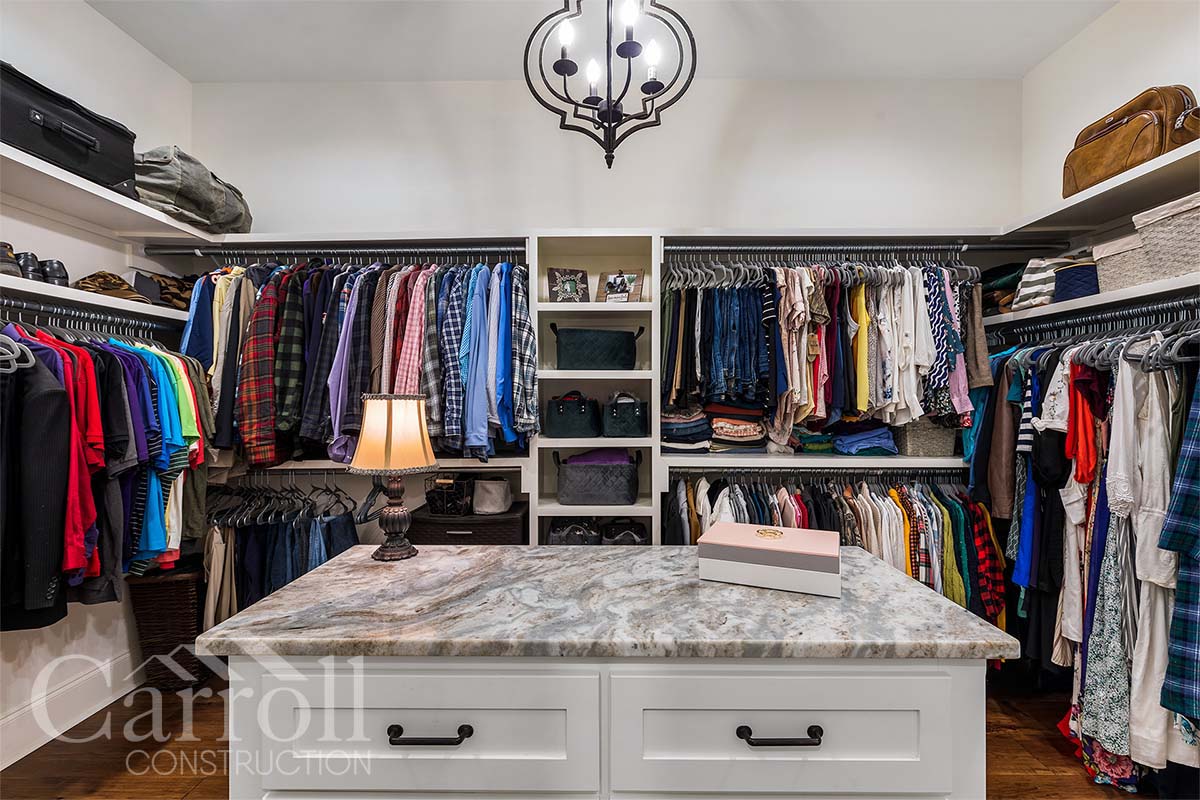
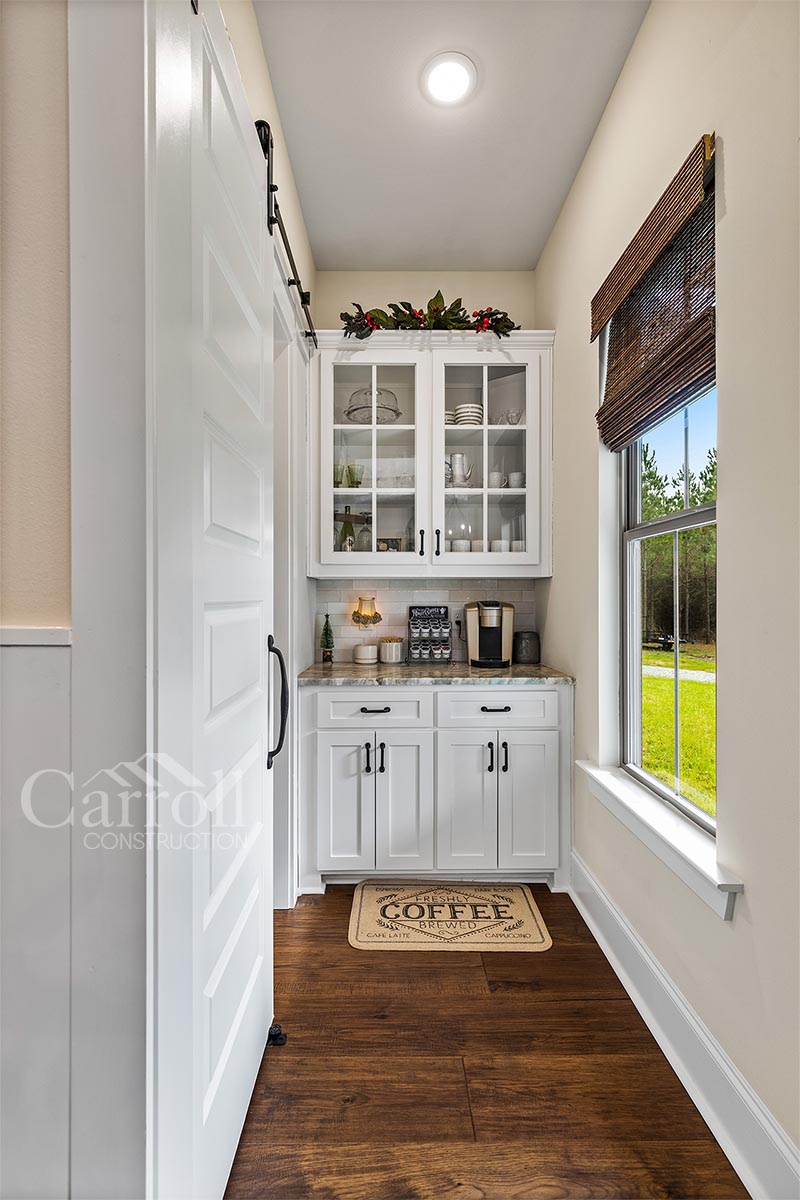
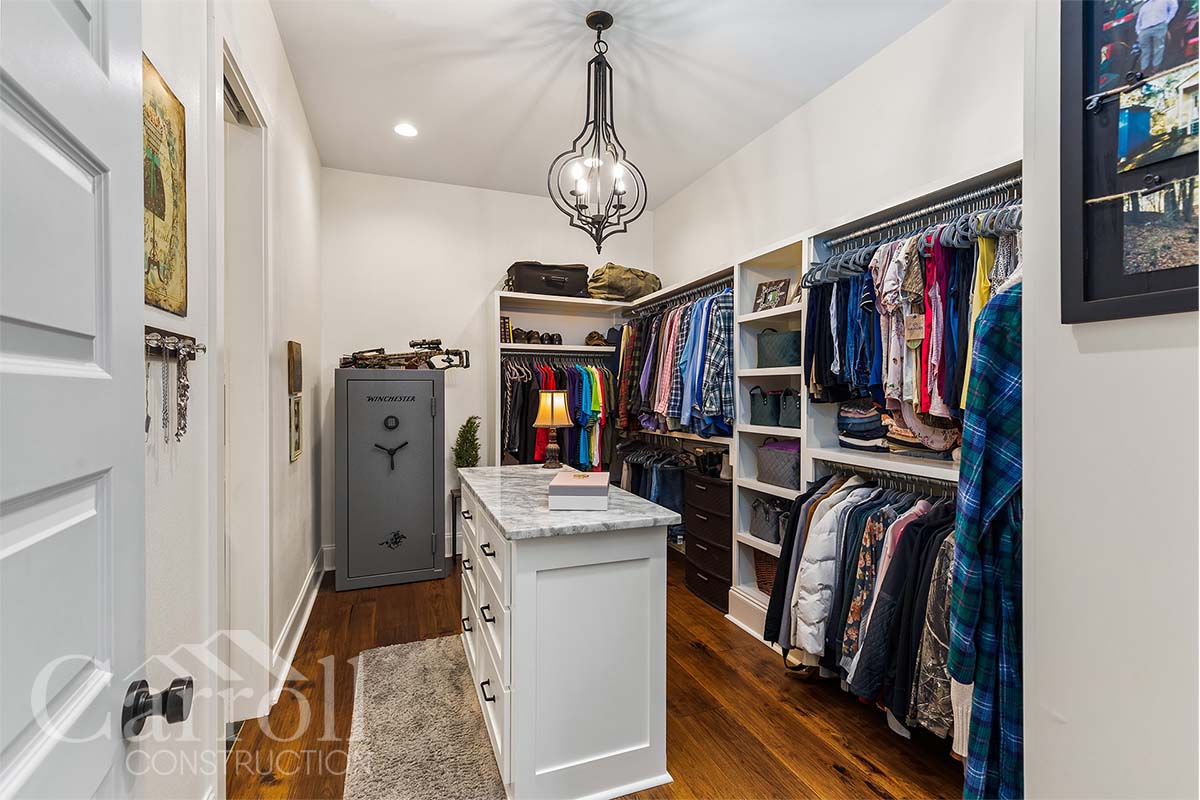
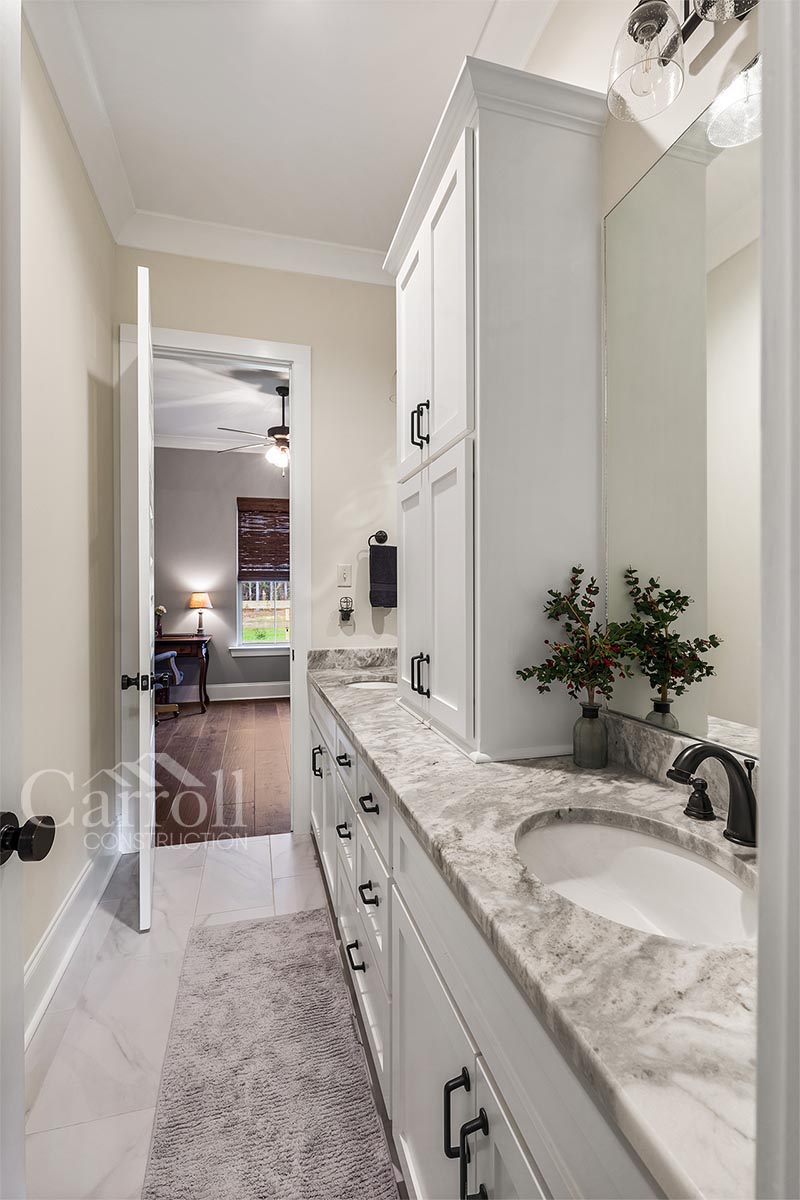
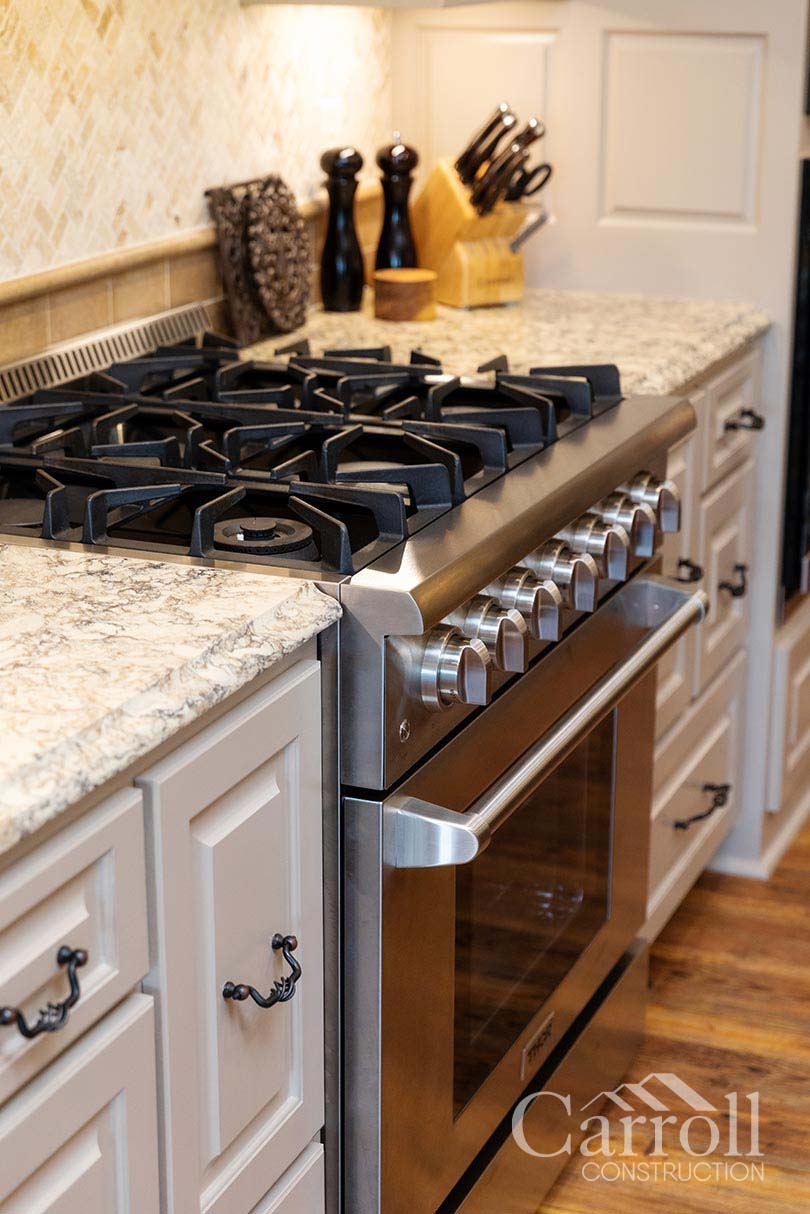
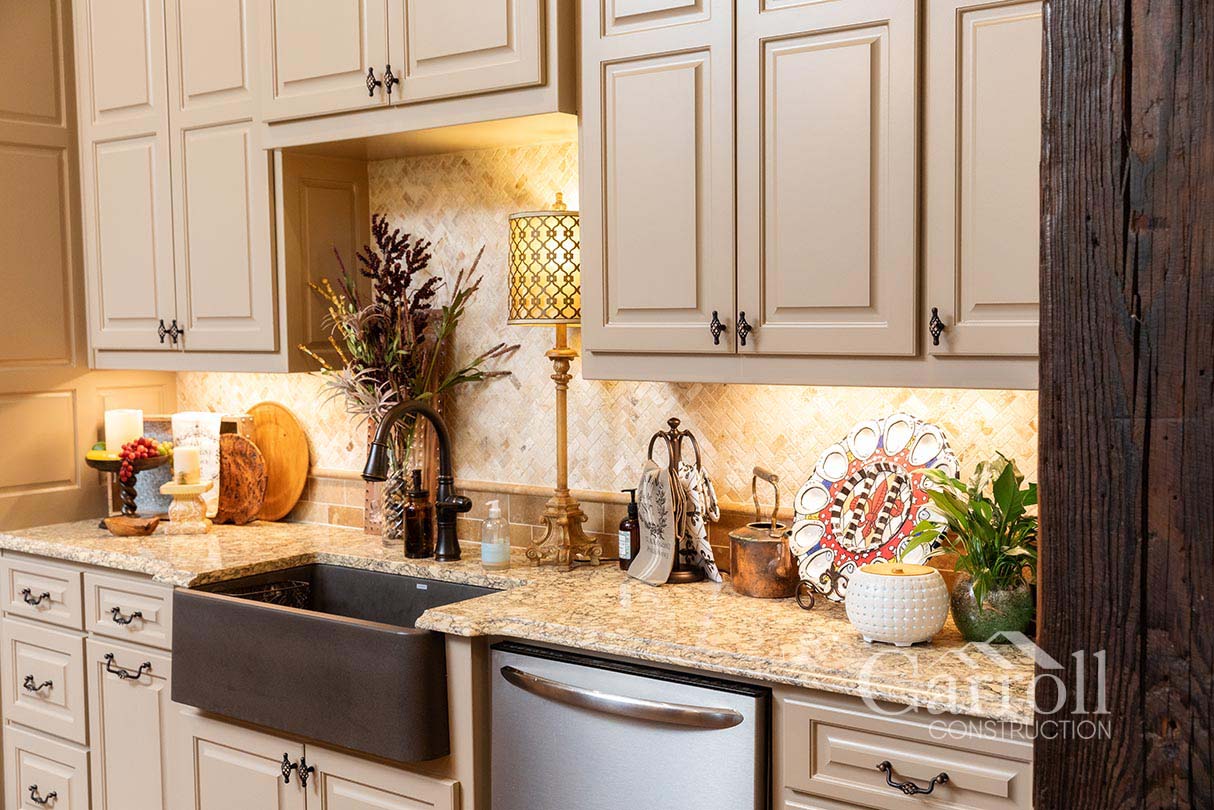
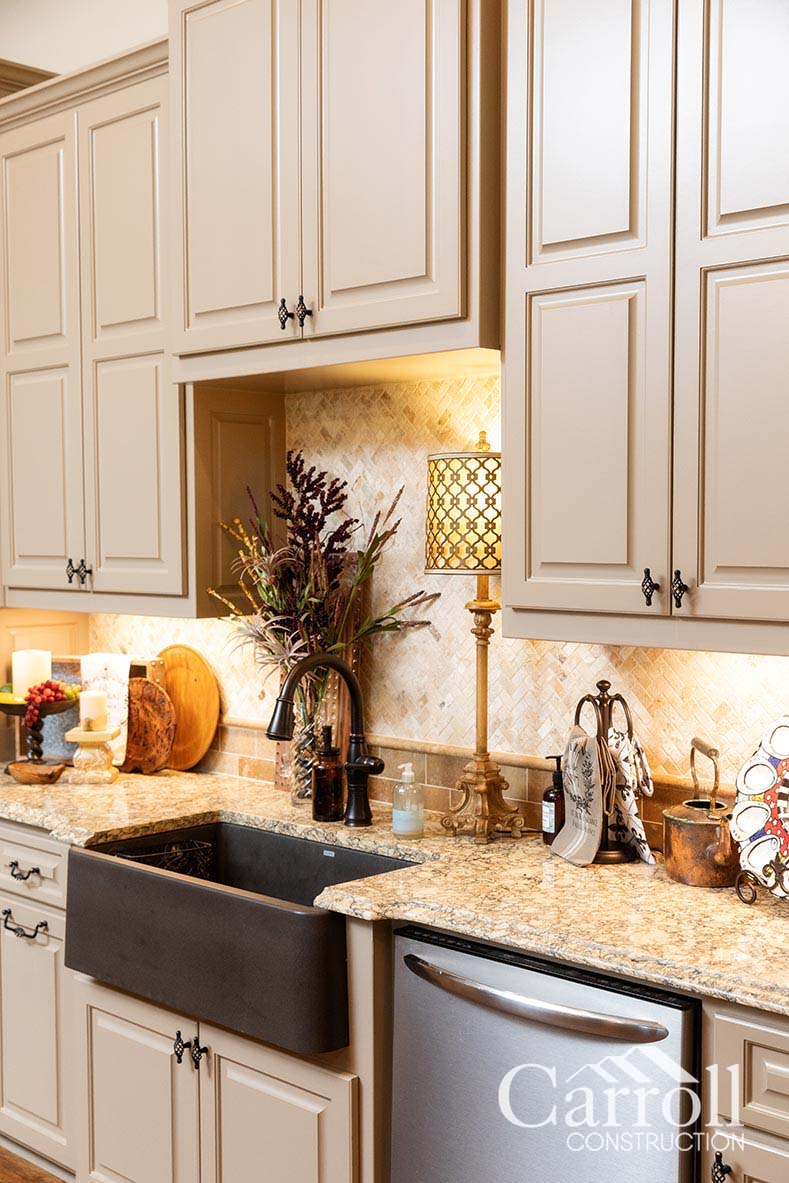
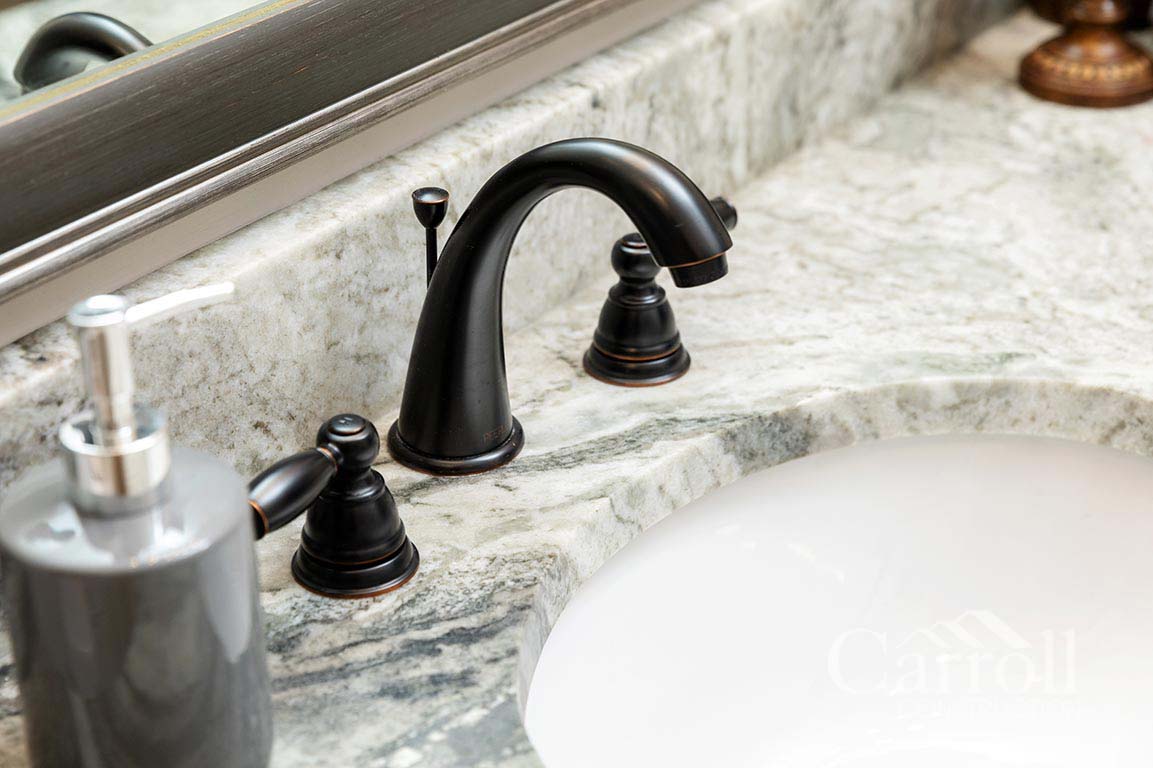
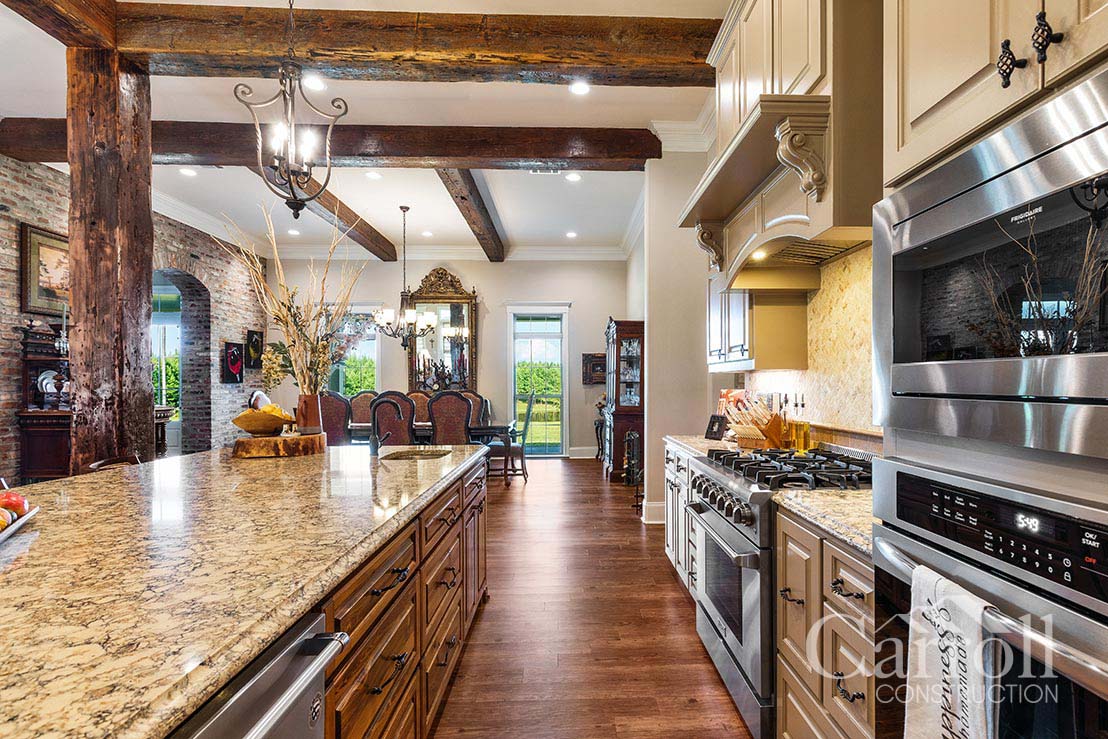
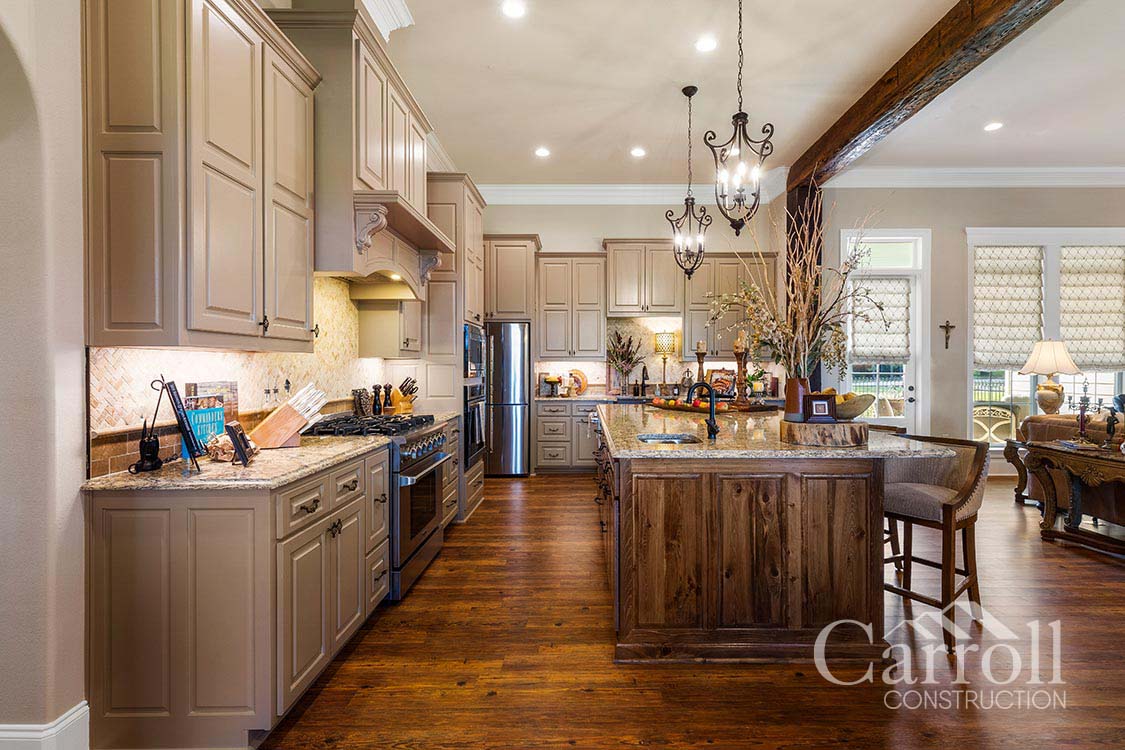
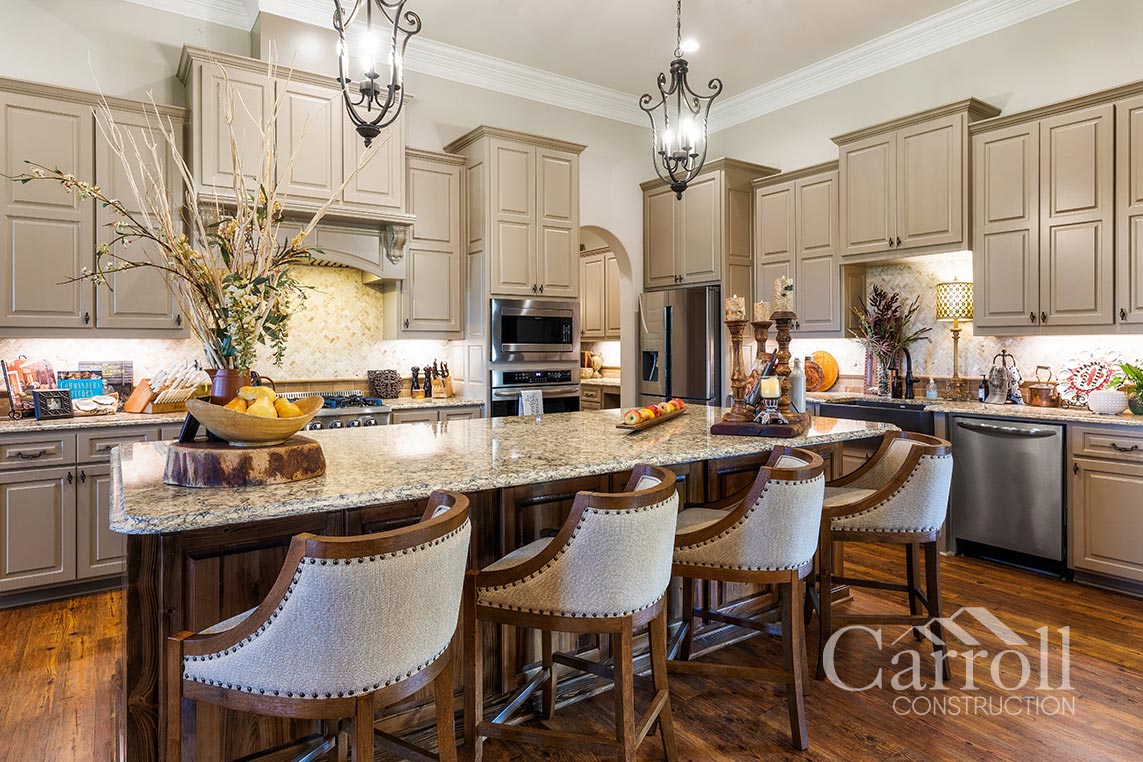
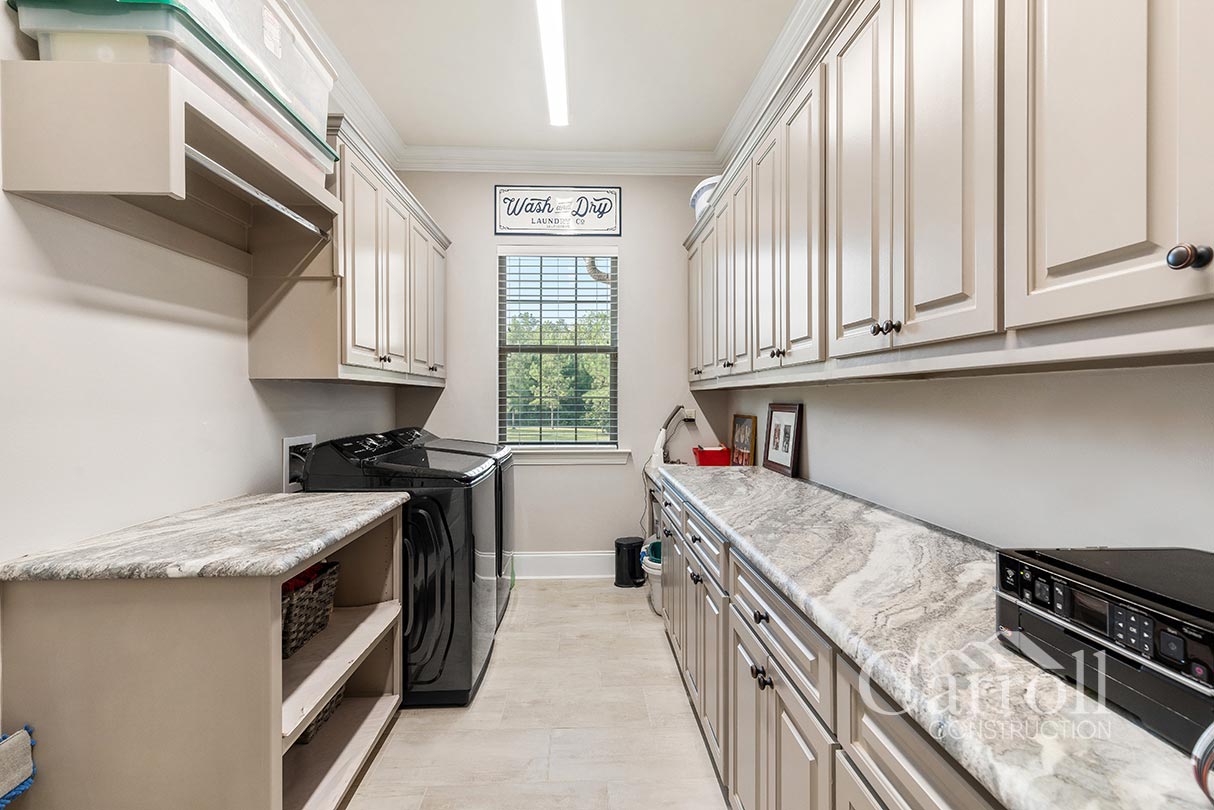
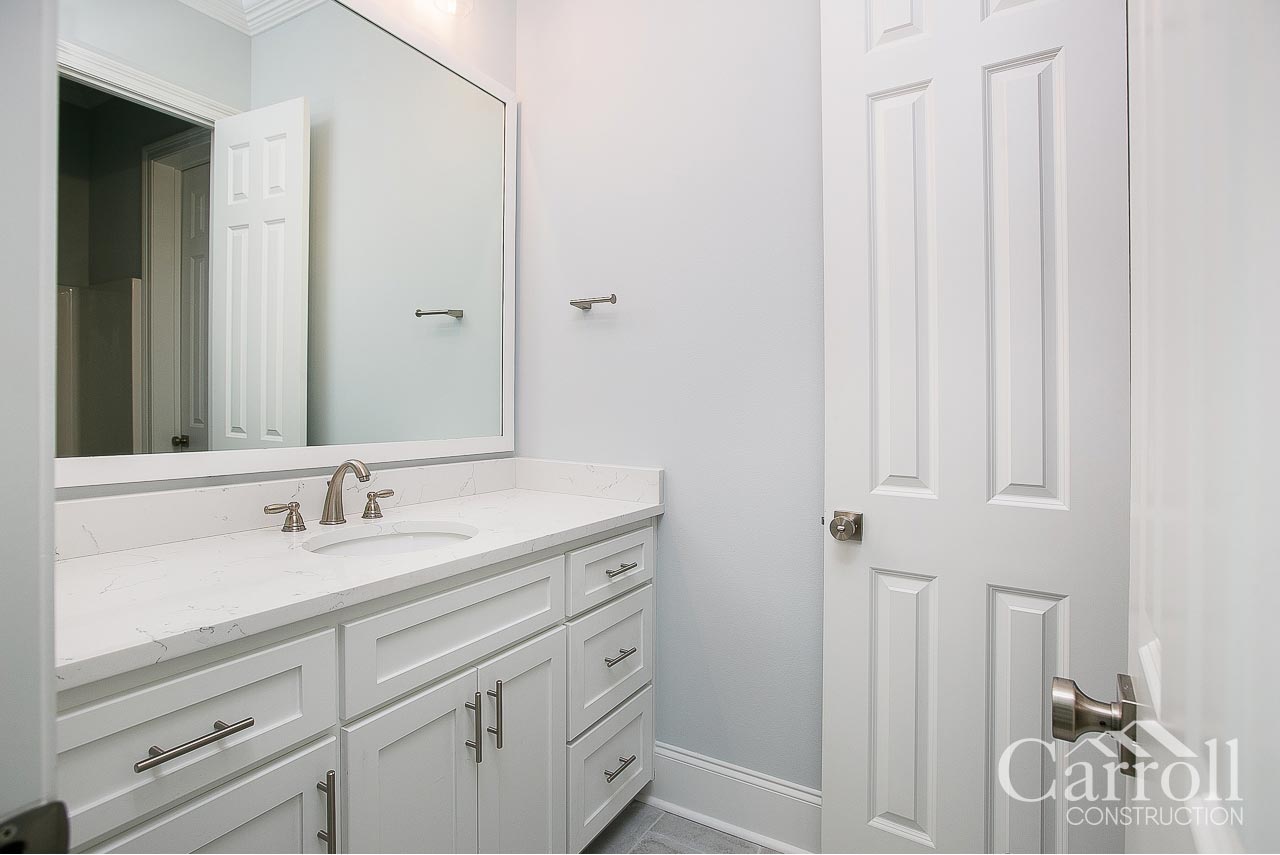
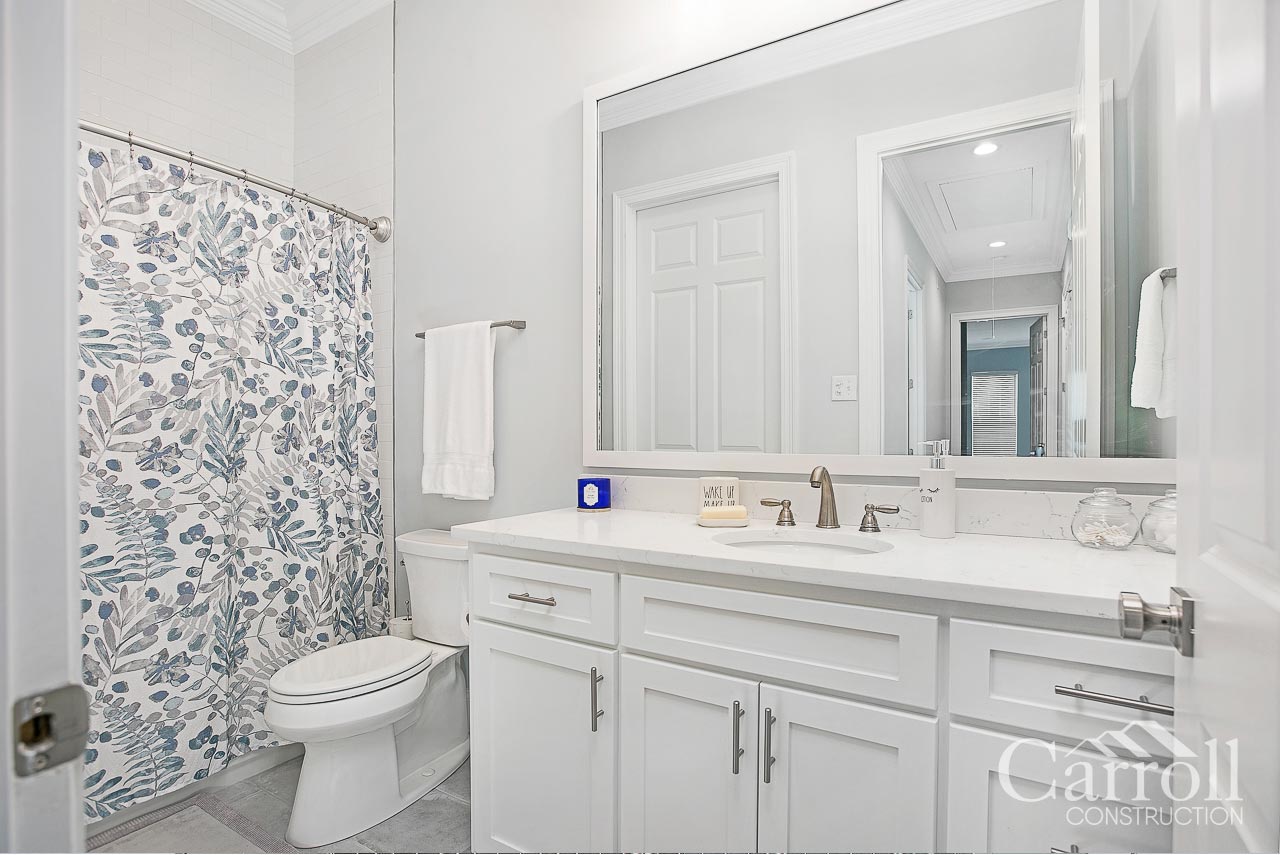
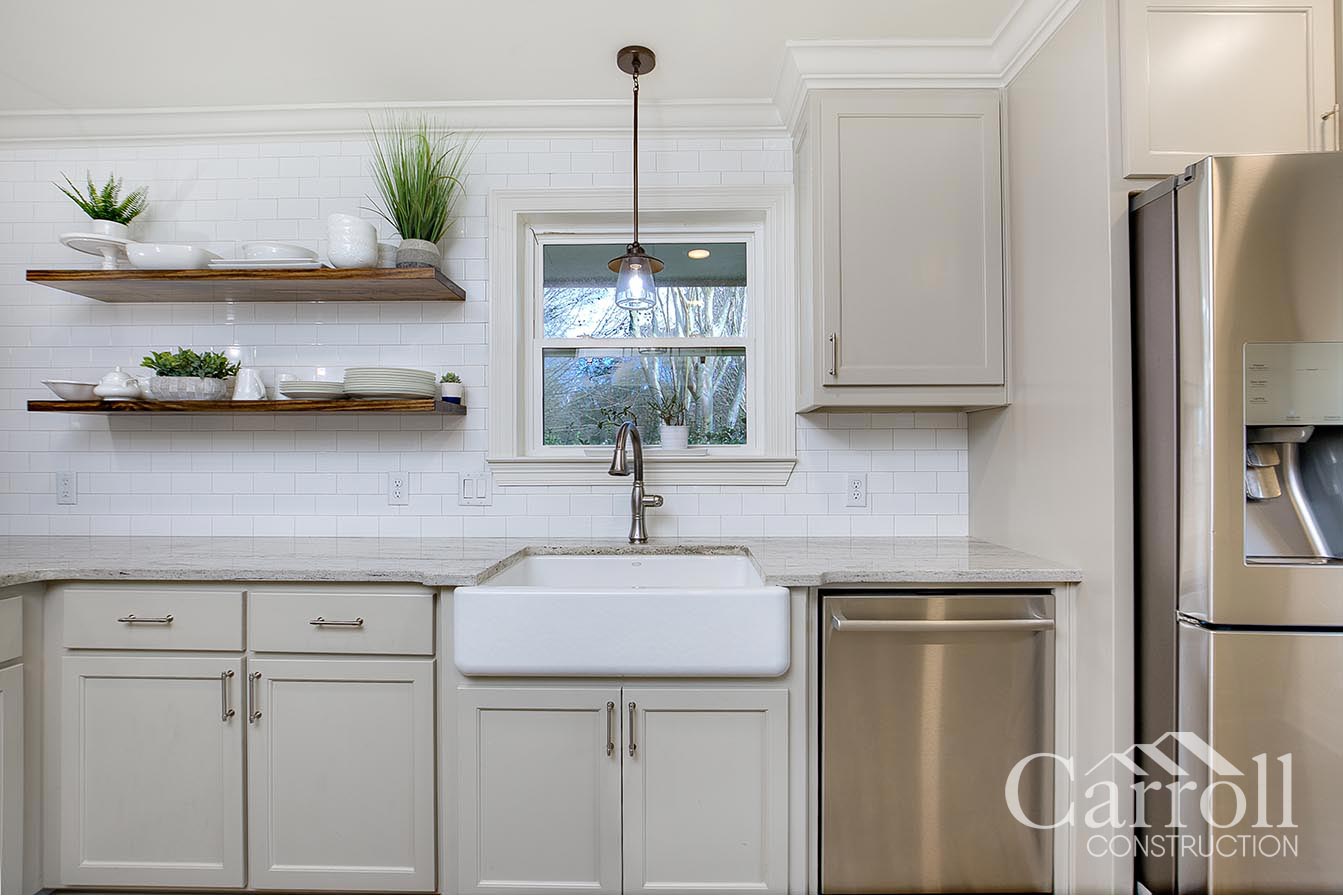
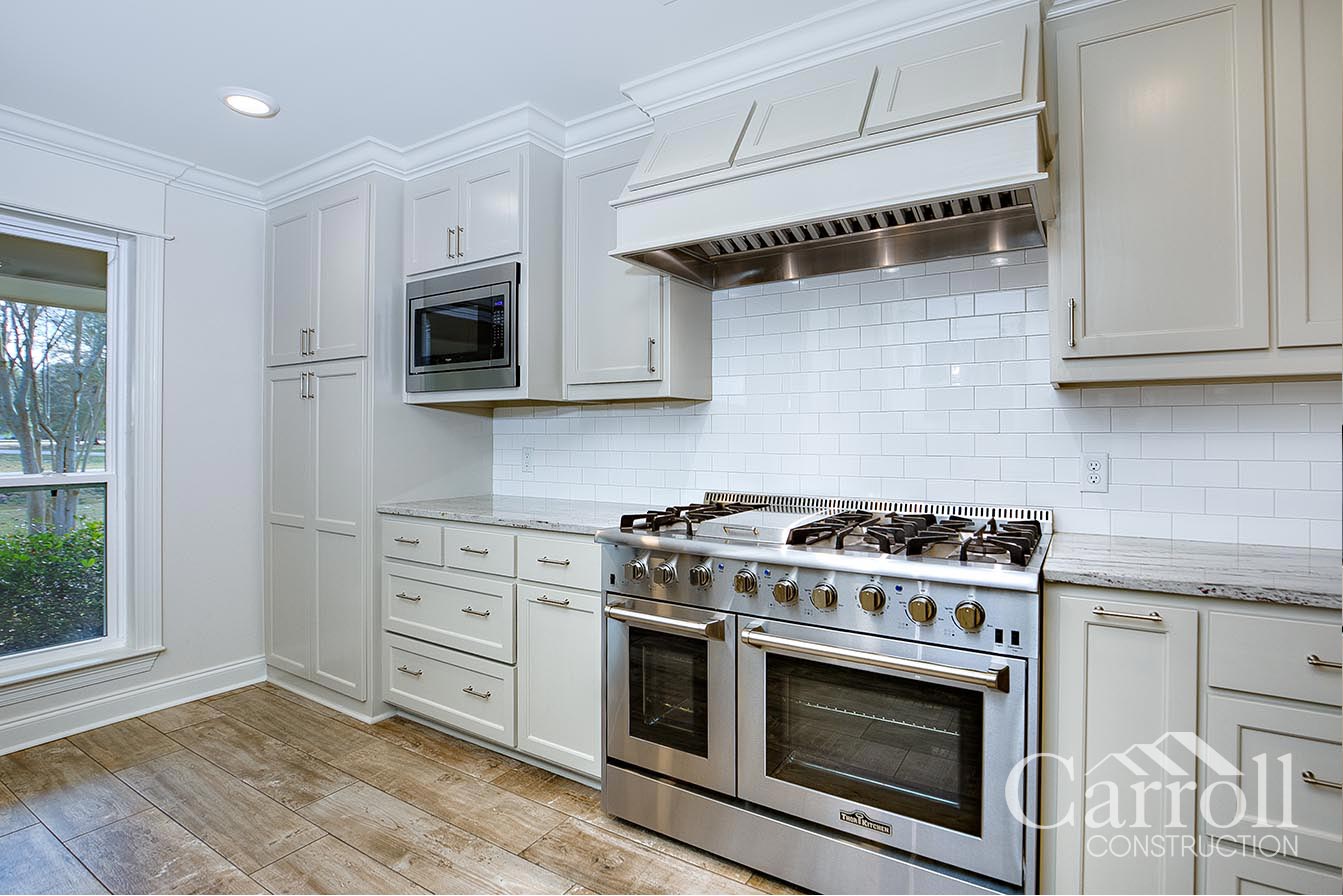
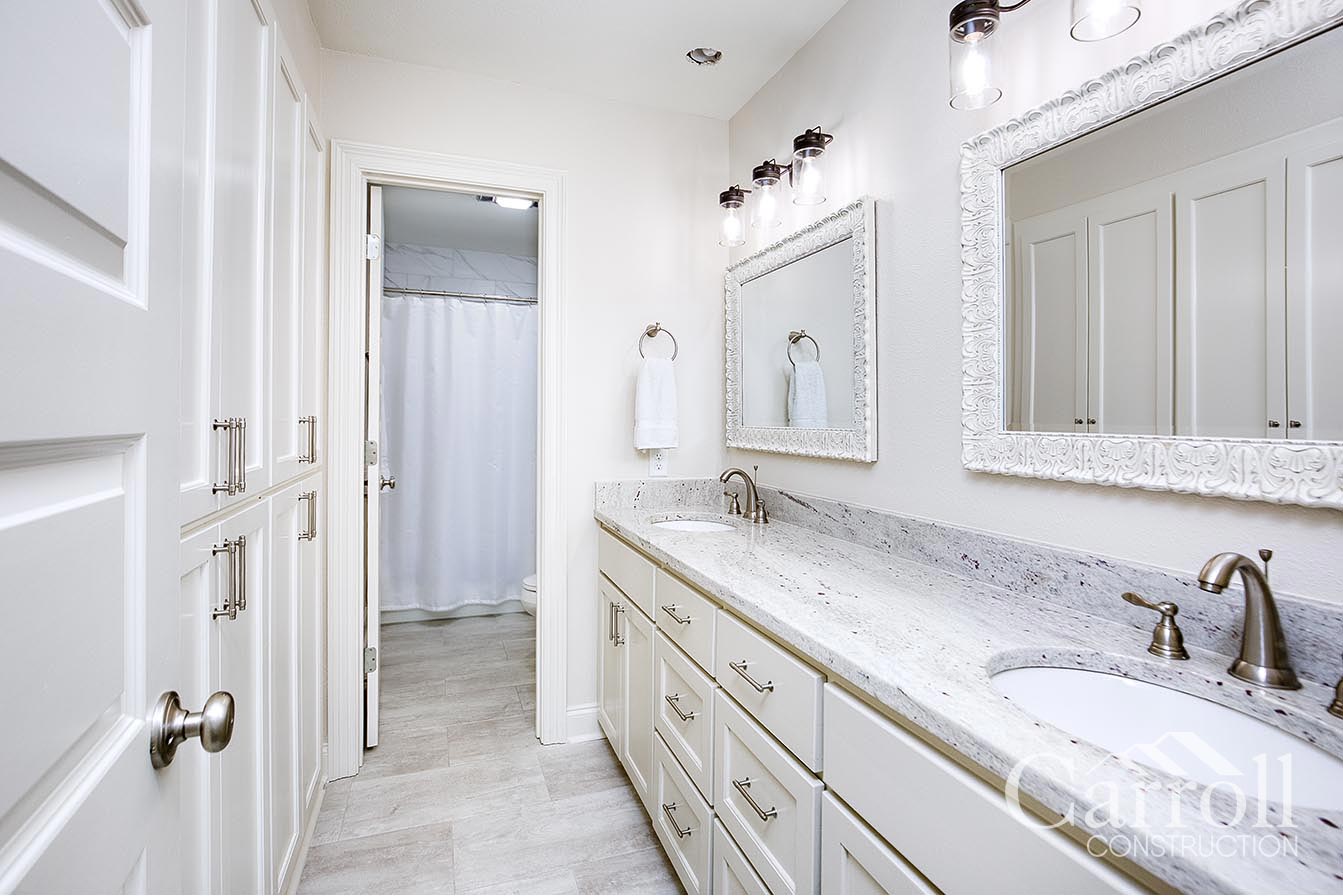
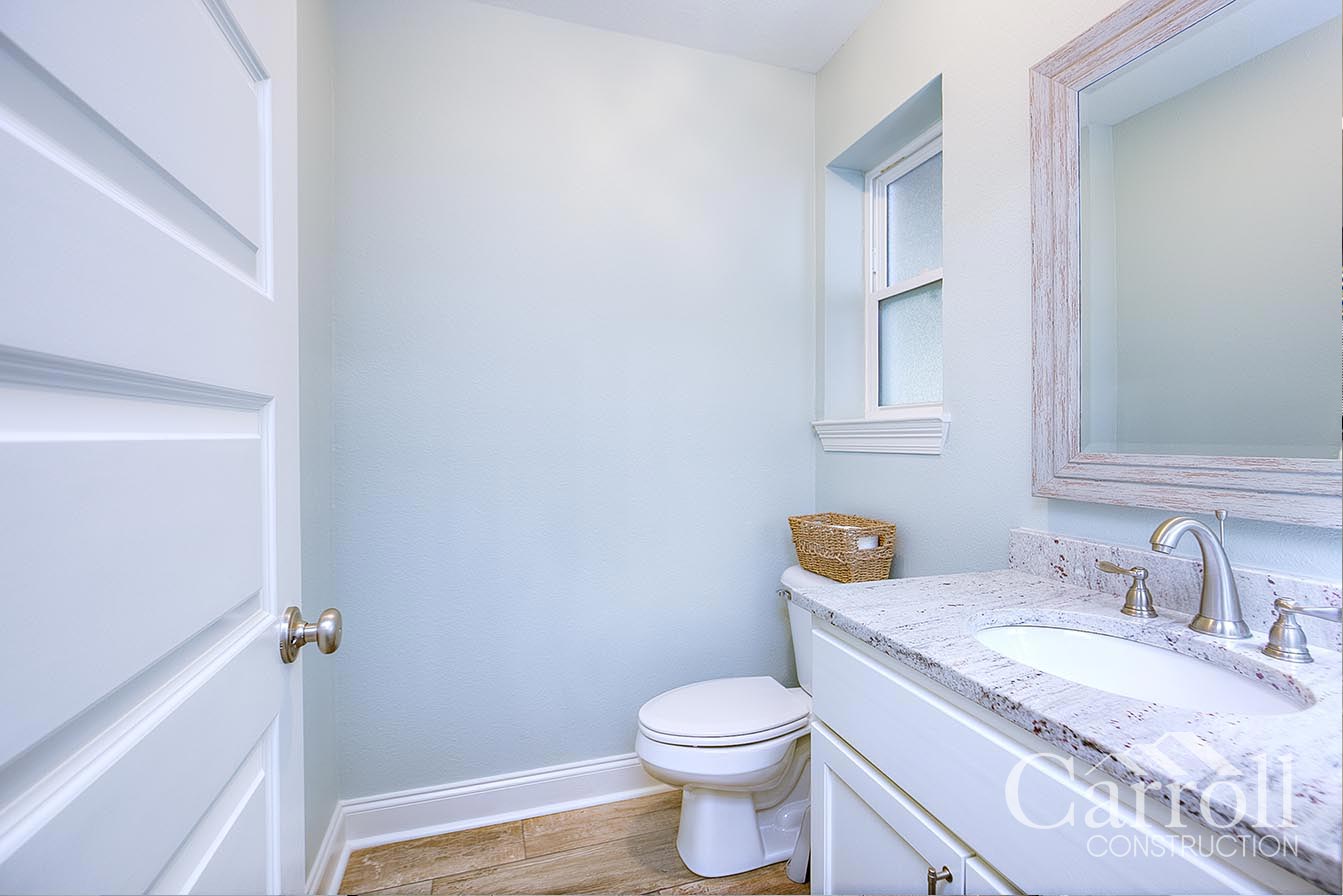
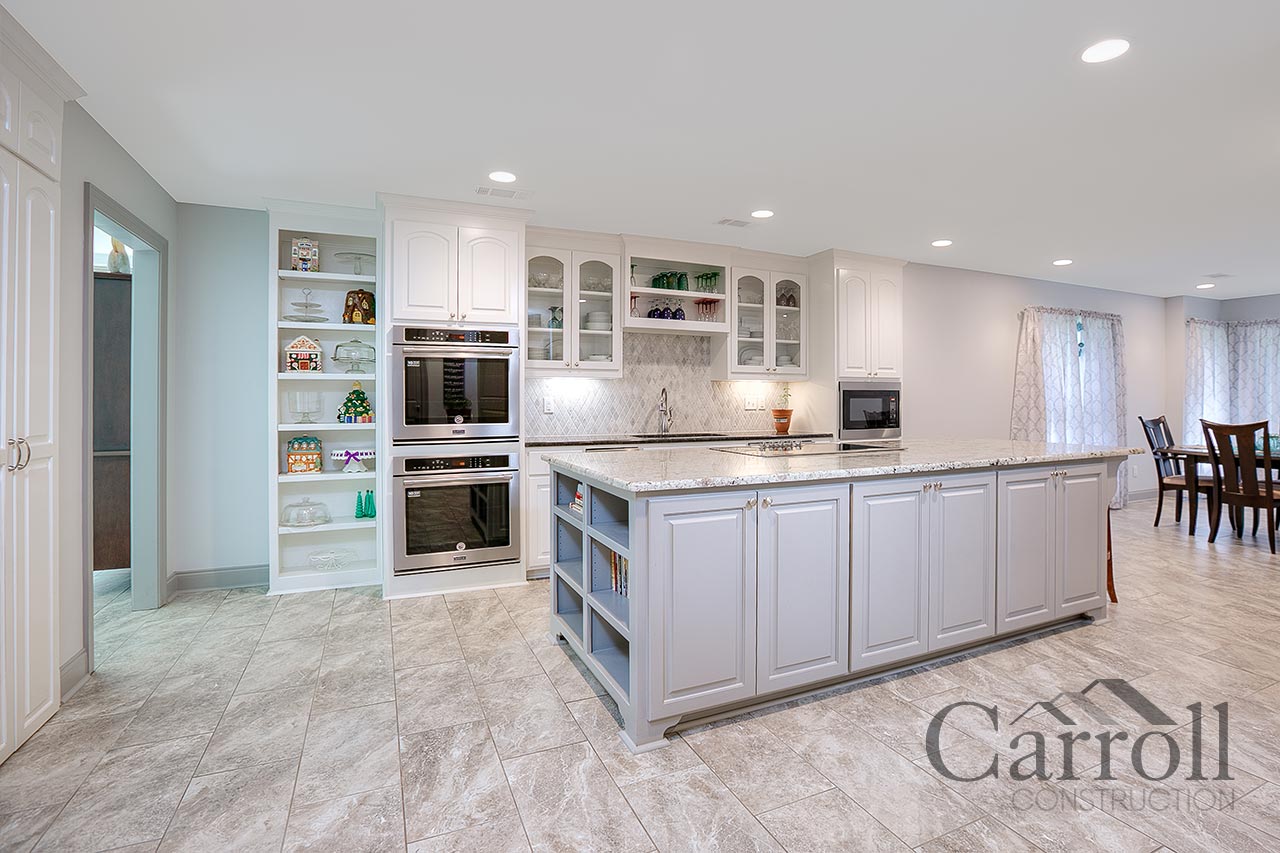
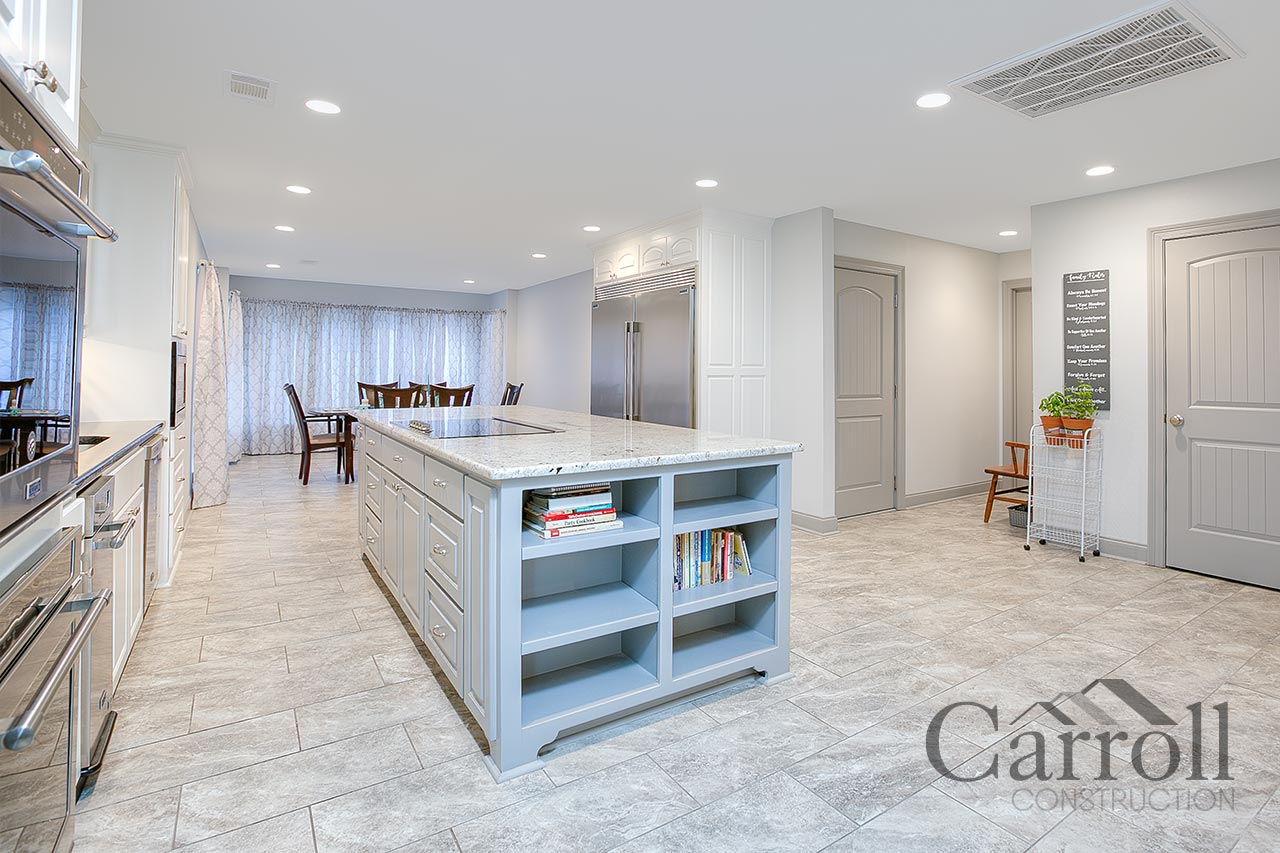
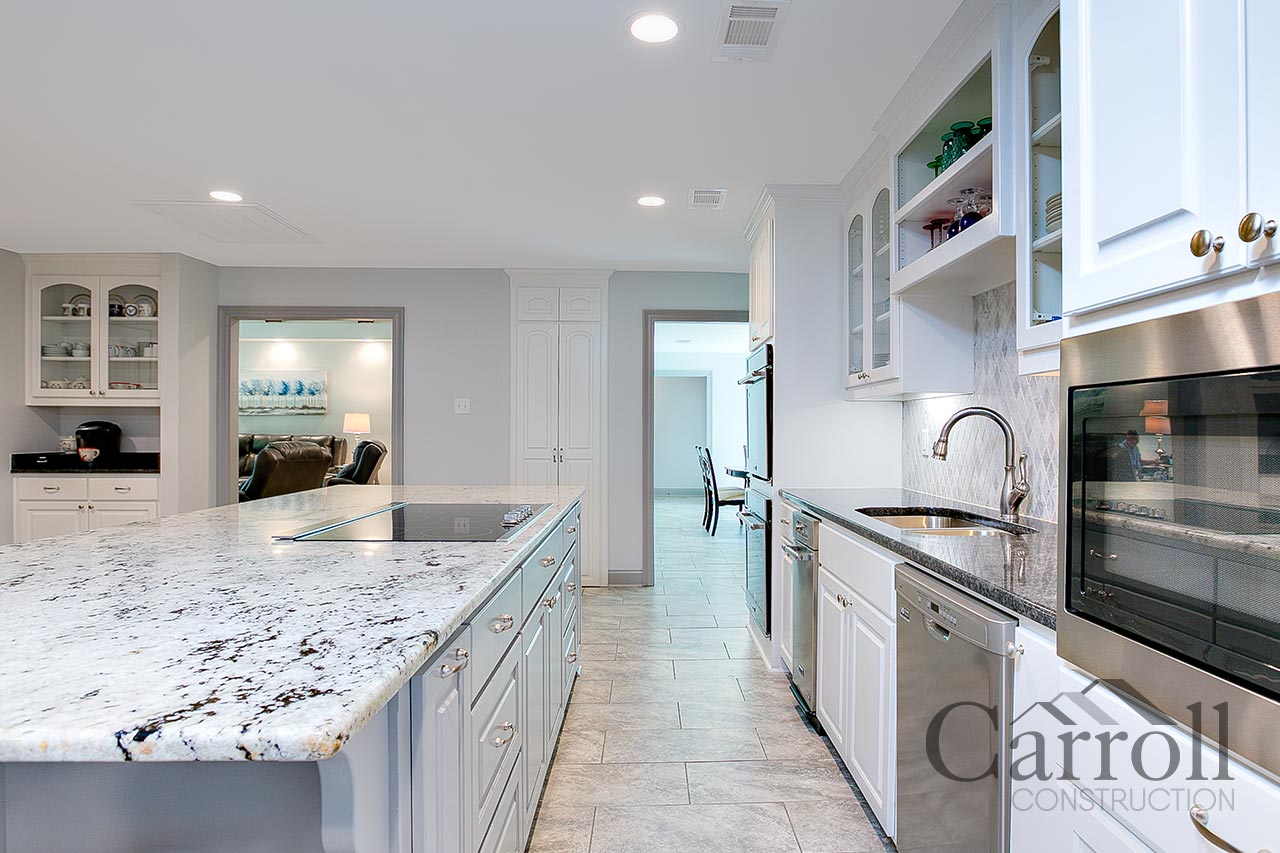
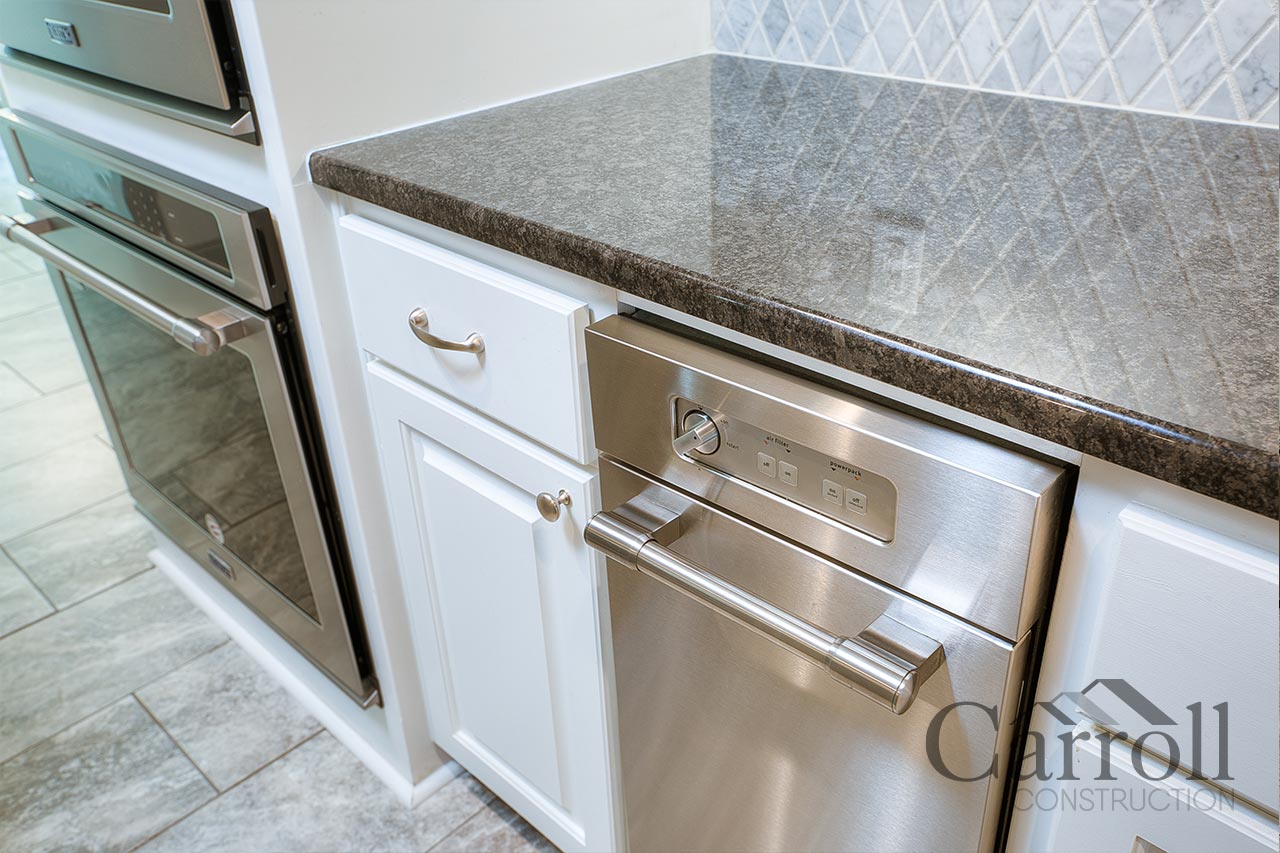
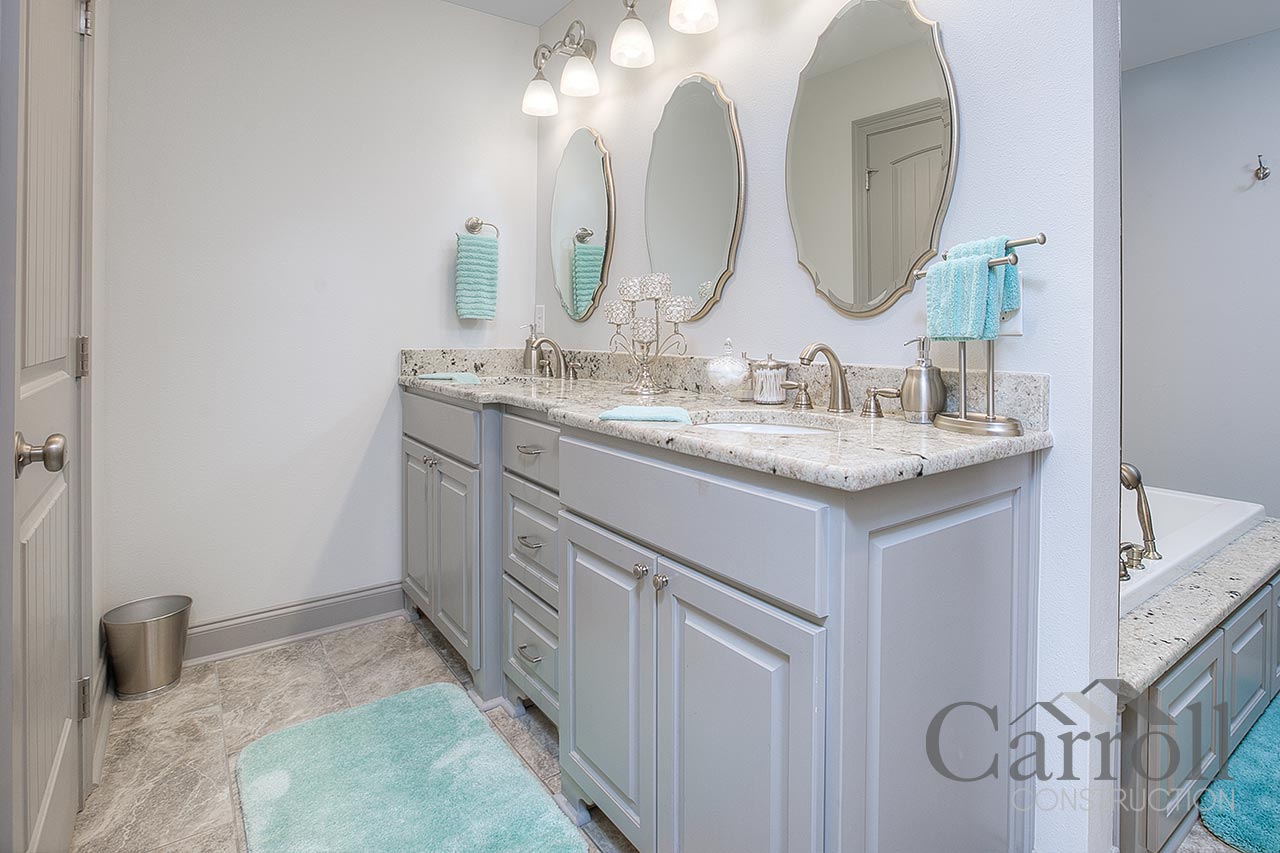
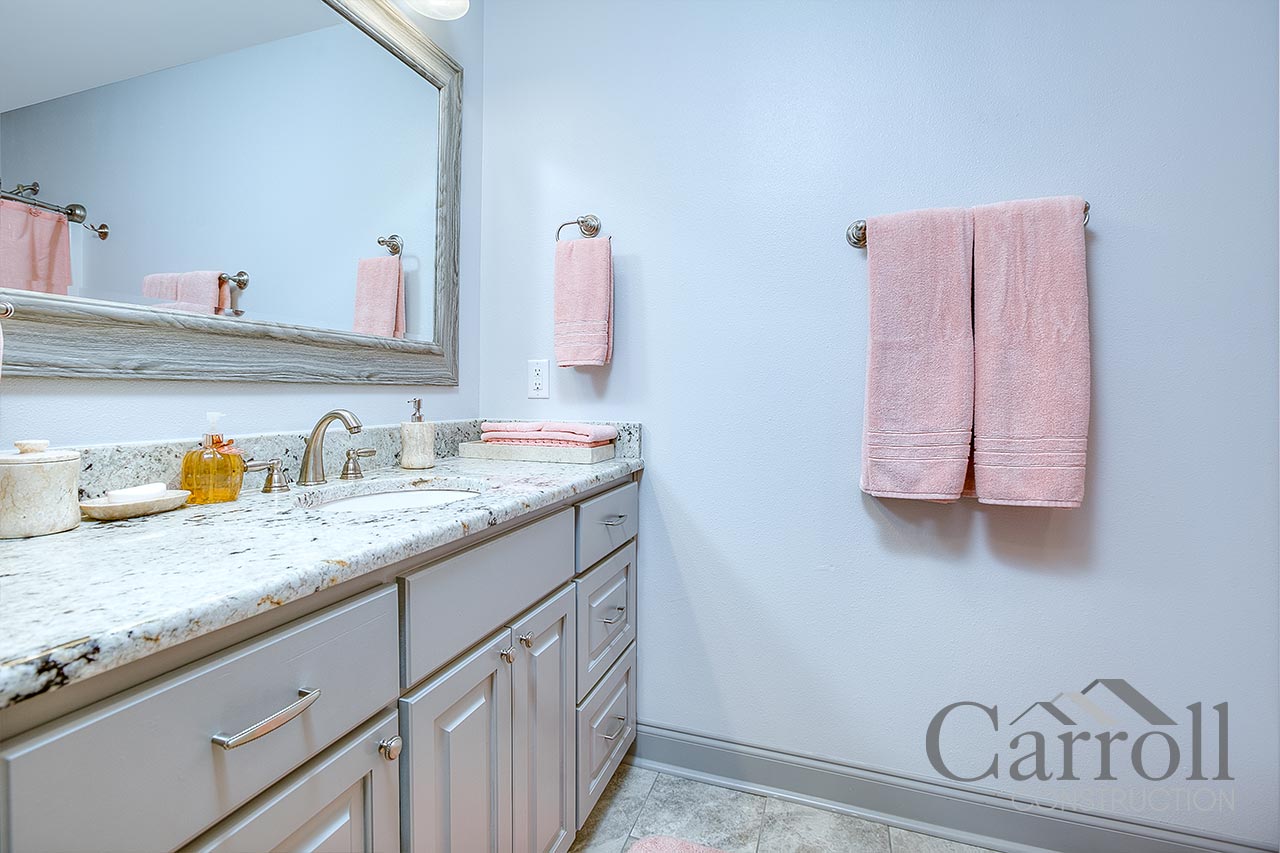
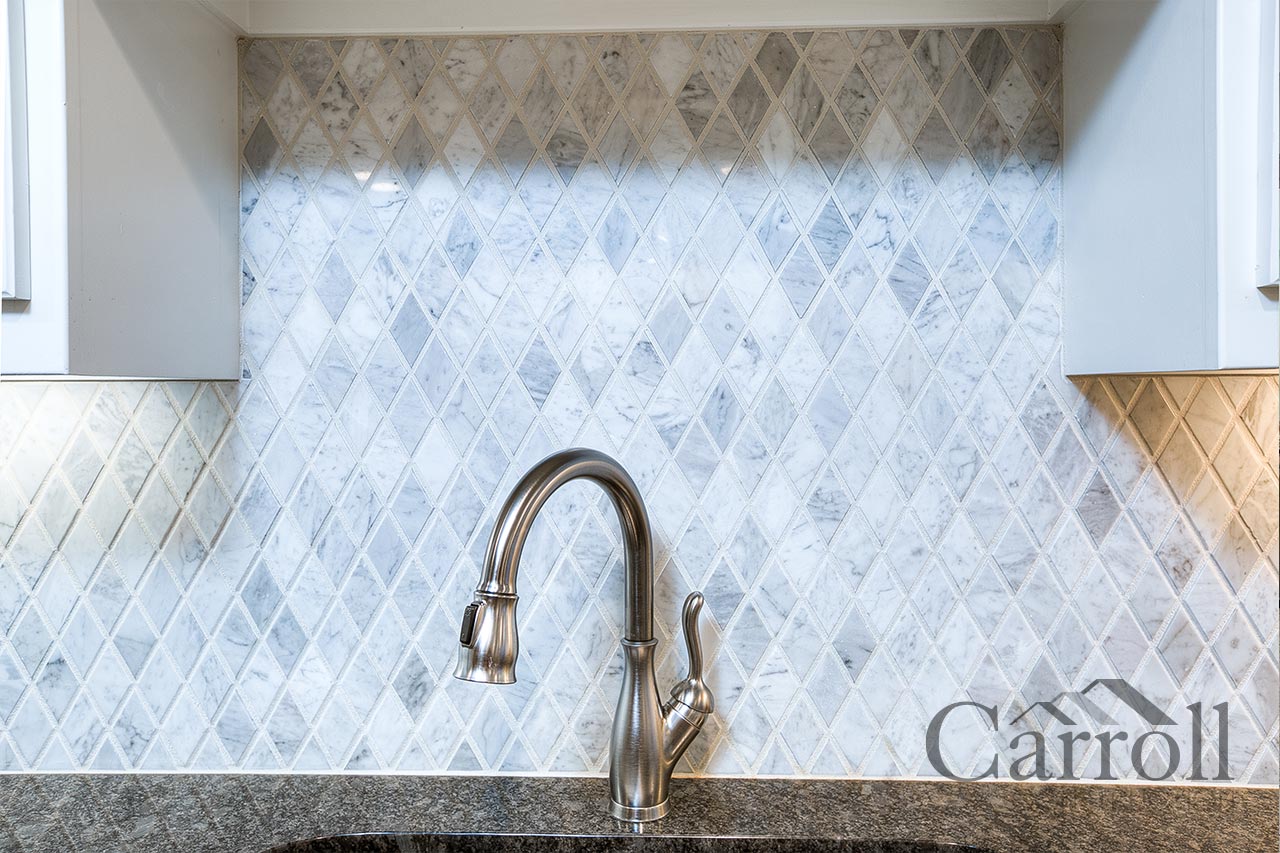
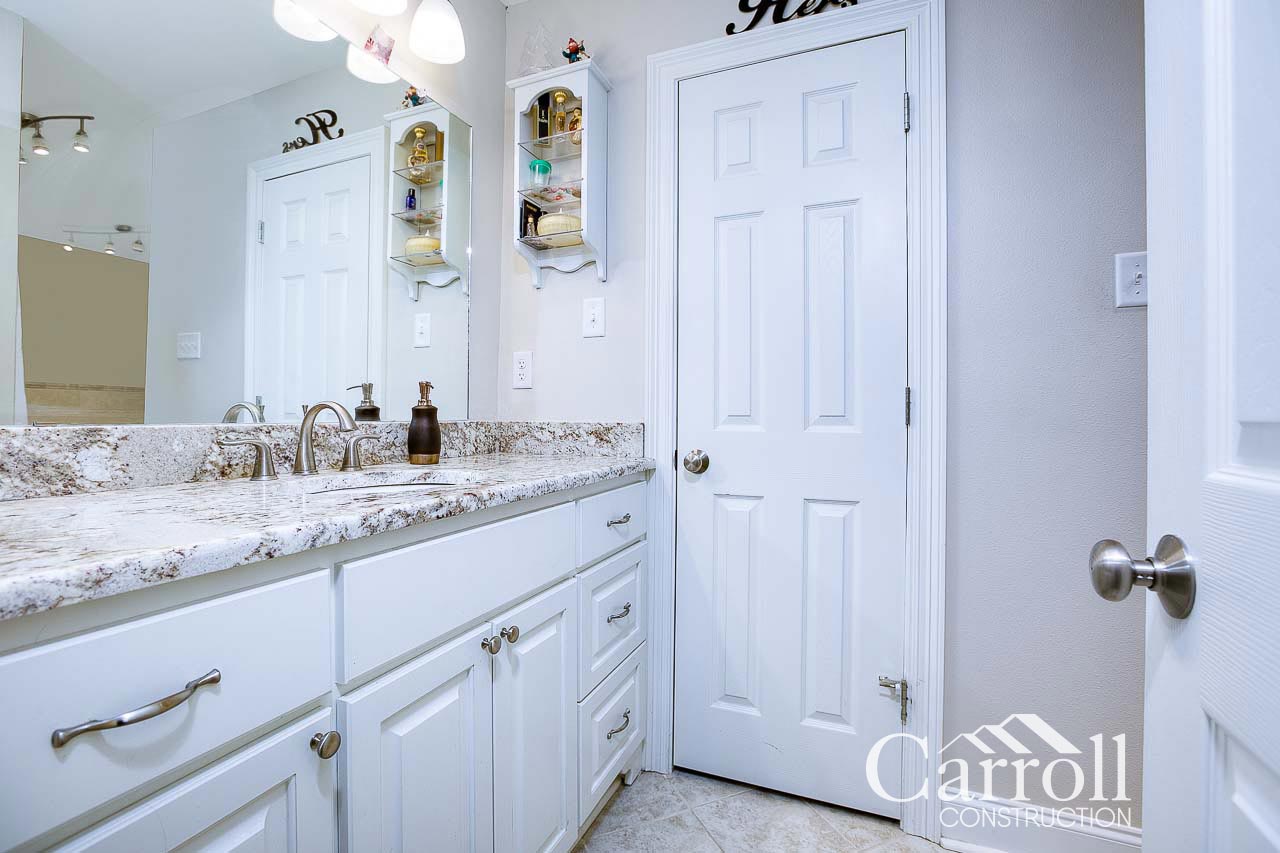
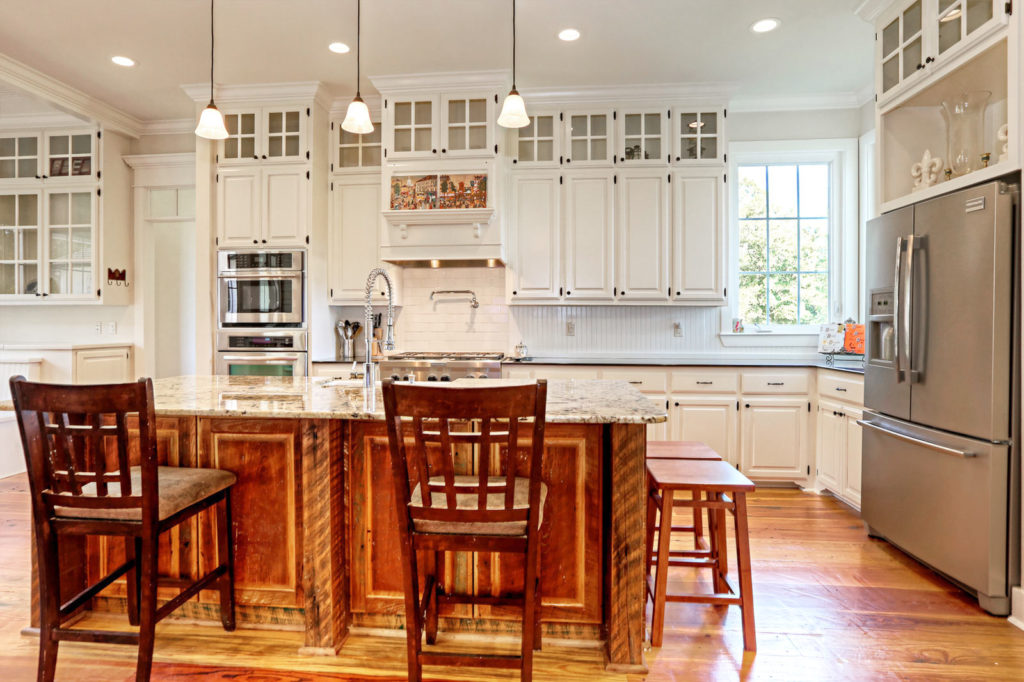
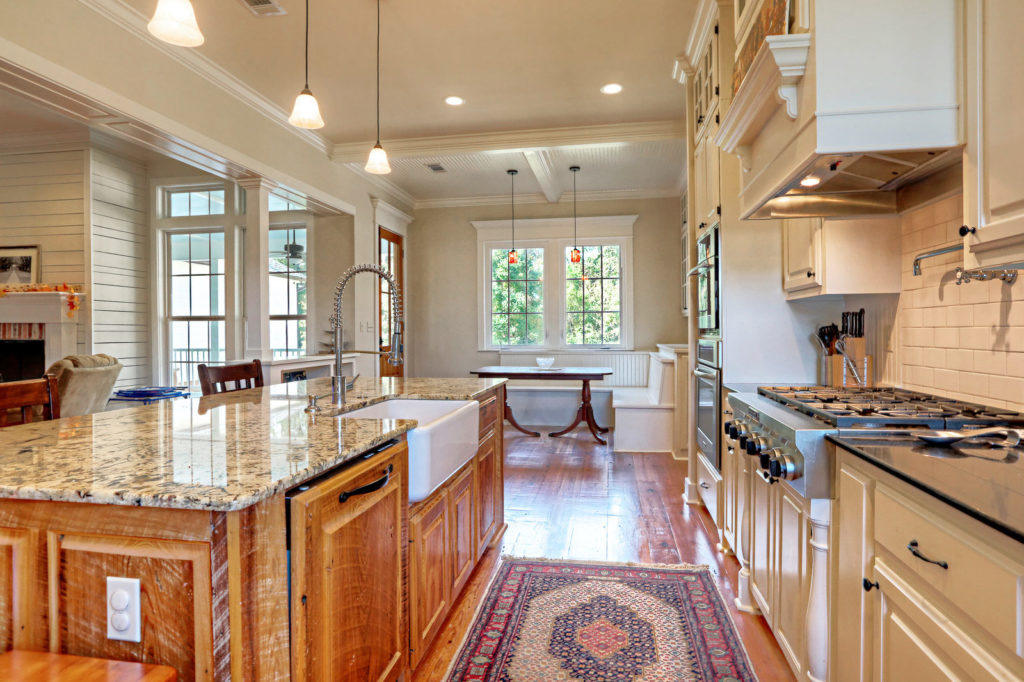
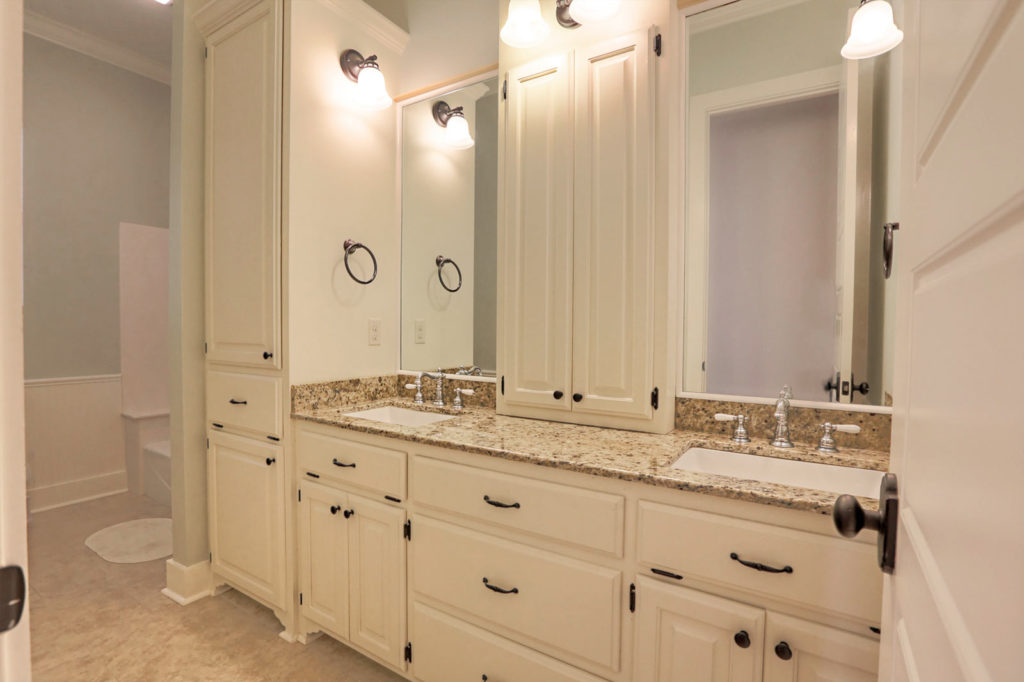
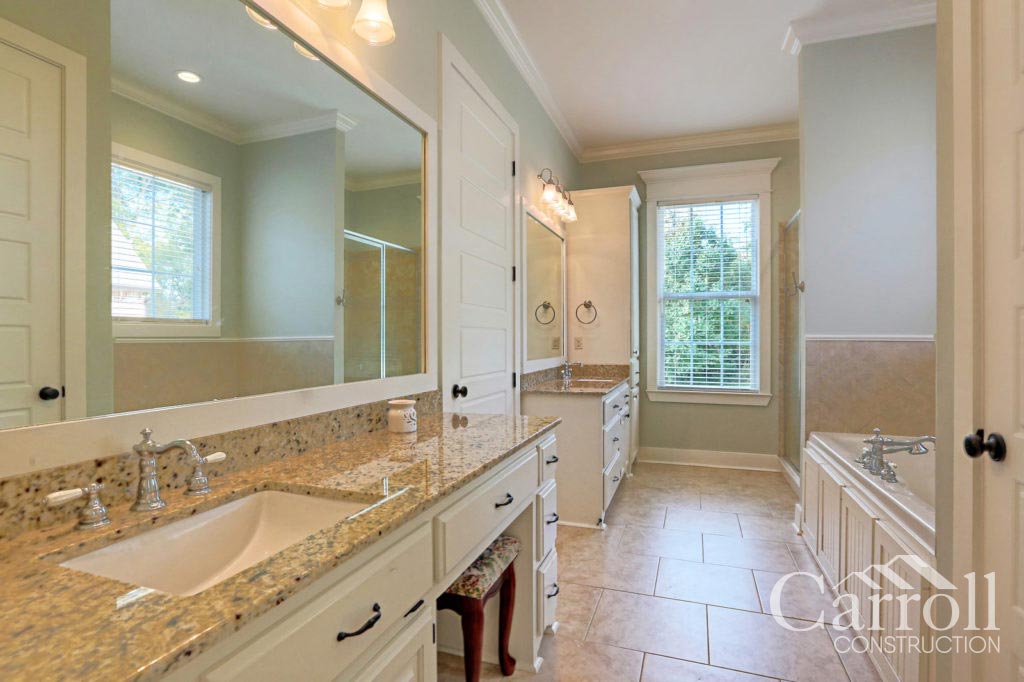
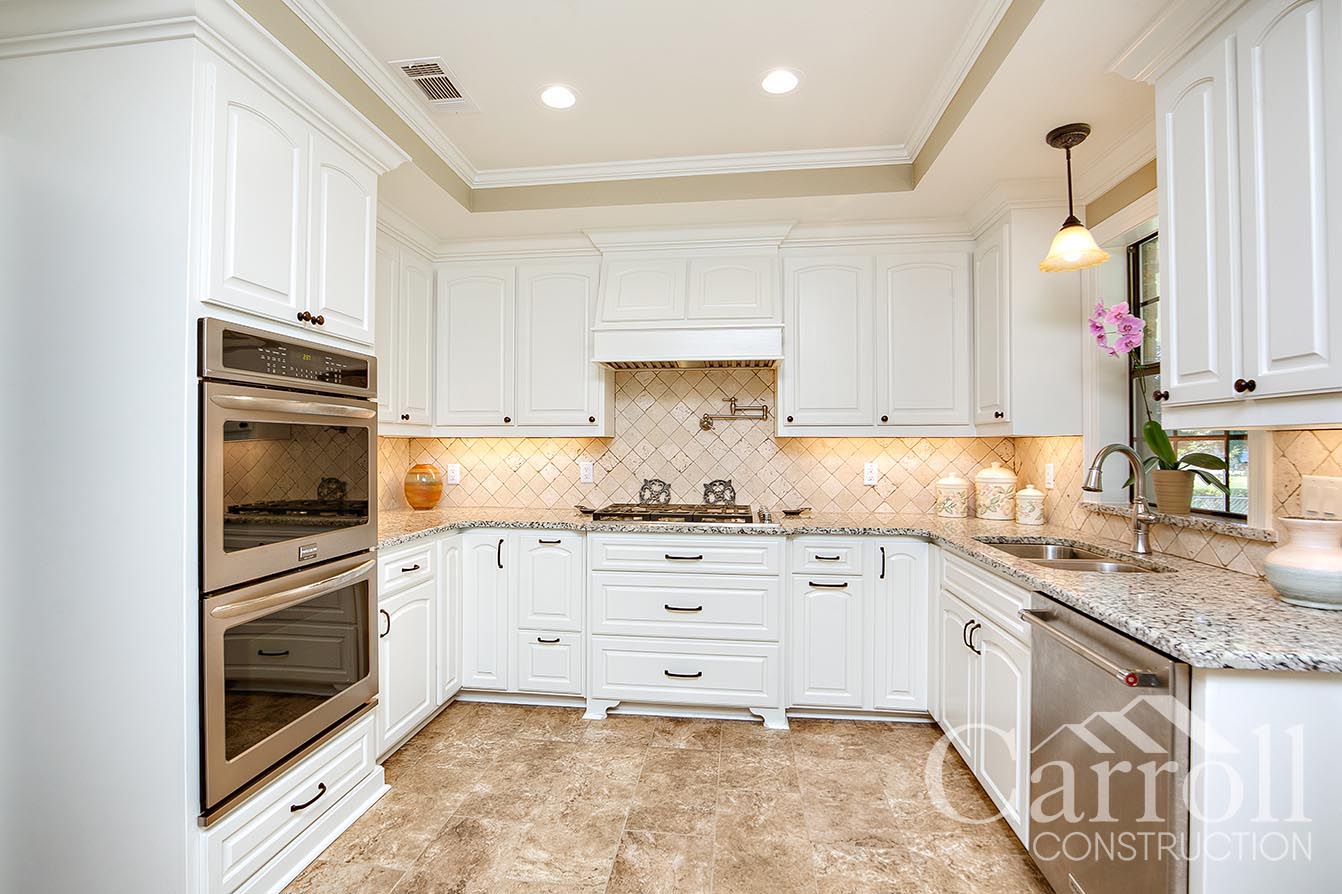
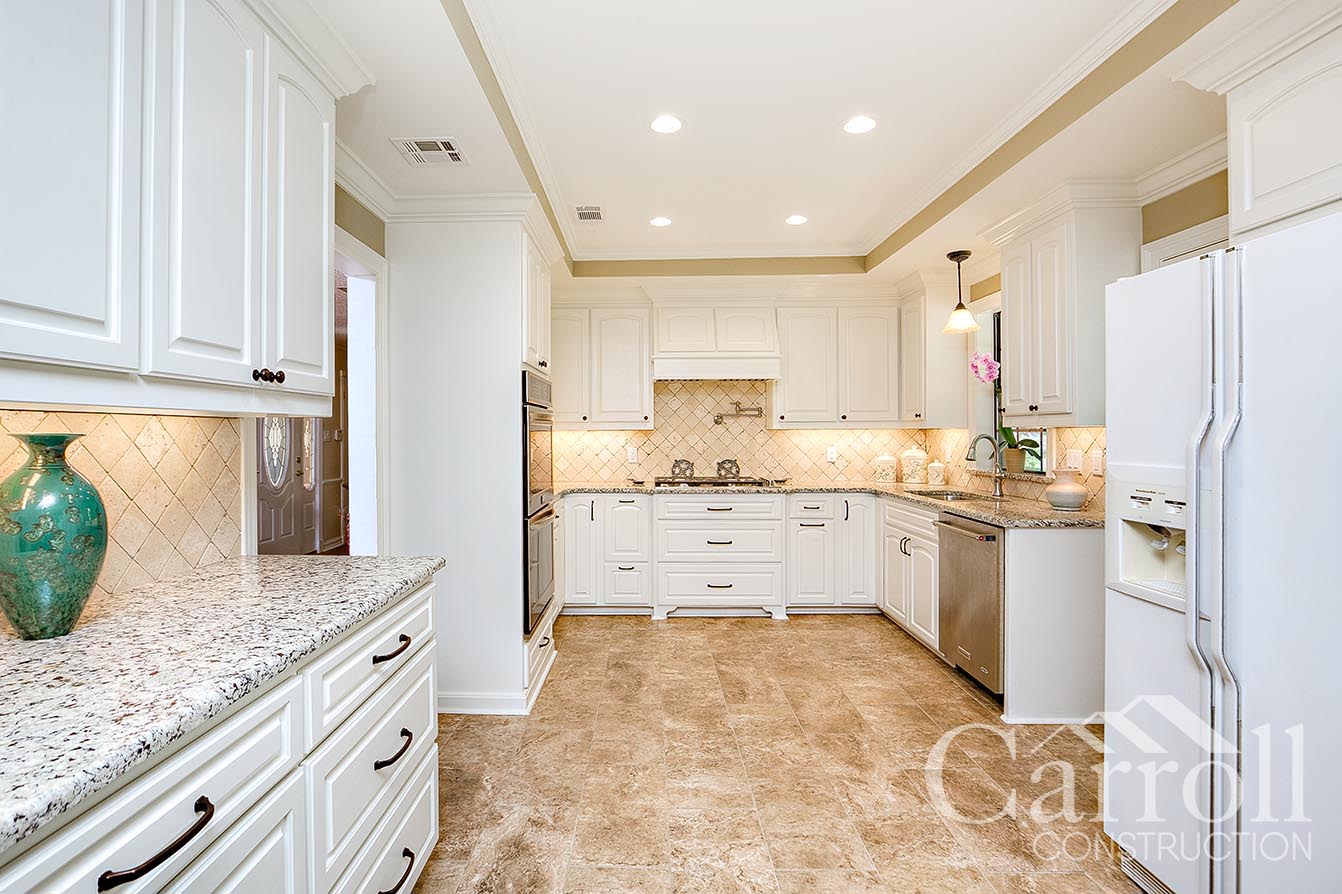
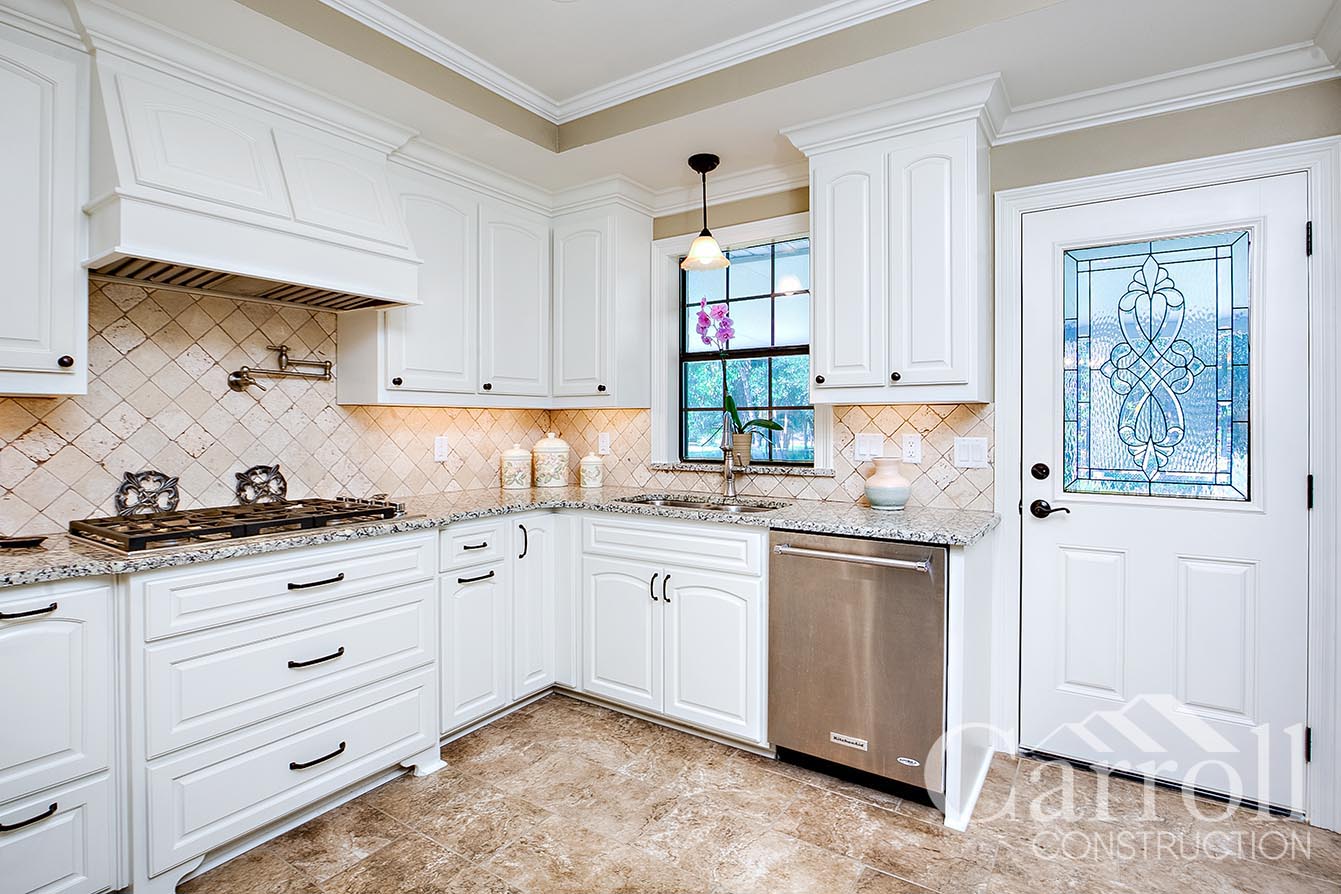
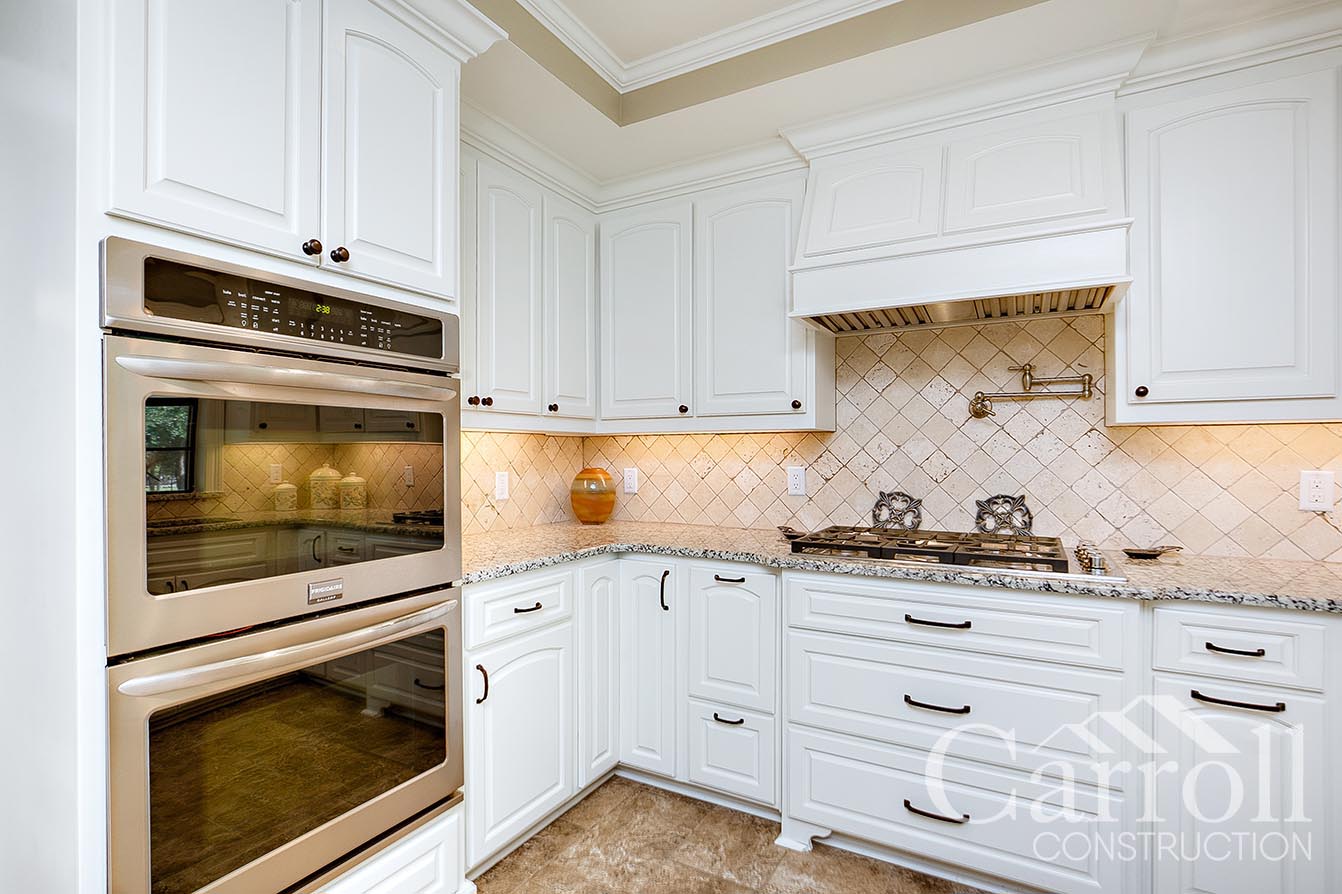
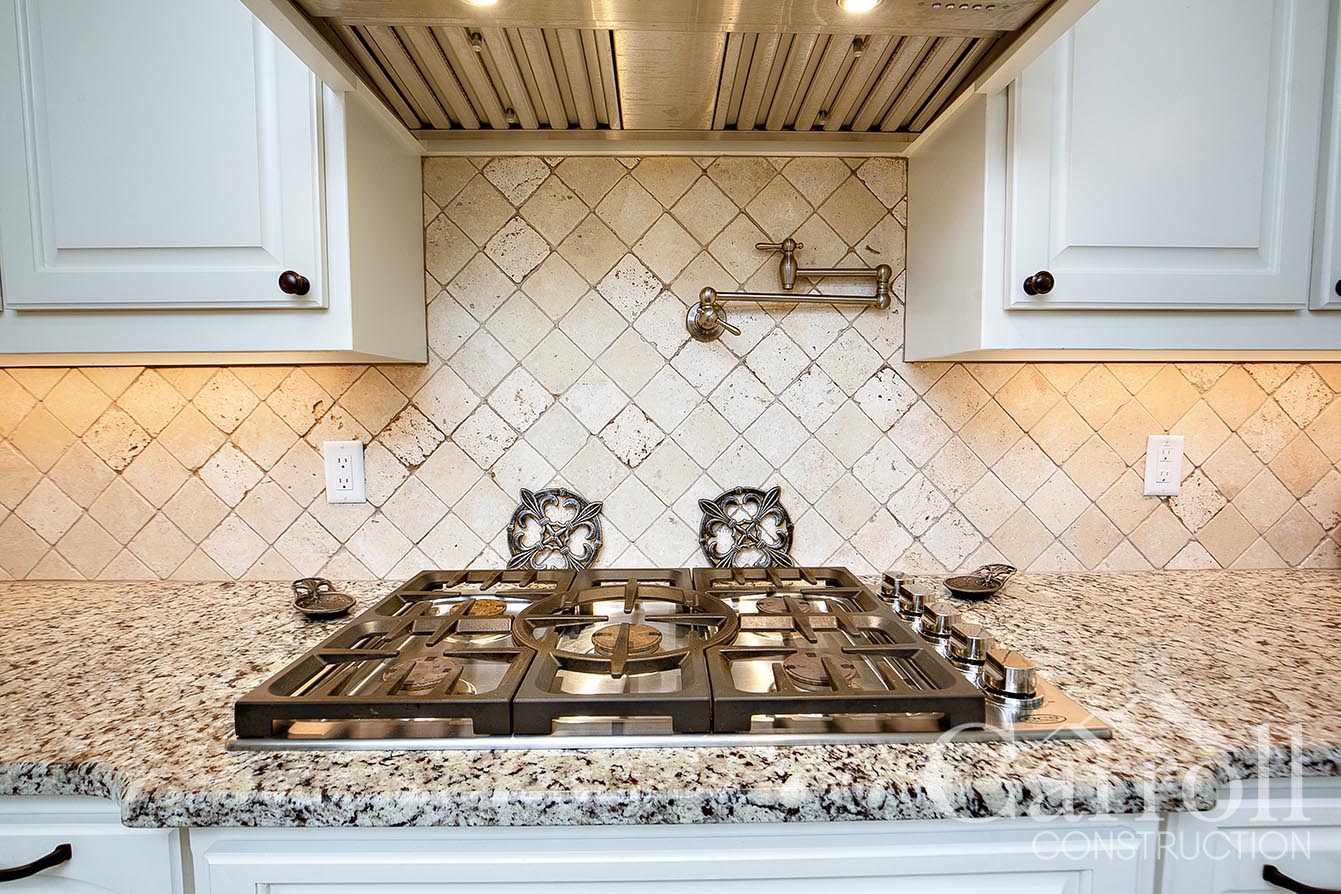
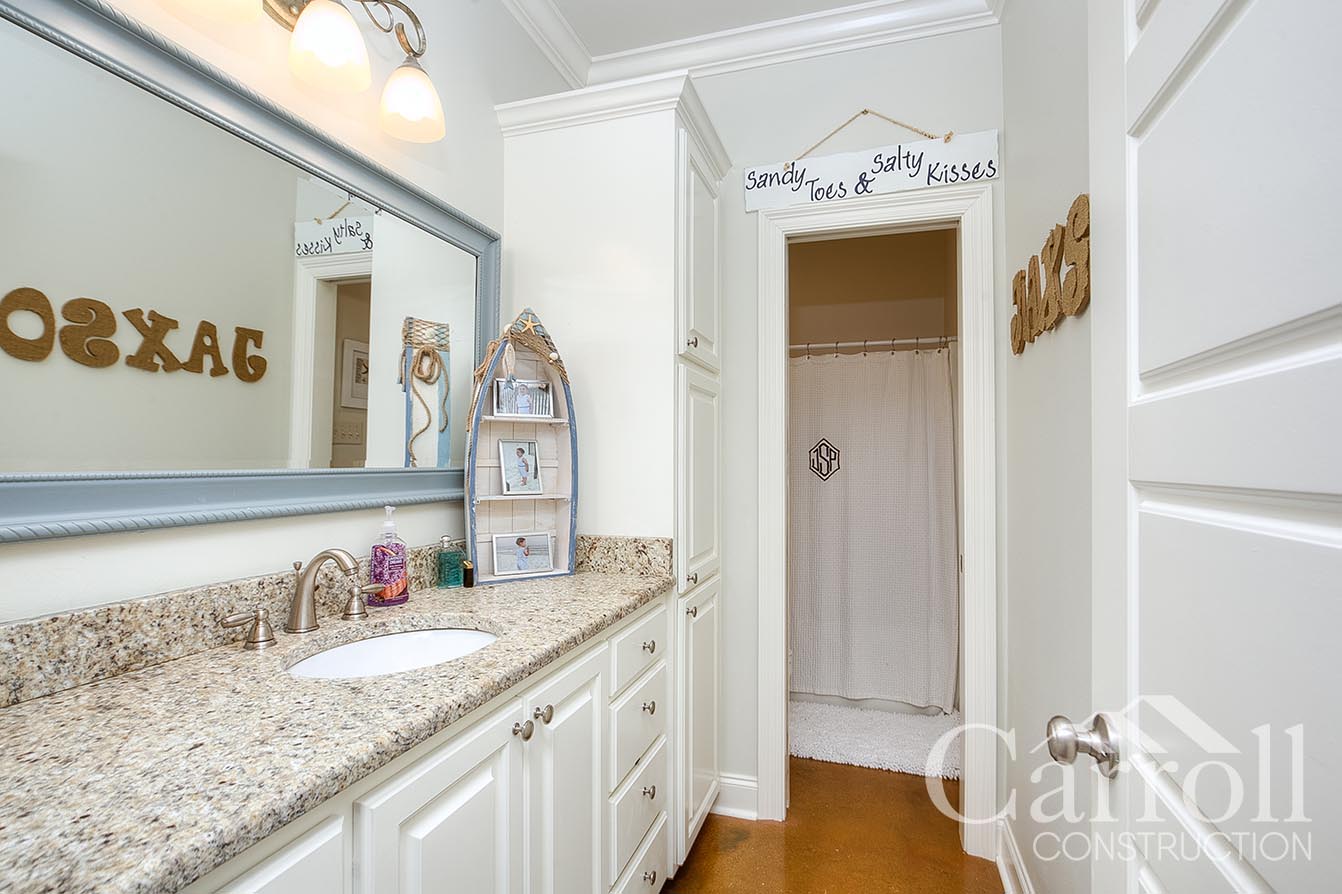
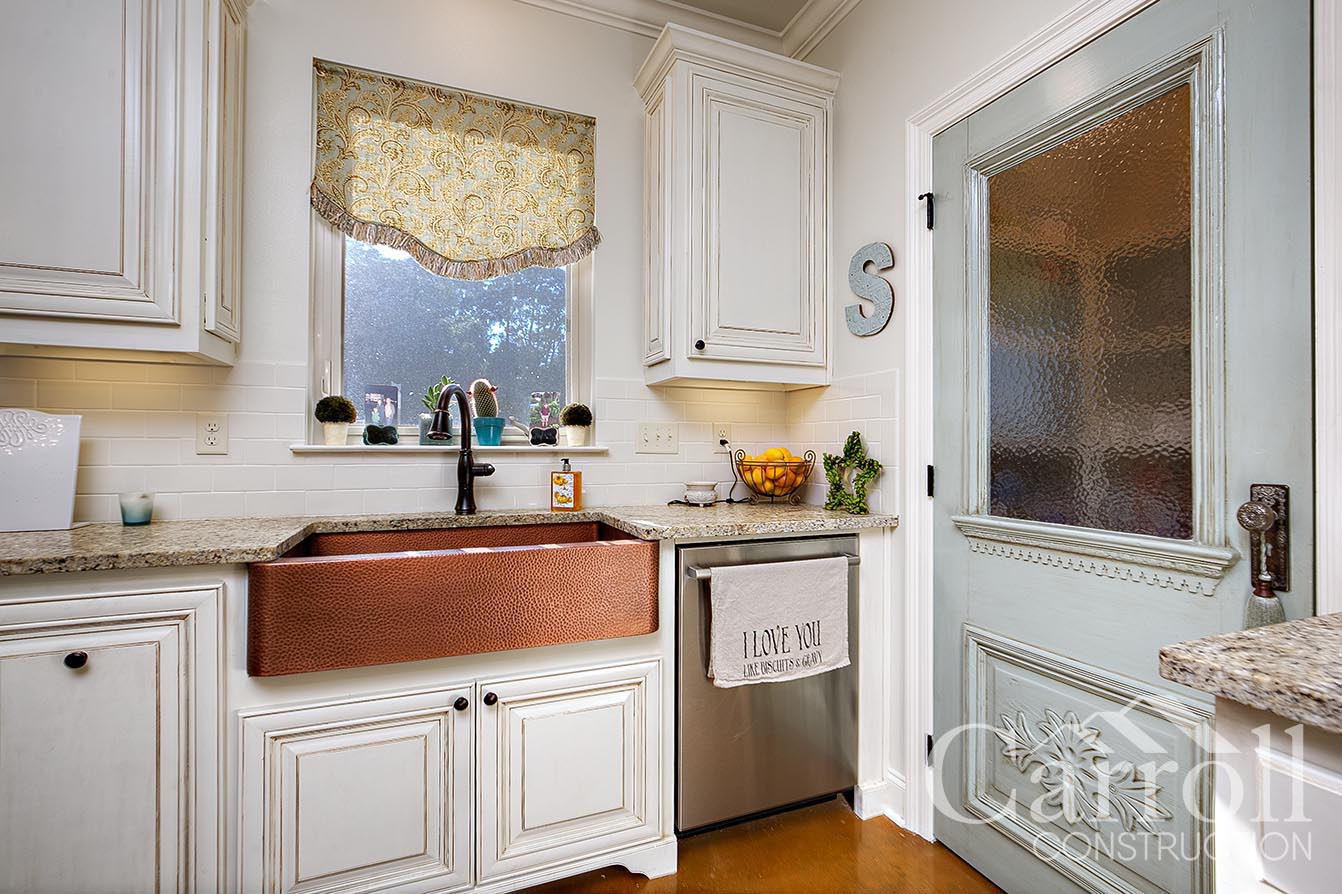
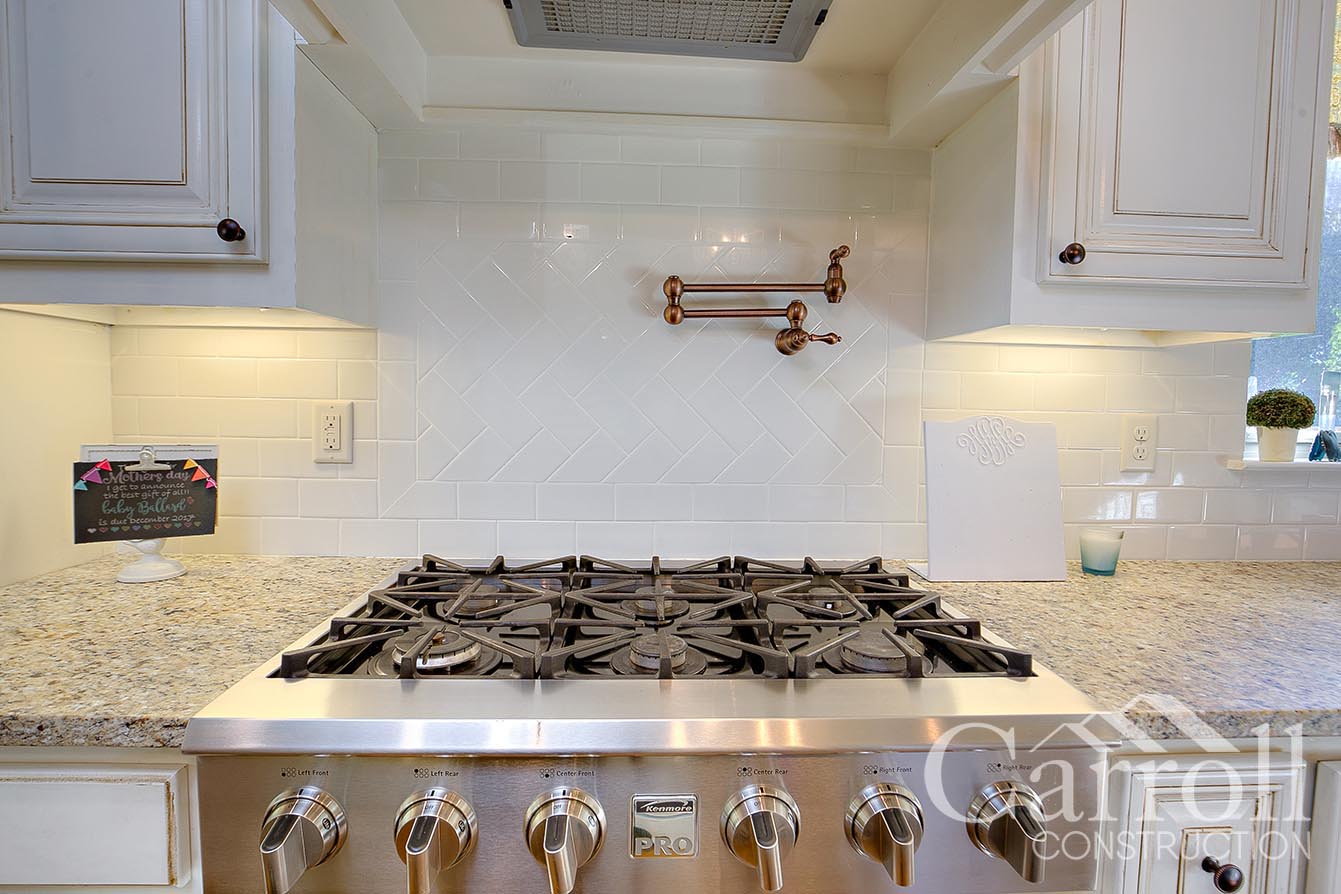
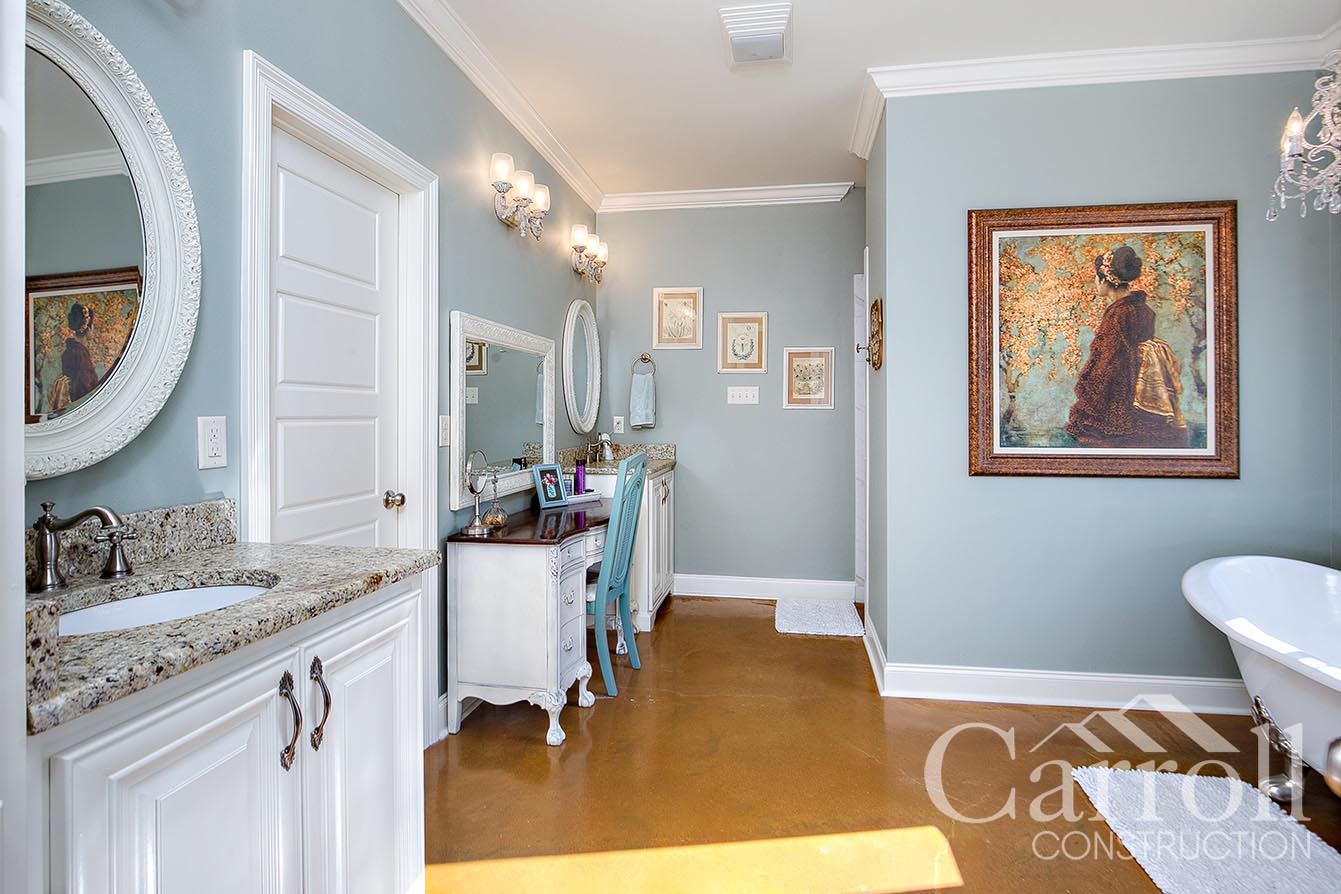
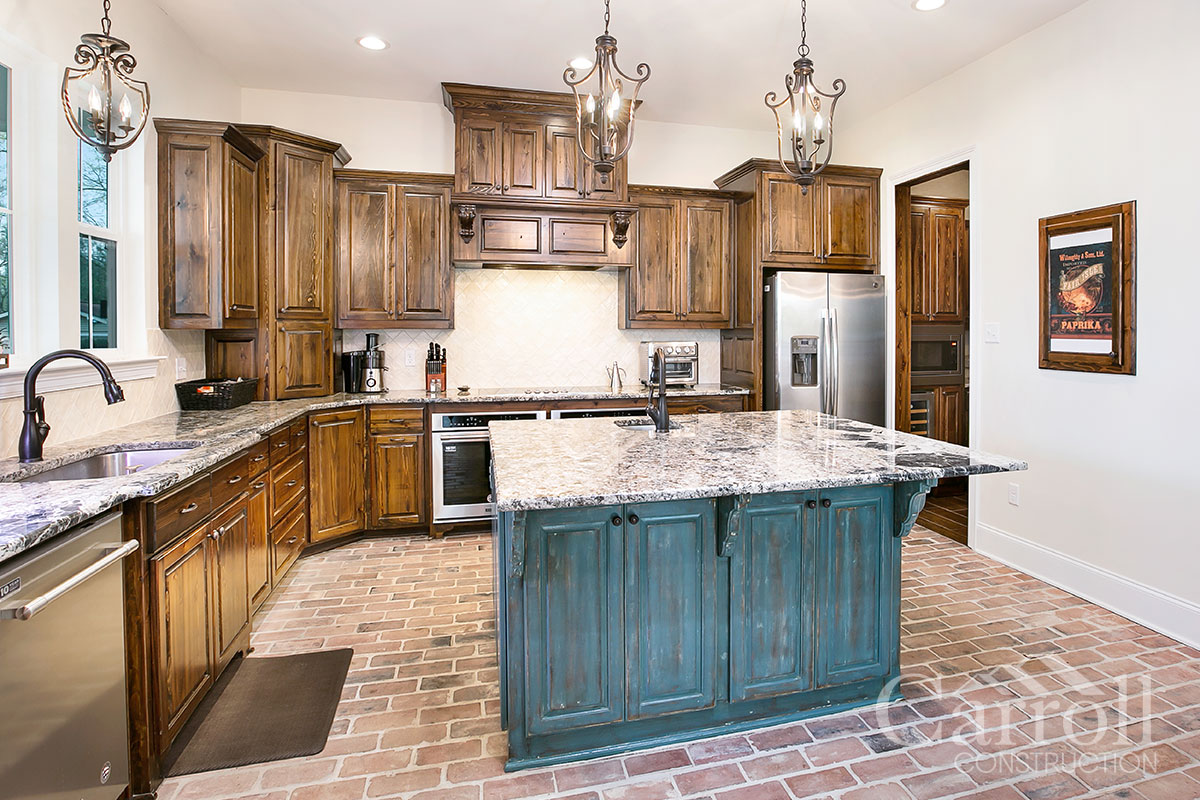
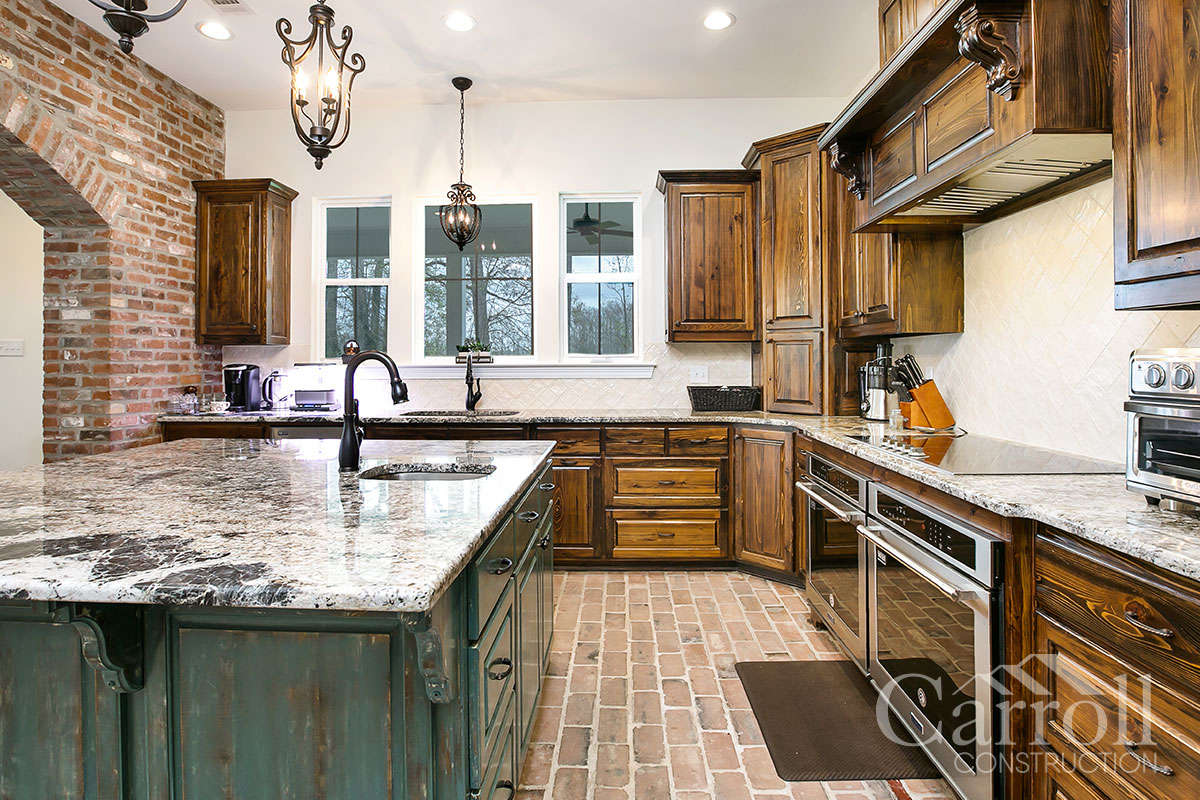
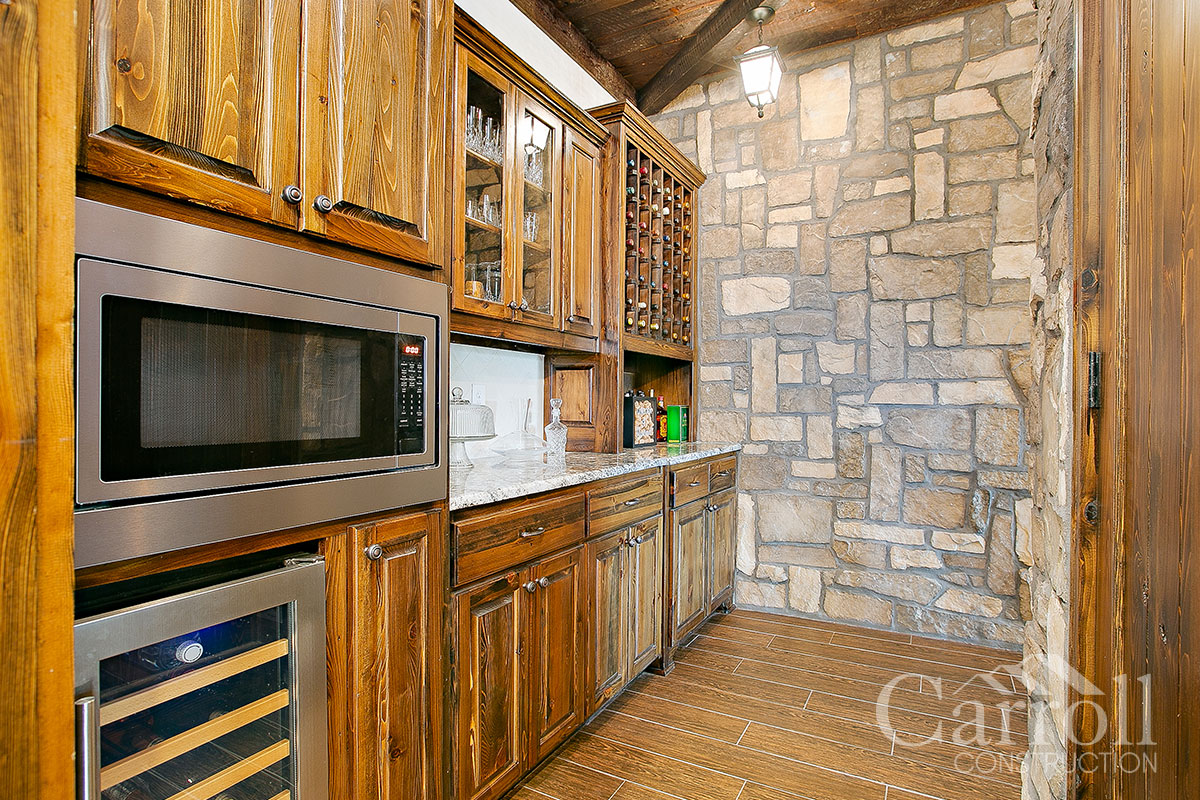
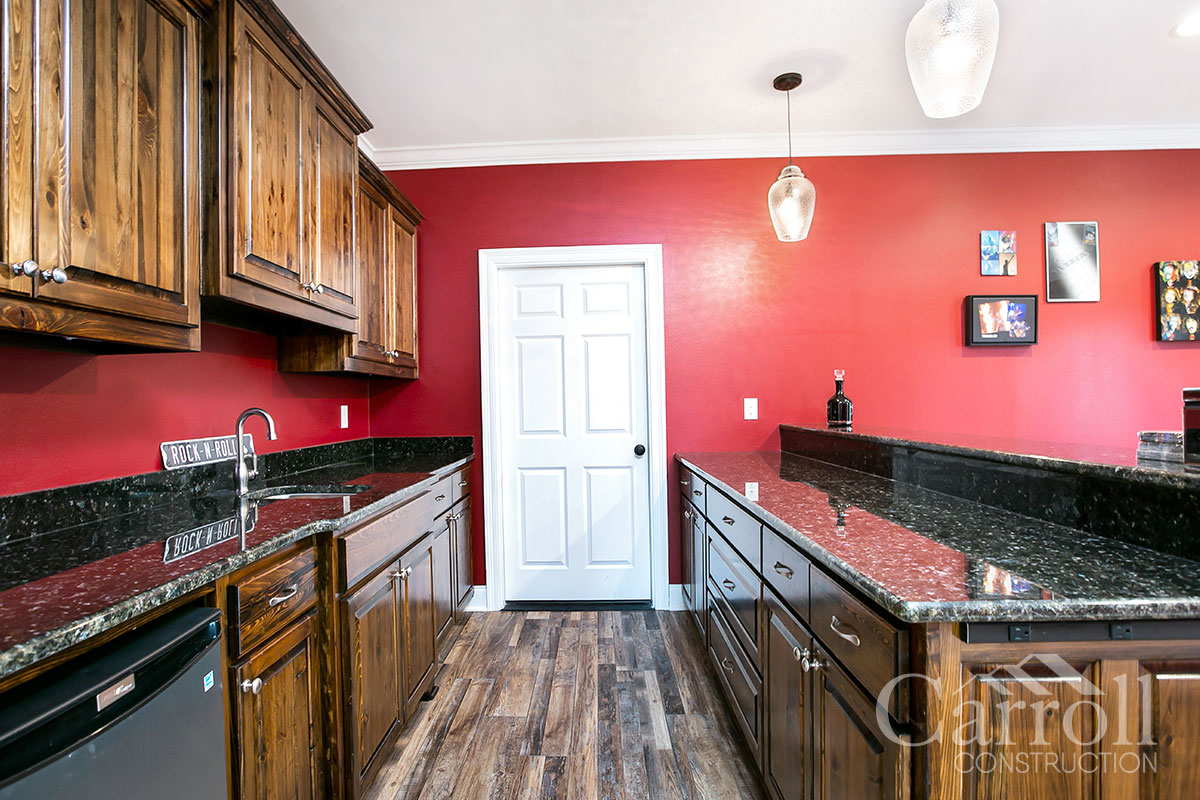
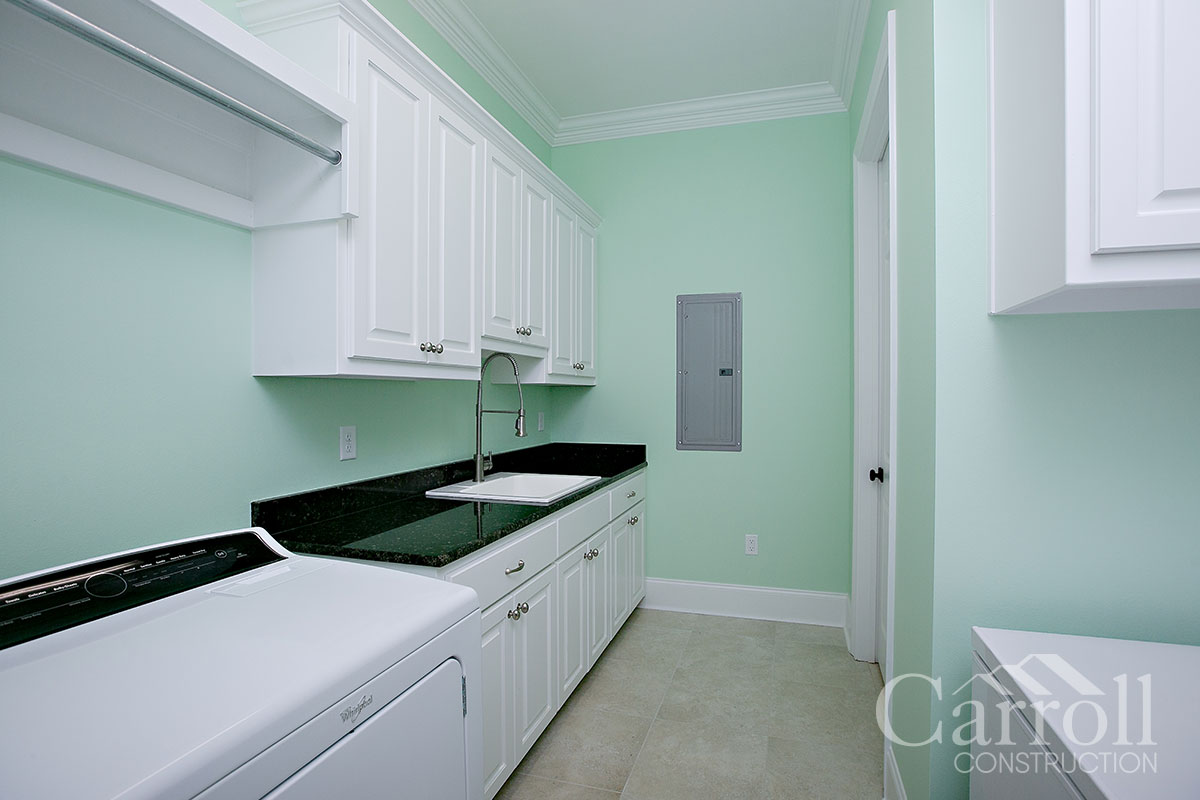
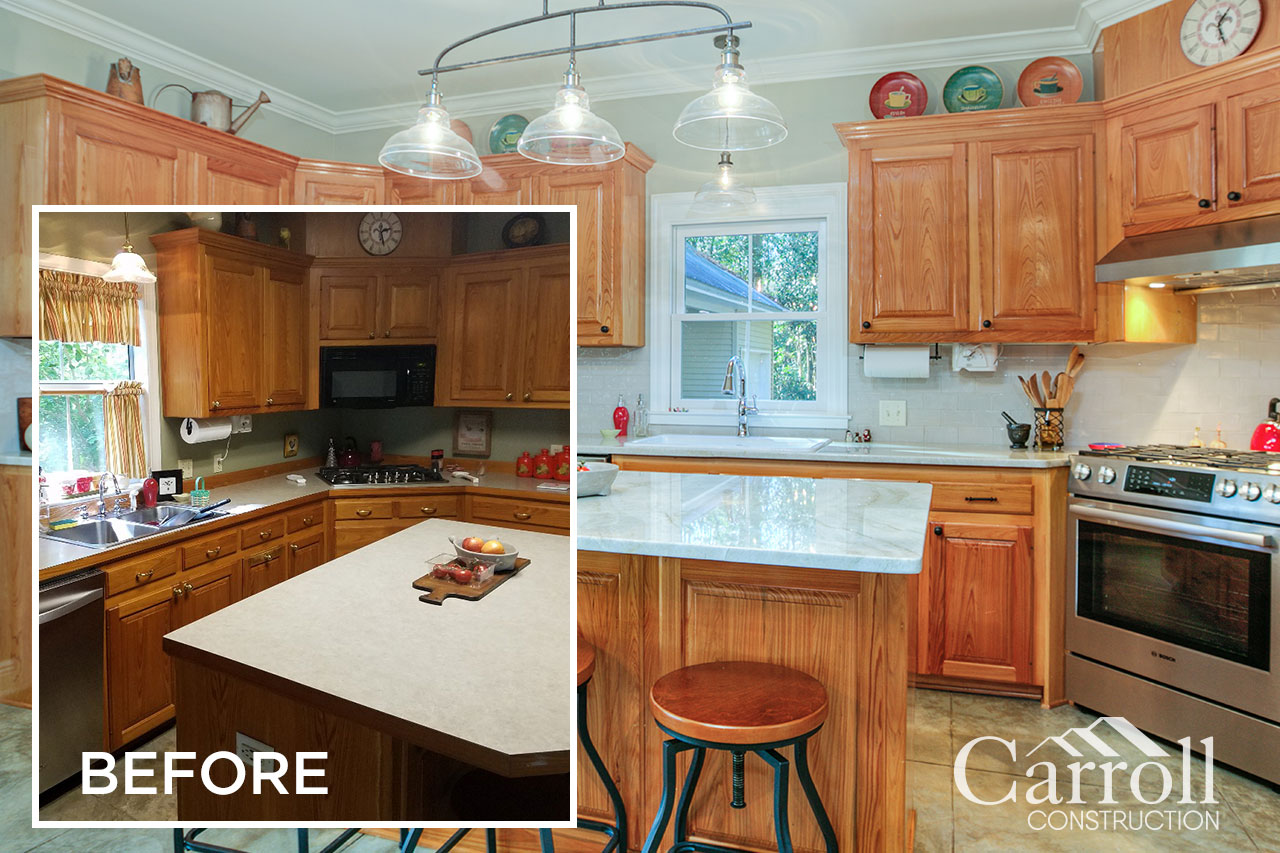
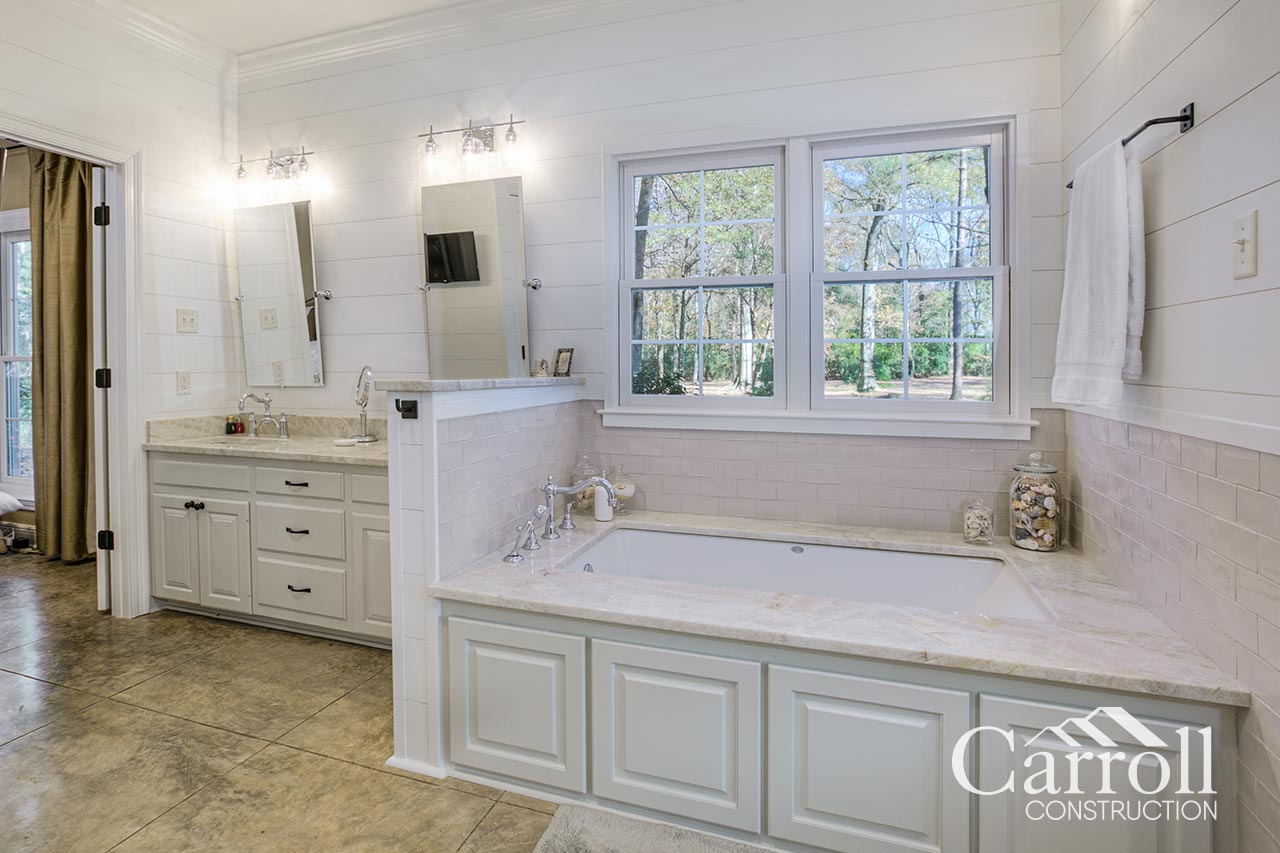
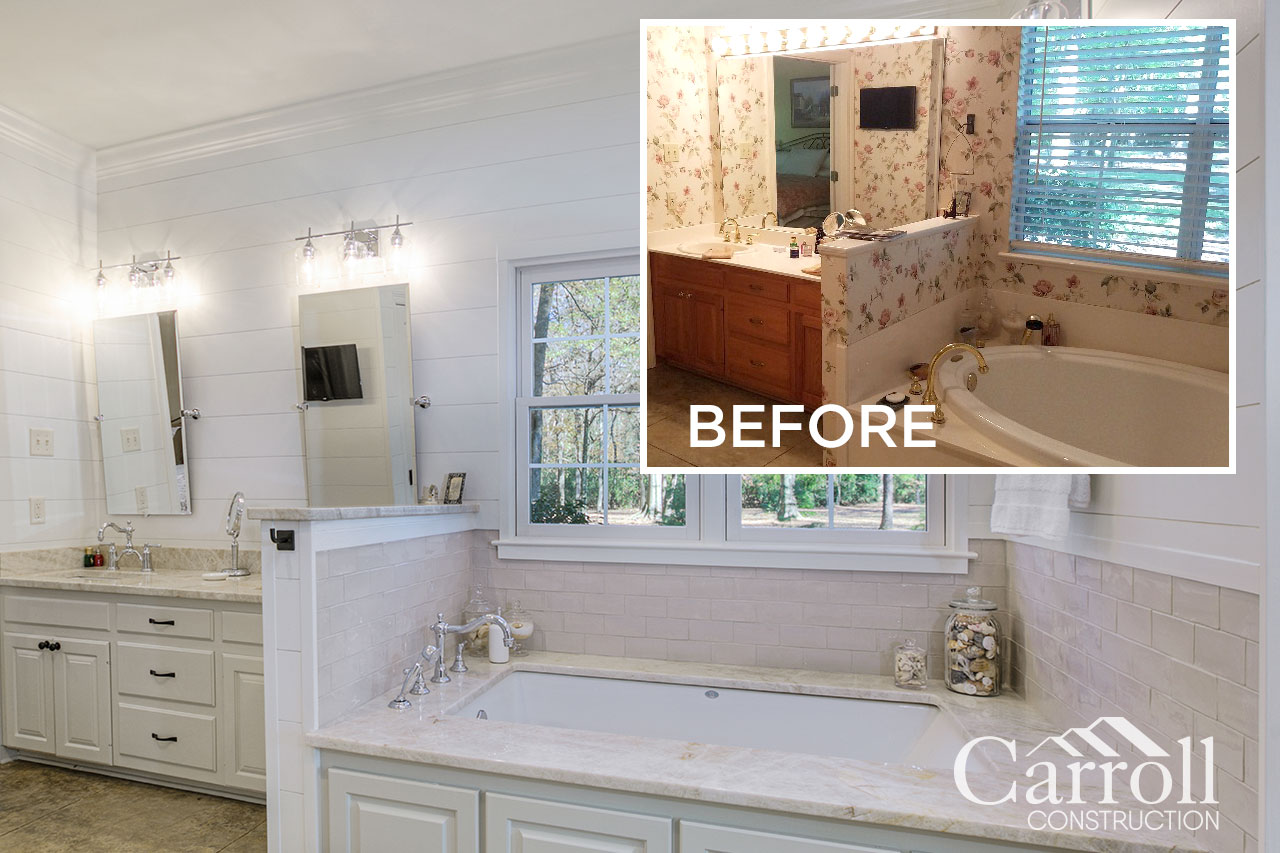
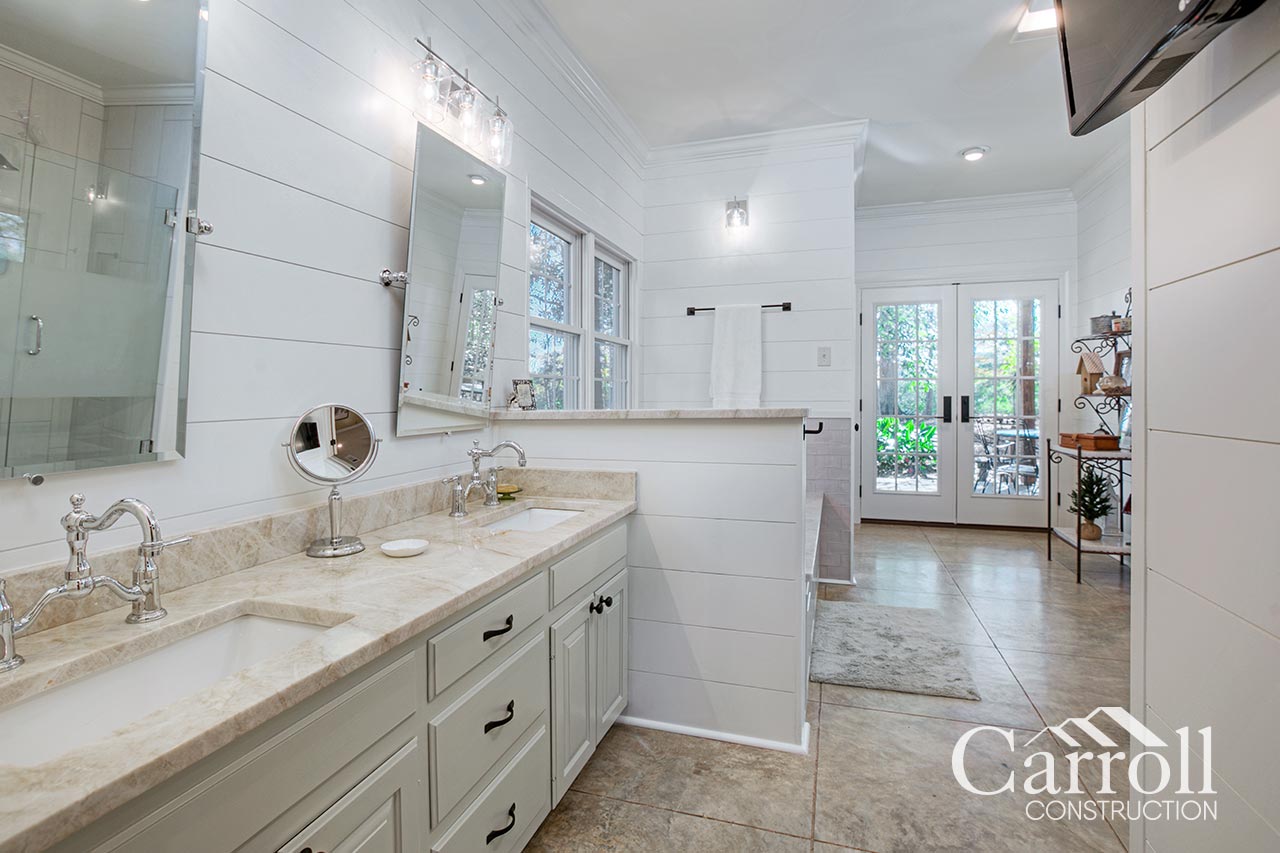
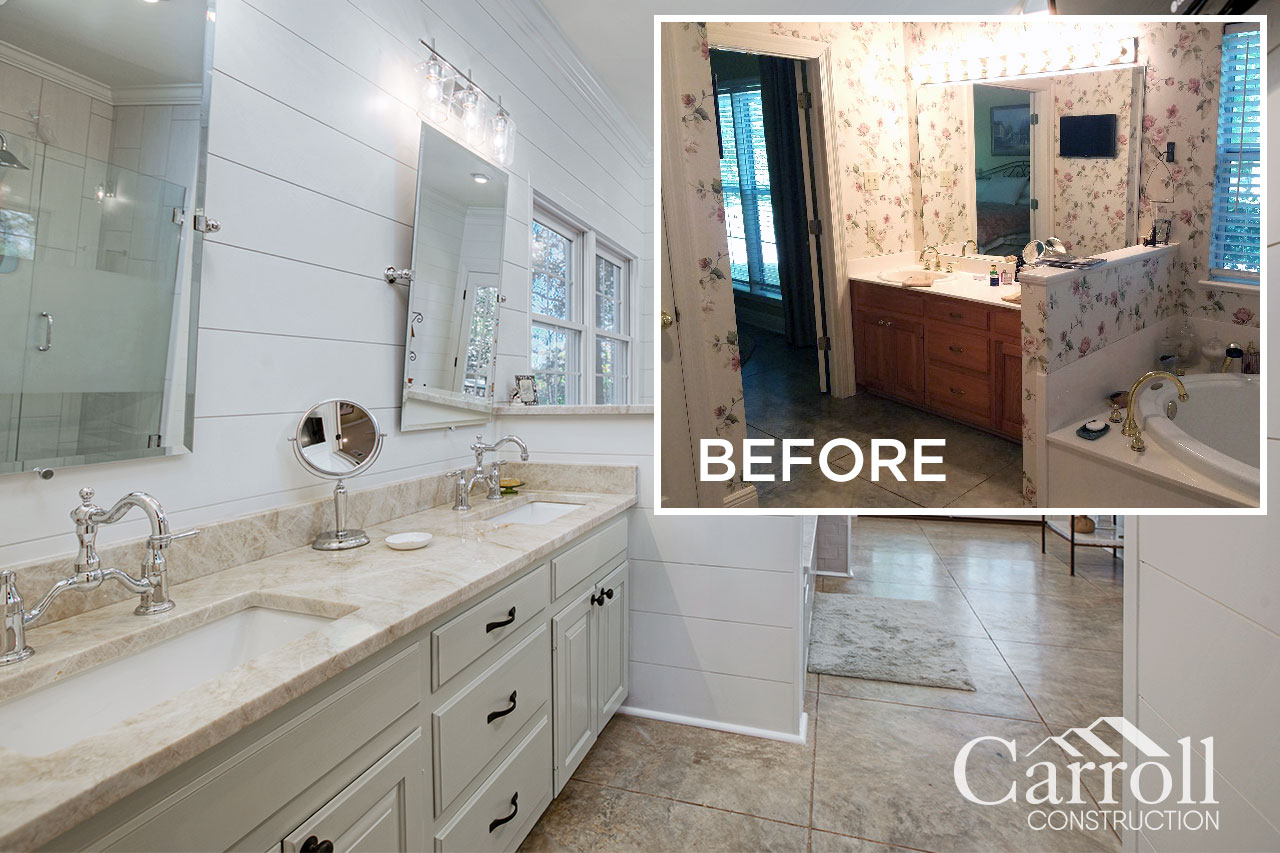
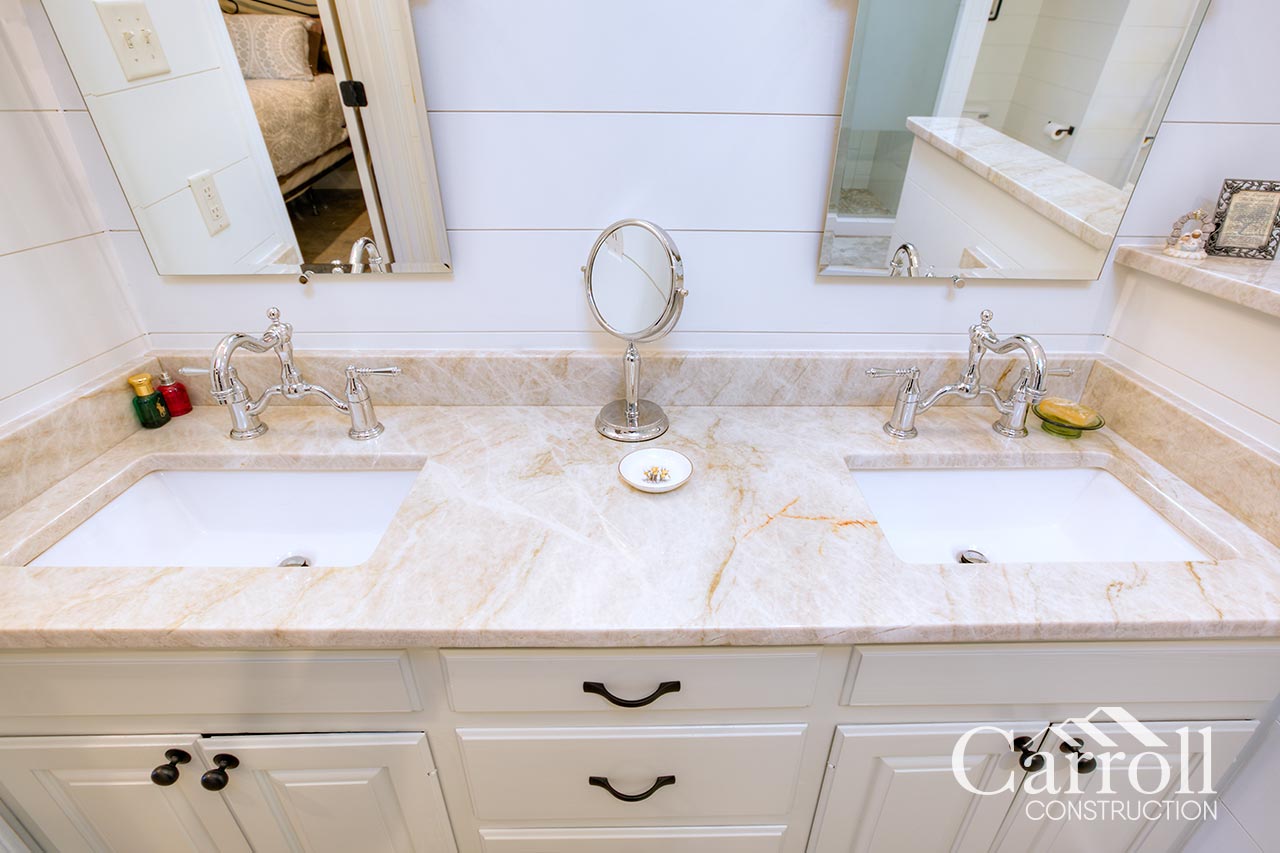
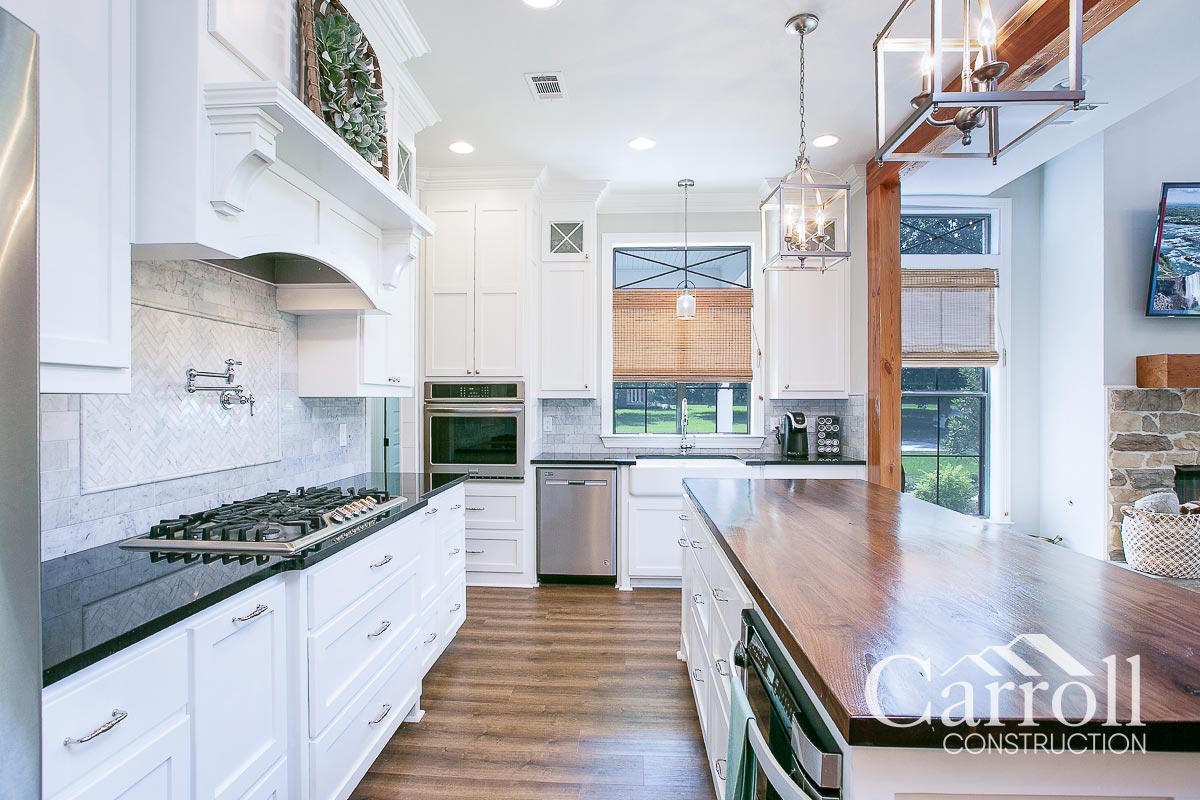
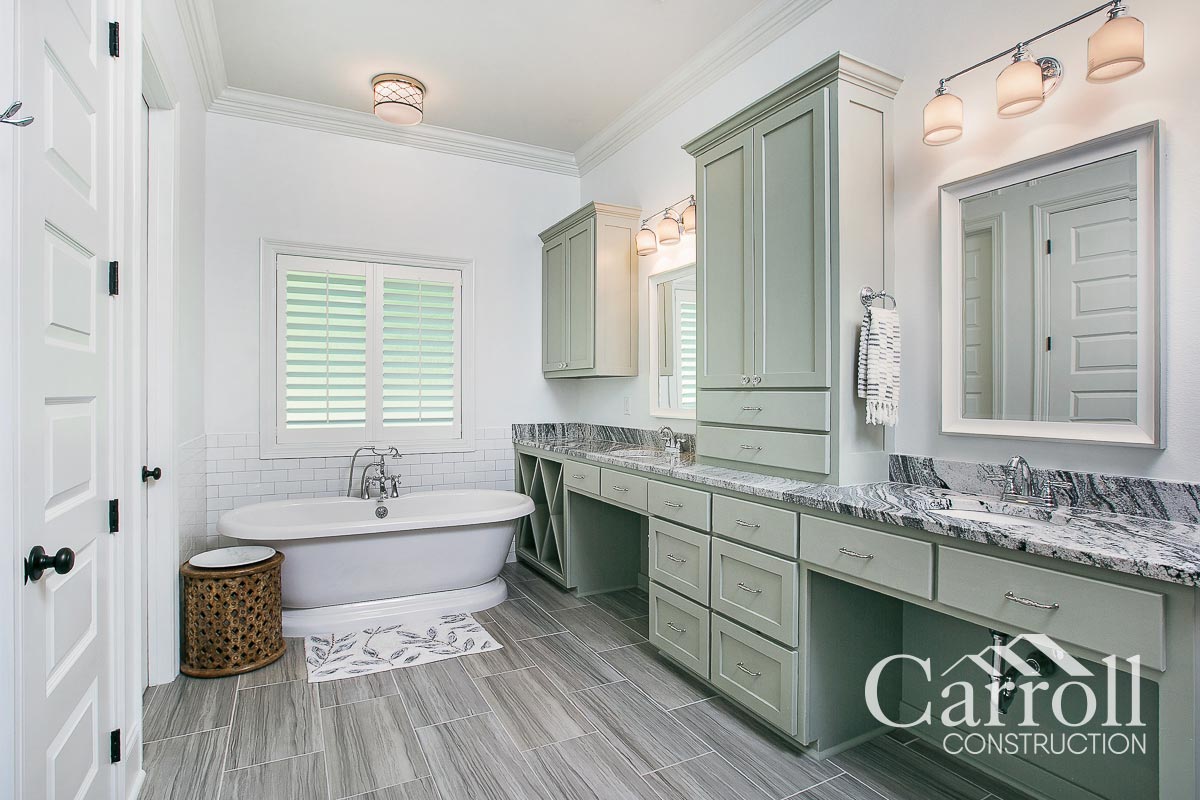
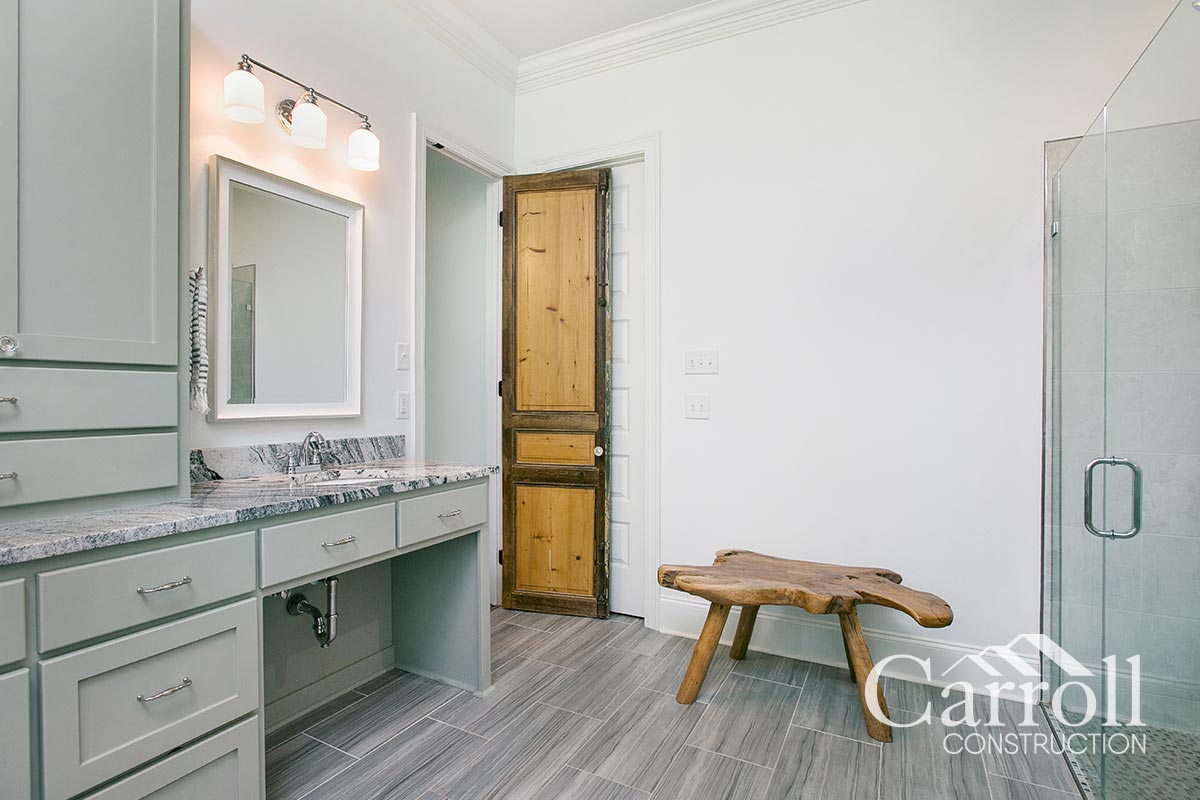
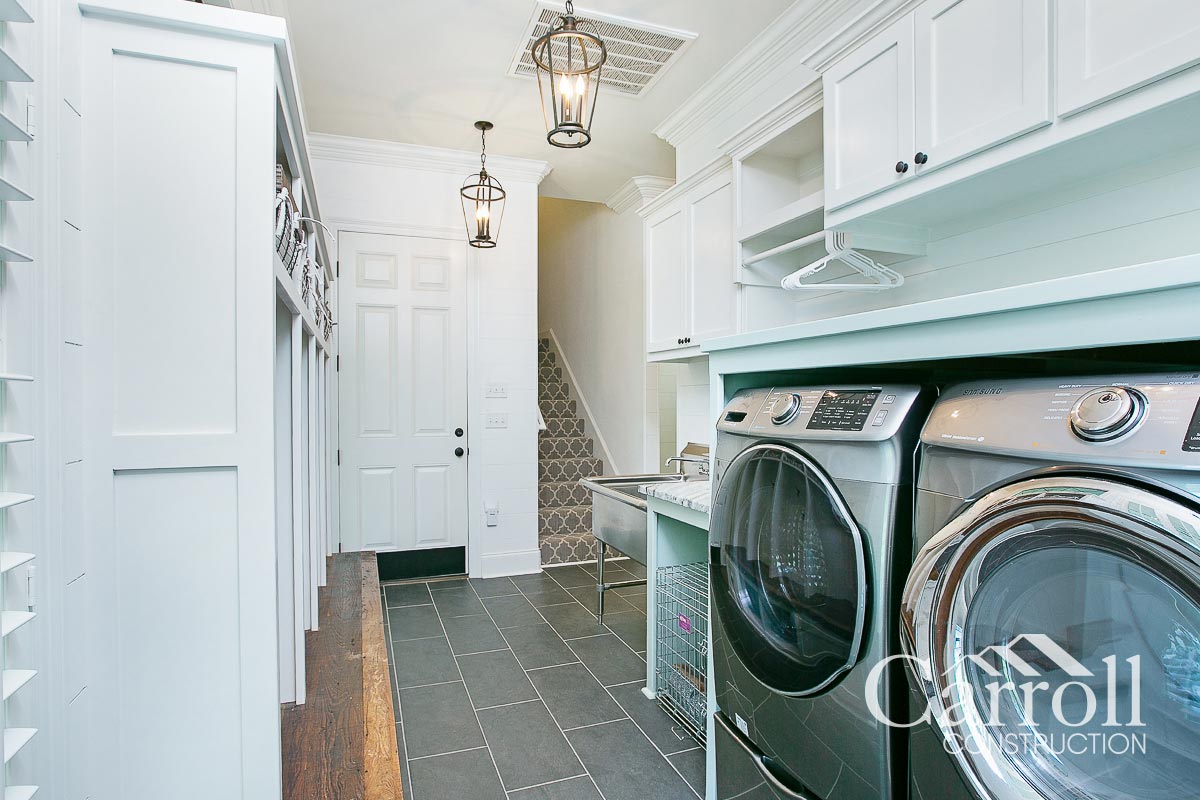
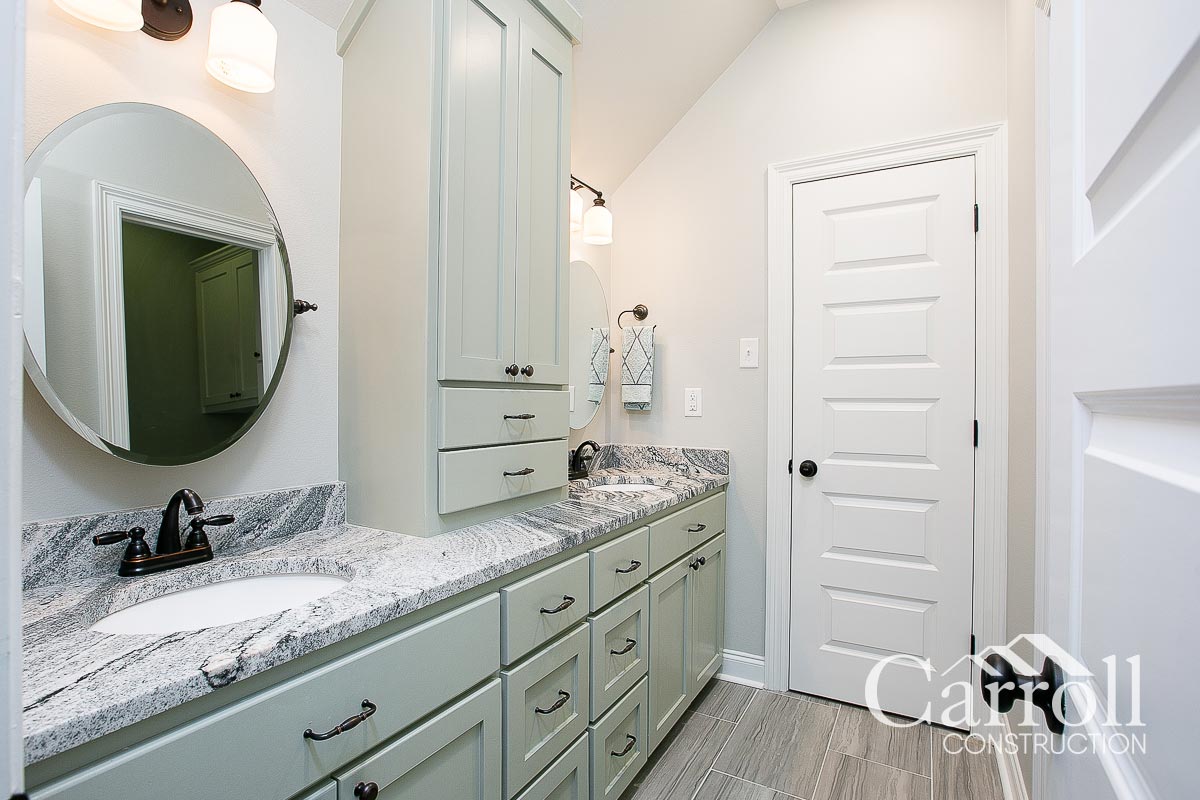
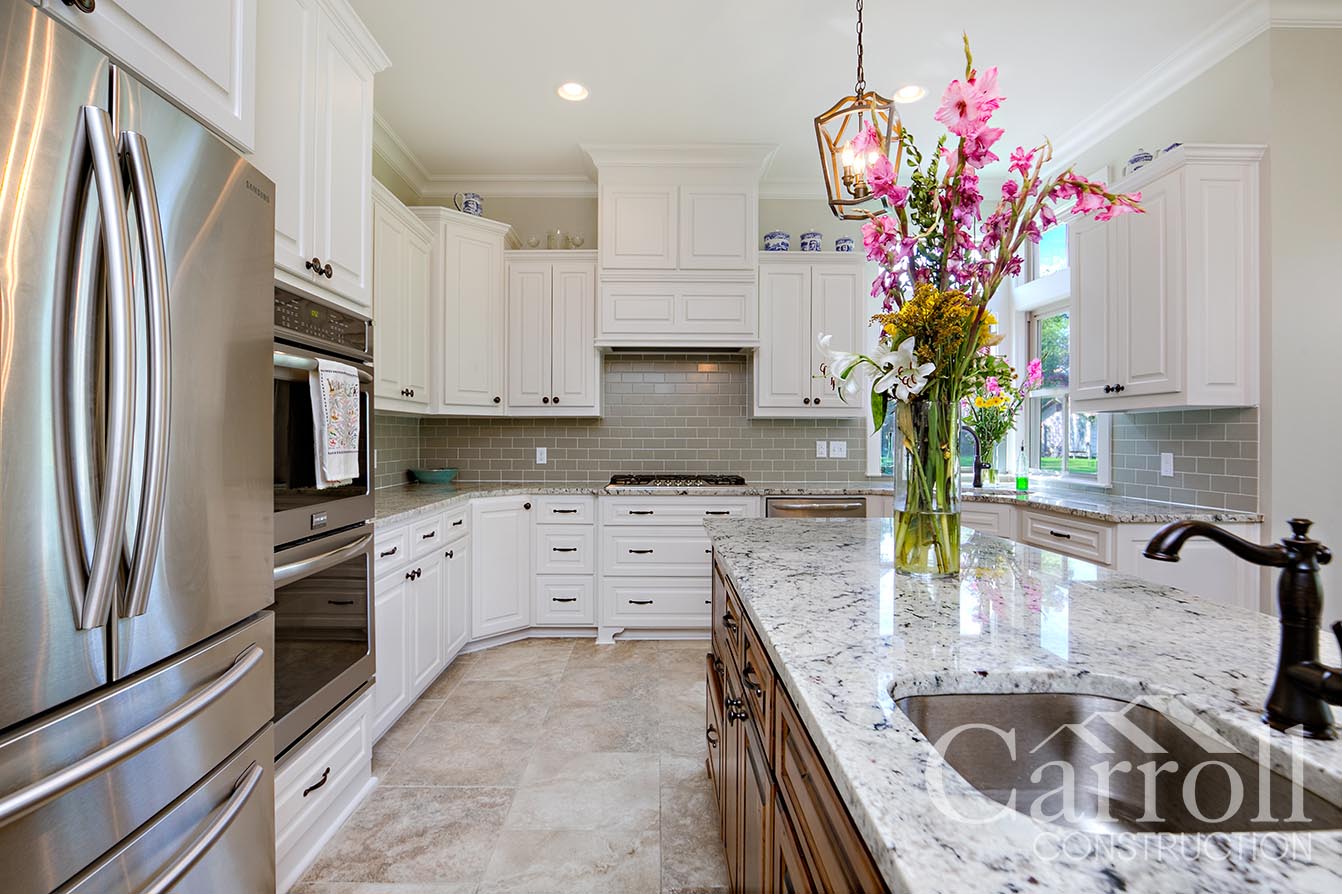
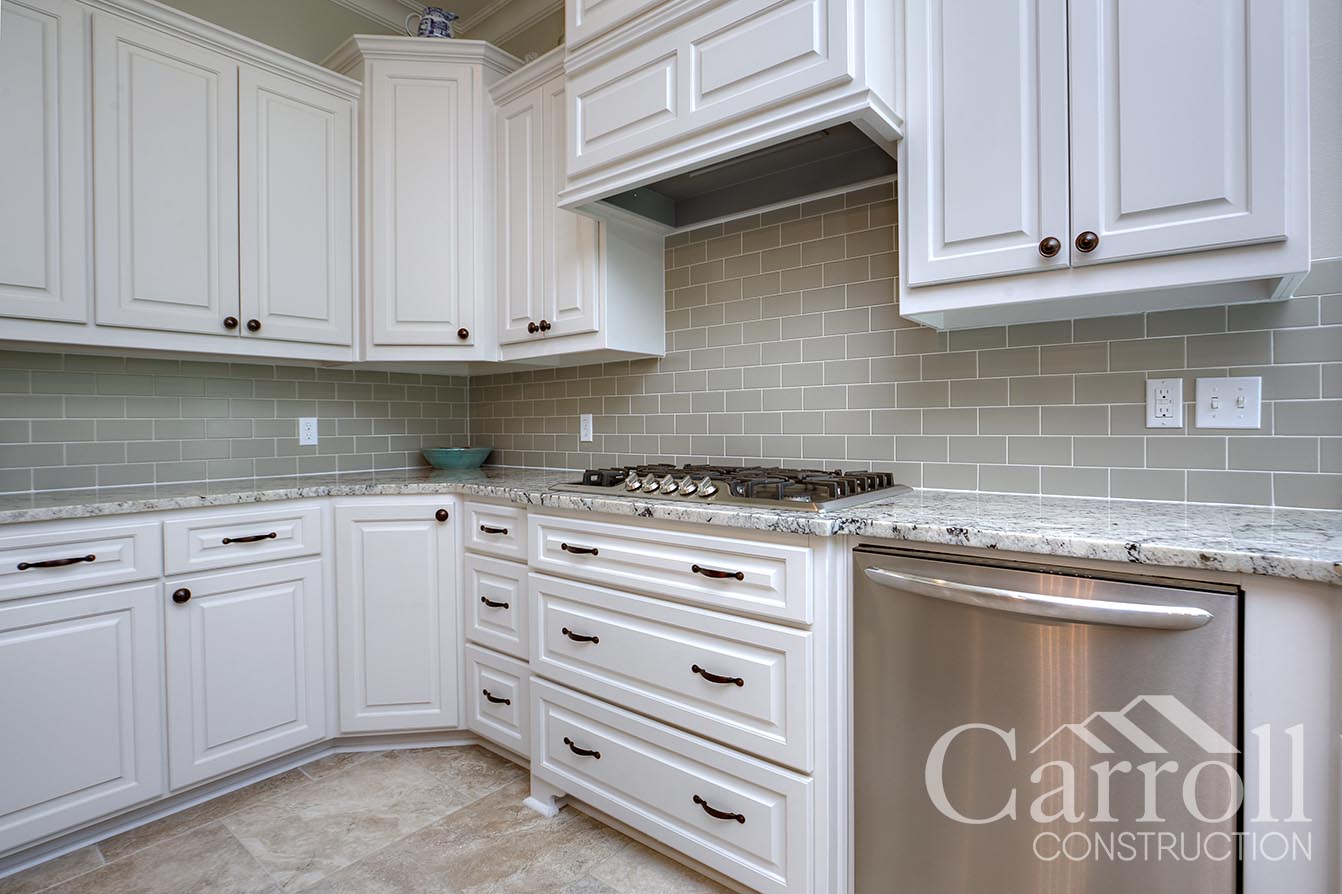
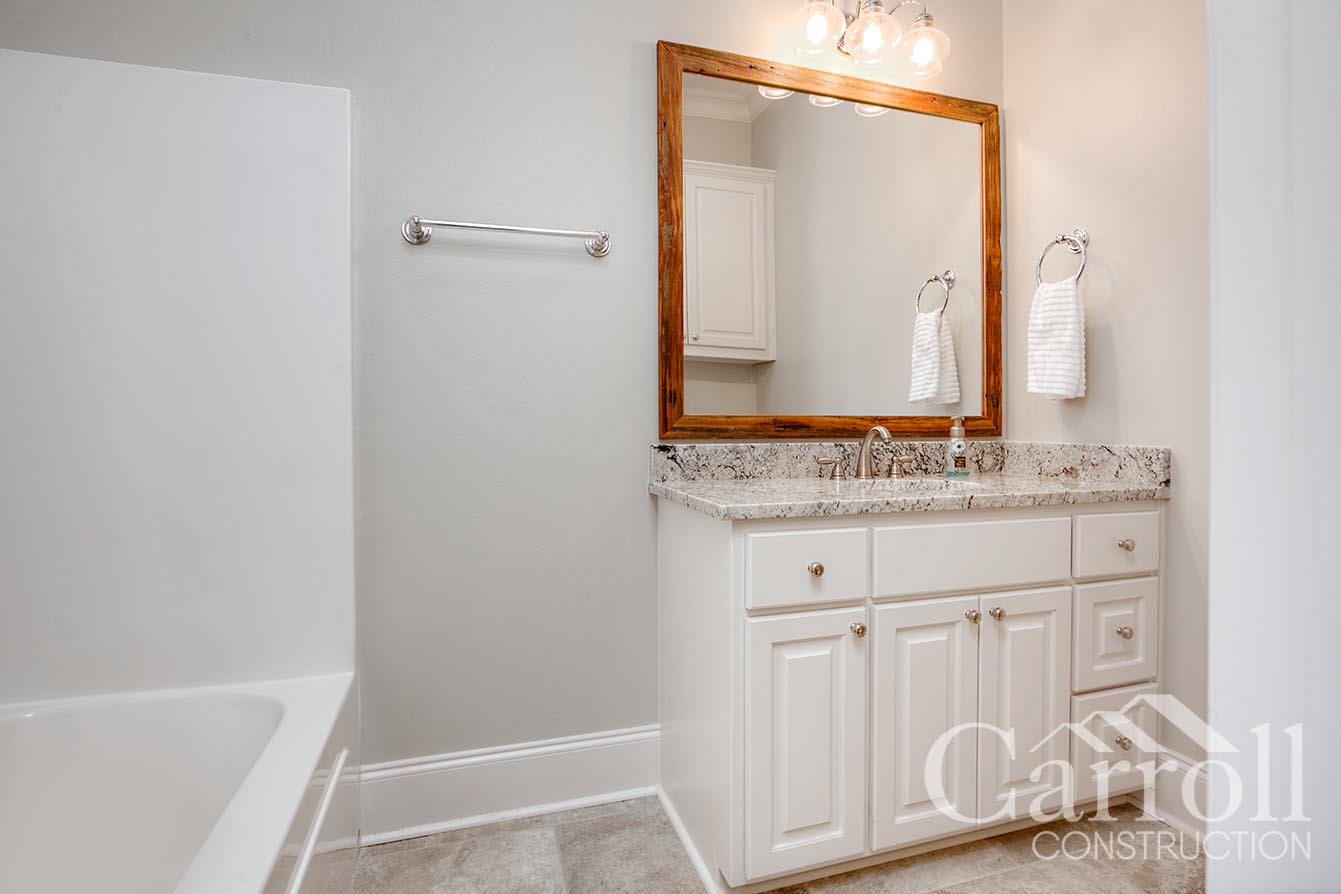
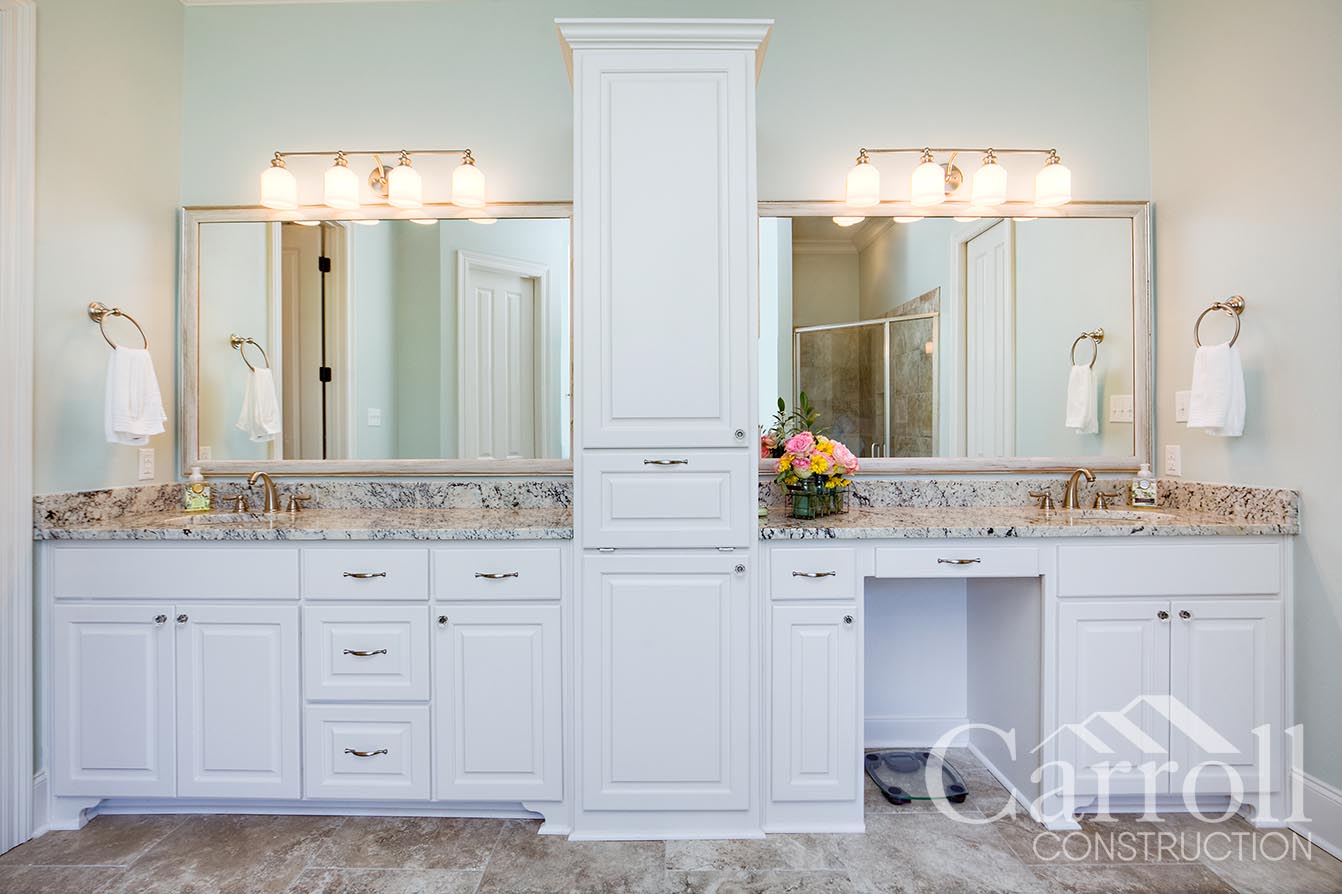
Finding the ideal topping for your counters is a lot more involved than you may think. For example, locating enough of the same style/color/pattern of granite to cover all the counters sometimes takes a while to find. Not to mention that deciding between marble, stone, granite or tile - plus the color scheme - for the bathrooms may even make you lose sleep at night. So it is best to start obsessing early!
Cabinetry
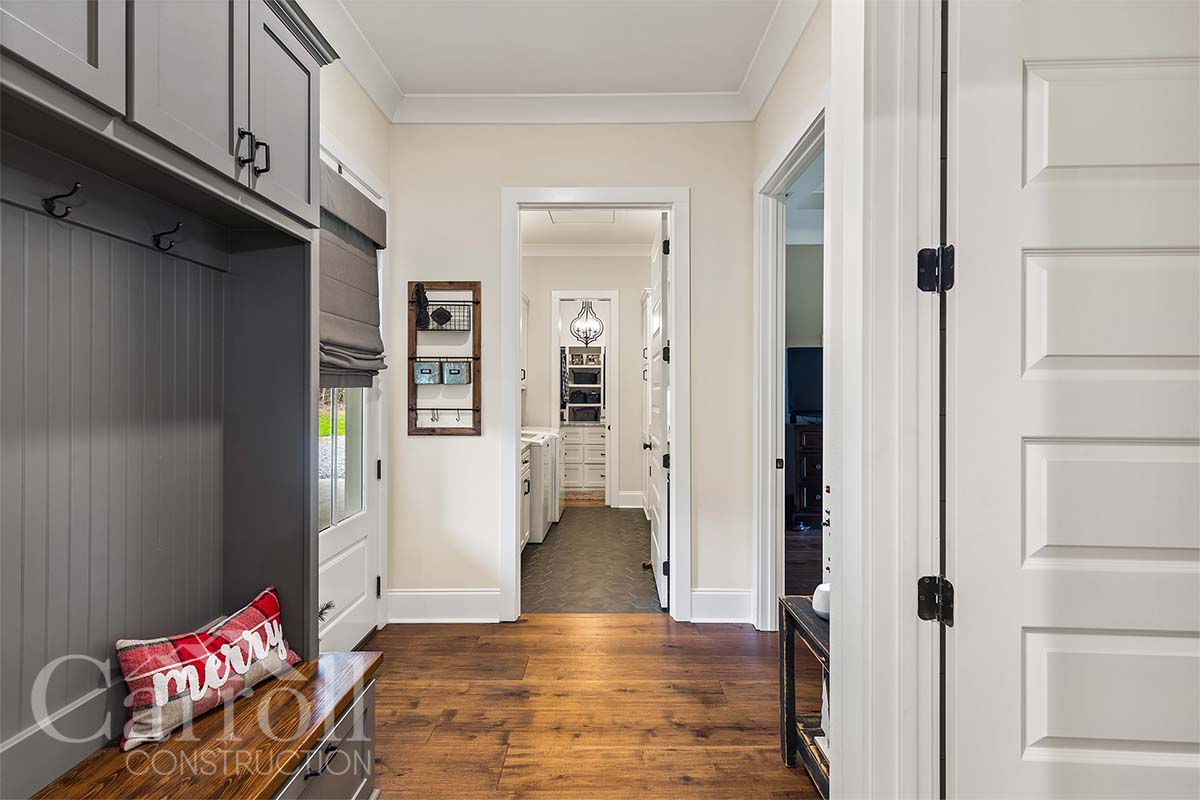
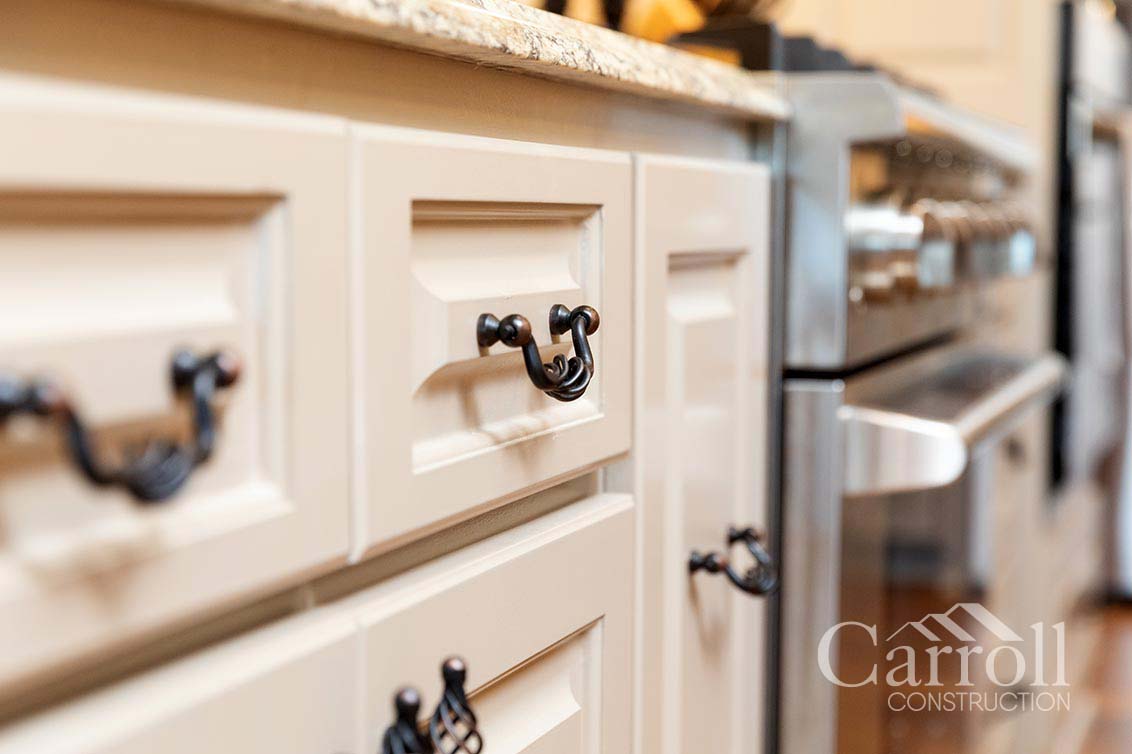
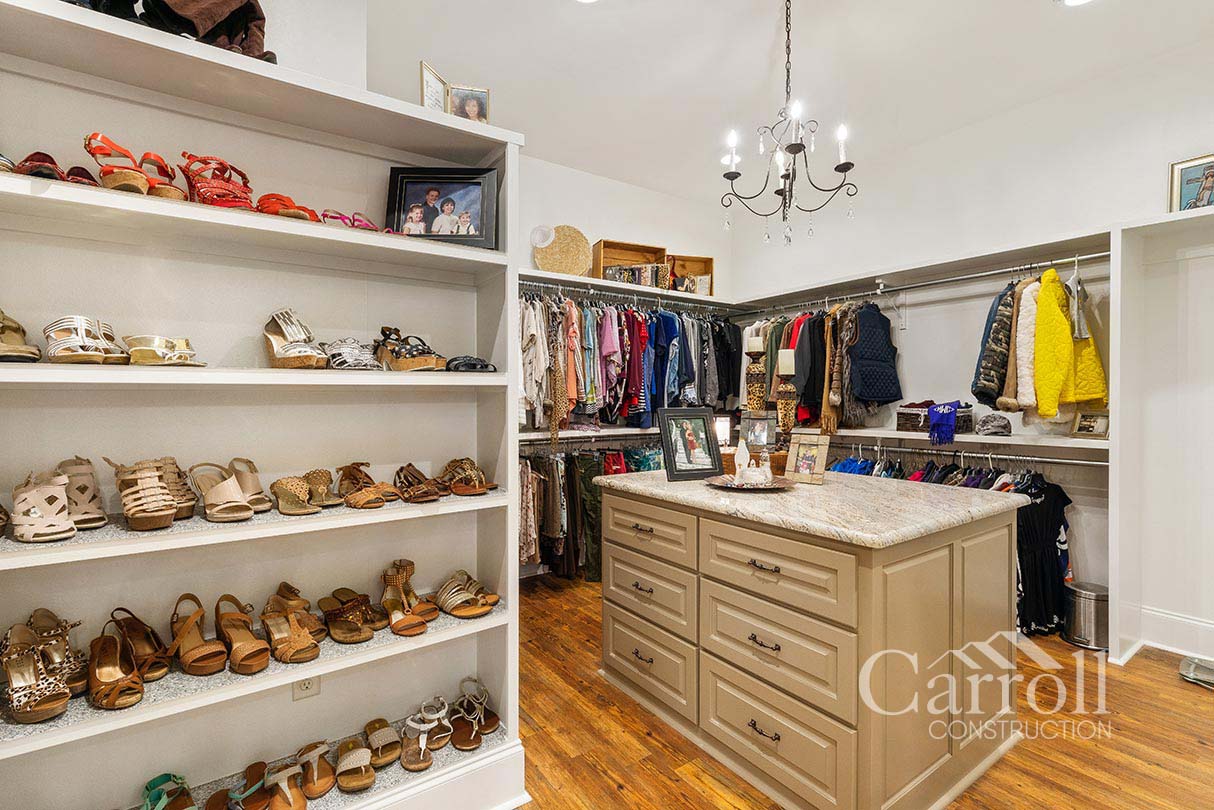
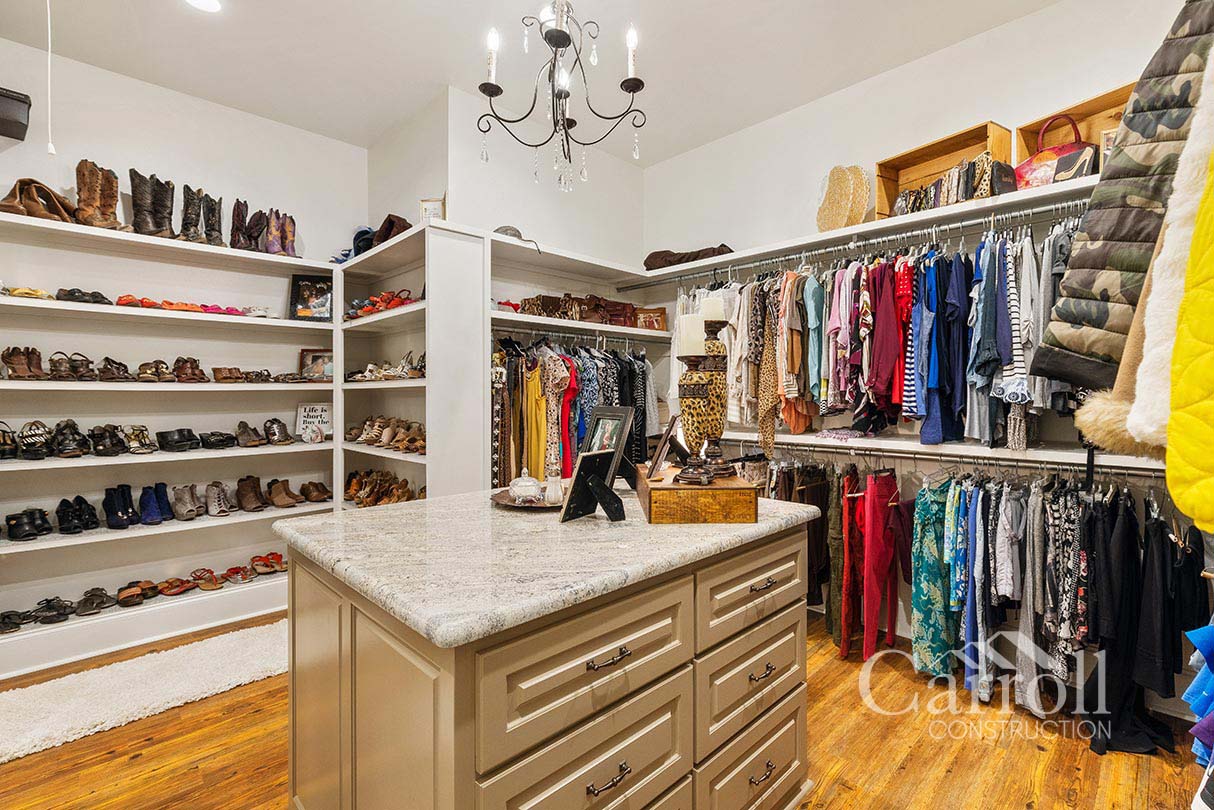
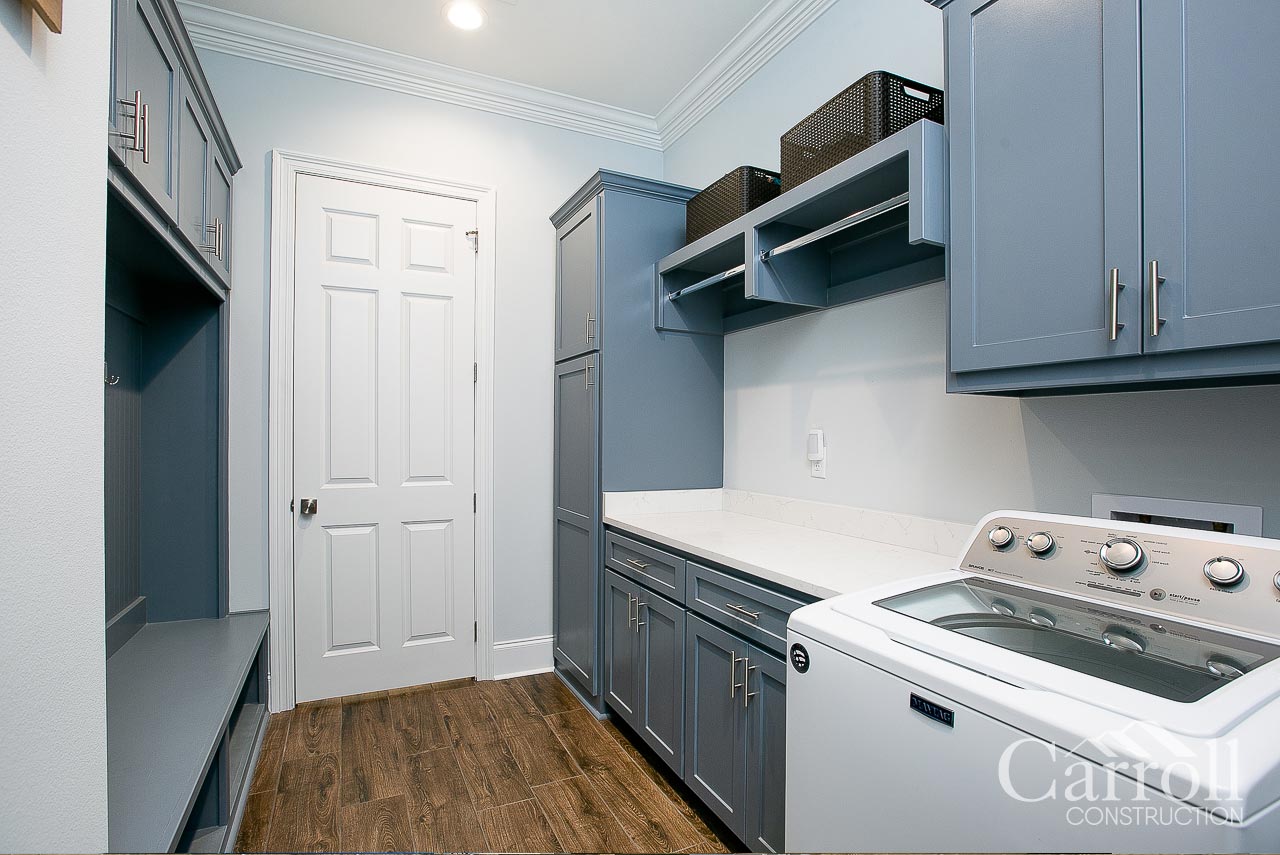
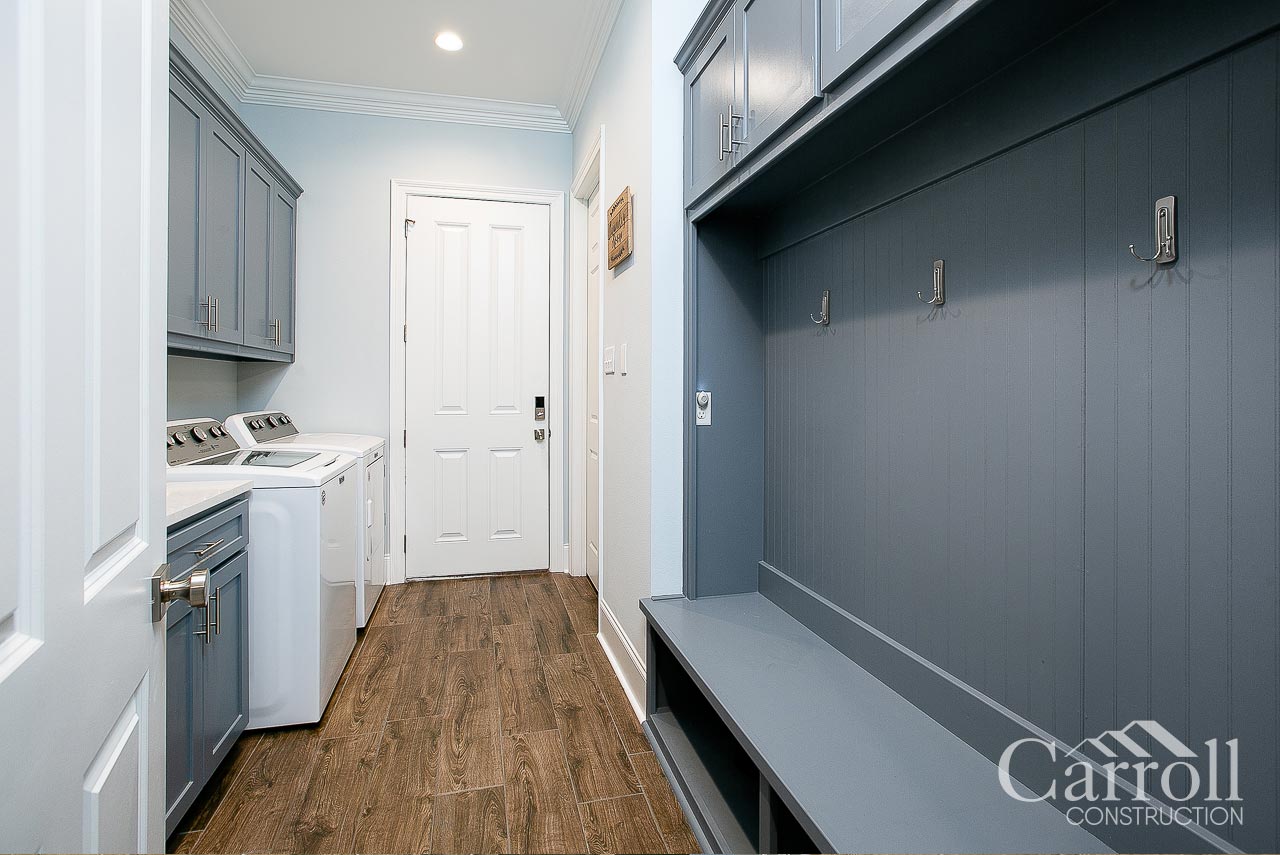
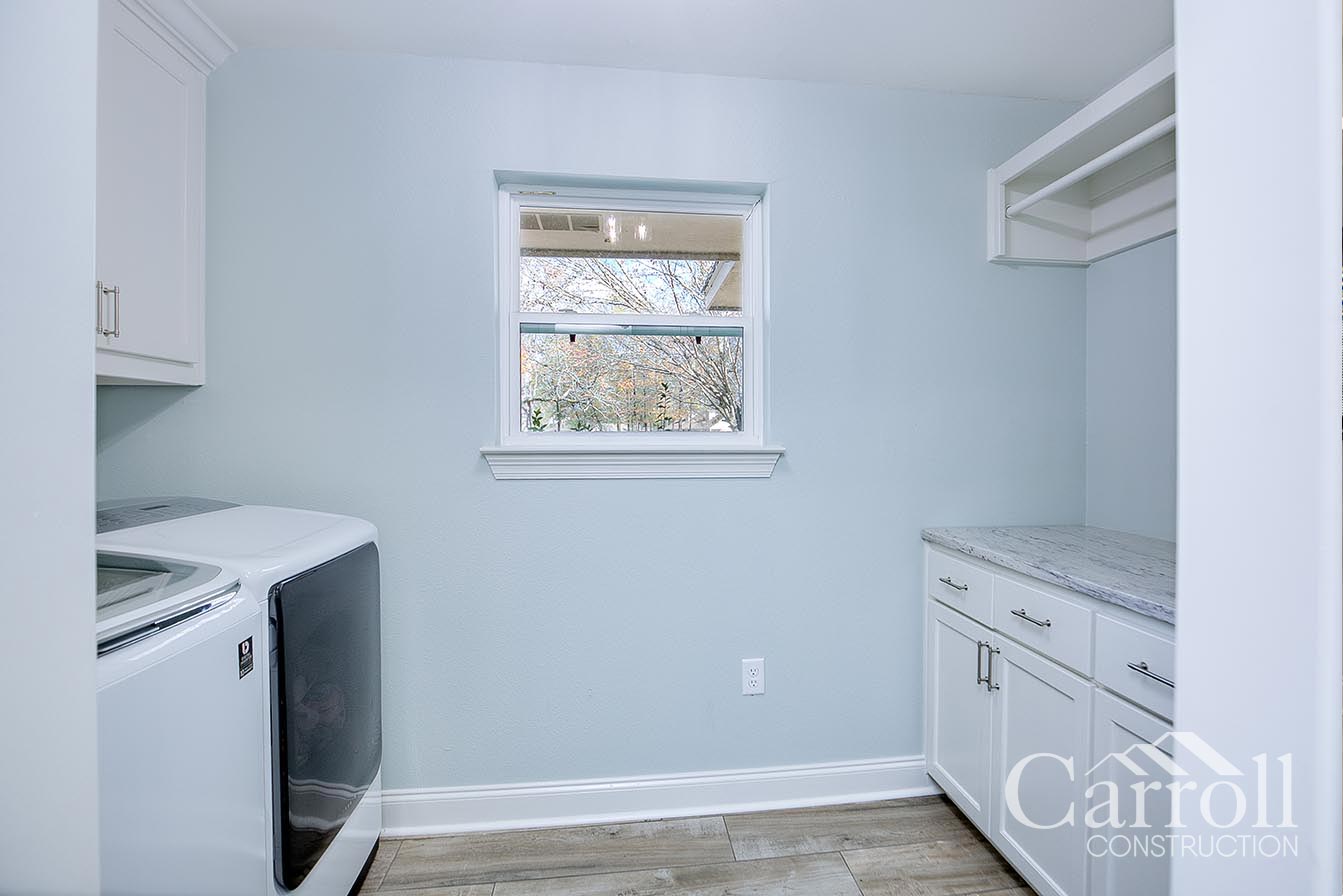
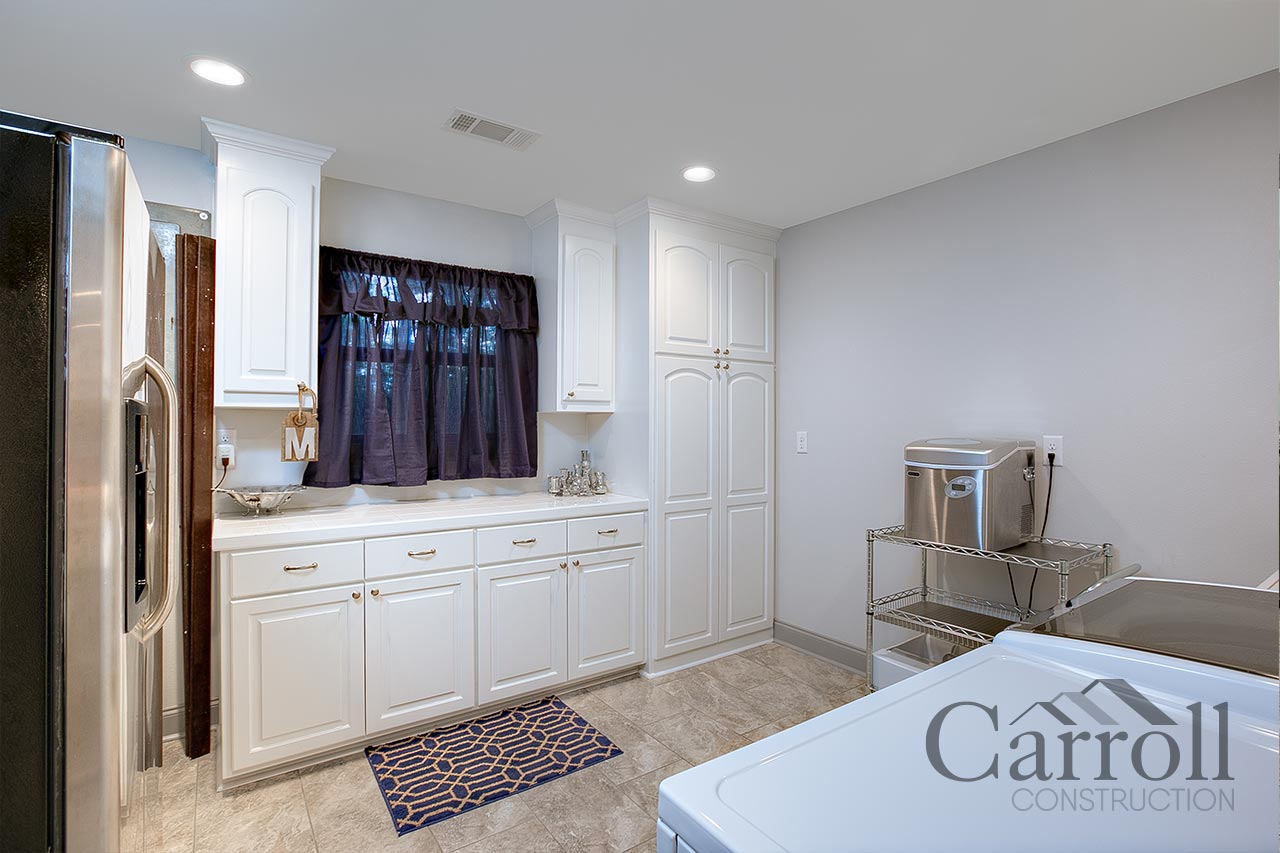
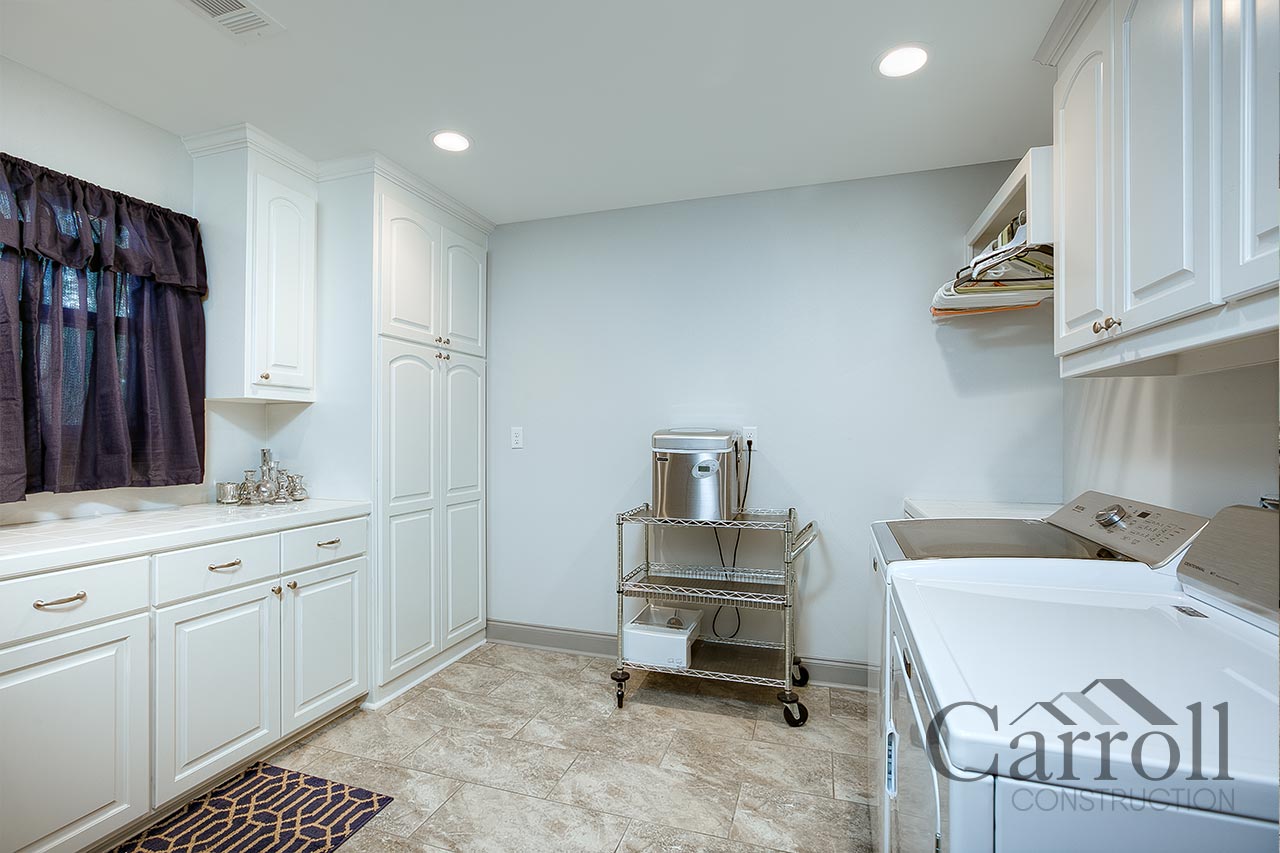
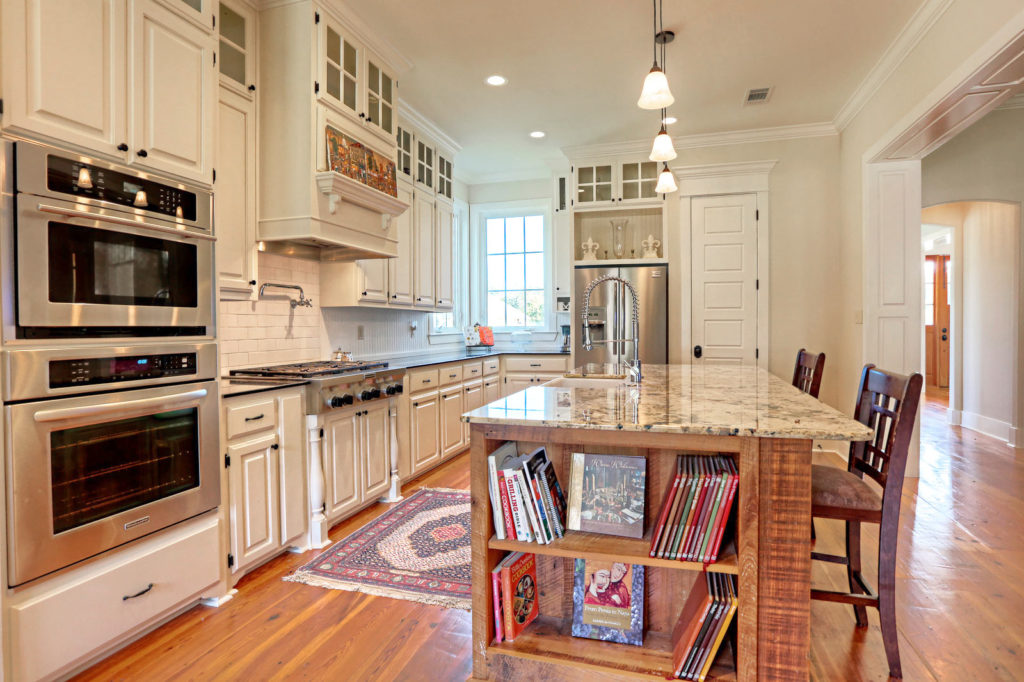
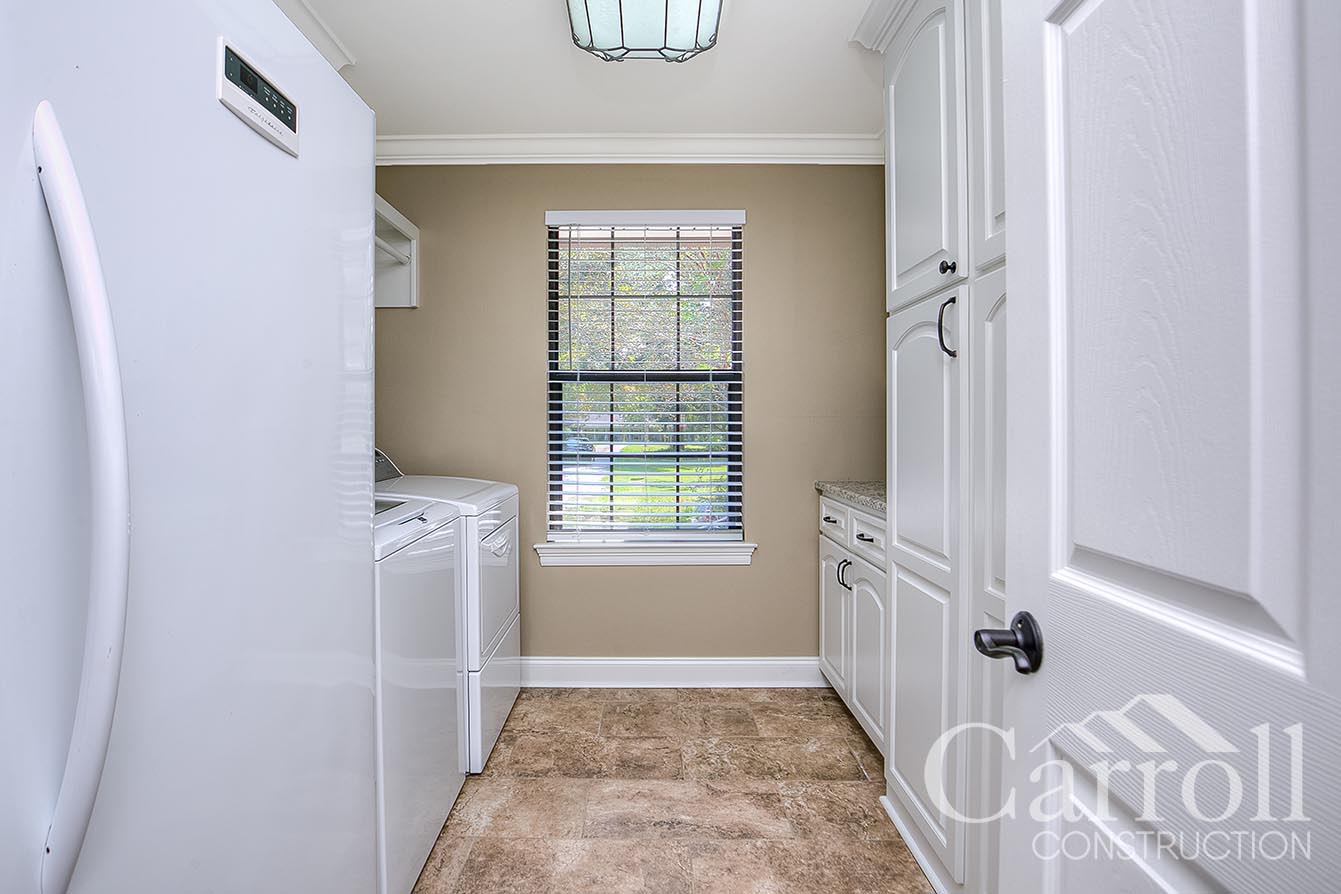
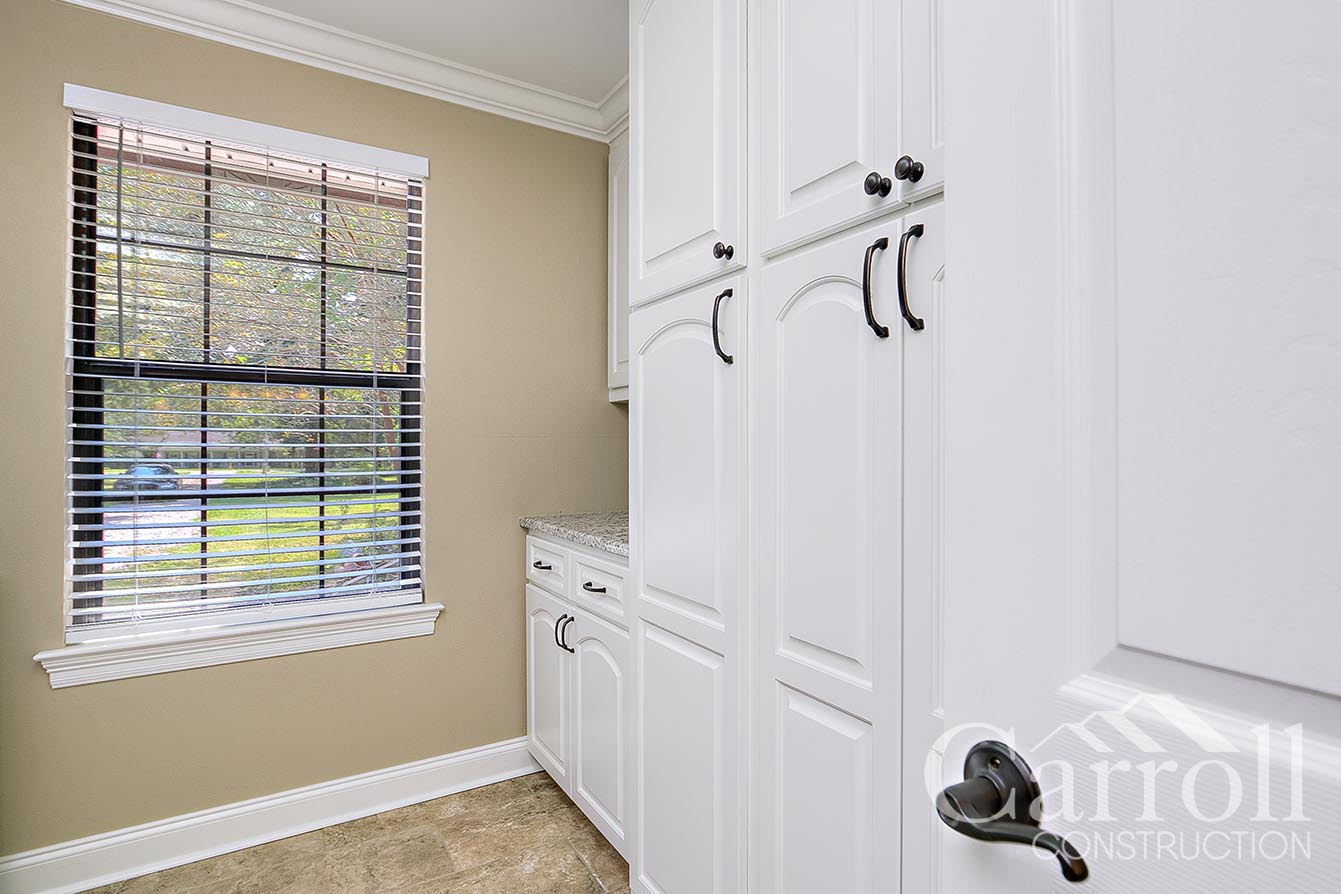
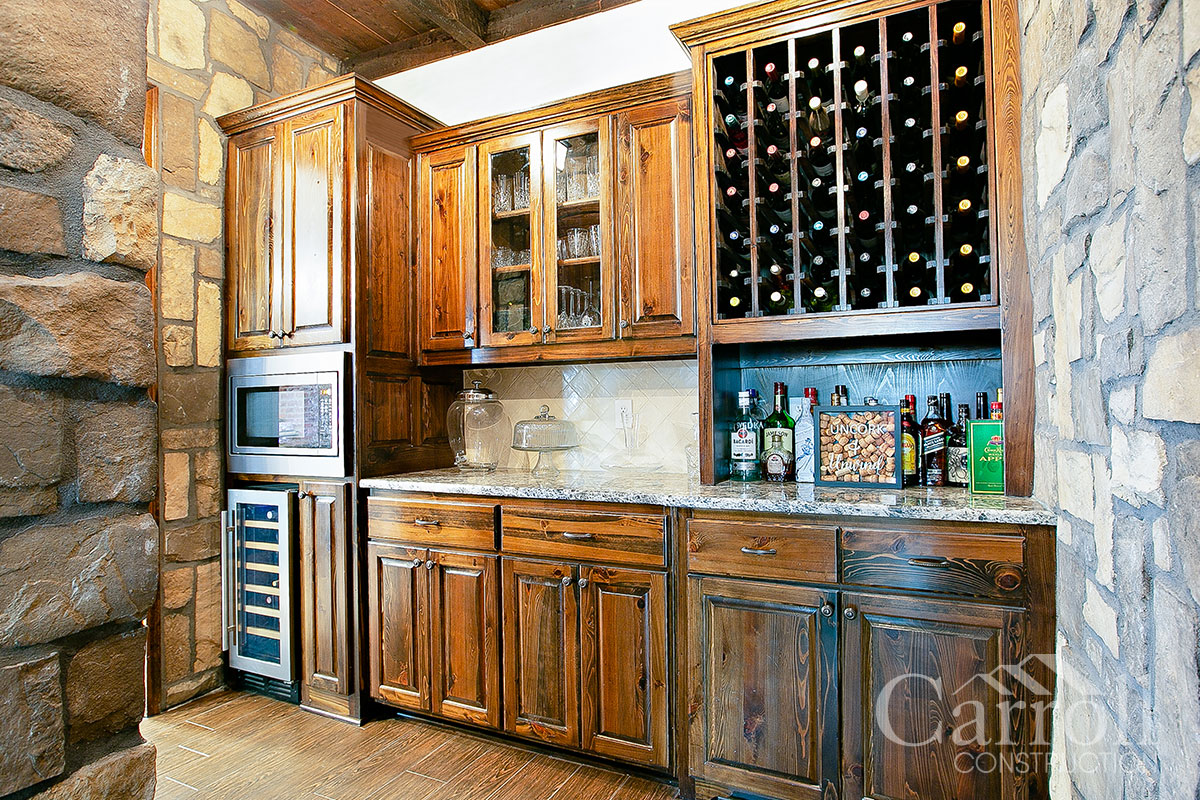
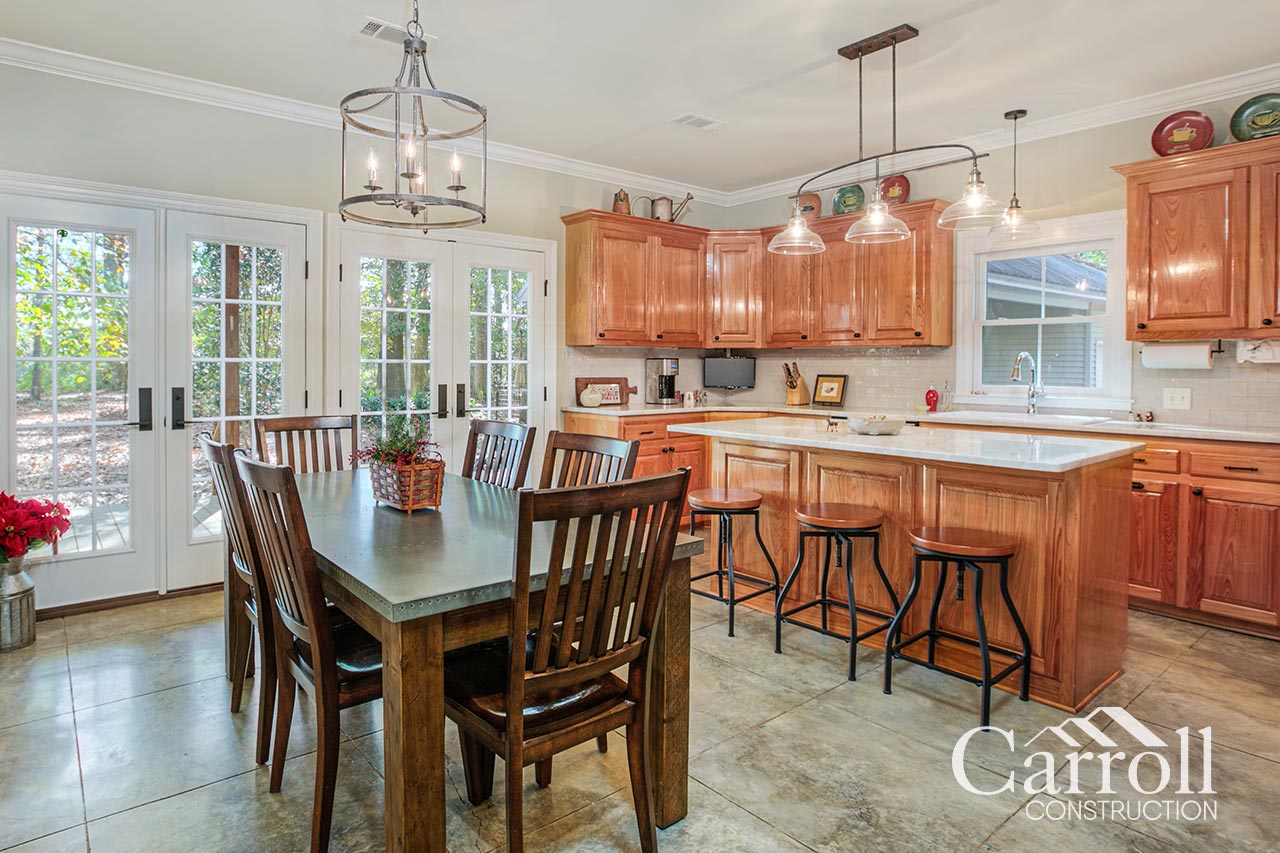
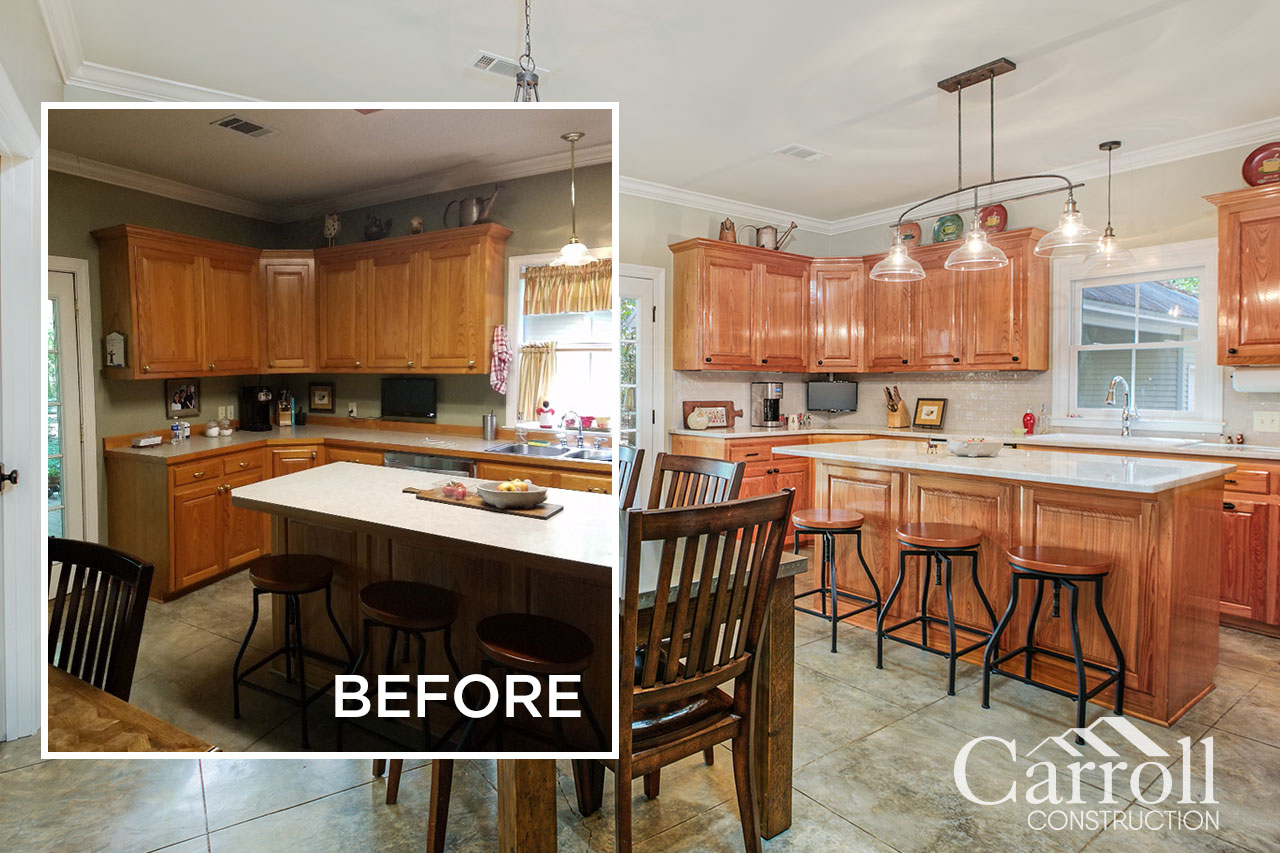
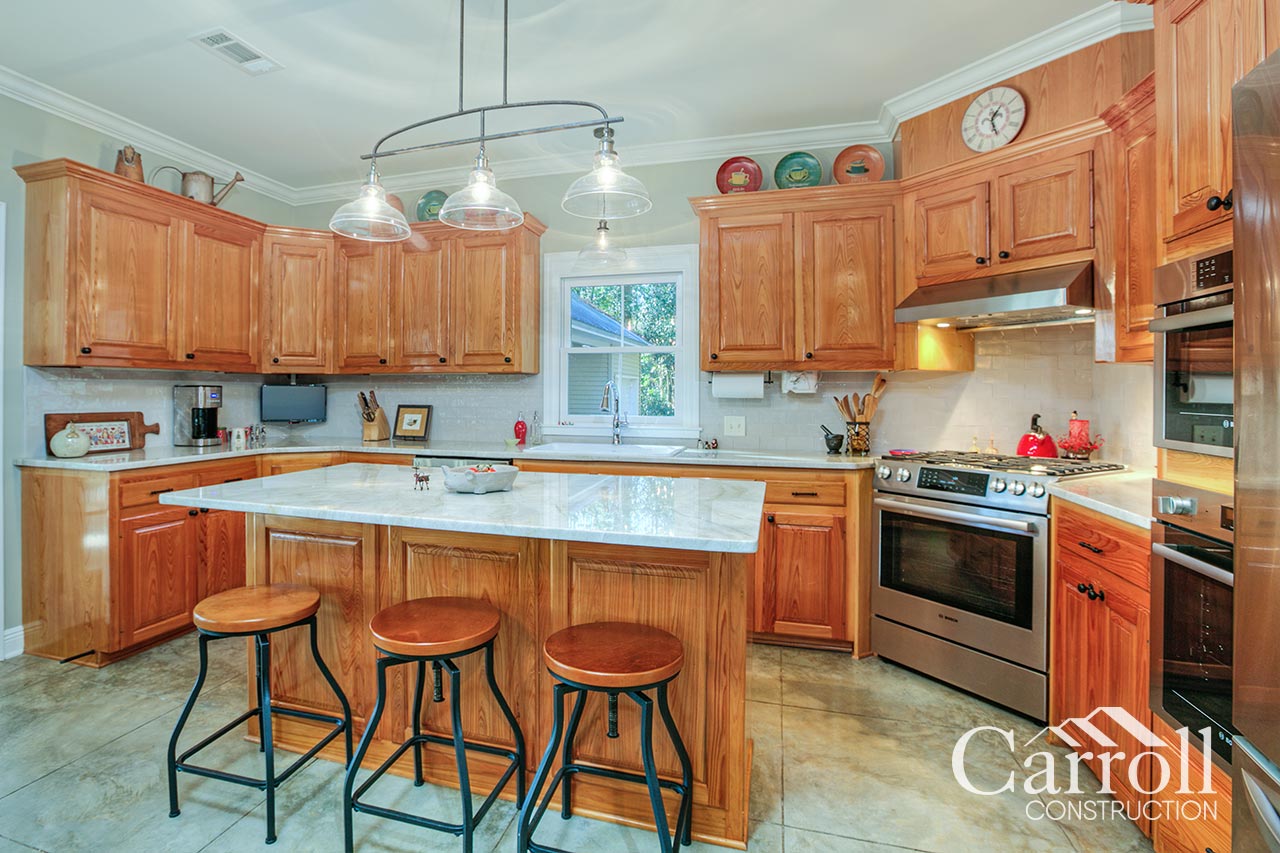
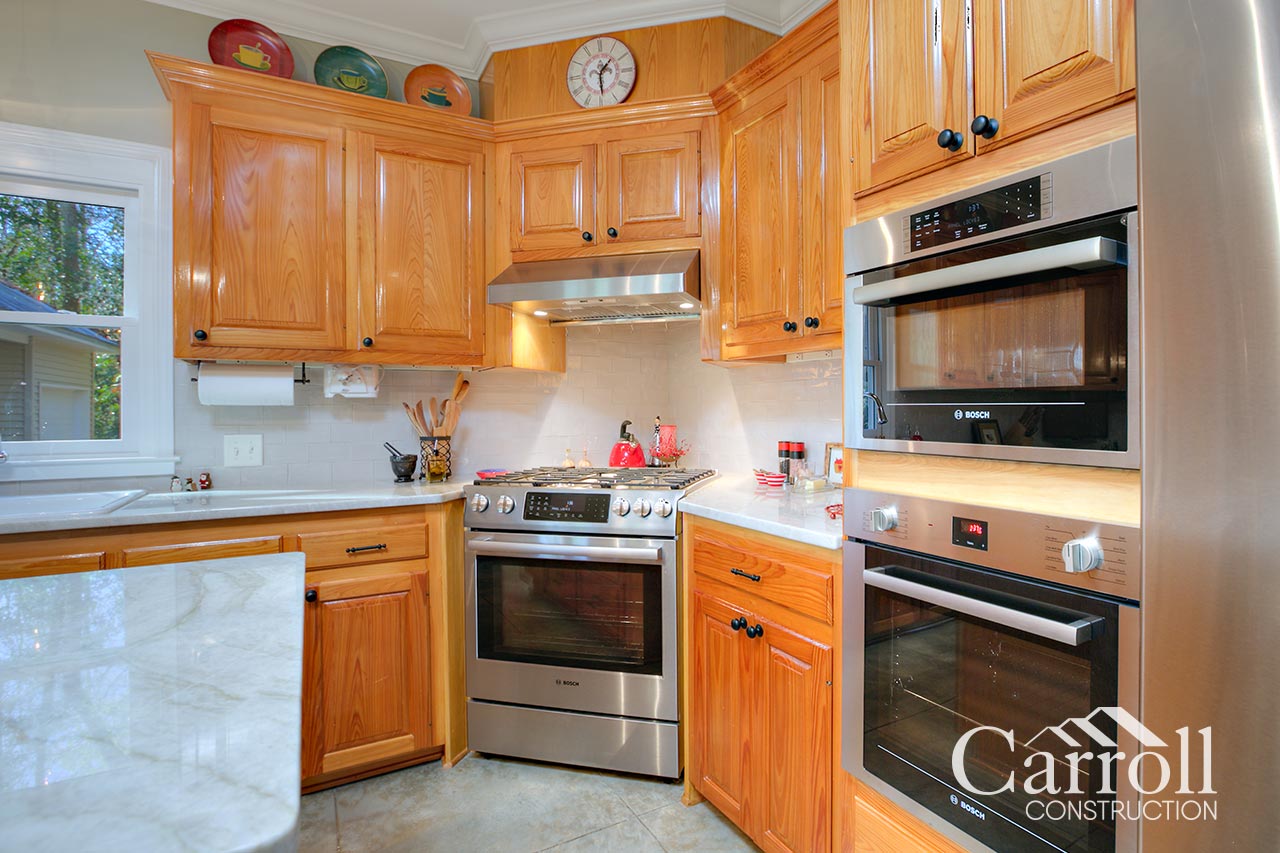
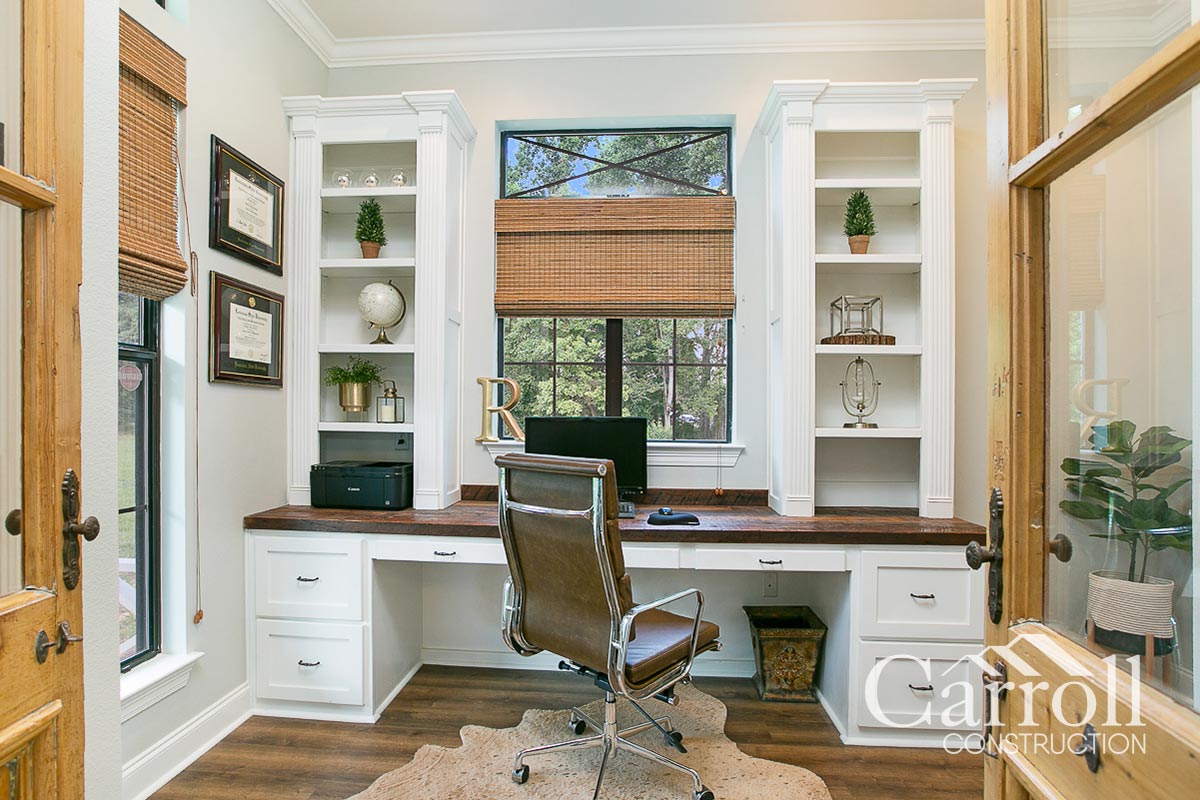
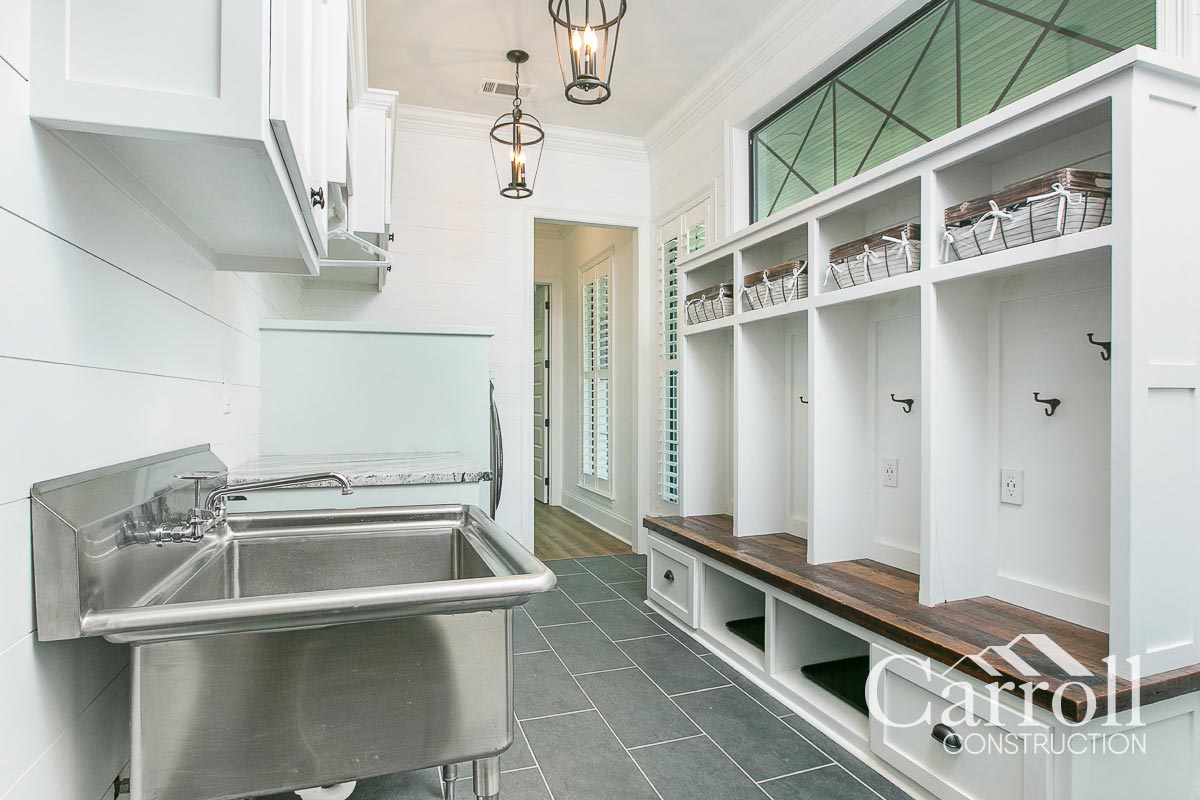
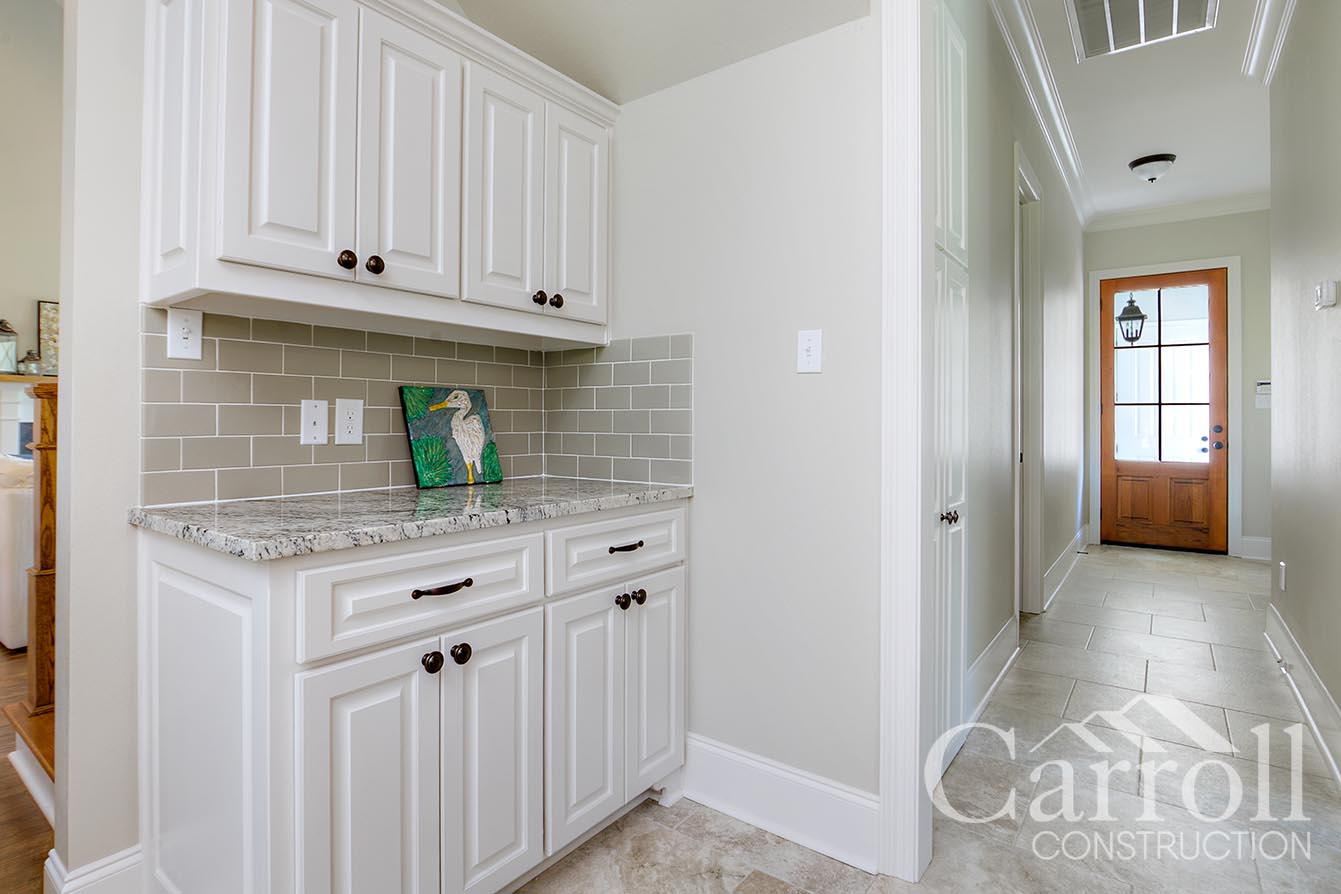
Like countertops, there are a lot of color, style and material options for custom cabinetry. Deciding early on if you want Painted or Stained cabinets may initially help narrow down your choices. For example, if you choose painted cabinets, you won’t want to consider any materials that have faux finishes. Or if you choose stained, you’ll likely want to focus on hardwood materials. But, if you MUST have cabinets built from something like cypress wood, it could not only impact the overall cost, but also the time needed to find and craft the cabinets.
Special Plumbing Options
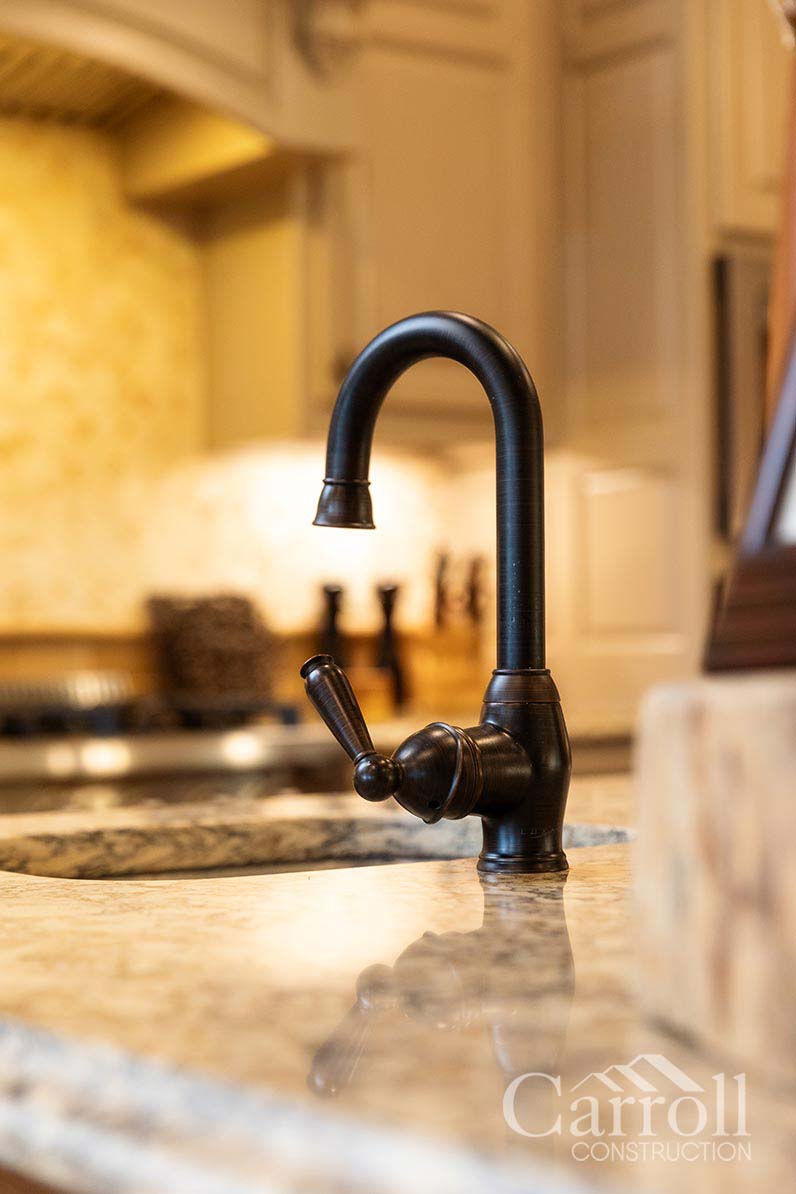
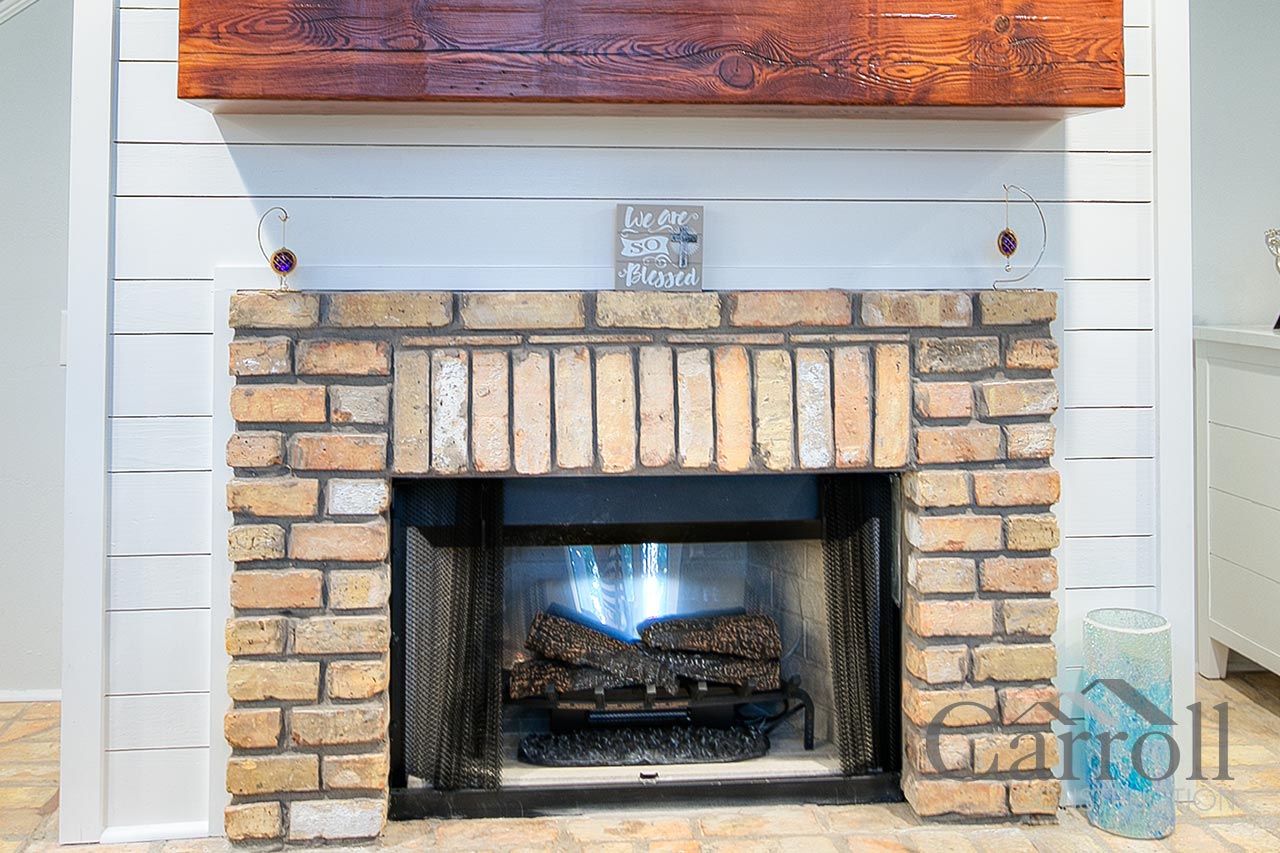
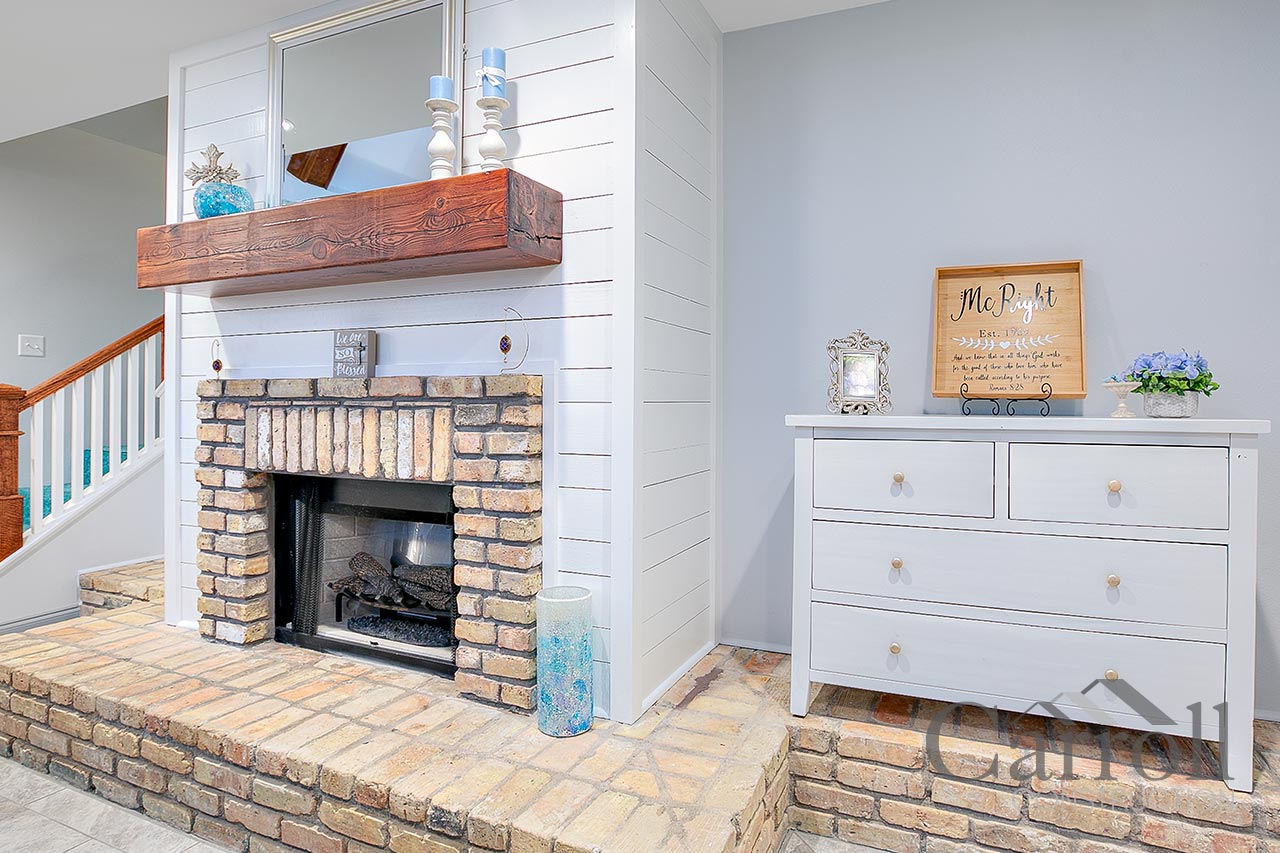
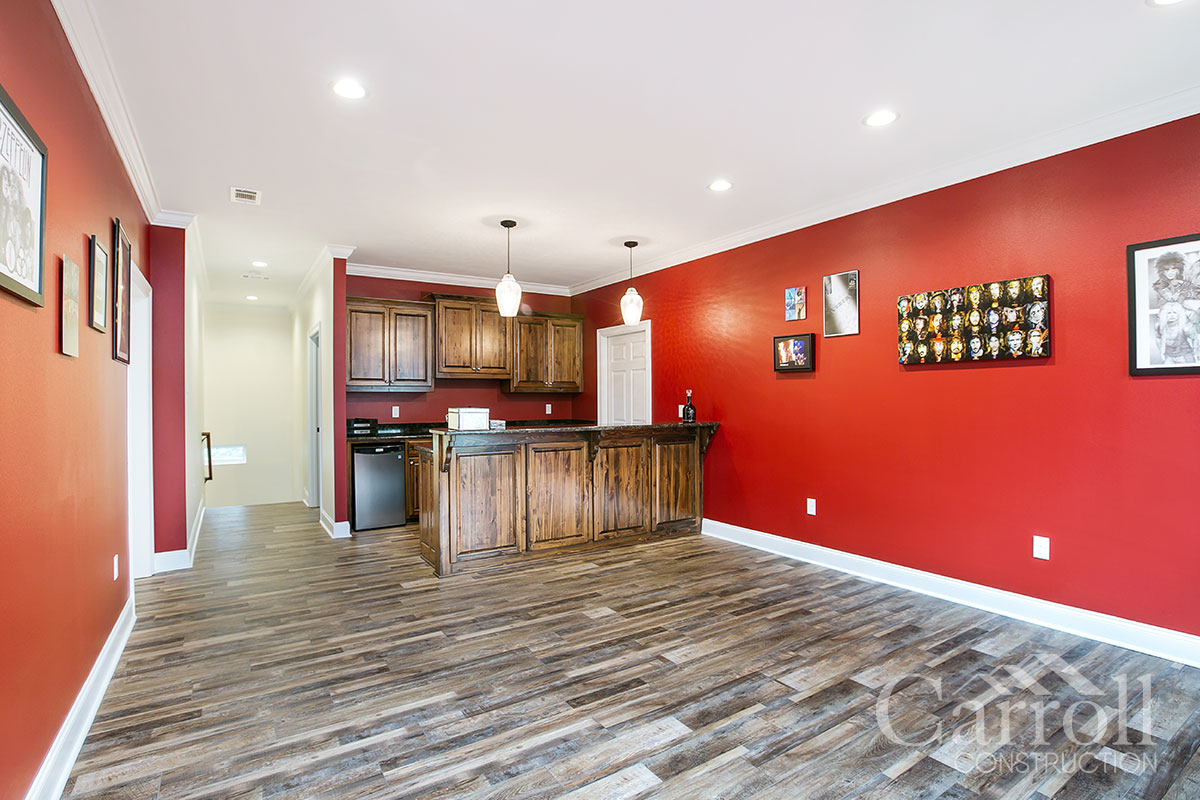
If amenities like an interior bar area, a gas fireplace, fountains with running water, or a natural gas outdoor kitchen are in the master plan, make sure you let the builder know. Keep in mind that it’s not necessary to get too specific at this stage.
Custom Bathroom Features
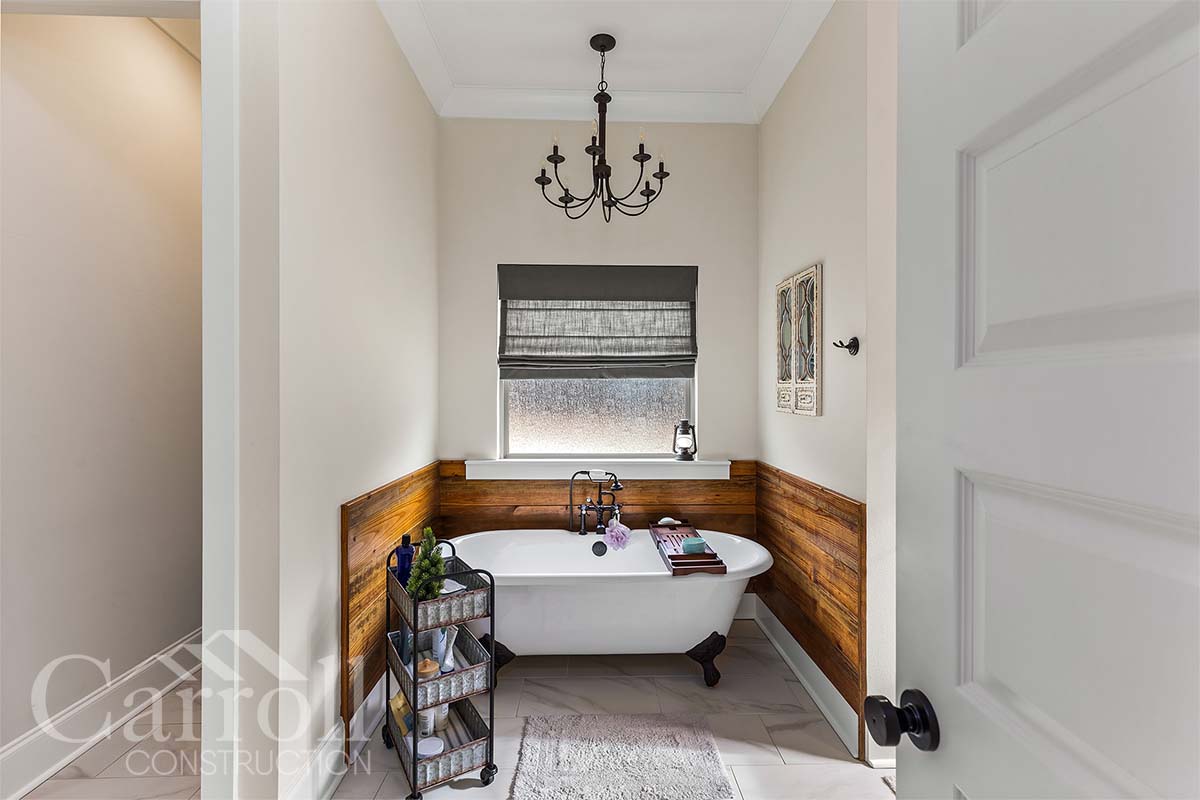
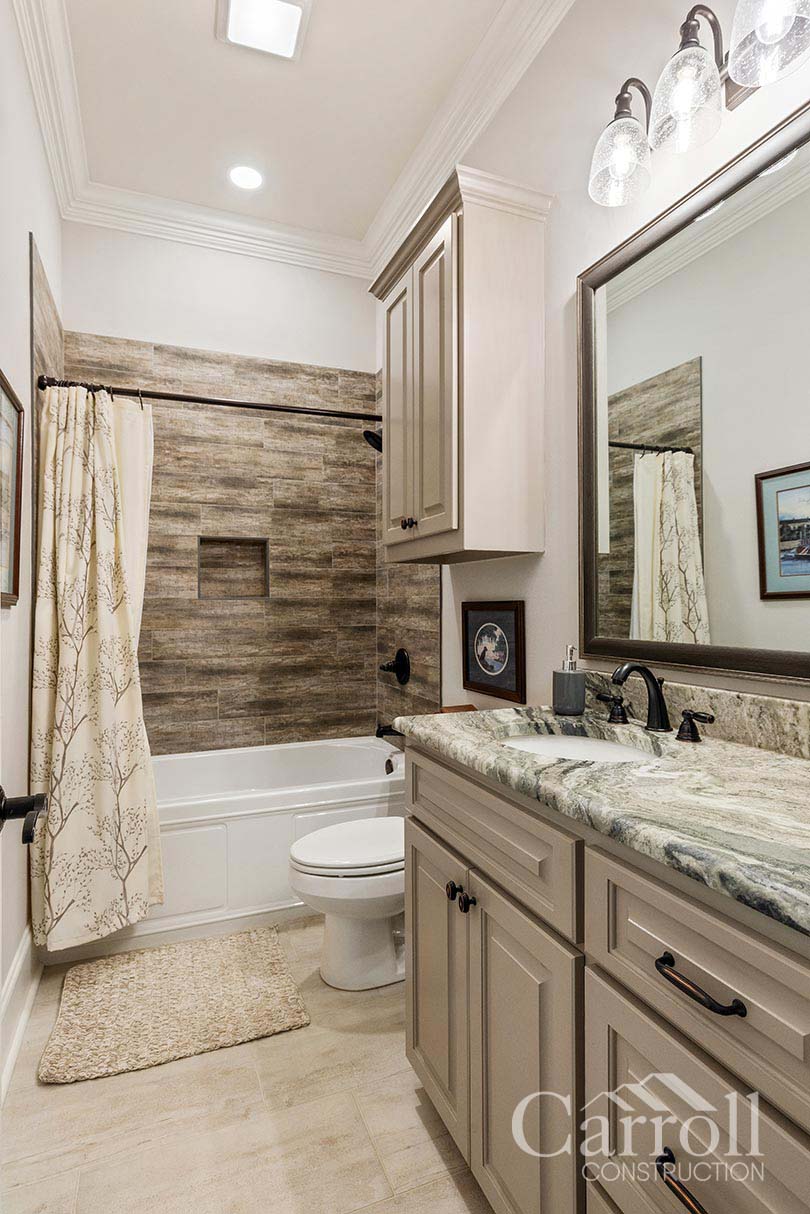
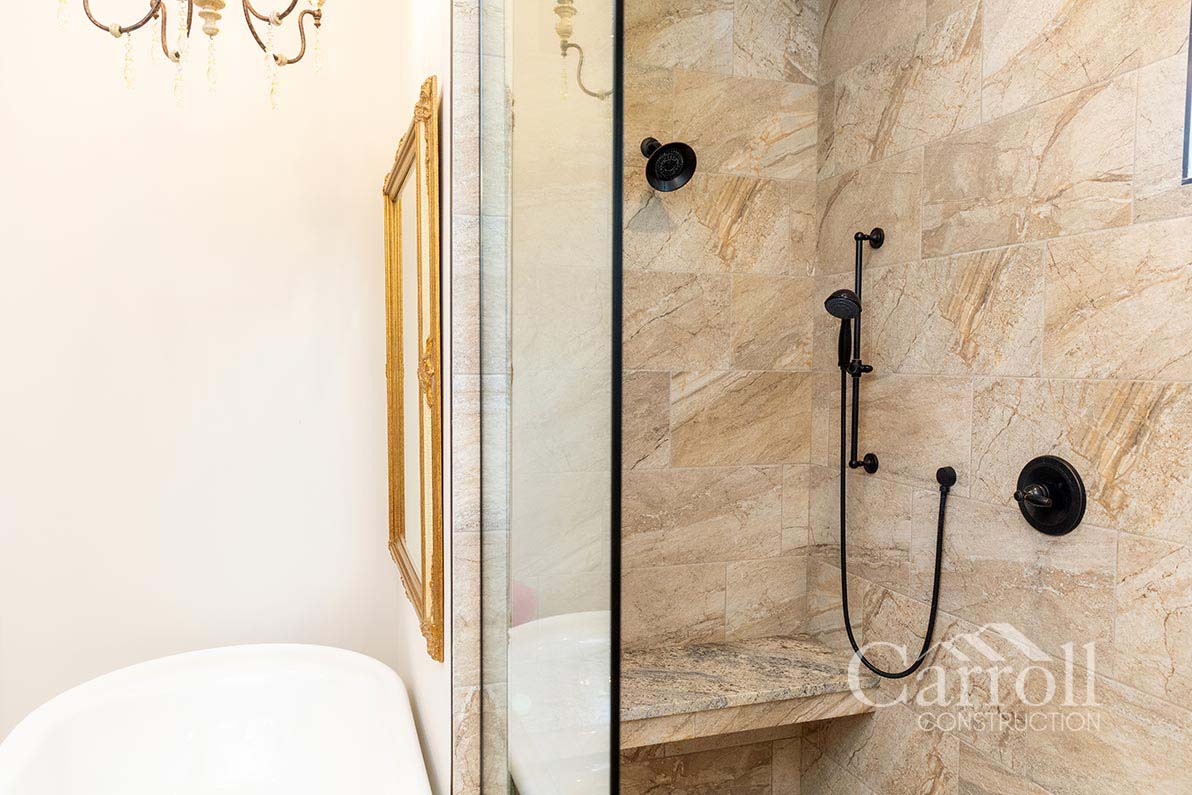
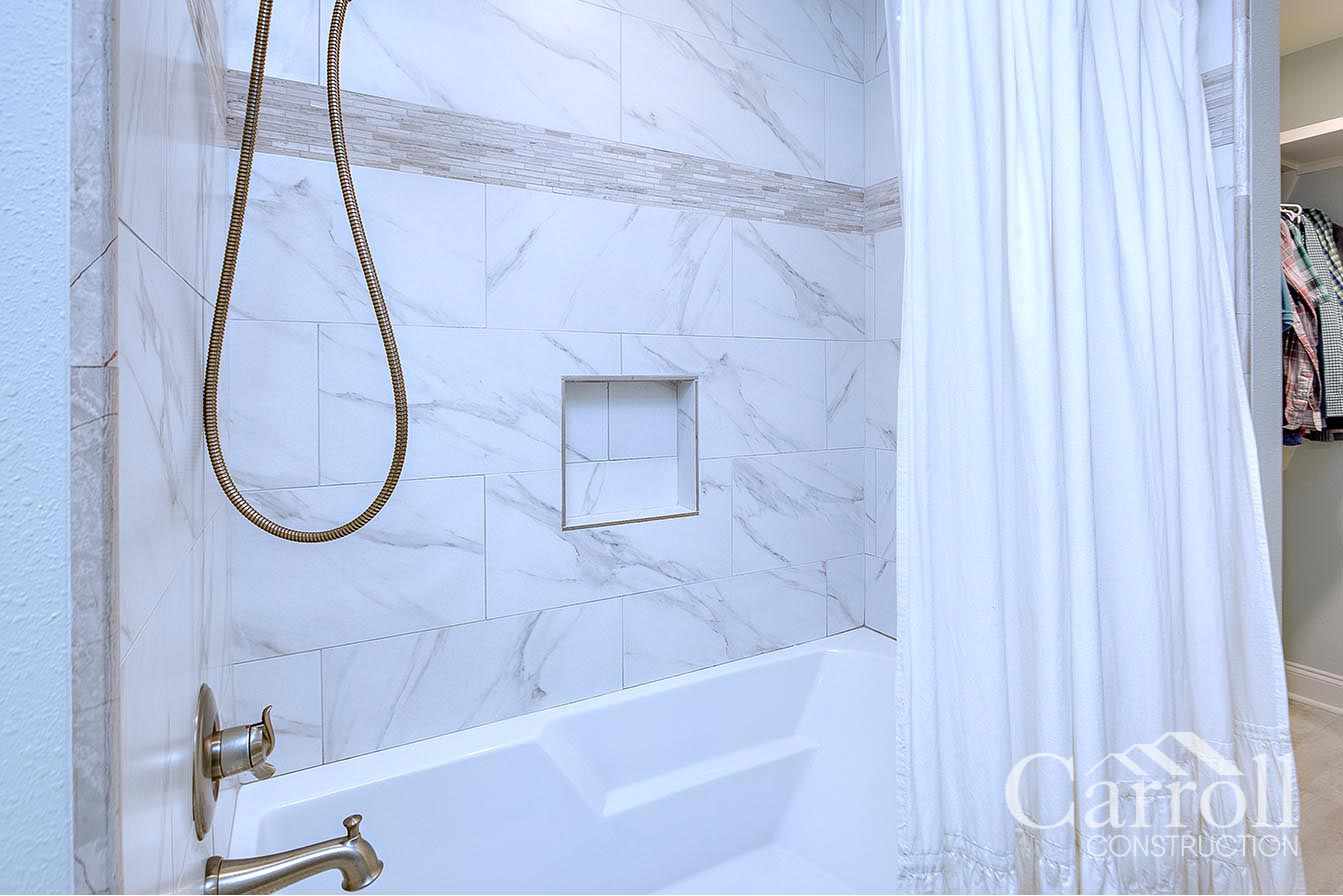
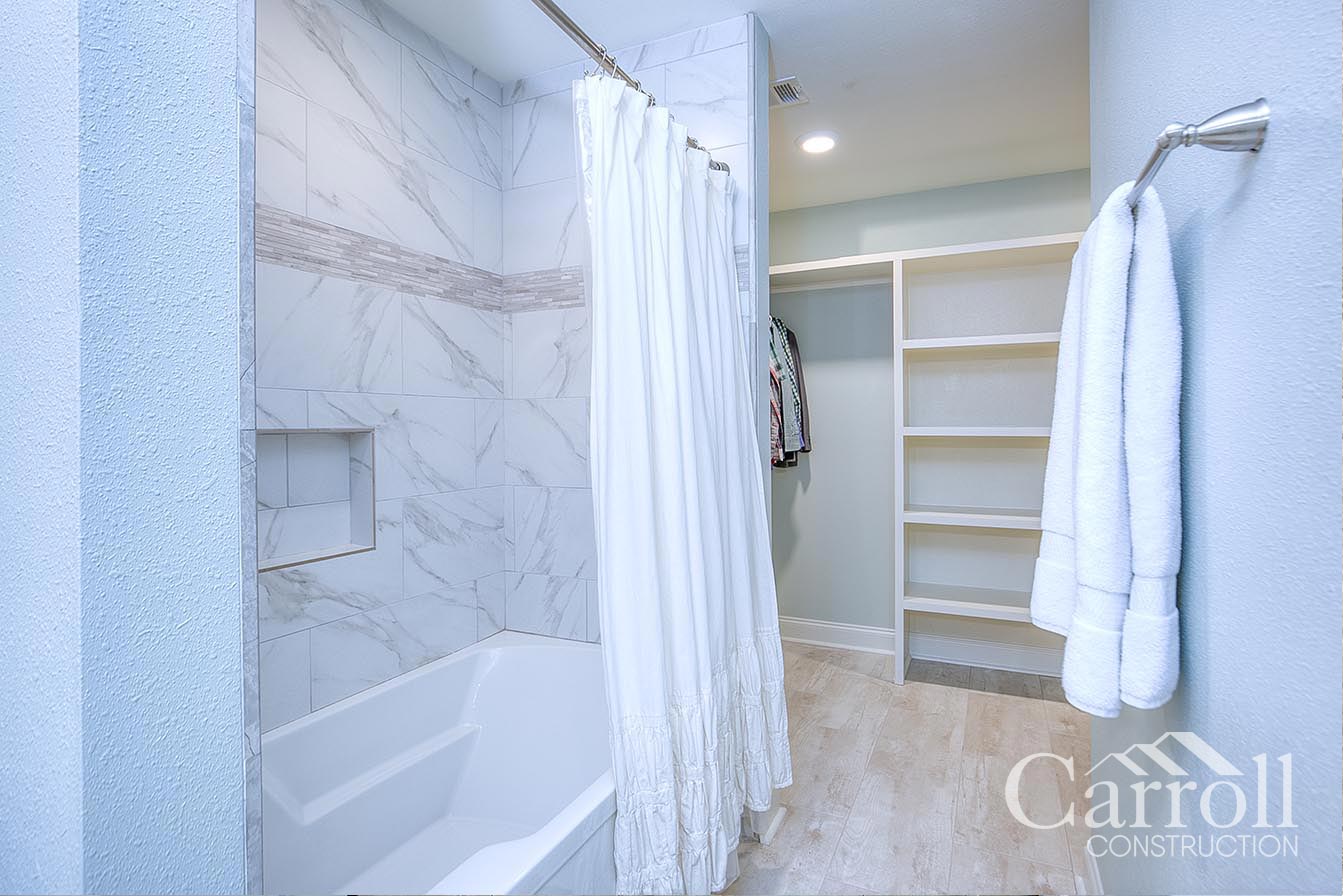
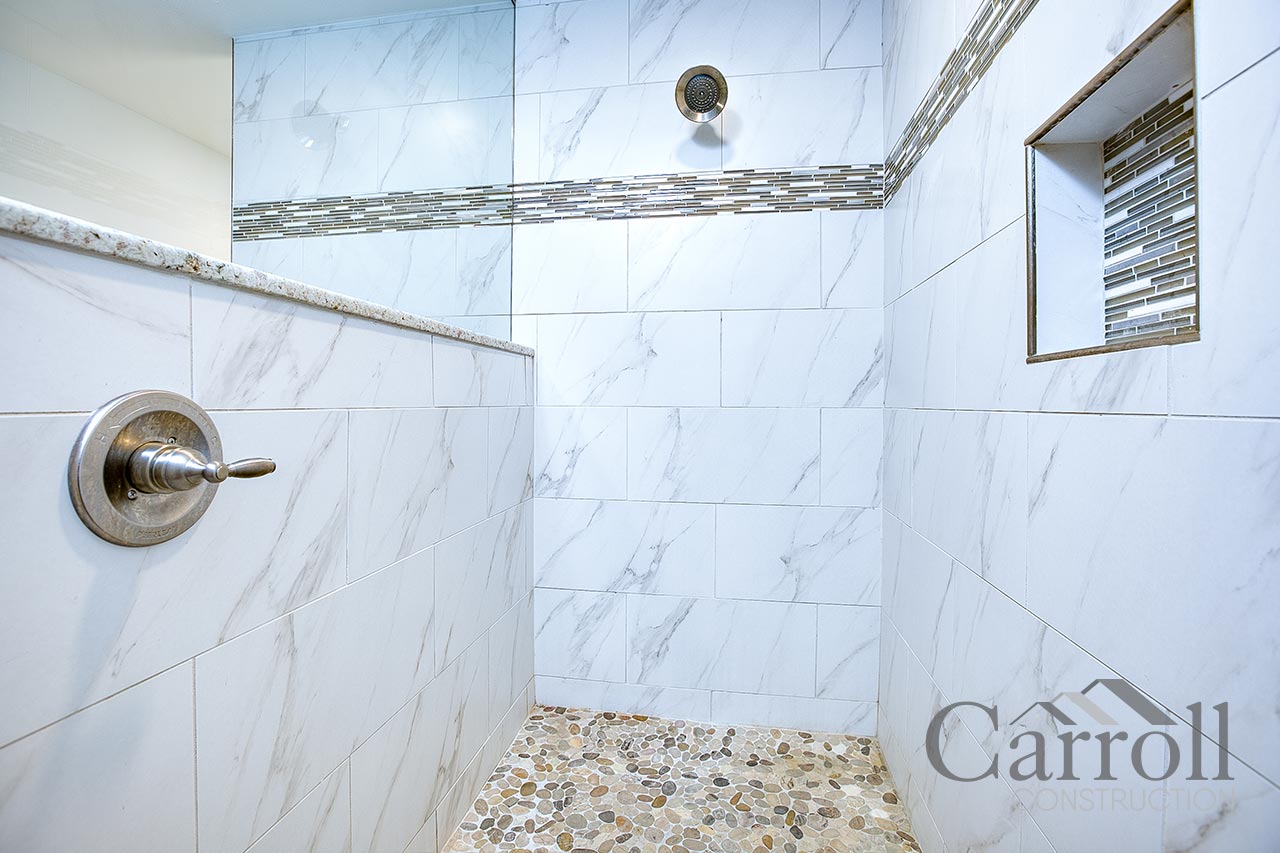
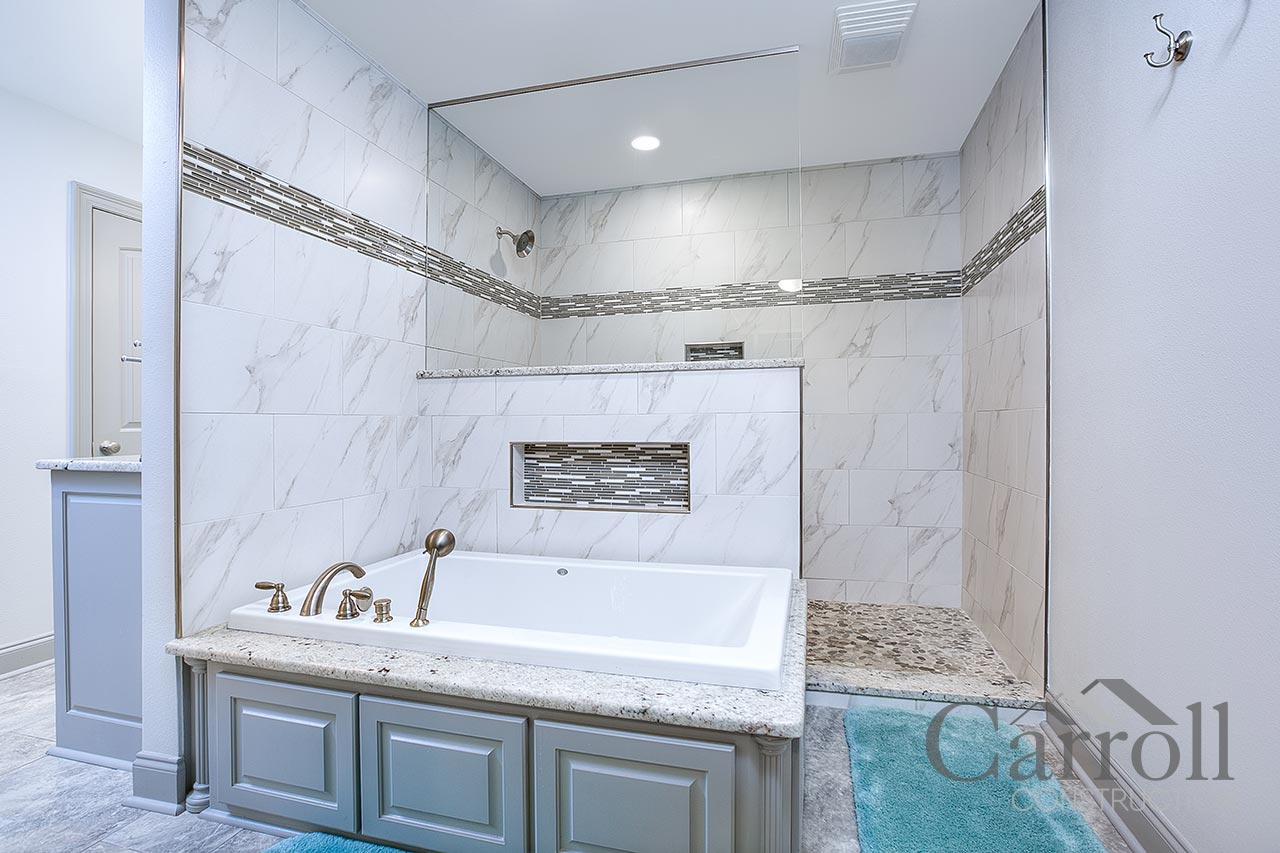
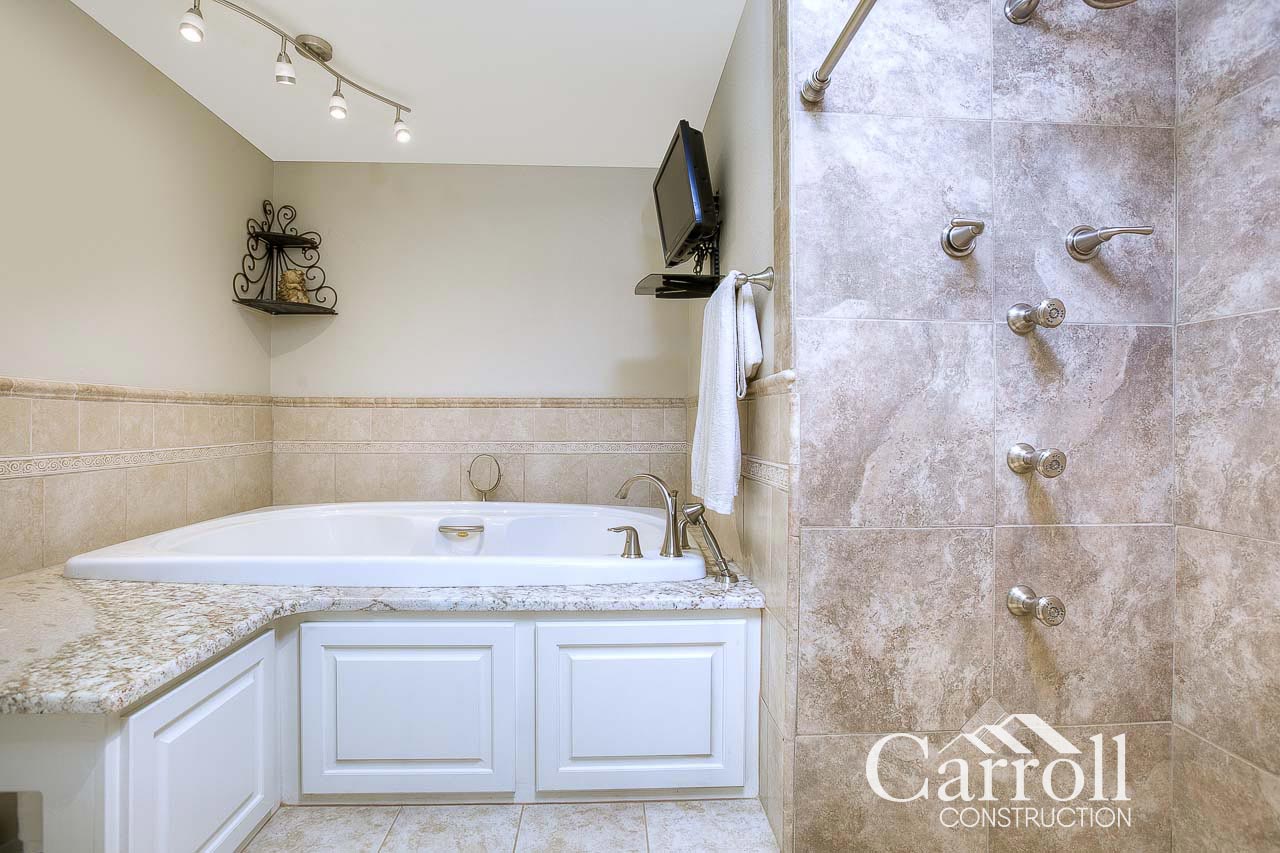
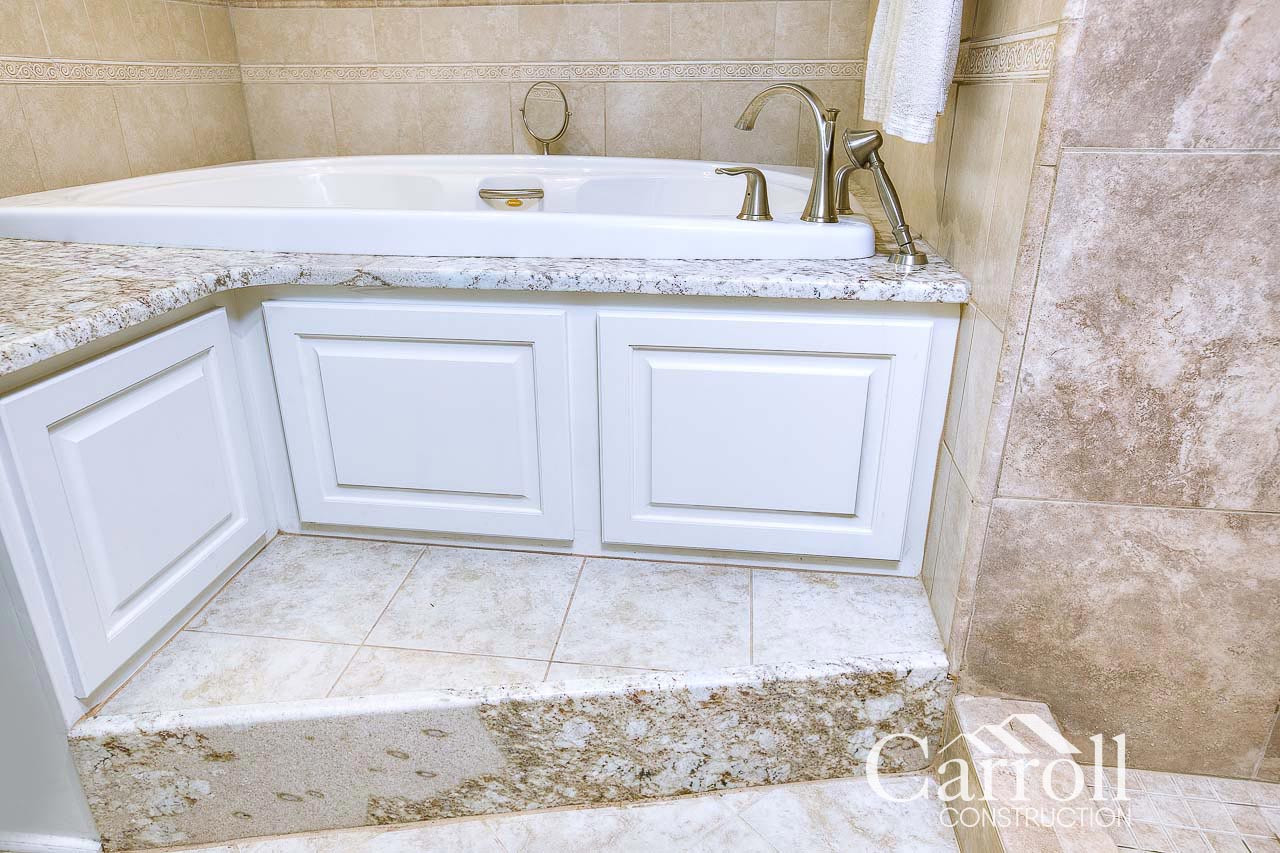
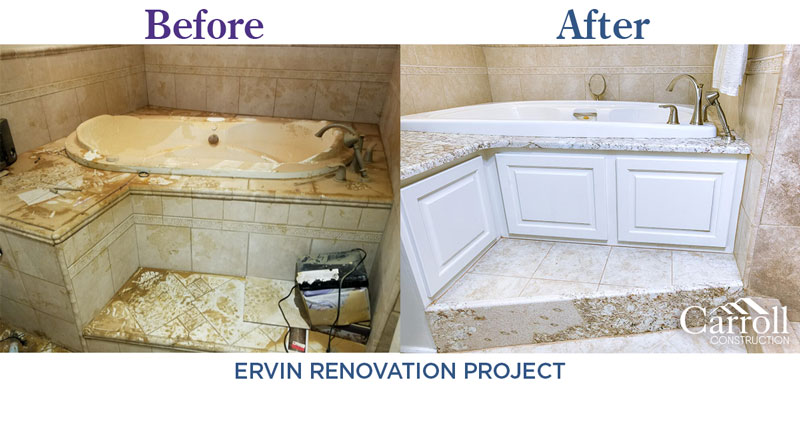
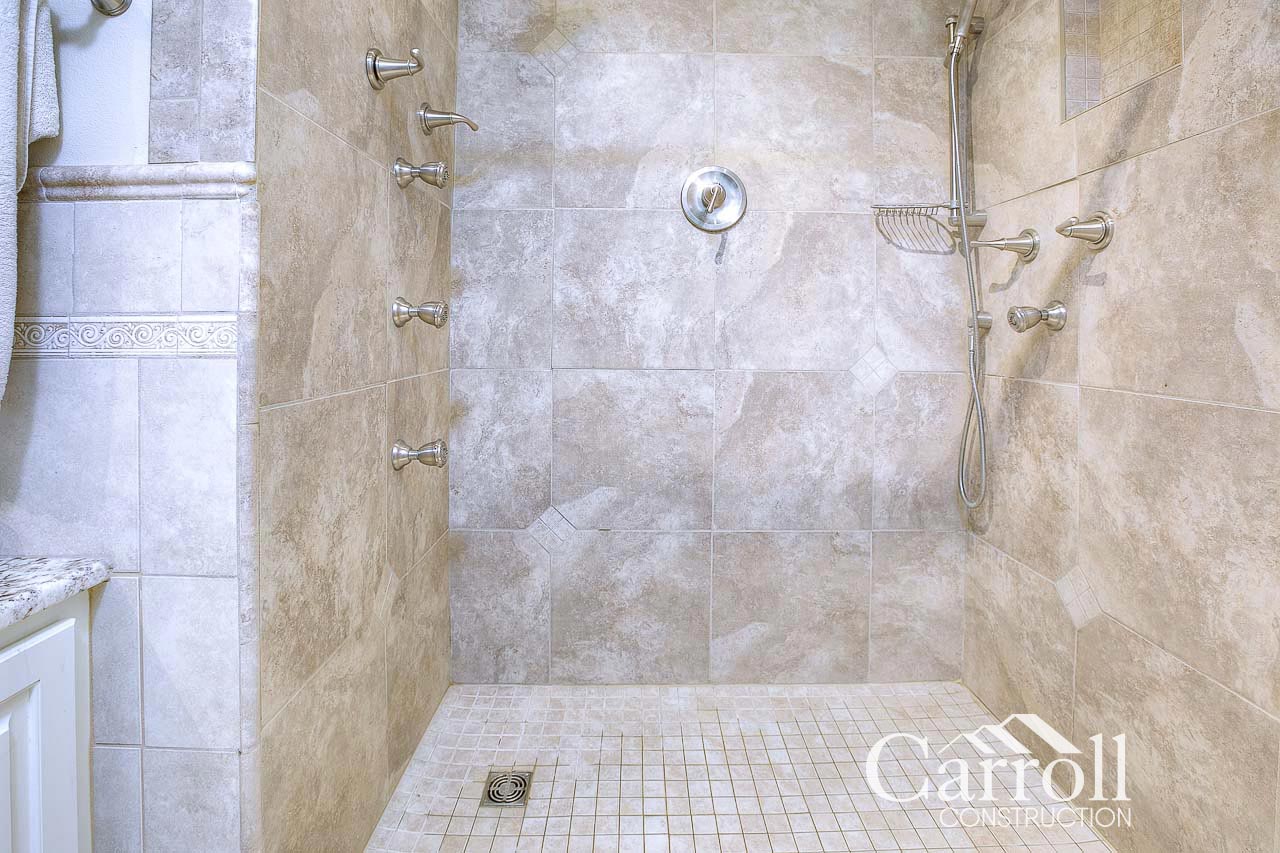
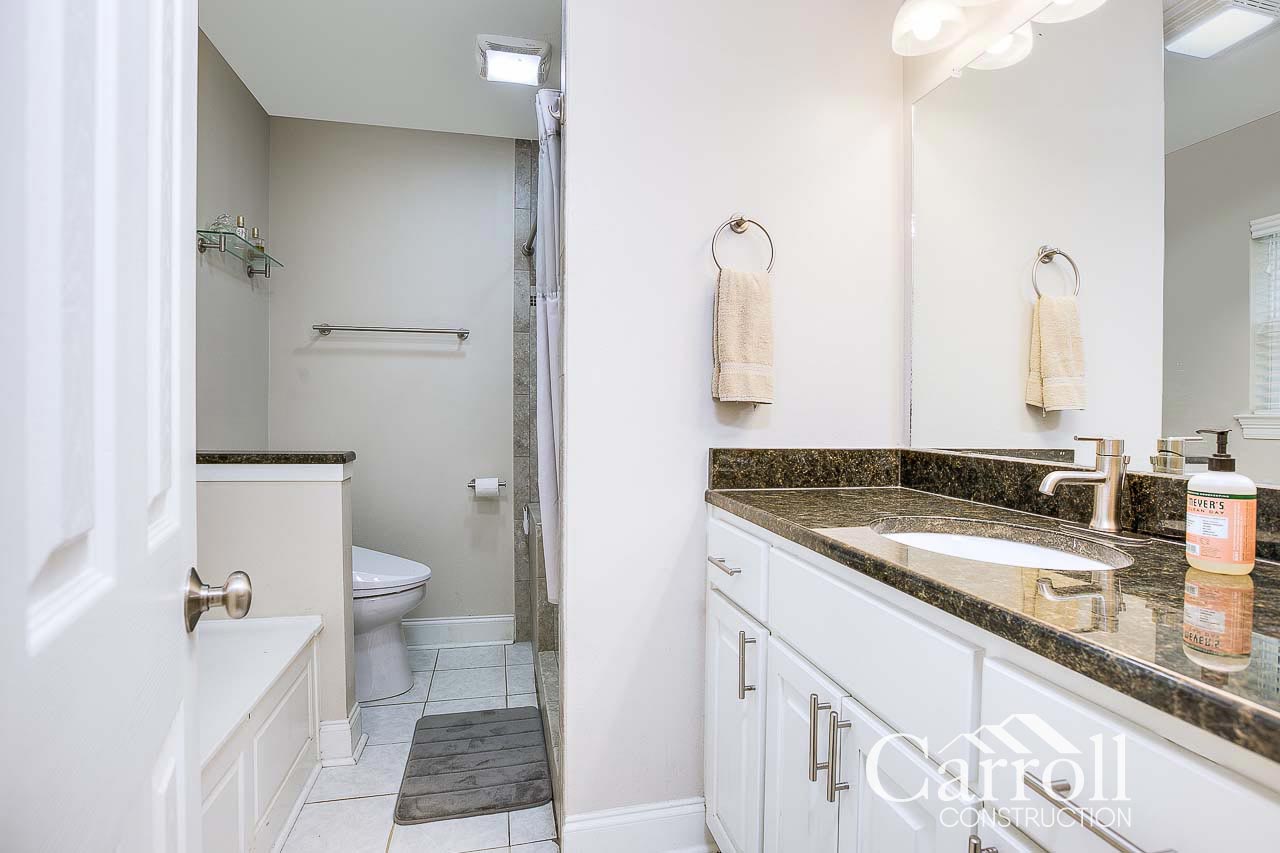
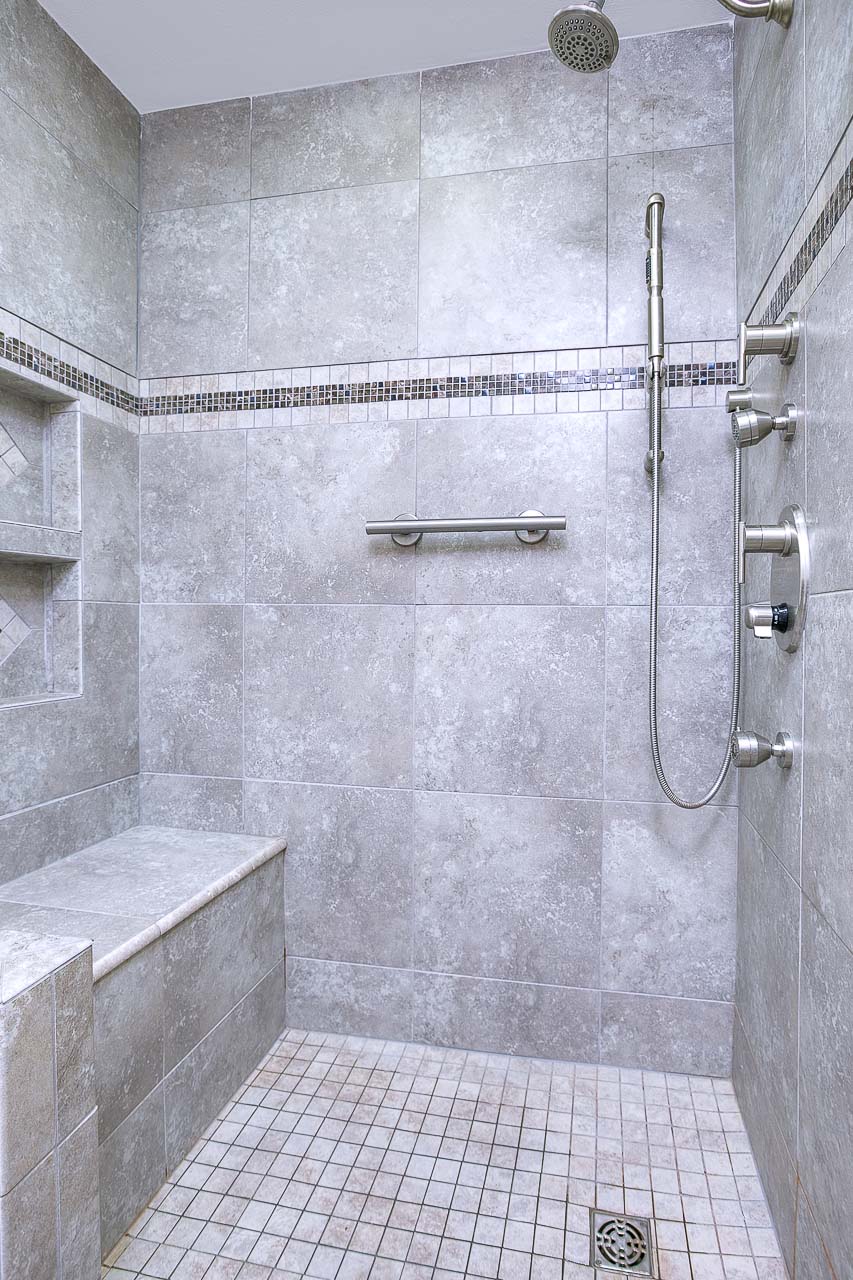
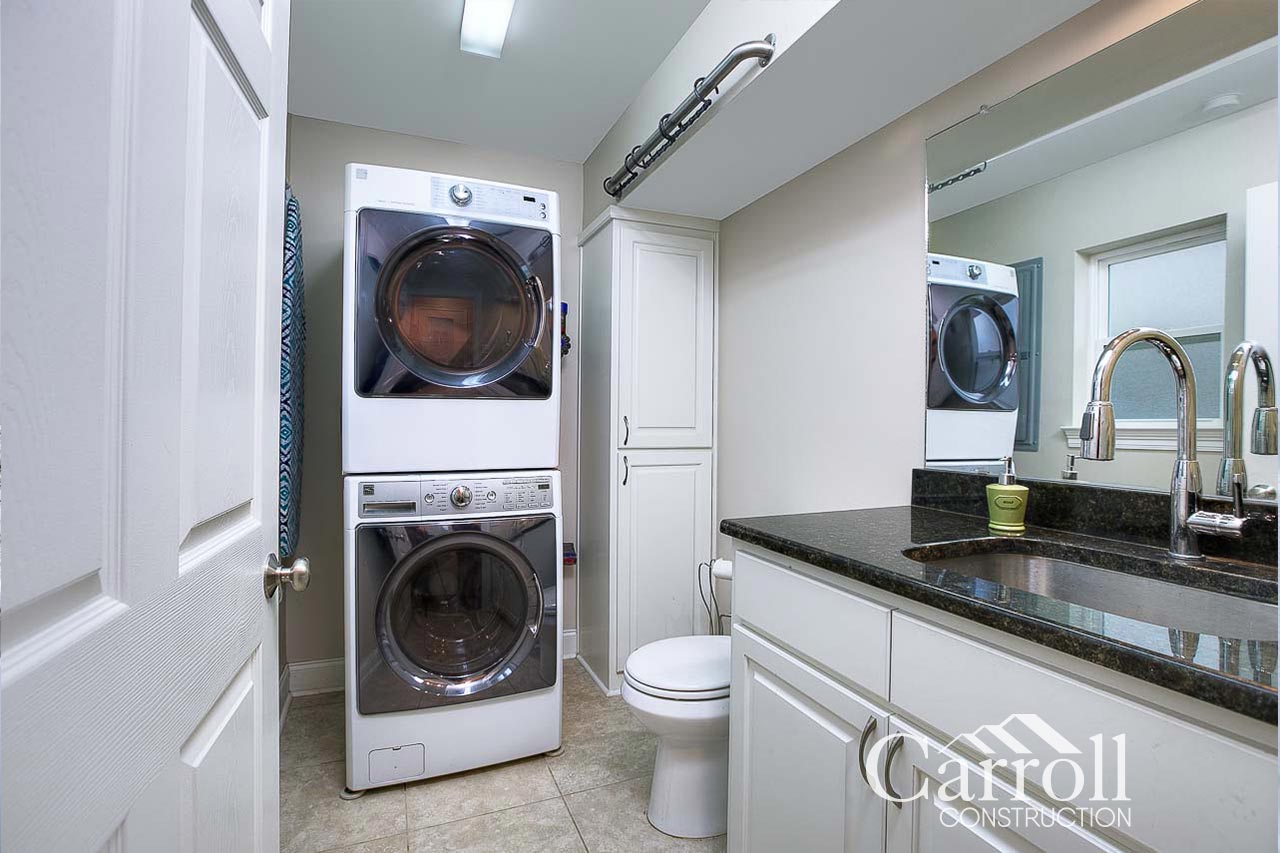
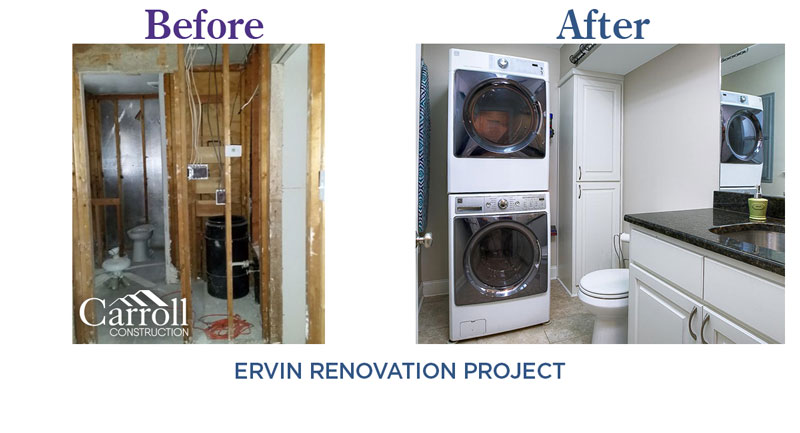
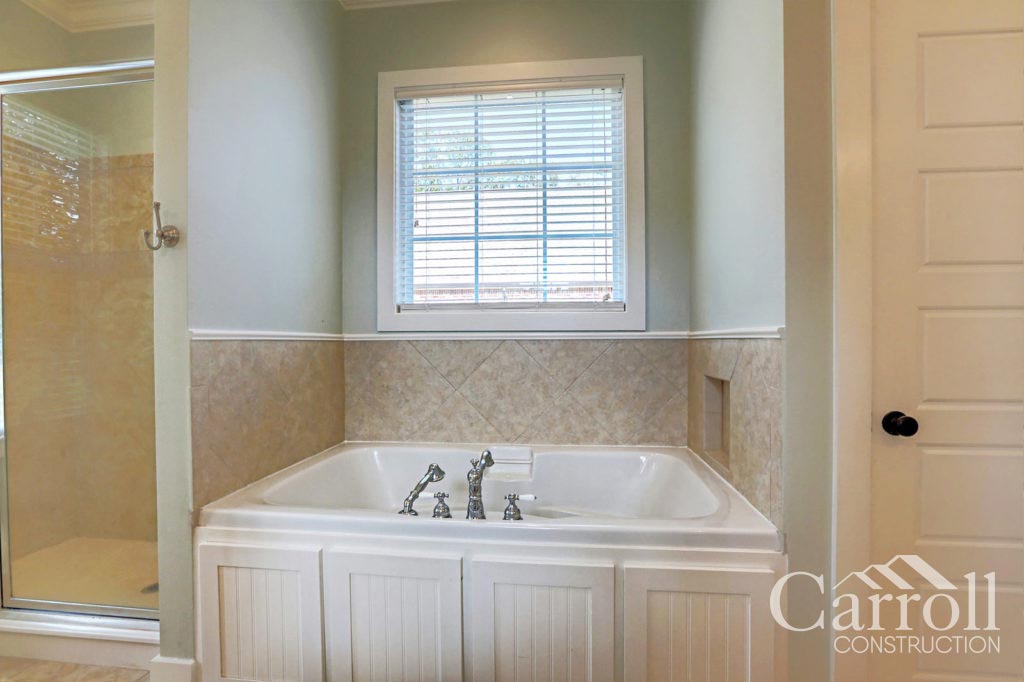
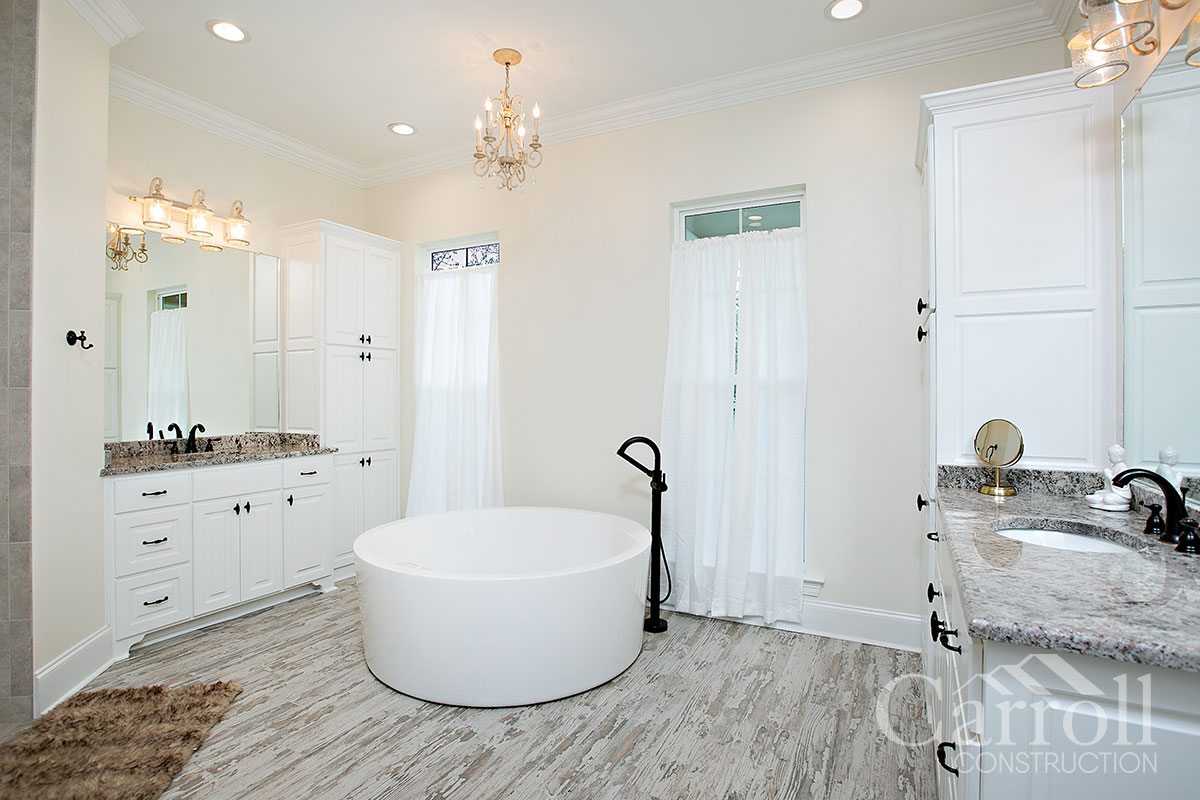
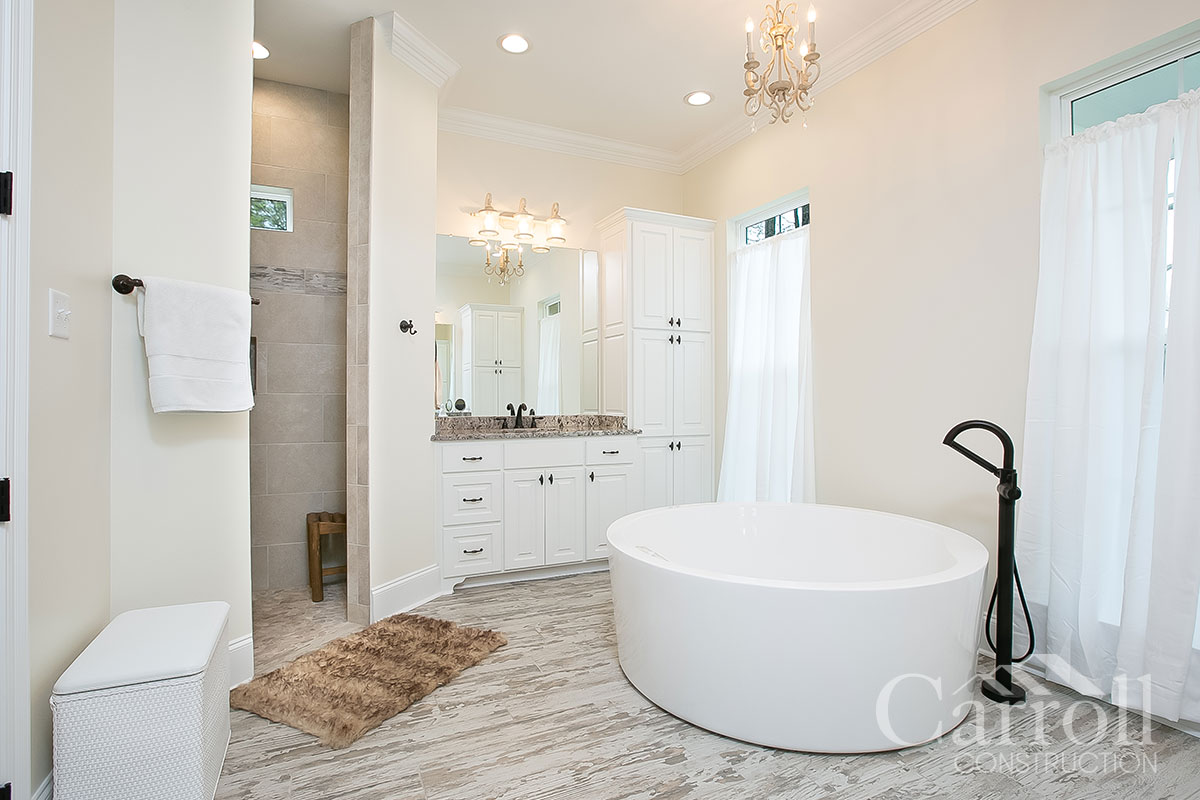
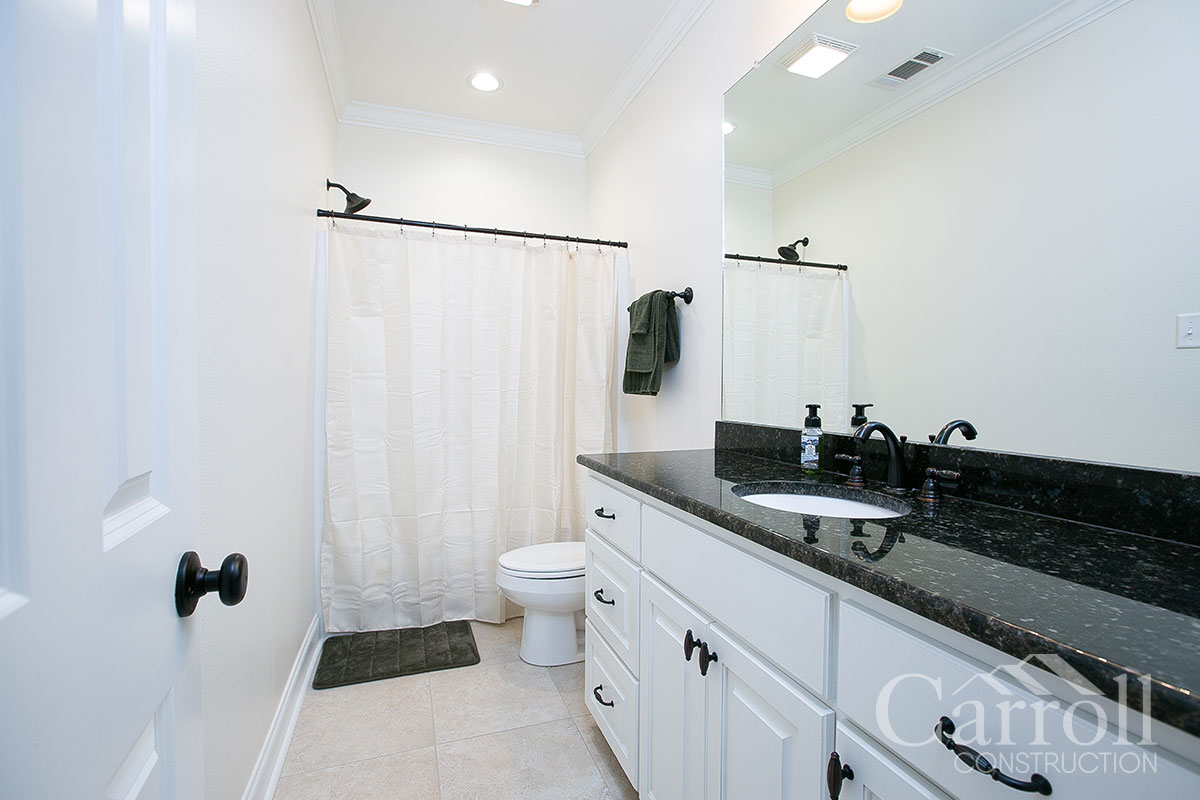
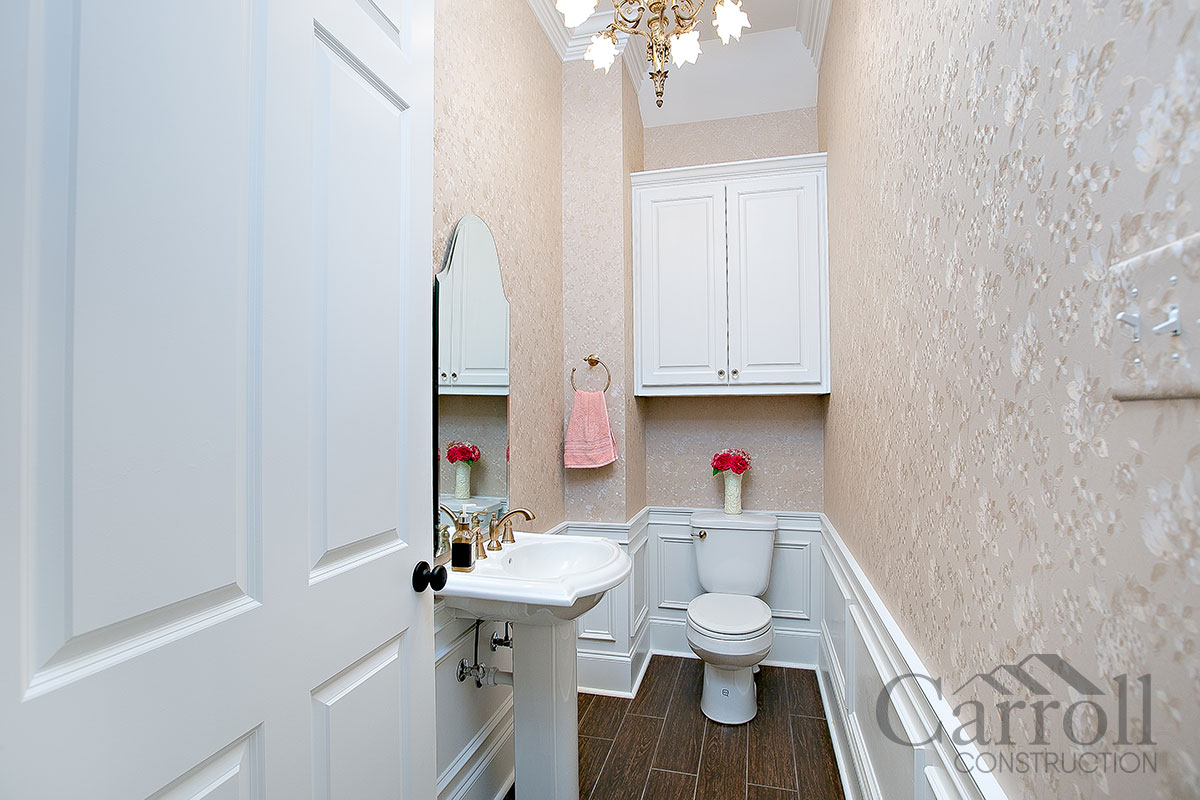
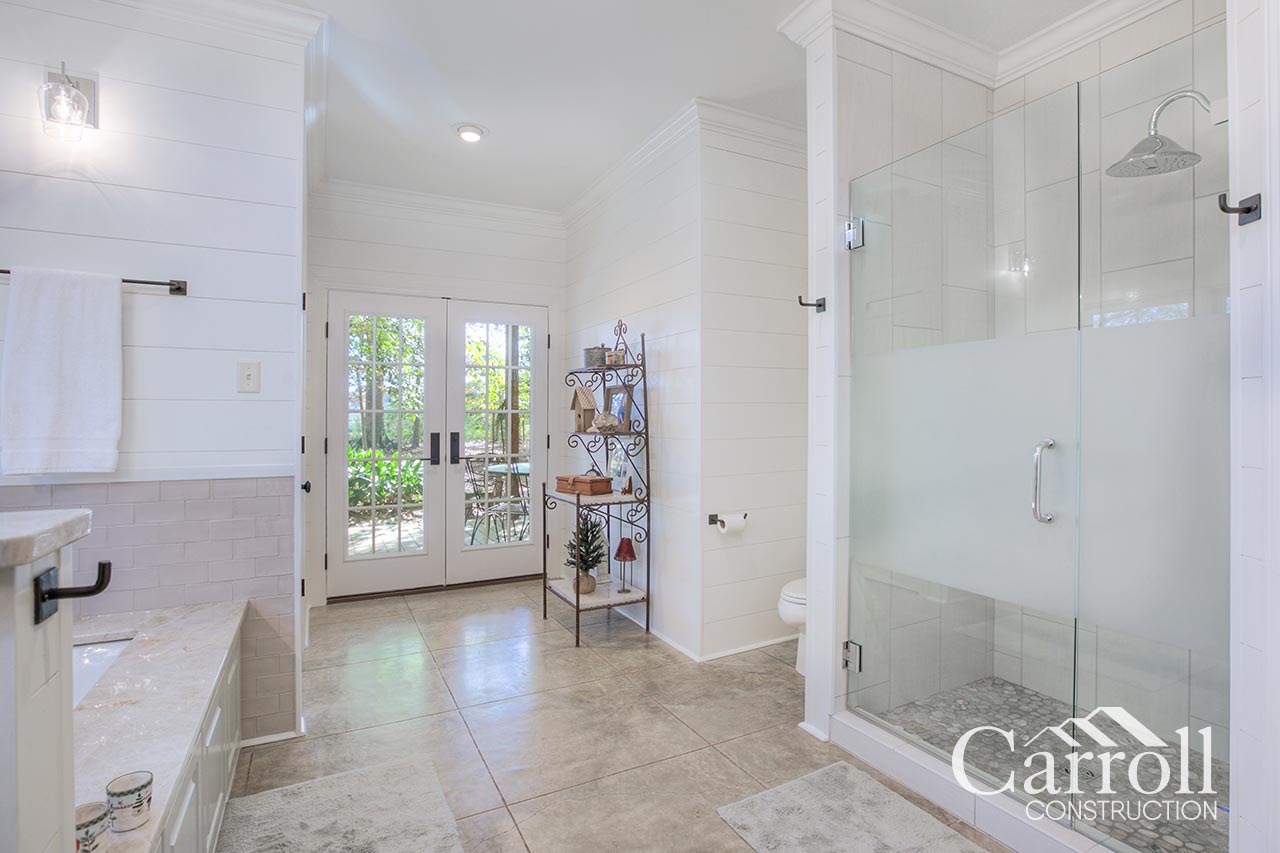
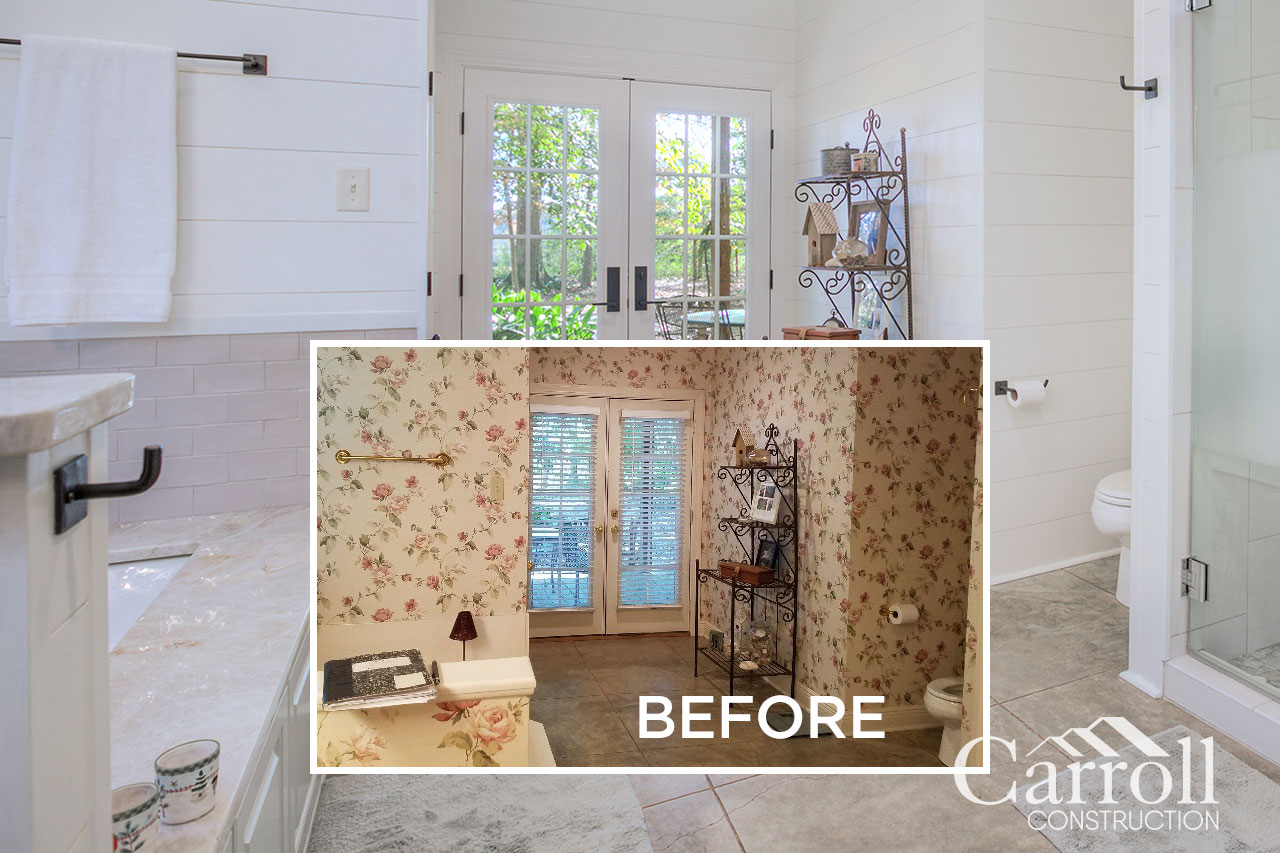
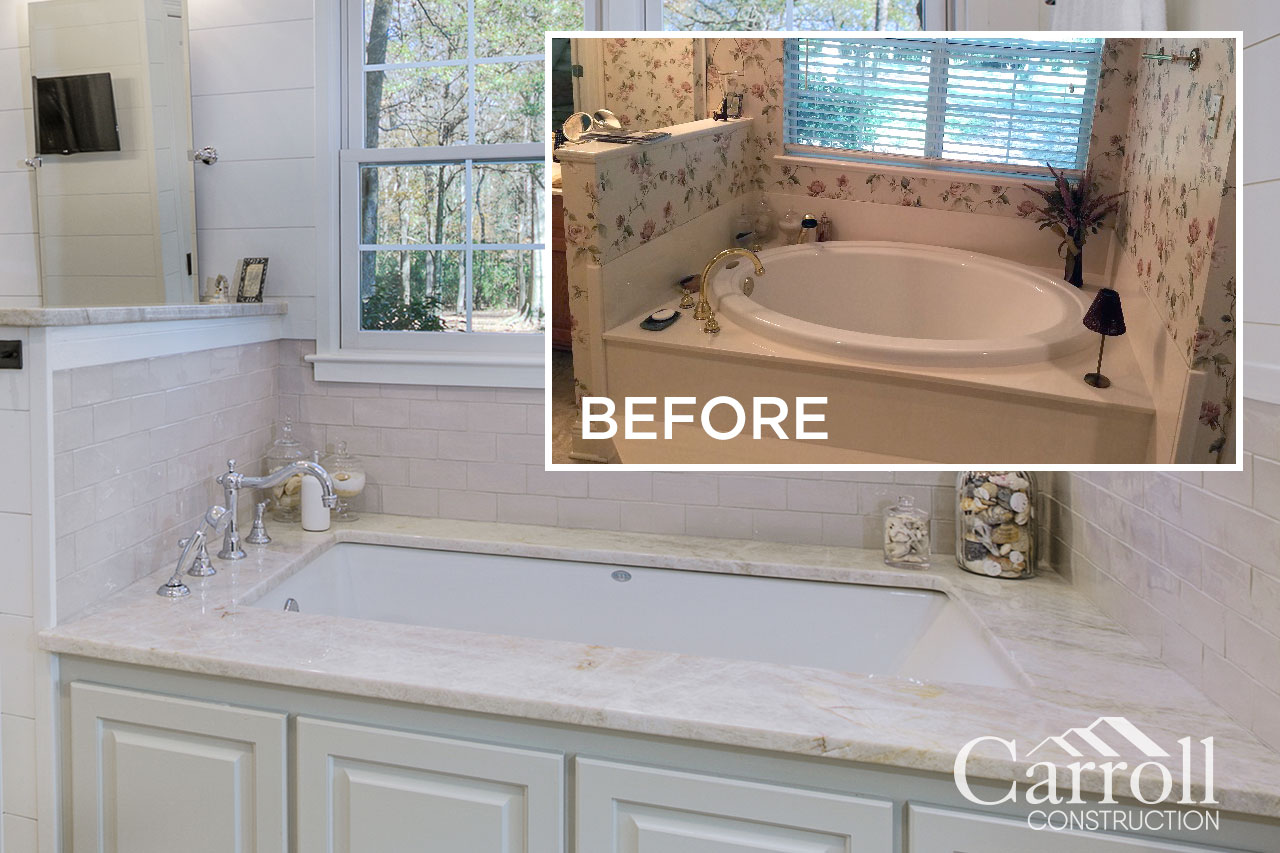
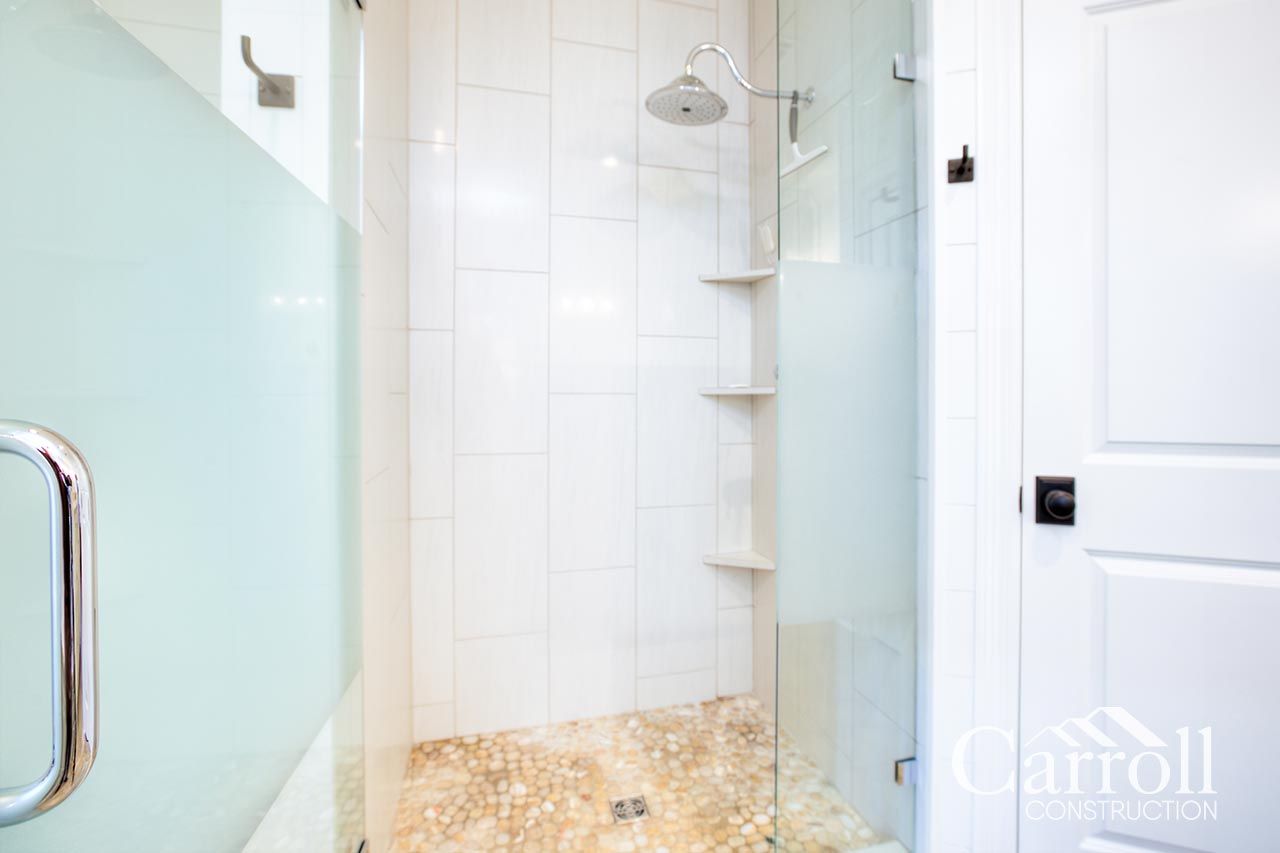
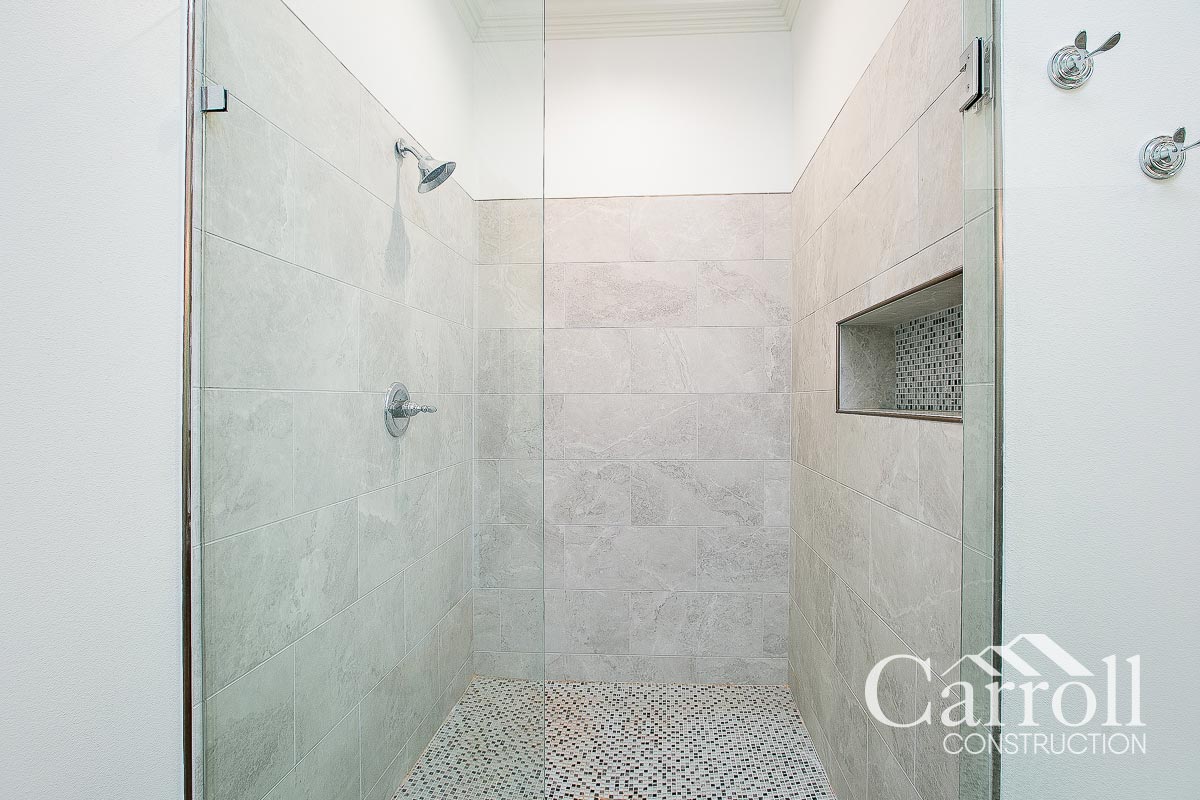
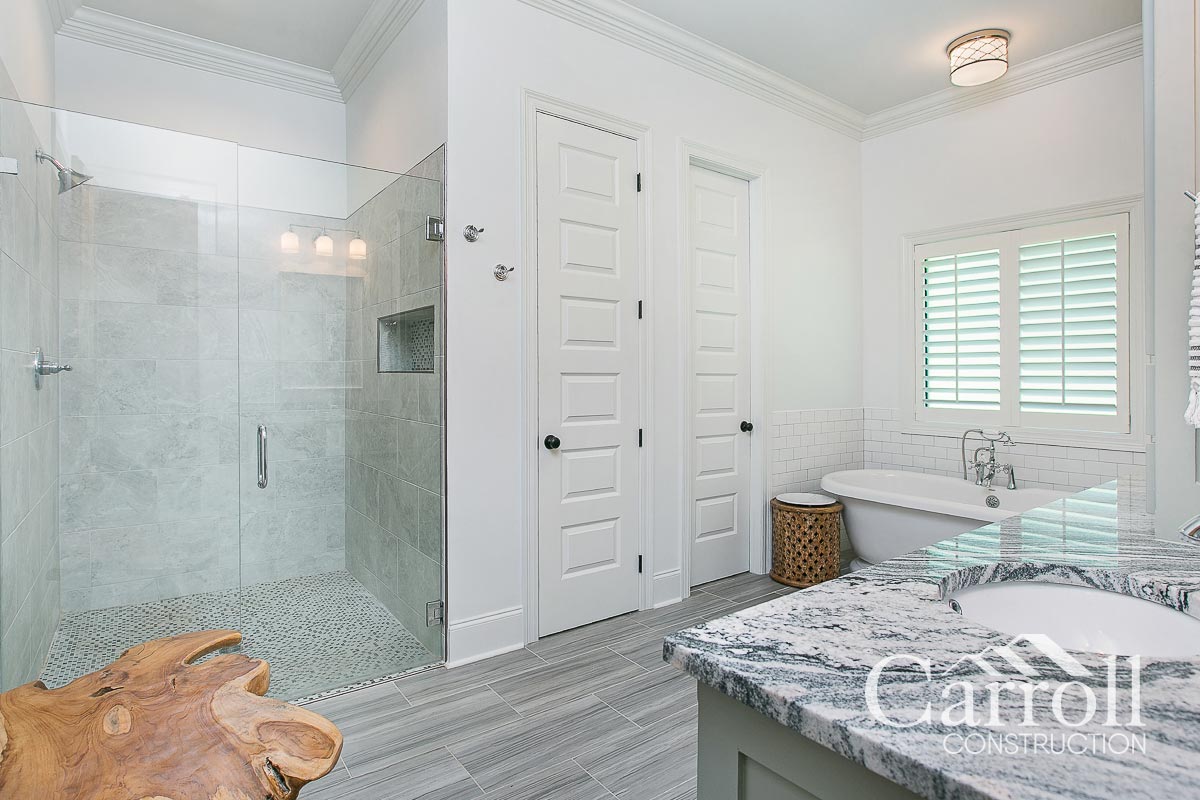
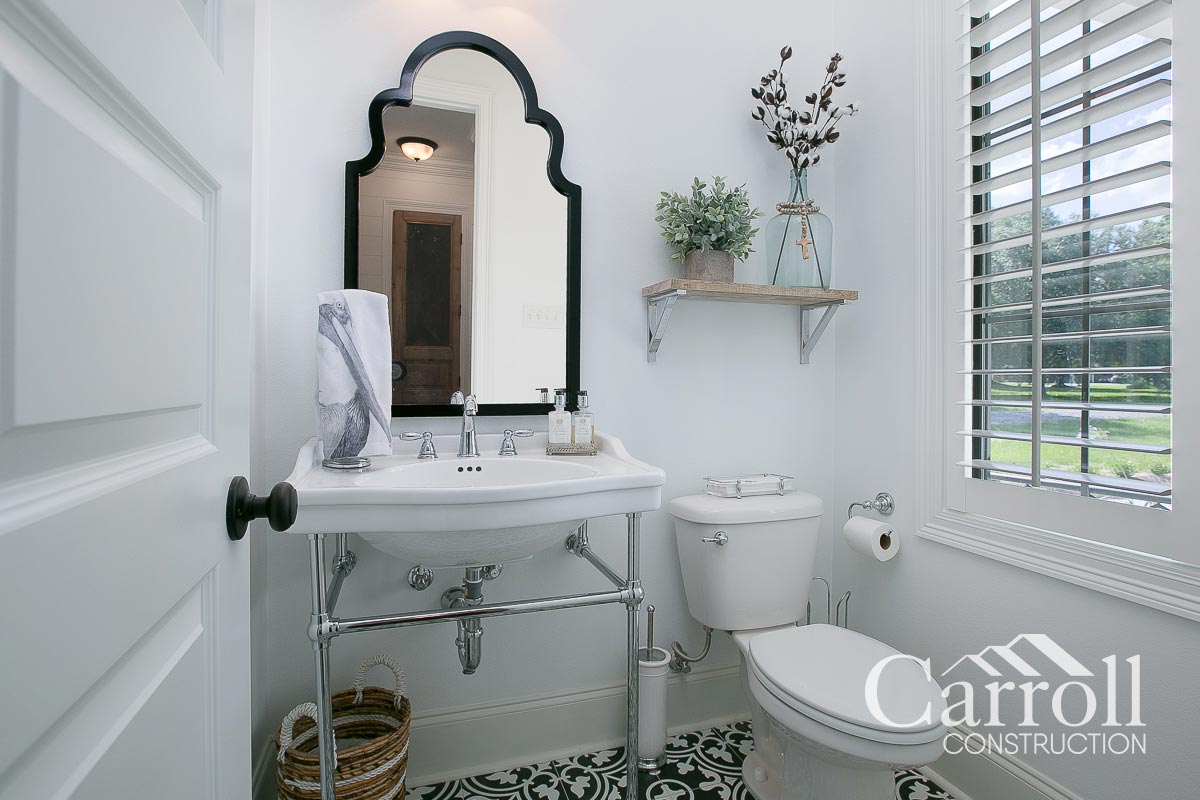
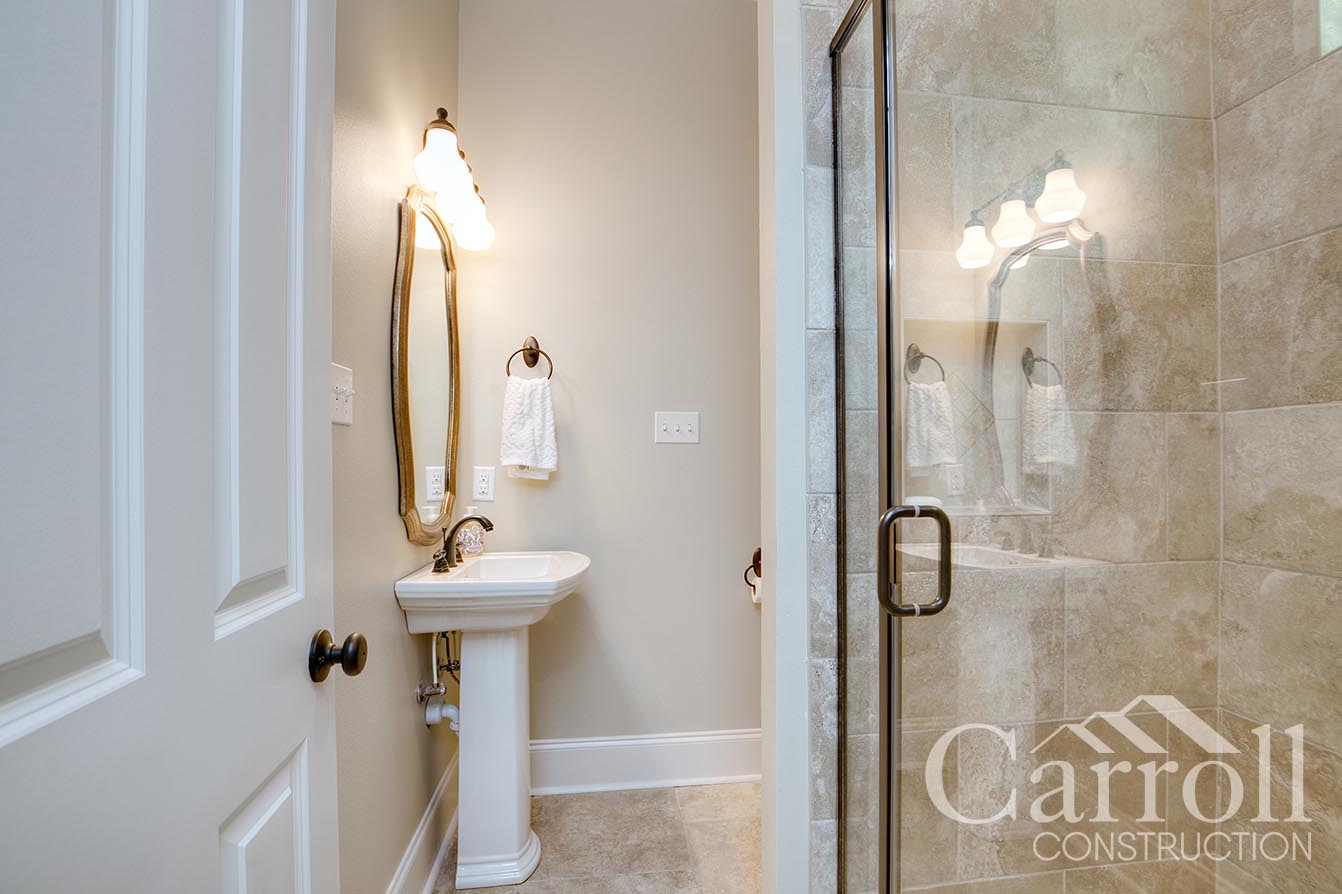
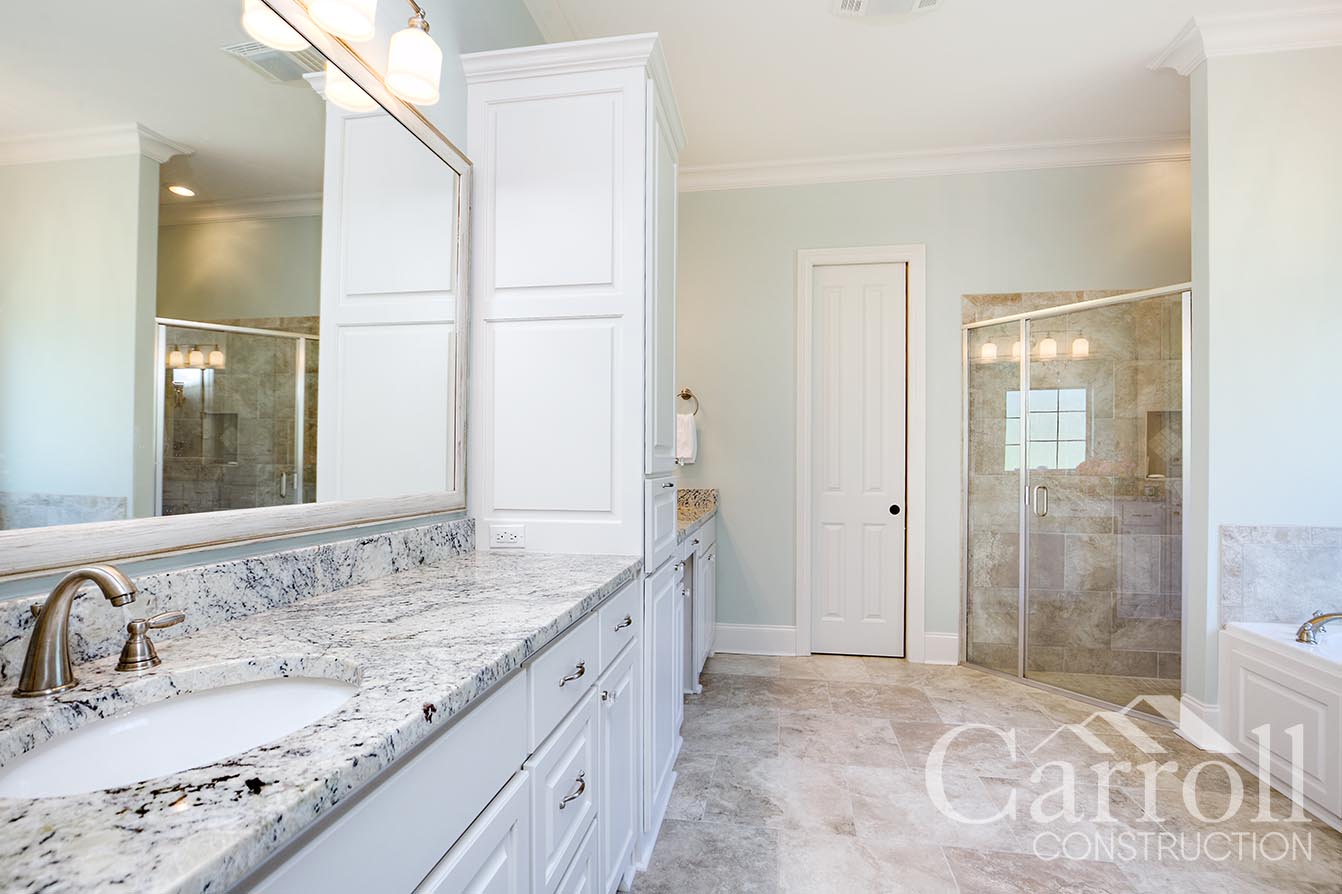
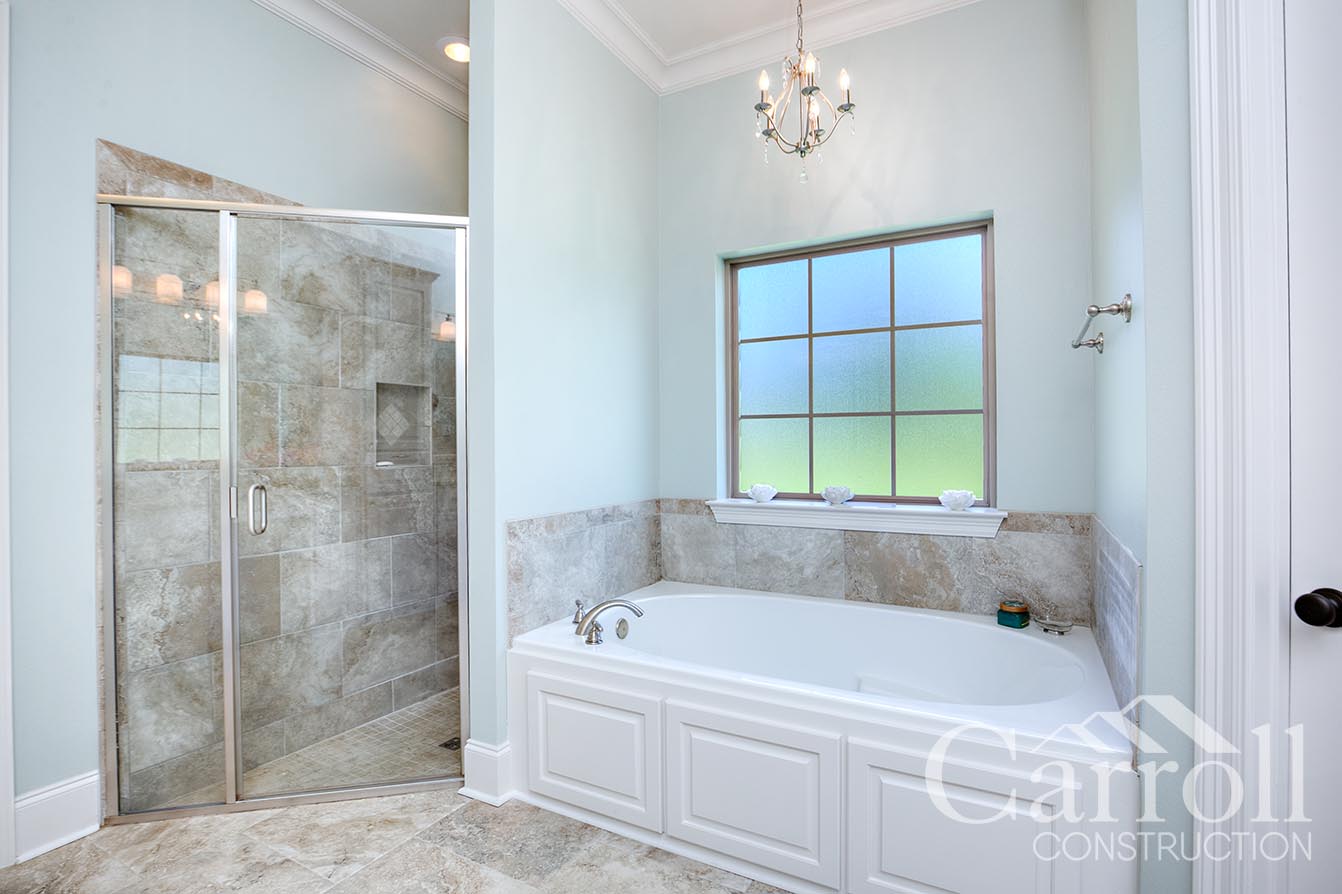
If you want to venture away from the standard toilet/bathtub/shower combo, then you’ll want to have a few ideas written down before speaking with a builder. For example, a combination of a jacuzzi tub next to a large tiled walk-in shower, adjacent to a “Next-Gen” toilet walled off in its own space will be important to know as early as possible. Other features and options to consider early include:
- Combo shower head & hand-held fixtures
- Custom tile showers and tub surrounds vs pre-built inserts
- Self-rimming sinks vs. Vessel sinks vs. Undermount sinks
Other Major Features
Be sure to give potential builders a list of any “must-have” features for your new house. Examples include:
- In-ground Pool
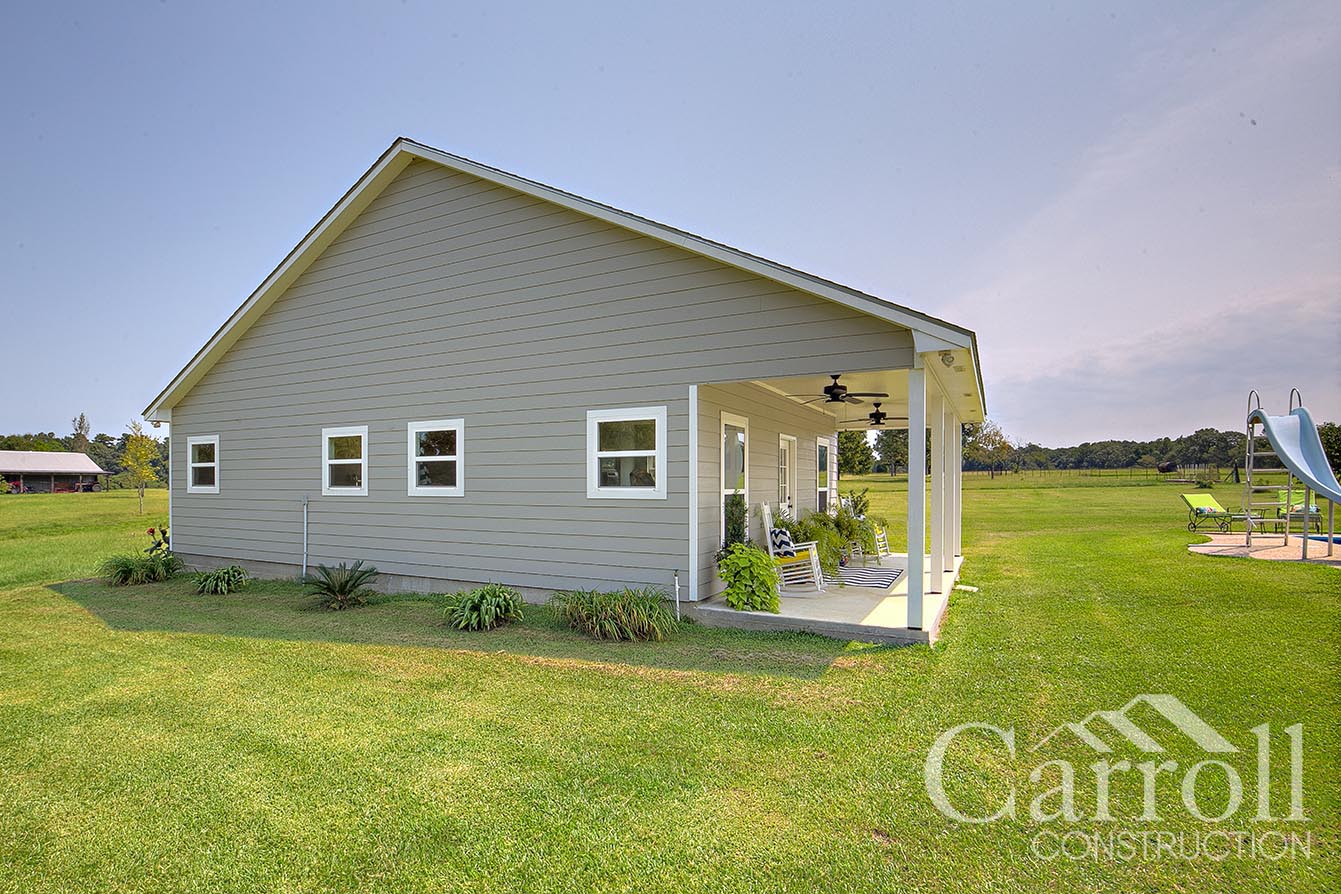
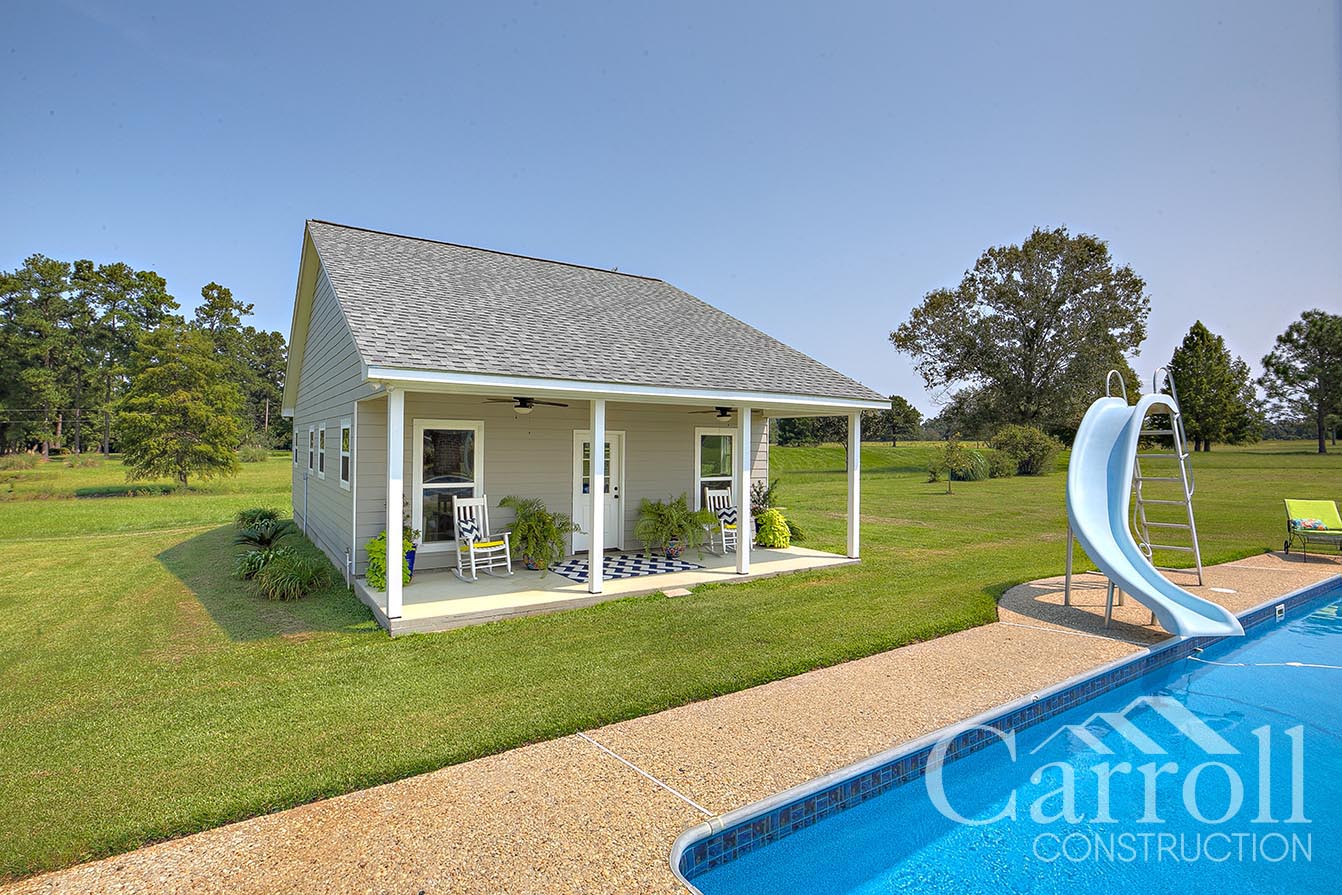
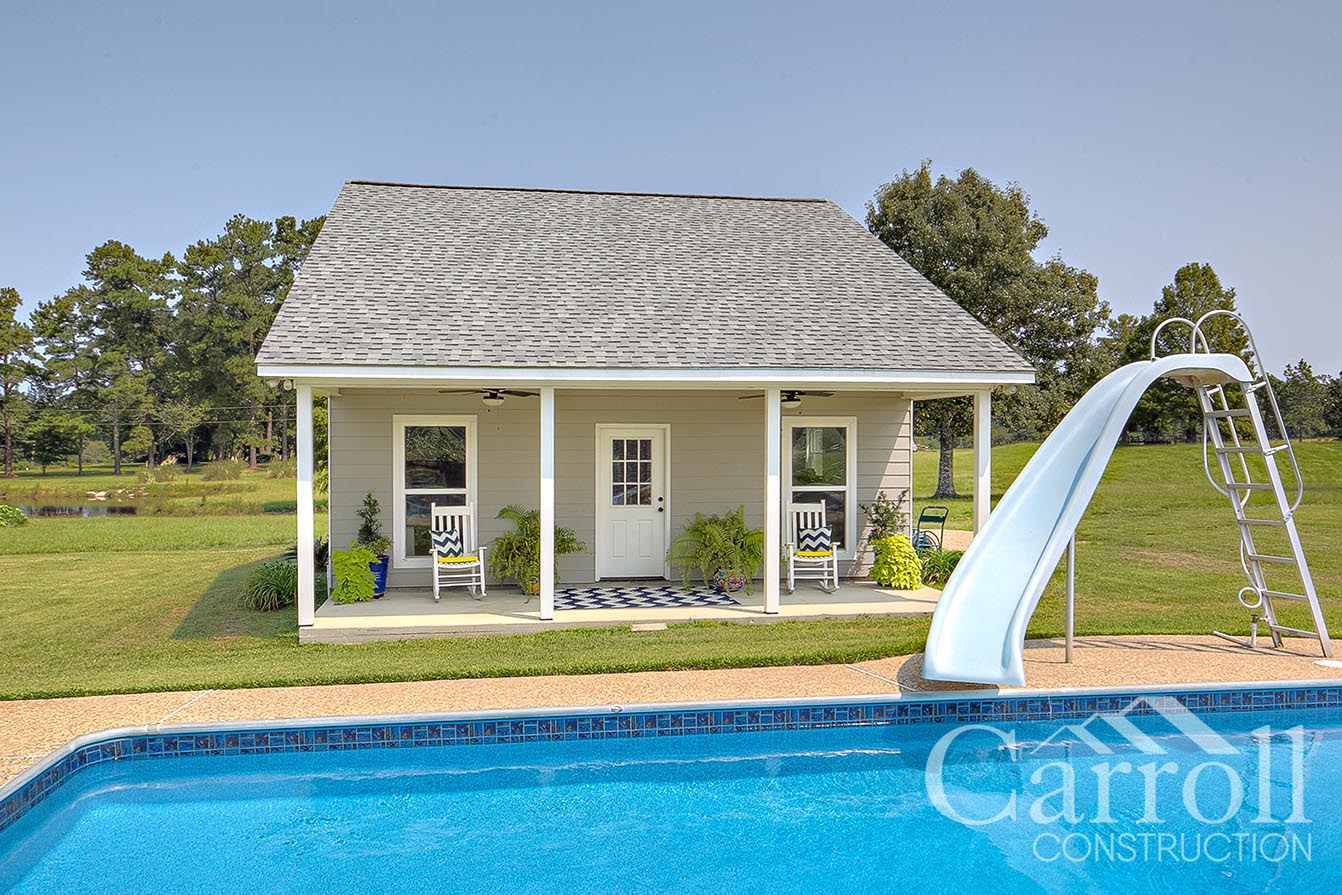
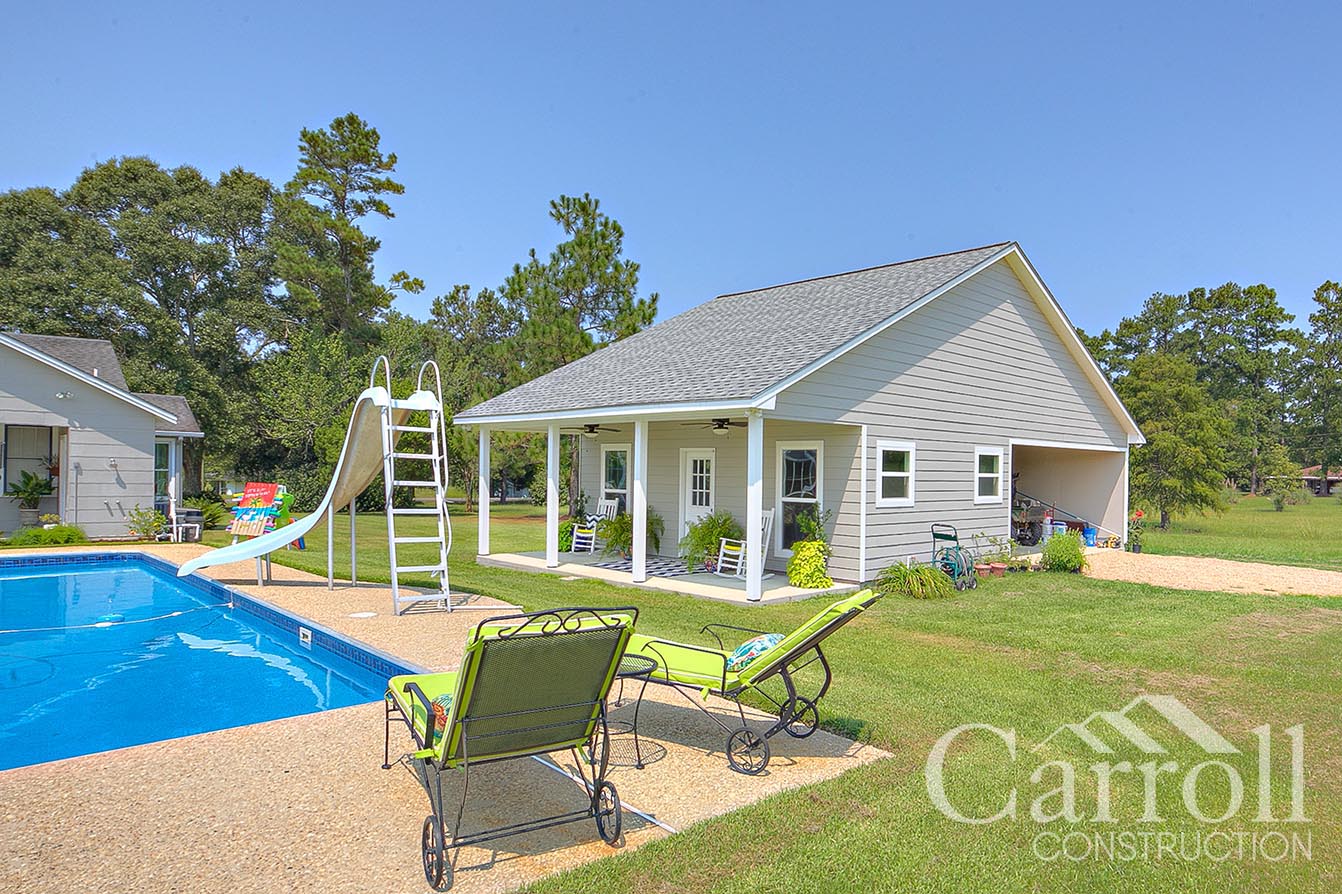
- Pool House or Mother-in-Law Suite
- Expanded Garage or Boat Port
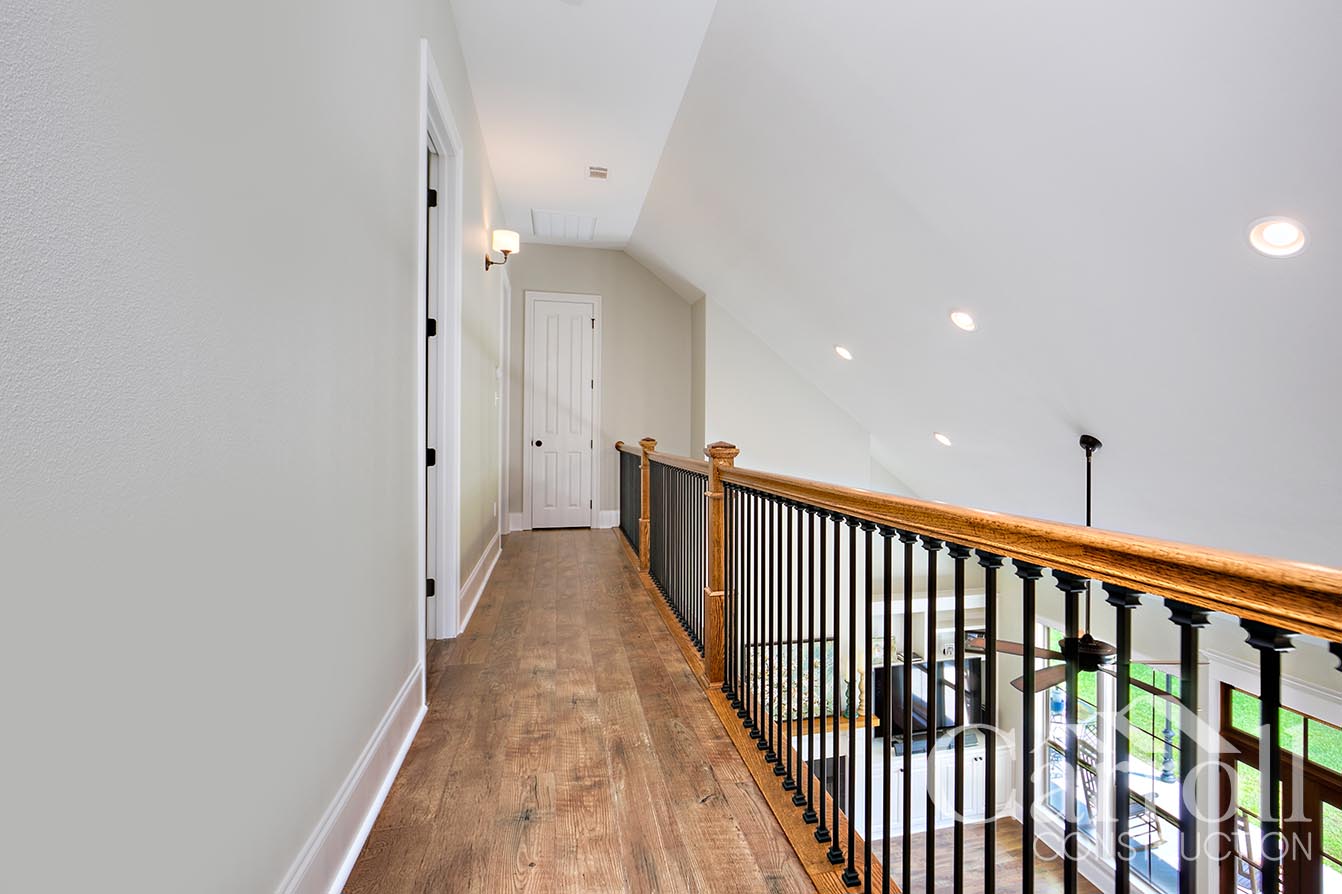
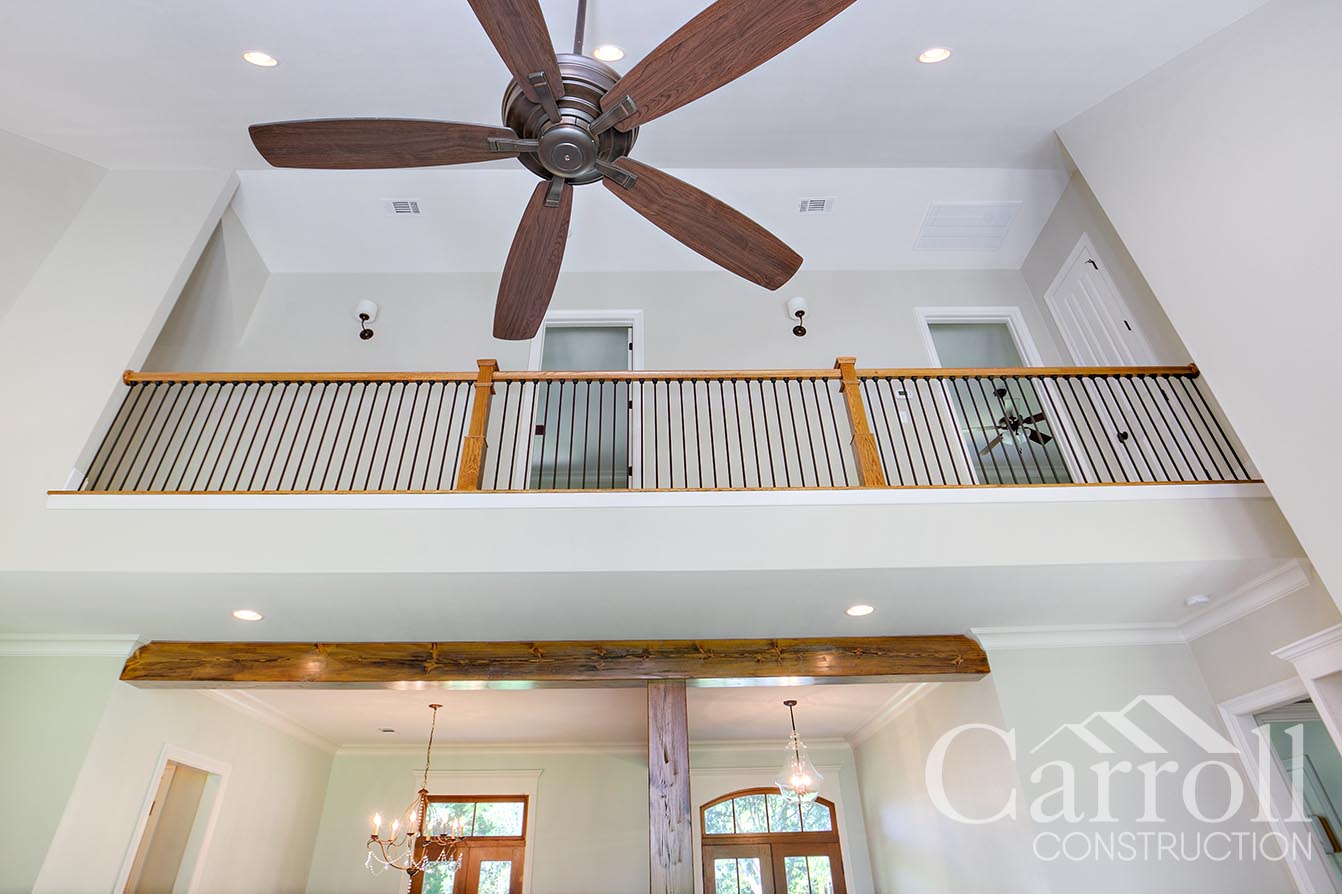
- 2nd Floor Loft
Navigate to individual steps using the summaries of each section below.
Start mapping out a path to building your custom home to determine your land choices and How Big, How Fancy, & How Much!
Where to live is a major decision. Learn about choosing the right land for your home with these Pros & Cons of rural land vs. a neighborhood lot.
It is now time to choose the style of your new house, so we compiled some of the popular home styles to help inspire your thought process.
When considering the general amenities of your new home, use this short-list of fixtures & features as a reference guide to spark your imagination.
You should select a contractor whose work aligns with your own vision of what you have for your home.
Discover expert insight on how you should go about creating floor plans and designing (or buying) blueprints for your new custom home.
Use this section as a handy reference guide to understand what to expect during the time-intensive process of bidding the work.
After receiving a written estimate from the builder, it is time to secure financing for construction. Find guidance & resources here!
You're almost there! Learn about your loan closing date, getting a date to start building, plus other final details of the journey!
Learn what is needed to determine if the land you choose is in a flood zone, how to request a determination, and how to mitigate the risks with building there.
Learn about the financing terms, payment structure and types of construction loans...plus the common documents needed to apply for a construction loan.

Click here to get started down the roadmap, or navigate to individual steps using the summaries of each section below.
Step #1: Begin the Feasibility Review
Start mapping a path to building your custom home to determine your land choices and How Big, How Fancy, & How Much!
Step #2: Make Your Land Choice
Where to live is a major decision. Learn about choosing the right land for your home with these Pros & Cons of rural land vs. a neighborhood lot.
Step #3: Select The Exterior Style
It is now time to choose the style of your new house, so we compiled some of the popular home styles to help inspire your thought process.
Step #4: Consider Your Amenities
When considering the general amenities of your new home, use this short-list of fixtures & features as a reference guide to spark your imagination.
Step #5: Choosing Your Builder
You should select a contractor whose work aligns with your own vision of what you have for your home. Read these tips for choosing the right builder.
Step #6: Designing House Plans
Discover expert insight on how you should go about creating floor plans and designing (or buying) blueprints for your new custom home.
Step #7: Bidding the Construction Work
Use this section as a handy reference guide to understand what to expect during the time-intensive process of bidding the work.
Step #8: Financing & Signing Contracts
After receiving a written estimate from the builder, it is time to secure financing for construction. Find guidance & resources here!
Step #9: Final Steps Before Construction
You're almost there! Learn about your loan closing date, getting a date to start building, plus other final details of the journey!
Special Addendums and Worksheets
Considerations for Building in Flood Zones
Learn what is needed to determine if the land you choose is in a flood zone, how to request a determination, and how to mitigate the risks with building there.
The Basics About Construction Loans
Learn about the financing terms, payment structure and types of construction loans...plus the common documents needed to apply for a construction loan.