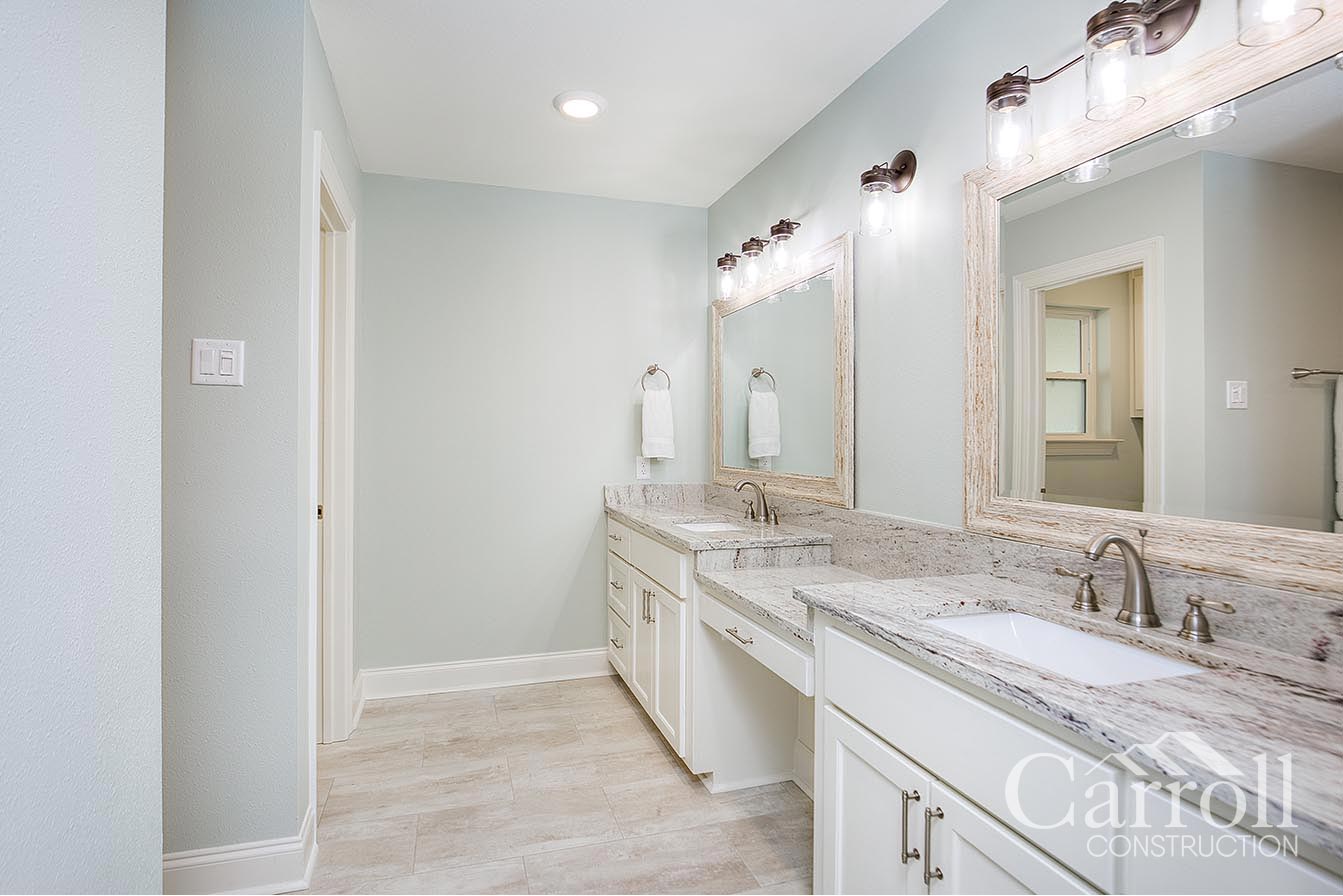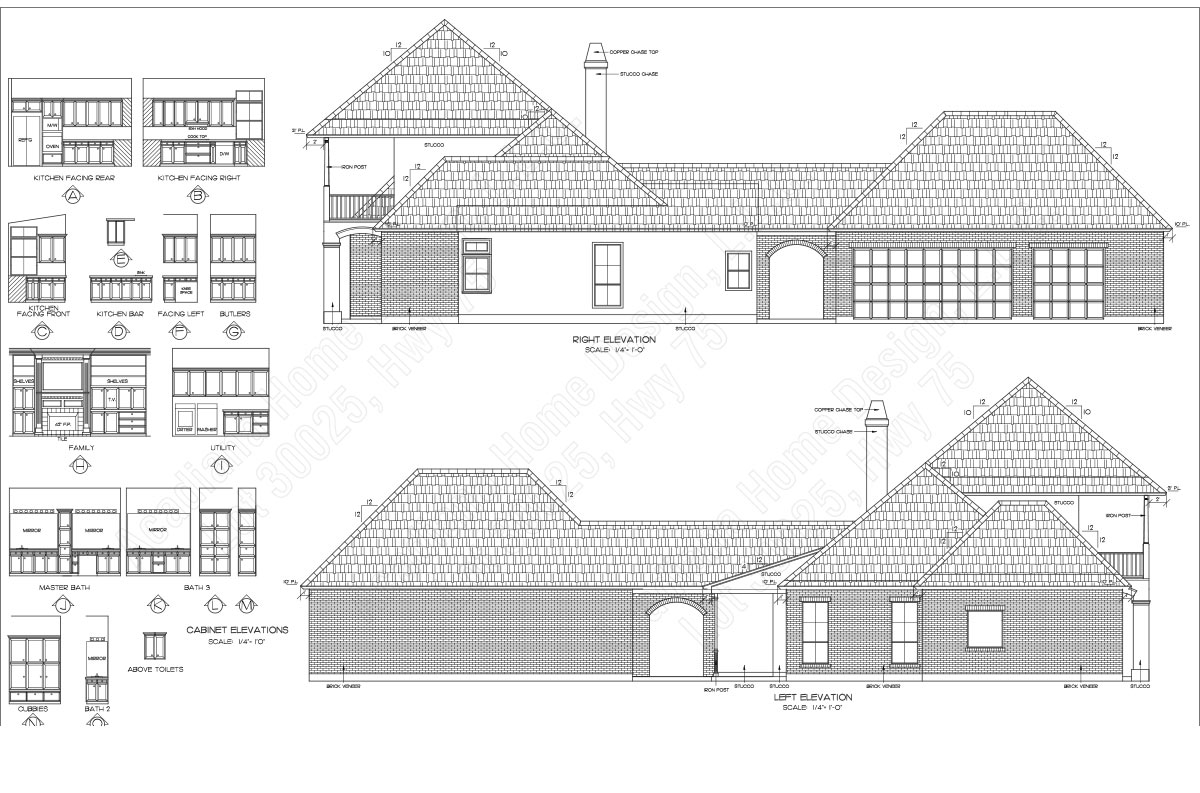
Besides the time period when construction actually occurs, the Bidding Process and Obtaining Financing may be the most time intensive phase of your project.
Not only can the bidding process span over a month, but the process of securing financing may also take a lot of effort and time. However, if you know what to expect, the processes tend to be less stressful and frustrating.
About the Bidding Process
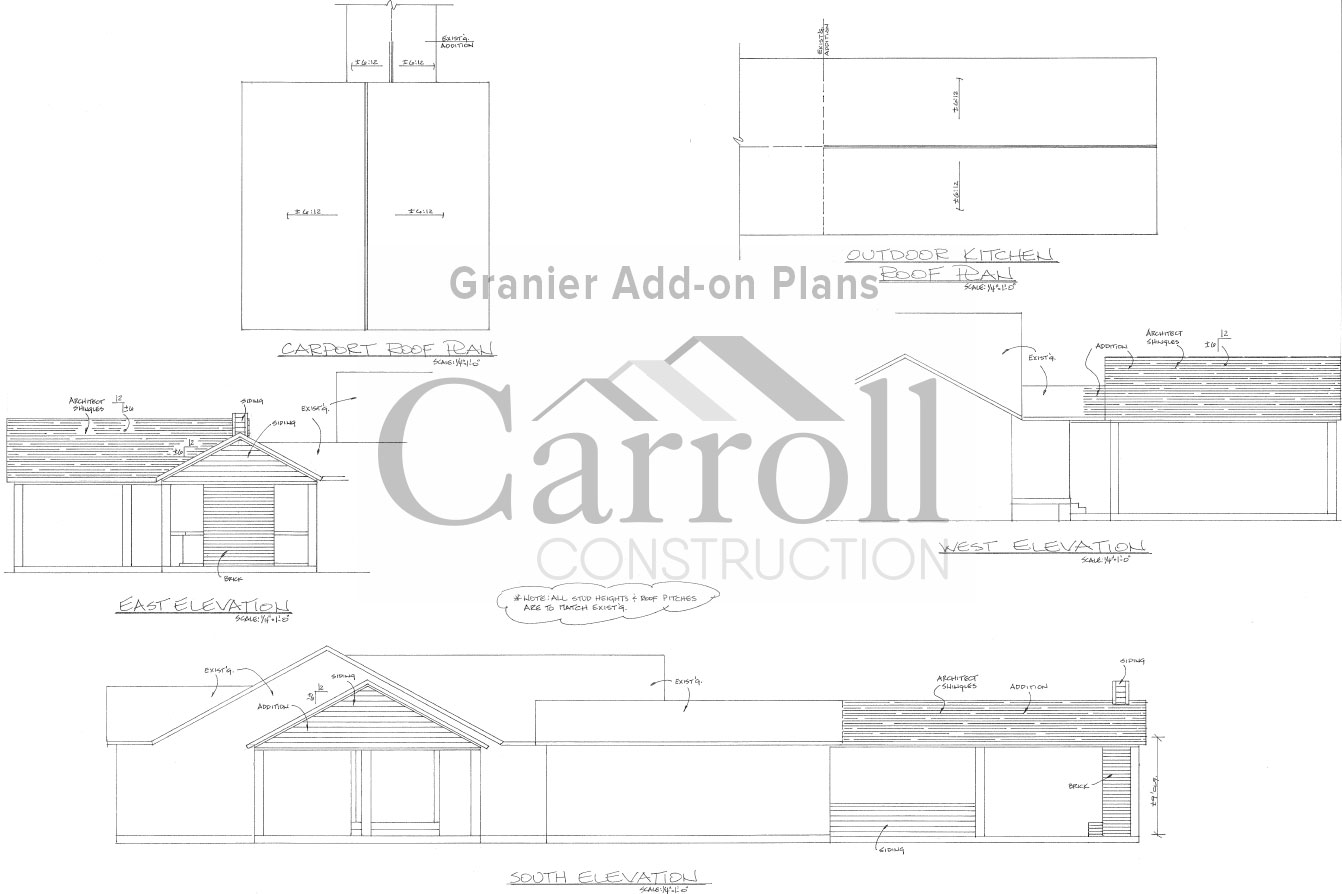
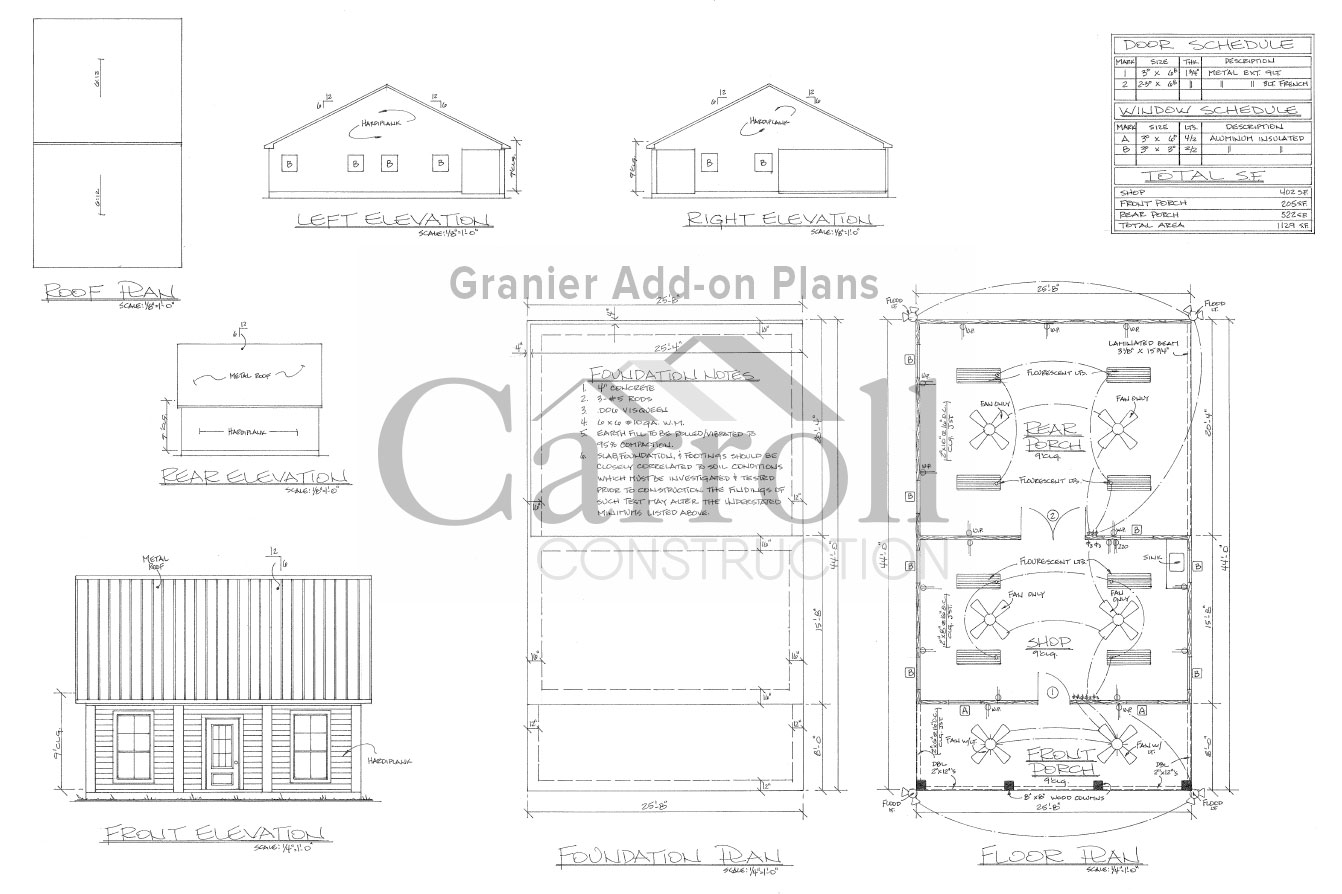
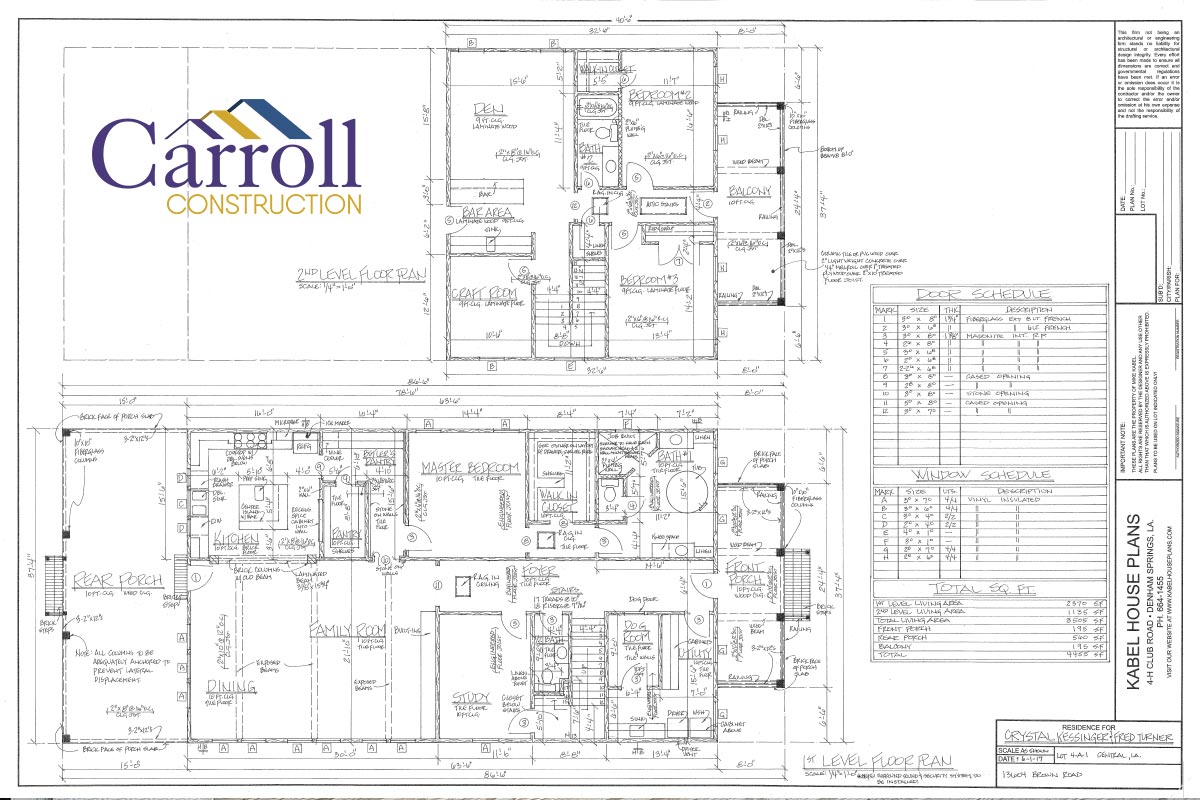
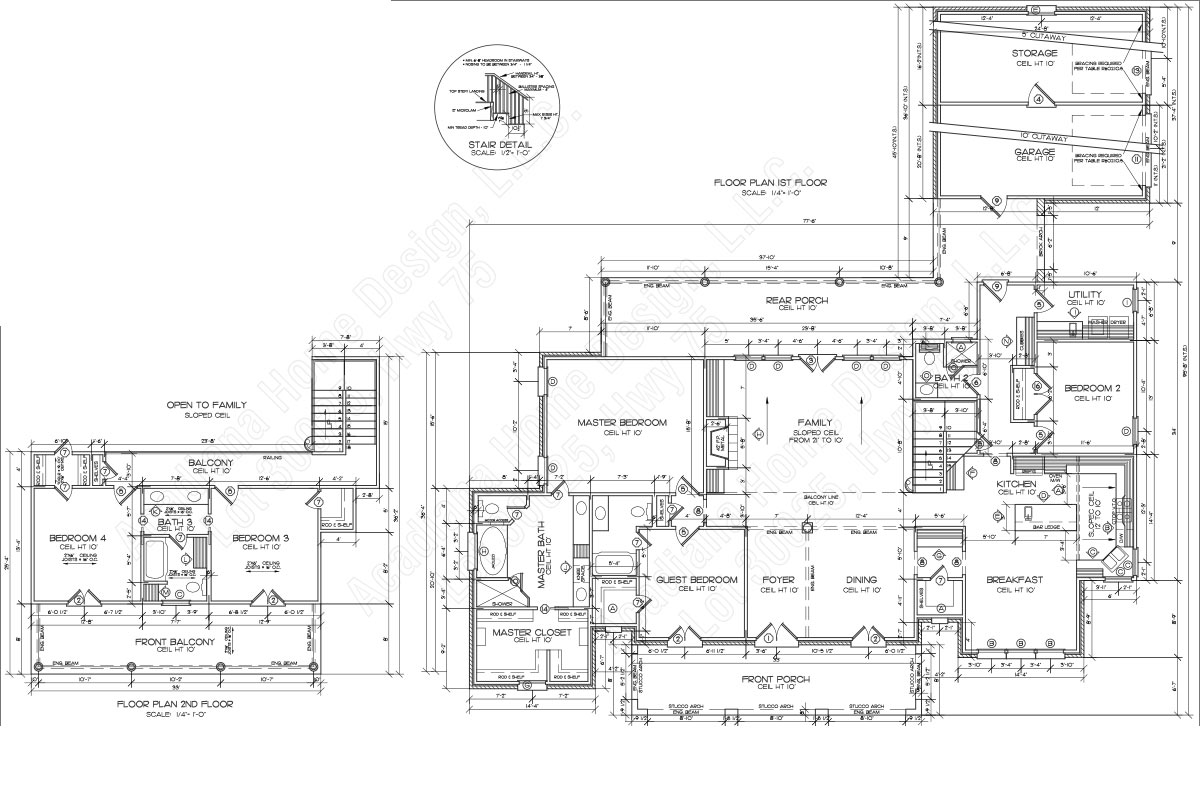
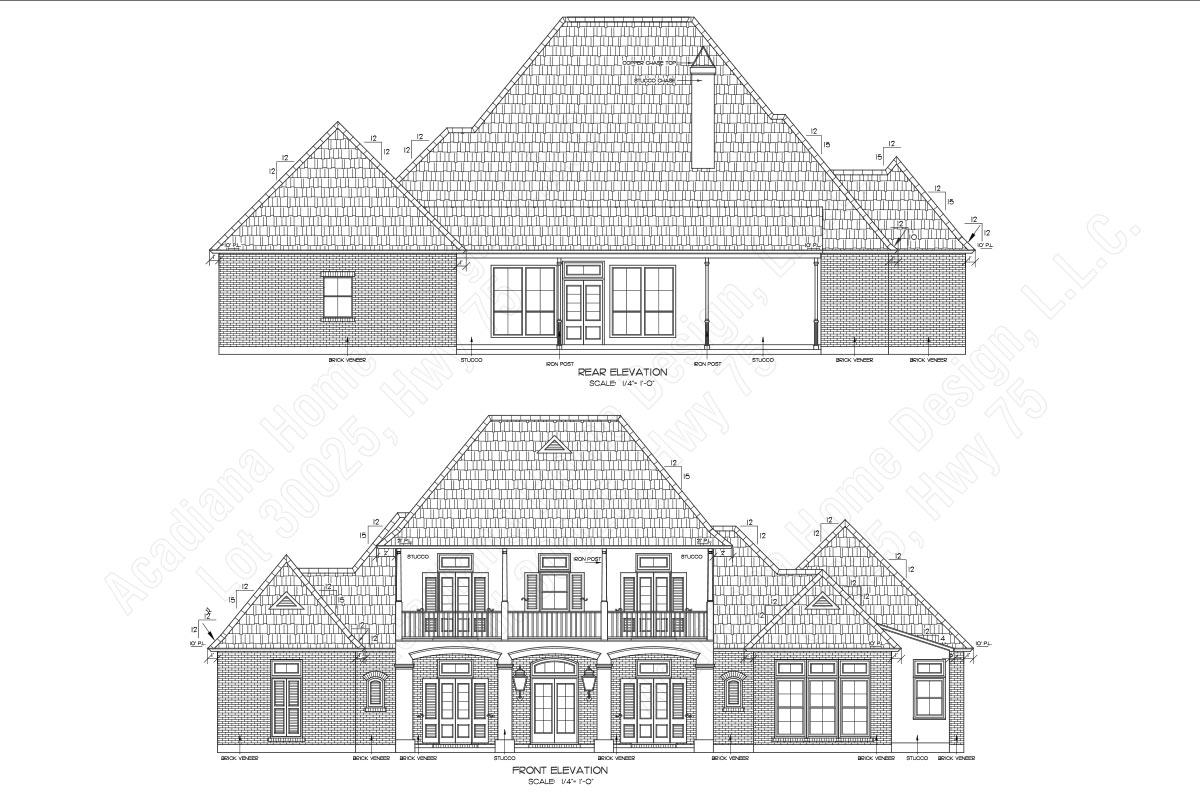
Once the plans have been completed, it is time to meet for a pre-bid meeting with your selected contractor. Keep in mind that the bidding process may span over a month, so be patient...yet diligent!
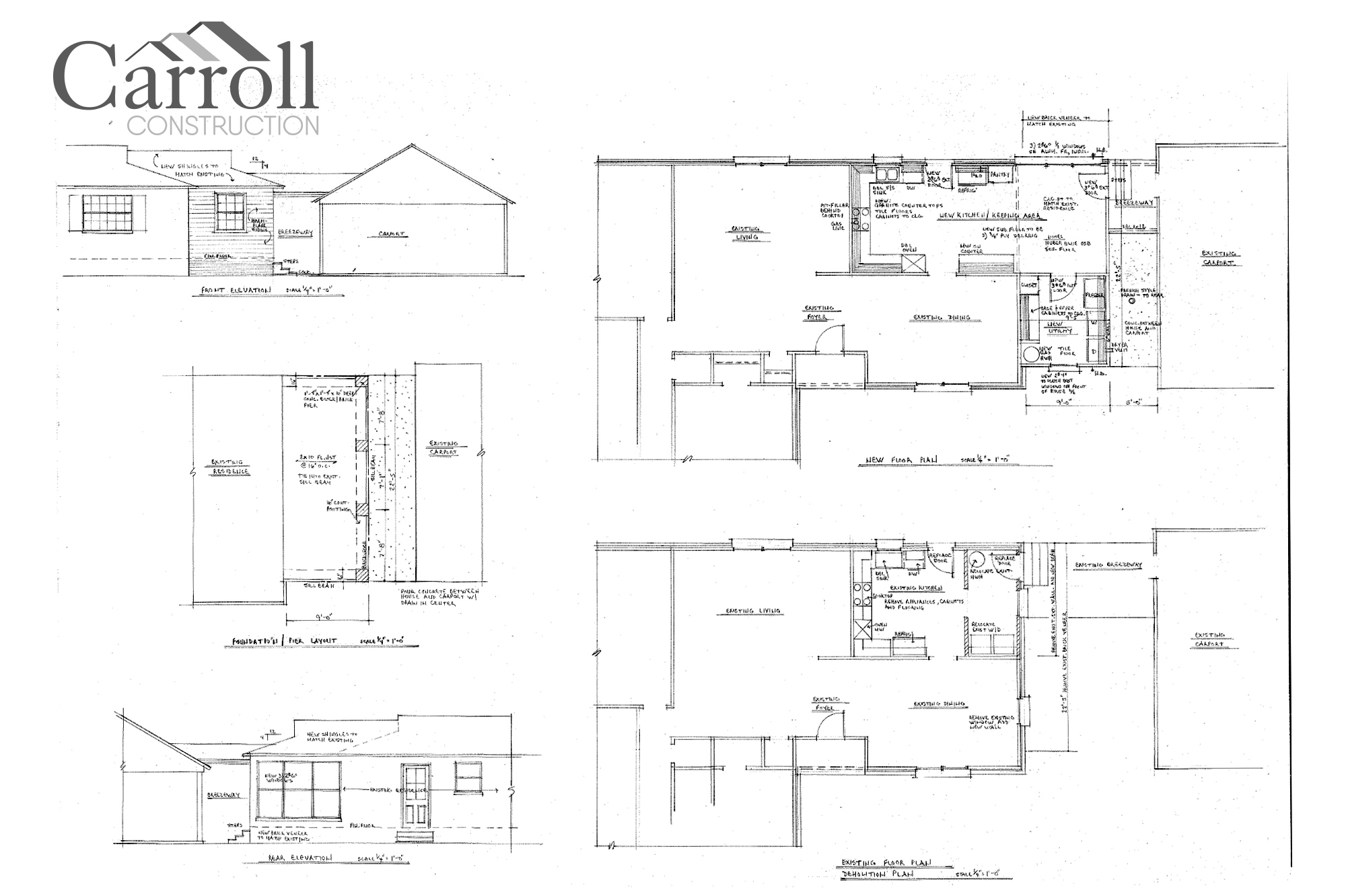
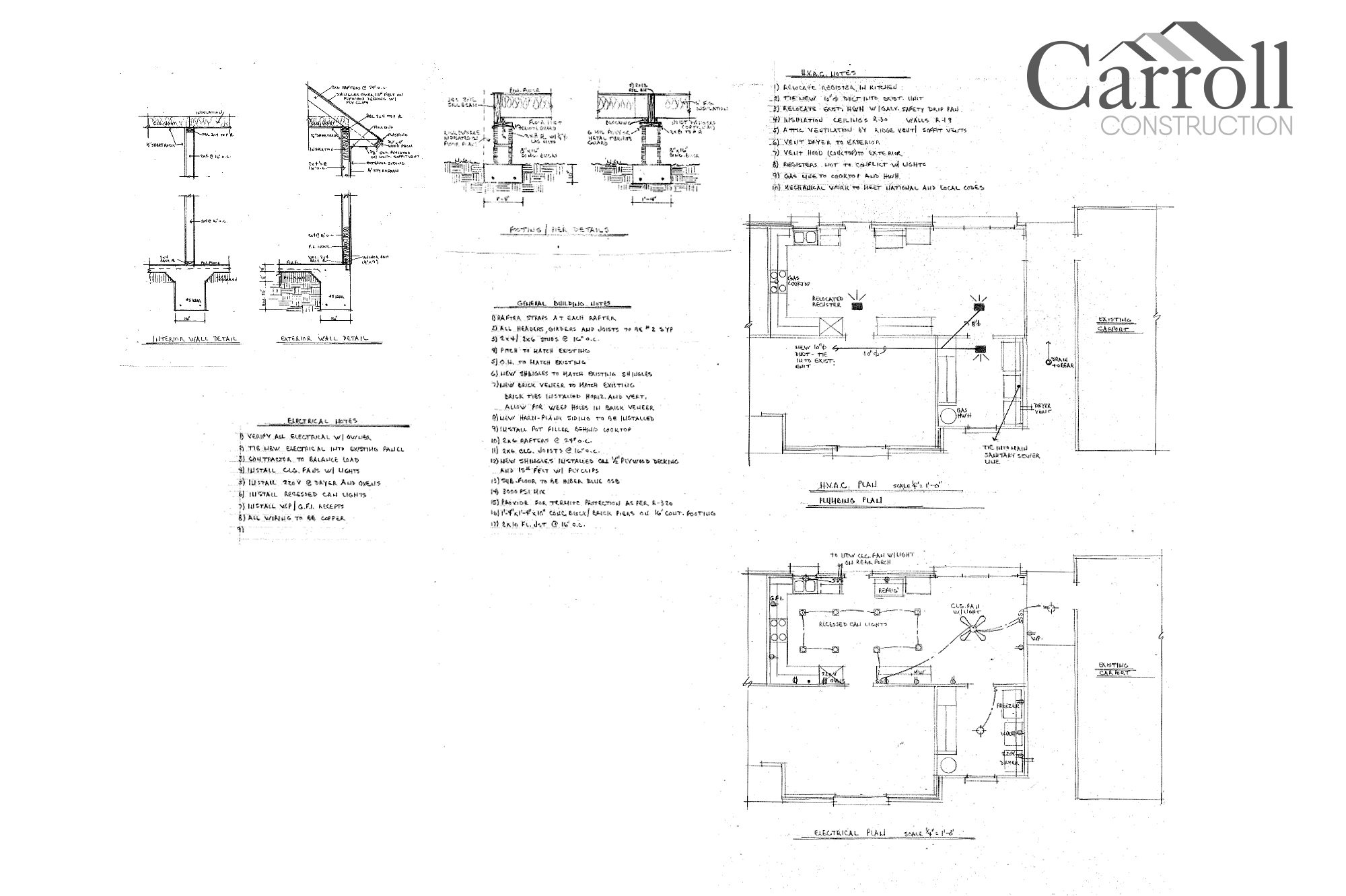
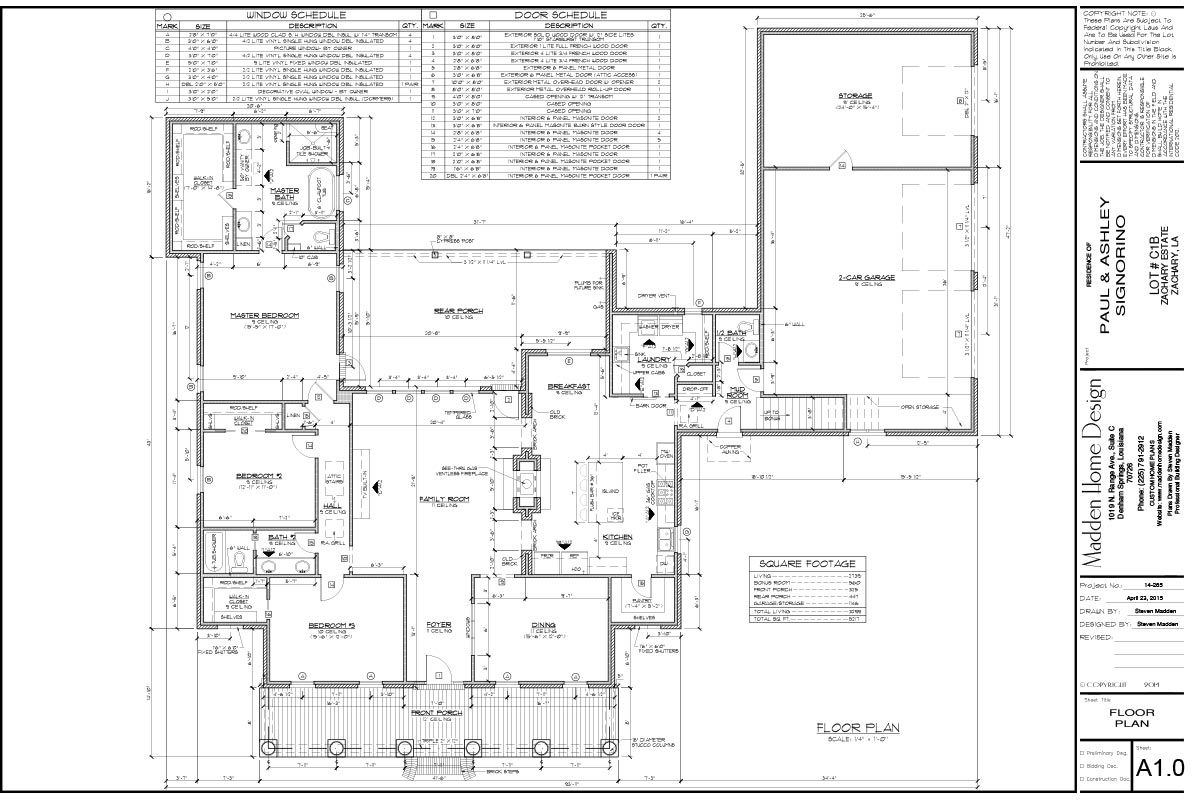
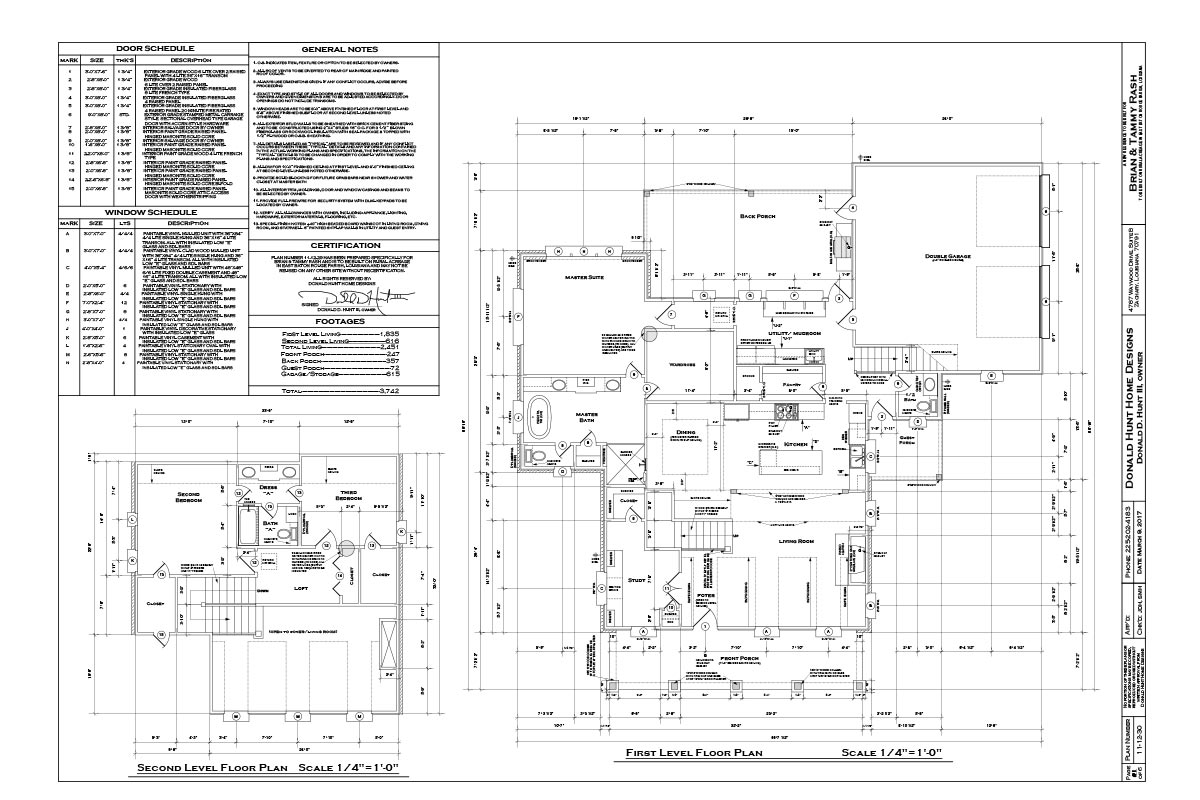
- You will typically need to be prepared to provide 3 physical copies of the plan for bidding as well as 1 electronic copy.
- Bring a copy of your "Feasibility Review" checklist as this will have key information for the builder.
- During the bid, you can upload your "idea photos" with descriptions of specialty features you would like the contractor to consider.
- Remember that the contractor will bid the home based upon the plans only during the initial estimate. Features can be added later to adjust for preferences. This is always the simplest path forward and helps to reduce overwhelm.
- Thoroughness at your pre-bid meeting will speed up the process.
What to expect during the bidding process
- Depending on the complexity of the bid, expect the bidding process to take between 3-5 weeks. Remember that a thorough bid will lead to fewer changes after the home construction has begun.
- At Carroll Construction, LLC , we understand clients are anxious to begin and want to be kept up-to-date on the progress. That's why we contact clients at the beginning of each week with a status report of the process.
Reviewing the Quote
- Once you receive the bid, any special features and some provisional costs should be spelled out on the quote. Be sure to review this thoroughly because, if it is not on the quote, it may not have been included in the final price.
- If the quote is higher than you were expecting don't give up! Remember that the quote is prepared based upon your wish-list before knowing the cost of those items. If you have shared your budget with the contractor, they may be able to make suggestions to help you complete the project in budget. This could be design adjustments as well as finish adjustments.

Click here to get started down the roadmap, or navigate to individual steps using the summaries of each section below.
Step #1: Begin the Feasibility Review
Start mapping a path to building your custom home to determine your land choices and How Big, How Fancy, & How Much!
Step #2: Make Your Land Choice
Where to live is a major decision. Learn about choosing the right land for your home with these Pros & Cons of rural land vs. a neighborhood lot.
Step #3: Select The Exterior Style
It is now time to choose the style of your new house, so we compiled some of the popular home styles to help inspire your thought process.
Step #4: Consider Your Amenities
When considering the general amenities of your new home, use this short-list of fixtures & features as a reference guide to spark your imagination.
Step #5: Choosing Your Builder
You should select a contractor whose work aligns with your own vision of what you have for your home. Read these tips for choosing the right builder.
Step #6: Designing House Plans
Discover expert insight on how you should go about creating floor plans and designing (or buying) blueprints for your new custom home.
Step #7: Bidding the Construction Work
Use this section as a handy reference guide to understand what to expect during the time-intensive process of bidding the work.
Step #8: Financing & Signing Contracts
After receiving a written estimate from the builder, it is time to secure financing for construction. Find guidance & resources here!
Step #9: Final Steps Before Construction
You're almost there! Learn about your loan closing date, getting a date to start building, plus other final details of the journey!
Special Addendums and Worksheets
Considerations for Building in Flood Zones
Learn what is needed to determine if the land you choose is in a flood zone, how to request a determination, and how to mitigate the risks with building there.
The Basics About Construction Loans
Learn about the financing terms, payment structure and types of construction loans...plus the common documents needed to apply for a construction loan.