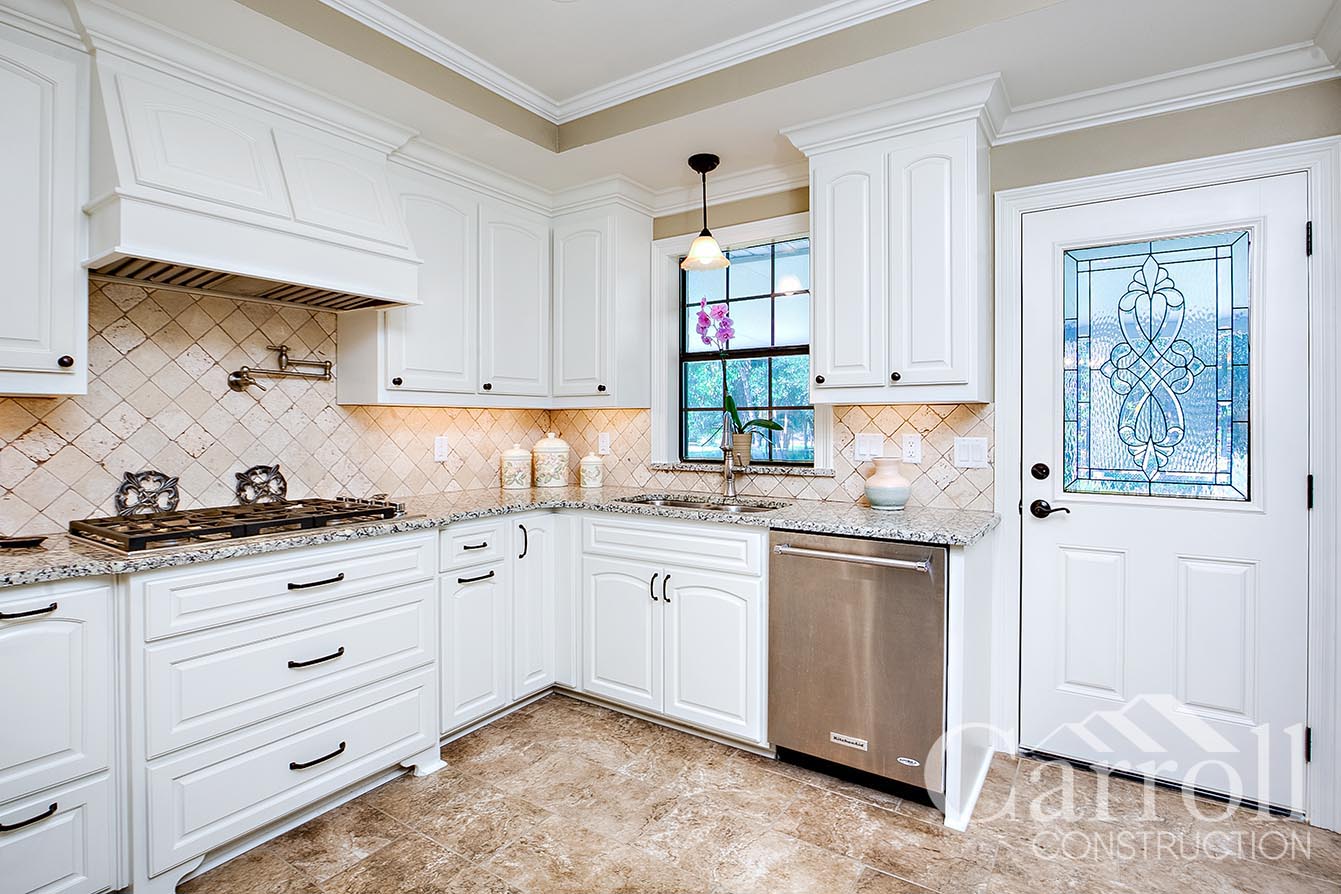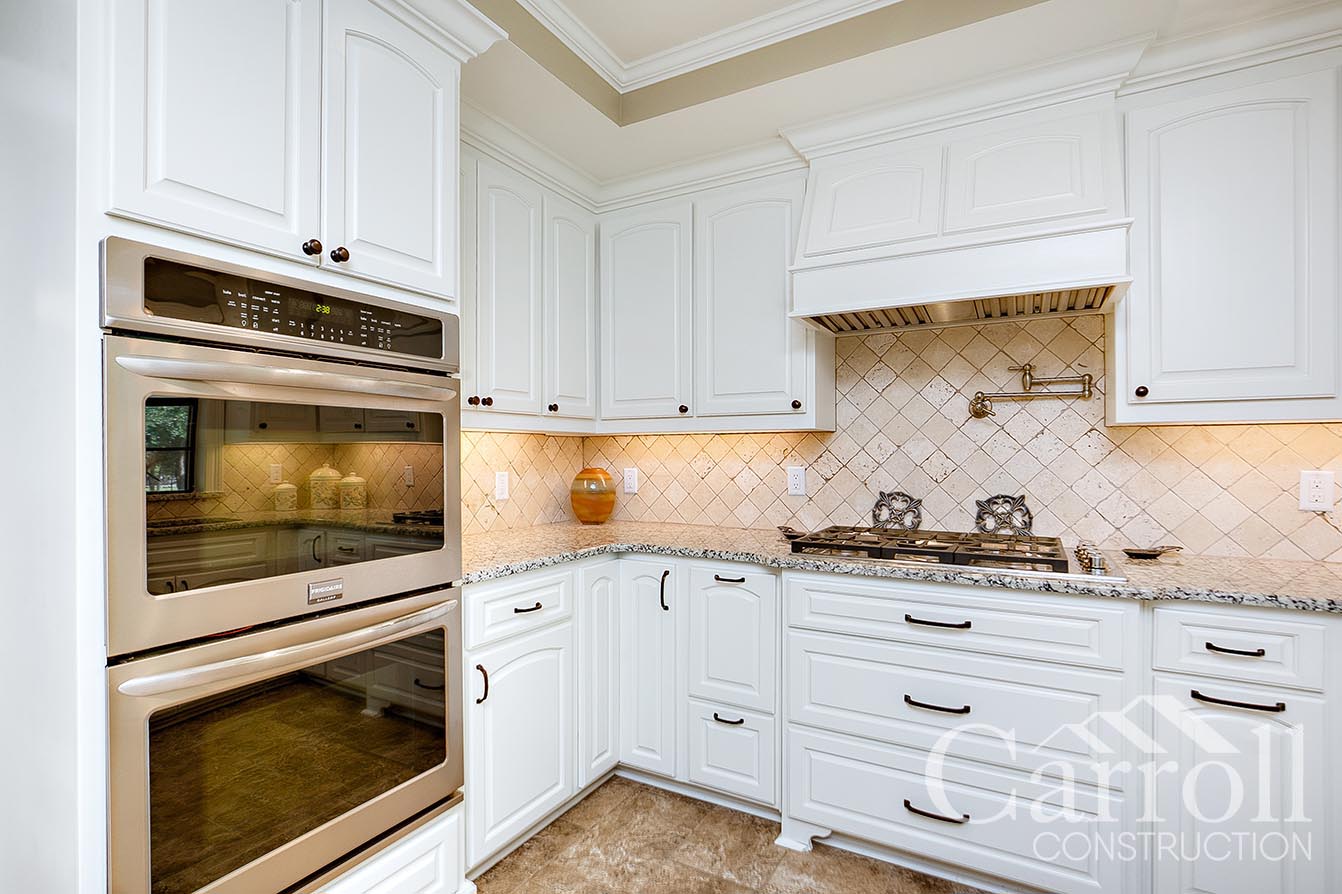
Once you have chosen a builder to construct your new home, it is time to create some house plans!
Design Your Plans
This is the point where the tasks not only get technical, but decisions begin to get set in stone.
By now, you have selected suitable land or a lot and know what the limitations (if any) would be on size and style; you've determined what the exterior will look like and narrowed down what amenities should be included; and you have chosen a builder that can successfully build your dream home. Plus, you have some ballpark costs of construction, fixtures & amenities which can be used to set financial parameters, thus ensuring you do not develop a set of plans that significantly exceed your expected budget.
You are now equipped with all of the information necessary to hire a professional to translate your vision into a workable design.
Hopefully, the contractor has suggested a designer or two to choose from once they are interviewed. Depending on your budget, Carroll Construction would typically refer you to either a draftsman or an architect. Here is a great article on the difference between the two. And we certainly recommend using a local professional to design the plans...read more about why this is important.
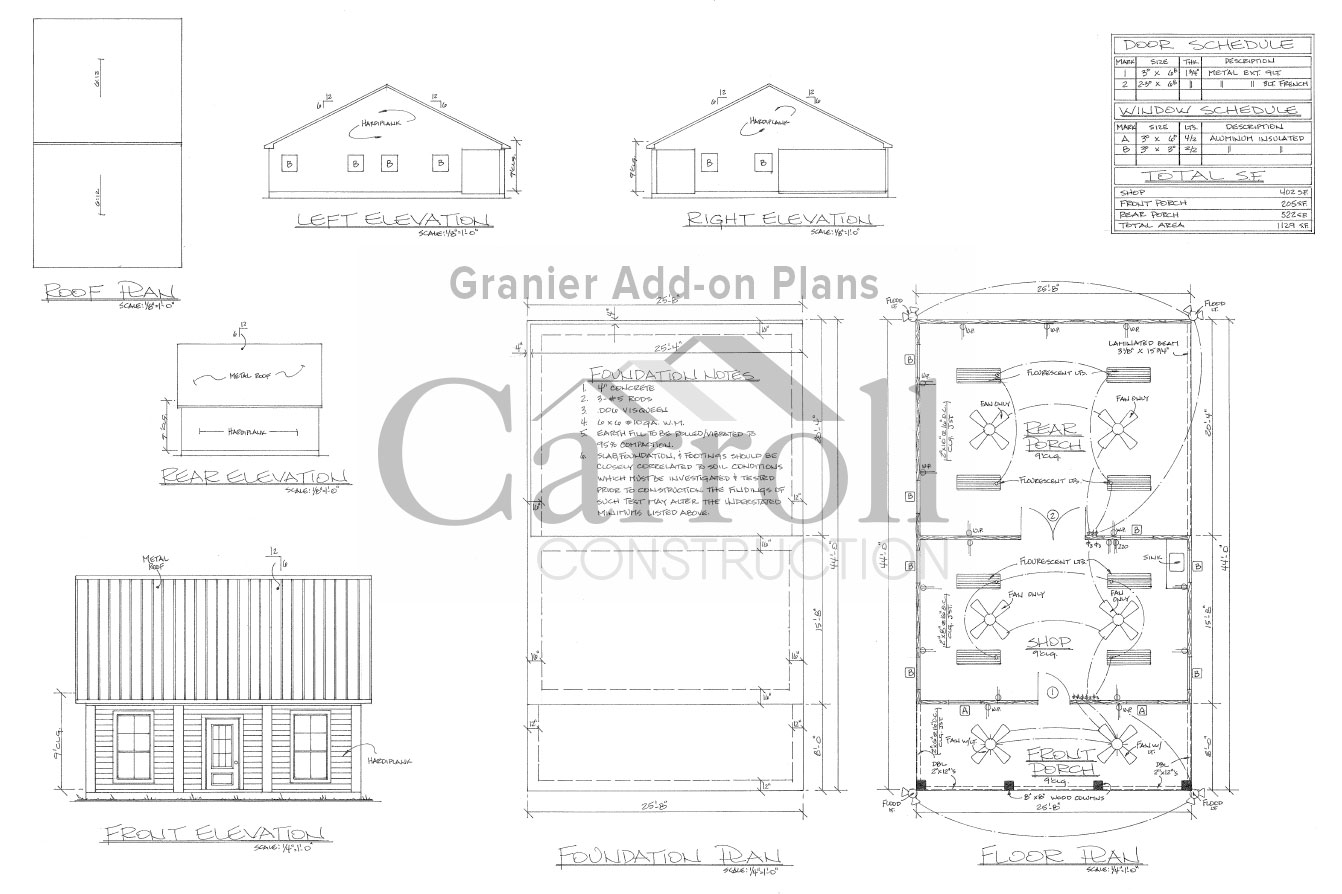
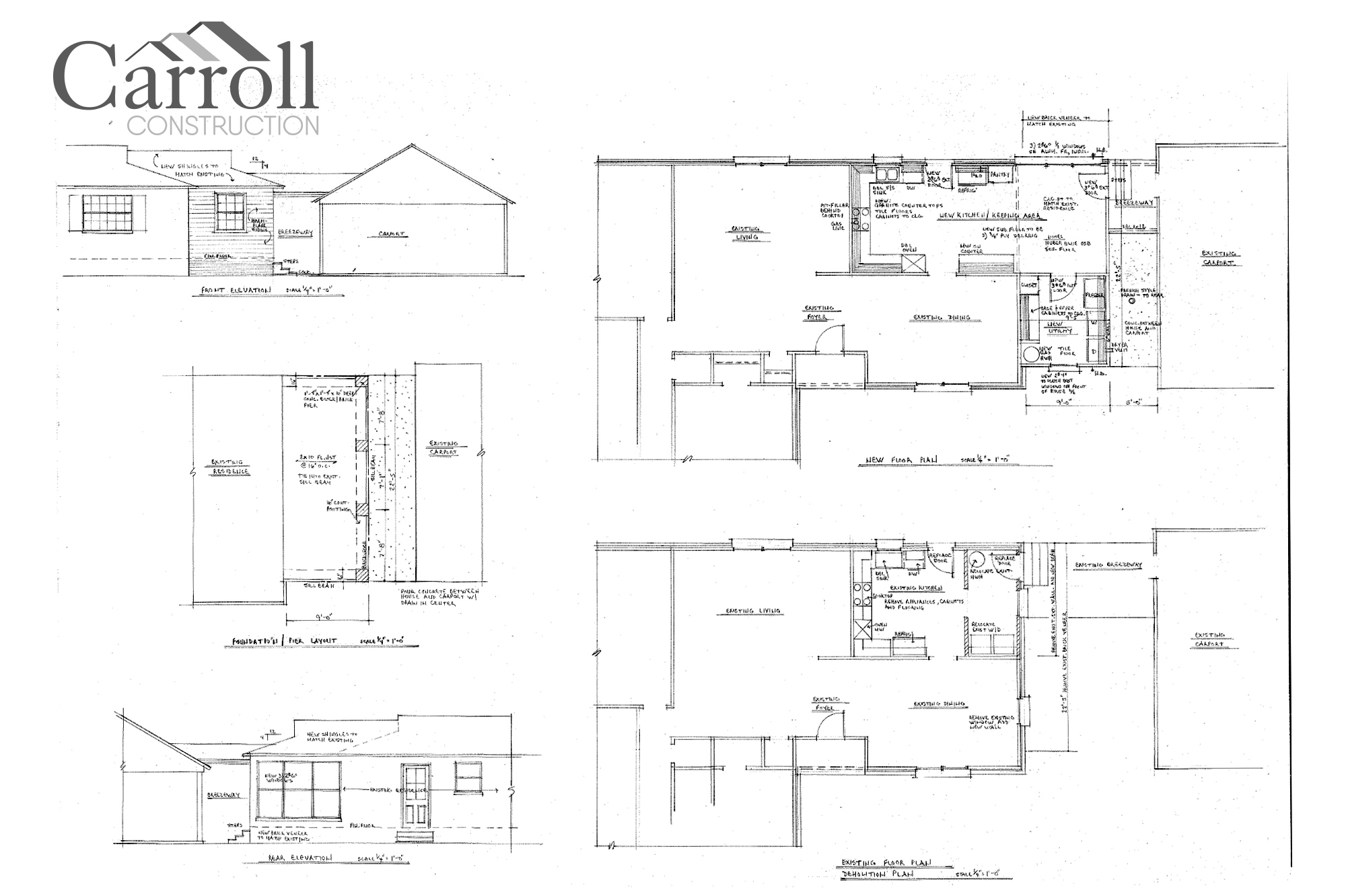
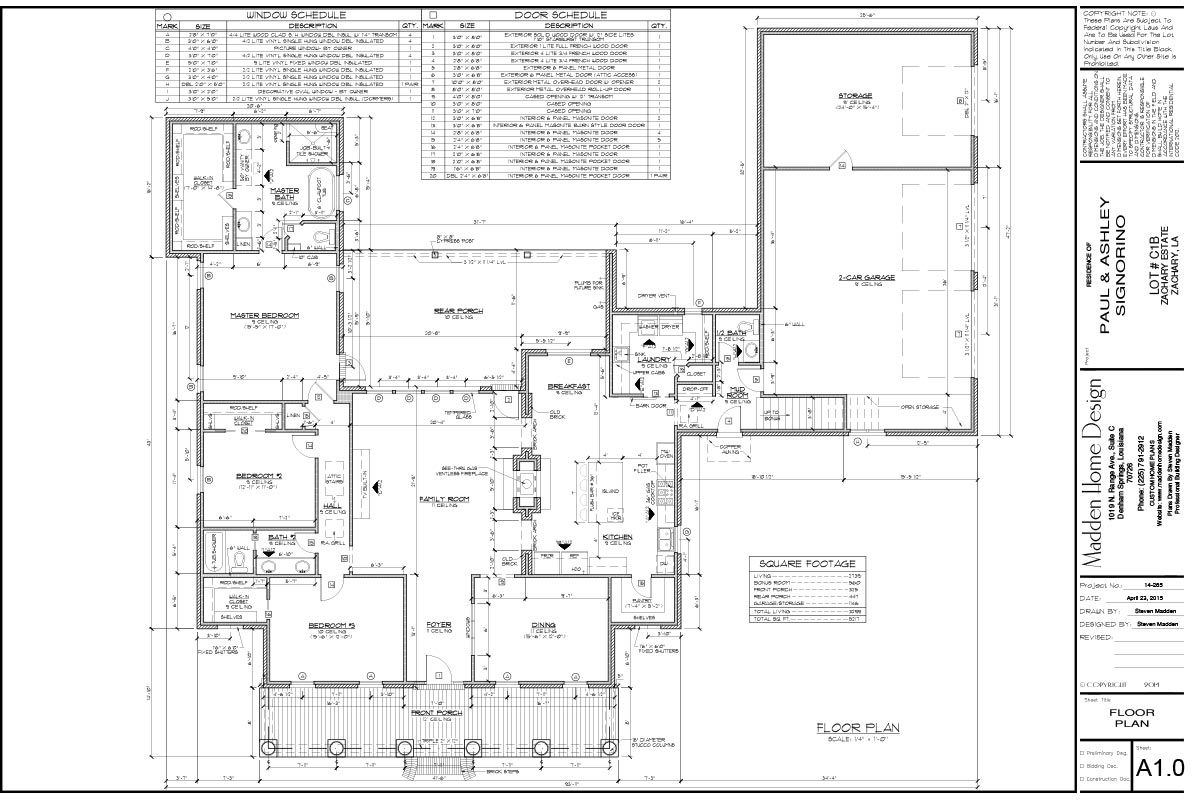
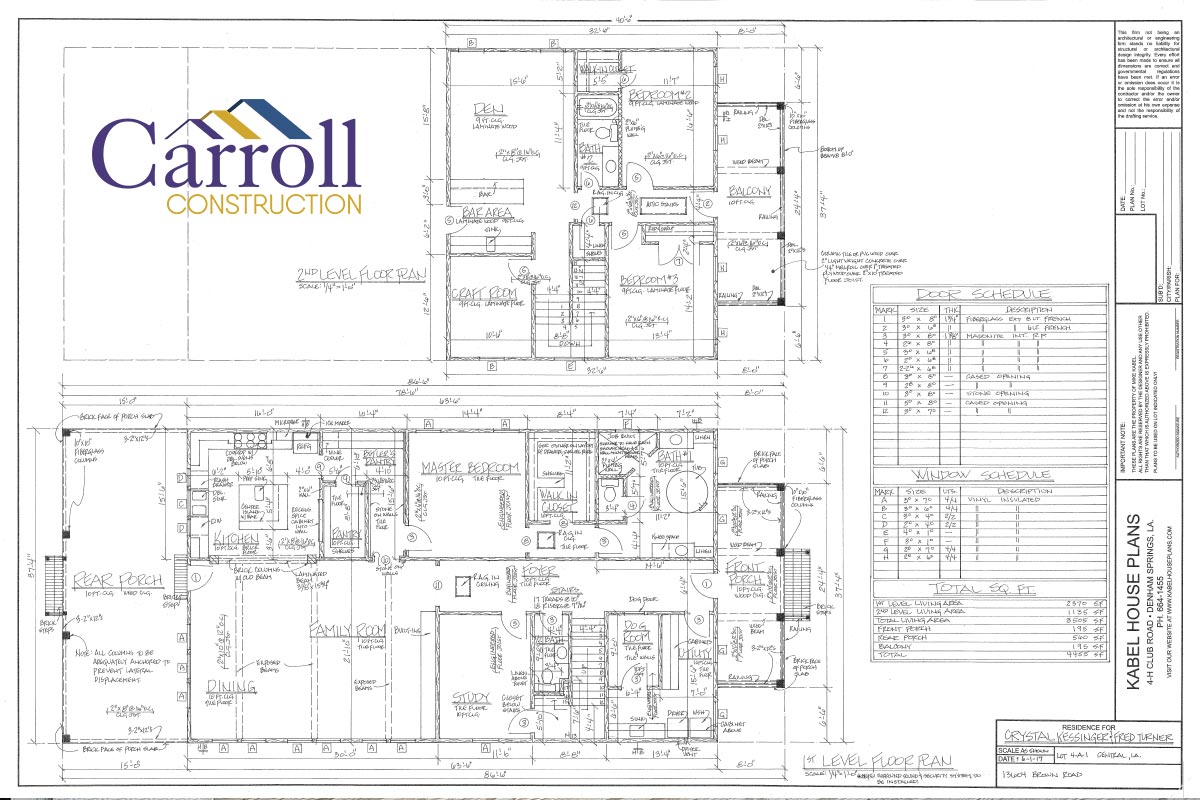
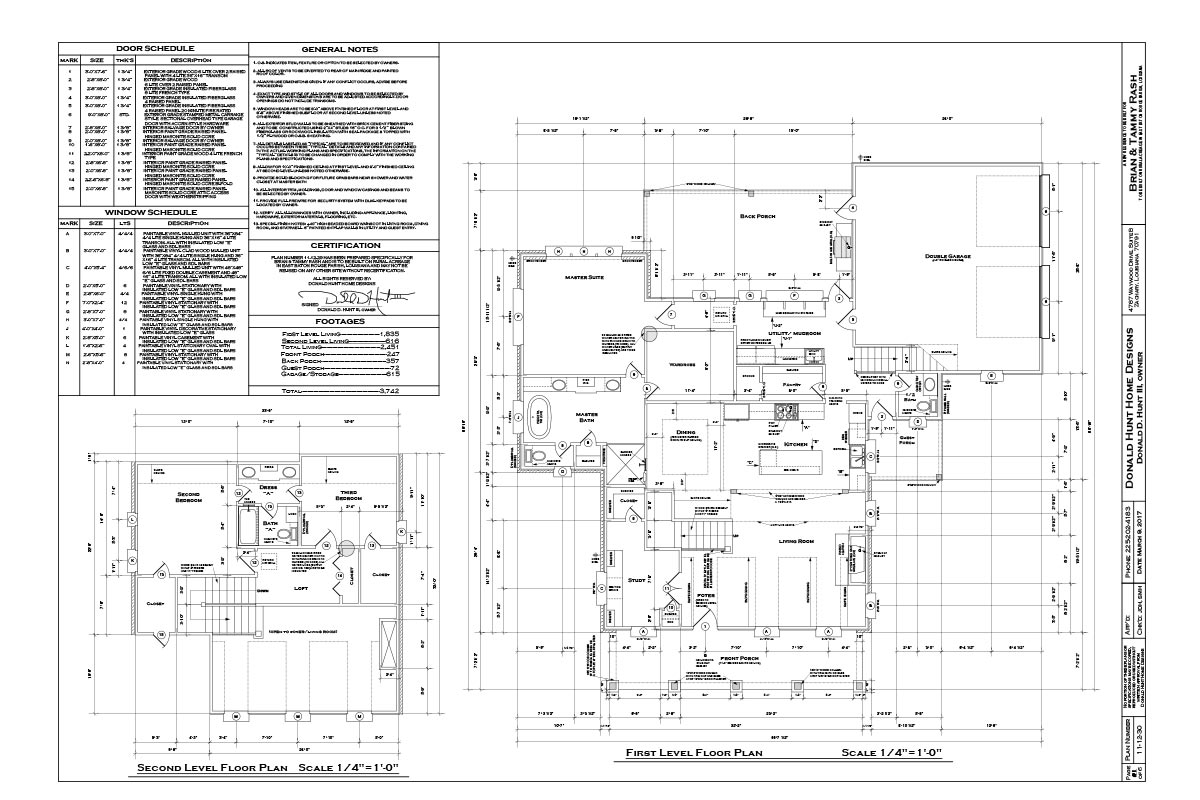
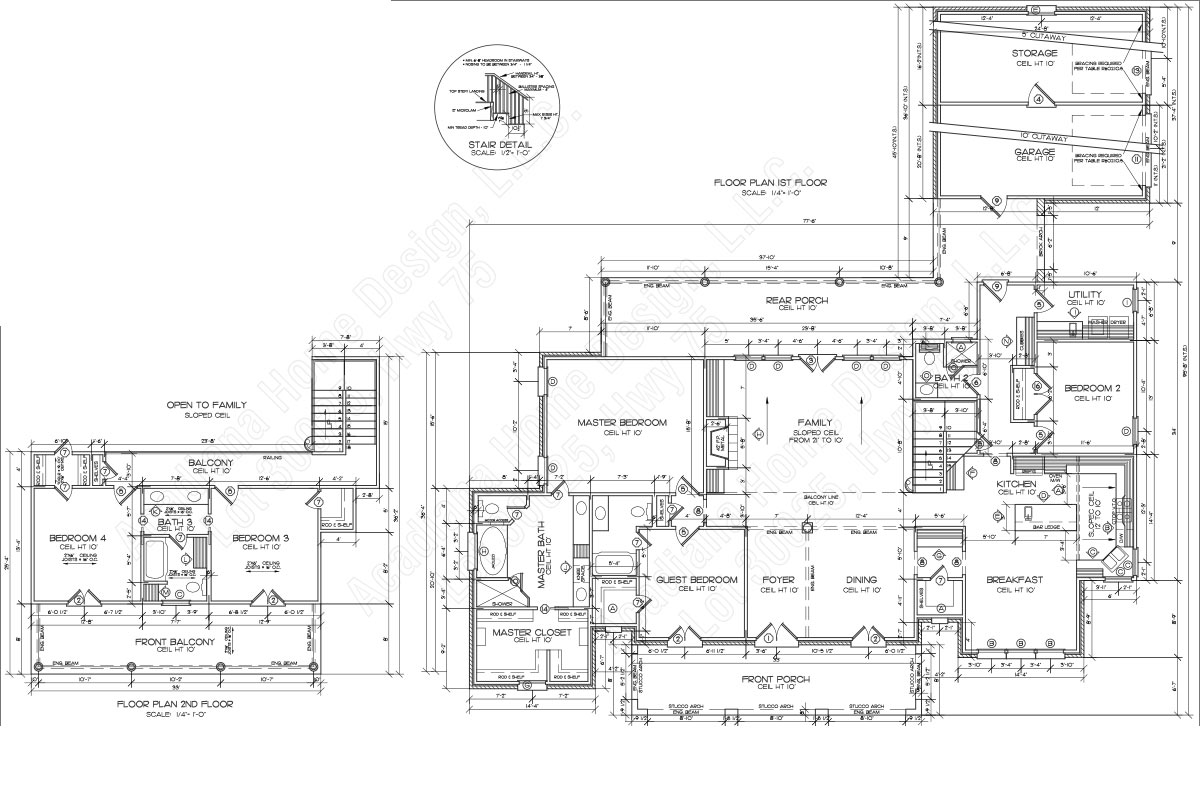
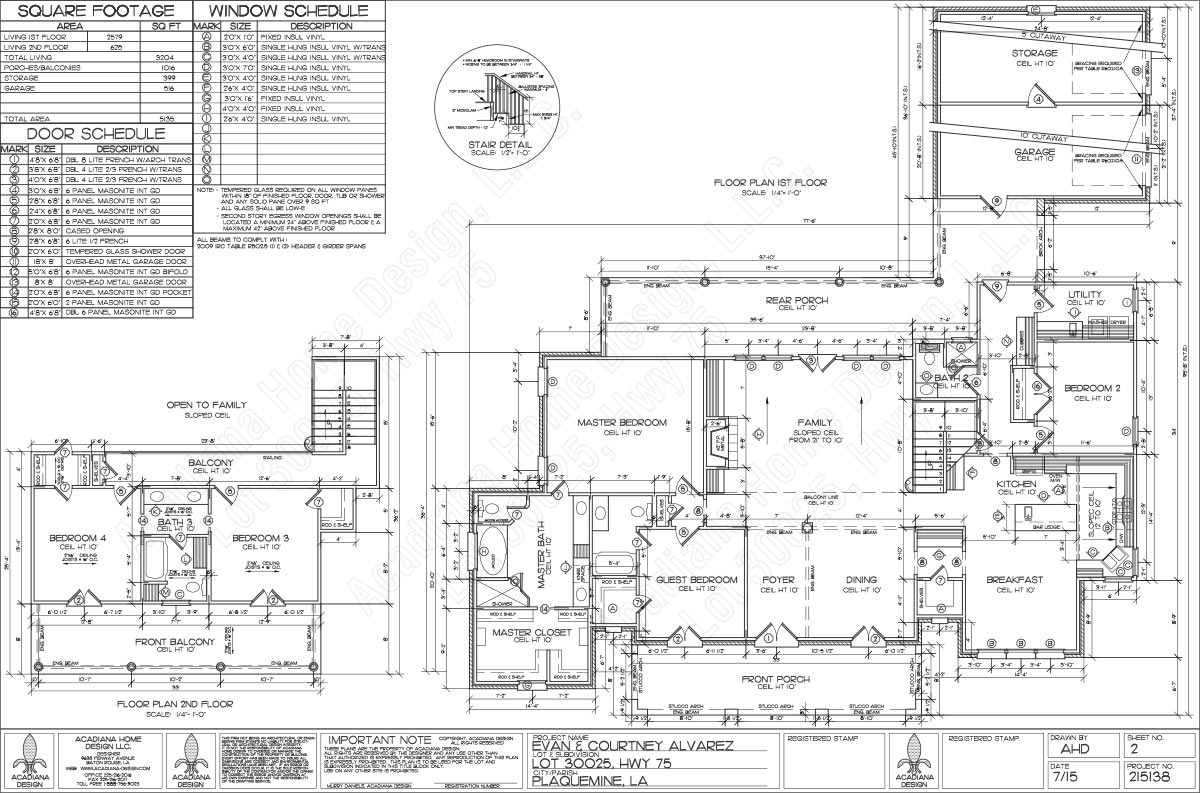 After consulting with the your chosen builder, they will typically create a set of floor plans for you to review. Most decisions you make beyond this point will affect the way the exterior of the home will look, because the exterior proportions of the home will be reflective of the space and layouts of the rooms inside the home. The professional drawing the plans will be able to help you navigate the design obstacles, yet you should also consult your contractor so they can help you to avoid common pitfalls and discuss the implications of any changes.
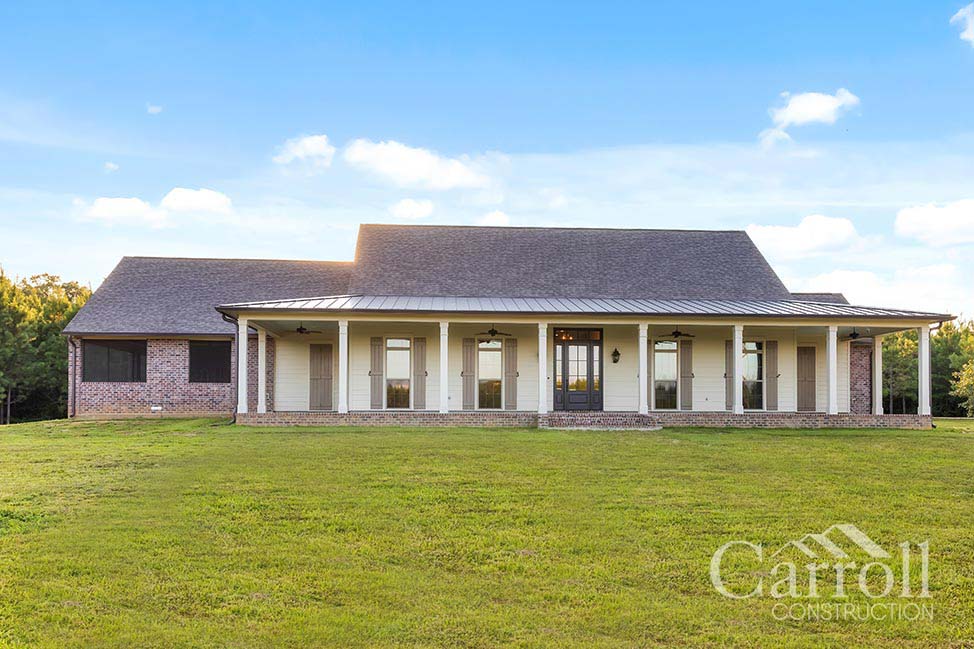
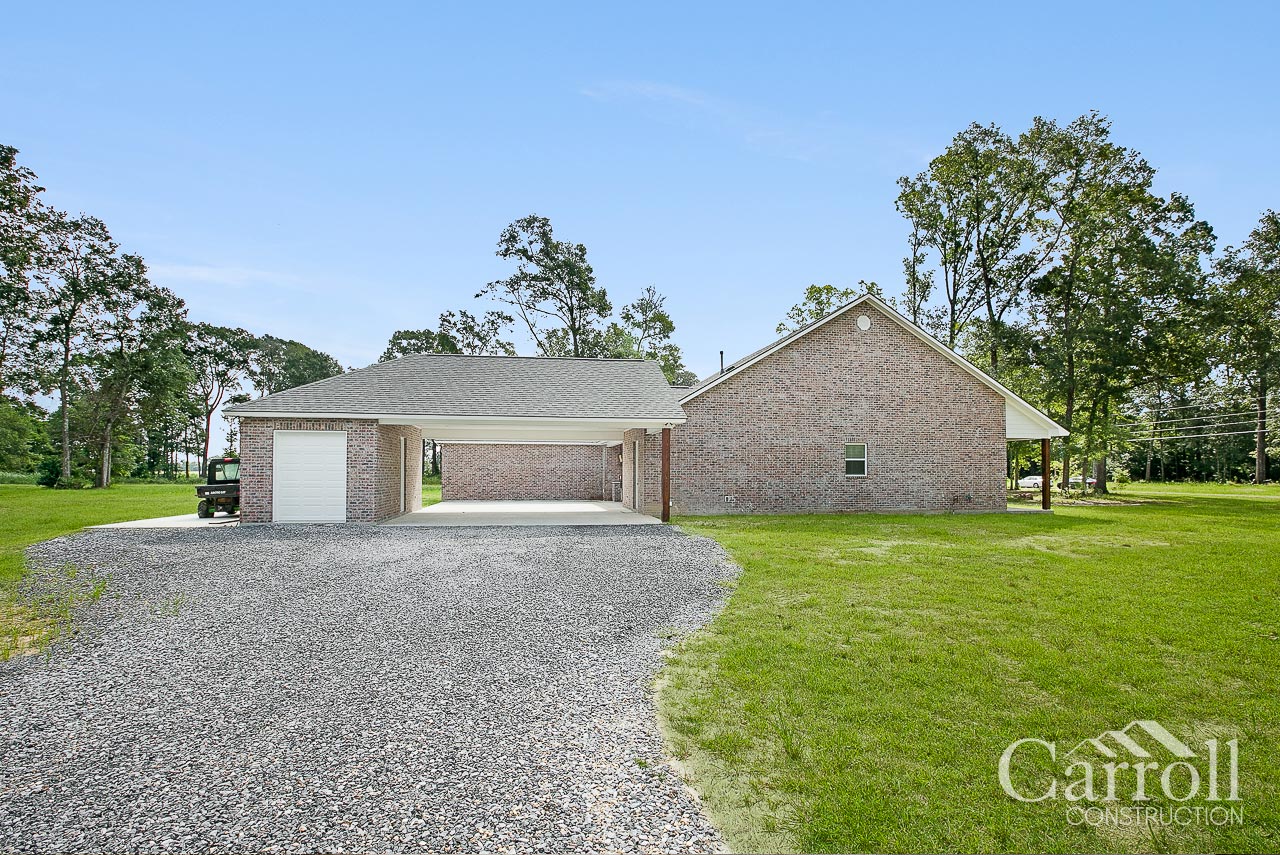
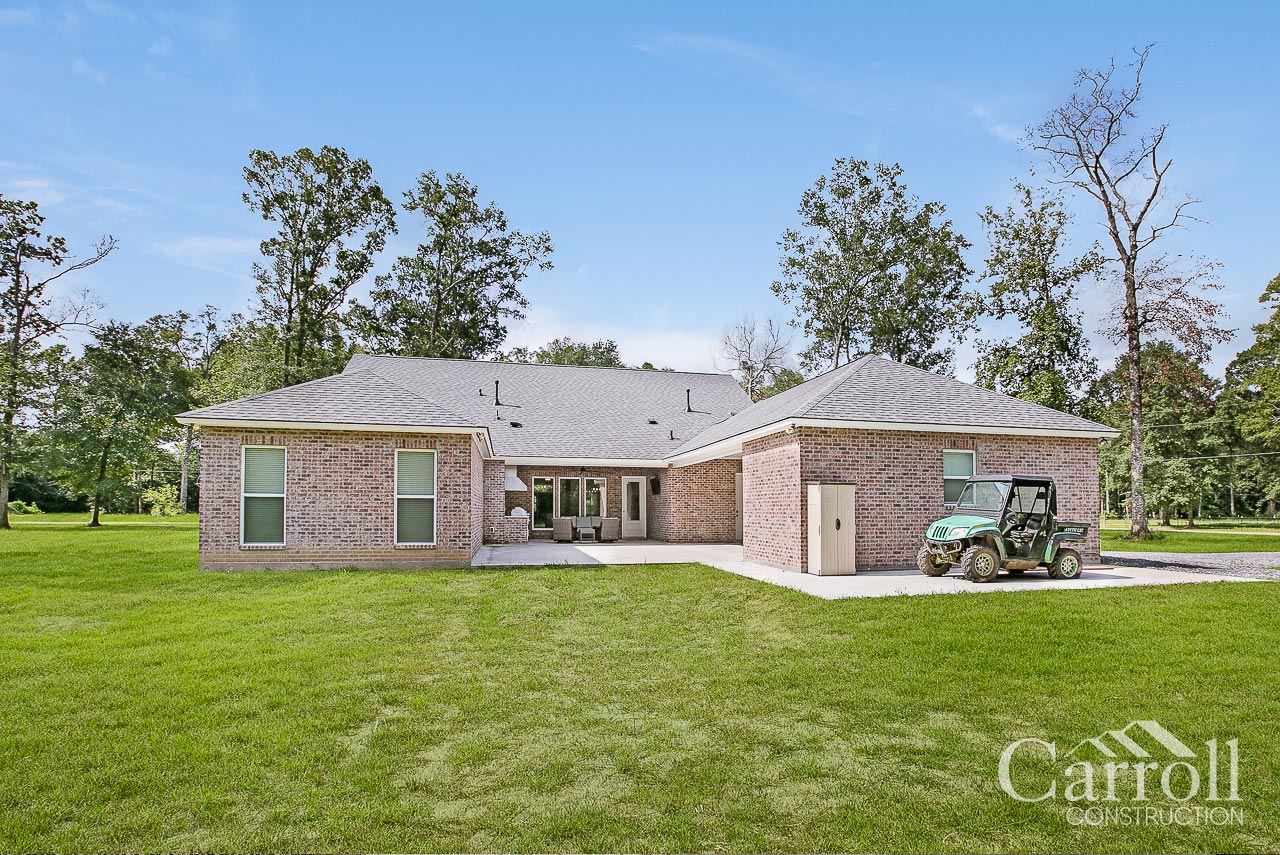
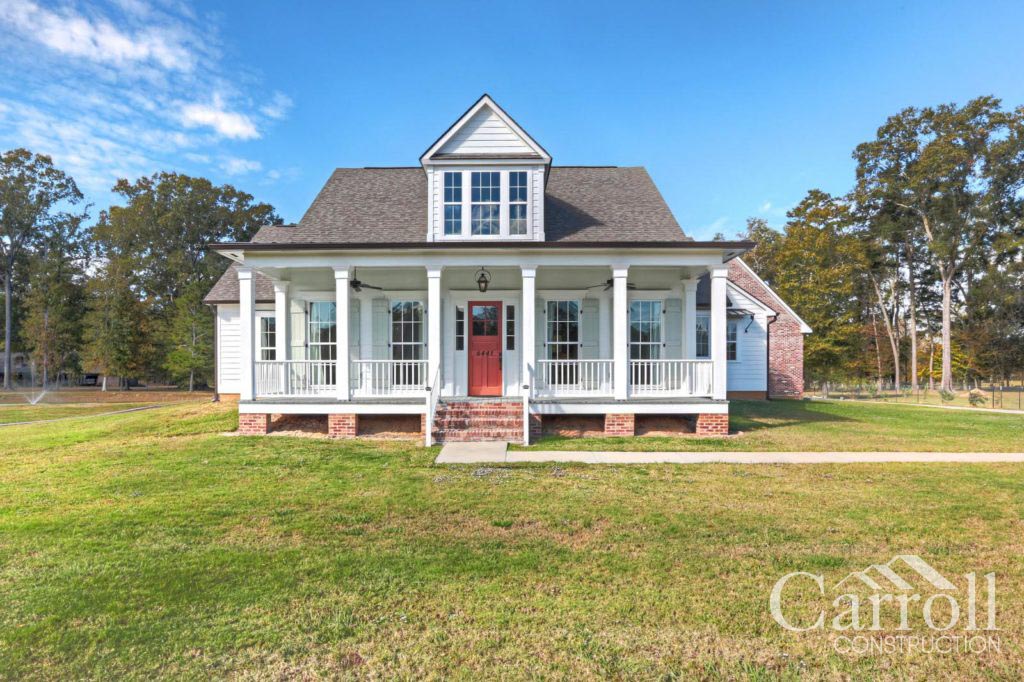
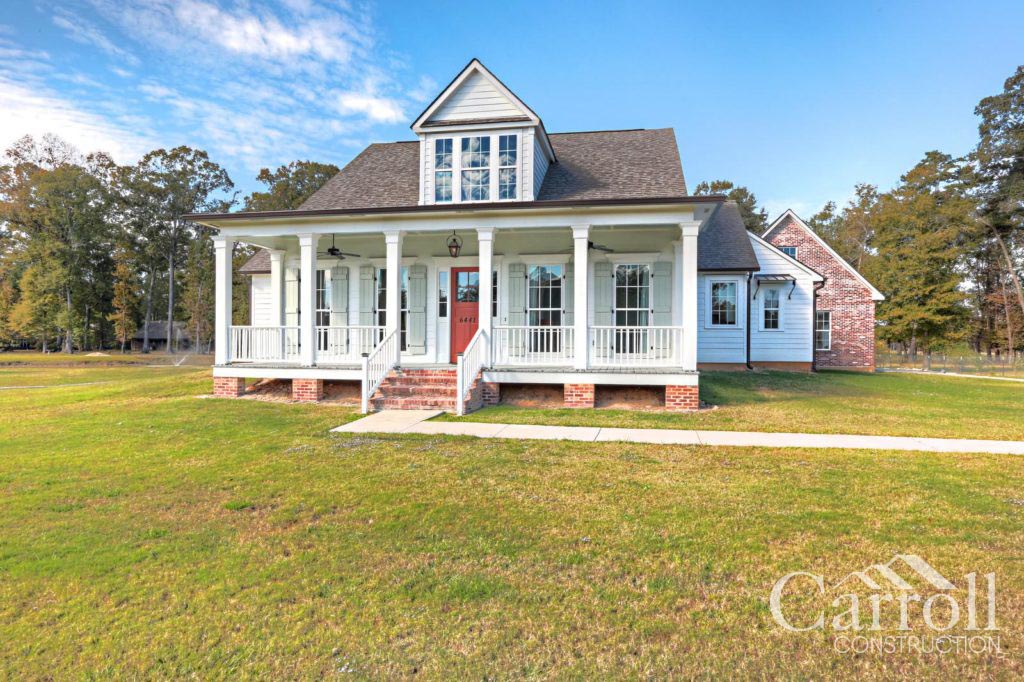
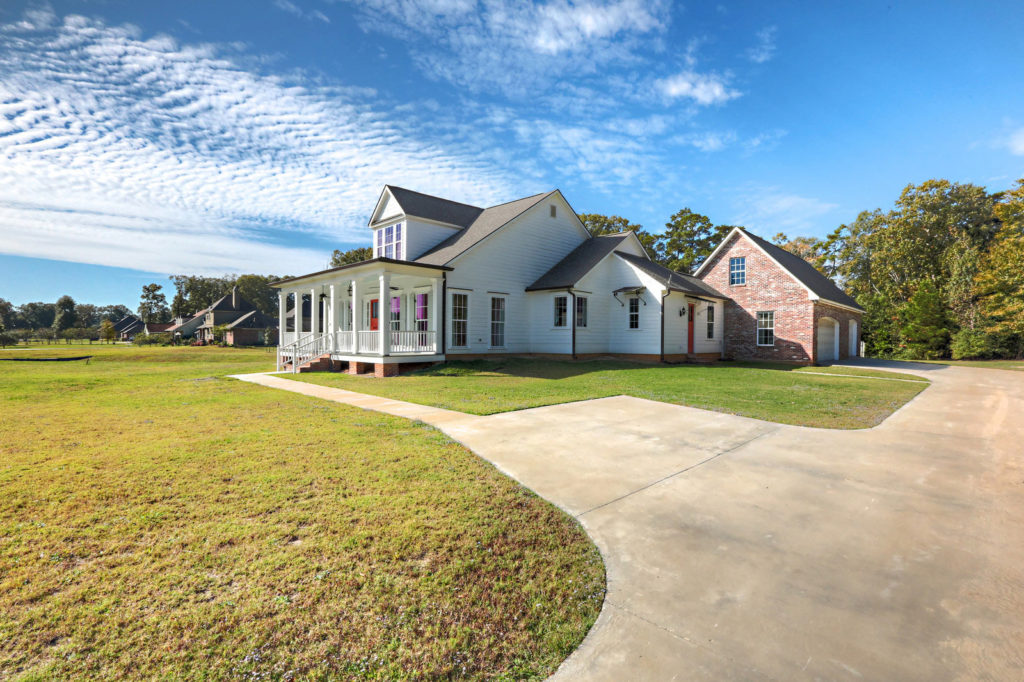
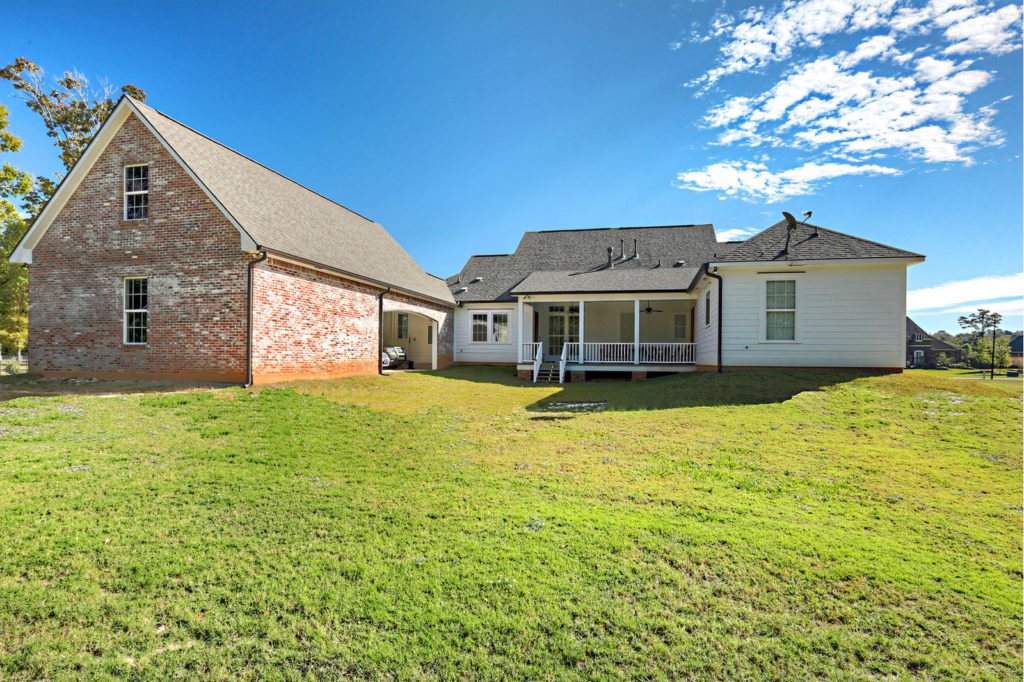
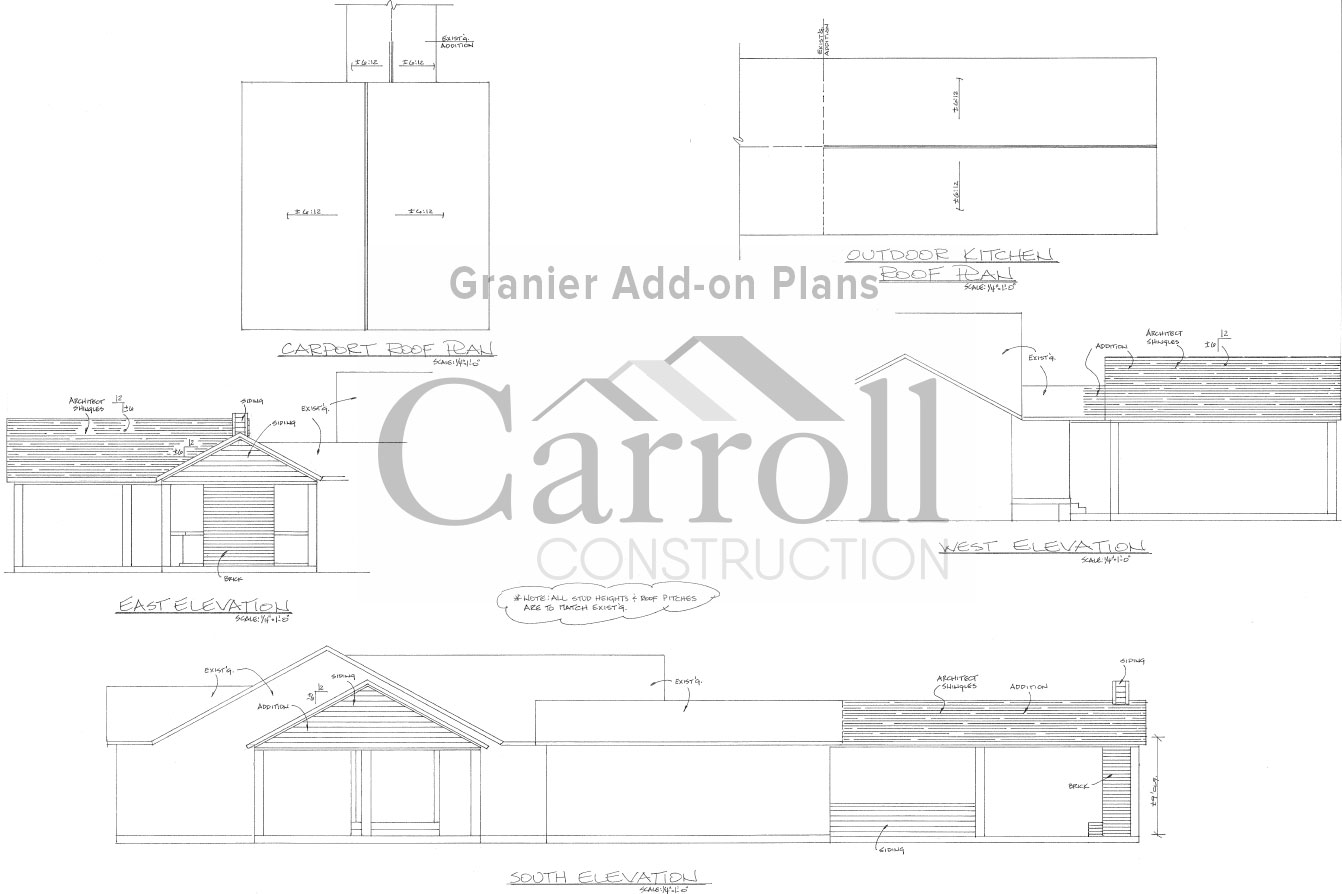
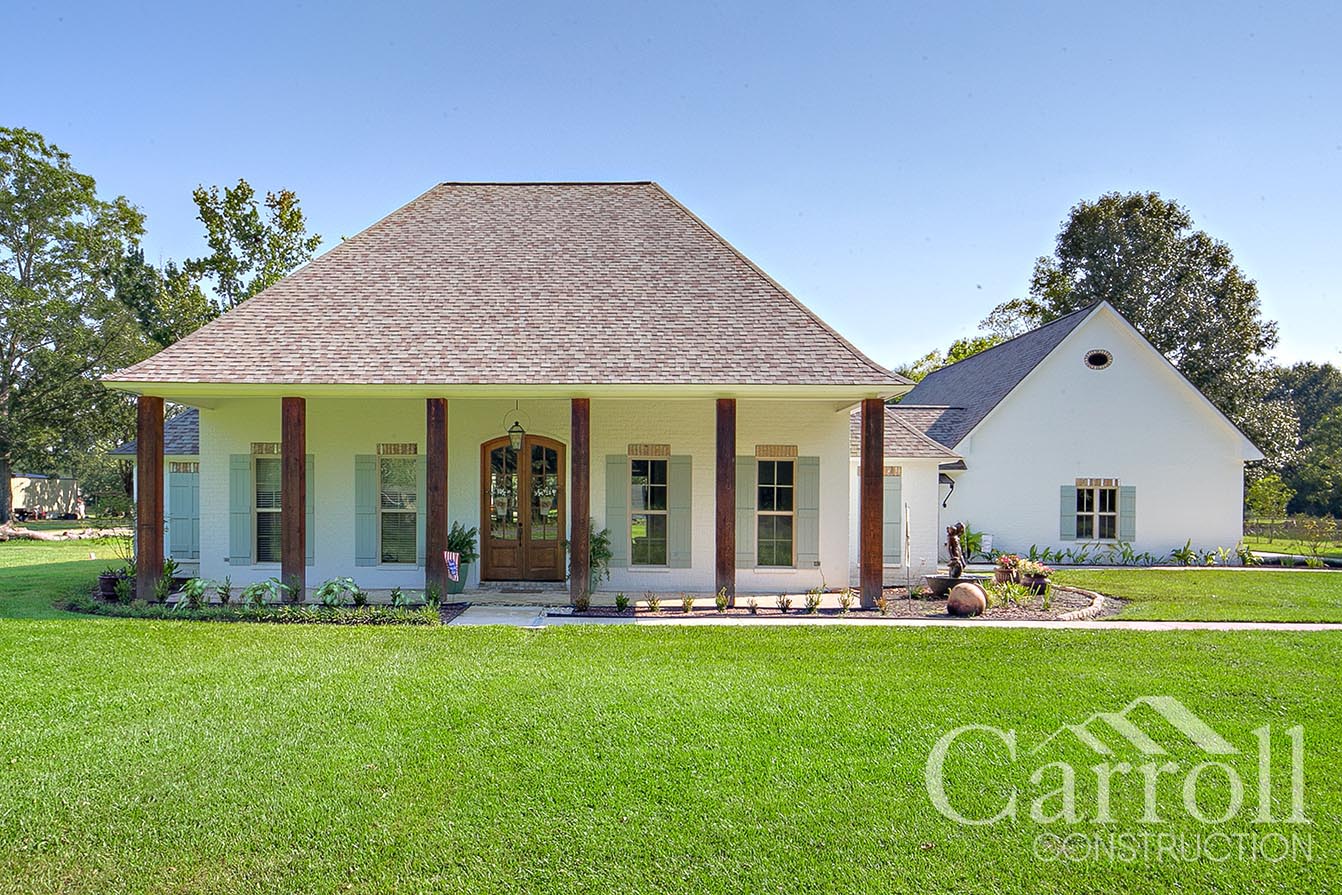
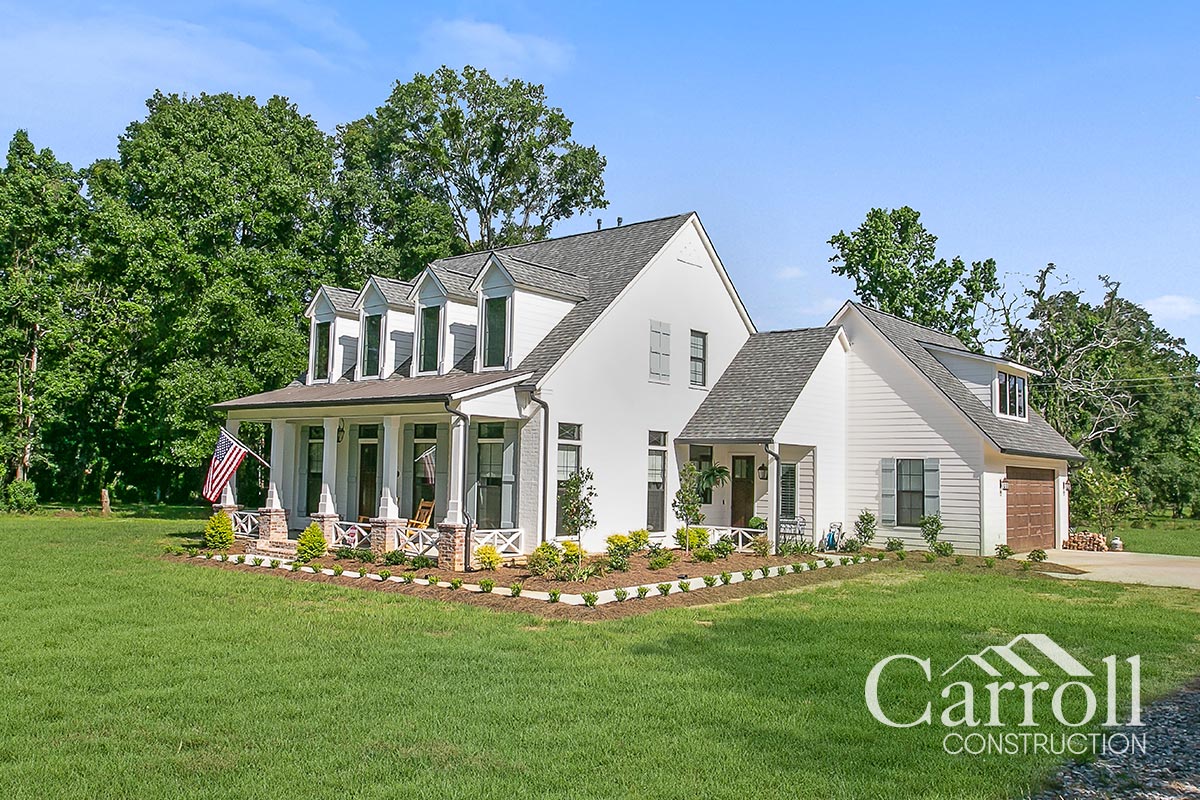
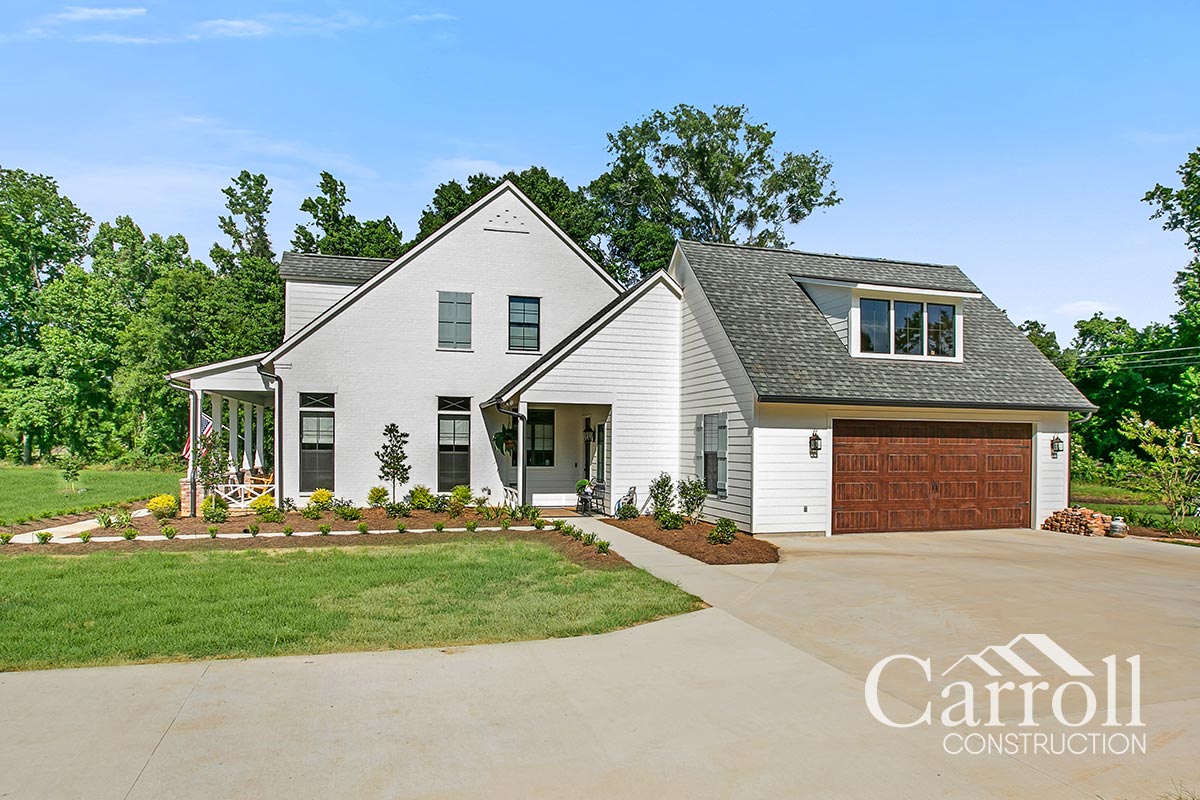
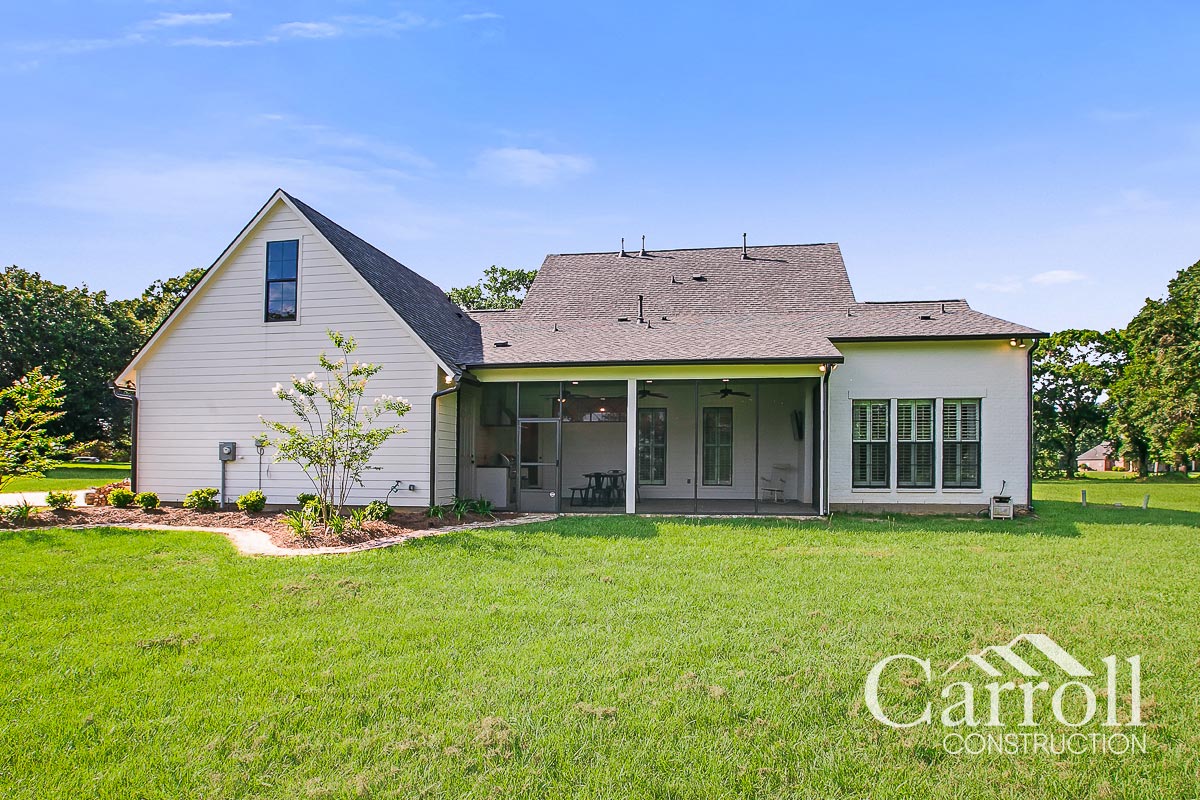
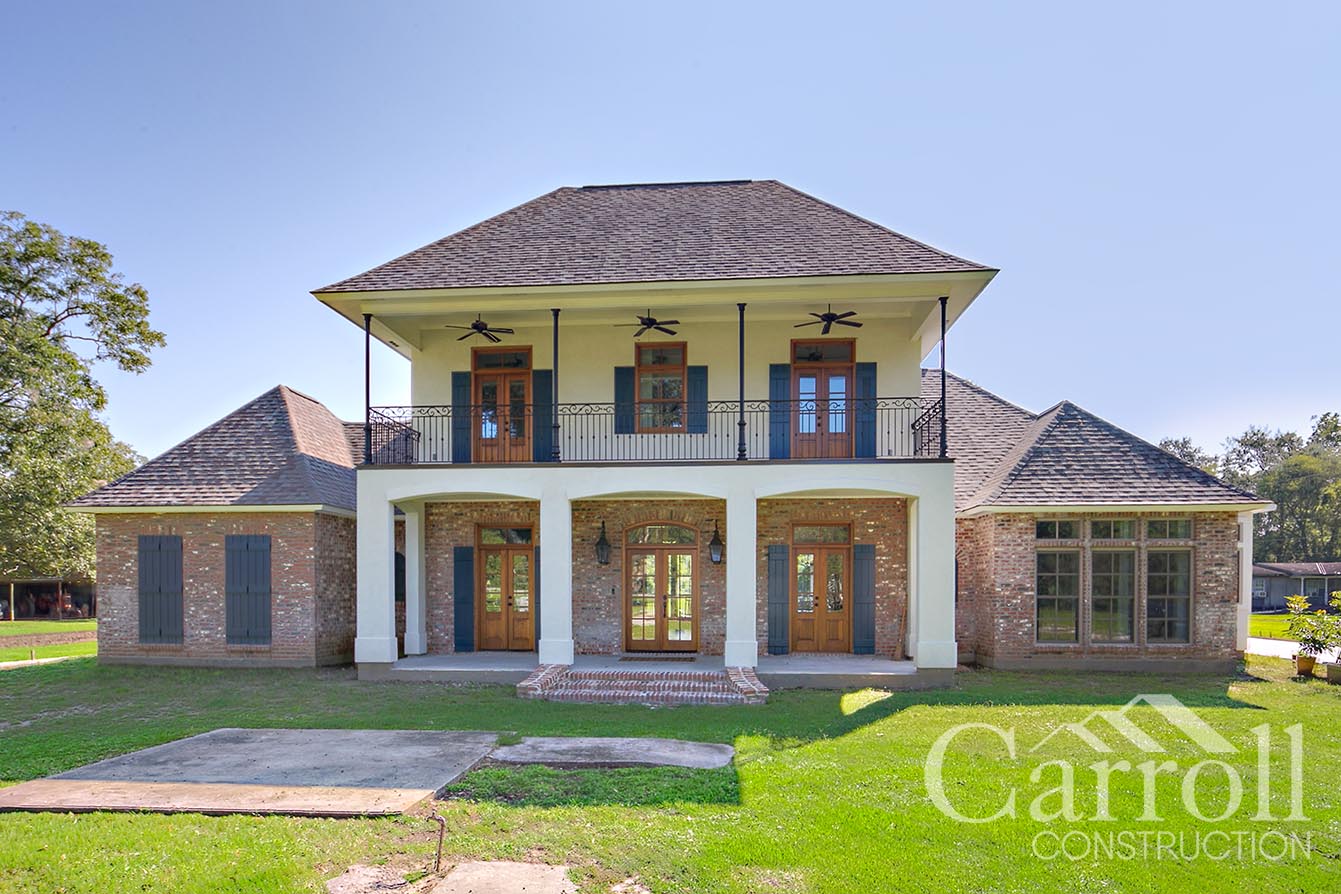
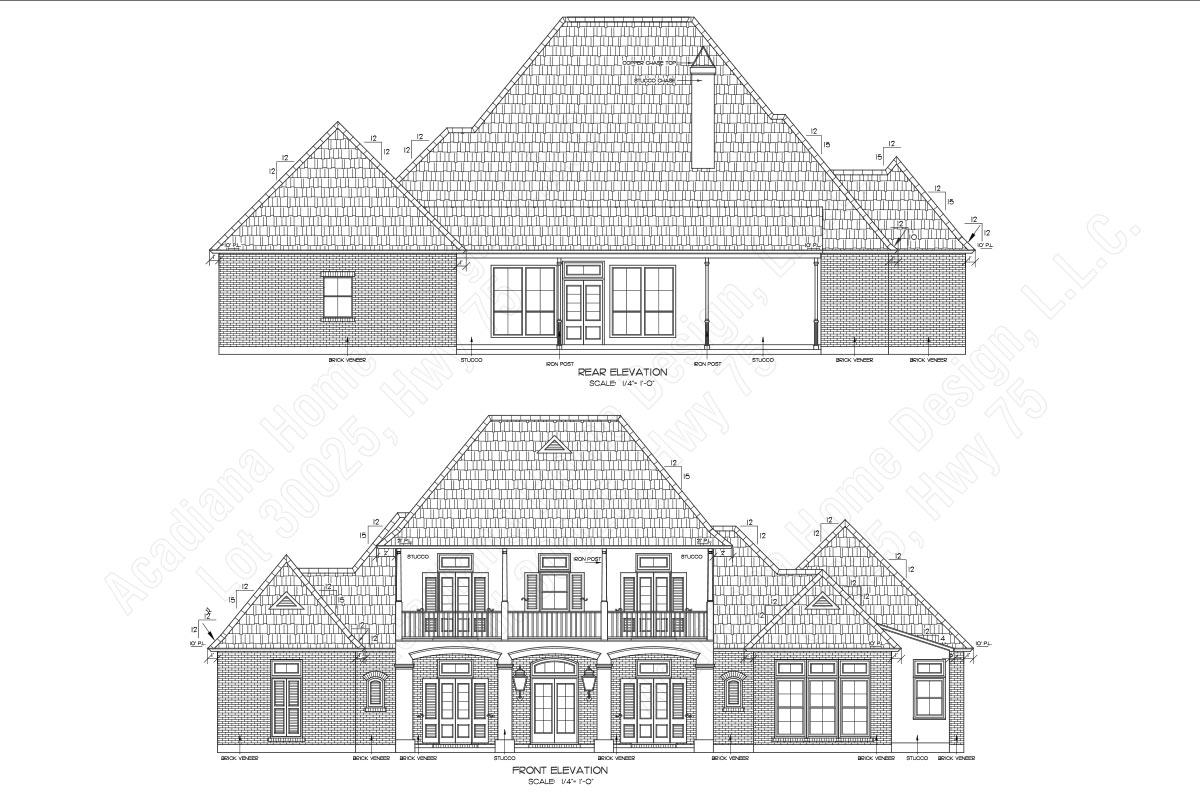
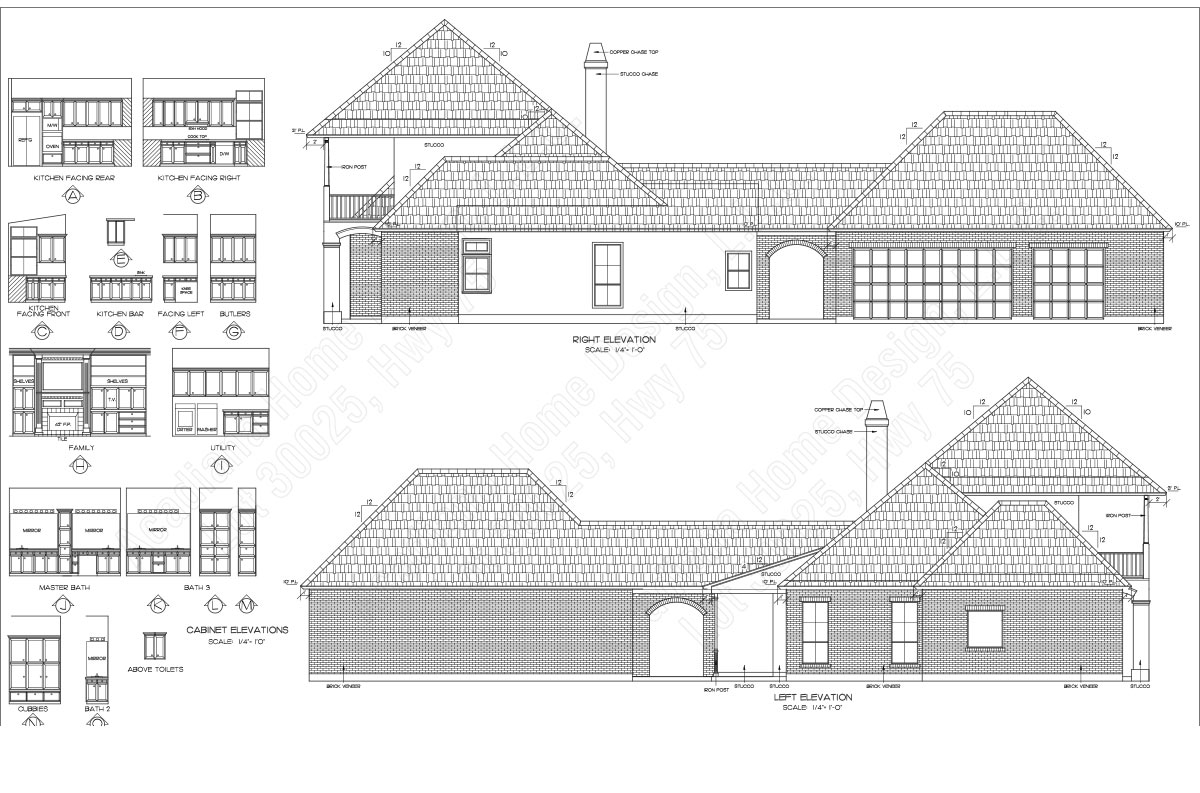
 Once you complete any revisions to the floor plan, a set of elevations will be completed and you will have a chance to review these plans. Elevations are the drawings of what your home will look like when looking at the outside straight on from each side of the home.
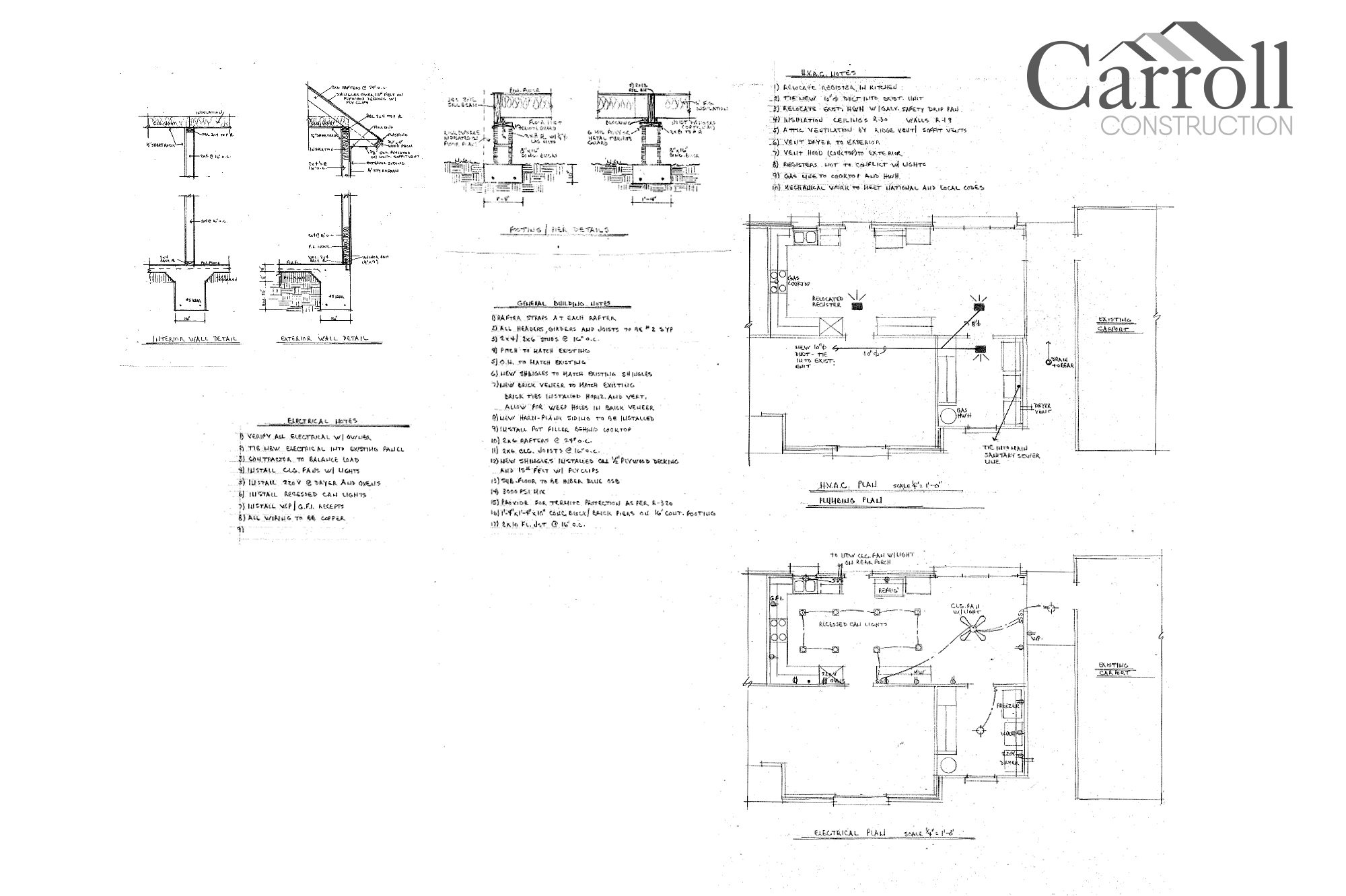
Many people buy ready-made plans online only to find that they spend more on the plans because they have to hire a local draftsman to recreate the plans according to local requirements. Some of the non-universal factors that have to be modified for local regulations include the HVAC Layout, the Plumbing Plan, the Foundation Plan (designed for local requirements), the correct Rafter Sizing (i.e.; factoring in “snow loads” are required up north, but not in warmer parts of the country), Wall Framing/Wall Bracing based upon local wind speeds, and the Plot Plan which shows how the home will be oriented on your specific lot.
The above factors address modifications that would need to be made to generic plans bought online by people building in Louisiana, you should check out the specific requirements of your local permit office before purchasing any plans. A local plan designer is always the safest choice.
WE DO NOT RECOMMEND PURCHASED A PLAN FROM AN ONLINE SOURCE!
Navigate to individual steps using the summaries of each section below.
Start mapping out a path to building your custom home to determine your land choices and How Big, How Fancy, & How Much!
Where to live is a major decision. Learn about choosing the right land for your home with these Pros & Cons of rural land vs. a neighborhood lot.
It is now time to choose the style of your new house, so we compiled some of the popular home styles to help inspire your thought process.
When considering the general amenities of your new home, use this short-list of fixtures & features as a reference guide to spark your imagination.
You should select a contractor whose work aligns with your own vision of what you have for your home.
Discover expert insight on how you should go about creating floor plans and designing (or buying) blueprints for your new custom home.
Use this section as a handy reference guide to understand what to expect during the time-intensive process of bidding the work.
After receiving a written estimate from the builder, it is time to secure financing for construction. Find guidance & resources here!
You're almost there! Learn about your loan closing date, getting a date to start building, plus other final details of the journey!
Learn what is needed to determine if the land you choose is in a flood zone, how to request a determination, and how to mitigate the risks with building there.
Learn about the financing terms, payment structure and types of construction loans...plus the common documents needed to apply for a construction loan.