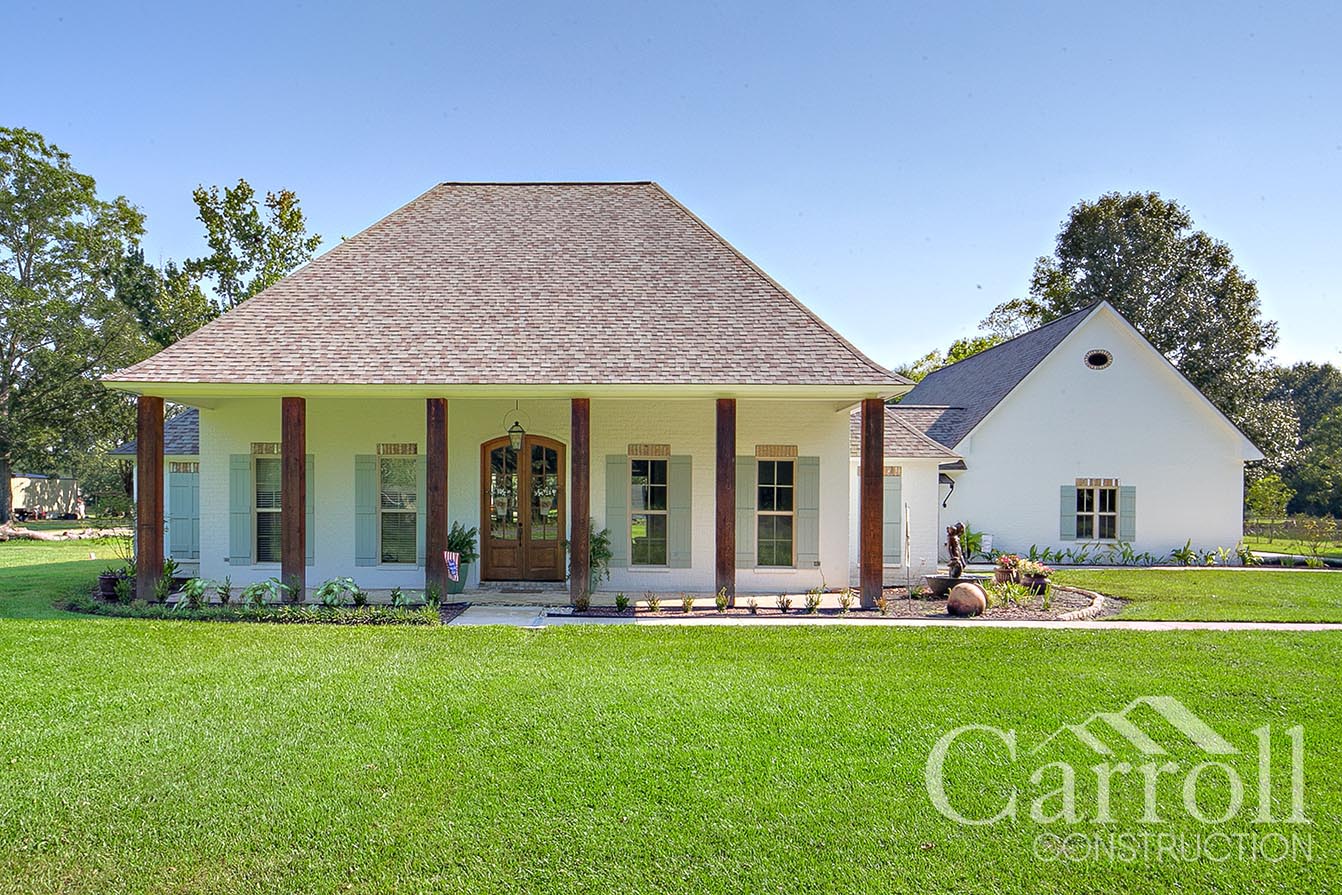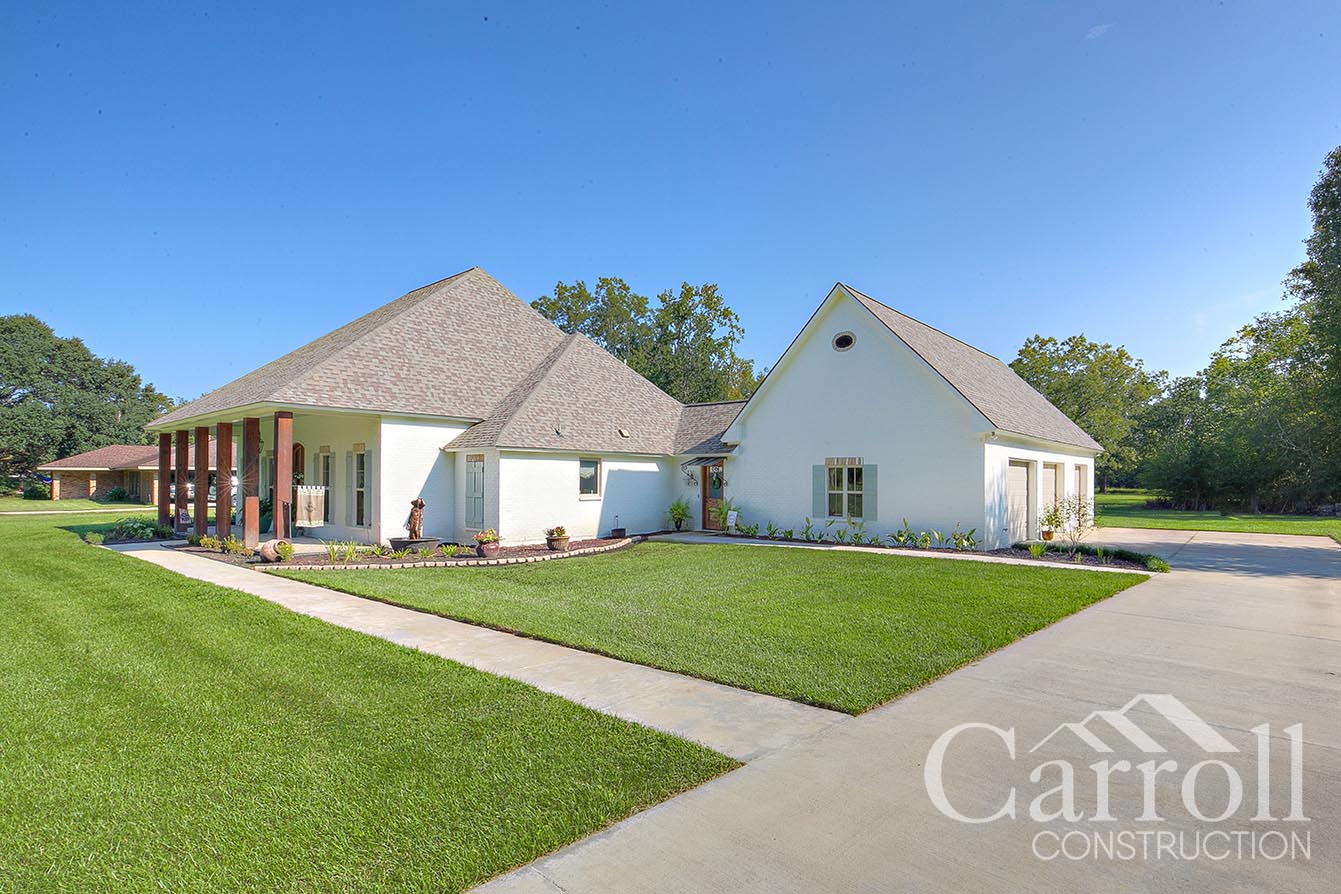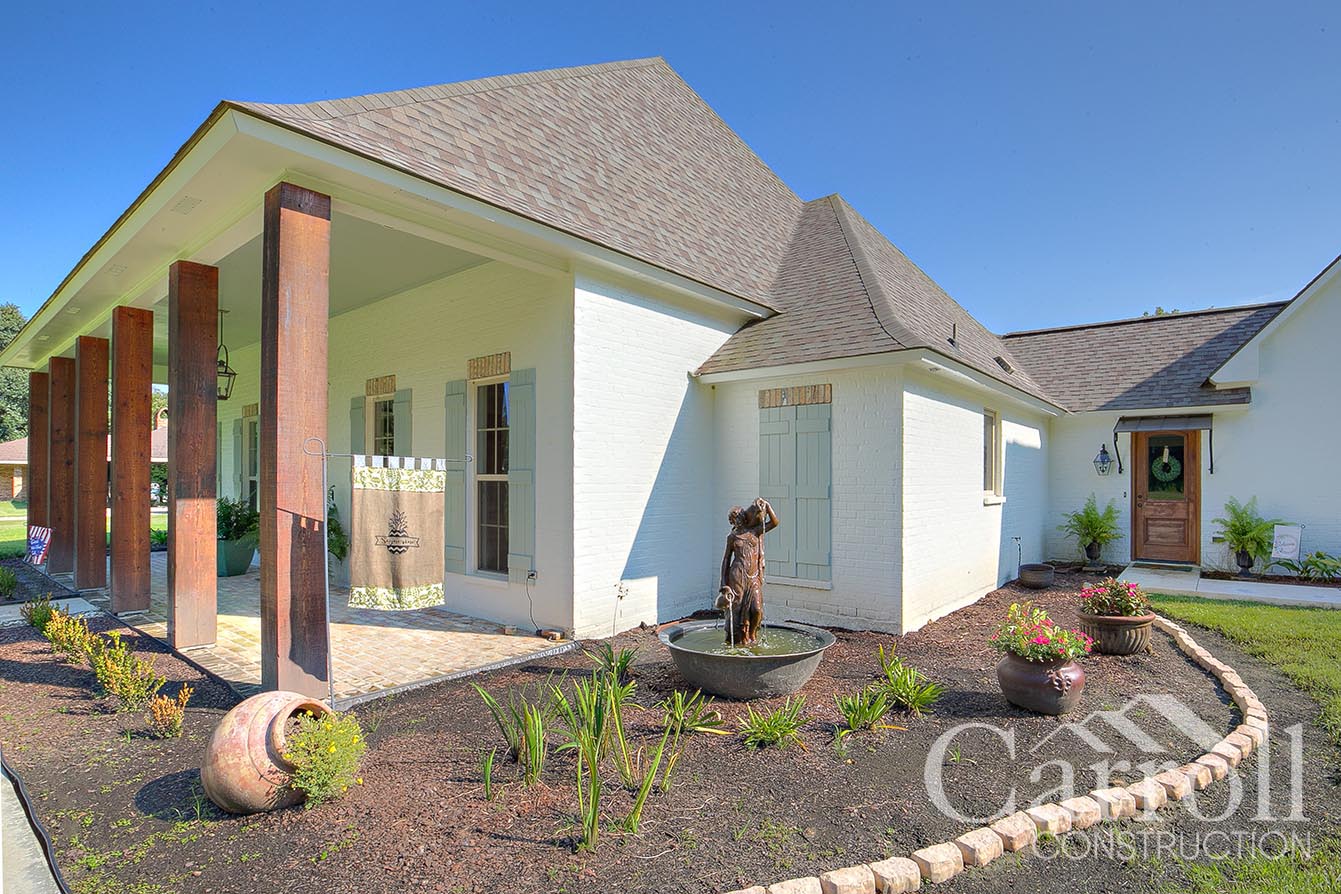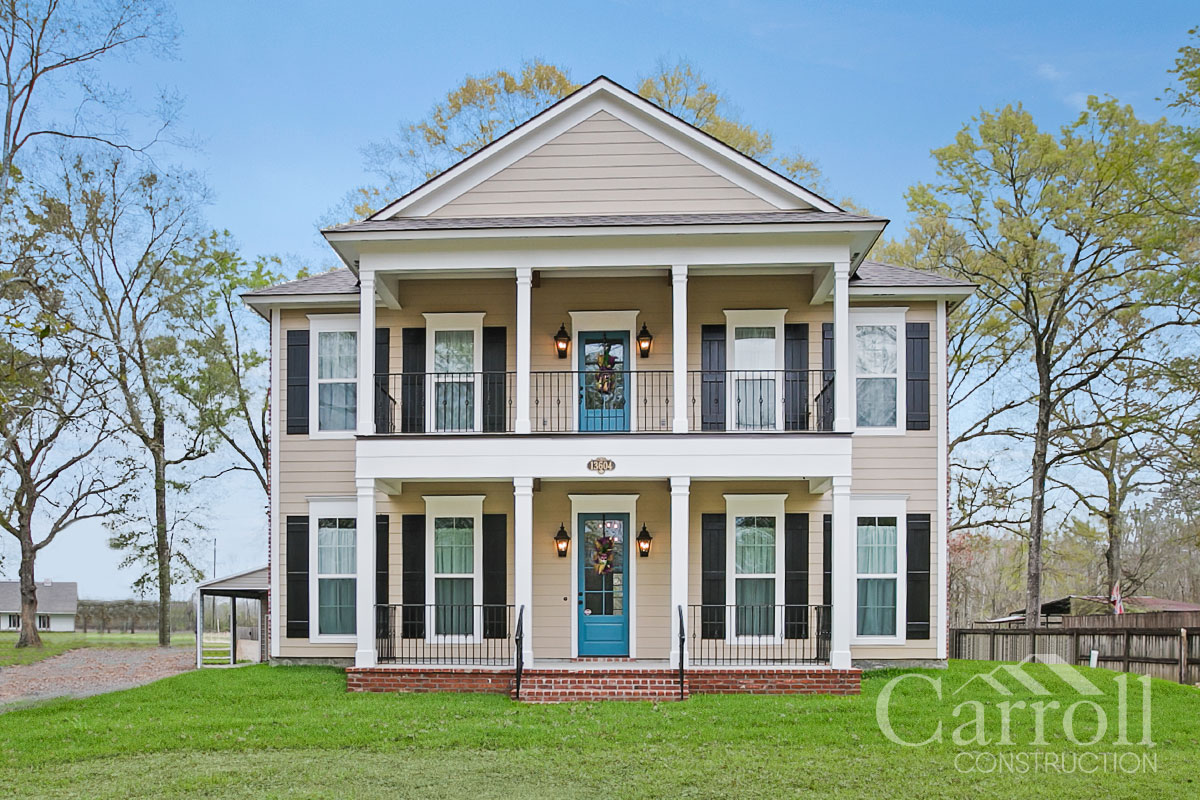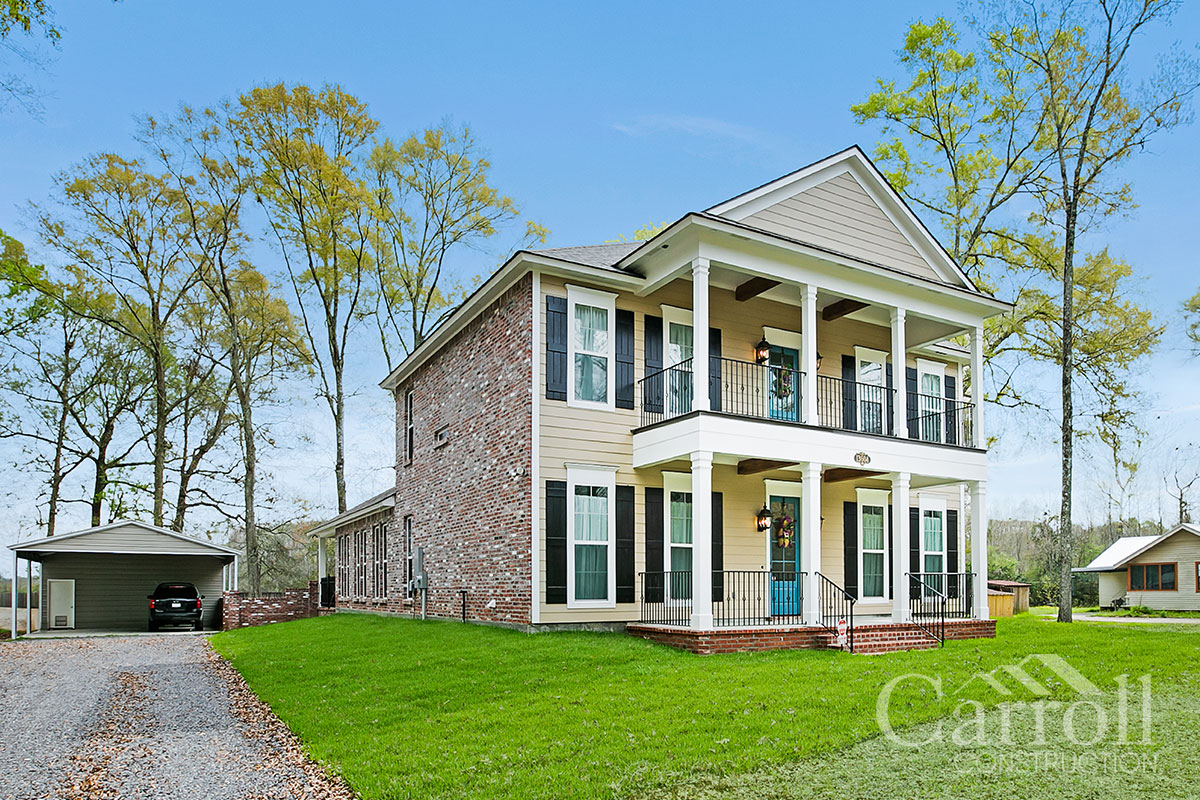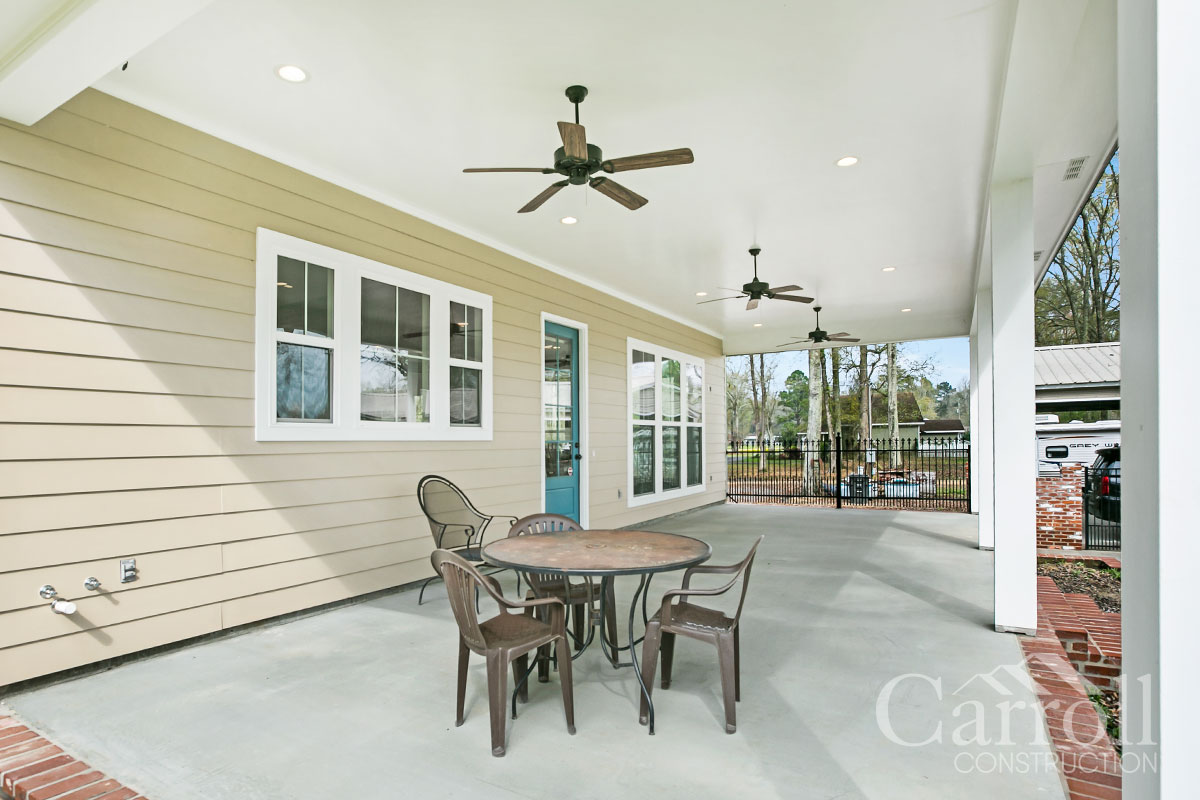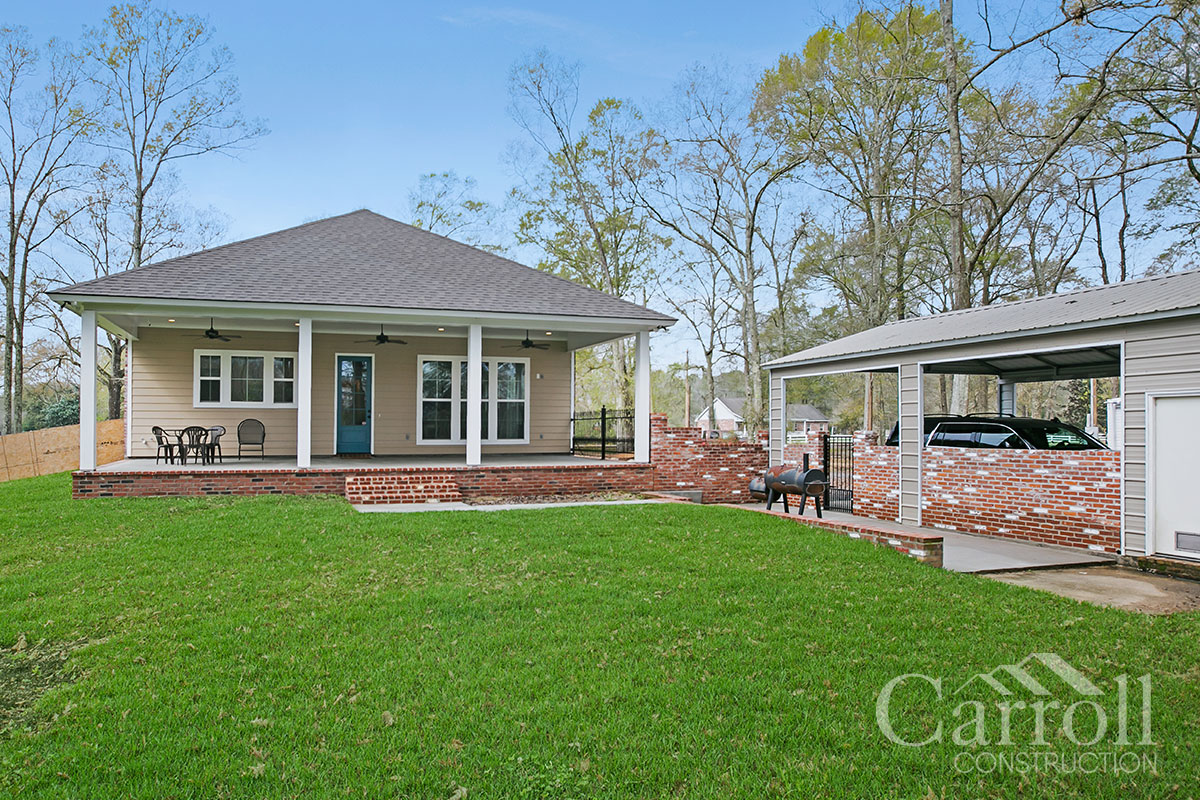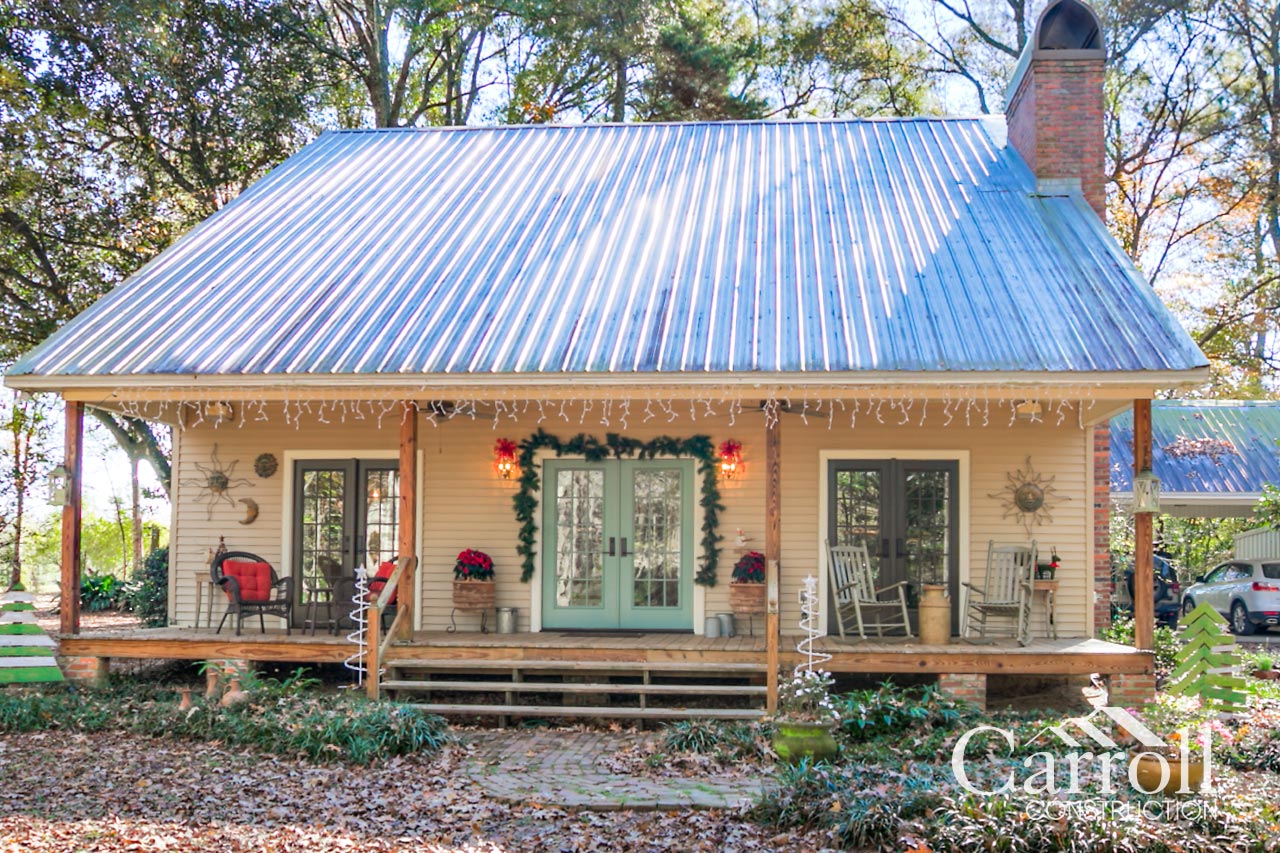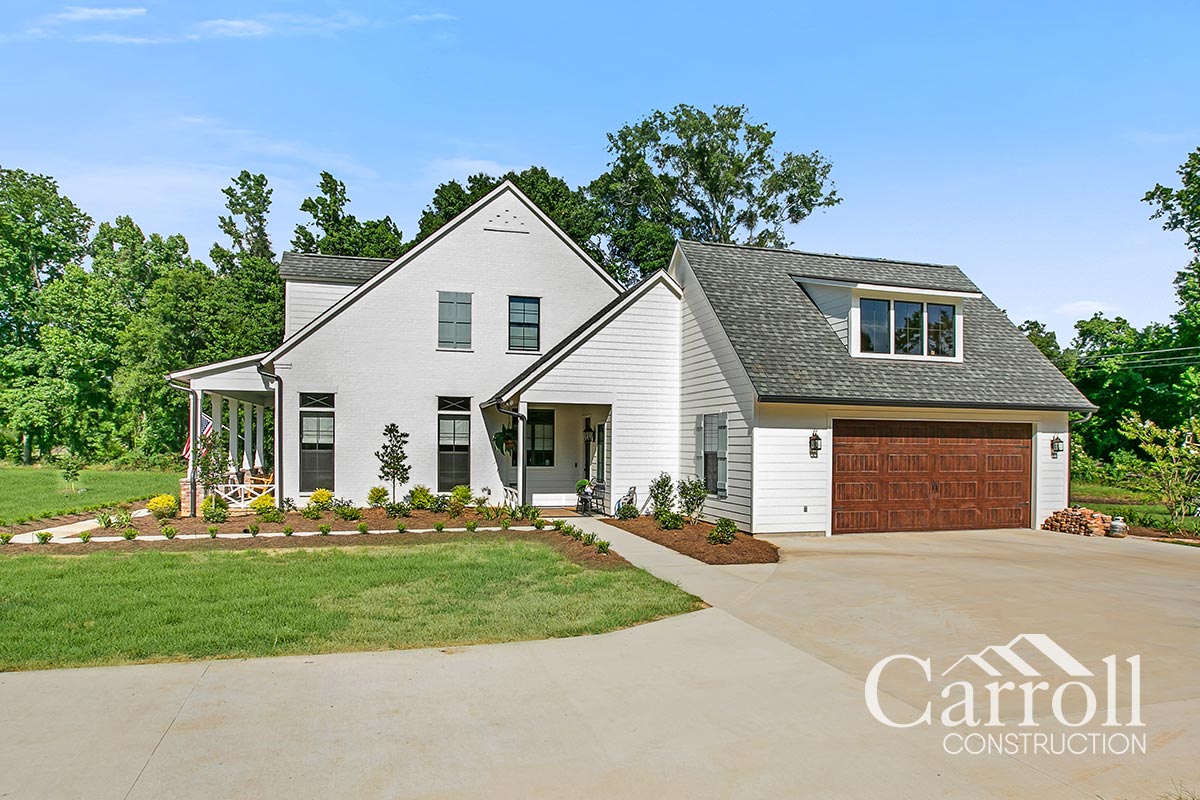
Here in Louisiana, it's quite common to build a in a flood zone.
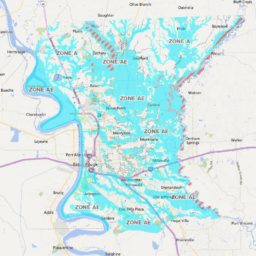 Although there are certain risks to building a new home inside a flood zone, most of those risks can be mitigated. The first step is to visit the Louisiana Floodmaps resource site and enter the address of your property (or a nearby address) to determine if your new house will be in a flood zone. While this tool is helpful, it does not replace the accuracy of a survey, so we encourage clients to ALWAYS order a proposed elevation for a property before purchasing.
If the survey determines the land you've picked out is in a flood zone, rest assured you will be required to buy flood insurance. The typical flood insurance policy costs about $700 per year, but that average cost can vary. Another effective way to reduce the risk of flooding is to build up the ground above the 100 year Base Flood Elevation (BFE) prior to construction.
Due to the devastating flooding in the Greater Baton Rouge area in 2016, there has been a delay in publishing the BFE for many areas on the resource sites. Moreover, FEMA updates their flood maps approximately every 4 years so it is likely that the BFE for most property is not the same as it was a few years ago. This survey should generate a FEMA-approved proposed elevation certificate, and often the surveyor will even place a nail or a tree or utility pole to mark the referenced elevation. Request a Flood Hazard Determination Review From FEMA
It is important to note that you should NOT rely on the selling agent or landowner's information unless a survey to determine the proposed elevation has been completed within the last 8 months. Even if the survey has been completed within the last 8 months, it is important to verify the FEMA flood maps have not been revised within that period.
If the natural ground is above the Base Flood Elevation but the property is listed in a Special Flood Hazard Zone, then a Letter of Map Amendment (LOMA) may be obtained as an option to eliminate the flood insurance requirement. If "fill" is necessary to raise the ground up, then a Letter of Map Revision based on Fill (LOMR-F) would need to be obtained. More information on permits and requirements are available at the FEMA website.
Steven Darmofal provides an excellent resource for information on all Flood-related surveys and processes can be found here.
Carroll Construction pays especially close attention to these certificates and BFE data so that we can make the best recommendation on how high to build up the ground and what that cost would be. Due to the time it takes for FEMA to respond to LOMA requests - up to 90 days after a request is made - the timeline for construction to begin may need to be adjusted.

Click here to get started down the roadmap, or navigate to individual steps using the summaries of each section below.
Step #1: Begin the Feasibility Review
Start mapping a path to building your custom home to determine your land choices and How Big, How Fancy, & How Much!
Step #2: Make Your Land Choice
Where to live is a major decision. Learn about choosing the right land for your home with these Pros & Cons of rural land vs. a neighborhood lot.
Step #3: Select The Exterior Style
It is now time to choose the style of your new house, so we compiled some of the popular home styles to help inspire your thought process.
Step #4: Consider Your Amenities
When considering the general amenities of your new home, use this short-list of fixtures & features as a reference guide to spark your imagination.
Step #5: Choosing Your Builder
You should select a contractor whose work aligns with your own vision of what you have for your home. Read these tips for choosing the right builder.
Step #6: Designing House Plans
Discover expert insight on how you should go about creating floor plans and designing (or buying) blueprints for your new custom home.
Step #7: Bidding the Construction Work
Use this section as a handy reference guide to understand what to expect during the time-intensive process of bidding the work.
Step #8: Financing & Signing Contracts
After receiving a written estimate from the builder, it is time to secure financing for construction. Find guidance & resources here!
Step #9: Final Steps Before Construction
You're almost there! Learn about your loan closing date, getting a date to start building, plus other final details of the journey!
Special Addendums and Worksheets
Considerations for Building in Flood Zones
Learn what is needed to determine if the land you choose is in a flood zone, how to request a determination, and how to mitigate the risks with building there.
The Basics About Construction Loans
Learn about the financing terms, payment structure and types of construction loans...plus the common documents needed to apply for a construction loan.